






Step by Step Energy Storage Setup: Cut Faults by 40% in UK Vans
Learn how proper fuse installation cuts leisure battery faults by 40%. Complete step-by-step guide for UK campervan owners to set up reliable off-grid power systems safely.
You’ve been there: your campervan battery dies halfway through a weekend trip, leaving you without lights or a working fridge. Many UK leisure vehicle owners struggle with unreliable off-grid power because battery setup remains unclear. Improper installation causes frequent faults and drastically shortens off-grid time. This guide walks you through planning, installation, safety, testing, and maintenance so you can confidently set up your leisure vehicle energy storage and enjoy true power independence.
Table of Contents
- Prerequisites And Planning Your Energy Storage Setup
- Selecting Batteries And Safety Considerations
- Physical Installation And Wiring
- Integrating Charging Systems: Solar And Alternator Connections
- System Testing And Troubleshooting
- Maintenance And Expected Outcomes
- Get Expert Help With Your Lithium Battery Setup
- Frequently Asked Questions
Key Takeaways
| Point | Details |
|---|---|
| Fault Prevention | Proper fuse installation prevents over 40% of faults in leisure battery systems. |
| Energy Planning | Calculate your energy needs with a 20% buffer before installation. |
| Battery Choice | Use lithium iron phosphate batteries with compatible BMS for safety. |
| Charging Integration | Integrate solar and alternator charging for optimal off-grid power. |
| Maintenance Impact | Routine maintenance every 3 to 6 months extends battery life by up to 30%. |
Prerequisites and Planning Your Energy Storage Setup
Before you start installing, you need the right tools and a solid plan. Gather essential tools like spanners, screwdrivers, a multimeter, insulated gloves, and safety glasses. Without these, you risk injury or incorrect installation.
Calculate your daily energy demand by listing all appliances and their usage hours, then add a 20% buffer. This buffer accounts for inefficiencies and unexpected usage, ensuring your battery won’t run flat during a trip. Review your vehicle’s layout for a suitable battery location with proper ventilation and secure mounting. Poor placement leads to overheating or damage from vibration.
Confirm your existing charging systems, whether solar panels or alternator chargers, are compatible with lithium batteries. Mixing incompatible systems damages batteries and wastes money. Educate yourself on basic electrical safety before attempting DIY installation. Understanding polarity, voltage, and short circuit risks prevents costly mistakes.
Essential tools and safety equipment must be gathered before lithium battery installation. Follow the lithium battery setup guide for detailed preparation checklists tailored to UK campervans.
Pro Tip: Write down your energy calculation and keep it in your vehicle logbook. You’ll reference it when upgrading or troubleshooting your system.
Selecting Batteries and Safety Considerations
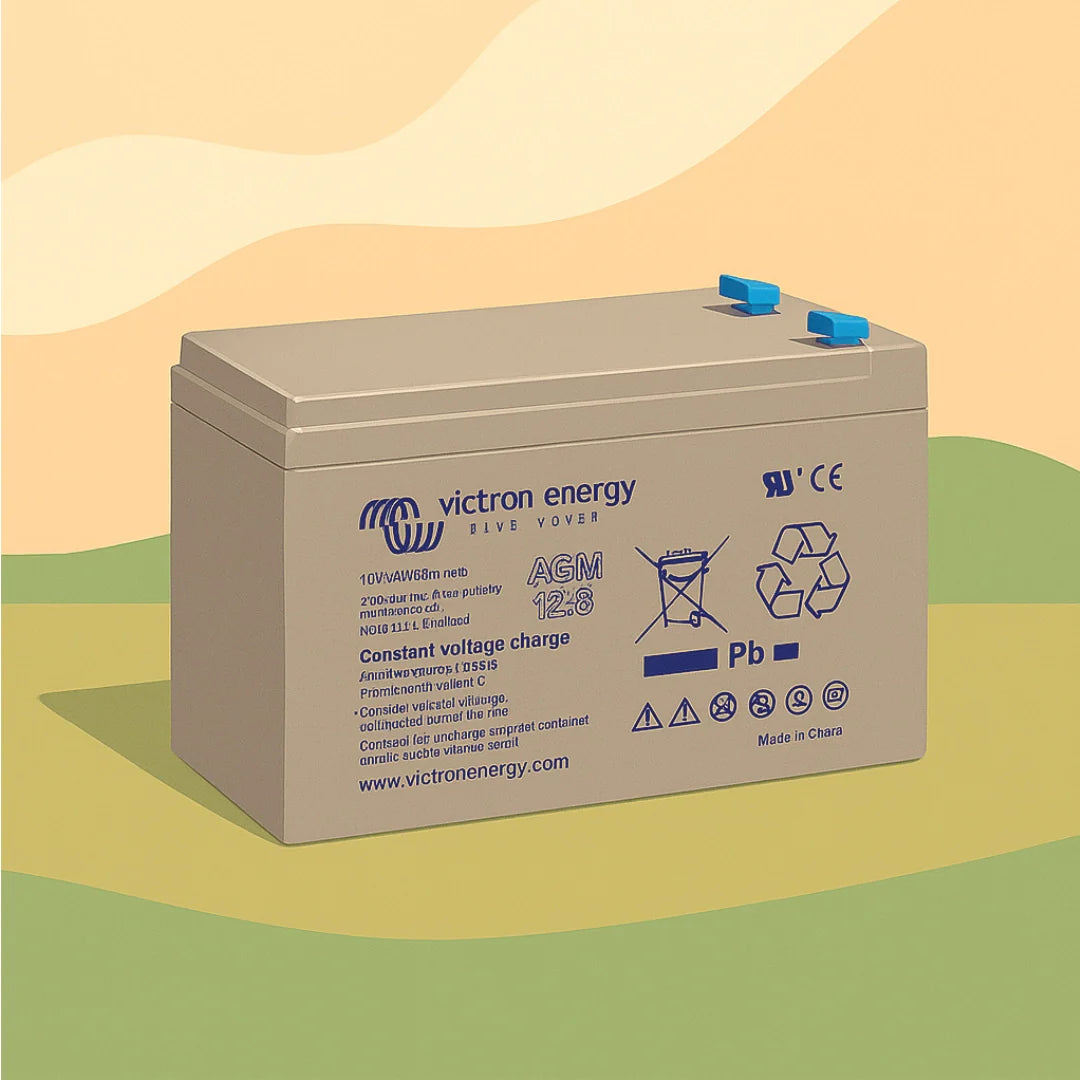
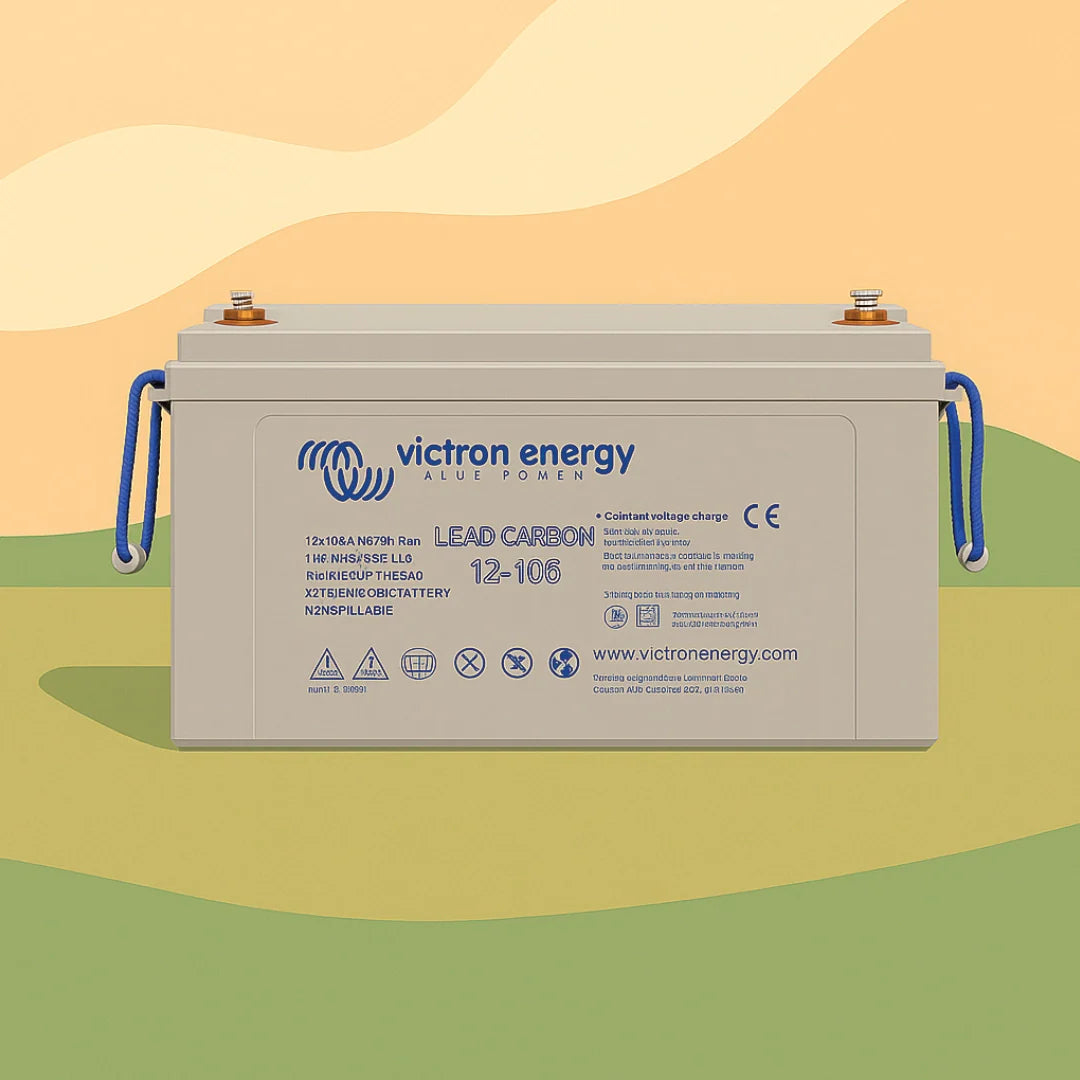
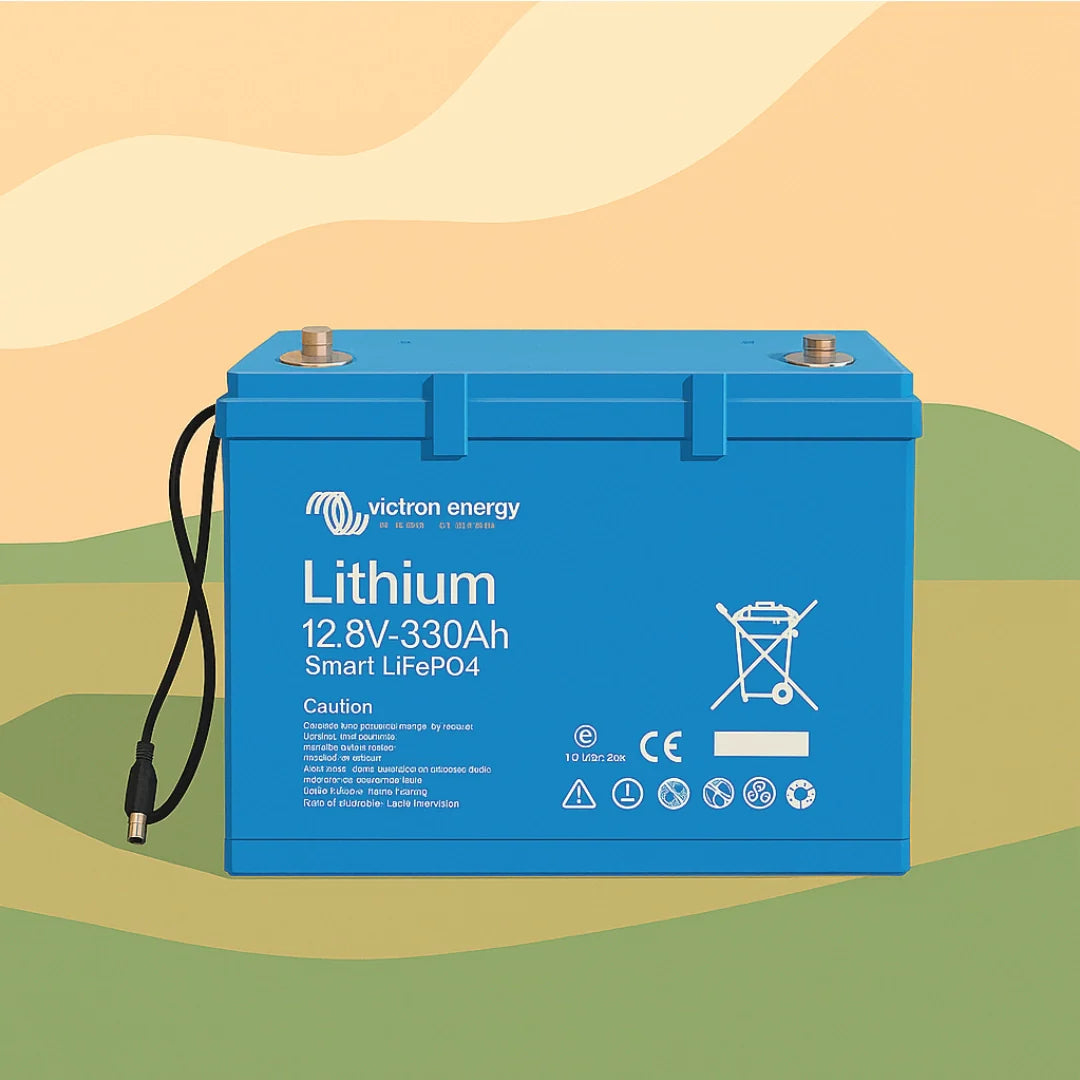
Choosing the right battery type makes or breaks your off-grid experience. Lithium iron phosphate (LiFePO4) batteries outperform traditional lead-acid batteries in almost every way. They offer deeper discharge without damage, charge faster, and last significantly longer. Lithium iron phosphate batteries offer a 3 to 5 times longer lifespan and safer discharge than lead-acid alternatives.
A Battery Management System (BMS) monitors cell voltage, temperature, and current, shutting down the battery if conditions become unsafe. Never skip the BMS. It’s your first line of defense against fire and battery failure. Select a safe, ventilated, vibration-free mounting location inside your vehicle. Batteries mounted in poorly ventilated areas overheat, while those exposed to constant vibration experience premature failure.
Use appropriate fuse types like MRBF or Class-T fuses designed to handle high short-circuit currents safely. Standard automotive fuses won’t cut it for lithium systems. Choose fuse ratings slightly above your maximum current draw. This provides a safety margin without nuisance trips during normal operation.
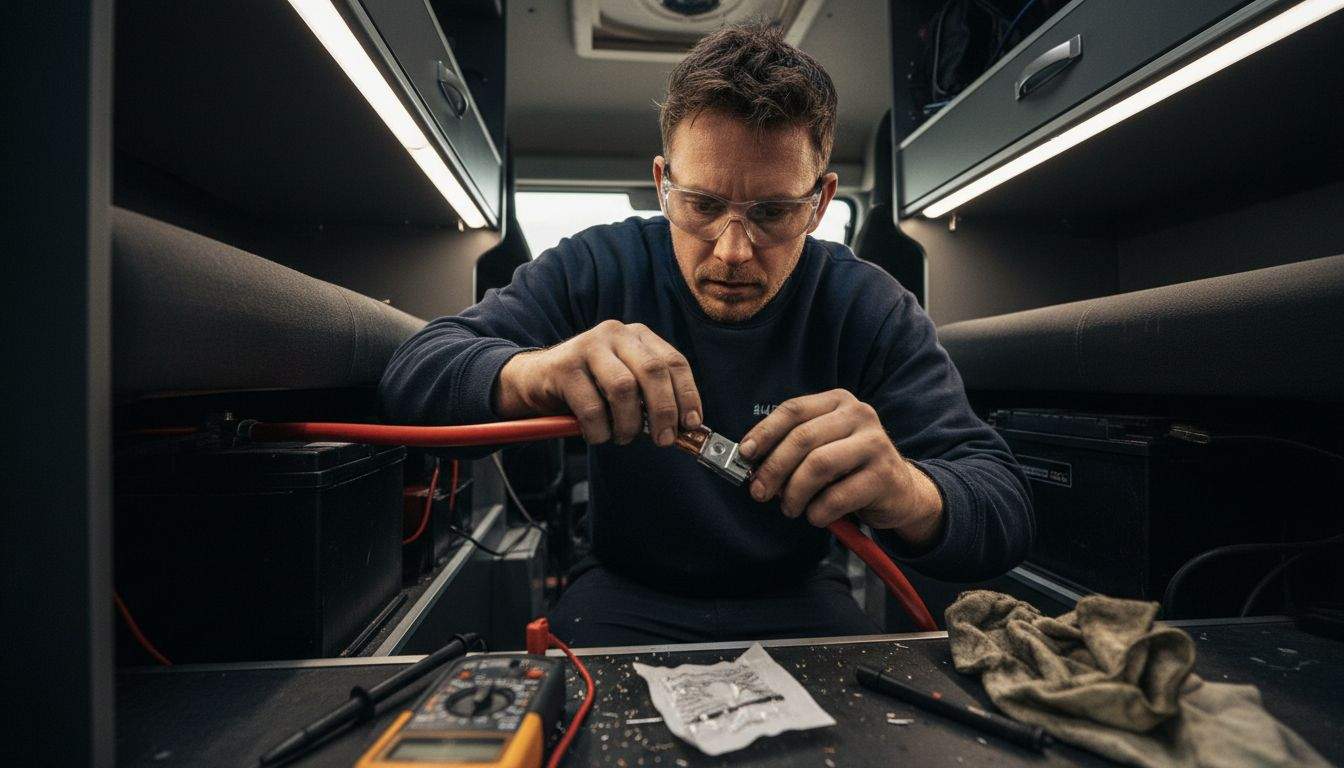
Pro Tip: Label all fuses and switches during installation. When troubleshooting in the dark, clear labels save hours of frustration.
For more guidance, check out how to install lithium batteries safely with UK-specific regulations and best practices.
Physical Installation and Wiring
Now you’re ready to physically install your battery. Follow these steps carefully to avoid common errors.
-
Disconnect the old battery starting with the negative terminal. Disconnecting the negative terminal first prevents electrical shorts and accidents during battery replacement. This simple step protects your vehicle’s electrical system.
-
Secure the battery firmly with quality mounting brackets. Loose batteries shift during driving, damaging terminals and causing dangerous shorts. Use brackets designed for your battery’s weight and size.
-
Connect cables using copper tube ring terminals and tighten to manufacturer torque specifications. Loose connections create resistance, heat, and voltage drop. Over-tightening cracks terminals. Get it just right.
-
Install recommended fuses and isolator switches close to the battery positive terminal. Place fuses within 150mm of the terminal. This protects the cable between battery and fuse in case of a short.
-
Double-check polarity and wiring routing to avoid reverse connection or voltage drop. Reversed polarity destroys electronics instantly. Route cables away from hot surfaces and sharp edges.
Pro Tip: Use a torque wrench for all cable connections. This ensures terminals are secure without damage, eliminating a major cause of system faults.
“Always disconnect the negative terminal first to avoid shorts.”
Review the complete battery installation workflow for visual guides and detailed torque specifications.
Integrating Charging Systems: Solar and Alternator Connections
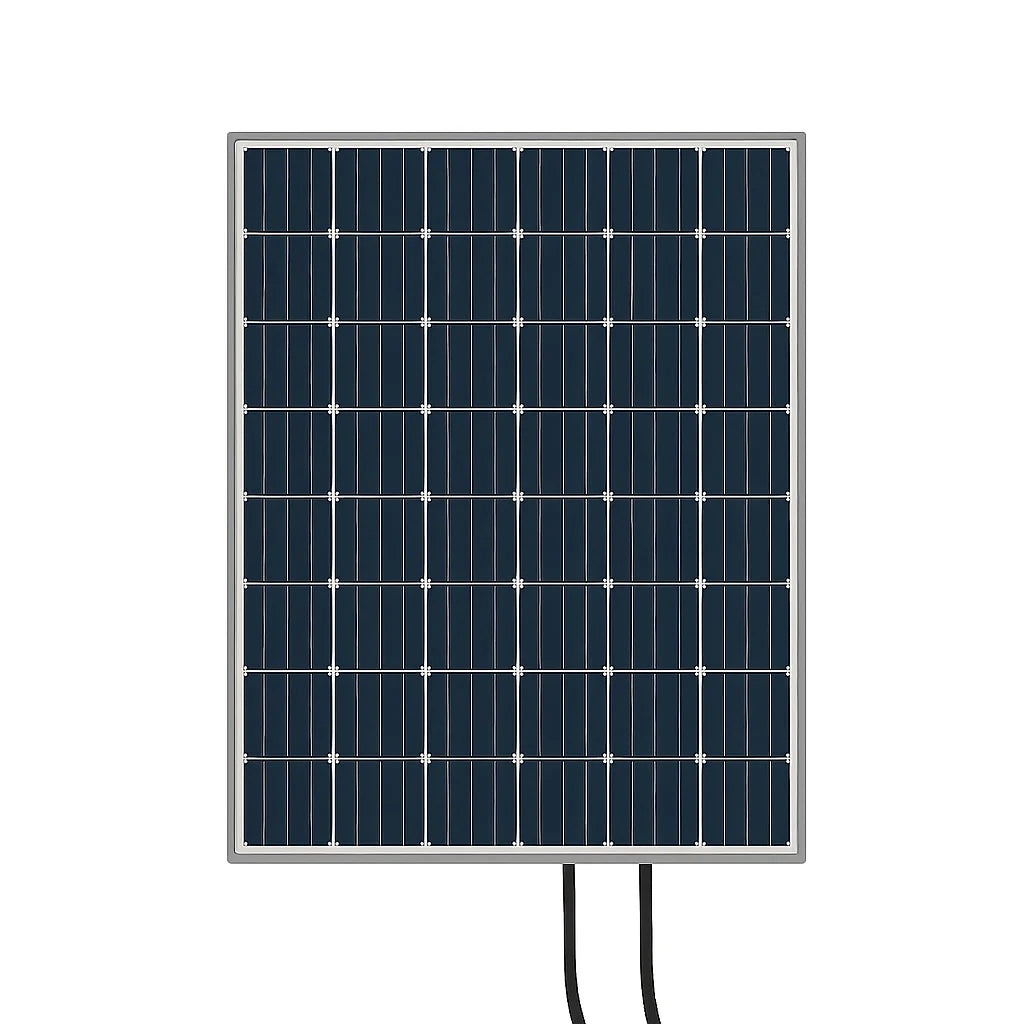
Charging your lithium battery efficiently requires the right equipment and setup. MPPT solar charge controllers outperform PWM controllers by tracking the maximum power point of your solar panels. MPPT solar charge controllers deliver up to 30% more energy compared to PWM controllers for campervan solar setups, making them worth the investment.
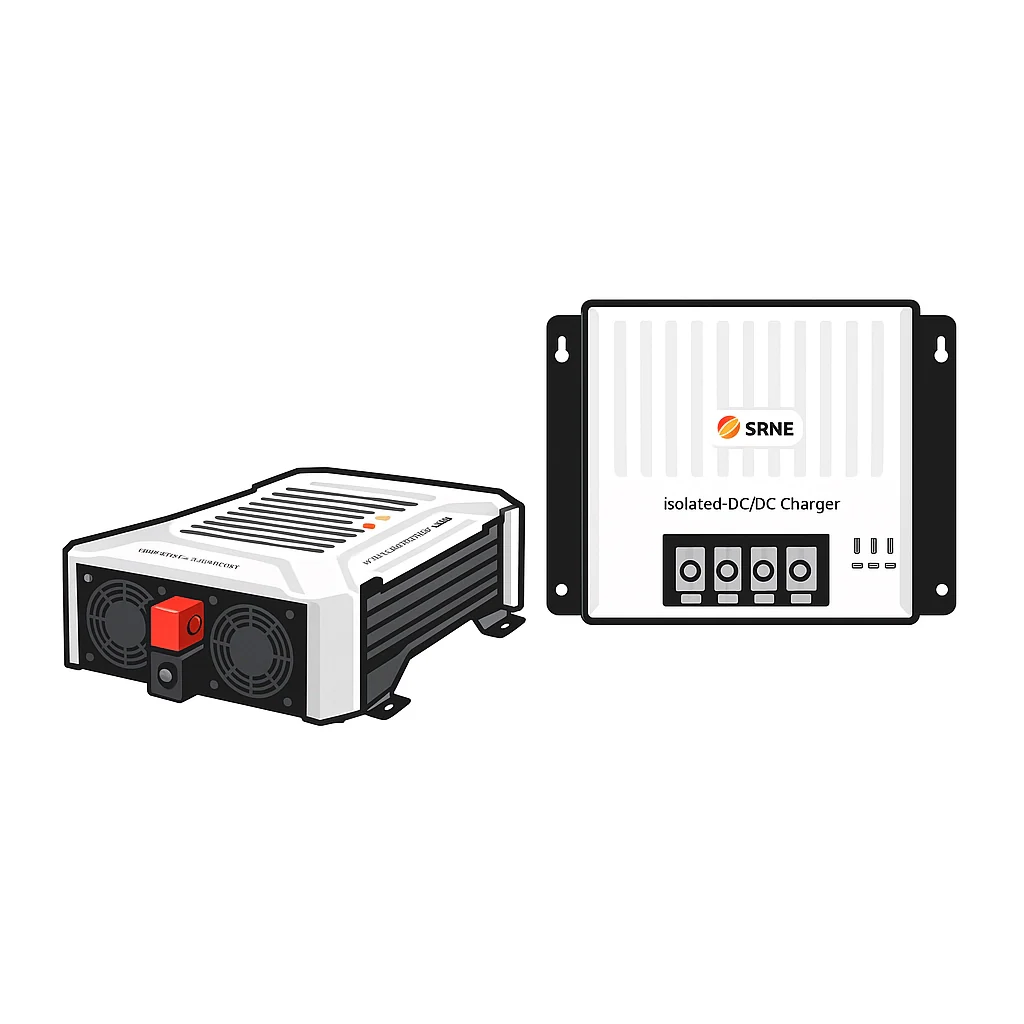
For alternator charging, use a Battery-to-Battery (B2B) DC-DC charger. These chargers ensure your lithium battery receives the correct charging voltage and current profile, unlike direct alternator connections that undercharge lithium batteries. Verify all chargers are compatible with lithium chemistry. Using lead-acid chargers on lithium batteries causes undercharging and shortens lifespan.
Minimize voltage drop by using appropriately sized cables and keeping runs short. Voltage drop wastes energy and slows charging. For a 12V system carrying 30A over 5 meters, use at least 6mm² cable.
| Charging Source | Typical Current | Full Charge Time | Best Use Case |
|---|---|---|---|
| Solar (200W) | 10 to 15A | 6 to 8 hours | Daily top-up during sunny periods |
| Alternator (B2B 30A) | 25 to 30A | 3 to 4 hours | Fast charging while driving |
| Mains (20A charger) | 15 to 20A | 4 to 5 hours | Campsite hookup or winter storage |
Charging System Do’s and Don’ts:
- Do use lithium-compatible charge controllers and B2B chargers
- Do install fuses on both positive solar and alternator cables
- Do program charger voltage limits to match your battery specifications
- Don’t connect alternators directly without a B2B charger
- Don’t exceed the battery’s maximum charge current rating
- Don’t mix different charging voltages without proper regulation
Explore solar charging tips and solar battery connection steps for UK-specific advice on optimizing your setup.
System Testing and Troubleshooting
After installation, thorough testing catches faults before they cause problems on the road. Testing voltage and connection integrity with a multimeter and battery monitor helps prevent faults.
Start by measuring battery voltage with a multimeter. A fully charged 12V lithium battery should read 13.3V to 13.6V. Lower readings indicate undercharging or a faulty cell. Verify polarity at every connection point using the multimeter. One reversed connection can destroy your entire electrical system.
Check connection tightness by gently tugging on cables. Any movement means the connection needs tightening. Monitor charging function by observing current flow into the battery using your charge controller display or battery monitor. Run several appliances simultaneously to ensure the system handles your typical load without voltage sag.
Common installation mistakes cause most faults. Missing fuses leave cables unprotected. Forgetting isolator switches makes emergency disconnection impossible. Reversed wiring destroys electronics. Loose connections create heat and voltage drop.
Troubleshooting Steps for Common Issues:
- No charging: Check fuse integrity, verify charger compatibility, inspect cable connections
- Low voltage under load: Tighten all connections, upgrade cable gauge if undersized, check for corroded terminals
- BMS shutdown: Review battery monitor error codes, check for overtemperature, verify charge current isn’t excessive
- Intermittent power: Inspect vibration-loosened connections, check isolator switch operation, test for corroded terminals
Consult the battery troubleshooting guide for comprehensive fault diagnosis and solutions.
Maintenance and Expected Outcomes
Proper maintenance extends your battery system’s life and reliability. Routine checks every 3 to 6 months for corrosion and connection tightness improve lithium battery system life and reliability. Schedule inspections before and after your camping season.
During maintenance, clean terminals with a wire brush and apply corrosion inhibitor. Tighten any connections that have loosened from vibration. Update firmware on smart BMS systems when manufacturers release improvements. These updates often include better protection algorithms and bug fixes.
Expect your lithium battery to fully charge in 4 to 6 hours with a suitable charger. A properly installed system increases battery lifespan by up to 30% compared to poorly installed setups. Never mount batteries upside down or at extreme angles. This causes internal damage and voids warranties.
Quick Maintenance Tips:
- Inspect terminals for white or green corrosion every 3 months
- Re-torque all connections after the first 500 miles of driving
- Monitor battery temperature during charging; excessive heat indicates problems
- Keep battery monitor app updated for accurate state of charge readings
- Store batteries at 50% to 60% charge during long periods of inactivity
Follow the lithium battery maintenance guide for seasonal checklists and detailed care instructions.
Get Expert Help with Your Lithium Battery Setup
Setting up a reliable energy storage system transforms your off-grid experience, but getting it right requires knowledge and quality components. Skyenergi offers detailed guides and workflows to help you install lithium batteries safely in UK leisure vehicles. Our product range includes MPPT controllers, B2B chargers, and battery management tools specifically selected for campervan applications.

Access expert tips and resources through our lithium battery maintenance workflow designed to maximize your system’s lifespan and performance. Whether you’re installing your first lithium battery or upgrading an existing setup, our lithium battery setup guide provides step-by-step instructions tailored for UK leisure vehicle owners. Start your hassle-free off-grid journey with professional advice backed by years of renewable energy expertise.
Frequently Asked Questions
How long does a lithium leisure battery last in a UK campervan?
Quality lithium iron phosphate batteries typically last 10 to 15 years or 3,000 to 5,000 charge cycles with proper maintenance. Actual lifespan depends on depth of discharge, charging practices, and operating temperature.
Can I use my existing lead-acid charger with a lithium battery?
No, lead-acid chargers use incorrect voltage profiles for lithium batteries, causing undercharging and reduced lifespan. Always use lithium-compatible chargers with appropriate voltage and current settings.
What size lithium battery do I need for weekend camping?
Calculate your daily wattage consumption, add 20% buffer, then choose a battery capacity that provides at least two days of power. A typical weekend setup needs 100Ah to 200Ah depending on appliances.
Do I need planning permission to install a leisure battery in my van?
No planning permission is required for leisure battery installation in your own vehicle. However, installations must comply with electrical safety standards and vehicle construction regulations.
Why does my battery voltage drop when I turn on appliances?
Voltage drop under load indicates undersized cables, loose connections, or insufficient battery capacity. Check all connections first, then verify your cable gauge matches your current draw requirements.
Recommended
Prev post

Solar Charge Control: Boost Campervan Battery Life 30%
Updated on 03 March 2026
Next post

Finding the vehicle's D+ Cable
Updated on 01 March 2026


