






Energy Storage Installation Process for Campervans UK
Learn the energy storage installation process for UK campervans with step-by-step instructions, from preparation to seamless set-up, testing, and system verification.
Setting up a reliable energy storage system in your campervan can feel daunting, especially with the strict UK safety standards every owner must meet. Having enough power for off-grid adventures shapes your travel freedom, comfort, and daily routines. This guide walks you through every key step from accurate power assessment to safe installation, highlighting how careful component selection and compliance with British regulations prevent costly mistakes and boost your battery system’s performance.
Table of Contents
- Step 1: Assess Power Needs And Choose Components
- Step 2: Prepare Installation Site And Tools
- Step 3: Install Battery System And Connect Devices
- Step 4: Configure Monitoring And Safety Features
- Step 5: Test System Operation And Verify Performance
Quick Summary
| Key Point | Explanation |
|---|---|
| 1. Assess Your Power Needs First | Determine the wattage for all devices and calculate total daily consumption before purchasing components. |
| 2. Choose Suitable Battery Types | Lithium batteries provide higher capacity and lifespan compared to AGM and Lead-acid alternatives. |
| 3. Organise Installation Workspace | Properly prepare your installation site and gather essential tools to ensure safety and efficiency. |
| 4. Connect Components in the Right Order | Mount the battery, connect devices systematically, and ensure all safety features are in place. |
| 5. Test System Thoroughly Before Use | Run systematic checks on the voltage, connections, and system performance to avoid failures on the road. |
Step 1: Assess power needs and choose components
Before buying a single battery or solar panel, you need to understand exactly how much power your campervan actually requires. This assessment drives every other decision in your energy storage system, from battery capacity to charger specifications. Getting this right saves money, prevents undersized systems, and ensures you have reliable power for extended trips.
Start by listing every electrical appliance you’ll use regularly. Include your fridge, water heater, cooker, lighting, phone chargers, laptop, inverter, and any other devices that will draw power in your van. Be honest about what you actually use—not what you think you might use.
Next, determine the wattage for each device. You’ll find this on the product label or in the manual. For items without labels, typical values include LED lighting at 5-15 watts, a 12V fridge at 40-60 watts, and a kettle at 2000 watts.
Accurate power assessments prevent expensive oversizing and undersizing mistakes. Spend time on this step.
Calculate daily consumption by multiplying wattage by hours used each day. A 50-watt fridge running 24 hours equals 1,200 watt-hours (Wh) daily. Add all daily totals together for your total daily consumption. A typical UK campervan uses between 2,000-8,000Wh daily, depending on usage patterns and trip length.
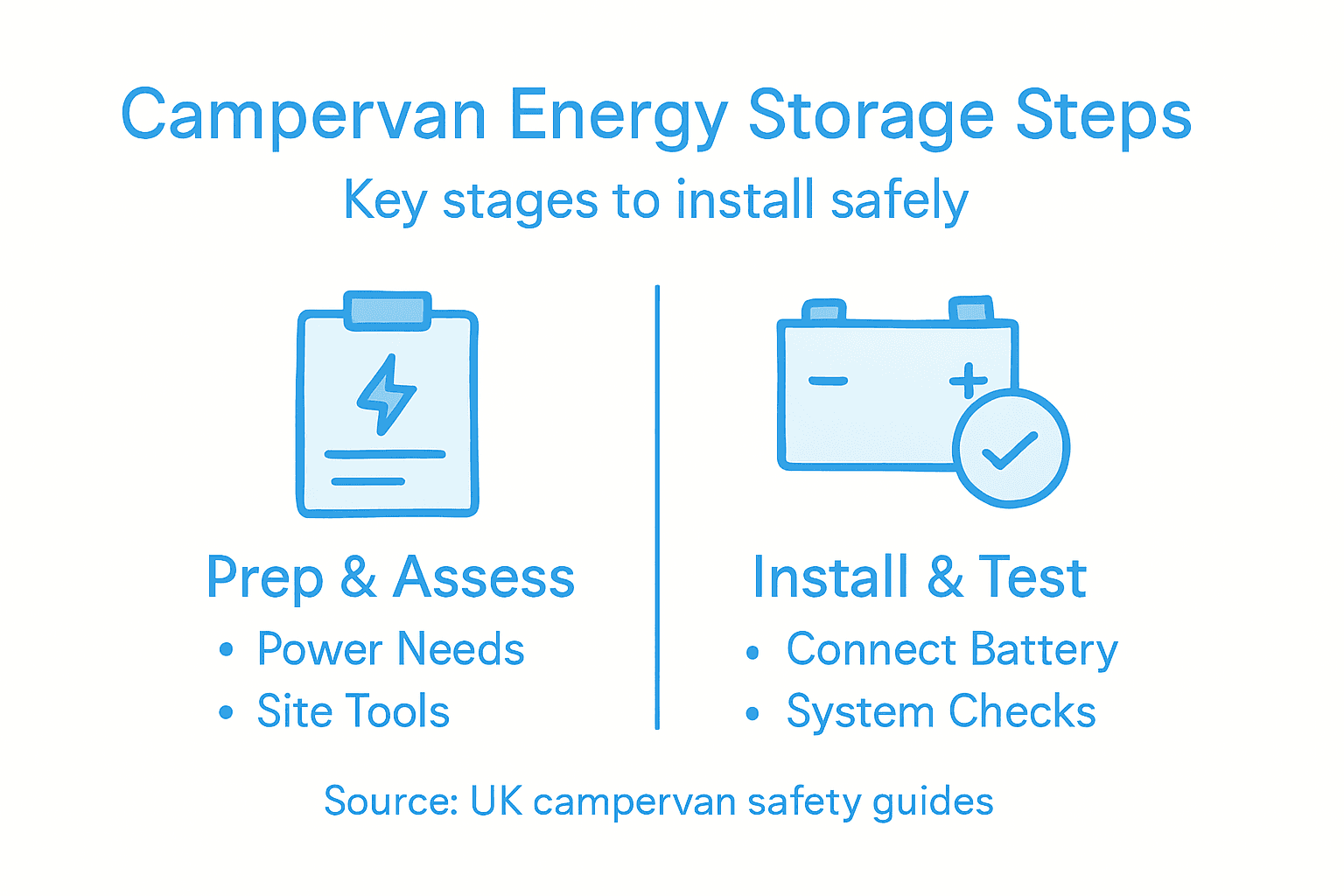
Once you know your daily needs, creating an inventory of electrical devices and calculating their total consumption helps you choose appropriate battery capacity, charger type, and solar panel size. Most systems need enough battery storage to cover 1-3 days without charging, depending on your travel style.
With your power profile established, select components that match these requirements:
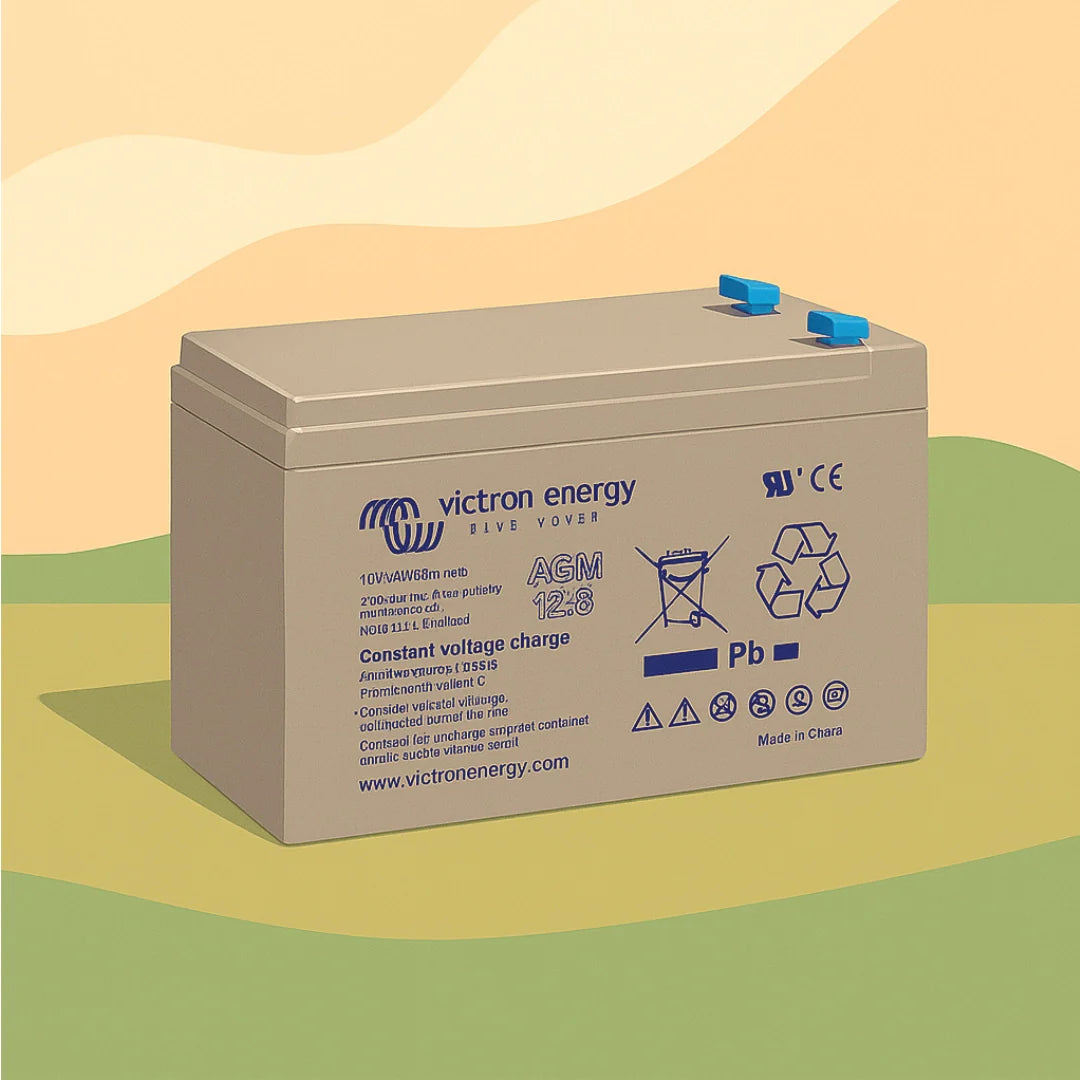
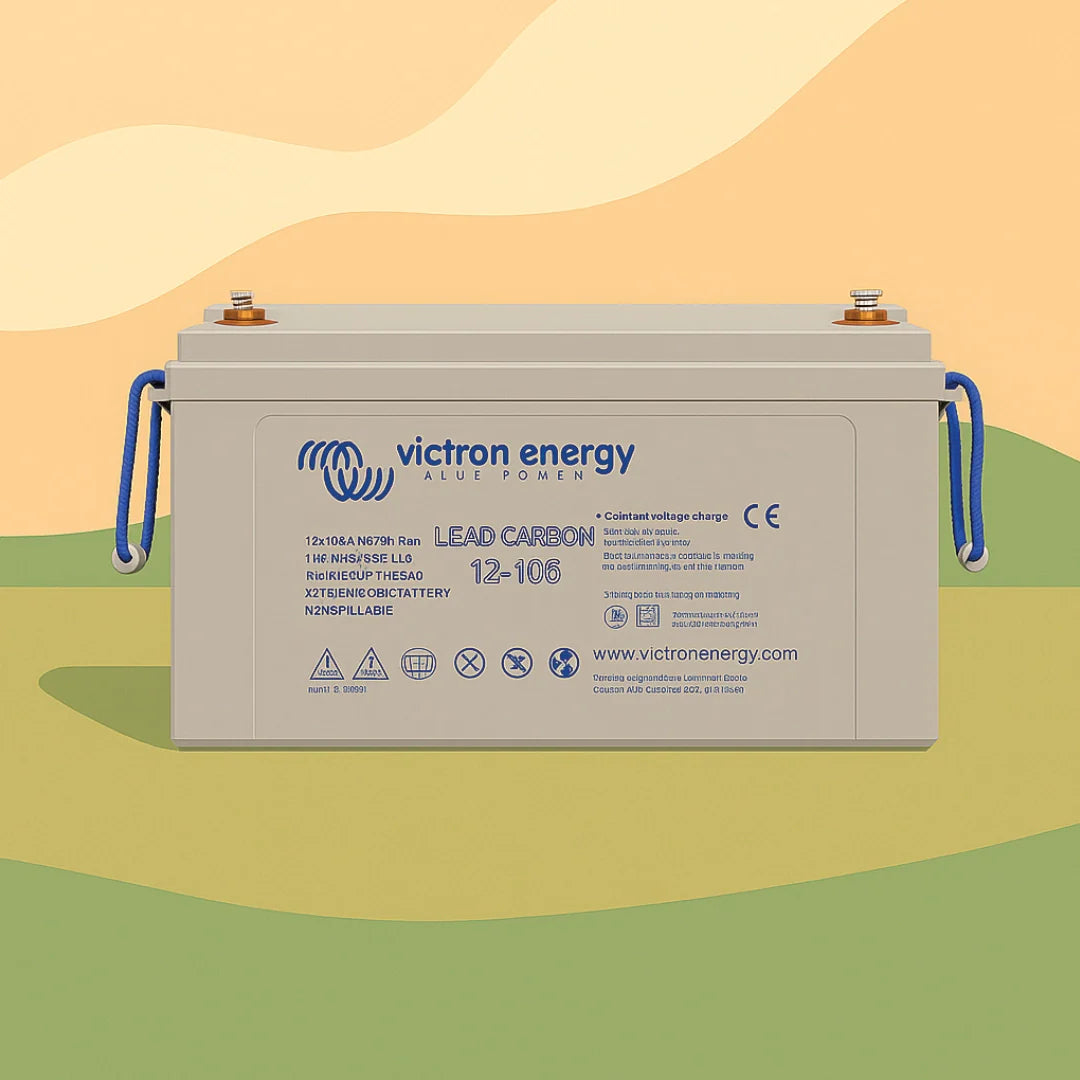
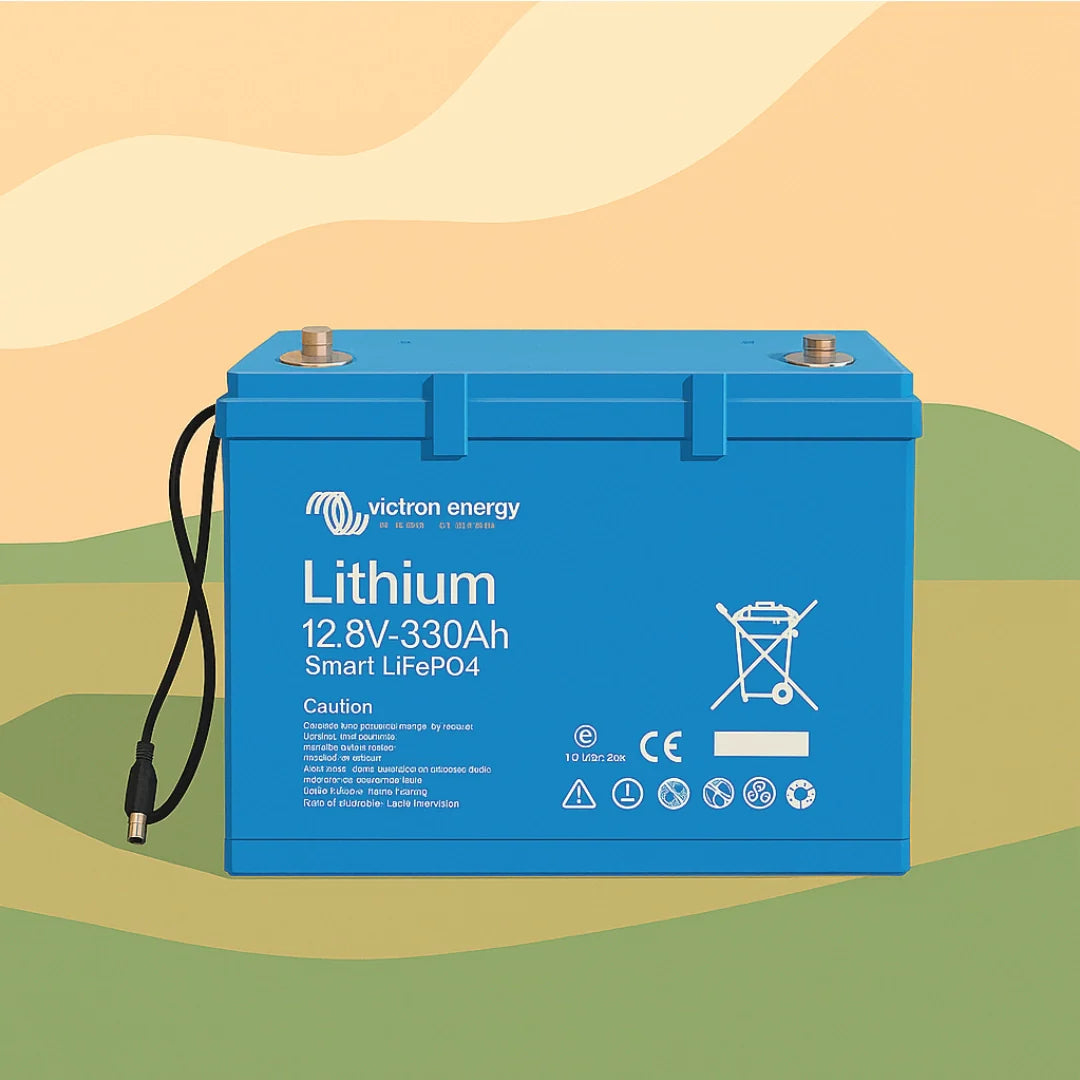
Here is a comparison of common campervan battery types and their main characteristics:
| Battery Type | Usable Capacity (%) | Typical Lifespan (years) | Weight (for 100Ah) |
|---|---|---|---|
| Lithium (LiFePO4) | 80-90 | 7-15 | 12-14 kg |
| AGM | 50-60 | 3-5 | 28-32 kg |
| Lead-acid | 40-50 | 2-4 | 30-35 kg |
- Lithium batteries offer higher usable capacity and longer lifespan than AGM alternatives
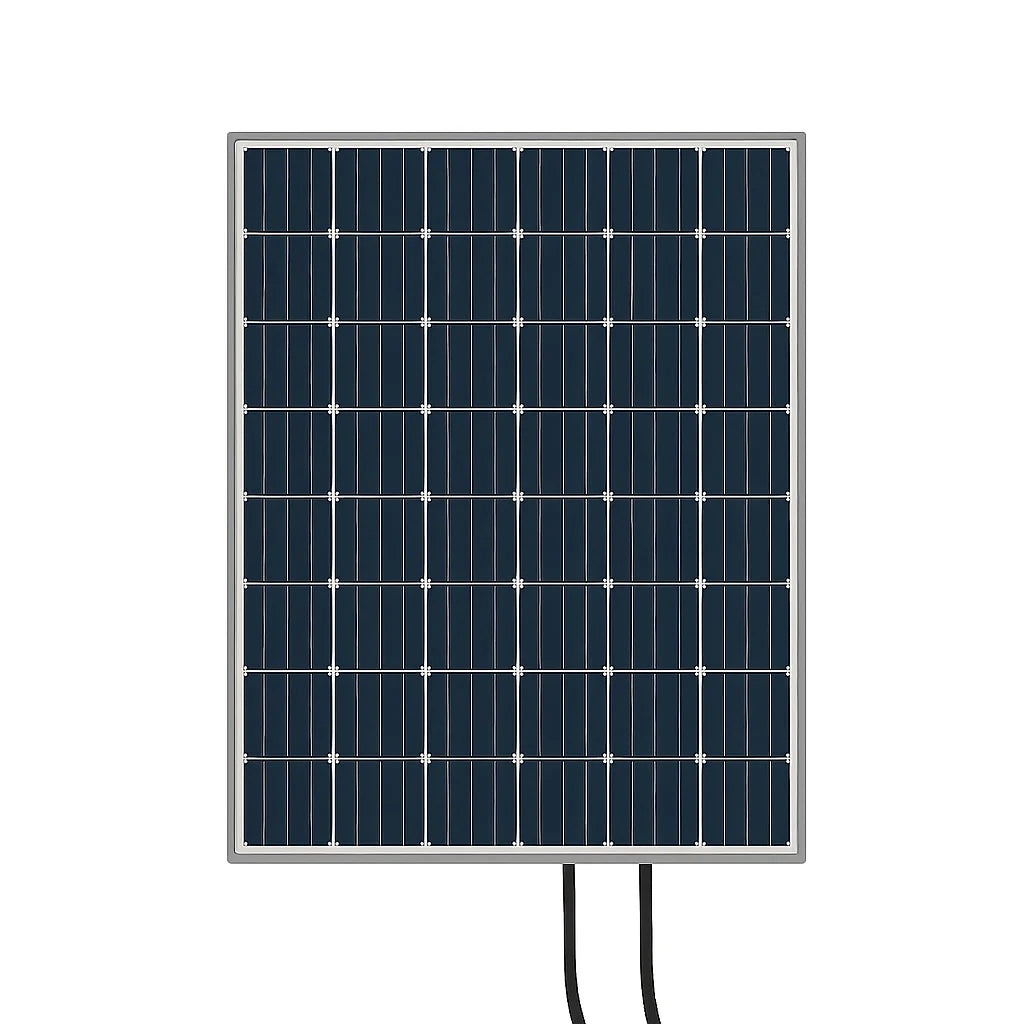
- MPPT solar controllers maximise charging efficiency from your panels
- Inverters should match your peak simultaneous power draw
- Chargers need sufficient amperage to top up your chosen battery size within reasonable timeframes
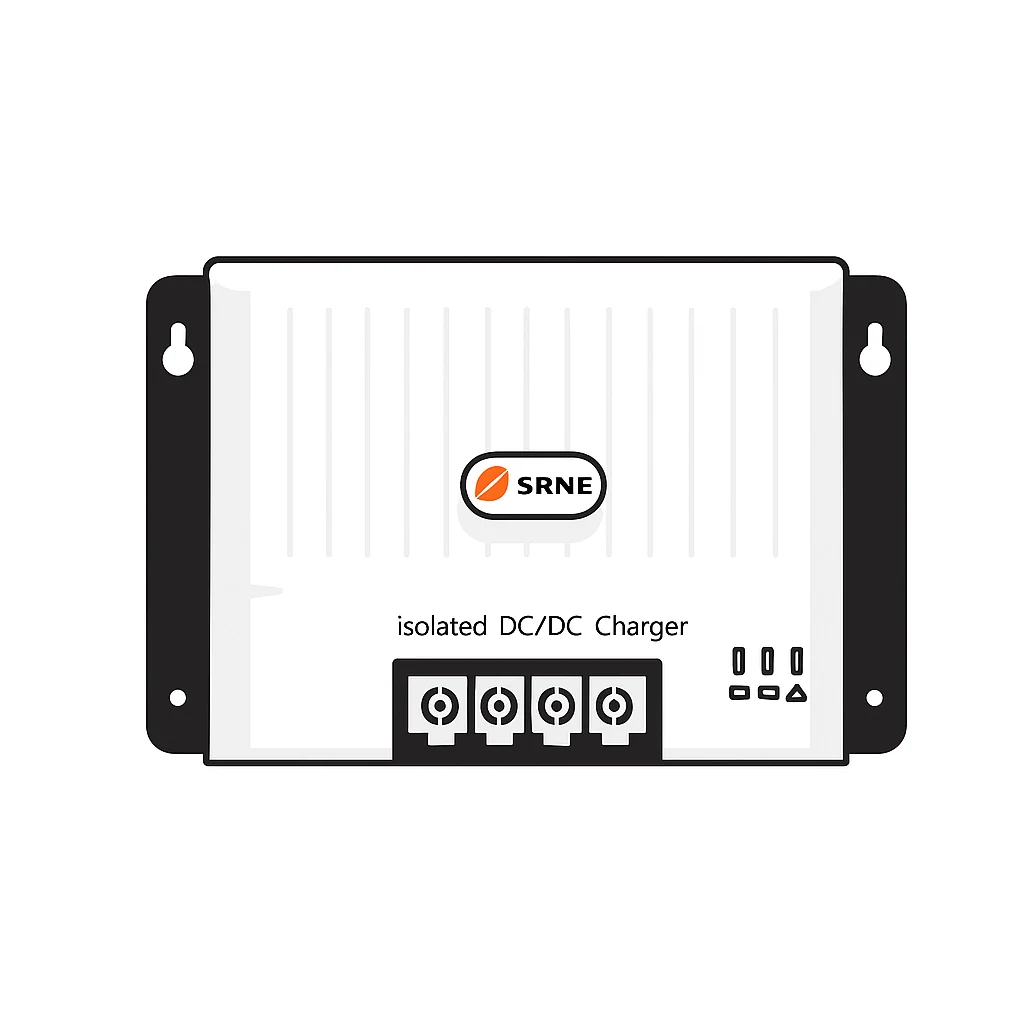
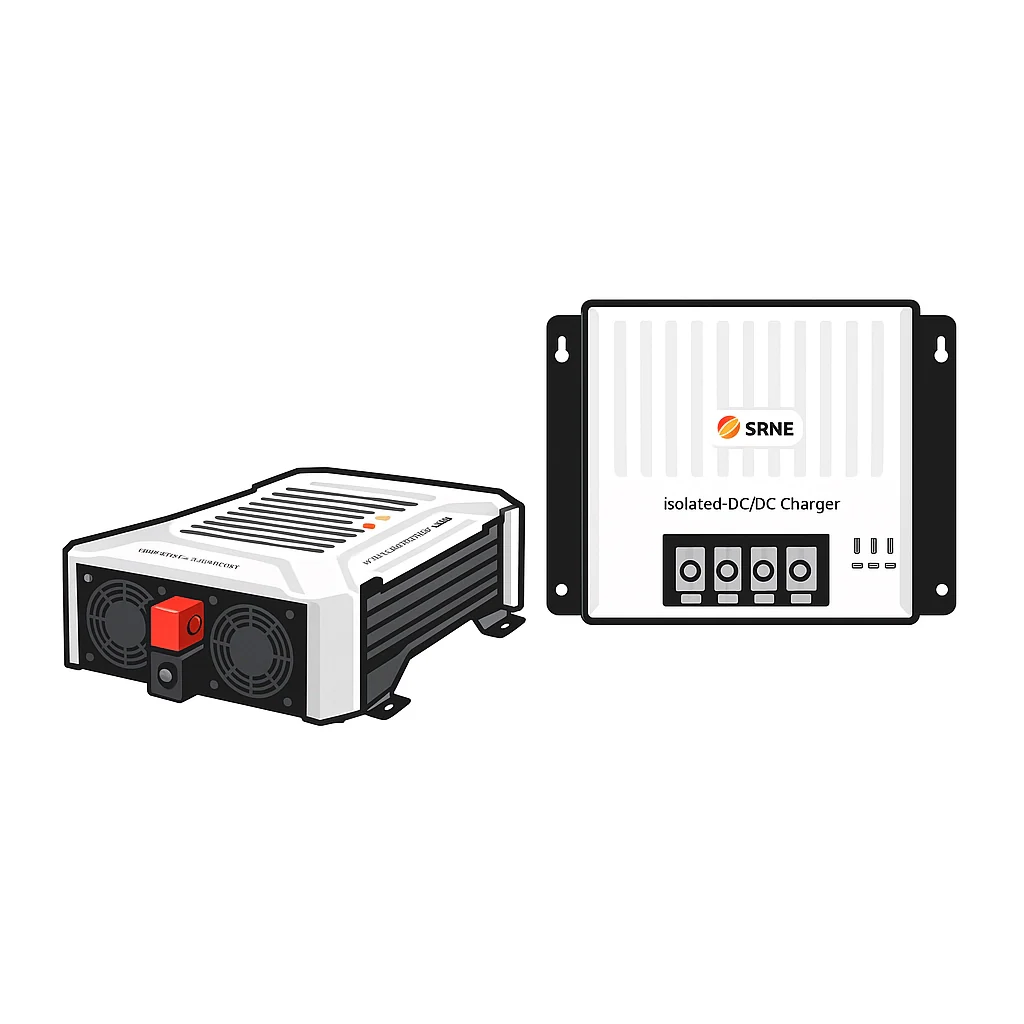
- DC/DC converters manage charging while driving
Your UK system must also comply with BS 7671 electrical safety standards and EN 1648 vehicle safety regulations. These requirements ensure your installation is safe for road use and won’t compromise vehicle insurance.
Pro tip: Record your power assessment data in a spreadsheet or notebook—you’ll reference it constantly during component selection and system installation to ensure everything matches your actual needs.
Step 2: Prepare installation site and tools
Proper preparation prevents installation problems, safety hazards, and wasted time troubleshooting faulty connections later. This step involves organising your workspace, gathering the right tools, and planning where components will live in your campervan.
Start by selecting your installation location. Most people mount batteries and electrical components in an accessible cupboard, under a seat, or in a dedicated locker at the rear of the van. Choose a spot that stays relatively cool, stays dry, and allows adequate ventilation around the battery.
Prepare a sturdy mounting surface using plywood boards as your electrical installation base. This approach keeps everything organised, allows future expansion, and makes troubleshooting straightforward. Leave clear space between components so you can add items later without removing existing equipment.
Well-organised electrical boards save hours during installation and future maintenance.
Gather your essential tools before you start. You’ll need wire strippers, a quality crimping tool for battery terminals, MC4 connectors for solar panels, heat shrink tubing, cable ties, and a voltage multimeter for testing. Don’t skip the crimping tool—poorly crimped connections cause voltage drops and fire risk.
Wire gauge selection matters significantly. Using undersized cable generates heat and voltage loss; oversized cable wastes money and takes up space. Proper fusing close to the battery protects against short circuits and complies with UK electrical standards.
Arrange your tools and materials in order:
- Wire strippers and crimpers for cable preparation
- MC4 connectors and heat shrink for solar connections
- Cable ties for bundling and securing wires neatly
- Main cutoff switches for emergency disconnection
- Fuses and fuse holders rated appropriately for your system
- Grounding materials to connect frames safely
Your installation must include a main cutoff switch positioned near the battery for emergency isolation. This is both a safety requirement and a legal requirement under BS 7671 standards. Install proper grounding between your campervan frame and battery system to meet UK safety regulations.
Check your workspace has adequate lighting and ventilation. Battery installations generate hydrogen gas, so good airflow is essential. Lay out tools logically so everything you need sits within arm’s reach.
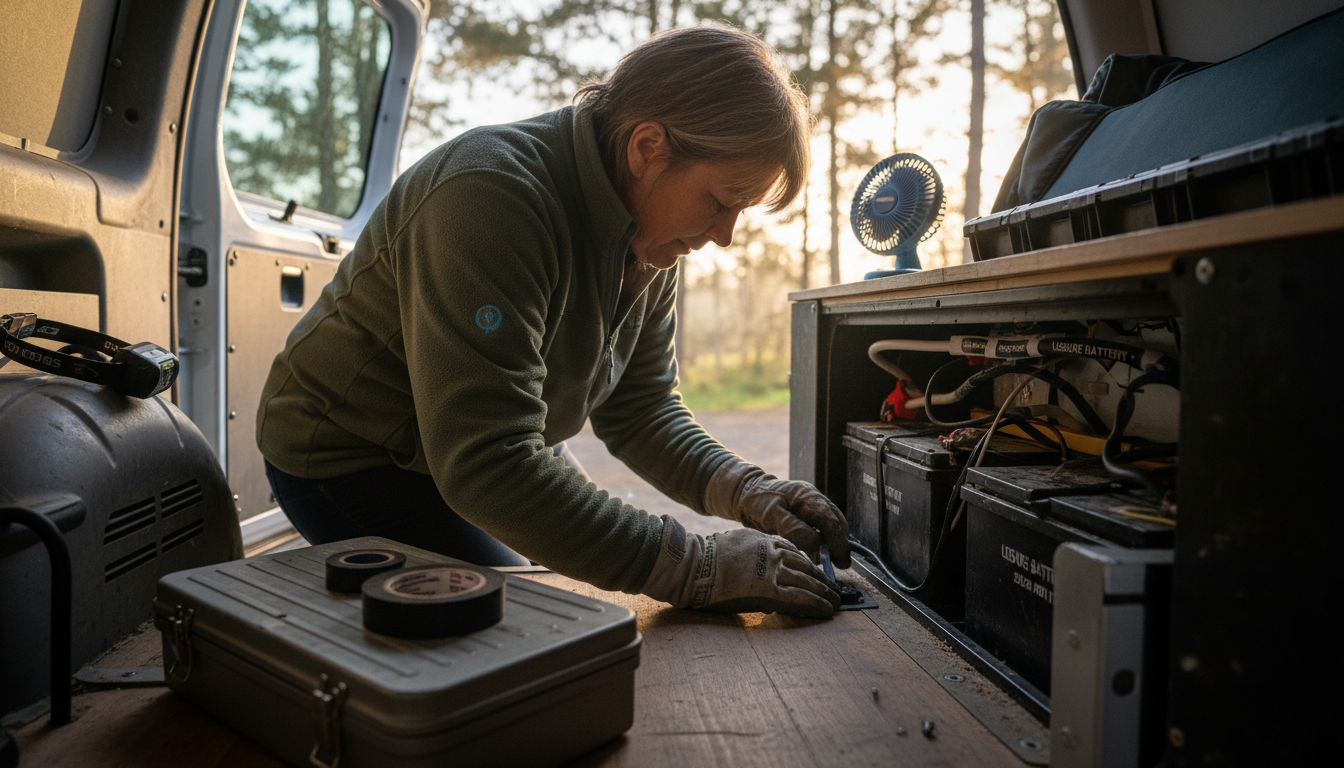
Pro tip: Label every wire with its purpose before installation using small cable labels or tape—when you’re lying under your van in six months trying to diagnose a problem, clear labelling saves enormous frustration.
Step 3: Install battery system and connect devices
This is where your energy system comes to life. You’ll mount the battery, connect it safely with proper fusing, then integrate chargers, inverters, and other devices in the correct sequence. Getting the connections right ensures reliable power and protects against electrical faults.
Start by positioning your lithium battery on the mounting board. Ensure it sits level and secure, with enough clearance for ventilation and maintenance access. Double-check that your chosen location has adequate airflow and stays within reasonable temperature ranges.
Now connect the main positive and negative cables from the battery terminals. Install your fuse holder directly at the battery’s positive terminal, within 30 centimetres of the connection. This critical safety feature prevents short-circuit fires before they start.
Proper fusing at the battery protects your entire system and meets UK safety requirements.
Select fuse ratings carefully based on your cable gauge and system design. Safely wiring batteries with fuses near terminals protects equipment and meets British electrical standards. Run all cables through conduit or protective cable trays to prevent accidental damage.
Keep voltage drop under 3 per cent by choosing appropriate cable sizes. Undersized cable creates heat and power loss; oversized cable wastes space and money. Use colour-coded cables where possible—red for positive, black for negative, and green for earth connections.
Connect your charging devices in this order:
- Install your DC-DC converter first if you’ll charge whilst driving
- Connect the solar charge controller for panel charging
- Add any inverter for AC power devices
- Install the fuse box to distribute power safely to lights and accessories
Label every connection as you make it. Use clear, descriptive labels showing voltage, amperage, and circuit purpose. Include the date of installation for future reference.
For mains hookup systems, integrate RCD and MCB protection devices as required by UK regulations. These safety switches disconnect power instantly if faults occur, preventing electrical hazards.
Test each connection with your multimeter before moving to the next one. Check voltage at the battery matches your system specification. Verify polarity on every connection—reversed polarity damages equipment immediately.
With your battery and chargers connected, your system now has power inputs covered. Next comes integrating the devices that actually use that power.
Pro tip: Take photographs of every connection stage before covering cables with conduit or hiding components behind panels—you’ll have a visual reference if troubleshooting becomes necessary later.
Step 4: Configure monitoring and safety features
Your system now has power flowing, but without visibility and protection, you’re flying blind. Monitoring shows you exactly what’s happening with your battery and energy usage, whilst safety features automatically prevent damage. This step transforms your installation from functional to reliable.
Install a battery monitor that tracks state of charge, voltage, current flow, and remaining energy. This device sits between your battery and the rest of your system, measuring every amp flowing in or out. Most modern monitors like Victron SmartShunt provide Bluetooth connectivity, allowing you to check your battery status from your phone anytime.
Your monitor displays critical information for daily van life. You’ll see how much energy you’ve consumed, your current charge level, and how many hours of reserve power remain. This prevents the frustration of running your fridge all night only to discover a dead battery at dawn.
Real-time monitoring prevents energy emergencies and optimises your daily power management.
Battery monitors like Victron SmartShunt track state of charge, voltage, and current for accurate energy management. Position the monitor in a visible location inside your living space, ideally on a shelf or mounted at eye level where you naturally check it.
Configure your monitoring device with accurate battery specifications. Enter your battery capacity in amp-hours, chemistry type (lithium versus lead-acid), and charge efficiency ratings. These settings ensure the monitor calculates remaining energy accurately rather than guessing.
This reference summarises key monitoring and safety features for campervan electrical systems:
| Feature | Purpose | Typical Benefit |
|---|---|---|
| Battery monitor | Tracks real-time battery status | Prevents unexpected power loss |
| Low-voltage disconnect | Cuts power if battery gets too low | Protects battery lifespan |
| Overcurrent protection | Limits excess current to devices | Prevents equipment failure |
| Temperature sensor | Monitors battery temperature | Prevents overheating and damage |
Set up critical safety features next:
- Low voltage disconnect automatically shuts non-essential devices when battery charge drops dangerously low
- Overcurrent protection stops excessive current draw that could damage equipment
- Temperature monitoring alerts you if your battery overheats or freezes
- Bluetooth notifications warn you when thresholds are breached
Test your monitoring system before relying on it. Charge your battery fully and watch the monitor record 100 per cent state of charge. Run a known load and verify the monitor accurately reports consumption. This confidence prevents surprises when you’re miles from civilisation.
Your safety systems now protect against overcharge, over-discharge, and excessive current draw automatically. Combined with your manual cutoff switches and fuses, you’ve built redundant protection at multiple levels.
Pro tip: Configure low voltage disconnect thresholds slightly higher than your battery’s minimum safe voltage—this prevents accidentally deep-discharging lithium cells, which significantly reduces their lifespan.
Step 5: Test system operation and verify performance
Now comes the moment of truth. Your system is installed and configured, but you must verify it actually works before trusting it with your power needs. Thorough testing catches problems whilst you’re still at home, not stranded miles away.
Start by checking your battery voltage with a multimeter. A fully charged lithium battery reads around 13.6 volts for a 12V system. If your reading is significantly lower, check your charger connections and ensure solar panels or shore power are actually delivering charge.
Test each charging source separately. Disconnect your solar panels and verify your DC-DC converter charges the battery when the engine runs. Reconnect panels and check they produce current in sunlight. Test your mains charger if you have one by connecting shore power.
Systematic testing now prevents dangerous failures later when you’re relying on the system completely.
Perform voltage drop and battery health tests across your main cables to ensure they’re sized correctly. Voltage drop should stay under 3 per cent at maximum load. Excessive drop indicates undersized cable that needs replacement before use.
Test your safety devices thoroughly. Switch off your main cutoff and verify all power stops. Turn it back on and check your low voltage disconnect activates when you deliberately discharge your battery to safe limits.
Run these essential tests:
- Check continuity on all ground connections using your multimeter
- Verify polarity on every device connection matches wiring diagrams
- Test each individual circuit at normal operating loads
- Confirm your monitoring system displays accurate voltage and current readings
- Check RCD and MCB devices trip correctly on test button press
Load test your system by running realistic devices. Turn on your fridge, lights, and inverter simultaneously. Monitor voltage behaviour under this combined load. Voltage shouldn’t drop more than 0.5 volts below battery nominal when everything runs together.
Document all test results in writing. Record voltage readings, current draws, and component responses. This baseline data helps diagnose problems if issues develop later.
If any test fails, stop immediately and don’t use the system. Identify the fault, correct it, and retest before proceeding. Never ignore warning signs or assume they’ll resolve themselves.
Pro tip: Take a “before” photograph of your fully charged battery voltage and current readings, then take an “after” photo after 24 hours of normal usage—this reveals whether your system maintains charge as expected or is bleeding power somewhere.
Power Your Campervan Adventure with Reliable Energy Solutions from Skyenergi
Understanding the complexities of your campervan’s electrical system is vital for a safe and efficient installation. The article highlights challenges such as selecting the right lithium battery capacity, ensuring proper wiring and fusing, and configuring smart monitoring systems to avoid unexpected power loss. If you want to overcome issues like inaccurate power assessment, overheating batteries, or costly voltage drops, you need products that match these demanding requirements.
Skyenergi offers expertly engineered lithium leisure batteries and compatible charging accessories designed to maximise performance in mobile energy systems. With Bluetooth-enabled intelligent battery management, you gain real-time insights into your battery status, helping you protect your investment and extend battery life. Our solutions also comply with UK regulations, ensuring safety and peace of mind on every trip.
Explore our comprehensive range of lithium battery systems and off-grid power components that simplify your campervan installation process.

Take control of your campervan’s energy future today. Visit Skyenergi to find the perfect high-performance battery and accessories tailored to your needs. Don’t wait until your system fails miles from civilisation; equip yourself with reliable power that works as hard as you do.
Frequently Asked Questions
How do I assess power needs for my campervan energy storage system?
To assess power needs, list all electrical appliances you plan to use and record their wattage. Multiply the wattage by the number of hours each device will be used daily to calculate total energy consumption in watt-hours.
What tools do I need to install a battery system in my campervan?
Essential tools for installing a battery system include wire strippers, a crimping tool, MC4 connectors, heat shrink tubing, cable ties, and a voltage multimeter. Gather these tools beforehand to streamline the installation process and ensure reliable connections.
How should I prepare the installation site for my campervan’s electrical components?
Select an installation site that remains cool, dry, and well-ventilated, such as a cupboard or dedicated locker. Use plywood boards to create a sturdy mounting surface, allowing for adequate space between components to facilitate future maintenance.
What are some key safety features I should include in my campervan installation?
Incorporate a main cutoff switch near the battery, low voltage disconnects, and overcurrent protection devices. Testing these safety features during installation prevents potential damage and ensures reliable operation.
How can I monitor the performance of my energy storage system?
Install a battery monitor that tracks voltage, current flow, and state of charge. This device provides real-time information, allowing you to manage energy consumption effectively and avoid unexpected outages.
What steps should I take to verify that my installed system works correctly?
Conduct thorough tests including checking battery voltage, testing individual charging sources, and monitoring voltage drop across cables. Document all readings to compare with expected values and identify any issues before relying on the system during trips.
Recommended
- How to Install Campervan Lithium Batteries Safely and Easily – Skyenergi
- What Is Energy Storage for Campervans? – Skyenergi
- Solar Energy Storage: Independence for Campervans – Skyenergi
- Expandable Energy Storage Systems: Off-Grid Power Made Simple – Skyenergi
- Efficient Campsite Layout Guide For Maximum Comfort - Tent Explorer
Prev post

Victron Compatibility: Enhancing UK Off-Grid Power
Updated on 21 February 2026
Next post

Types of Leisure Batteries – Powering Off-Grid Life
Updated on 19 February 2026


