





Lithium Battery Setup Guide for Campervans UK 2026
Follow this lithium battery setup guide to prepare, install, connect, and verify your campervan's energy storage for reliable off-grid performance.
Most british campervan owners underestimate just how quickly electrical devices can drain a standard leisure battery on the road. With more people embracing off-grid adventures across England, Scotland, and Wales, having a reliable lithium battery setup is essential for comfort and peace of mind. This guide breaks down the step by step process so you can power everything from a fridge to entertainment systems while keeping your energy system safe, efficient, and ready for every journey.
Table of Contents
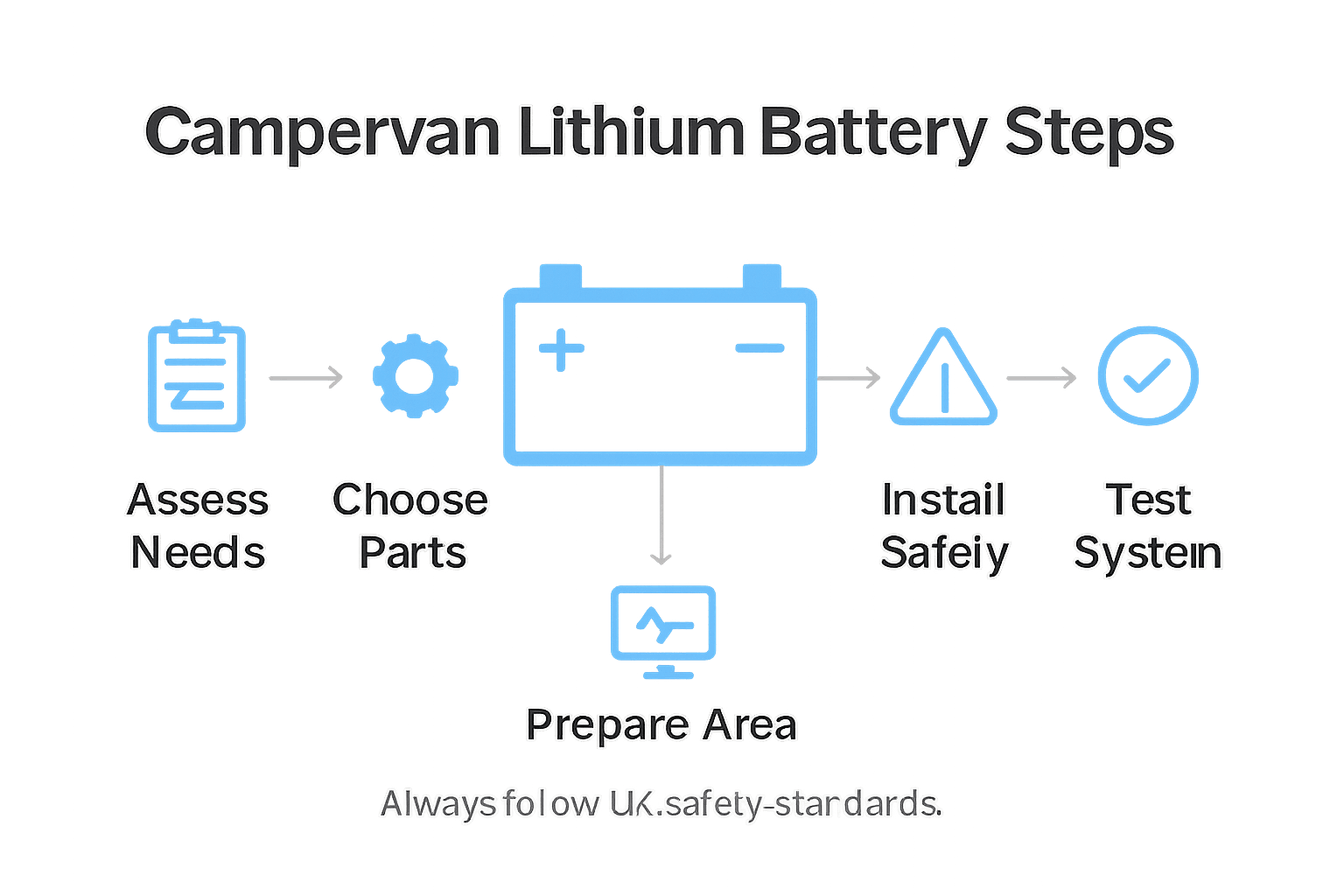
- Step 1: Assess Your Power Requirements
- Step 2: Select Suitable Lithium Battery Components
- Step 3: Prepare Your Campervan Installation Area
- Step 4: Install And Wire Lithium Batteries Securely
- Step 5: Integrate Monitoring And Safety Systems
- Step 6: Verify System Operation And Performance
Quick Summary
| Key Insight | Explanation |
|---|---|
| 1. Assess power consumption needs | Create an inventory of devices, noting their wattage and usage hours for accurate power calculations. |
| 2. Choose suitable battery types | Prioritise lithium iron phosphate batteries for safety, longevity, and compatibility within your campervan setup. |
| 3. Prepare a safe installation area | Ensure the installation space is well-ventilated, away from moisture, and allows for proper cable management. |
| 4. Secure and properly wire batteries | Follow safety protocols and use quality materials to connect batteries correctly and minimise risks. |
| 5. Implement monitoring and safety systems | Install effective battery management systems to track performance and protect against faults and hazards. |
Step 1: Assess your power requirements
Calculating your campervan’s electrical needs is the cornerstone of designing an effective lithium battery system. You will determine the precise power consumption of all your onboard devices to ensure reliable off grid energy performance.
Start by creating a comprehensive inventory of every electrical item you plan to use in your campervan. This means listing devices like refrigerators, lighting, charging stations, cooking appliances, and entertainment systems. The Royal Academy of Engineering provides a detailed reference guide for understanding typical power consumption across various equipment types. Make a spreadsheet with three critical columns: device name, watts used, and estimated daily hours of operation.
To calculate total daily power requirements multiply each device’s watts by its expected usage hours. For instance a 50 watt refrigerator running 24 hours daily consumes 1200 watt hours. Add up these figures to determine your total daily energy consumption in watt hours. This calculation helps you select the right battery capacity and ensures you have sufficient power for your campervan adventures.
Pro tip: Always add a 20% buffer to your calculated power requirements. Unexpected energy needs or additional devices can quickly drain your battery if you do not plan conservatively.
Step 2: Select suitable lithium battery components
Choosing the right lithium battery components is crucial for creating a robust and reliable power system in your campervan. You will need to carefully evaluate multiple factors to ensure optimal performance and compatibility.
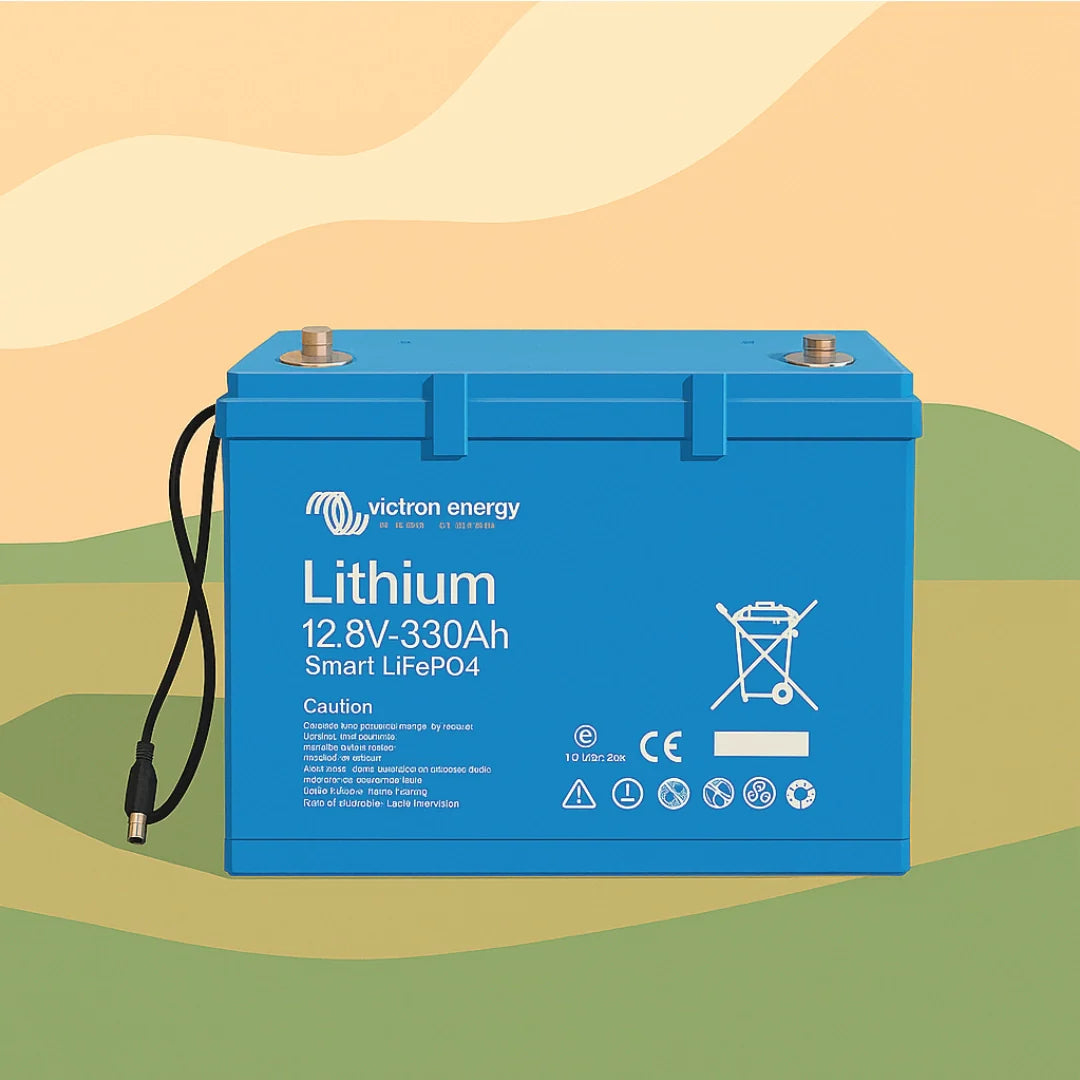
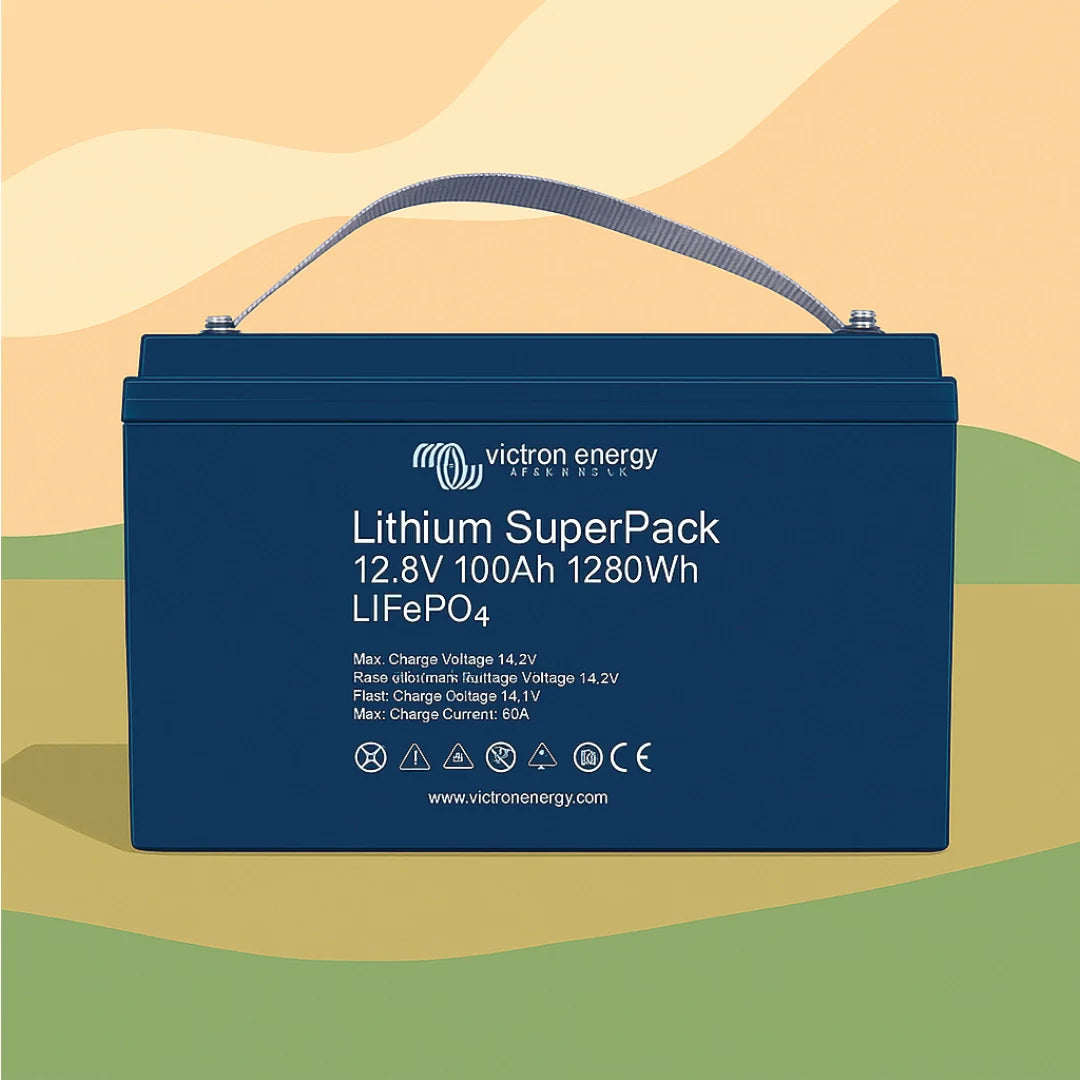
Begin by understanding the specific requirements for your electrical setup. The international standards for lithium battery selection provide comprehensive guidance for selecting appropriate battery systems. Focus on key specifications like voltage, capacity, chemistry type (LiFePO4 is recommended for campervans), and discharge rates. Consider factors such as weight efficiency, charging speed, temperature tolerance, and lifecycle durability.
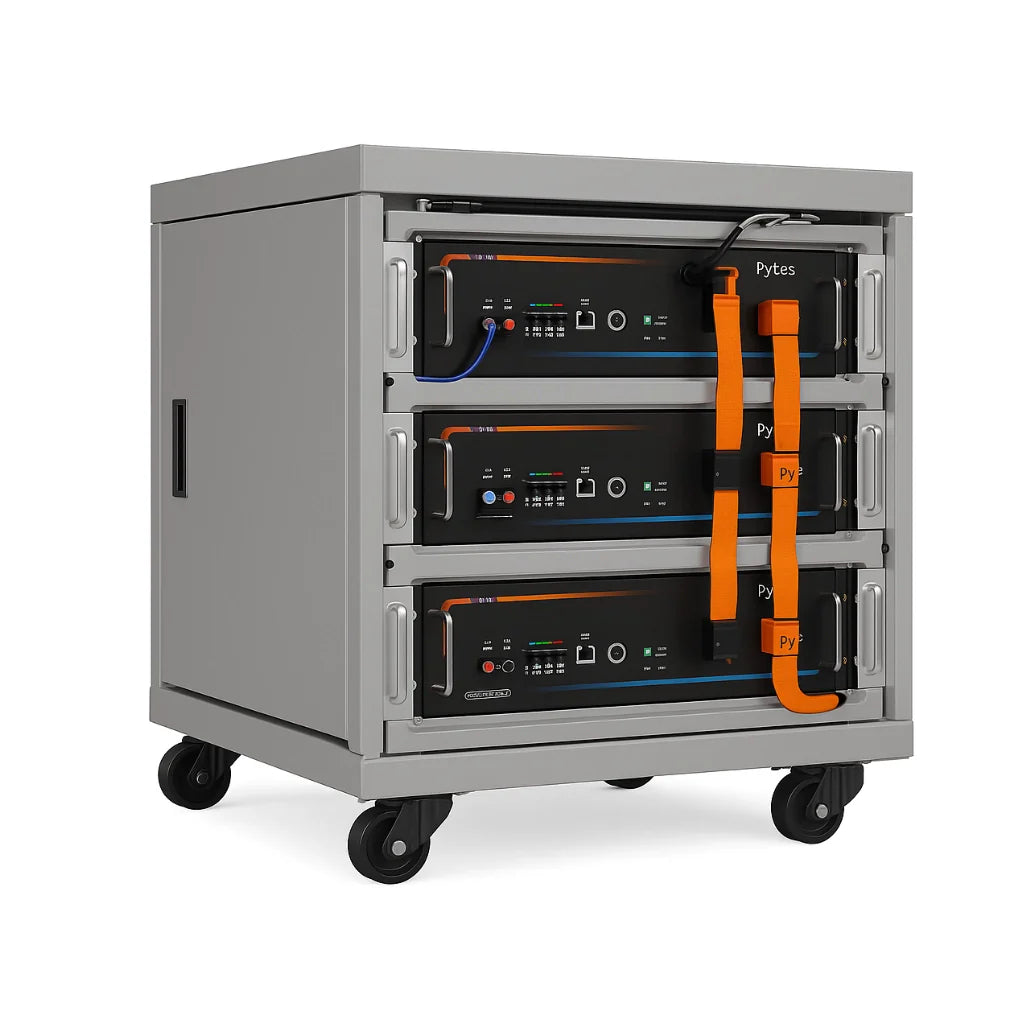
Prioritise lithium iron phosphate batteries with integrated battery management systems that offer protection against overcharging, over discharging, and temperature fluctuations. Look for batteries with standardised connections compatible with your campervan’s electrical infrastructure and consider modular designs that allow for future expansion or replacement of individual cells.
Here is a summary comparing common lithium battery chemistries for campervan use:
| Chemistry Type | Typical Longevity | Temperature Tolerance | Safety Profile |
|---|---|---|---|
| LiFePO₄ (LFP) | 2000–5000 cycles | Excellent, robust | Very stable, low fire risk |
| NMC (Nickel Manganese Cobalt) | 1000–2000 cycles | Good, moderate range | Good, but more sensitive |
| LCO (Lithium Cobalt Oxide) | 500–1000 cycles | Sensitive to cold | Higher risk of thermal runaway |
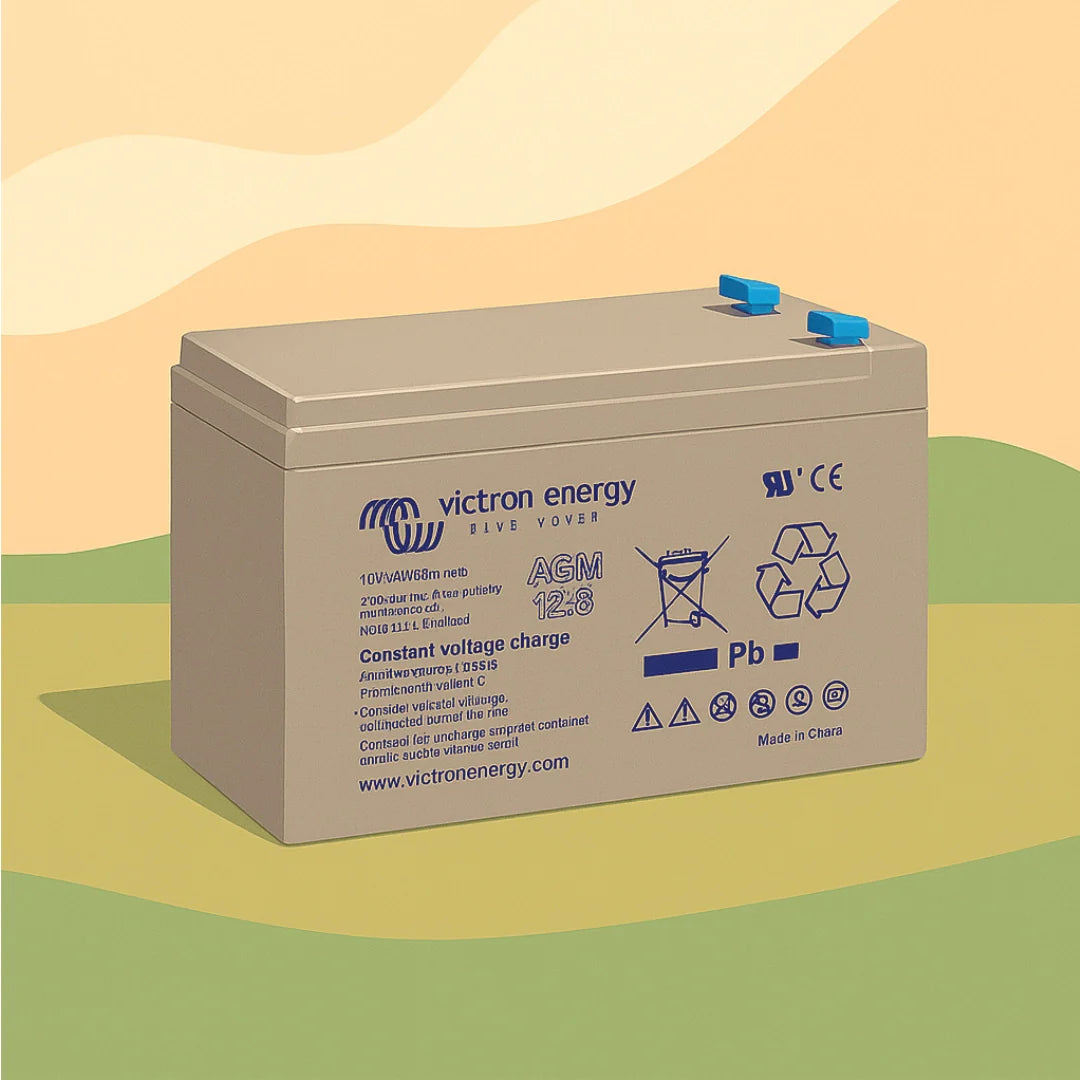
| AGM (for comparison) | 300–500 cycles | Limited temperature range | Non-explosive but heavier |
Pro tip: Always verify the battery manufacturer’s warranty and support options before making a final purchase. Reliable technical support can be as important as the battery’s technical specifications.
Step 3: Prepare your campervan installation area
Preparing the installation area for your lithium battery system is a critical step that requires meticulous planning and careful consideration of safety and functionality. Your goal is to create a secure and accessible space that supports optimal battery performance and electrical system integration.

Start by identifying a well ventilated location within your campervan that remains protected from direct sunlight moisture and extreme temperatures. Electrical installation guidelines recommend selecting an area with minimal vibration and potential mechanical stress. Ensure the chosen space provides adequate clearance around the battery system for proper air circulation and potential maintenance. Clean the area thoroughly removing any dust debris or potential contaminants that might interfere with electrical connections or battery performance.
Measure and mark the exact mounting points for your battery system using precise measurements. Consider using marine grade plywood or aluminium mounting plates to create a stable foundation that can absorb vibrations and provide electrical insulation. Verify that your mounting solution allows for thermal expansion and contraction while maintaining a secure attachment. Implement cable management strategies that minimise potential strain on electrical connections and protect wiring from potential abrasion or environmental damage.
Pro tip: Photograph your installation area and mounting points before drilling or cutting anything. This documentation can prove invaluable for future maintenance or troubleshooting.
Step 4: Install and wire lithium batteries securely
Securing and wiring your lithium batteries correctly is a critical step that demands precision technical knowledge and careful attention to safety protocols. Your goal is to create a robust electrical system that provides reliable power while minimising potential risks.
International battery installation standards recommend implementing multiple layers of protection during your battery installation. Begin by ensuring you have appropriate protective equipment such as insulated gloves and safety glasses. Select high quality marine grade copper cables with appropriate cross sectional area to handle your expected current load. Always connect batteries in the correct series or parallel configuration matching your system voltage requirements.
When connecting batteries prioritise clean secure connections that minimise electrical resistance. Use dedicated battery terminals and ensure all connections are tightly fastened using torque specific tools. Install appropriate fuses or circuit breakers between battery banks and critical components to protect against potential electrical faults. Route cables carefully avoiding potential mechanical stress points and protecting them from potential abrasion using cable conduits or protective sleeves.
Pro tip: Use colour coded cable markers to clearly distinguish positive and negative connections preventing accidental incorrect wiring during future maintenance or modifications.
Step 5: Integrate monitoring and safety systems
Integrating comprehensive monitoring and safety systems is crucial for protecting your campervan’s electrical infrastructure and ensuring long term battery performance. Your goal is to create a robust system that provides real time insights and prevents potential electrical failures.
International battery safety standards emphasise the importance of implementing sophisticated battery management systems. Select a battery monitoring unit that offers comprehensive features such as state of charge tracking voltage monitoring temperature sensing and fault detection. Install a battery management system that can provide cellular or bluetooth connectivity allowing you to track your battery performance remotely through smartphone applications.
Ensure your safety systems include multiple layers of protection. Install automatic disconnect mechanisms that can interrupt power flow during critical conditions like overheating excessive discharge or short circuit events. Consider incorporating additional protective elements such as thermal sensors fuses and circuit breakers that can provide redundant safety mechanisms. Route all monitoring cables separately from power cables to minimise electrical interference and potential signal disruption.
Below is a quick reference of recommended safety devices for lithium battery installations:
| Device Type | Function | Benefit |
|---|---|---|
| Battery management system | Monitors cell health and balances charging | Prevents damage and extends lifespan |
| Circuit breaker | Interrupts current during fault | Provides rapid fault isolation |
| Thermal sensor | Monitors temperature of batteries | Detects overheating early |
| Manual disconnect | Allows manual isolation of battery | Immediate emergency shutdown |
Pro tip: Always maintain a physical manual disconnect switch as a failsafe mechanism that allows you to immediately cut power in emergency situations.
Step 6: Verify system operation and performance
Verifying your campervan lithium battery system’s operation and performance is the final crucial step that ensures your electrical setup functions safely and efficiently. Your objective is to conduct systematic tests that validate every component’s reliability and performance under real world conditions.
International testing specifications for electrical systems recommend comprehensive performance evaluation procedures. Begin by conducting a full charge cycle and monitoring voltage stability across all battery banks. Use a multimeter to measure voltage drops and verify each battery cell performs consistently. Run a complete discharge test under controlled conditions measuring total energy output and comparing actual performance against manufacturer specifications.
Perform multiple diagnostic checks including thermal imaging to detect potential hotspots temperature variations and electrical resistance across connections. Use your battery management system’s diagnostic tools to log performance data and analyse long term system behaviour. Check all safety disconnect mechanisms by simulating various fault conditions and verifying automatic protective responses work precisely as designed. Document all test results creating a baseline performance record for future reference and maintenance planning.
Pro tip: Schedule quarterly performance tests to track your battery system’s health and detect potential degradation early before it becomes a critical issue.
Unlock Reliable Off-Grid Power with Skyenergi’s Lithium Battery Solutions
Designing a lithium battery system for your campervan is a complex task that demands precision and trusted components. From calculating daily power requirements to installing advanced battery management systems ensuring safety and performance every step requires expertise and quality products. If you want to avoid common pitfalls like insufficient capacity or unreliable wiring take control with Skyenergi’s high-performance lithium leisure batteries and Victron-compatible components tailored for campervan use in the UK.

Explore our range of robust lithium iron phosphate batteries featuring intelligent battery management systems with Bluetooth monitoring so you can track your battery health in real time. Whether you are enhancing your installation area or integrating comprehensive safety devices Skyenergi offers practical, expandable solutions designed to maximise energy independence and reliability on the road. Don’t wait until your battery fails at an inconvenient moment act now and equip your campervan with Skyenergi’s trusted renewable energy products at Skyenergi official website.
Discover how simple it can be to power your adventures confidently with Skyenergi’s expertly engineered systems. Visit Skyenergi home to start building your perfect off-grid campervan energy setup today.
Frequently Asked Questions
How do I calculate my campervan’s power requirements for a lithium battery setup?
To calculate your campervan’s power requirements, list all electrical devices and their wattage, then estimate the daily usage hours. Multiply the watts by usage hours for each device and add them together, adding a 20% buffer for unexpected needs.
What type of lithium battery is best for campervan installations?
Lithium Iron Phosphate (LiFePO4) batteries are recommended for campervans due to their longevity and safety profile. Choose batteries with integrated management systems for optimal performance and protection against overcharging.
How can I ensure safe installation of lithium batteries in my campervan?
Ensure safe installation by selecting a well-ventilated area and using marine-grade mounting solutions to absorb vibrations. Follow international installation standards and use appropriate safety equipment, such as insulated gloves, while making secure connections.
What monitoring systems should I integrate into my campervan’s lithium battery setup?
Integrate a comprehensive battery management system that tracks charge levels, voltage, and temperature. Include disconnect mechanisms to interrupt power during faults, and route monitoring cables separately to avoid interference.
How often should I test my lithium battery system’s performance?
Conduct performance tests quarterly to verify your lithium battery system’s health and efficiency. Perform a full charge and discharge cycle during these tests to establish a baseline for energy output and identify potential issues early.
What steps should I take to prepare the installation area for lithium batteries in my campervan?
To prepare the installation area, select a location that is well-ventilated, dry, and away from direct sunlight. Clean the area thoroughly, ensure there is enough clearance for air circulation, and mark precise mounting points to secure the battery system effectively.
Recommended
- Lithium vs AGM — What’s Best for Campervans? – Skyenergi
- The UK Campervan and Motorhome Industry: Trends, Statistics from the Last Three Years – Skyenergi
- The Advantages and Disadvantages of Van Life – Skyenergi
- Camper Conversion Companies in the UK – An Overview of a Growing Indus – Skyenergi
- 7 anschauliche Beispiele für Autobatterien erklärt - accu.blog
Prev post

What Is Solar Charging? Achieving Off-Grid Freedom
Updated on 25 December 2025
Next post

Bluetooth Battery Monitoring – Real-Time Power Insights
Updated on 23 December 2025


