


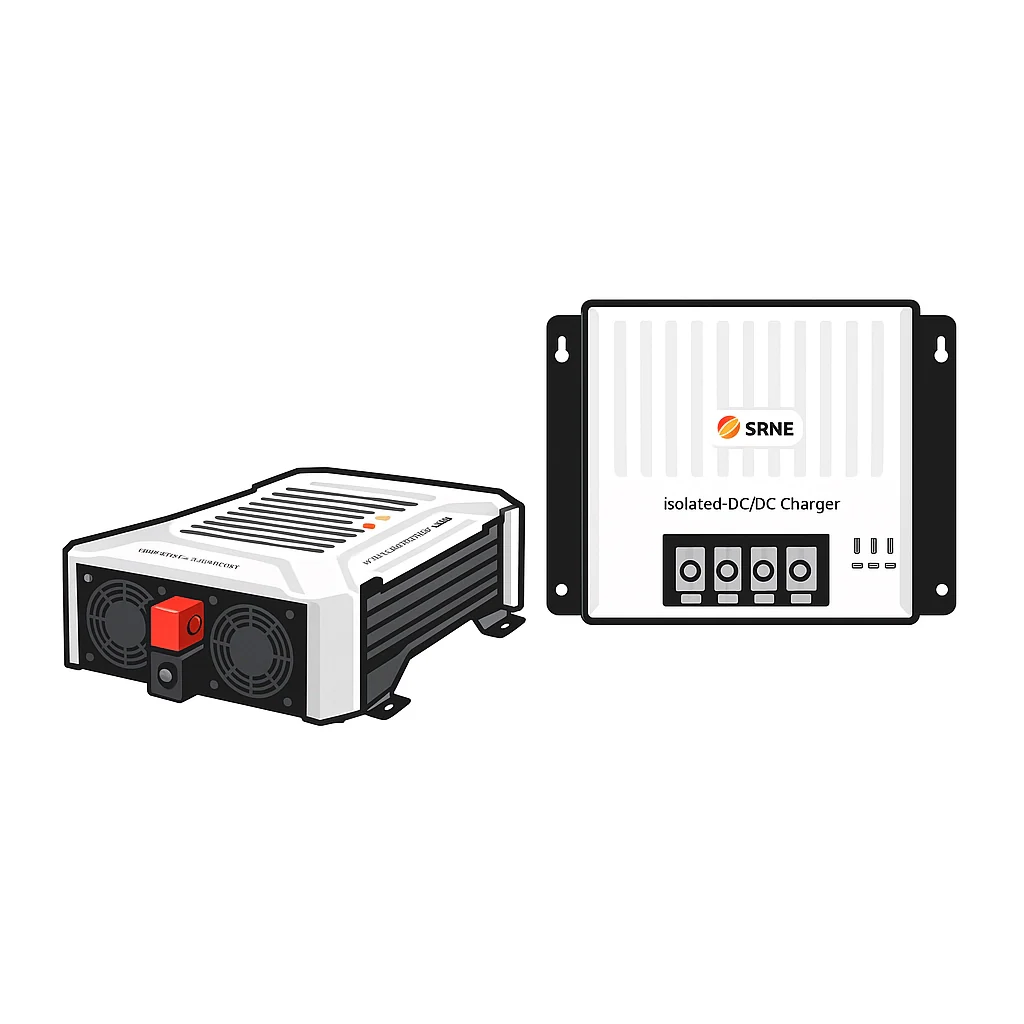


7 Examples of Solar Charging Setups for UK Campervans
Explore 7 practical examples of solar charging setups for UK campervans. Learn effective strategies and find tips to boost off-grid energy independence.
Staying off-grid in your campervan across the British countryside means keeping your devices running without the stress of searching for electrical hookups. With unpredictable weather and limited daylight, finding a reliable solution for continuous power can feel overwhelming. The right solar charging system transforms your travels, letting you explore remote spots for longer without worrying about dead batteries.
This guide shares practical setups proven to work for UK campervans, covering everything from flexible panel choices to integrated battery management and real-time monitoring. Whether you want the freedom to roam or plan to expand your system over time, you’ll uncover clear, actionable strategies to power your adventures with confidence.
Table of Contents
- 1. Roof-Mounted Solar Panels For Continuous Charging
- 2. Portable Fold-Out Solar Kits For Flexible Use
- 3. Integrated Lithium Battery And Solar Controller Systems
- 4. Dual Solar Panel Arrays For Increased Efficiency
- 5. Victron-Compatible Monitoring And Management
- 6. Solar Charging With Bluetooth Battery Monitoring
- 7. Expandable Setups For Future Power Needs
Quick Summary
| Key Insight | Explanation |
|---|---|
| 1. Opt for Roof-Mounted Solar Panels | They provide a reliable energy source when stationary or travelling, perfect for UK campervan owners seeking independence. |
| 2. Consider Portable Fold-Out Solar Kits | These kits allow flexibility in sun positioning, improving charging efficiency in various situations, especially in shaded areas. |
| 3. Use Integrated Lithium Battery and Solar Controllers | This setup maximises energy storage and charging efficiency, ensuring autonomy in off-grid conditions with modern technology. |
| 4. Explore Dual Solar Panel Arrays | Installing two arrays enhances energy capture and resilience, enabling you to power more devices simultaneously during off-grid stays. |
| 5. Implement Victron-Compatible Monitoring | Real-time data on energy flow helps manage consumption effectively, allowing informed decisions during travels and optimising power usage. |
1. Roof-Mounted Solar Panels for Continuous Charging
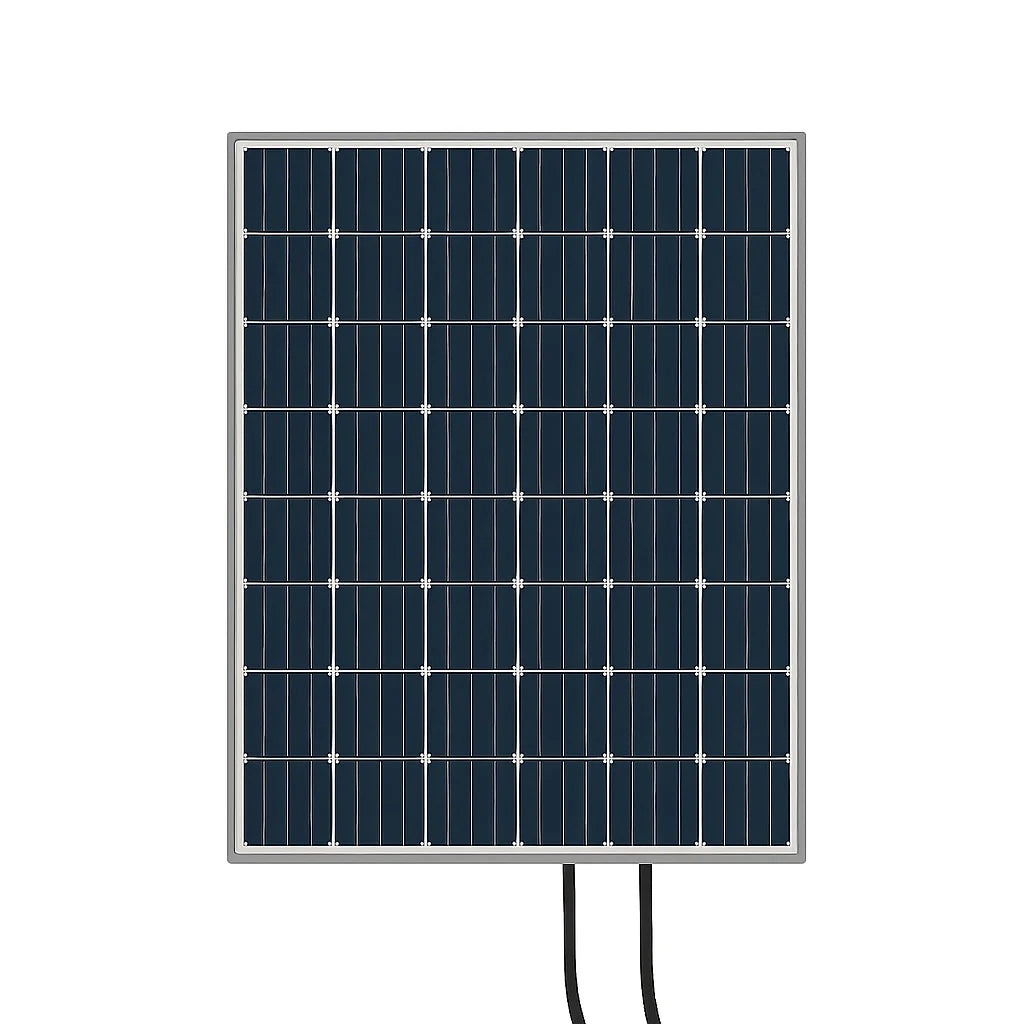
Roof-mounted solar panels represent the most practical solution for UK campervan owners seeking energy independence without relying on electrical hookups. These panels convert sunlight directly into electrical energy, allowing you to power devices and recharge your batteries whilst parked at remote locations or travelling through the countryside. The beauty of this setup lies in its simplicity and reliability—once installed, your panels work silently and continuously whenever daylight is available.
You’ll find two primary panel types available for campervan roofs. Flexible panels offer convenience since they avoid drilling into your van’s roof and conform to curved surfaces, though they tend to be more vulnerable to physical damage over time. Rigid panels, by contrast, deliver superior durability and efficiency and mount securely using brackets, making them the preferred choice for most serious off-grid campers. The wattage you choose depends entirely on your energy consumption patterns. A small 10W panel simply tops up your battery to offset self-discharge, whilst 60 to 100W panels provide genuine continuous power for lights, water pumps, fridges, and other essential devices. Most UK campervan owners find that 80W to 100W kits strike the ideal balance between roof space requirements and practical power generation.
Positioning matters considerably for maximising energy capture throughout the day. Your panels should face south whenever possible and remain unshaded by roof racks, antennas, or overhanging trees. The continuous charging capability means you generate power during daylight hours even whilst travelling, topping up your leisure batteries gradually without draining them completely. This approach grants you genuine freedom to explore remote British locations, coastal areas, and countryside sites for extended periods without worrying about running out of power for your essential systems.
Pro tip: Install your panels slightly angled rather than completely flat, as this optimises solar absorption throughout the year and helps rainwater drain naturally, keeping your panels clean and efficient during extended trips.
2. Portable Fold-Out Solar Kits for Flexible Use
Portable fold-out solar kits offer campervan owners a freedom that permanently mounted panels simply cannot match. These compact systems pack away into manageable cases or bags, allowing you to position them wherever sunlight is strongest throughout the day. Unlike roof-mounted alternatives, fold-out kits let you chase the sun as it moves across the sky, dramatically improving your charging efficiency, particularly during the shorter daylight hours of British winters.
The mechanics are straightforward but highly effective. These kits typically consist of two or more solar panels connected by hinged frames that expand like a suitcase when deployed and collapse flat for storage. Most portable systems range from 40W to 100W, providing genuine flexibility depending on your energy requirements. You can position them on the ground beside your campervan, lean them against a fence or wall, or even prop them at an optimal angle on your roof rack when needed. This adaptability means you’re never locked into a single orientation or location. The lead cables typically extend several metres, giving you plenty of reach to capture sunlight in corners of campsites where a stationary van might sit in shadow. You benefit from superior energy capture because you control the panel angle and direction, making fold-out kits especially valuable when parked in wooded areas or urban settings where roof space becomes shadowed.
Portable systems excel when combined with solar battery integration for reliable energy storage. The flexibility extends beyond just positioning. If you’re exploring a new campsite for a few days, portable kits travel with minimal fuss. If you later decide to upgrade your van with roof panels, fold-out kits become excellent supplementary chargers rather than redundant equipment. This makes them particularly suitable for casual campers testing whether solar investment makes sense for their lifestyle, or experienced travellers who need backup charging capacity during extended off-grid periods.
Pro tip: Keep your fold-out kit on the ground rather than on your roof to maximise the angle towards the sun, and rotate it every two to three hours during clear days to track optimal sun position and significantly boost daily energy capture.
3. Integrated Lithium Battery and Solar Controller Systems
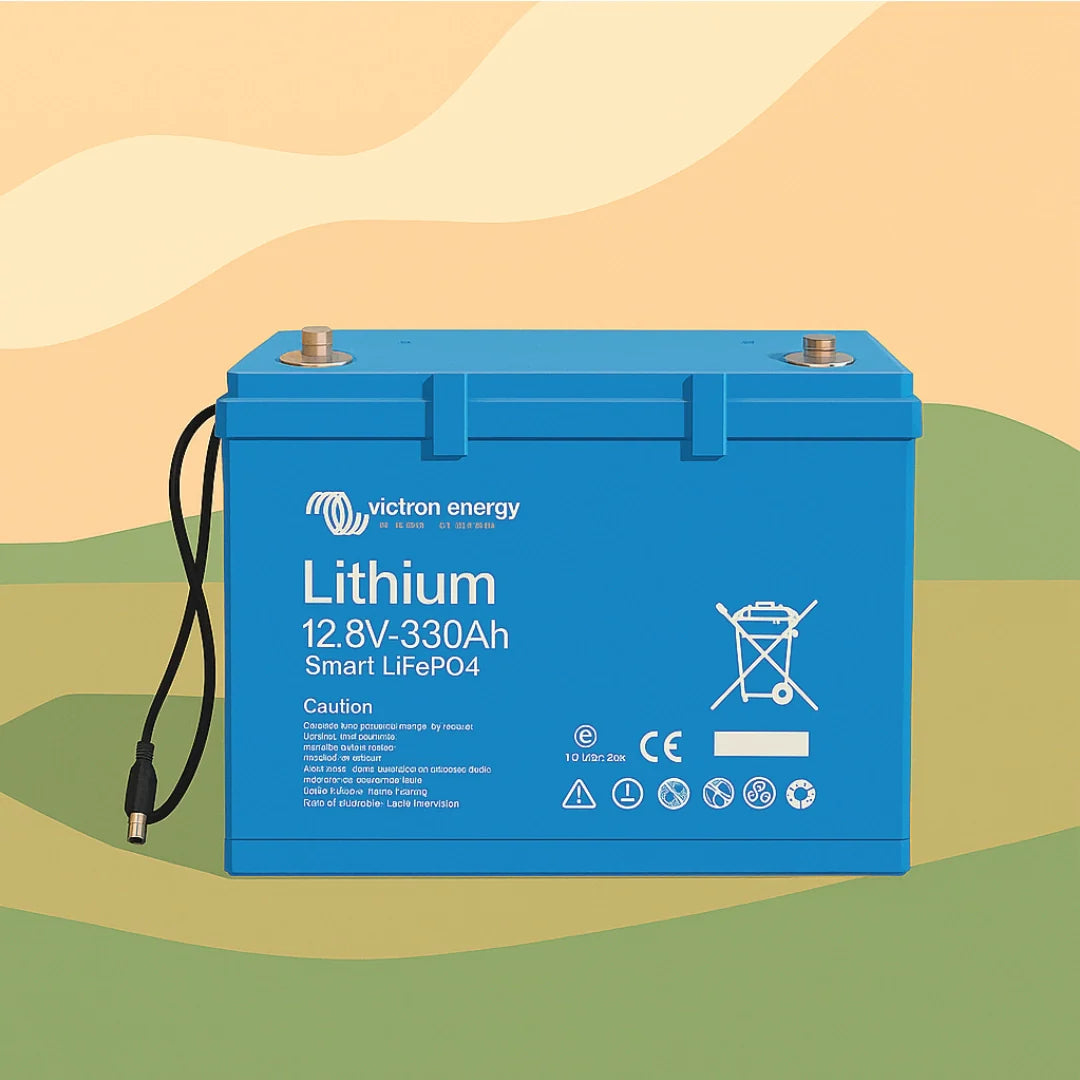
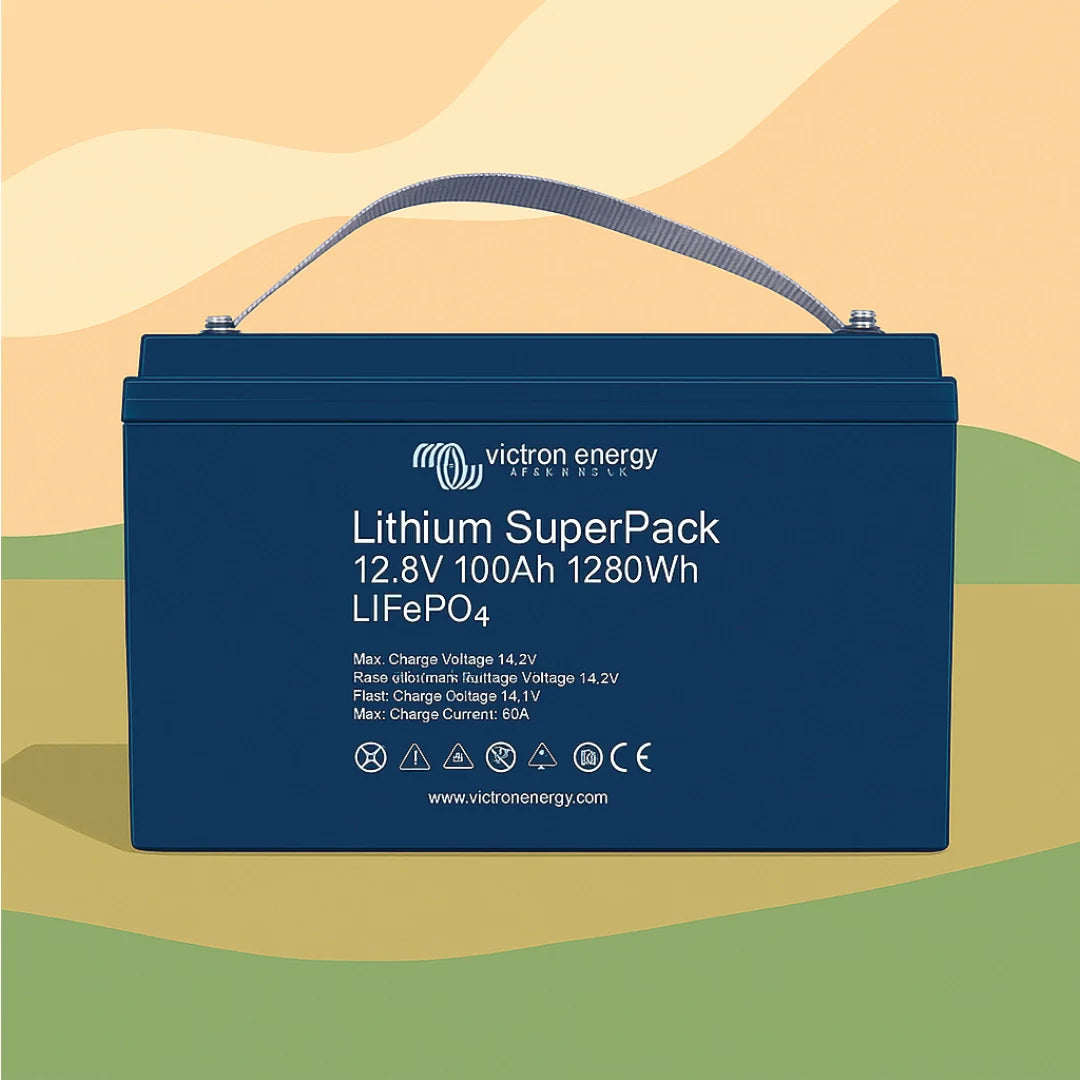
Integrated lithium battery and solar controller systems represent the backbone of modern campervan energy setups. These systems combine three critical components working in perfect harmony: your solar panels, a lithium leisure battery for energy storage, and an intelligent solar charge controller managing the flow between them. When properly integrated, this trio transforms your campervan into a genuinely independent power station, capable of sustaining your adventures far from any electrical hookup.
The solar charge controller sits at the heart of this ecosystem, acting as the intelligent intermediary between your panels and battery. Its primary job is optimising how much energy your panels feed into your battery, protecting the battery from overcharging whilst maximising efficiency. Modern systems typically employ MPPT controllers, which adjust voltage and current in real time to extract every available watt from your solar panels. When paired with a quality lithium battery system, MPPT controllers significantly enhance energy capture, particularly valuable during UK winters when daylight is limited and every percentage point of efficiency matters. Lithium batteries themselves offer superior advantages over traditional lead acid options, including faster charging speeds, lighter weight, greater depth of discharge, and exceptional longevity. Many modern lithium systems include Bluetooth connectivity, allowing you to monitor your battery health, power usage, and system performance directly from your mobile phone in real time.
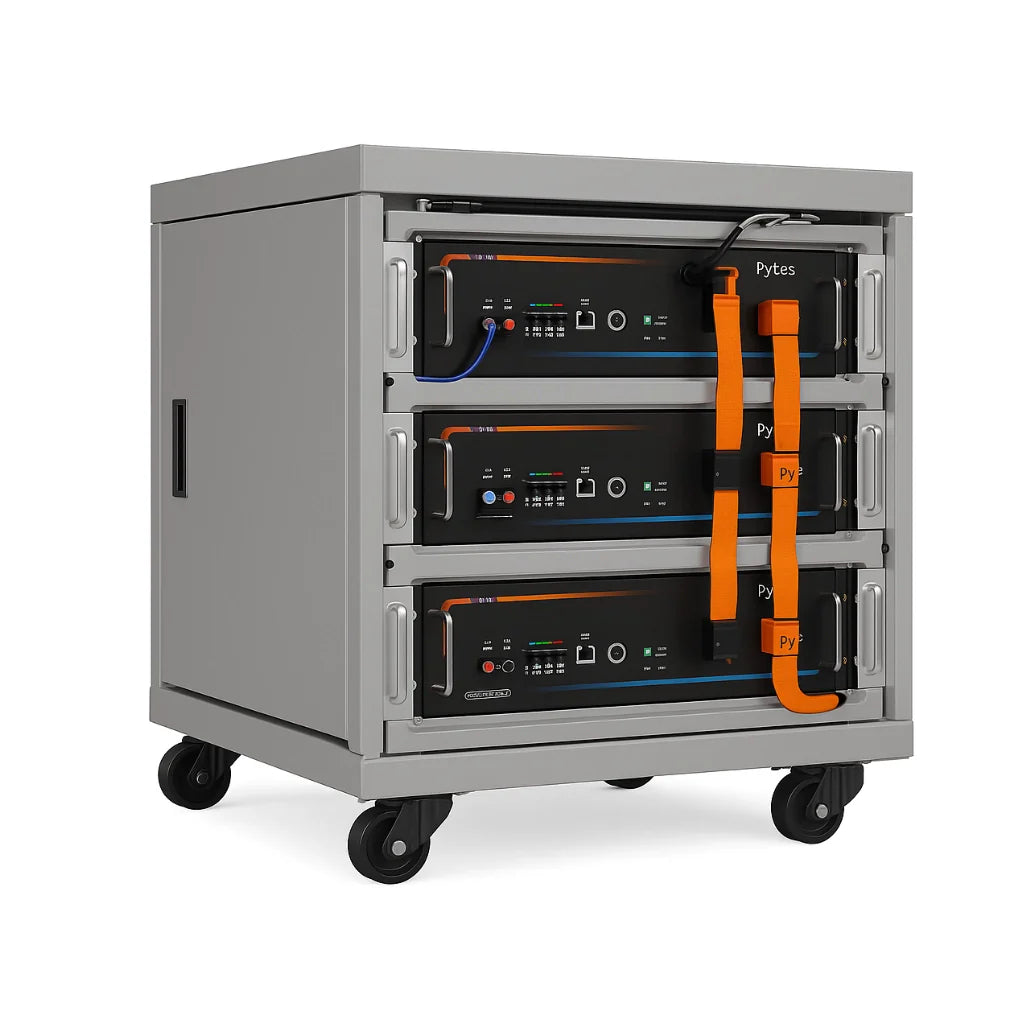
Practical integration means your system grows with your needs. You start with a modest solar array and lithium battery, then expand by adding more panels as your energy demands increase or as you invest in power hungry devices like fridges or heating systems. The battery management system protects your investment by preventing over-discharge, managing cell balancing, and reporting system diagnostics. Installation requires proper attention to wiring standards and fuse protection to ensure safety, but the reward is exceptional energy independence. Your campervan becomes genuinely self-sufficient, allowing you to camp where you choose rather than where electrical hookups exist.
Pro tip: Size your lithium battery capacity to match your daily energy consumption rather than choosing the largest option available, as this ensures faster charging cycles and extends overall battery lifespan whilst keeping costs reasonable.
4. Dual Solar Panel Arrays for Increased Efficiency
Dual solar panel arrays represent a strategic upgrade for campervan owners whose energy demands exceed what a single panel can deliver. Instead of relying on one solar panel, you install two arrays working in tandem to capture sunlight from different areas of your roof or even from different angles. This approach dramatically increases your total energy generation capacity, allowing you to run more devices simultaneously or sustain power hungry equipment like refrigerators, heating systems, and charging stations throughout extended off-grid adventures.
The efficiency gains come from spreading your capture area across a wider roof surface and enabling better orientation towards the sun. A single panel might cast a shadow or sit at a suboptimal angle, but with dual arrays you gain flexibility in positioning. One panel might be mounted flat on the main roof whilst the other sits at an angle on a side panel or roof extension, capturing sunlight from different trajectories as it moves across the sky. The power generation increases substantially. For example, how many amps your solar panels generate depends on panel wattage and weather conditions, but combining two panels essentially doubles your available output during optimal conditions. Your system architecture becomes important here. You can wire dual panels in series to increase voltage, in parallel to increase current capacity, or use a combination approach depending on your battery voltage and charge controller specifications. The critical advantage is that proper system design with a quality MPPT charge controller maximises efficiency across both arrays, ensuring minimal energy losses during transmission from panels to battery.
Practical benefits compound over time. Dual arrays support heavier power loads without voltage sags, charge your batteries faster, and maintain charge levels even on overcast British days when single panels struggle. This setup particularly suits families or groups camping in your van, where cooking, hot water, leisure, and charging demands accumulate quickly. You also gain redundancy, meaning if one panel becomes shaded or experiences a temporary fault, your other panel continues generating power.
Pro tip: Position your dual arrays to face different angles or directions if possible, such as mounting one southfacing and one eastfacing, so you capture optimal sunlight throughout the entire day rather than relying on a single sun trajectory.
5. Victron-Compatible Monitoring and Management
Victron-compatible monitoring and management systems transform your campervan’s electrical setup from a black box into a transparent, controllable power ecosystem. Instead of guessing whether your battery is charging or how much energy you are consuming, Victron integration gives you real-time visibility into every aspect of your system through smartphone apps and digital displays. This level of control and insight fundamentally changes how you interact with your van’s power, allowing informed decisions about device usage and energy conservation throughout your travels.
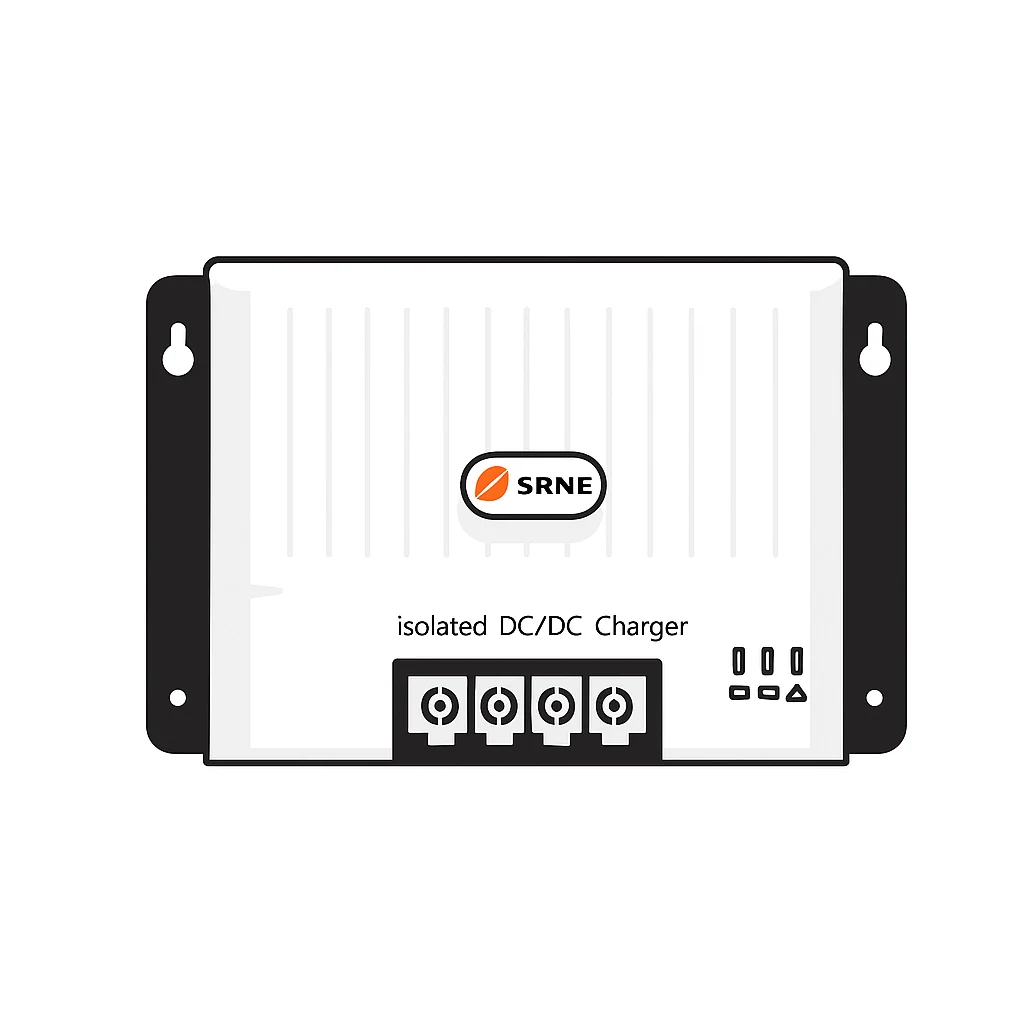
The Victron ecosystem operates as a modular, scalable platform that connects multiple electrical components through intelligent communication protocols. Your solar charge controller speaks to your battery monitor, which communicates with your DC-DC charger from your engine alternator, and all of these devices report back to a central management hub. This integrated approach eliminates the need for separate monitoring systems and ensures every power source and consumption point feeds into one unified view. A quality smart battery monitor tracks voltage, current, state of charge, and energy consumption with remarkable precision, whilst Bluetooth connectivity allows you to check your battery status from inside your campervan without stepping outside in bad weather. The system scales beautifully as your needs evolve. Today you might have solar panels and a leisure battery. Tomorrow you add an inverter for mains power, shore power charging capability, and additional storage. Every new component integrates seamlessly into your existing Victron infrastructure without requiring a complete system rebuild.
Practical benefits extend beyond mere convenience. Real-time monitoring reveals energy consumption patterns you never suspected, helping you identify power hungry devices and adjust usage accordingly. You can set alerts for low battery states, preventing accidental deep discharges that damage lithium batteries. The system tracks how much solar energy you are generating daily, helping you plan longer off-grid adventures with confidence. Victron’s app connectivity means you can monitor and adjust your system remotely, a genuine advantage when troubleshooting or optimising your setup before embarking on extended trips.
Pro tip: Pair your Victron battery monitor with daily charging logs in a simple spreadsheet to track seasonal patterns, helping you understand whether your system provides sufficient capacity for your intended travel destinations and usage habits.
6. Solar Charging with Bluetooth Battery Monitoring
Blueooth battery monitoring transforms solar charging from a mysterious, invisible process into a transparent system you can observe and control from your smartphone. Instead of wondering whether your panels are charging your battery or how much power you have remaining, Bluetooth-enabled monitors provide real-time data streamed directly to your mobile device. This visibility fundamentally changes your confidence and ability to manage energy consumption whilst living off-grid in your campervan.
The technology works through intelligent sensors integrated into your battery system or installed as standalone devices like the Victron SmartShunt. These monitors measure voltage, current flow, and energy consumption with precision, calculating your state of charge and remaining capacity instantly. The data transmits wirelessly via Bluetooth to dedicated smartphone apps, presenting information in clear, intuitive dashboards you can check whilst relaxing inside your van. The real power emerges when you combine Bluetooth battery monitoring with solar charging systems, enabling you to track exactly how much solar energy your panels are generating and how efficiently it is flowing into your battery. You receive alerts when your battery drops to critical levels, preventing accidental deep discharges that damage lithium chemistry. You can monitor charging rates during different weather conditions, discovering whether morning sun alone sustains your power needs or whether afternoon charging remains necessary. This data accumulation reveals consumption patterns you never suspected, helping you adjust device usage or plan solar upgrades with confidence grounded in actual measurements rather than guesswork.
Practical benefits compound throughout your travels. You know precisely when your battery reaches full charge on sunny days, allowing you to guilt-free use power hungry devices like kettles or hair dryers. On cloudy days, the data shows exactly how much solar charging occurred, helping you decide whether to conserve power or run the engine alternator to top up. Installation complexity drops dramatically because Bluetooth monitoring requires minimal wiring compared to traditional hardwired gauges. You can position the monitor flexibly, hide cables neatly, and modify your setup without rewiring. The off-grid experience becomes less stressful because you understand your system’s actual capacity and limitations, not imagined ones.
Pro tip: Enable low battery alerts set at 30 per cent state of charge rather than waiting until your battery dies, giving you plenty of time to adjust consumption or activate charging sources before reaching critical levels.
7. Expandable Setups for Future Power Needs
Expandable solar charging setups allow you to start small and grow your system as your campervan lifestyle evolves and your power demands increase. Rather than installing an oversized system you cannot afford upfront, modular design lets you begin with essentials like a single solar panel, basic lithium battery, and MPPT controller, then add components as your needs and budget allow. This approach balances immediate affordability with long-term flexibility, ensuring your investment grows intelligently alongside your off-grid adventures.
The architecture supporting expandable setups relies on standardised components designed for seamless integration. Starting with a foundation of quality MPPT charge controllers and compatible lithium batteries, your system accepts additional solar panels, extra battery capacity, inverters, and shore power chargers without requiring complete rewiring or replacement of core infrastructure. Careful initial planning proves crucial here. You must size your charge controller and wiring with future expansion in mind, choosing components rated for double or triple your current solar input capacity. This forward-thinking approach eliminates expensive retrofitting later. Modular Victron ecosystems exemplify this philosophy perfectly, with components communicating via standardised protocols that accommodate new additions years after installation. Expandable Victron off-grid systems demonstrate how careful component selection enables smooth upgrades, allowing you to add solar panels in year one, extra battery storage in year two, and an inverter in year three without system conflicts.
Practical expansion scenarios make sense when you understand your usage patterns. New campervan owners often discover they consume far less power than anticipated, making initial modest setups adequate. After several months of real-world camping, however, the desire for a fridge, heating, or additional creature comforts emerges. Your expandable system accommodates these natural progression points without waste. Starting small also reduces initial capital expenditure, making solar investment accessible to budget-conscious travellers. You experience genuine off-grid freedom immediately whilst building toward comprehensive power independence. Smart Bluetooth monitoring helps tremendously during expansion, revealing exactly which devices consume the most power and which upgrades deliver the greatest benefit to your lifestyle.
Pro tip: Install oversized cables and fuse holders rated for 50 per cent more amperage than your current system requires, allowing you to add solar panels and batteries without disrupting existing wiring or risking undersized protection.
Below is a comprehensive table summarising the main options, features, and benefits discussed throughout the article concerning solar charging solutions and components for campervans.
| Option | Features | Benefits |
|---|---|---|
| Roof-Mounted Solar Panels | Installed directly on the campervan roof for continuous daytime energy recharge. | Provides steady and autonomous power for essential devices at remote locations without plug-in dependency |
| Portable Fold-Out Solar Kits | Compact and transportable panels deployable at the optimal angle or relocation to maximise sunlight capture. | Offers flexibility to adapt panel positioning based on sun trajectory or site configuration limitations |
| Integrated Solar and Lithium Systems | Combines solar panels, an advanced charge controller, and lithium batteries for efficient energy storage. | Creates a high-performance energy system optimised for off-grid usage and durability |
| Dual Solar Panel Arrays | Employing two spatially optimised panels for enhanced energy capture. | Improves total energy generation capacity and provides redundancy |
| Victron-Compatible Monitoring | Monitoring and management systems connect components and provide real-time data using mobile apps. | Offers transparency, control, and insight over energy usage patterns and system performance |
| Bluetooth Battery Monitoring | Wireless real-time tracking of battery state, solar input, and power consumption via smartphone apps. | Enhances system diagnostics, optimises energy utilisation, and prevents over-discharge |
| Expandable Solar Systems | Modular designs that allow for gradual system scaling with components like additional panels or batteries. | Enables cost-effective evolution of energy setups in alignment with growing or changing needs |
This table summarises the discussed solar energy solutions tailored to campervans, presenting their unique features and how they enhance off-grid living flexibility and effectiveness.
Achieve True Energy Independence for Your UK Campervan Today
The article highlights how UK campervan owners face challenges powering their adventures with reliable, efficient solar setups that match varying energy needs and unpredictable British weather. Whether you are considering roof-mounted solar panels, portable fold-out kits, or integrated lithium battery systems, the goal is clear: uninterrupted power supply that supports your lifestyle without dependency on electrical hookups. Key pain points include optimising solar panel configuration, managing energy storage effectively with intelligent controllers, and having real-time monitoring capabilities to avoid unexpected power loss.
Skyenergi specialises in exactly these solutions, providing high-performance lithium leisure batteries and Victron-compatible components that integrate seamlessly with your solar charging system. Our intelligent battery management systems with Bluetooth monitoring allow you to track your energy production and consumption in real time, enhancing your confidence while off grid. If you want to expand your system or upgrade your campervan power capabilities with reliable, well-engineered products tailored to UK conditions, explore our comprehensive range designed for expandability and efficiency at Skyenergi.
Start maximising your solar potential now with trusted products and expert support from a UK renewable energy brand focused on campervan power freedom.
Discover how easy it is to transform your campervan into a self-sufficient power station. Visit Skyenergi and take your first step towards a smarter, more reliable solar charging system that grows with your adventures.
Frequently Asked Questions
What are roof-mounted solar panels for campervans?
Roof-mounted solar panels are installed on the roof of your campervan to convert sunlight into electrical energy, providing power for devices and battery recharge. To maximise efficiency, ensure the panels face south and remain free from shading.
How do portable fold-out solar kits improve charging flexibility?
Portable fold-out solar kits allow you to adjust the position of your solar panels throughout the day, optimising sunlight capture. Set them up in the sunniest location relative to your campsite to enhance energy collection, particularly useful during winter months.
What advantages do integrated lithium battery and solar controller systems offer?
Integrated lithium battery and solar controller systems provide an efficient energy storage solution, allowing your campervan to operate as a self-sufficient power station. Invest in a quality solar charge controller to optimise energy flow between the panels and battery, enhancing overall efficiency.
How can dual solar panel arrays increase my campervan’s energy generation?
Dual solar panel arrays can significantly raise your energy generation capacity by allowing you to capture sunlight from different angles. Position the two panels to face various directions, such as east and south, to maximise solar exposure throughout the day.
What is the role of Victron-compatible monitoring systems in campervan energy setups?
Victron-compatible monitoring systems provide real-time visibility into your campervan’s energy consumption and battery status, enabling informed decision-making. Integrate these systems to track usage patterns and optimise device operation based on actual data.
How do expandable solar charging setups work for campervans?
Expandable solar charging setups allow you to start with basic components and grow your energy system as your needs change. Begin with a single solar panel and lithium battery, then gradually add more panels or storage capacity, ensuring your setup remains budget-friendly and adaptable.
Recommended
Prev post

Solar Battery Connection Steps for Campervans UK Guide
Updated on 27 January 2026
Next post

Why Use Battery Banks in Motorhomes: Powering Off-Grid Independence
Updated on 25 January 2026


