How to Find the D+ Wire in Your Campervan
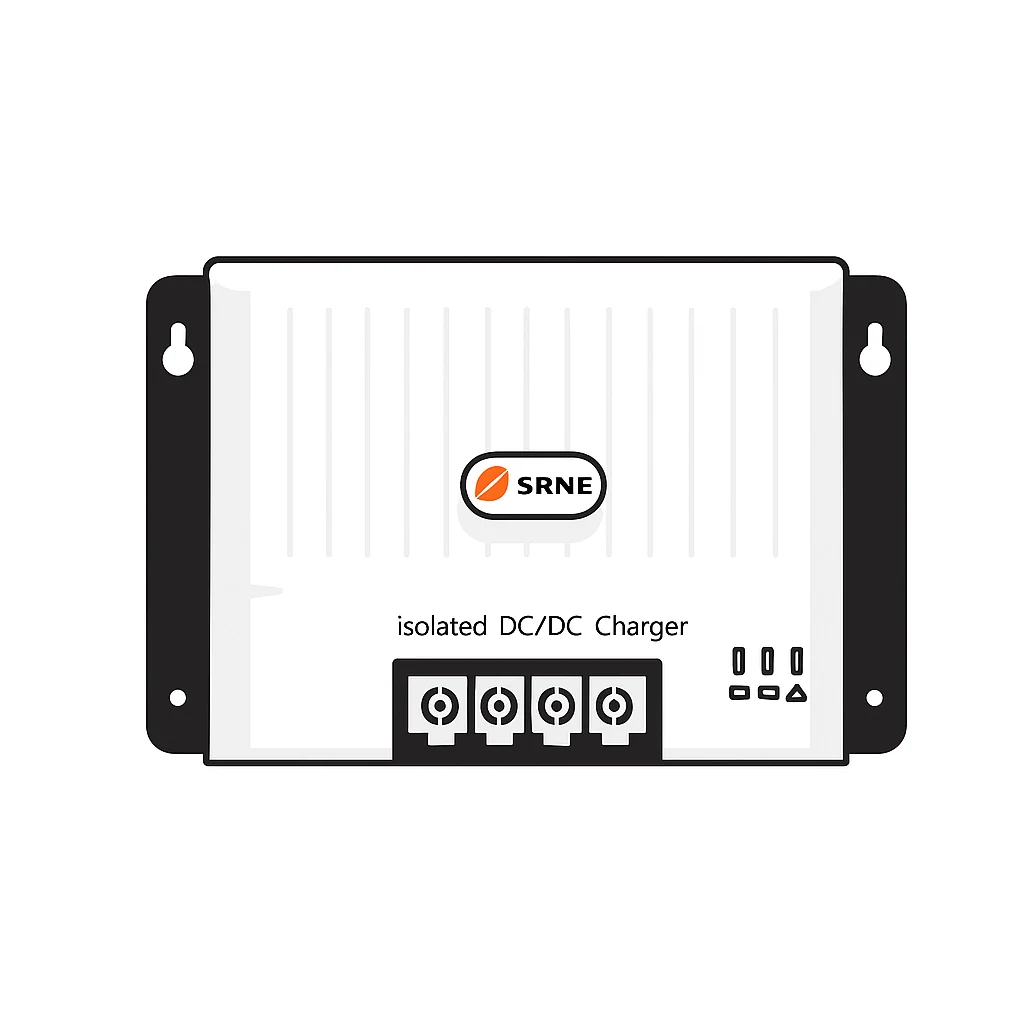
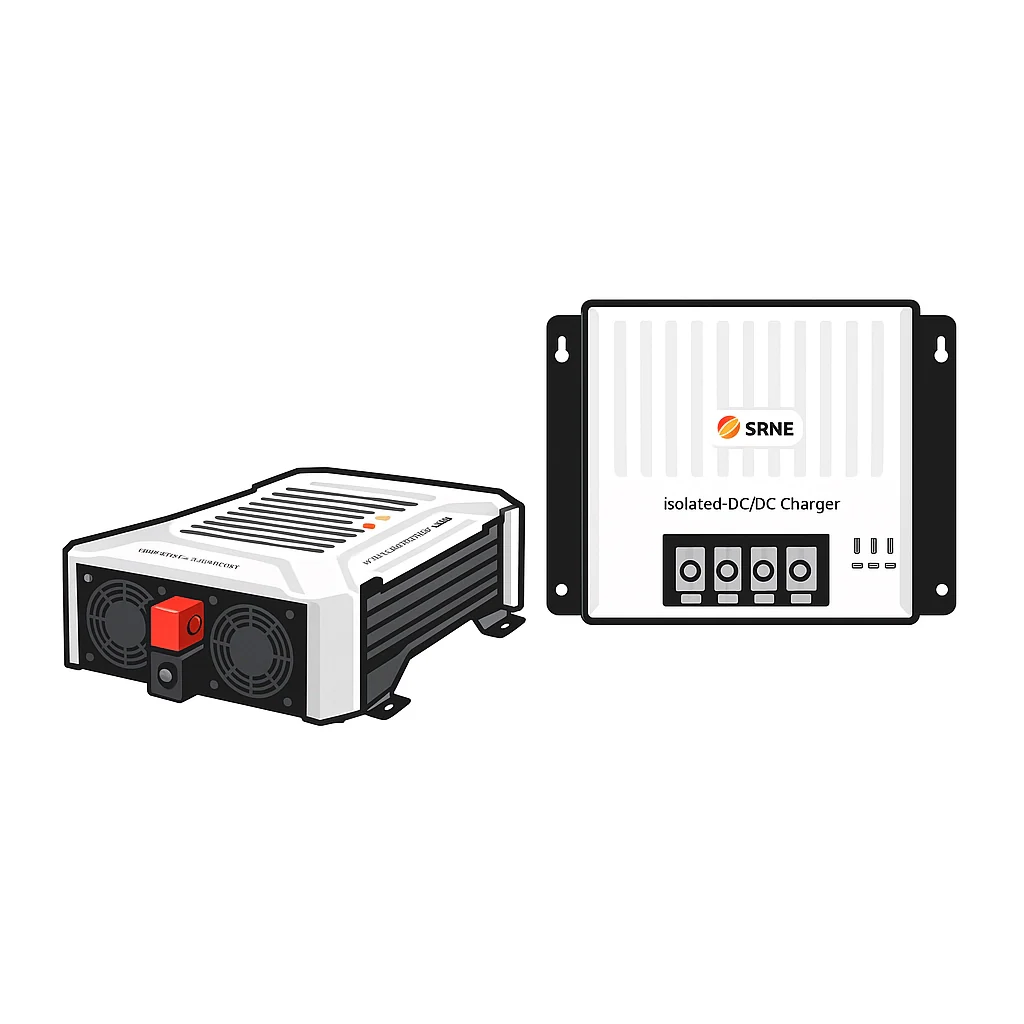
If you're installing a DC-DC charger, split charge system, or smart relay in your campervan, you’ll likely hear the phrase:
“You’ll need to connect to the D+ signal.”
If you’re wondering what that actually means — don’t worry. This guide explains exactly what the D+ wire is, why it matters, and how to find it safely in your campervan.
What Is a D+ Wire?
The D+ wire is a signal that becomes live only when the engine is running.
Its purpose is simple:
- ✔ It tells your DC-DC charger the engine is running
- ✔ It confirms the alternator is charging
- ✔ It prevents your leisure battery from draining the starter battery
Without this signal, your charger would not know when to switch on or off.
On older vehicles, the D+ signal usually came directly from the alternator. On modern Euro 5 and Euro 6 vehicles with smart alternators, it can be slightly more complex.
Where Can You Find the D+ Wire?
1. At the Alternator (Older Vehicles)
On traditional systems, the D+ wire is found on the alternator.
You are looking for:
- A small signal wire (not the large charging cable)
- Often labelled D+, 61, or L
- A connection that becomes live once the engine starts
Important: On modern smart alternator vehicles, connecting directly to the alternator can cause issues. Always check your vehicle type first.
2. Ignition-Switched Fuse (Common Modern Method)
In many modern campervan builds, installers take a trigger feed from an ignition-switched fuse instead.
To locate one:
- Use a multimeter.
- Find a fuse that reads 0V with ignition off.
- Confirm it reads 12V–14V when the engine is running.
- Use a fuse tap to safely connect your trigger wire.
This is often the cleanest and safest solution for newer vans.
3. Factory Upfitter / Body Builder Terminals
Many vans now provide dedicated connection points for converters.
Examples include:
- Ford Transit – Upfitter connectors
- Mercedes Sprinter – Terminal 15 (ignition live)
- Vauxhall Vivaro – Body builder feeds
Always check your vehicle’s body builder manual. It can save hours of guesswork.
How to Test a D+ Signal
Use a multimeter and test under three conditions:
| Condition |
Expected Reading |
| Ignition Off |
0V |
| Ignition On (Engine Off) |
Usually 0V |
| Engine Running |
12V–14V |
If the voltage only appears when the engine is running, you’ve found your D+ trigger.
What If Your Van Has a Smart Alternator?
Many modern vehicles do not provide a simple traditional D+ signal.
In this case, many quality DC-DC chargers include:
- Automatic voltage sensing mode
- Engine detection settings
- Programmable ignition input options
Always check the configuration settings of your charger before assuming a physical D+ wire is required.
Common Mistakes to Avoid
- ✖ Connecting to a permanent live feed
- ✖ Not using a fuse on the trigger wire
- ✖ Using wire that is too small
- ✖ Guessing without testing with a multimeter
Never rely on wire colour alone — always test properly.
Final Thoughts
Finding the D+ wire isn’t difficult, but modern vehicles have made it less obvious than it used to be.
If you're installing a DC-DC charger, upgrading to lithium, or building a fully off-grid campervan electrical system, getting the trigger signal correct is essential for system reliability.
If you’re unsure, consult your vehicle body builder guide or seek professional advice before making connections.