





Why upgrade campervan electrics for off-grid performance
Discover why upgrading your campervan electrics boosts off-grid performance. Compare lithium vs AGM, explore solar options, and plan your upgrade step by step.
Factory-fitted campervan electrics are built for basic overnight stops, not extended off-grid adventures. Most stock systems struggle to power a 12V fridge, charge multiple devices, and keep a leisure battery healthy beyond a single night. As UK campervan culture grows and owners spend longer away from hook-ups, the gap between what factory electrics deliver and what modern trips demand has never been wider. This article covers the key limitations of standard systems, the practical benefits of upgrading, the main components available, and how to plan your first steps.
Table of Contents
- Understanding the limits of factory campervan electrics
- Key benefits of upgrading campervan electrics
- Types of campervan electric upgrades explained
- Other essential upgrades: solar, monitoring and safety
- When and how to plan your campervan electric upgrade
- Upgrade your campervan electrics with expert solutions
- Frequently asked questions
Key Takeaways
| Point | Details |
|---|---|
| Stock electrics fall short | Most factory systems cannot meet modern off-grid power needs. |
| Upgrades boost independence | Enhancing your electrics lets you stay off-grid longer and use more appliances. |
| Lithium leads for batteries | Lithium batteries last longer and supply more consistent power than traditional types. |
| Smart upgrades add value | Solar panels, charge controllers, and monitoring systems maximise the benefits of battery upgrades. |
| Careful planning pays off | Phasing upgrades can save money and reduce hassle, especially when tailored to your travel style. |
Understanding the limits of factory campervan electrics
Most factory systems are designed for minimal overnight use, not the sustained power demands of off-grid travel. That distinction matters enormously once you move beyond a single night on a campsite with a hook-up.
Common limitations of stock campervan electrics include:
- Low battery capacity: Standard leisure batteries typically offer 60Ah to 100Ah, which drains fast with a fridge running overnight.
- Inefficient charging: Many factory systems rely solely on the alternator, which charges slowly and incompletely.
- Limited sockets and outputs: Stock wiring rarely supports multiple 240V appliances or high-draw devices.
- No monitoring: Without a battery monitor, you have no visibility of remaining charge until something stops working.
- Poor battery chemistry: Many factory-fitted standard leisure batteries are flooded lead-acid or basic AGM, which lose usable capacity quickly.
A 2025 survey found that 68% of UK campervan owners felt their electrics held them back from longer or more remote trips. Running a kettle, laptop, and fridge simultaneously on a stock system is often simply not possible. The result is rationing power, cutting trips short, or relying on campsites when you would rather be wild camping.
Key benefits of upgrading campervan electrics
Upgraded electrics support longer off-grid stays and a greater number of appliances running simultaneously. The practical improvements are significant and immediate.
- Greater energy storage: A larger or higher-quality battery bank means you can run essentials, such as a fridge, lighting, and phone charging, without anxiety about running flat.
- Faster, smarter charging: Modern DC/DC converters and MPPT solar controllers replenish your batteries far more efficiently than a basic alternator connection.
- Improved safety: Modern battery management systems (BMS) protect against overcharge, over-discharge, and short circuits, reducing fire risk.
- Higher comfort on the road: Reliable power for a coffee machine, laptop, or CPAP machine transforms the quality of a trip.
- Better resale value: A well-specified electrical system is a genuine selling point for any campervan.
Pro Tip: Plan your upgrades based on the appliances you actually use and the length of trips you take. A weekend warrior needs a very different system to someone spending weeks off-grid in Scotland.
The lithium power benefits extend beyond raw capacity. Lithium batteries charge faster, discharge more fully, and last far longer than lead-acid alternatives, making them the preferred choice for serious off-grid use.
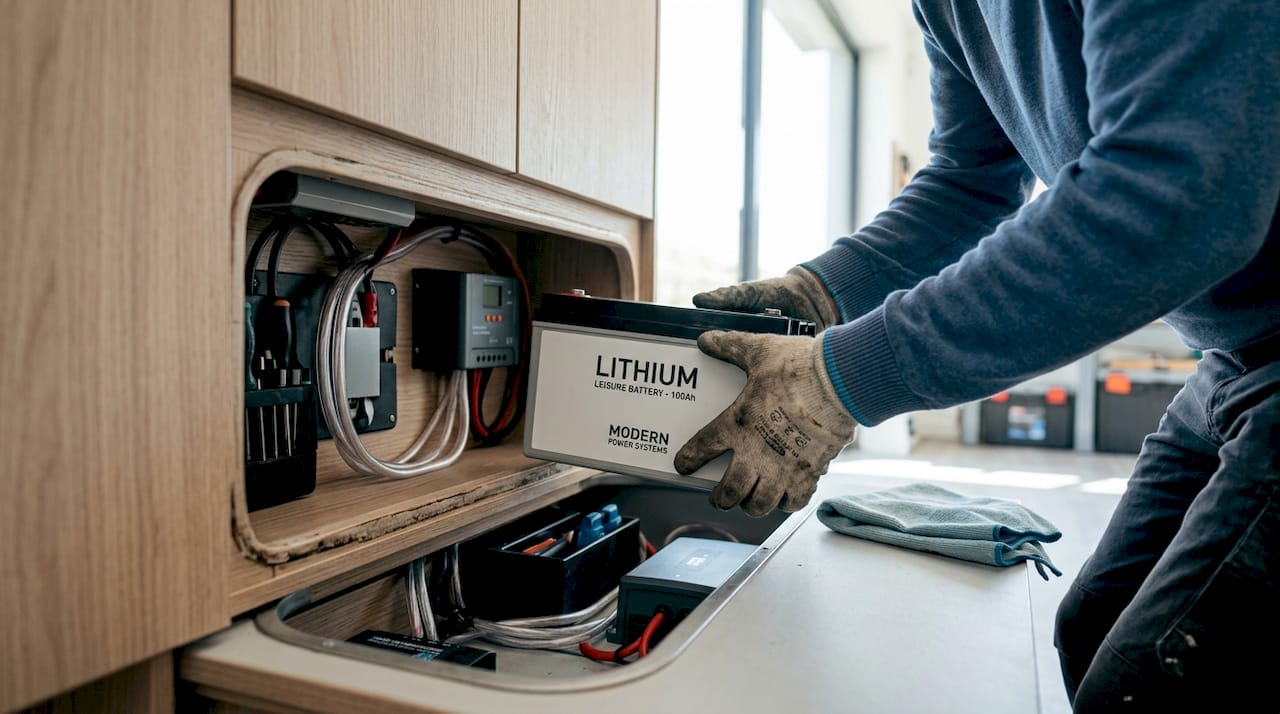
Types of campervan electric upgrades explained
The most popular upgrades in 2026 are lithium batteries, MPPT solar controllers, and inverter/chargers. Each component plays a distinct role in your system.
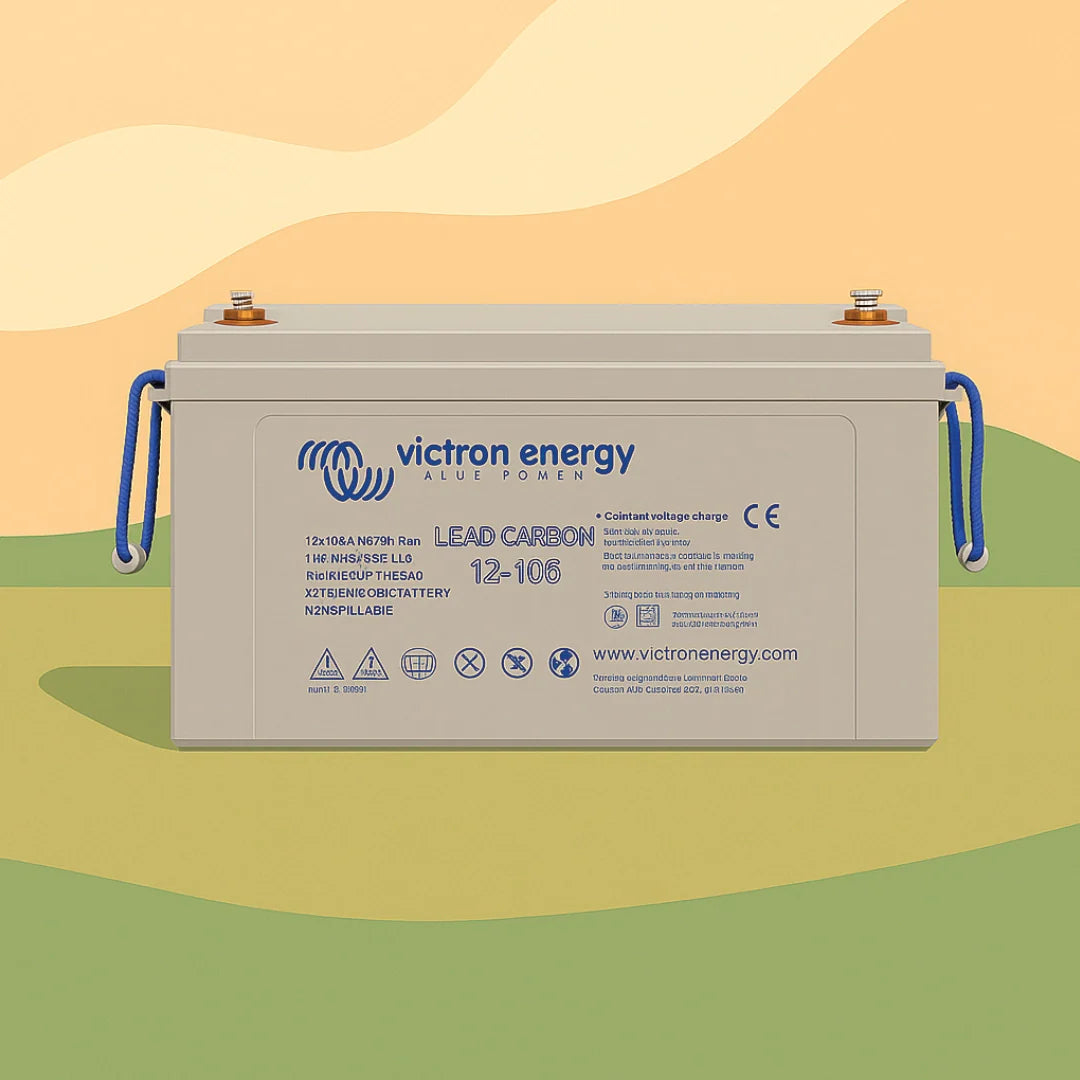
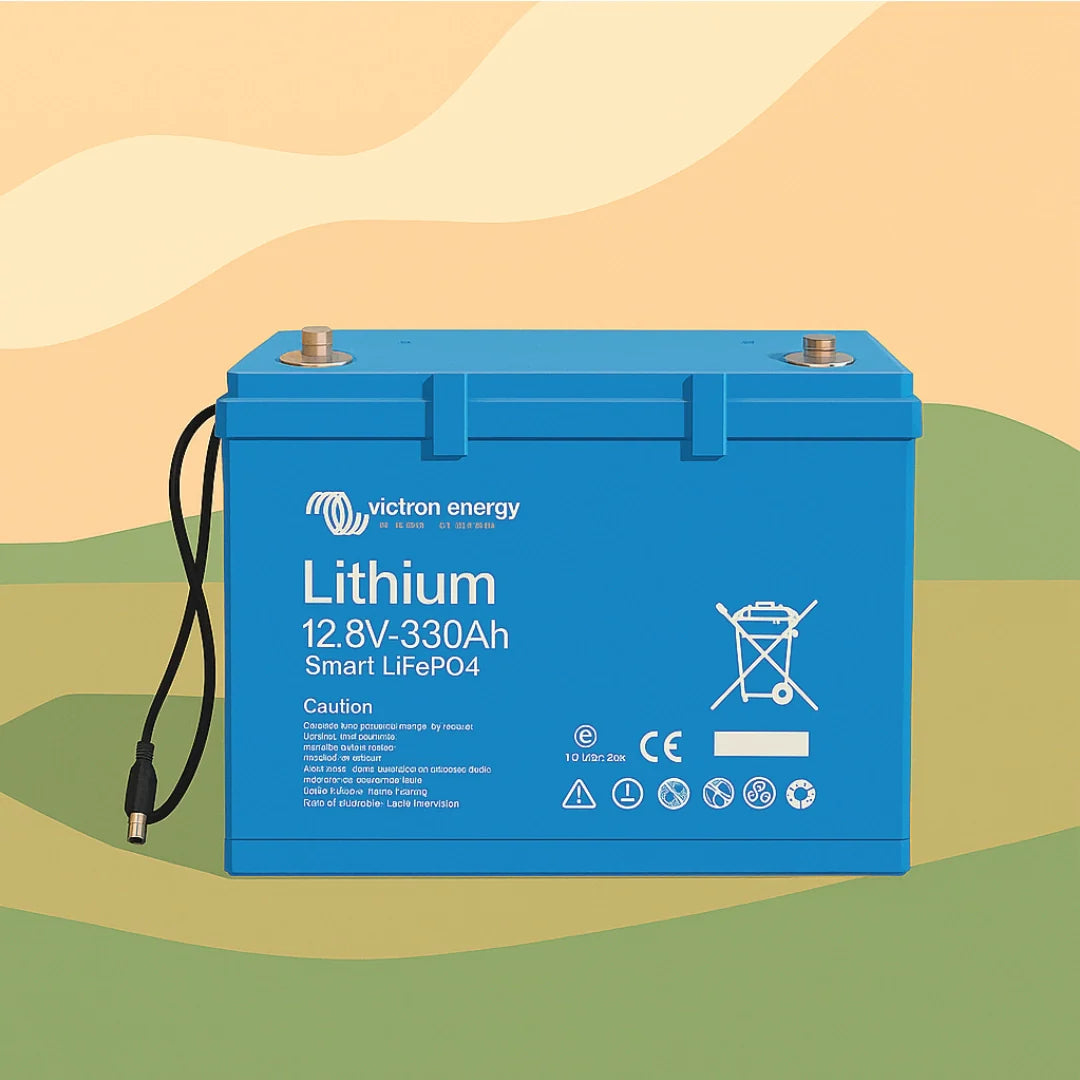
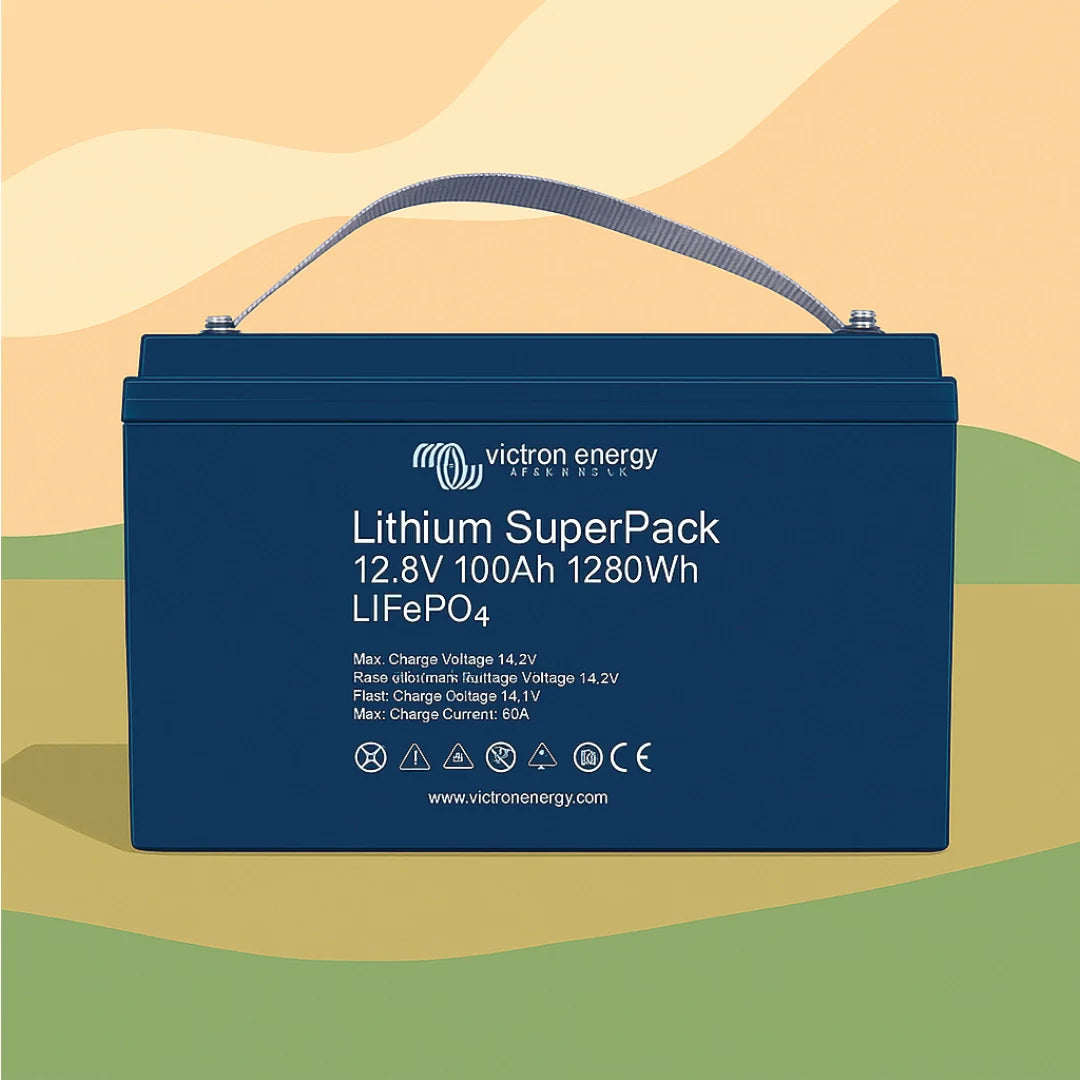
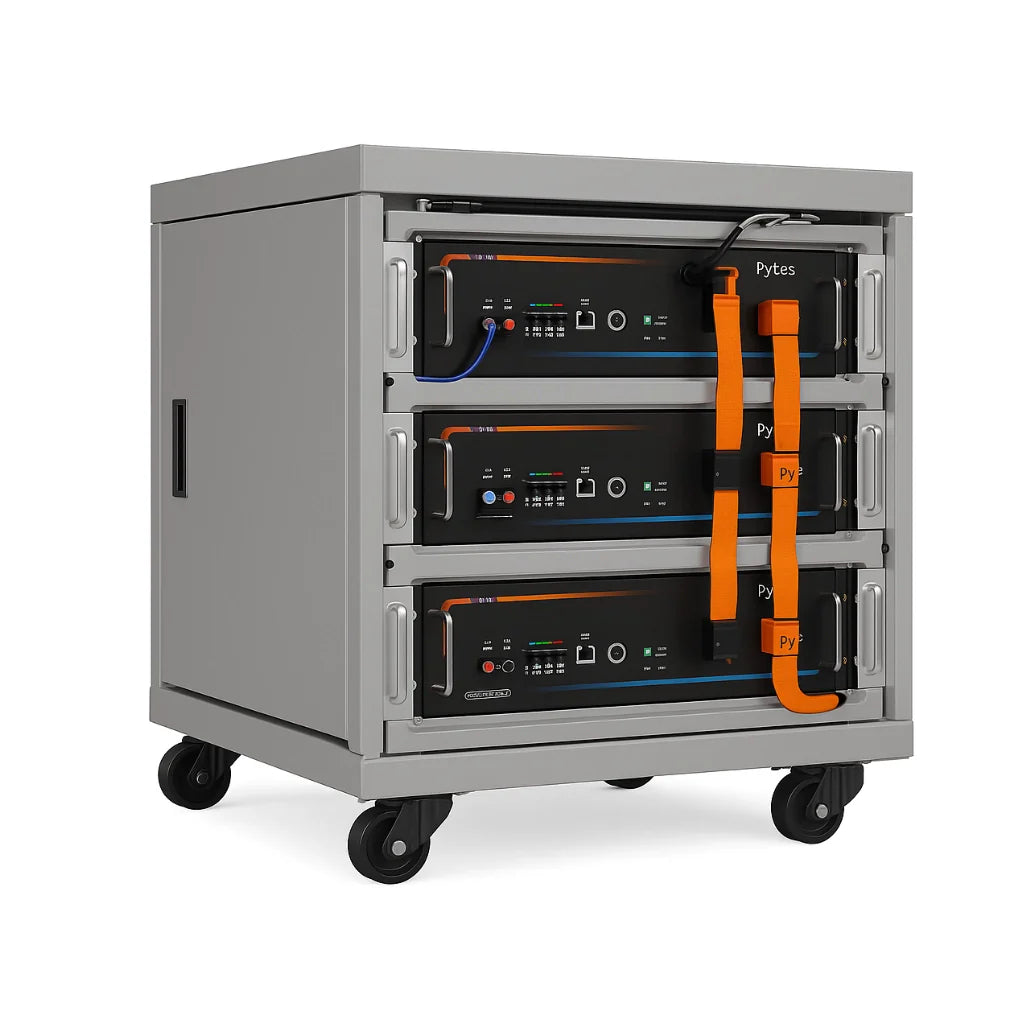
- Lithium leisure batteries: Store energy efficiently with high usable capacity and long cycle life.
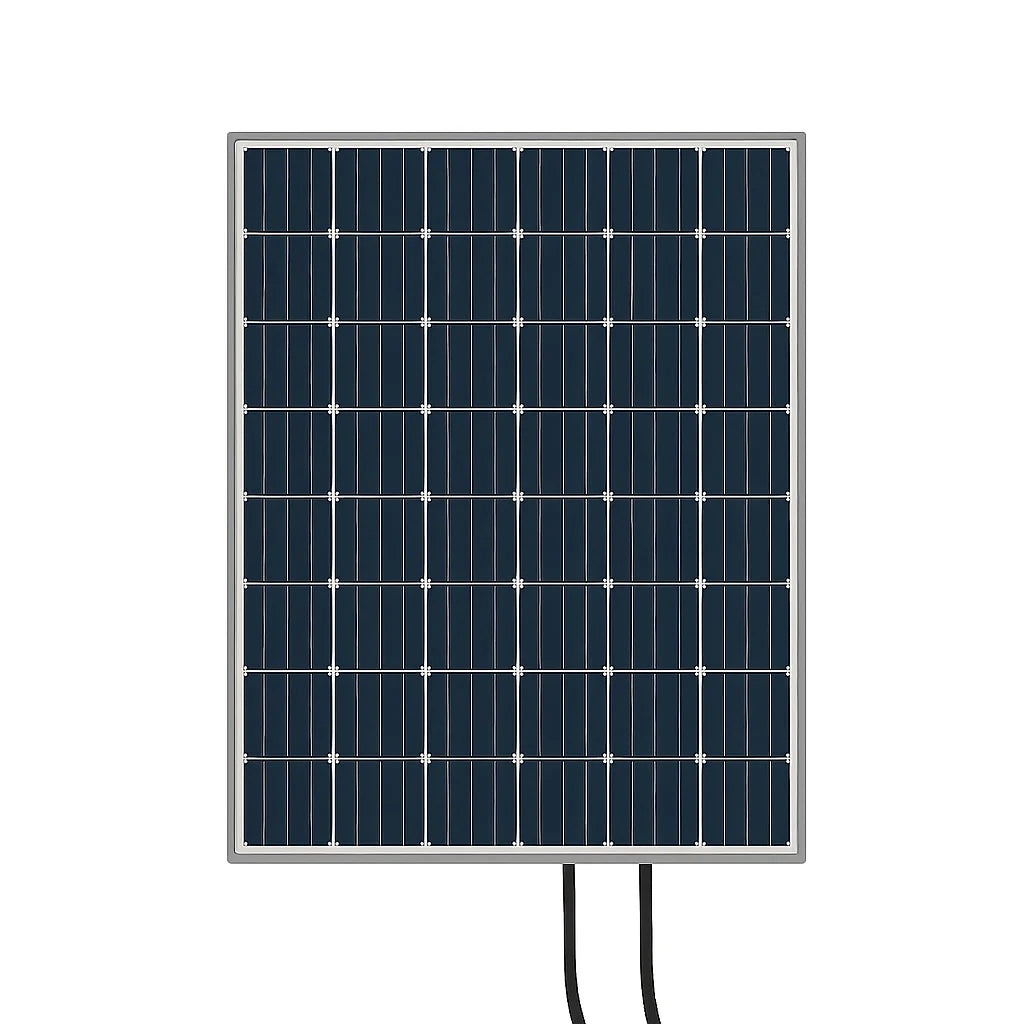
- Solar panels: Generate free power from sunlight, reducing dependence on campsites or engine running.
- MPPT charge controllers: Regulate solar input and maximise the energy extracted from your panels.
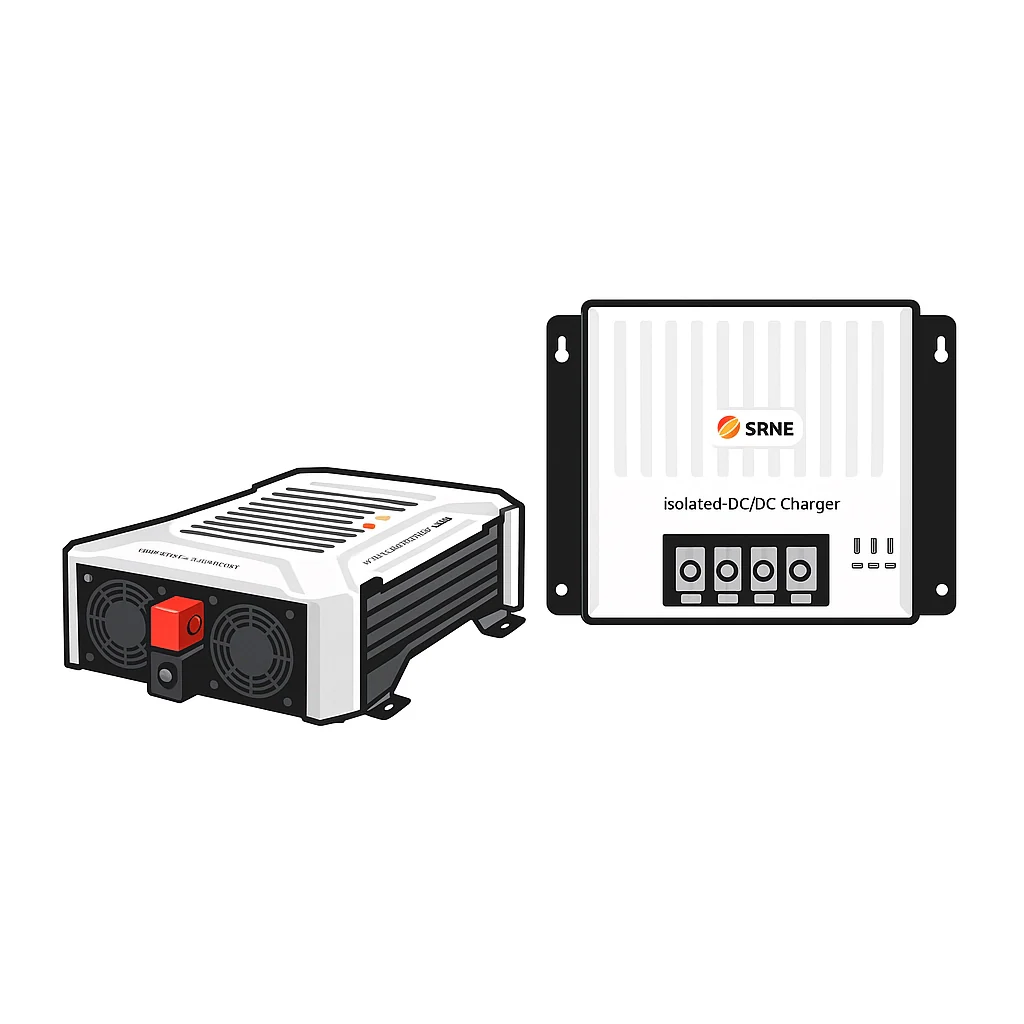
- Inverter/chargers: Convert 12V DC battery power to 240V AC, enabling standard household appliances.
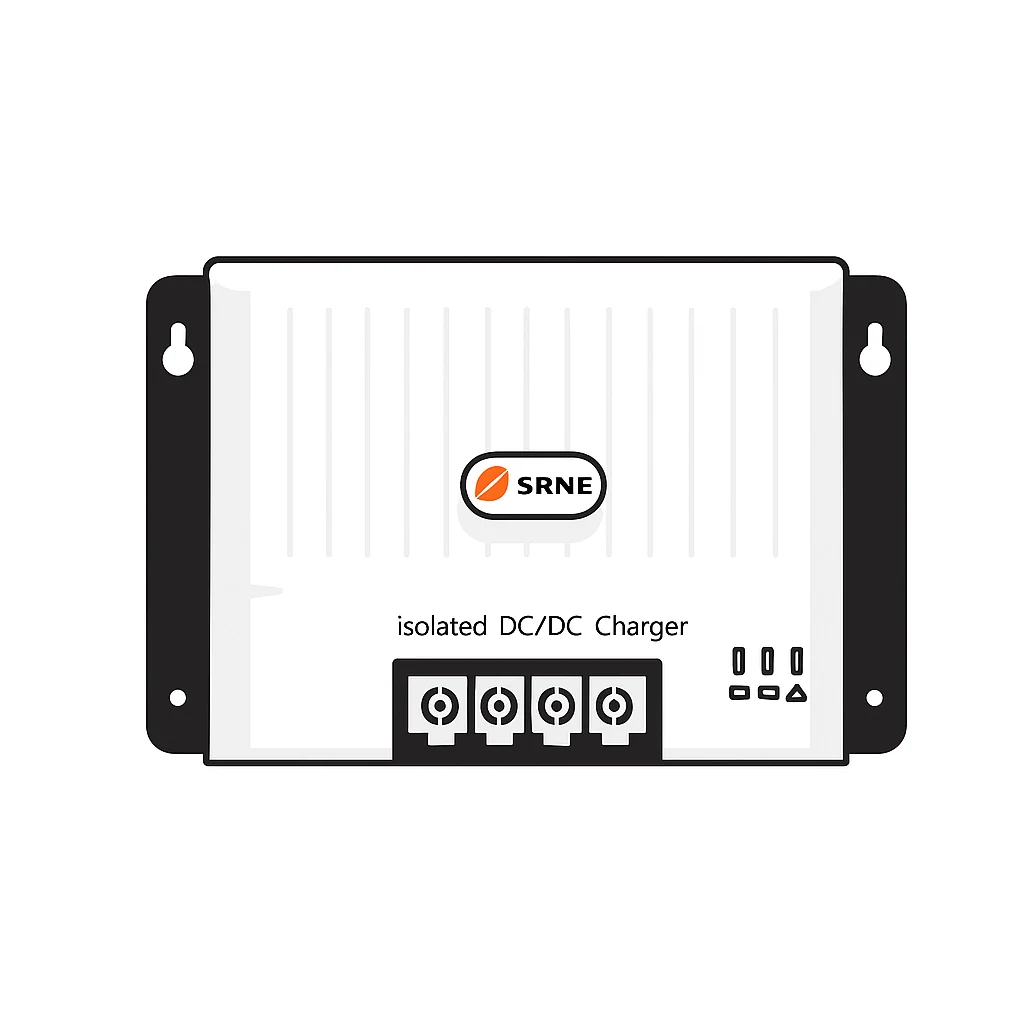
- DC/DC converters (B2B chargers): Charge your leisure battery properly from the vehicle alternator without damaging either battery.
Most owners begin with a lithium battery setup and expand from there. Solar and an inverter are natural next steps once the battery bank is sorted.
| Upgrade | Key benefit | Approximate cost | Main consideration |
|---|---|---|---|
| Lithium leisure battery | High capacity, long life | £300 to £900 | Higher upfront cost |
| Solar panel kit | Free energy generation | £150 to £600 | Roof space required |
| MPPT controller | Maximises solar efficiency | £60 to £250 | Must match panel wattage |
| Inverter/charger | Runs 240V appliances | £150 to £800 | Wiring complexity |
| DC/DC B2B charger | Proper alternator charging | £80 to £300 | Essential with lithium |
Exploring the full range of battery types available helps you match the right chemistry to your specific usage pattern.
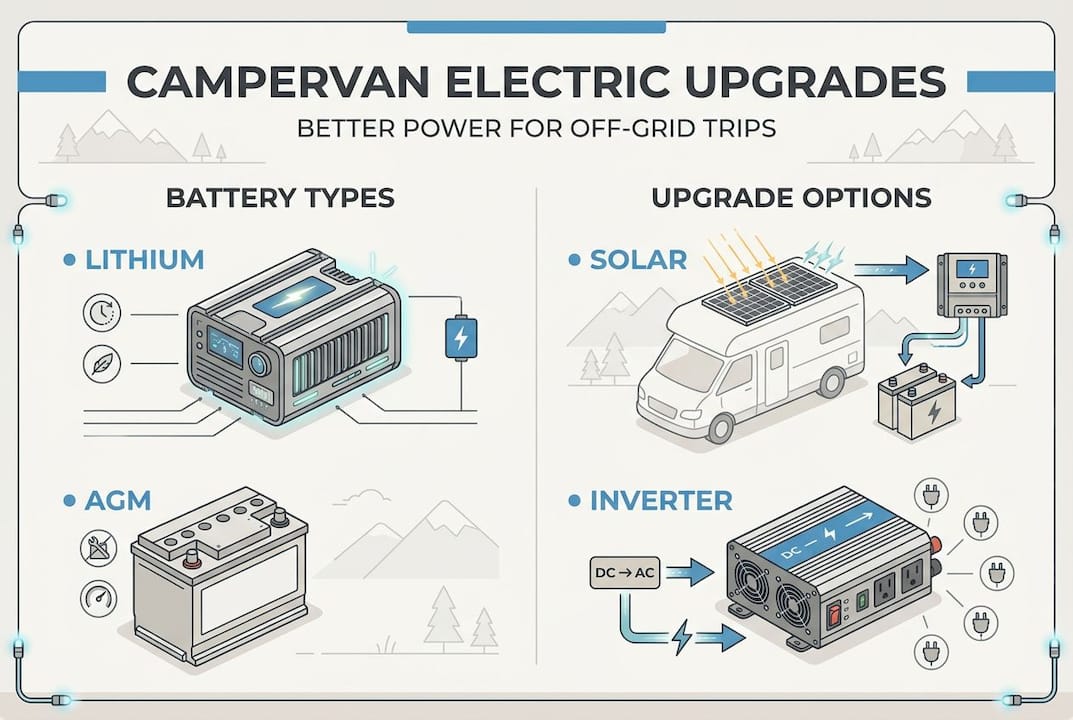
Lithium vs AGM batteries: which should you choose?
Batteries are the core of any campervan electrical system. Choosing between lithium and AGM (absorbent glass mat) is the most important decision you will make.
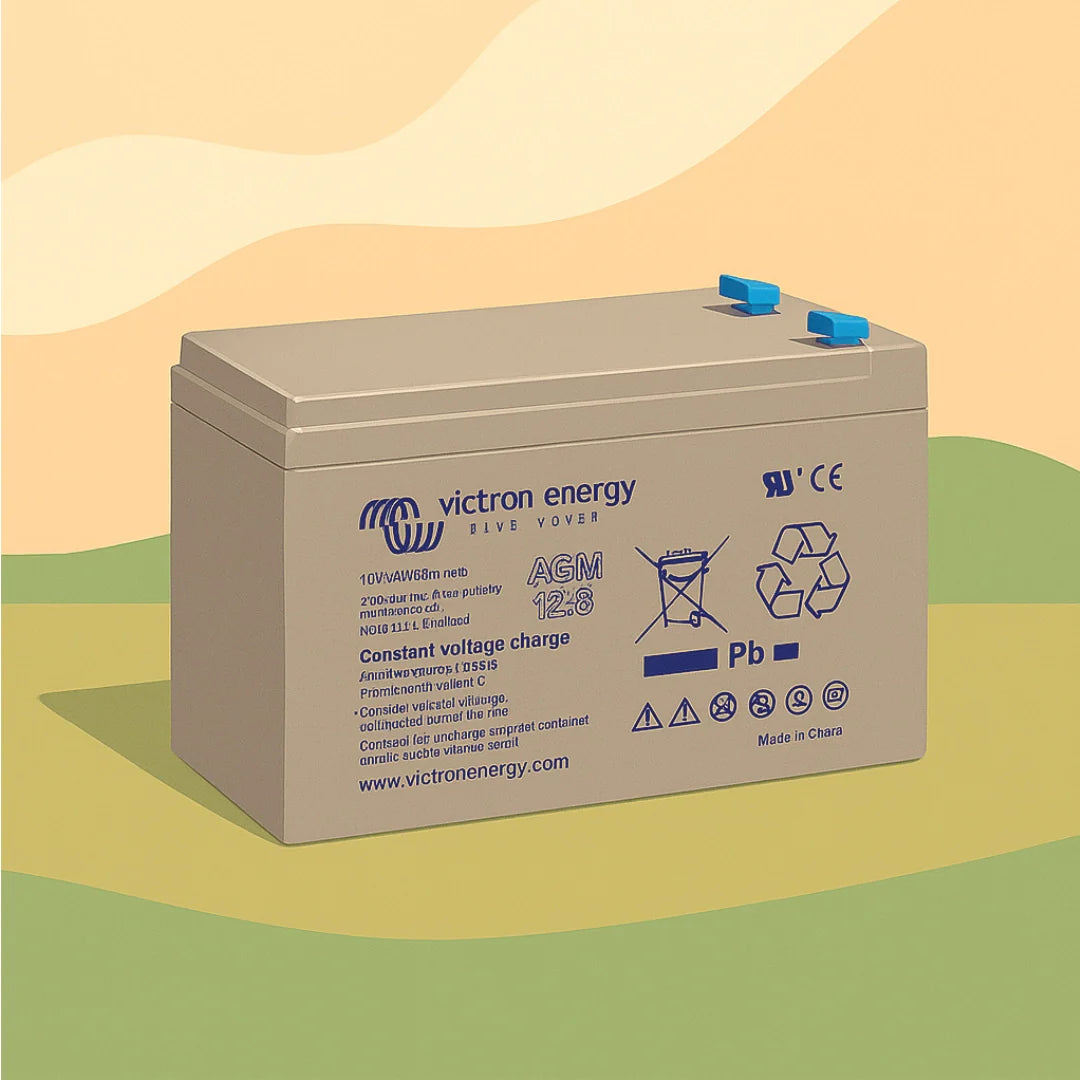
Lithium batteries offer up to four times the lifespan and far better usable capacity than AGM. A 100Ah lithium battery delivers around 90 to 100Ah of usable power. A 100Ah AGM battery safely delivers only 50Ah before damage occurs.
| Feature | Lithium | AGM |
|---|---|---|
| Usable capacity | 90 to 100% | 50% |
| Cycle life | 2,000 to 5,000 cycles | 400 to 600 cycles |
| Weight (100Ah) | Approx. 13kg | Approx. 28kg |
| Charge speed | Fast | Slow to moderate |
| Maintenance | None | Periodic checks |
| Upfront cost | Higher | Lower |
AGM suits owners on a tight budget who do shorter trips and do not need maximum performance. For anyone planning regular or extended off-grid use, the long-term savings and performance of lithium advantages make lithium the clear choice.
Pro Tip: If you are comparing battery options on cost alone, factor in replacement frequency. Two or three AGM replacements over ten years often exceed the cost of a single lithium battery.
Other essential upgrades: solar, monitoring and safety
Fitting solar panels paired with smart charge controllers maximises free energy and extends battery life considerably. Solar is now one of the most cost-effective upgrades available for UK campervan owners.
Key supporting upgrades to consider:
- Solar panels: Even 200W of roof-mounted solar can maintain a battery bank through a typical UK summer day.
- MPPT controllers: These extract up to 30% more energy from panels compared to basic PWM controllers.
- Battery monitors: Real-time data on state of charge, voltage, and current draw prevents unexpected power loss. Good battery monitoring is non-negotiable for off-grid confidence.
- Fuses and circuit protection: Every upgrade must include correctly rated fuses to protect wiring and components.
- Gas and CO sensors: Post-upgrade electrical safety checks and sensor installation are essential, particularly when adding high-capacity lithium systems.
“A battery management system without proper monitoring and protection is only half a solution. Real-time visibility and correctly rated safety devices are what keep a campervan electrical system reliable and safe over the long term.”
Bluetooth-enabled battery monitors, such as those found in many Skyenergi lithium products, allow you to check system status directly from your phone. That level of visibility changes how confidently you manage power on a trip.
When and how to plan your campervan electric upgrade
Strategic upgrades can be phased over time for budget flexibility, which makes the process far more accessible than tackling everything at once.
Follow these steps to plan effectively:
- Audit your current system: Note your existing battery capacity, charging sources, and which appliances you want to run.
- Build a power wish list: List every device you want to use off-grid and its wattage. This defines your minimum battery and solar requirements.
- Prioritise the battery bank: Start with a quality lithium battery. Everything else builds on this foundation.
- Add solar next: Once your storage is sorted, solar provides the ongoing generation to keep it topped up. A step-by-step upgrade approach prevents costly wiring mistakes.
- Install monitoring and safety devices: These are low-cost additions that protect your investment and give you full system visibility.
- Consider professional installation: For lithium battery installation and inverter wiring, professional help is worth the cost. Guidance on installing a lithium battery correctly is available if you prefer the DIY route.
Planning ahead prevents the most common and expensive mistakes, such as undersized cabling, mismatched components, and inadequate fusing.
Upgrade your campervan electrics with expert solutions
Skyenergi supplies a full range of campervan electrical upgrade components, from lithium leisure batteries and solar panels to MPPT controllers and complete system bundles. Whether you are starting with a single battery swap or planning a full off-grid build, there are solutions matched to your needs and budget.
For those ready to go further, the complete solar and inverter upgrade from Skyenergi combines a 3kVA inverter/charger, DC/DC B2B charger, and monitoring in a single turnkey package. If solar is your priority, the solar panel and controller bundle pairs a 610W Victron panel with a Victron Smart MPPT controller, cabling, and mounting hardware. Both options are available now at Skyenergi.com.
Frequently asked questions
What are the signs that my campervan electrics need upgrading?
Factory electrics drain rapidly and struggle with modern loads. Common signs include batteries going flat overnight, devices failing to charge reliably, and appliances cutting out when running off-grid.
Do I need specialist help to upgrade my campervan electrics?
Professional help is recommended for complex upgrades such as lithium battery installation or solar integration, where incorrect wiring poses a safety risk.
How much does a full electrics upgrade typically cost?
Lithium upgrades and solar installations are significant investments. A full system including lithium batteries and solar typically ranges between £2,000 and £6,000 in 2026, depending on capacity and components.
Are lithium batteries really better than AGM for campervans?
Lithium batteries have superior longevity and capacity. They last longer, hold more usable power, and weigh significantly less than AGM, though the upfront cost is higher.
Can I upgrade my electrics in stages?
Upgrades can be phased for flexibility. Most owners replace the battery bank first, then add solar panels and smart monitoring as budget allows.
Recommended
Prev post

Campervan off-grid power: UK lithium battery guide 2026
Updated on 29 March 2026
Next post

Campervan solar power guide: 200W+ for UK off-grid
Updated on 27 March 2026


