





Energy Storage for Campervans: 80% More Usable Lithium Power
Discover how lithium batteries deliver 80% more usable power for UK campervans. Expert guide to energy storage, solar integration, and off-grid reliability.
Think all campervan batteries are roughly the same? Many owners cling to lead-acid simply because it’s familiar, unaware that modern lithium batteries deliver 80-90% usable capacity compared to lead-acid’s mere 50%. This guide breaks down energy storage essentials tailored for UK conditions, from battery types and renewable charging to intelligent management systems and proper sizing. You’ll gain the clarity to choose solutions that genuinely enhance your off-grid freedom.
Table of Contents
- Introduction To Campervan Energy Storage
- Battery Types And Technology
- Renewable Charging Integration: Solar And Beyond
- Battery Management Systems And Monitoring
- System Sizing And Energy Management
- Common Misconceptions About Campervan Energy Storage
- Maintenance And Longevity Of Campervan Batteries
- Conclusion And Practical Recommendations
- Ready To Upgrade Your Campervan Energy Storage?
Key Takeaways
| Point | Details |
|---|---|
| Lithium batteries outperform lead-acid | Deliver 80-90% usable capacity and last 4-10x longer than lead-acid. |
| UK winter solar drops significantly | Output falls to 10-20%, requiring oversized arrays and multi-source charging. |
| Intelligent BMS improves reliability | Bluetooth monitoring tracks performance and system health in real time. |
| System sizing needs 2-3 days autonomy | Balance cost, weight, and performance for reliable off-grid power. |
| Proper maintenance extends lifespan | Avoiding full discharge and temperature extremes boosts longevity by up to 30%. |
Introduction to Campervan Energy Storage
Reliable energy storage is the backbone of off-grid campervan living. Without a dependable battery system, you’re tethered to campsites and mains hookups, limiting spontaneity and adventure. Quality batteries directly impact your comfort and freedom, powering everything from fridges and lighting to laptops and heating.
Renewable energy sources like solar panels are vital for sustainable travel, but they’re only as effective as the storage system behind them. Poor system design leaves you underpowered on cloudy days or forced to ration energy. Expandable systems offer adaptability as your needs grow, whether you’re adding appliances or extending trip durations.
Key considerations for campervan energy storage include:
- Battery type and technology suited to your usage patterns
- Integration with renewable charging sources like solar and alternators
- System capacity to match daily consumption and autonomy requirements
- Weight and space constraints within your campervan payload
- Long-term cost of ownership versus upfront investment
Battery Types and Technology
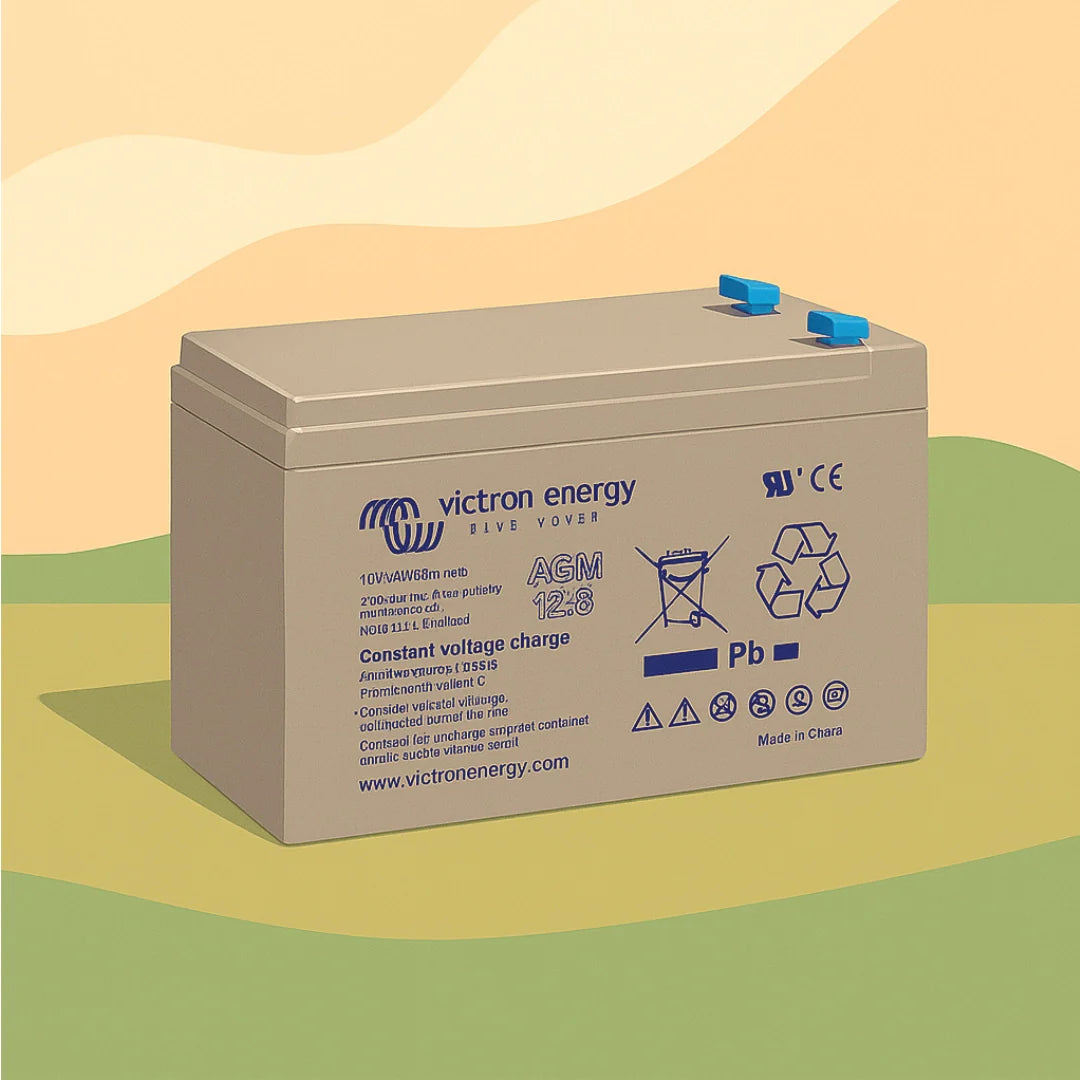
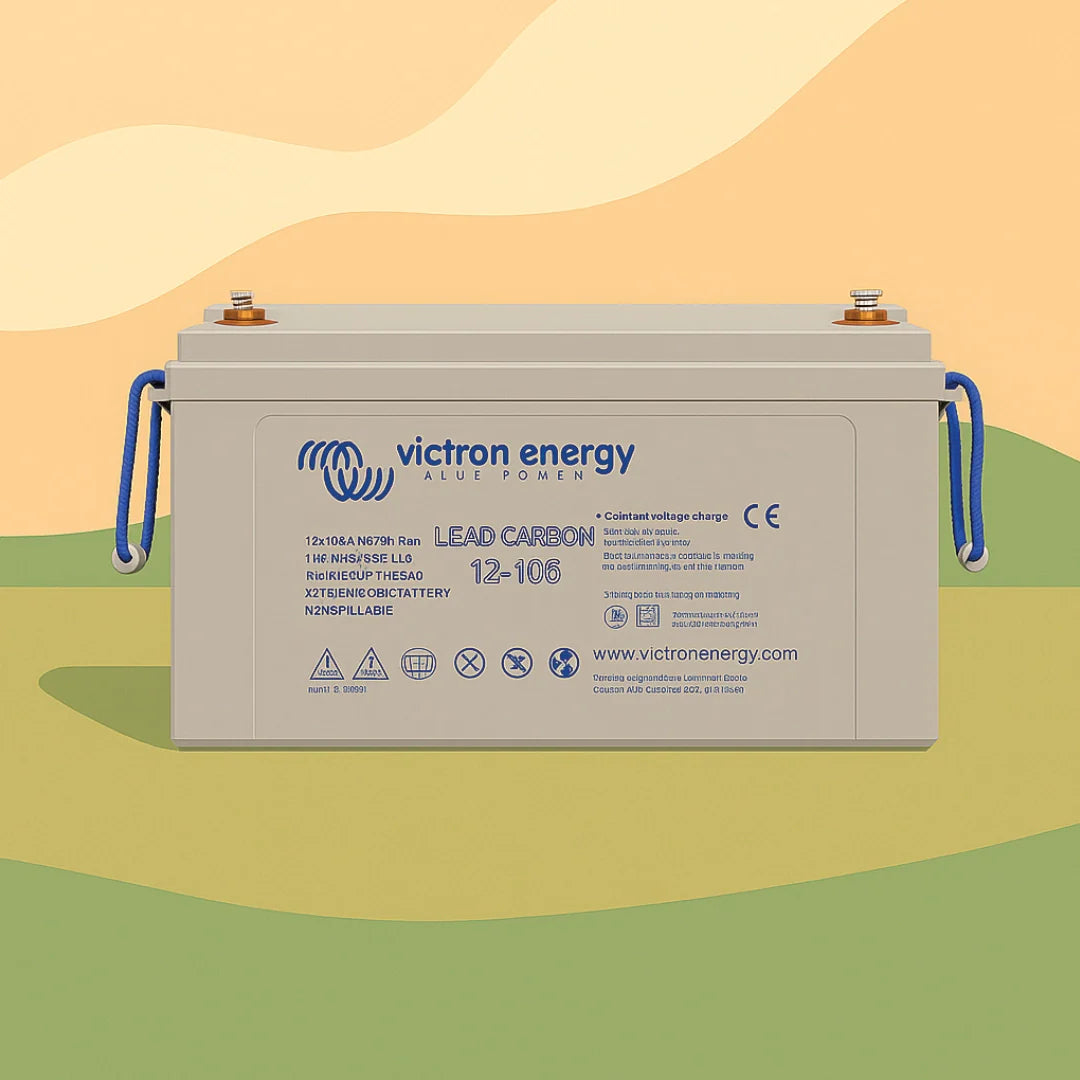
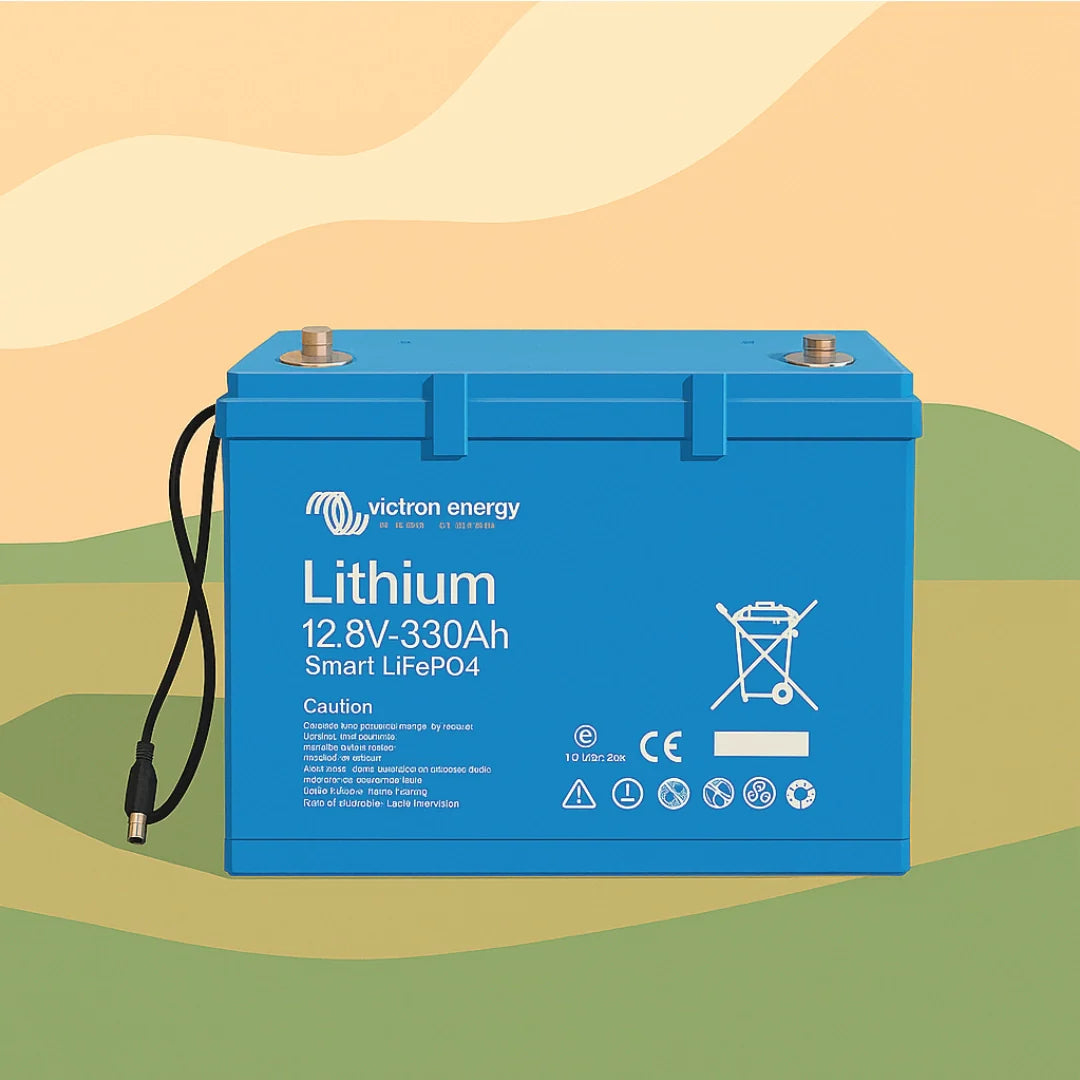
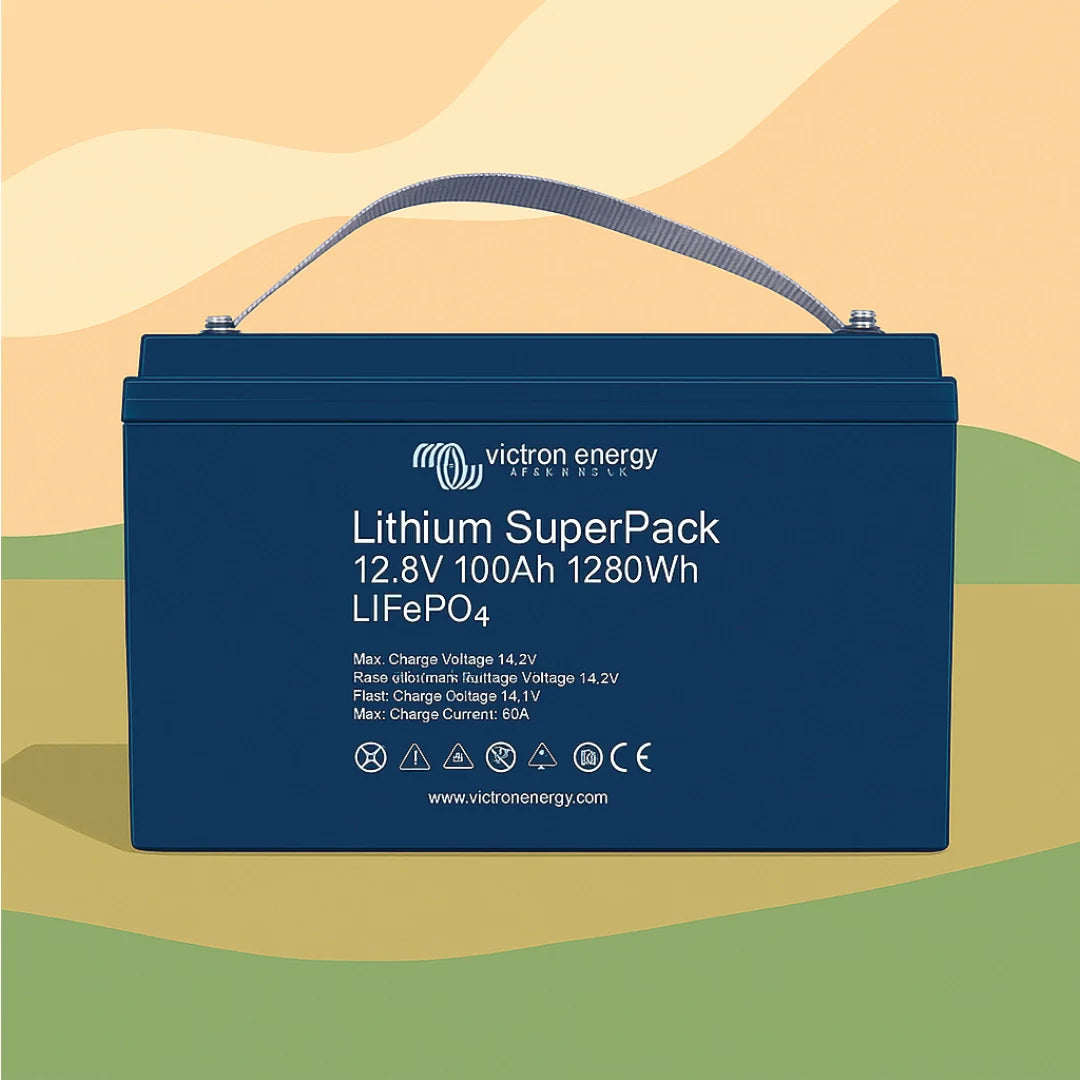
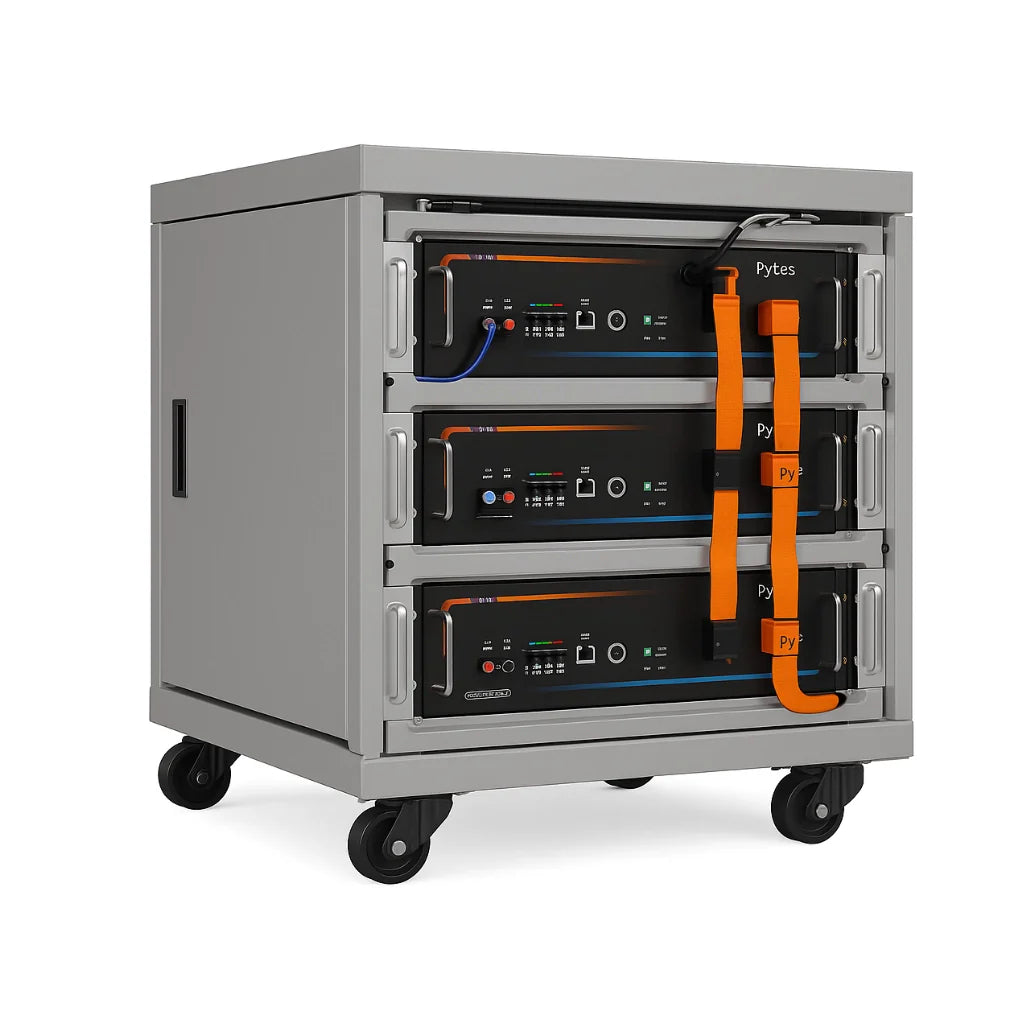
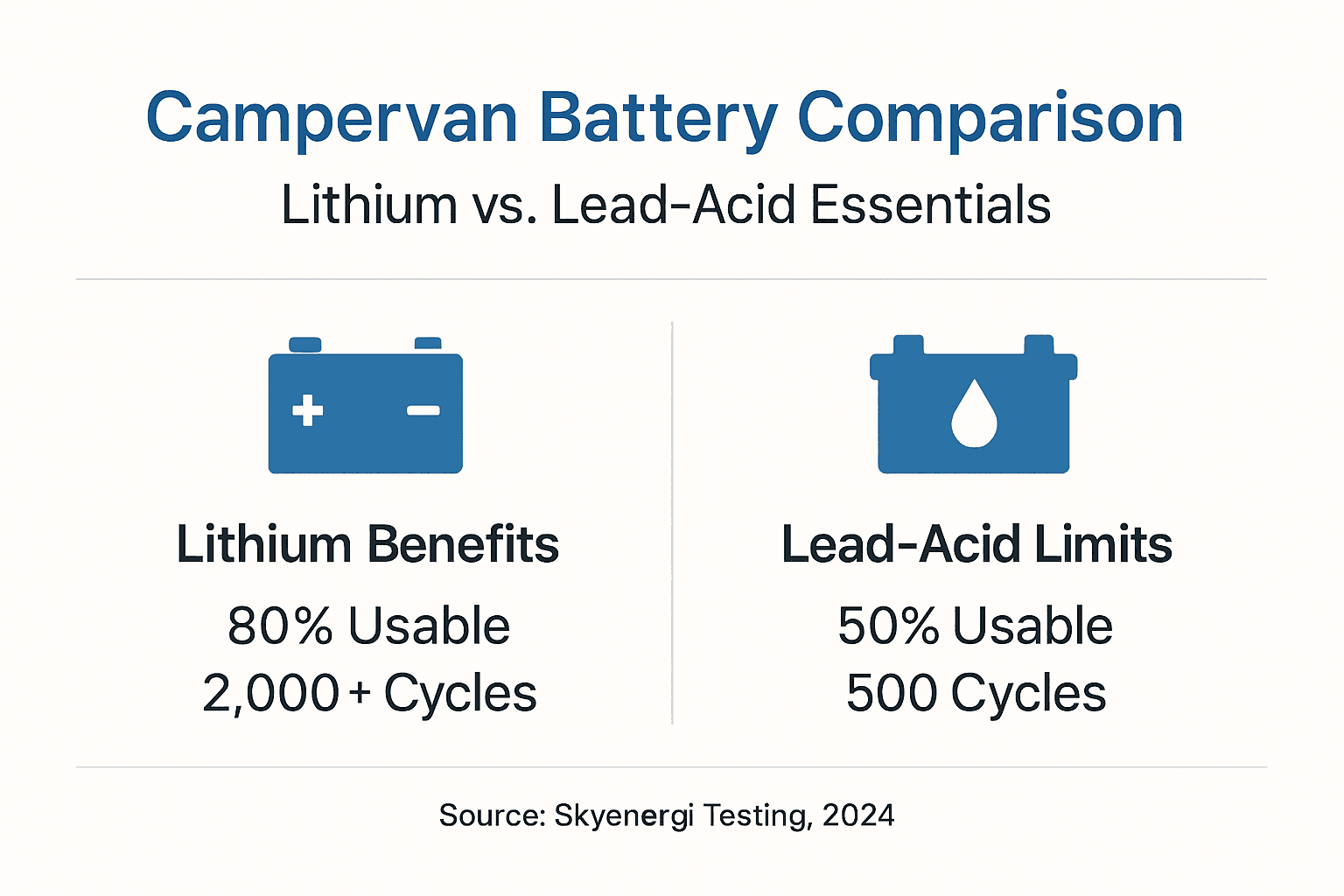
Choosing between lithium and lead-acid batteries fundamentally shapes your campervan’s energy performance. Lithium batteries provide 80-90% usable capacity compared to lead-acid’s 50%, meaning a 100Ah lithium battery delivers far more practical power than a 100Ah lead-acid equivalent. This depth of discharge advantage translates to smaller, lighter battery banks that meet your needs.
Longevity matters enormously for total cost of ownership. Lithium batteries achieve 2000-5000 charge cycles versus 300-500 for lead-acid, lasting 4-10x longer. While lithium costs more upfront, you’ll replace lead-acid batteries multiple times over the same period. Weight is another critical factor, as lithium battery systems reduce weight by up to 60%, crucial for campervan payload limits and fuel economy.
Lead-acid batteries do have lower initial costs, making them tempting for tight budgets. However, they suffer from shorter lifespans, reduced depth of discharge, and significantly higher weight. For serious off-grid use, the cumulative disadvantages rarely justify the savings.
| Feature | Lithium | Lead-Acid |
|---|---|---|
| Usable Capacity | 80-90% | 50% |
| Cycle Life | 2000-5000 | 300-500 |
| Weight | Light | Heavy |
| Cost per kWh over life | Lower | Higher |
Consider the role of lithium batteries in campervans and explore the benefits of lithium leisure batteries when evaluating options. A detailed campervan electrical system guide provides broader context, while this lithium vs lead-acid comparison clarifies performance differences.
Pro tip: Assess total cost of ownership over five years rather than just upfront price. Factor in replacement frequency, usable capacity, and weight savings to see lithium’s true value.
For implementation guidance, review our lithium battery setup guide tailored for UK campervans.
Renewable Charging Integration: Solar and Beyond
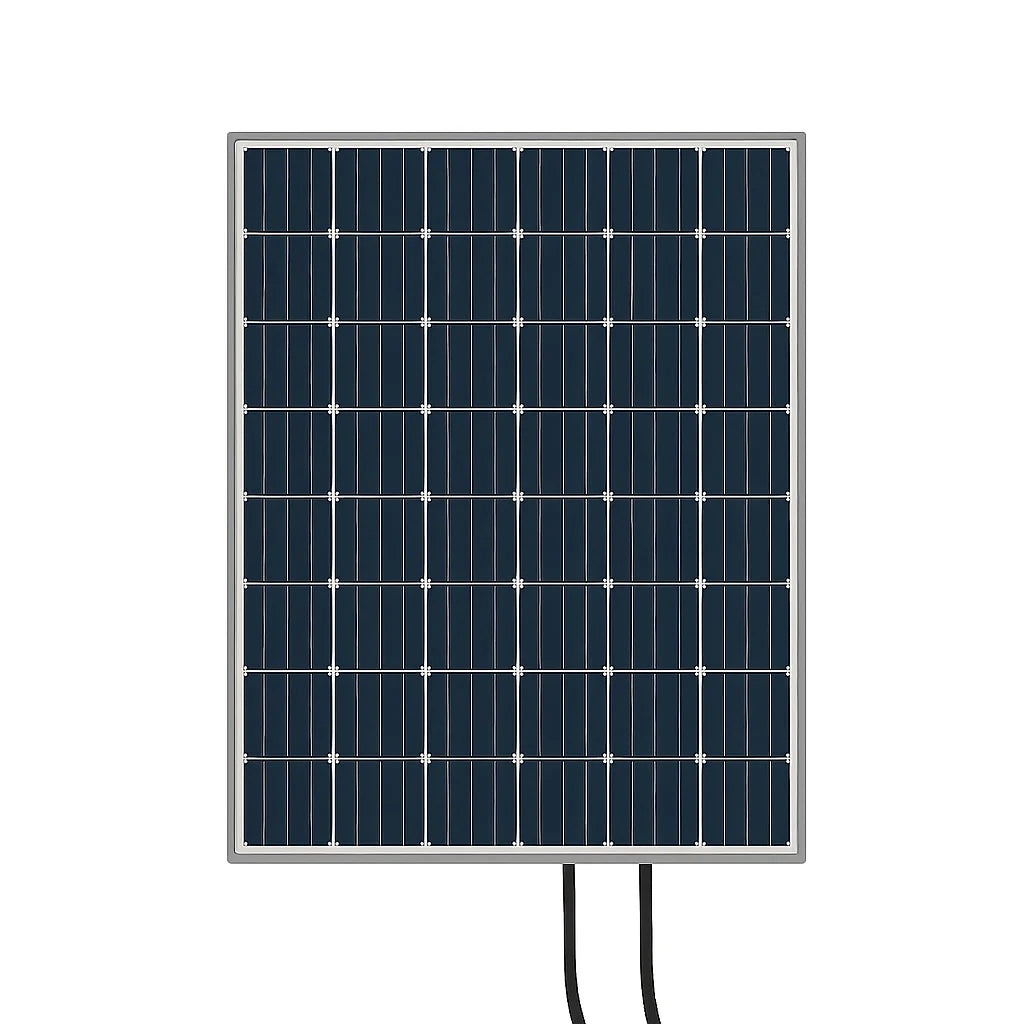
Solar panels are the most popular renewable charging method for campervans, but UK weather demands careful planning. Winter solar output drops to 10-20% of summer levels, drastically reducing available power during darker months. Simply installing panels isn’t enough; you need realistic expectations and backup strategies.
Oversizing solar arrays by 20-50% compensates for reduced winter irradiance, helping maintain baseline charging even on grey days. Combining solar with alternator charging while driving and occasional shore power creates a resilient multi-source system. This diversity ensures you’re never entirely dependent on one charging method.
Designing an integrated renewable charging system follows clear steps:
- Calculate average daily energy consumption across all appliances
- Assess realistic solar input based on UK seasonal patterns and your travel timing
- Size solar panels with 20-50% buffer for low-light conditions
- Add alternator charging capacity to top up batteries during driving
- Plan for occasional shore power access as a safety net
Understand the solar charging workflow to optimize your setup, and review solar charging setups examples for practical configurations. The benefits of solar battery integration demonstrate why pairing quality batteries with renewable charging maximizes value.
For deeper technical knowledge, explore solar power in the UK and general solar panels for camping guidance.
Pro tip: Monitor solar input daily during your first few trips to understand actual performance versus theoretical capacity. Adjust usage patterns and charging strategies based on real-world data.
Apply these solar charging tips to refine your system over time.
Battery Management Systems and Monitoring
Intelligent Battery Management Systems protect your investment by continuously monitoring voltage, temperature, and state of charge. Without a BMS, batteries face premature damage from overcharging, deep discharge, or temperature extremes. These systems act as guardians, shutting down or limiting power flow when conditions threaten battery health.
BMS with Bluetooth enables real-time tracking of battery health, voltage, temperature, and state of charge via smartphone apps. This visibility transforms battery management from guesswork to data-driven decisions. You’ll spot potential issues early, schedule maintenance proactively, and gain confidence in your system’s reliability.
Key BMS benefits include:
- Prevention of damaging overcharge and overdischarge events
- Temperature monitoring to avoid operation outside safe ranges
- Cell balancing for uniform battery performance and longevity
- Remote monitoring via Bluetooth for convenience and peace of mind
- Alerts for abnormal conditions requiring immediate attention
The role of BMS in energy storage extends beyond basic protection to active optimization. Modern battery monitoring technology provides granular insights previously available only in professional installations.
Learn more about battery management system features and discover the benefits of battery management systems for your campervan.
System Sizing and Energy Management
Accurate system sizing prevents frustrating power shortages and wasteful over-investment. Start by listing every appliance you’ll use, noting its wattage and estimated daily runtime. Multiply wattage by hours for each device, then sum the totals to find daily energy consumption in watt-hours.
Battery capacity should cover 2-3 days of typical consumption to ensure off-grid reliability. This buffer accounts for cloudy weather reducing solar input or unexpected increases in usage. Size your battery bank by dividing your target autonomy (2-3 days consumption) by the usable depth of discharge for your chosen battery chemistry.
Balancing capacity against cost, weight, and charging capabilities requires thoughtful tradeoffs. Larger battery banks offer more autonomy but add weight and expense. Smaller systems save money and kilos but demand disciplined energy management or frequent charging.
Follow these steps for practical system sizing:
- Audit all appliances and calculate daily watt-hour consumption
- Multiply daily consumption by 2-3 for autonomy buffer
- Divide by usable depth of discharge (80-90% for lithium, 50% for lead-acid)
- Factor in payload limits and budget constraints
- Verify charging sources can replenish capacity within reasonable timeframes
Explore battery capacity planning to understand the relationship between energy needs and storage requirements. Consult this system sizing guide for detailed calculations and worked examples.
Common Misconceptions about Campervan Energy Storage
Several myths persist about campervan energy storage, leading to poor purchasing decisions and underperforming systems. Addressing these misconceptions helps you invest wisely.
Myth: Lead-acid batteries are the most cost-effective choice. While cheaper upfront, lead-acid batteries offer only 50% usable capacity and shorter lifespan compared to lithium. Over five years, frequent replacements and reduced performance make lead-acid more expensive per usable kilowatt-hour.
Myth: UK solar panels can’t provide reliable energy. Solar absolutely works in the UK when systems are properly sized. Winter output drops significantly, but oversized arrays, multi-source charging, and realistic expectations deliver consistent results. Thousands of UK campervan owners prove solar viability daily.
Myth: More battery capacity always equals better performance. Excessive capacity adds weight, cost, and complexity without proportional benefits. The optimal size balances autonomy, payload limits, charging capacity, and budget. An oversized battery bank paired with inadequate charging creates imbalance and frustration.
Key misconceptions to avoid:
- Believing upfront cost is the only financial consideration
- Assuming all batteries of the same amp-hour rating perform identically
- Neglecting weight impact on vehicle handling and legal payload
- Expecting solar to match summer performance year-round without adjustments
Understanding lithium battery myths clarifies performance realities. Review campervan battery misconceptions to avoid common pitfalls.
Maintenance and Longevity of Campervan Batteries
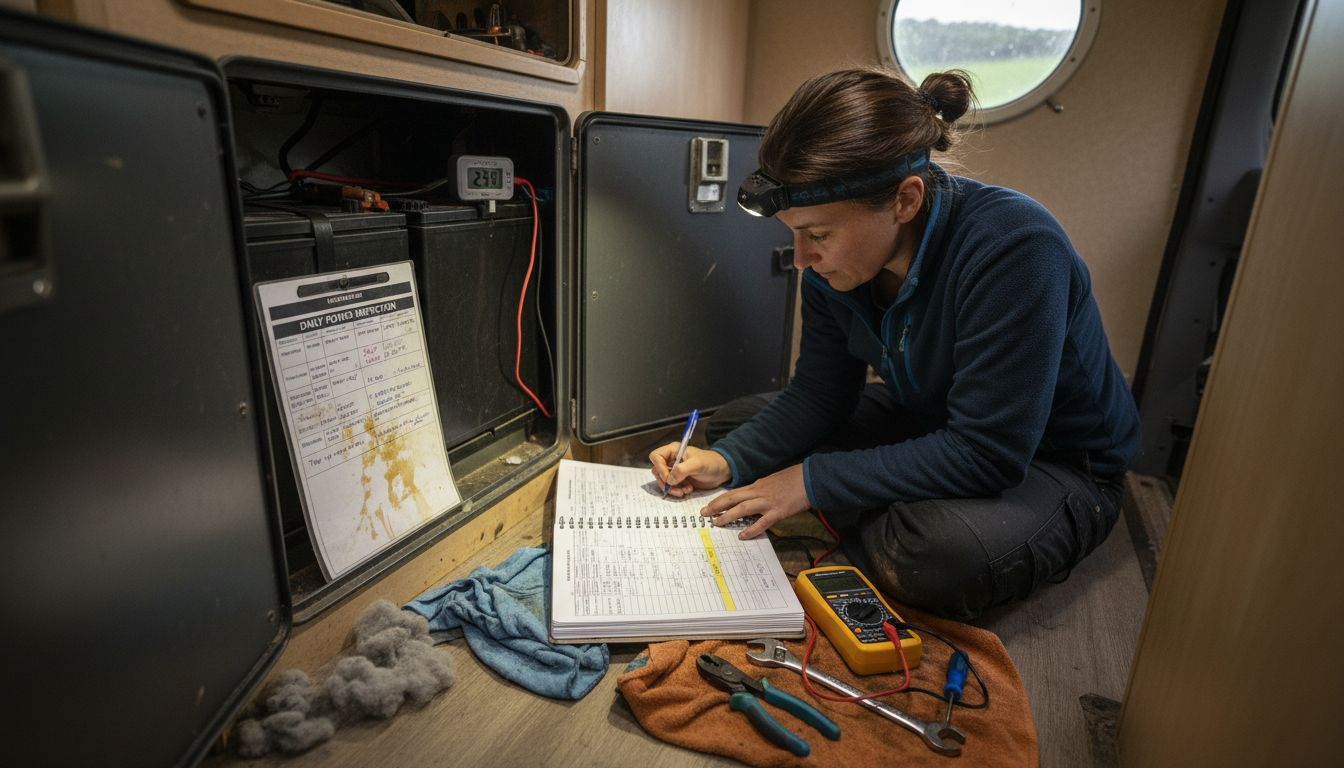
Proper maintenance dramatically extends battery lifespan and preserves performance. Avoiding full discharge is crucial, as deep cycles stress battery chemistry and reduce longevity. Keep lithium batteries above 20% state of charge and lead-acid above 50% whenever possible.
Temperature extremes harm all battery types. Lithium batteries perform best between 0°C and 45°C, while freezing temperatures slow chemical reactions and reduce available capacity. Extreme heat accelerates degradation. Insulate battery compartments and avoid leaving systems in hot vehicles during summer.
BMS monitoring provides early warning of developing issues. Regular checks reveal trends in capacity loss, temperature spikes, or voltage irregularities. Proper maintenance can increase lithium battery lifespan by up to 30% through timely intervention and preventive care.
Essential maintenance practices include:
- Monitoring state of charge and avoiding deep discharge below recommended limits
- Checking connections quarterly for corrosion or looseness
- Reviewing BMS data monthly for performance trends and anomalies
- Maintaining moderate temperatures through insulation and ventilation
- Scheduling full system inspection before extended trips
Implement a lithium battery maintenance workflow to systematize care and maximize value. Find additional battery maintenance tips for practical guidance.
Pro tip: Create a simple maintenance log noting state of charge, voltage, and temperature readings every month. Patterns emerge over time that reveal when service or replacement becomes necessary.
Conclusion and Practical Recommendations
Choosing the right energy storage system empowers genuine off-grid freedom for your UK campervan adventures. The evidence overwhelmingly favors lithium batteries for higher usable capacity, lower weight, and longer lifespan compared to lead-acid alternatives. When sized properly and maintained well, modern lithium systems deliver years of reliable service.
Integrate renewable charging through properly sized solar arrays, supplemented by alternator and shore power for resilience across seasons. Oversizing panels by 20-50% compensates for UK winter conditions, while multi-source charging ensures consistent energy availability. Intelligent BMS with Bluetooth monitoring transforms battery management from reactive troubleshooting to proactive optimization.
Practical recommendations for UK campervan energy storage:
- Choose lithium batteries for superior depth of discharge and cycle life
- Size systems to cover 2-3 days energy consumption for off-grid security
- Oversize solar arrays to compensate for reduced winter output
- Install BMS with Bluetooth for real-time monitoring and maintenance ease
- Maintain batteries properly by avoiding deep discharge and temperature extremes
- Balance capacity against weight, cost, and charging capabilities
These principles apply whether you’re building your first system or upgrading an existing setup. Start with accurate energy audits, invest in quality components, and plan for realistic UK conditions rather than ideal scenarios.
Ready to Upgrade Your Campervan Energy Storage?
Skyenergi provides expert guidance and proven solutions for UK campervan owners seeking reliable off-grid power. Our comprehensive lithium battery setup guide walks you through installation steps, while exploring the benefits of lithium batteries clarifies why modern systems outperform older technologies.

Discover tailored solar charging workflow tutorials designed specifically for UK conditions and seasonal variations. Whether you’re planning a complete system build or targeted upgrades, Skyenergi’s product range delivers quality, reliability, and value to enhance your off-grid adventures.
FAQ
What is the best battery type for campervans?
Lithium batteries are generally best for campervans due to 80-90% usable capacity, lightweight construction, and 2000-5000 cycle lifespan. Lead-acid batteries cost less upfront but deliver only 50% usable capacity and require replacement much sooner, making lithium more economical over time.
How do UK weather conditions affect solar charging for campervans?
UK winter solar output drops to 10-20% of summer levels, significantly reducing charging capacity during darker months. Oversizing panels by 20-50% and supplementing with alternator or shore power ensures consistent energy availability despite weather challenges.
Why is a Battery Management System important for campervan energy storage?
BMS prevents battery damage by actively managing voltage, temperature, and state of charge to avoid harmful conditions. Bluetooth monitoring provides real-time health data on your smartphone, enabling timely maintenance and extending battery lifespan through informed decisions.
How do I know what battery capacity is right for my campervan?
Calculate total daily energy consumption by auditing all appliances, then multiply by 2-3 to determine capacity for off-grid autonomy. Balance this target against weight limits, budget constraints, and charging source capacity to find the optimal system size for your needs.
What maintenance steps can extend campervan battery lifespan?
Avoid fully discharging batteries below recommended limits (20% for lithium, 50% for lead-acid) and maintain moderate temperatures between 0-45°C. Use BMS monitoring to track health trends, check connections quarterly for corrosion, and schedule system inspections before extended trips.
Recommended
Prev post

Finding the vehicle's D+ Cable
Updated on 01 March 2026
Next post

Top 8 Best Lithium Batteries for Boats in 2026
Updated on 28 February 2026


