





Role of Lithium Batteries in Campervans: Powering UK Adventures
Lithium batteries for UK campervans: discover types, performance, real-world benefits, safety, and how they enable reliable off-grid travel and energy independence.
Most British campervan owners know the frustration of unreliable power cutting adventures short. With over 60 percent of leisure travellers now choosing lithium batteries for extended off-grid trips, having a dependable energy system makes all the difference. Modern lithium technology offers a lightweight, efficient upgrade over traditional batteries, empowering British explorers to travel farther and enjoy complete energy independence. This guide explains everything you need to know about lithium batteries for safer, longer, and more enjoyable campervan journeys.
Table of Contents
- Lithium Batteries Explained For Campervan Use
- Key Types And How They Compare
- Advantages Over Traditional Battery Options
- Real-World Performance And Energy Independence
- Safety, Charging, And Maintenance Considerations
Key Takeaways
| Point | Details |
|---|---|
| Lithium Battery Advantages | Lithium batteries offer higher energy density and lighter weight compared to traditional lead-acid batteries, enhancing campervan efficiency. |
| Safety and Maintenance | Proper installation and use of a Battery Management System are crucial for safe operation and risk mitigation. |
| Charging Performance | Lithium batteries charge significantly faster, reducing downtime during off-grid adventures. |
| Real-World Benefits | Consistent voltage output and extended life ensure reliable performance across diverse travel conditions. |
Lithium Batteries Explained for Campervan Use
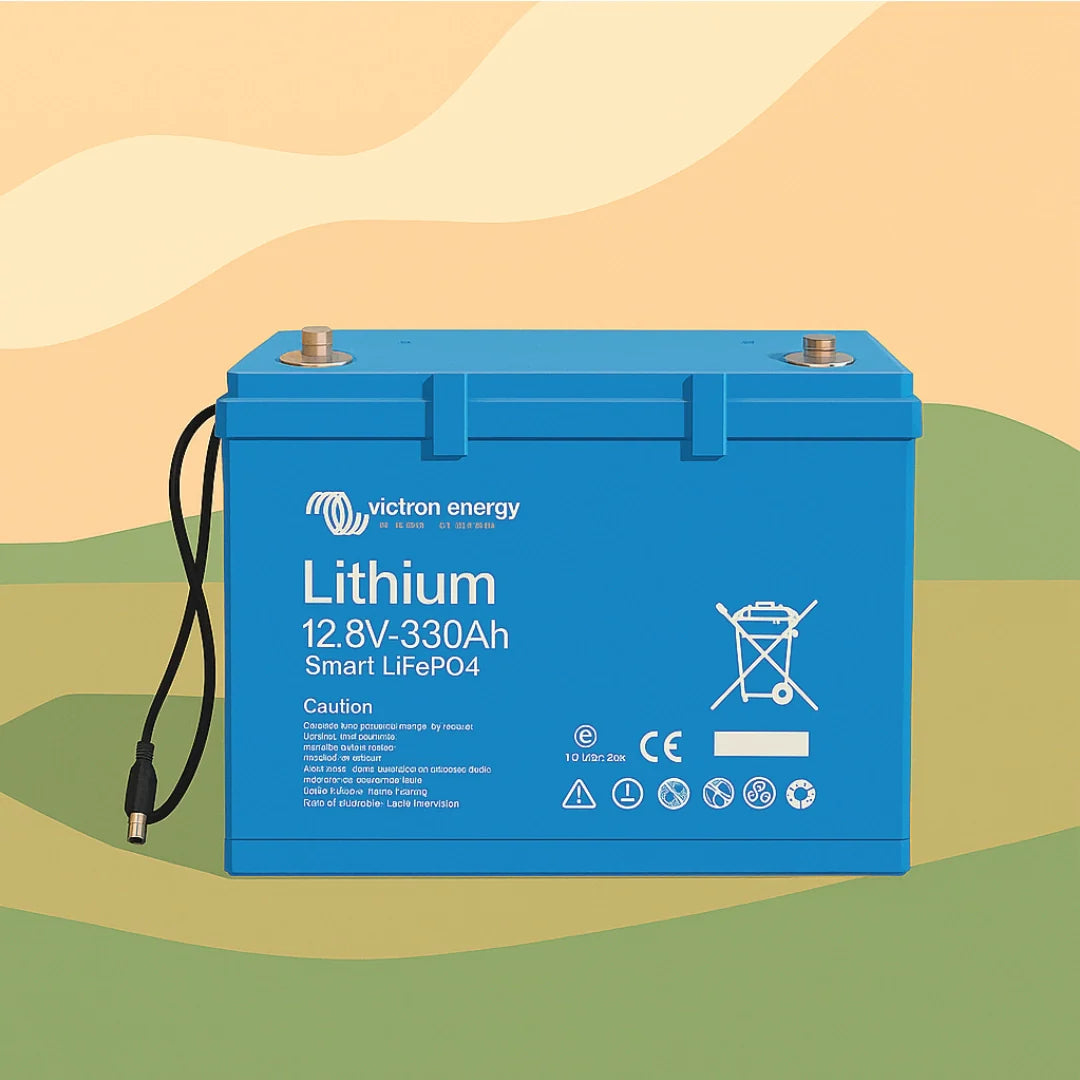
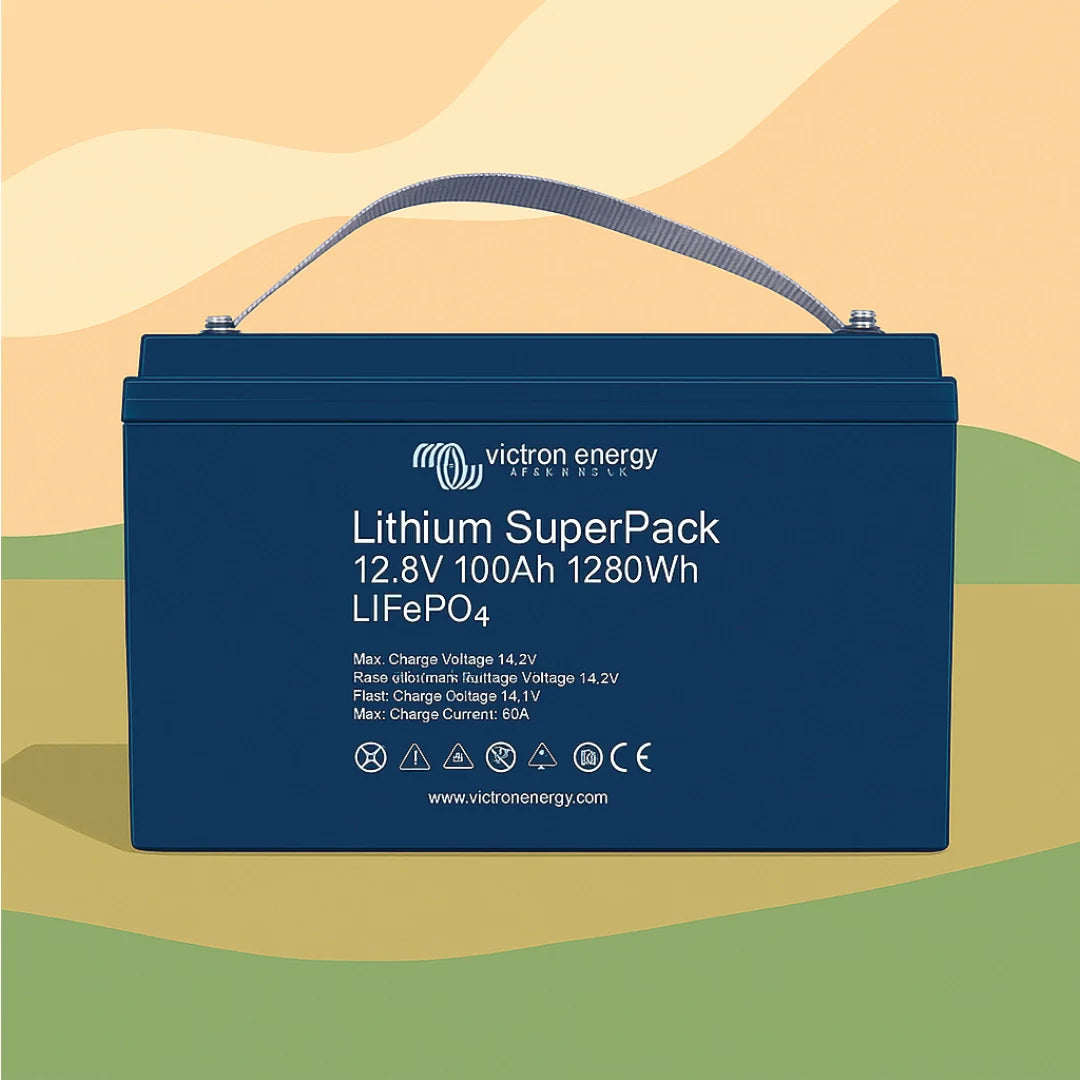
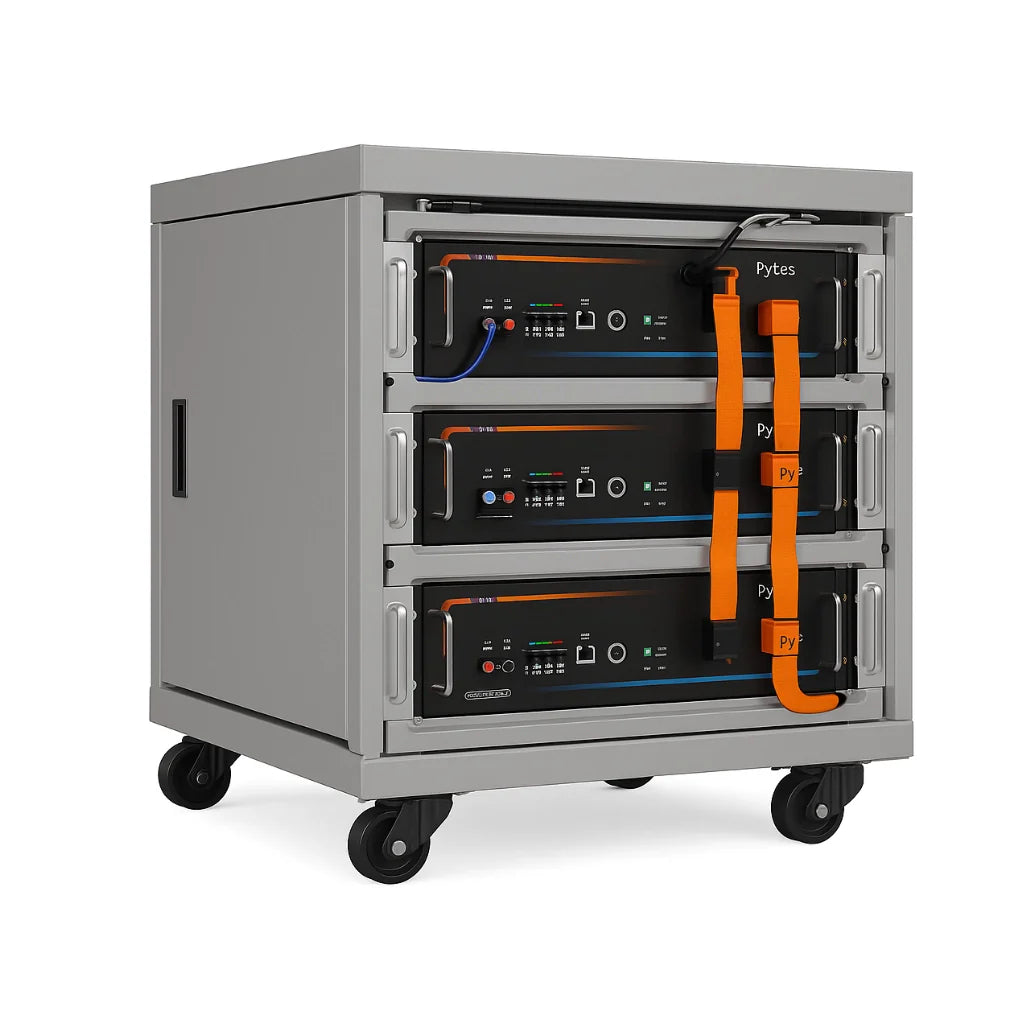
Lithium batteries have transformed power systems in campervans, offering unprecedented energy storage capabilities for UK adventurers. These advanced power sources leverage lithium’s unique electrochemical properties to deliver reliable, efficient electricity for off-grid travel. Lithium-ion batteries efficiently store energy through a sophisticated process where lithium atoms transfer between electrodes during charging and discharging cycles.
Unlike traditional lead-acid batteries, lithium leisure batteries provide superior performance characteristics specifically suited for campervan environments. They offer substantially higher energy density, meaning more power can be stored in a significantly smaller and lighter package. Campervan owners benefit from reduced weight, faster charging times, and deeper discharge capacities without compromising system reliability. Materials like lithium iron phosphate have become particularly popular, providing excellent stability and longevity for mobile power applications.
Safety remains paramount when integrating lithium batteries into campervan electrical systems. Proper battery management is crucial for safe operation, requiring careful attention to charging protocols, temperature considerations, and regular maintenance checks. Users must follow manufacturer guidelines, use compatible charging equipment, and monitor battery condition to prevent potential electrical risks.
Key advantages of lithium batteries for campervans include:
- Significantly reduced weight compared to traditional battery technologies
- Faster charging and more efficient energy conversion
- Extended cycle life supporting multiple charge-discharge sequences
- Higher energy density enabling more compact installations
- Improved performance across varied temperature ranges
Pro tip: Always invest in a battery management system that provides real-time monitoring and protection for your lithium campervan batteries.
Key Types and How They Compare
Campervan lithium batteries come in several distinct chemistries, each offering unique performance characteristics tailored to different power requirements. Lithium battery technologies have evolved significantly, presenting campervan owners with multiple options for optimising their electrical systems.
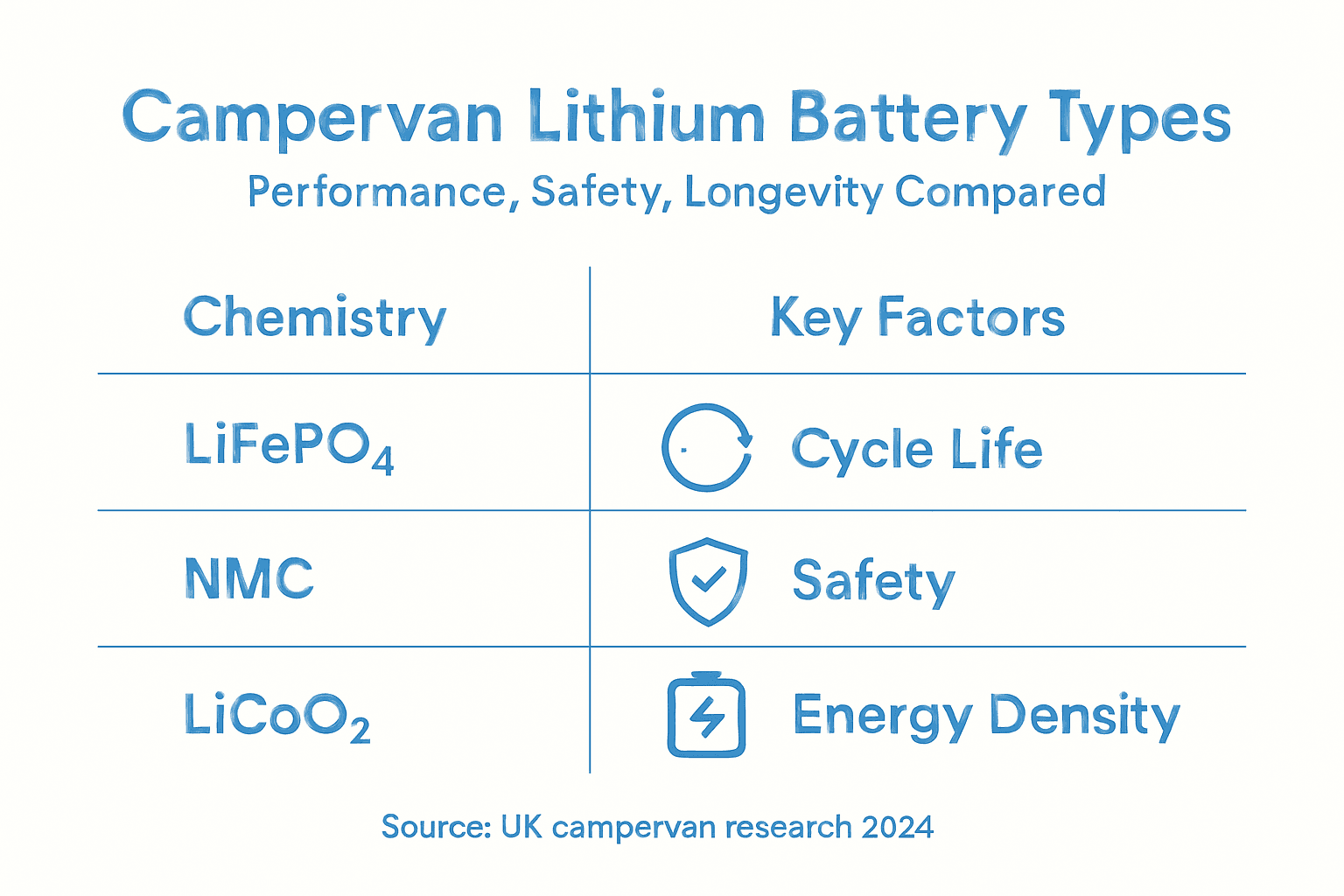
The most prevalent lithium battery types for campervans include Lithium Iron Phosphate (LiFePO4), Lithium Nickel Manganese Cobalt (NMC), and Lithium Cobalt Oxide (LiCoO2). Lithium Iron Phosphate batteries stand out as the preferred choice for most campervan applications due to their exceptional safety profile, longer lifecycle, and superior thermal stability. These batteries can typically withstand 2000-3000 charge cycles, making them a robust investment for long-term travellers.
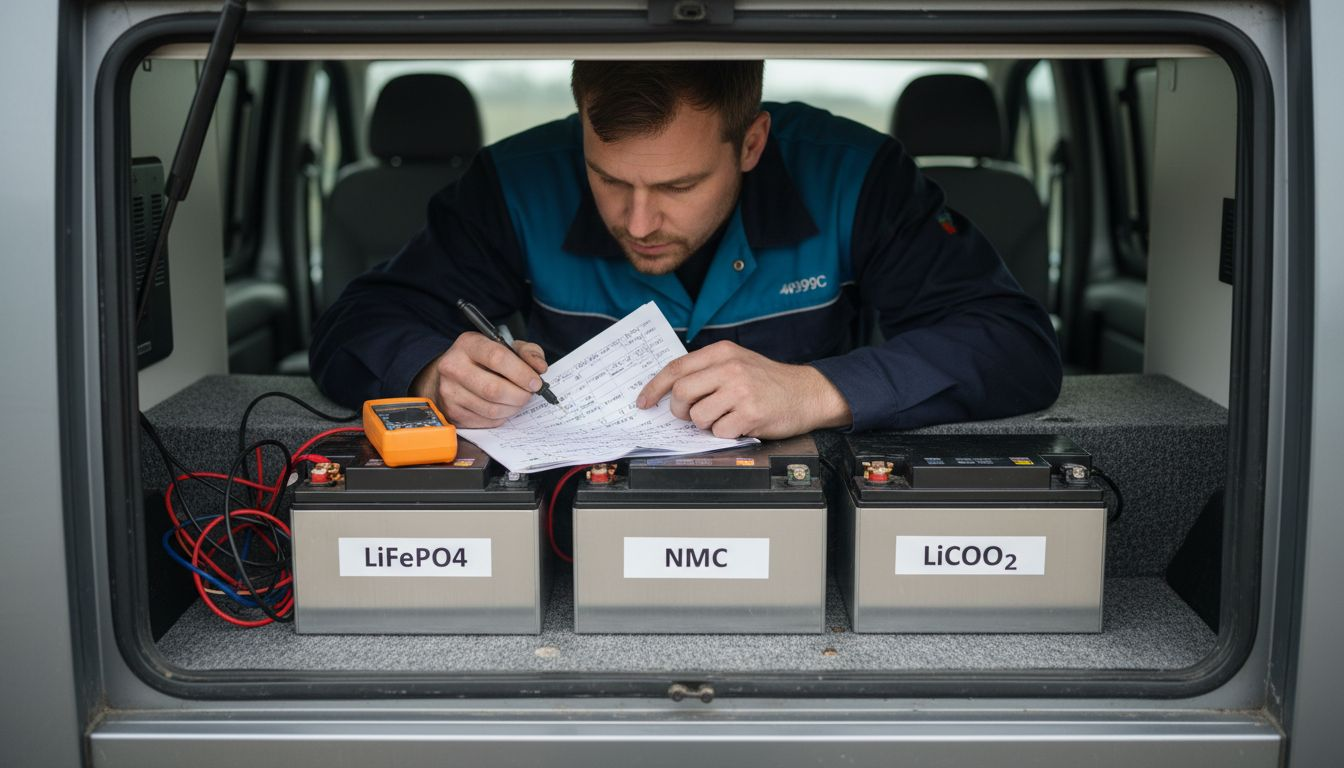
Comparative analysis reveals distinct advantages for each battery chemistry:
| Battery Type | Energy Density | Cycle Life | Safety Rating | Temperature Performance |
|---|---|---|---|---|
| LiFePO4 | Moderate | High (2000-3000 cycles) | Excellent | Stable across ranges |
| NMC | High | Moderate (1000-1500 cycles) | Good | Sensitive to extremes |
| LiCoO2 | Very High | Lower (500-1000 cycles) | Lower | Limited temperature range |
NMC and LiCoO2 batteries offer higher energy densities but compromise on longevity and safety compared to Lithium Iron Phosphate variants. For UK campervan enthusiasts prioritising reliability and consistent performance, LiFePO4 remains the most recommended solution.
Pro tip: When selecting a lithium battery, prioritise cycle life and safety ratings over raw energy density for sustained campervan power management.
Advantages Over Traditional Battery Options
Lithium batteries represent a transformative technology for campervan power systems, offering substantial improvements over traditional lead-acid batteries. Advanced battery performance capabilities have revolutionised how campervan enthusiasts approach electrical management, providing unprecedented reliability and efficiency.
The most significant advantages emerge in four critical areas: capacity, weight, charging performance, and overall longevity. Traditional lead-acid batteries typically provide only 50% usable capacity, whereas lithium batteries deliver 80-100% usable power. This means campervan owners can access substantially more stored energy without compromising battery health. Moreover, lithium batteries are dramatically lighter, reducing vehicle weight by up to 50% and improving payload capacity and fuel efficiency.
Charge performance represents another remarkable improvement. Lithium batteries charge significantly faster than traditional alternatives, with extended off-grid power capabilities enabling longer adventures and more consistent electrical supply. Where lead-acid batteries might require 8-10 hours for a full charge, lithium variants can reach full capacity in just 2-3 hours, dramatically reducing downtime and increasing travel flexibility.
Key comparative advantages include:
- 3-4 times longer battery lifecycle
- 50% weight reduction
- 80-100% usable battery capacity
- Faster charging times
- More stable voltage output
- Lower self-discharge rates
- Superior performance in temperature variations
Pro tip: When transitioning to lithium batteries, invest in a compatible battery management system to maximise performance and protect your electrical investment.
Real-World Performance and Energy Independence
Campervan enthusiasts increasingly recognise lithium batteries as a game-changing solution for achieving comprehensive energy independence during extended travels. Comprehensive battery performance tests demonstrate remarkable consistency in power delivery across diverse operational conditions, transforming how UK travellers approach off-grid electrical management.
The real-world performance of lithium batteries transcends theoretical specifications, providing tangible benefits that directly impact travel experiences. Unlike traditional batteries that gradually lose voltage and performance, lithium variants maintain stable electrical output throughout their discharge cycle. This consistent power delivery means campervan appliances operate at full efficiency, whether running refrigeration units, charging electronic devices, or powering lighting systems during extended trips across challenging terrains and variable weather conditions.
Energy independence becomes more than a concept with lithium battery technology. Campervan owners can now confidently plan longer journeys, knowing their electrical system will provide reliable power without frequent recharging interruptions. Advanced battery management systems integrated with lithium technologies enable precise monitoring of energy consumption, allowing travellers to optimise their power usage and extend their off-grid capabilities significantly.
Key real-world performance indicators include:
Here’s an overview of how using lithium batteries in campervans can impact daily travel experiences:
| Campervan Activity | Lithium Battery Benefit | Impact on Travel |
|---|---|---|
| Running appliances | Consistent voltage output | Reliable device operation |
| Extended journeys | Longer battery life | Fewer recharge stops |
| Off-grid camping | High energy storage | Greater energy independence |
| Cold weather travel | Stable performance in cold | Reliable power year-round |
- Consistent voltage maintenance throughout discharge
- Reduced recharging frequency
- Enhanced appliance performance
- Increased operational reliability
- Minimal performance degradation
- Improved temperature resilience
- Extended usable battery life
Pro tip: Install a comprehensive battery monitoring system to track your lithium battery’s performance and maximise your campervan’s energy potential.
Safety, Charging, and Maintenance Considerations
Lithium battery safety for campervans requires a comprehensive understanding of best practices and potential risks. LiFePO₄ battery safety guidelines emphasise the critical importance of proper installation, charging, and maintenance to ensure reliable and secure electrical systems.
The Battery Management System (BMS) serves as the primary safeguard in lithium battery technology, continuously monitoring critical parameters like temperature, voltage, and current. Most safety concerns arise not from the battery chemistry itself, but from inappropriate installation or incompatible charging equipment. Campervan owners must prioritise using manufacturer-recommended charging systems, ensuring proper wiring, and installing appropriate fuse protection to mitigate potential electrical risks.
UK fire safety research highlights the importance of understanding potential lithium battery risks. While these batteries are fundamentally stable, they can pose significant hazards if damaged, overcharged, or improperly handled. Thermal runaway represents the most critical safety concern, potentially causing rapid, intense fires that are challenging to extinguish.
Key safety and maintenance considerations include:
This summary highlights essential checks for safe lithium battery maintenance in campervans:
| Safety Task | Why It Matters | Recommended Frequency |
|---|---|---|
| Visual inspection | Detects physical damage early | Monthly |
| Ventilation check | Prevents overheating risk | Each trip |
| Equipment compatibility | Reduces electrical faults | On installation |
| Temperature monitoring | Avoids thermal runaway | During charging |
| Firmware updates (BMS) | Maintains monitoring accuracy | Annually |
- Regular battery system inspections
- Using compatible charging equipment
- Maintaining proper ventilation
- Avoiding extreme temperature exposures
- Implementing robust physical protection
- Monitoring battery temperature
- Following manufacturer charging protocols
Pro tip: Invest in a professional battery management system with real-time monitoring capabilities to proactively identify and prevent potential safety issues.
Empower Your UK Campervan Adventures with Advanced Lithium Battery Solutions
Enjoying extended journeys and reliable power in your campervan means overcoming challenges like weight, charging speed and battery safety. This article highlights how Lithium Iron Phosphate batteries deliver longer cycle life, stable voltage and faster charging — all crucial for maximising your energy independence on the road without compromise. At Skyenergi, we specialise in providing intelligent lithium battery systems built specifically for UK campervan travellers seeking practical, dependable energy storage solutions.
Explore our high-performance lithium leisure batteries and comprehensive energy systems that include Bluetooth-enabled battery management for real-time monitoring. With products sourced directly from trusted manufacturers, Skyenergi is your partner for safer, lighter and more efficient campervan power setups. Don’t wait to power your next adventure with confidence. Visit Skyenergi today to discover solutions designed to meet your needs and elevate every mile of your UK travels.
Frequently Asked Questions
What are the advantages of using lithium batteries in campervans?
Lithium batteries offer significant benefits over traditional lead-acid options, including up to 80-100% usable capacity, faster charging times, longer lifecycle (3-4 times longer), reduced weight by up to 50%, and improved performance in varying temperatures.
How do lithium batteries compare in terms of safety?
Lithium Iron Phosphate (LiFePO4) batteries are preferred for their excellent safety profile and thermal stability. They can withstand more charge cycles and are less prone to thermal runaway compared to other lithium chemistries.
What maintenance do lithium batteries require in campervans?
Regular maintenance tasks include visual inspections for physical damage, checks for proper ventilation, ensuring equipment compatibility, monitoring temperature during charging, and performing firmware updates for the Battery Management System (BMS) annually.
How can lithium batteries improve energy independence while travelling?
Lithium batteries provide consistent voltage output, allowing appliances to operate efficiently and reducing the need for frequent recharging. This enables campervan owners to embark on longer journeys and maximise their off-grid capabilities.
Recommended
- Why Use Lithium Leisure Batteries in Campervans – Skyenergi
- Lithium Battery Storage – Powering Off-Grid Adventures – Skyenergi
- Lithium Battery Setup Guide for Campervans UK 2026 – Skyenergi
- Step by Step Lithium Battery Upgrade for UK Campervans – Skyenergi
- RoadReady Power Pack – EMILY SANDERS LIFESTYLE
Prev post

7 Key Benefits of Lithium Batteries for Off-Grid Living
Updated on 13 January 2026
Next post

Lithium Battery Installation Workflow for Campervans
Updated on 11 January 2026


