





Battery Safety Explained: Ensuring Reliable Campervan Power
Battery safety explained for UK campervans: learn about lithium types, common risks, maintenance routines, and legal standards for safe off-grid energy.
Relying on your campervan’s lithium battery for dependable off-grid power feels brilliant, but it is not without its challenges. These batteries give you the freedom to travel across the UK countryside with confidence, yet they demand careful handling and a solid understanding of safety fundamentals. By learning about the critical risks and best practices for lithium battery safety, you prepare for worry-free adventures without putting your vehicle or loved ones in danger.
Table of Contents
- Lithium Batteries And Safety Fundamentals
- Key Lithium Battery Types For Campervans
- Integrated Safety Features And Charging Practices
- UK Regulations And Certification Requirements
- Risks, Common Faults And How To Prevent Them
Key Takeaways
| Point | Details |
|---|---|
| Battery Safety is Paramount | Lithium batteries require careful handling to prevent risks such as thermal runaway, overcharging, and physical damage. Regular inspections are essential for safe operation. |
| Use a Battery Management System (BMS) | A BMS is crucial for monitoring battery parameters to prevent dangerous situations such as overcharging and overheating. Installing systems with certified BMS protection is vital for safety. |
| Choose the Right Battery Chemistry | Lithium Iron Phosphate (LFP) batteries offer superior safety and longevity, making them the best choice for campervans in the UK. Understand the specific chemistry for optimal performance and reliability. |
| Compliance with Regulations is Essential | Ensure batteries meet UK safety standards and come from reputable suppliers with necessary certifications to guarantee safe and reliable usage in campervans. |
Lithium Batteries And Safety Fundamentals
Lithium batteries power your campervan freedom, but they demand respect. These compact energy stores pack enormous power into small spaces, which is brilliant for off-grid living—but also means they need careful handling. Understanding the fundamentals keeps you safe on every journey.
Lithium-ion batteries can store vast amounts of energy in minimal weight, making them ideal for campervans where space and load capacity matter. This efficiency comes with a responsibility: lithium batteries can catch fire if overcharged, short-circuited, or damaged.
The biggest risk is thermal runaway. This happens when a battery heats uncontrollably, potentially igniting nearby materials. Prevention is straightforward.
What Makes Lithium Batteries Risky?
Damaged or swollen batteries pose immediate danger. Never attempt to use or charge a battery showing physical deformation. A swollen cell is a fire waiting to happen.
Overcharging creates another hazard. Unlike older battery types, lithium cells have strict charging limits. Exceeding them generates excessive heat and internal damage.
Short circuits—caused by water ingress, damaged casings, or debris—trigger dangerous reactions. External damage matters too. A dropped battery might seem fine externally but have internal cell damage you cannot see.
Key risks in campervans:
- Overcharging from faulty charging systems or improper voltage control
- Physical damage from vibration, impacts, or installation mistakes
- Thermal stress from direct sunlight or heat exposure
- Water ingress from moisture in poorly sealed installations
- Using incompatible or damaged chargers
A battery management system (BMS) isn’t optional—it’s your safety foundation. Without intelligent monitoring, you’re flying blind.
Safe Charging Practices
Always use the supplied or manufacturer-recommended charger. Mismatched chargers cause overcharging and voltage stress. Charge away from combustible materials—fuel, cooking equipment, and bedding must stay clear.
Never leave batteries charging unattended overnight or during extended periods. Monitoring means you can respond immediately if problems develop. Keep a working smoke alarm near your battery compartment; early detection saves lives.
Temperature control matters significantly. Charge in cool environments when possible. Lithium batteries charge most safely between 0–45°C. Extreme heat accelerates degradation and fire risk.
Safe charging checklist:
- Use the correct charger for your battery type
- Charge in a well-ventilated area away from flammables
- Never leave batteries unattended whilst charging
- Maintain proper temperature conditions
- Disconnect when fully charged
Why Battery Management Systems Matter
A Battery Management System (BMS) continuously monitors voltage, current, and temperature across your cells. It prevents overcharging, manages discharge rates, and disconnects the battery before dangerous conditions develop. Understanding the BMS role in energy storage reveals why modern lithium systems require this intelligent oversight.
Your BMS protects you even when you’re asleep. It’s the difference between safe power and catastrophic failure.
Install systems with certified BMS protection—it’s not luxury, it’s survival.
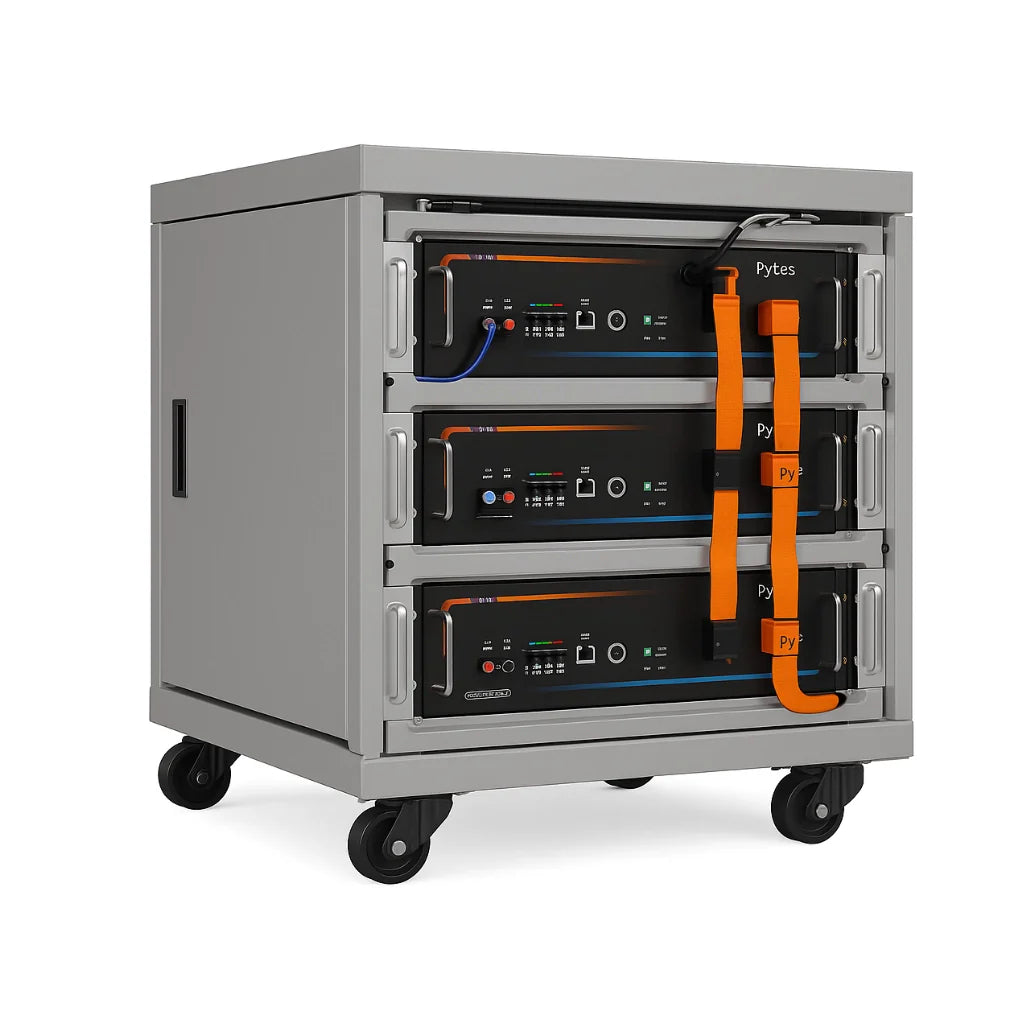
Pro tip: Purchase lithium batteries from reputable suppliers like Skyenergi who provide tested systems with integrated BMS protection and comprehensive safety documentation, ensuring your investment comes with proven reliability.
Key Lithium Battery Types For Campervans
Not all lithium batteries are created equal. Different chemistries offer varying trade-offs between power, longevity, safety, and cost. Understanding what’s inside your battery helps you choose the right system for your campervan needs.
Lithium batteries come in several chemical formulations, each with distinct characteristics. The chemistry you select determines how your battery performs in British weather, how long it lasts, and how safely it operates. Your choice directly impacts your off-grid reliability.

Understanding Lithium Chemistry Types
Lithium Iron Phosphate (LFP) has become the go-to choice for UK campervan installations. It offers exceptional thermal stability, longer cycle life (often 5,000+ cycles), and superior safety compared to other lithium types. LFP batteries tolerate overcharging better and resist thermal runaway more effectively.
Nickel-Metal-Cobalt (NMC) batteries pack higher energy density, meaning more power in lighter packages. They’re common in automotive applications but require more careful management in stationary campervan installations. Understanding different lithium-ion battery chemistries reveals why chemistry selection matters for safety and longevity in leisure applications.
Lithium Manganese Oxide (LMO) batteries sit between these options, offering decent energy density with reasonable safety margins. They’re less common in modern campervan systems but still appear in some installations.
Why chemistry matters for campervans:
To help clarify the differences between lithium battery types for campervans, here is a concise comparison:
| Chemistry Type | Safety Level | Typical Lifespan | Energy Density |
|---|---|---|---|
| LFP | Very high | Up to 5,000 cycles | Moderate |
| NMC | Moderate | 2,000–3,000 cycles | High |
| LMO | Fair | 1,500–2,500 cycles | Medium |
- LFP: Best safety, longest lifespan, ideal for off-grid use
- NMC: Higher energy density, lighter weight, needs active management
- LMO: Balanced performance, moderate thermal stability
Practical Capacity Considerations
Battery capacity measured in kilowatt-hours (kWh) determines how long you can run your campervan between charges. A 100Ah 48V LFP system stores approximately 4.8kWh of usable energy.
Your power requirements depend on appliances and usage patterns. A fridge running 24 hours, heating in winter, and laptop charging demand different capacity than occasional weekend trips. Deep cycling capability—how much energy you can safely extract per charge cycle—varies significantly between chemistry types.
LFP batteries handle 80–90% depth of discharge safely, whilst NMC types prefer shallower cycling to preserve lifespan.
Typical campervan capacity ranges:
- Weekend warriors: 2–3kWh (100–150Ah at 48V)
- Regular off-grid stays: 4–6kWh (200–300Ah at 48V)
- Full-time nomads: 8–12kWh (400–600Ah at 48V)
Choosing The Right Type For Your Setup
Start with your power consumption baseline. Run your appliances for a typical day and measure energy use. This real-world data beats guessing. LFP remains the safest, most reliable choice for UK campervans where reliability matters more than saving weight.
Consider your installation environment. Campervan battery compartments experience temperature swings, vibration, and moisture exposure. LFP’s thermal stability handles these stresses better than alternatives.
Pro tip: Select LFP-based systems with integrated management from reputable suppliers—Skyenergi stocks proven lithium solutions designed specifically for UK campervan conditions, eliminating chemistry guesswork.
Integrated Safety Features And Charging Practices
Modern lithium battery systems combine intelligent hardware with sensible charging discipline. Together, they create multiple safety layers that protect your campervan, your family, and your investment. This multi-layered approach works far better than relying on any single safeguard.
Your charging environment and practices matter as much as the battery itself. Poor charging habits can undermine even the best safety features. Understanding both sides ensures reliable, safe power throughout your travels.
Smart Charging Protection Systems
A quality Battery Management System (BMS) continuously monitors voltage, temperature, and current flow. It prevents overcharging by cutting power when cells reach safe limits. Modern BMS systems also detect internal faults and isolate damaged cells before they spread problems.
Integrated protection mechanisms include:
- Voltage monitoring: Prevents overcharging that causes thermal stress
- Temperature sensors: Cuts charging if batteries get too hot
- Current limiting: Protects cells from excessive discharge rates
- Cell balancing: Ensures all cells charge and discharge evenly
- Fault detection: Identifies shorts, damage, or internal degradation
Why battery management systems matter for off-grid energy reveals how intelligent monitoring transforms battery safety from passive to active protection.
A working BMS catches problems before you experience them—that’s the difference between safe power and system failure.
Creating The Right Charging Environment
Always charge in well-ventilated spaces. Lithium batteries release gases during charging, especially if stressed. Poor ventilation traps these gases and creates fire risk. Your campervan’s battery compartment needs adequate airflow.
Keep chargers away from combustible materials. Petrol, cooking fuel, bedding, and upholstery must maintain clear distance from charging areas. Safe charging practices require proper location selection away from escape routes and near smoke alarms.
Never leave batteries charging unattended whilst asleep or away from your campervan. If problems develop, you need to respond immediately. Twenty minutes of monitoring beats eight hours of unattended charging.
Charging location essentials:
- Well-ventilated area with fresh air circulation
- Away from flammable materials and escape routes
- Near working smoke and heat alarms
- Accessible for immediate shut-down if needed
- Clear space around chargers for heat dissipation
Using The Right Charger
Manufacturer-recommended chargers matter more than you might think. Mismatched chargers apply wrong voltage, wrong current profiles, or wrong charging algorithms. Your battery’s cells can’t distinguish between a proper charger and a wrong one—they just accept the current and suffer damage.
Original equipment chargers cost more but protect your investment. A damaged battery costs far more than the charger you saved money on.
Temperature control during charging is critical. Cold conditions slow charging; heat accelerates it. Ideal charging temperatures sit around 20–25°C. Avoid charging in direct sunlight or cold weather when possible.
Pro tip: Install a dedicated charging outlet near your battery compartment with proper residual current device (RCD) protection, creating a safe, controlled charging zone away from living areas—this single investment dramatically improves long-term safety and peace of mind.
UK Regulations And Certification Requirements
Buying a lithium battery isn’t just a technical decision—it’s a legal one. UK regulations exist to protect you, and understanding them ensures your campervan setup meets safety standards. Compliance isn’t bureaucratic overhead; it’s your guarantee of a safe, reliable system.
The UK applies strict product safety rules to all leisure batteries sold domestically. These regulations cover design, manufacturing, testing, and documentation. Batteries meeting these standards carry certifications proving they’ve been independently verified.
Understanding UK Legal Requirements
The General Product Safety Regulations 2005 (GPSR) requires all battery suppliers to ensure products comply with safety standards before sale. Producers and distributors face criminal sanctions for non-compliance, with Trading Standards enforcing these rules across the UK.
UK government lithium-ion battery safety guidelines specify mandatory safety mechanisms to mitigate thermal runaway risks. These statutory requirements apply to lithium batteries used in leisure applications like campervans.
Compliance means the battery you buy has undergone rigorous testing and met proven safety standards. Non-compliant batteries might seem cheaper, but they lack safety verification—a dangerous gamble.
Key regulatory requirements include:
- Mandatory thermal runaway protection mechanisms
- Testing to British and European standards
- Documentation proving compliance
- Supplier responsibility for safety verification
- Trading Standards enforcement authority
Buying from compliant suppliers isn’t optional—it’s your legal protection and safety foundation.
The NCC Verified Battery List
The National Caravan Council (NCC) maintains a Verified Battery List specifically for leisure batteries in motorhomes and campervans. This independent certification proves batteries meet rigorous testing standards and British and European safety specifications.
NCC-verified batteries undergo regular factory audits and product inspections, confirming ongoing compliance. Certification classifies batteries by capacity and lifecycle, helping you match specification to your needs.
Looking for the NCC badge on battery documentation gives immediate confidence. It means independent testing has confirmed safety and reliability. Reputable suppliers like Skyenergi prioritise NCC-listed products.
Verified batteries come with documentation tracing their origin and testing history. This paperwork proves compliance if questions ever arise.
What NCC certification confirms:
Below is a summary of key regulatory and certification aspects for lithium batteries used in UK campervans:
| Requirement | Ensured By | Impact on Safety |
|---|---|---|
| Thermal runaway protection | UK legislation | Prevents fire risk |
| NCC independent certification | National Caravan Council | Verifies factory quality |
| Compliance documentation | Battery suppliers | Confirms safety standards |
| Trading Standards oversight | UK authorities | Enforces legal compliance |
- Independent testing to British and European standards
- Factory audits verifying manufacturing quality
- Product inspection confirming specification compliance
- Lifecycle and capacity classification accuracy
- Ongoing regulatory compliance
Choosing Compliant Systems
When selecting a battery, ask your supplier about compliance certification. Legitimate distributors happily provide test reports and safety documentation. If they can’t or won’t, that’s a red flag.
Check product listings for NCC verification or equivalent UK/European certification. Batteries from established suppliers carrying full documentation are your safest choice.
Budget constraints tempt some buyers toward uncertified bargains. Resist. A damaged battery or system failure mid-journey costs far more than premium pricing upfront.
Pro tip: Purchase lithium batteries exclusively from UK-based suppliers demonstrating NCC certification or equivalent compliance documentation—Skyenergi stocks only verified systems meeting British safety standards, eliminating guesswork about regulatory compliance.
Risks, Common Faults And How To Prevent Them
Lithium batteries fail in specific ways. Understanding these failure modes helps you spot problems early and prevent catastrophic incidents. Most faults develop gradually—catching them means the difference between a quick repair and a dangerous situation.
Common faults share recognisable warning signs. Your awareness of these symptoms gives you time to act before problems escalate. Prevention beats crisis management every time.
Recognising Warning Signs
A swollen or deformed battery is your clearest danger signal. Swelling indicates internal chemical reactions building pressure. Never attempt to use or charge a deformed battery—dispose of it safely immediately.
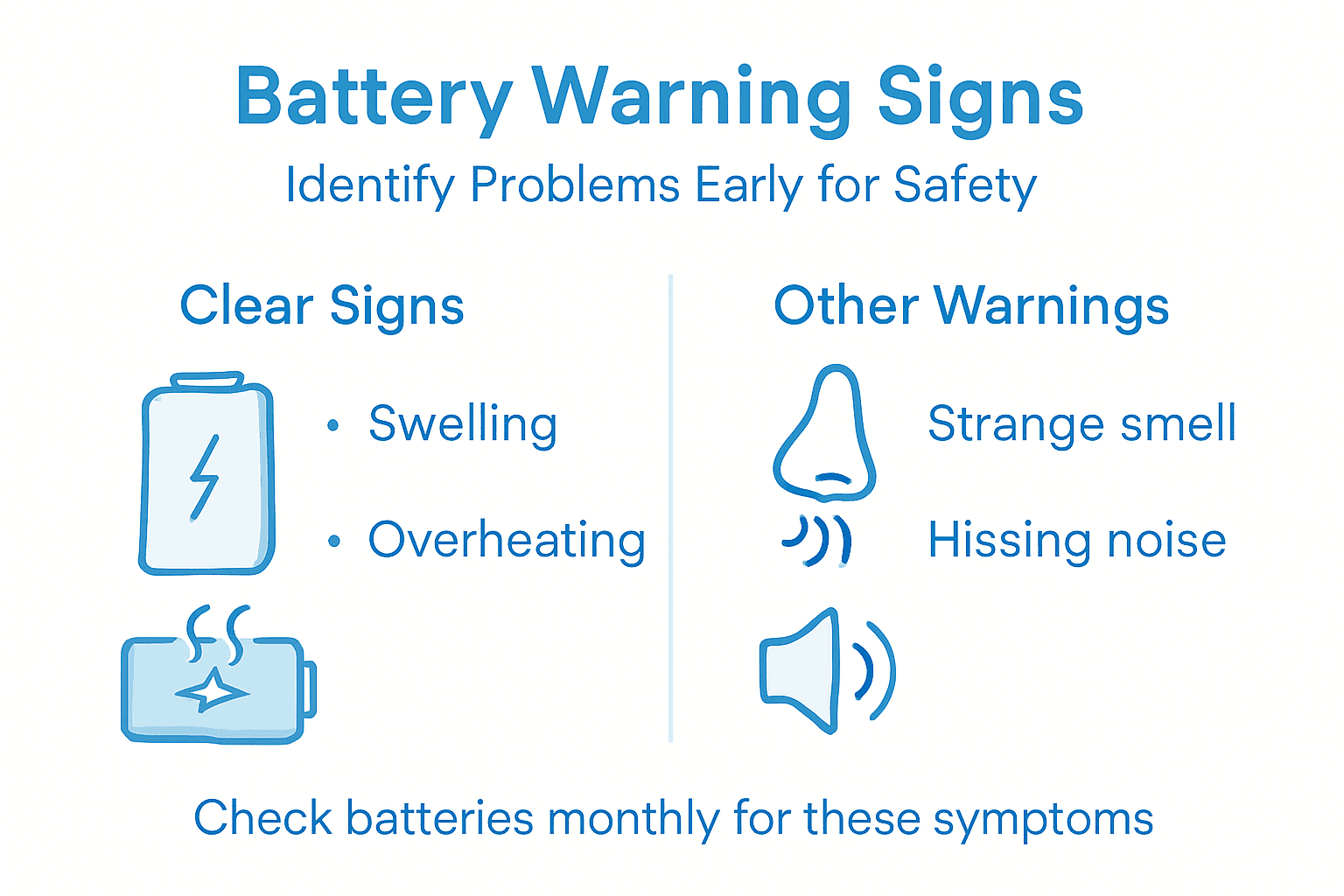
Unusual smells, noises, or overheating signal internal problems. A burning smell or hissing sound means disconnect immediately and move the battery outside. These symptoms precede fire or explosion.
Signs of battery faults include swelling, overheating, and unusual odours that indicate imminent failure. Catching these early prevents dangerous escalation.
Damaged battery casings expose internal cells to moisture and short circuits. A dropped battery might seem fine externally but have hidden internal damage.
Warning signs requiring immediate action:
- Physical swelling or deformation
- Burning smell or chemical odours
- Excessive heat without charging
- Hissing or popping sounds
- Visible casing damage or cracks
- Sudden voltage drops
A swollen battery isn’t a minor inconvenience—it’s a fire waiting to happen. Replace it immediately.
Common Failure Causes
Overcharging forces excessive current into cells beyond safe limits. This generates heat, damages internal structures, and can trigger thermal runaway. Proper chargers with voltage limits prevent this entirely.
Deep discharging drains cells below safe voltage thresholds, damaging internal chemistry irreversibly. Once over-discharged, recovery is impossible—the battery is finished.
Counterfeit or mismatched chargers apply wrong voltage profiles. Your battery cannot distinguish between correct and incorrect chargers—it just accepts the current and suffers damage.
Moisture ingress from poor sealing or water exposure causes internal short circuits. Campervans experience condensation and splash exposure that cheaper installations don’t protect against.
Vibration damage from rough roads can crack internal connections or damage cell casing. Proper mounting with vibration isolation prevents this.
Disposal And End-Of-Life Management
Never throw lithium batteries in general waste. Rising battery fires in waste streams across the UK demonstrate the danger of improper disposal. Damaged batteries in landfill sites cause fires, toxic smoke, and waste worker injuries.
Return old batteries to authorised recycling facilities. Recycling recovers valuable materials and prevents environmental contamination. Most retailers accepting new batteries also handle old ones.
Prevention checklist:
- Use manufacturer-approved chargers exclusively
- Charge only during daylight whilst present
- Monitor temperature during use
- Inspect batteries monthly for swelling or damage
- Avoid extreme temperature exposure
- Ensure proper installation with vibration isolation
- Recycle damaged batteries through authorised channels
Pro tip: Establish a monthly battery inspection routine checking for swelling, damage, and terminal corrosion—this simple discipline catches developing problems before they become emergencies, saving your campervan and ensuring safe travels.
Enhance Your Campervan Safety With Trusted Lithium Battery Solutions
The article emphasises the critical importance of understanding lithium battery safety fundamentals and the role of intelligent Battery Management Systems in preventing hazards such as thermal runaway and overcharging. If you are concerned about ensuring reliable, safe power for your campervan adventures, addressing risks like overcharging, vibration damage, and improper charging practices is essential. At Skyenergi, we specialise in high-quality lithium battery systems designed specifically with these challenges in mind, featuring integrated BMS technology and robust safety certifications tailored for UK conditions.
Take control of your off-grid energy with our carefully engineered lithium leisure batteries and complete turnkey solutions. Visit Skyenergi to explore products that offer:
- Advanced battery management for real-time health monitoring
- Proven chemistry options such as Lithium Iron Phosphate (LFP) for superior safety and longevity
- Genuine accessories ensuring proper charging environments and compliance
Protect your campervan, your family, and your peace of mind today by choosing trusted systems from a UK-based renewable energy brand. Learn more about Battery Management Systems and why selecting certified products is your safest investment for reliable campervan power.
Frequently Asked Questions
What are the main safety risks associated with lithium batteries in campervans?
Lithium batteries can pose risks such as overcharging, physical damage, thermal runaway, and water ingress. It is crucial to monitor their condition and use appropriate charging practices to mitigate these risks.
How can I safely charge lithium batteries in my campervan?
Always use the manufacturer-recommended charger, charge in a well-ventilated area away from flammable materials, and never leave batteries unattended while charging. Ensure the charging temperature is within the safe range of 0–45°C to prevent overheating.
What makes Lithium Iron Phosphate (LFP) batteries a better choice for campervans compared to other lithium types?
LFP batteries offer exceptional thermal stability, a longer cycle life (up to 5,000 cycles), and superior safety compared to other lithium types, making them ideal for off-grid use in campervans.
Why is a Battery Management System (BMS) essential for lithium batteries?
A BMS continuously monitors voltage, current, and temperature to prevent overcharging and disconnect the battery under dangerous conditions. It is crucial for maintaining battery health and ensuring safety during operation.
Recommended
Prev post

Step by Step Campervan Battery Upgrade for Off-Grid Freedom
Updated on 24 February 2026
Next post

Top 6 Best Lithium Leisure Batteries 2025 for UK Adventurers
Updated on 22 February 2026


