




Lithium Battery Fast Charging: Benefits & Best Practices
Lithium battery fast charging: Discover the real benefits of fast charging lithium batteries for campervans and off-grid systems. Learn charging best.
Table of Contents
- What Lithium Battery Fast Charging Actually Delivers
- How Fast Charging Affects Battery Cycle Life and Degradation
- DC-to-DC Charger Benefits for Campervans
- Lithium Battery Charging Best Practices
- SRNE MPPT Controller Efficiency in Your Power System
- Fast Charging vs. Slow Charging: The Real Trade-Offs
- Frequently Asked Questions
Last Updated: August 31, 2026
What Lithium Battery Fast Charging Actually Delivers
Lithium battery fast charging is now a practical necessity for anyone running an off-grid power system in a campervan or motorhome. The UK lithium-ion battery market was valued at USD 3,003.1 million in 2025 and is expected to reach USD 12,790.7 million by 2033, growing at a CAGR of 20.4% from 2026 onwards, according to UK Lithium-ion Battery Market Size & Outlook.
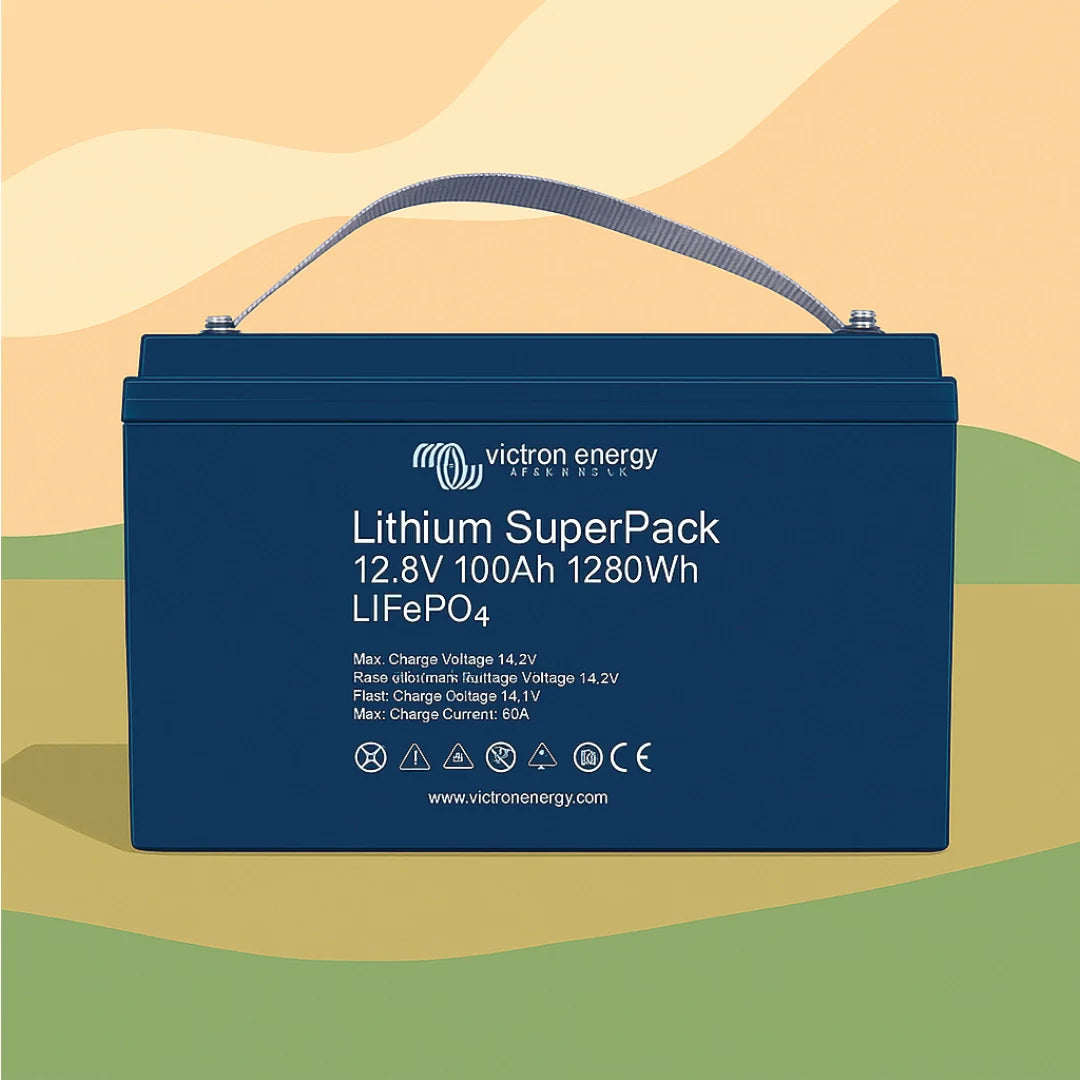
At Skyenergi, we work with campervan owners and professional installers across the UK who depend on rapid energy replenishment between trips. Fast charging means capturing more solar energy during peak daylight hours, reducing reliance on mains hookups, and maintaining stable appliance voltage during heavy demand. The real value sits at the intersection of speed and reliability: a lithium battery that charges quickly AND holds its capacity over thousands of cycles.
Fast charging isn't inherently damaging to modern lithium-ion batteries if the right thermal management and charging protocol are in place. The problem isn't speed itself, it's uncontrolled charging without proper Battery Management System (BMS) oversight. When you pair a quality lithium battery with an intelligent charger, the benefits compound: faster turnaround times, better energy capture from solar systems, and the ability to run demanding appliances without voltage sag.
How Fast Charging Affects Battery Cycle Life and Degradation
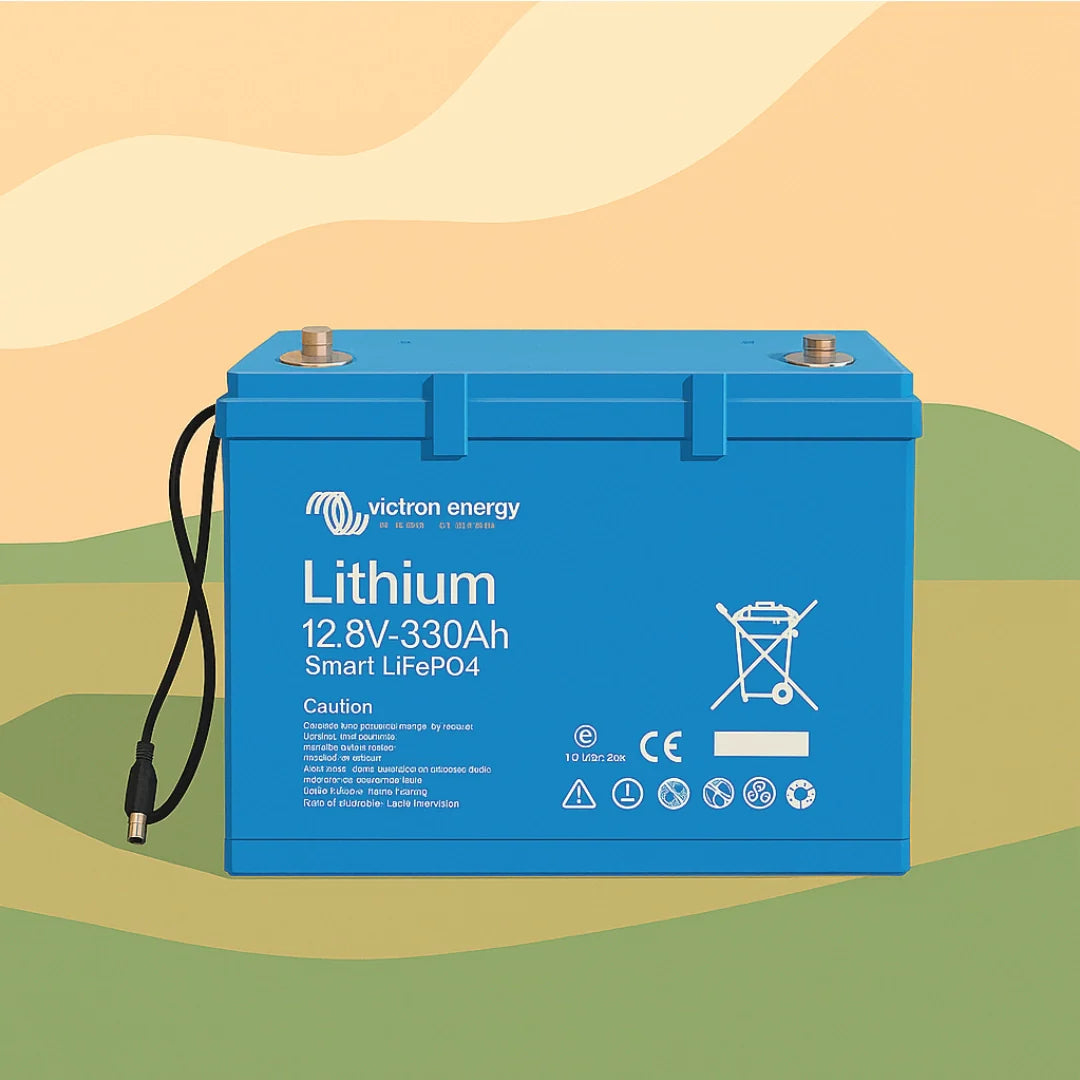
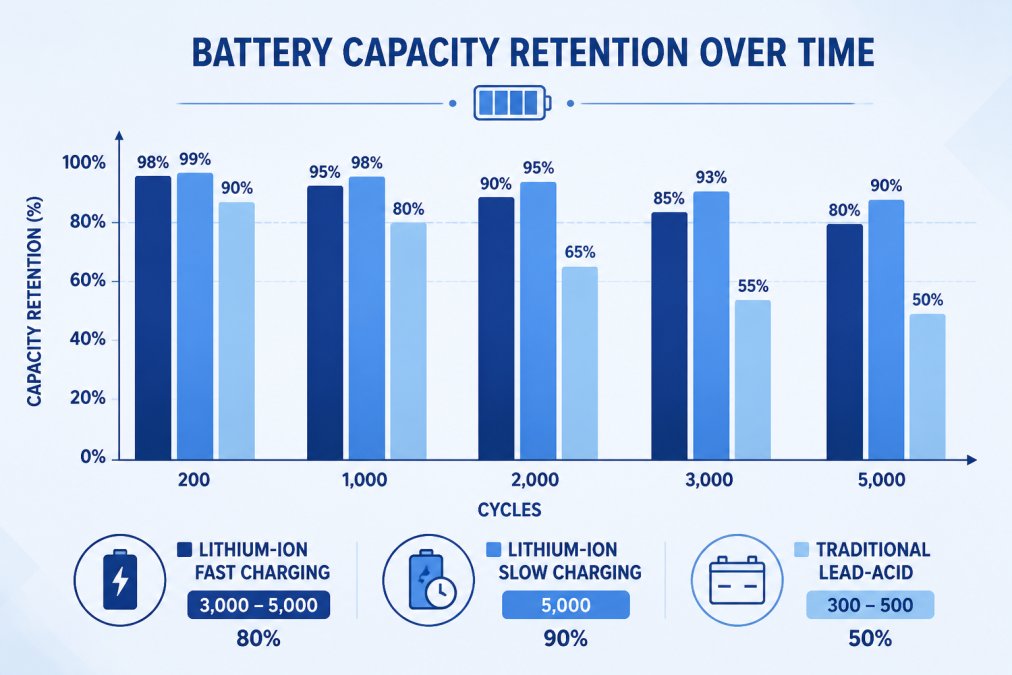
The relationship between charging speed and battery longevity is more nuanced than "faster = shorter lifespan." Lithium-ion batteries typically last 3,000 to 5,000 charge cycles, while traditional lead-acid batteries often last around 300 to 500 cycles, according to Lithium Battery for Motorhome Guide. A quality lithium battery outlasts a traditional battery by 6 to 10 times over, even with aggressive fast charging.
Research from Geotab analysing thousands of electric vehicles found that cars using DC rapid chargers for more than 12% of their total battery top-ups saw their battery capacity degrade by 2.5% per year. For leisure applications with less frequent charging cycles than daily EV commuting, the annual degradation rate is even lower, well within manufacturer warranty thresholds.
Thermal management and heat generation
Heat is the enemy of battery longevity, not charging speed itself. When lithium-ion cells charge rapidly, the chemical reactions accelerate, generating thermal energy. Without active cooling, internal temperatures can exceed safe operating ranges (typically 20-40°C for optimal performance).
Modern Skyenergi lithium batteries incorporate advanced BMS technology with integrated temperature monitoring. The system continuously measures cell temperature and automatically reduces charging current if cells approach thermal limits. By managing heat in real-time, the battery delivers fast charging speeds without the risk of thermal runaway or accelerated degradation. During summer months when ambient temperatures are elevated, a quality BMS throttles charging current slightly to maintain safe internal temperatures, adding perhaps 10-15 minutes to a full charge cycle while preventing heat stress that would shorten battery life by years.
Lithium plating and internal resistance
Lithium plating occurs when lithium ions deposit unevenly on the anode surface during fast charging, reducing available capacity and increasing internal resistance. This is preventable with proper charging protocols.
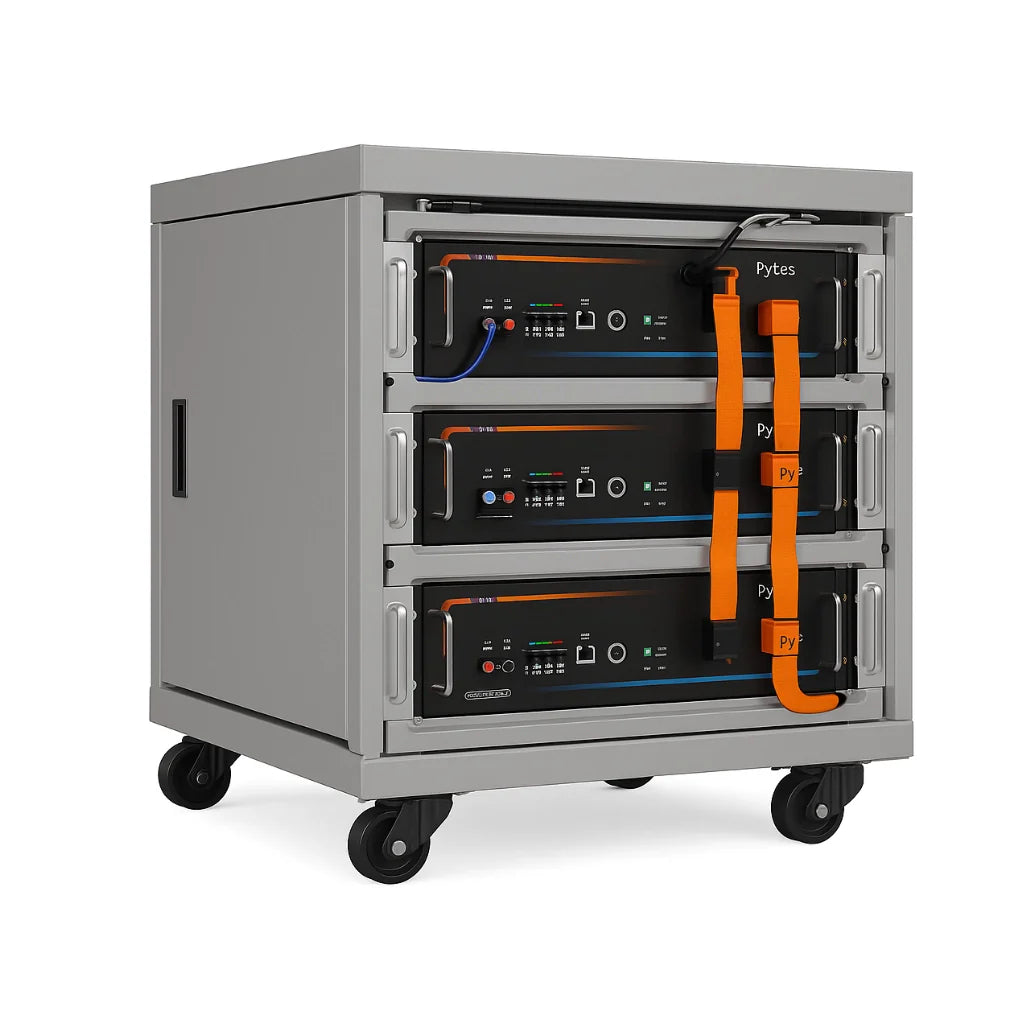
For campervan owners, lithium plating becomes a risk only when charging systems lack proper monitoring. A well-designed BMS prevents this by monitoring individual cell voltage and adjusting current distribution to ensure even charging across all cells. Skyenergi's Elite and Core2 batteries use advanced JBD BMS technology (250A to 300A capacity depending on model) that prevents lithium plating through per-electrode monitoring and dynamic current management.

DC-to-DC Charger Benefits for Campervans
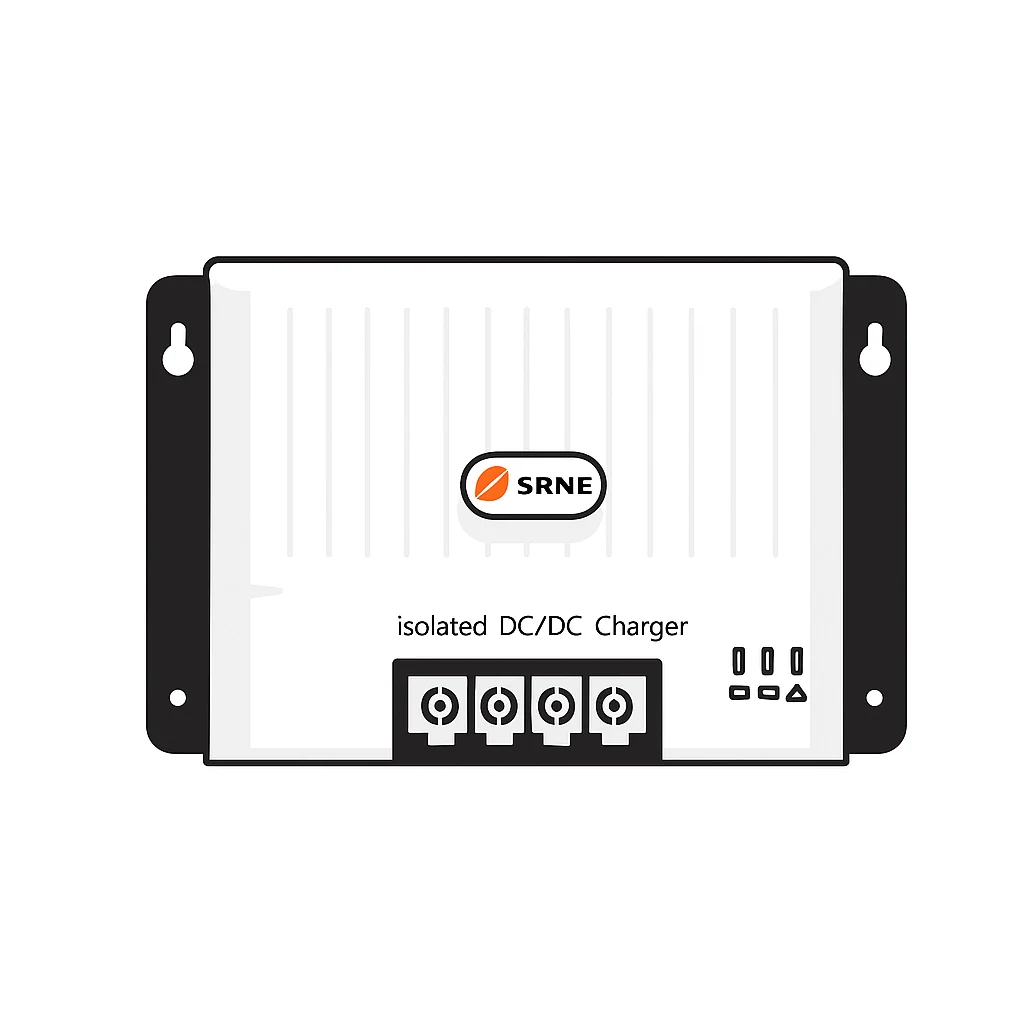
A DC-to-DC charger converts the vehicle's alternator output (typically 13.8V to 14.4V, variable) into a stable, regulated charging voltage optimised for lithium batteries. Without it, your alternator charges lithium batteries poorly, too much voltage, inconsistent current, and no thermal feedback.
A quality DC-to-DC charger delivers 100-150A of stable current to a lithium battery while the engine runs, recovering energy that would otherwise be wasted. For a typical campervan journey of 2-3 hours, this translates to 200-450Ah of recovered energy, enough to power several days of off-grid use.
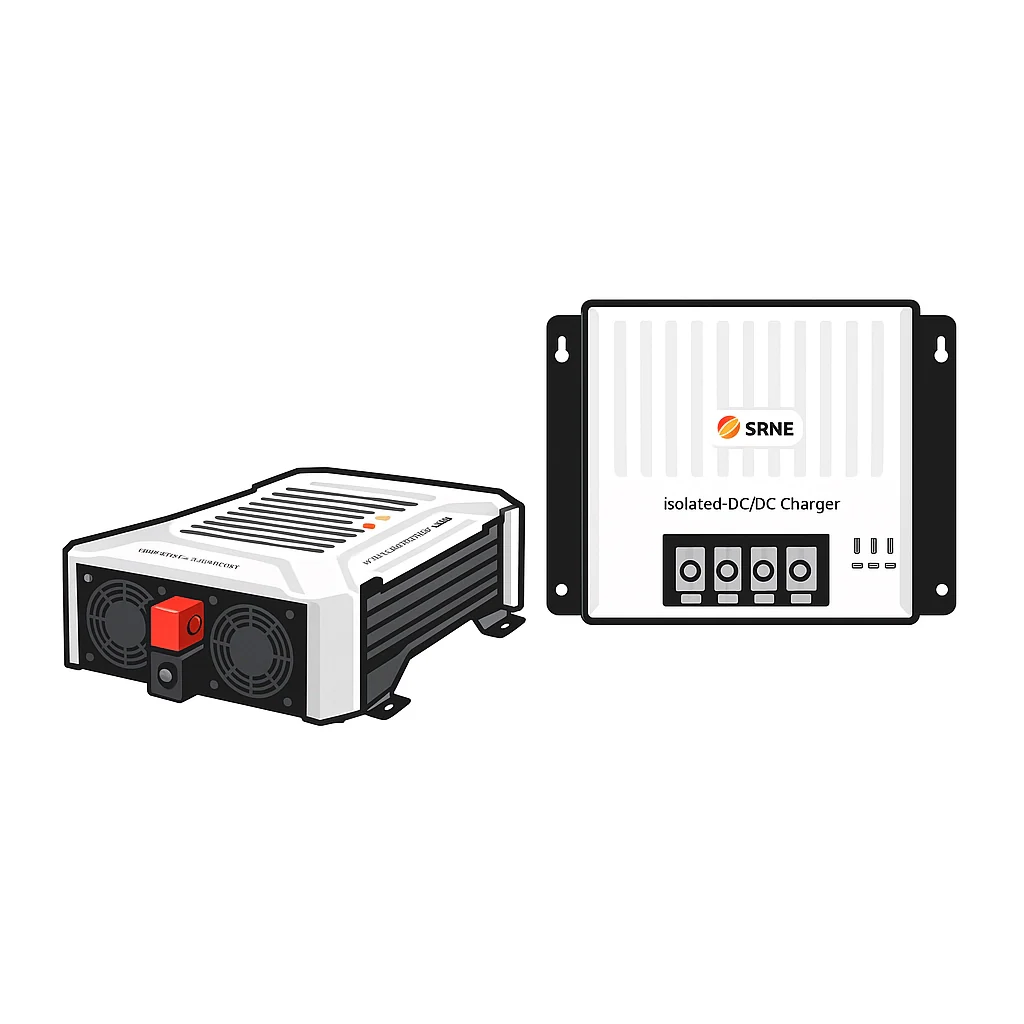
Skyenergi supplies DC-to-DC chargers as part of complete 12V power system solutions. These units integrate with MPPT solar controllers and lithium batteries to create a cohesive charging architecture. The charger monitors battery state of charge, temperature, and voltage, adjusting output automatically to avoid overcharging or thermal stress.
:::pro-tip Size your DC-to-DC charger for your vehicle's alternator capacity, not your battery capacity. A 200A alternator can safely support a 100-150A DC-to-DC charger; a 120A alternator works best with a 60-80A unit. ::: impact of charging on battery health.
Lithium Battery Charging Best Practices
The difference between a lithium battery that lasts 10 years and one that fails in 5 comes down to how you charge it.
Optimising charge speed without sacrificing longevity
The optimal charging strategy balances speed against heat generation and cell stress. For leisure applications, adopt a tiered approach: fast charging when you need energy quickly, standard charging when time permits.
Implement this three-tier strategy:
- Tier 1, Rapid recovery (0-80% state of charge): Use fast charging via DC-to-DC charger or mains charger at full current. Heat generation is manageable at lower cell voltages, and the BMS actively manages temperature.
- Tier 2, Absorption phase (80-95% state of charge): Reduce charging current by 50% to allow cells to balance and prevent lithium plating.
- Tier 3, Float charge (95-100% state of charge): Minimal current, just topping up. Stopping at 95% reduces stress and extends cycle life significantly.
Skyenergi's Elite and Core2 batteries implement this automatically, adjusting current based on cell voltage and temperature. If you're using solar charging via an MPPT controller, the absorption and float phases happen naturally as solar input decreases through the day, making solar charging gentler on lithium batteries than mains chargers.

Cold weather fast charging performance
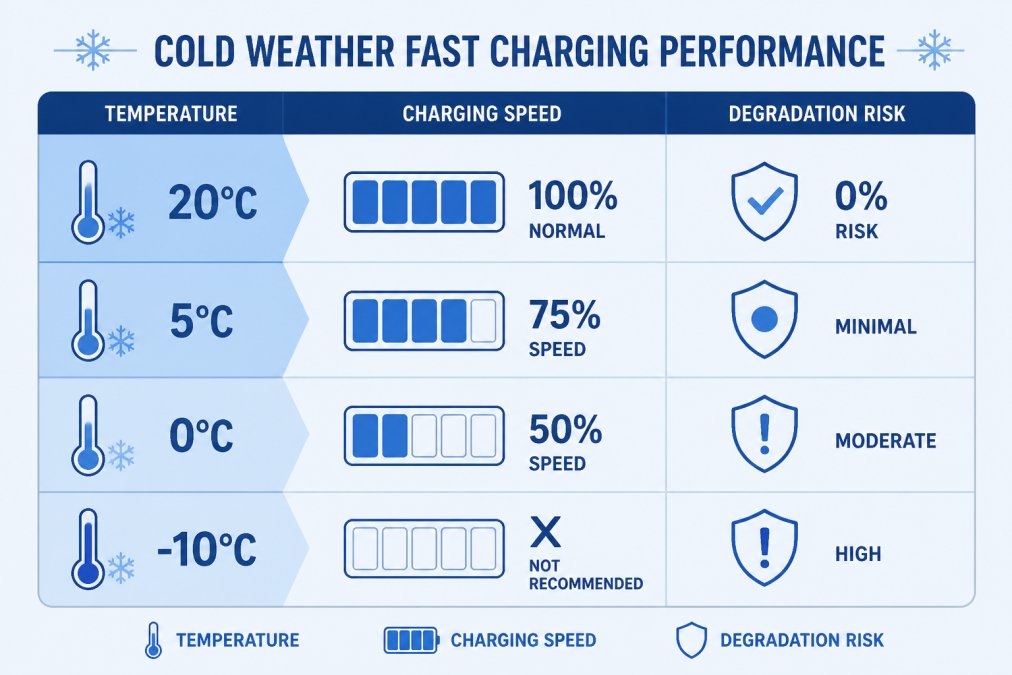
Cold temperatures degrade lithium battery performance dramatically. At 0°C, internal resistance increases by 40-60%, reducing available power and slowing charging speed. Below -10°C, fast charging becomes risky.
Skyenergi's Elite and Core2 batteries include optional heat pads that maintain minimum internal temperature during winter storage and cold-weather charging. A heat pad keeps cells above 5°C, preserving charging capability and preventing cold-induced degradation. For campervan owners in the UK touring during winter, this investment can add years to battery life.
SRNE MPPT Controller Efficiency in Your Power System
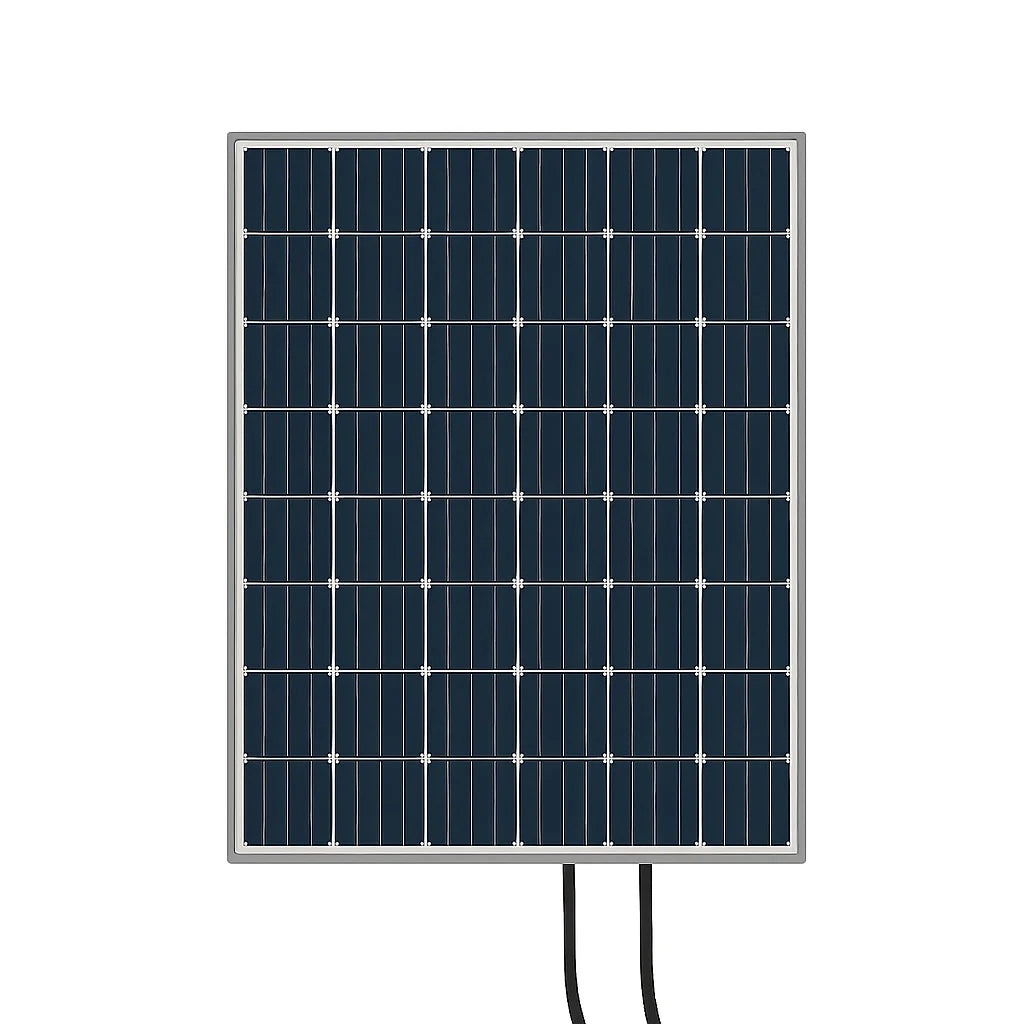
An SRNE MPPT (Maximum Power Point Tracking) solar charge controller is the intelligent intermediary between your solar panels and lithium battery. It continuously adjusts voltage and current to extract maximum power from panels across changing light conditions, then delivers that energy using a charging protocol optimised for lithium chemistry.
A basic PWM (Pulse Width Modulation) controller wastes 20-30% of available solar energy through voltage mismatch. An SRNE MPPT controller recovers 95-98% of available power, meaning your panels generate 25-35% more usable energy. For a campervan with limited roof space, this efficiency difference is the gap between running out of power mid-trip and having surplus capacity.
SRNE controllers integrate seamlessly with Skyenergi lithium batteries. The controller communicates with the battery's BMS via CAN-Bus or Modbus protocols, adjusting charging current based on battery state of charge, temperature, and cell voltage. This closed-loop system prevents overcharging, manages thermal load, and maximises cycle life. Pairing an SRNE MPPT controller with a Skyenergi lithium battery means your solar system works at peak efficiency while the battery receives charging current perfectly matched to its thermal and chemical state.
Fast Charging vs. Slow Charging: The Real Trade-Offs
Fast charging and slow charging aren't simply "better" or "worse", they're different tools with different trade-offs. Fast charging delivers energy quickly but generates more heat and creates higher electrochemical stress on cells. Slow charging is gentler on battery chemistry but takes longer and wastes opportunities to capture solar energy during peak daylight hours.
Fast charging excels when you have limited daylight hours, need rapid energy recovery between trips, have limited panel capacity, or are using mains hookups. Slow charging excels when you're stationary for extended periods with good solar conditions, want to minimise thermal stress, are doing long-term off-grid living, or have low, steady power demand.
Moderate fast charging using DC-to-DC chargers or quality mains chargers with intelligent BMS delivers better overall outcomes than exclusively slow charging for leisure applications. You recover energy faster, maximise solar capture, and maintain excellent cycle life because the BMS manages thermal and electrical stress.
| Charging Method | Speed | Thermal Stress | Degradation Risk | Best For |
|---|---|---|---|---|
| Fast DC (150A+) | 2-4 hours full | High | Low (with BMS) | Quick recovery, limited daylight |
| Standard Mains (40-60A) | 6-10 hours full | Moderate | Very low | Overnight charging, extended stays |
| Solar (20-40A avg) | 8-14 hours full | Low | Very low | Stationary use, long-term touring |
| Trickle (5-10A) | 24+ hours | Minimal | Minimal | Battery maintenance, storage |
Fast charging isn't dangerous if you use intelligent equipment. A Skyenergi Elite or Core2 battery paired with a quality DC-to-DC charger or SRNE MPPT controller will charge quickly without sacrificing longevity. The BMS manages thermal and electrical conditions, leaving you free to enjoy your campervan.
Fast charging technology has matured to the point where it's genuinely reliable for leisure applications. The benefits, faster energy recovery, better solar capture, improved appliance stability, are real and measurable. If you're building or upgrading a campervan power system, invest in a quality lithium battery with advanced BMS technology like Skyenergi's Elite or Core2 models, pair it with an intelligent charger, and you'll have a system that charges quickly without compromising longevity. The UK's residential battery storage market is projected to grow from £3.4 billion in 2025 to £11.8 billion by 2031, reflecting the shift toward reliable, fast-charging energy storage (researchandmarkets.com). That growth is happening because modern lithium technology actually delivers on its promises.
=== FAQ ANSWERS (audit these too, same rules) ===
[1] Q: Does fast charging reduce the lifespan of a lithium battery? A: Fast charging does generate more heat and stress on battery chemistry, but modern lithium batteries with advanced Battery Management Systems (BMS) handle this effectively. Research shows that exclusive use of DC rapid charging may result in slightly higher degradation, around 2.5% annual capacity loss compared to mixed charging strategies. However, this remains well within manufacturer warranty thresholds. Skyenergi's Elite and Core2 lithium batteries feature 250A-300A JBD BMS systems that monitor temperature and per-electrode status, allowing safe fast charging without compromising longevity. Most users see 3,000-5,000 charge cycles, far exceeding traditional lead-acid batteries' 300-500 cycles.
[2] Q: What are the main advantages of lithium batteries over lead-acid for fast charging? A: Lithium-ion batteries deliver three critical advantages: they accept charge at higher rates without damage, maintain stable voltage throughout the discharge cycle (keeping appliances running reliably), and tolerate thousands more charge cycles. Lead-acid batteries sulphate and degrade rapidly under fast charging, losing capacity within months. Lithium batteries also charge 5-10 times faster, a Skyenergi Elite 304Ah can accept full charge in hours rather than days, essential for campervan owners on tight schedules. Their compact design saves space, and integrated thermal management prevents overheating during rapid charging.
[3] Q: How does a DC-to-DC charger improve charging speeds in a campervan? A: A DC-to-DC charger optimises the voltage and current from your vehicle's alternator to match your lithium battery's requirements, enabling faster, safer charging while driving. Traditional hookups waste energy as heat; a quality DC-to-DC charger increases efficiency and charges 2-3 times faster than a basic split-charge relay. This is especially valuable during short journeys where you need maximum energy recovery. Paired with Skyenergi's advanced BMS, a DC-to-DC charger ensures your battery receives the right charge profile, protecting long-term capacity while delivering fast replenishment.
[4] Q: Can I use an MPPT controller to optimise my lithium battery charging speed? A: Yes. An SRNE MPPT (Maximum Power Point Tracking) controller extracts maximum available power from your solar panels and delivers it to your lithium battery at the optimal voltage and current. SRNE controllers are highly efficient at converting solar energy into usable charge, reducing wasted power as heat. Combined with a Skyenergi lithium battery's intelligent BMS, an SRNE MPPT system can charge significantly faster than a basic PWM controller whilst maintaining battery health. The MPPT's real-time monitoring adjusts charging parameters based on temperature and state of charge, maximising both speed and longevity for off-grid and campervan applications.
Frequently Asked Questions
Does fast charging reduce the lifespan of a lithium battery?
Fast charging does generate more heat and stress on battery chemistry, but modern lithium batteries with advanced Battery Management Systems (BMS) handle this effectively. Research shows that exclusive use of DC rapid charging may result in slightly higher degradation, around 2.5% annual capacity loss compared to mixed charging strategies. However, this remains well within manufacturer warranty thresholds. Skyenergi's Elite and Core2 lithium batteries feature 250A-300A JBD BMS systems that monitor temperature and per-electrode status, allowing safe fast charging without compromising longevity. Most users see 3,000-5,000 charge cycles, far exceeding traditional lead-acid batteries' 300-500 cycles.
What are the main advantages of lithium batteries over lead-acid for fast charging?
Lithium-ion batteries deliver three critical advantages: they accept charge at higher rates without damage, maintain stable voltage throughout the discharge cycle (keeping appliances running reliably), and tolerate thousands more charge cycles. Lead-acid batteries sulphate and degrade rapidly under fast charging, losing capacity within months. Lithium batteries also charge 5-10 times faster, a Skyenergi Elite 304Ah can accept full charge in hours rather than days, essential for campervan owners on tight schedules. Their compact design saves space, and integrated thermal management prevents overheating during rapid charging.
How does a DC-to-DC charger improve charging speeds in a campervan?
A DC-to-DC charger optimises the voltage and current from your vehicle's alternator to match your lithium battery's requirements, enabling faster, safer charging while driving. Traditional hookups waste energy as heat; a quality DC-to-DC charger increases efficiency and charges 2-3 times faster than a basic split-charge relay. This is especially valuable during short journeys where you need maximum energy recovery. Paired with Skyenergi's advanced BMS, a DC-to-DC charger ensures your battery receives the right charge profile, protecting long-term capacity while delivering fast replenishment.
Can I use an MPPT controller to optimise my lithium battery charging speed?
Yes. An SRNE MPPT (Maximum Power Point Tracking) controller extracts maximum available power from your solar panels and delivers it to your lithium battery at the optimal voltage and current. SRNE controllers are highly efficient at converting solar energy into usable charge, reducing wasted power as heat. Combined with a Skyenergi lithium battery's intelligent BMS, an SRNE MPPT system can charge significantly faster than a basic PWM controller whilst maintaining battery health. The MPPT's real-time monitoring adjusts charging parameters based on temperature and state of charge, maximising both speed and longevity for off-grid and campervan applications.
This article was written using GrandRanker
Prev post

Lithium Battery Warranty for Campers: What's Covered
Updated on 01 September 2026
Next post

Best Campervan Battery Management System: 2026 Guide
Updated on 30 August 2026


