





7 Types of Lithium Batteries for Campervan Power
Discover 7 essential types of lithium batteries for campervans and motorhomes. Learn which battery suits your off-grid energy needs and how to maximise reliability.
Most british campervan owners want reliable power while exploring remote landscapes, yet nearly 60 percent still rely on outdated battery technology that limits true off-grid freedom. Choosing the right lithium battery can mean the difference between endless energy or frustrating cutouts, especially with the British climate’s unpredictable demands. This guide breaks down which modern battery options offer the highest safety, durability, and smart features, helping you optimise your renewable setup for long-term independence and peace of mind.
Table of Contents
- Lithium Iron Phosphate (LiFePO4): Safe and Durable
- Lithium Nickel Manganese Cobalt (NMC): High Energy Density
- Lithium Titanate Oxide (LTO): Ultra-Fast Charging
- Lithium Polymer (LiPo): Lightweight Power Solution
- Lithium Cobalt Oxide (LCO): Compact Energy Storage
- Lithium Manganese Oxide (LMO): Enhanced Safety
- Smart Lithium Batteries with Bluetooth Monitoring
Quick Summary
| Key Insight | Explanation |
|---|---|
| 1. LiFePO4 offers maximum safety | LiFePO4 batteries feature high chemical stability, reducing risks like thermal runaway, ensuring safe usage in campervans. |
| 2. NMC batteries excel in energy density | Lithium Nickel Manganese Cobalt batteries deliver high energy capacity in minimal space, ideal for weight-sensitive campervans. |
| 3. LTO batteries enable ultra-fast charging | Lithium Titanate Oxide batteries can recharge significantly faster than traditional types, providing quick power for campervans. |
| 4. Smart batteries enhance monitoring | Smart lithium batteries with Bluetooth allow real-time tracking of performance, helping prevent failures and manage energy efficiently. |
| 5. LiPo batteries require careful management | Lithium Polymer batteries offer lightweight solutions but need meticulous thermal management and specialised charging to ensure longevity. |
1. Lithium Iron Phosphate (LiFePO4): Safe and Durable
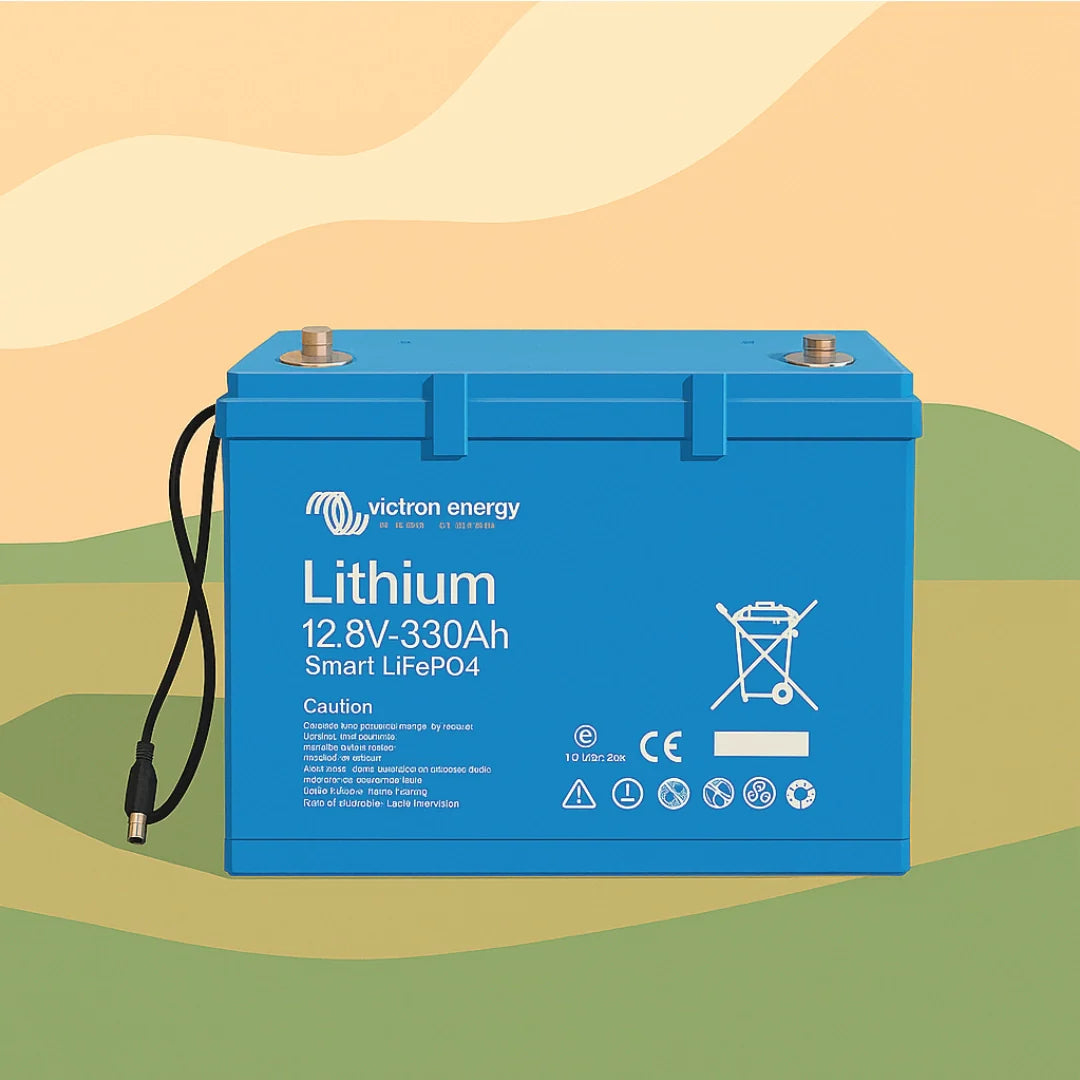
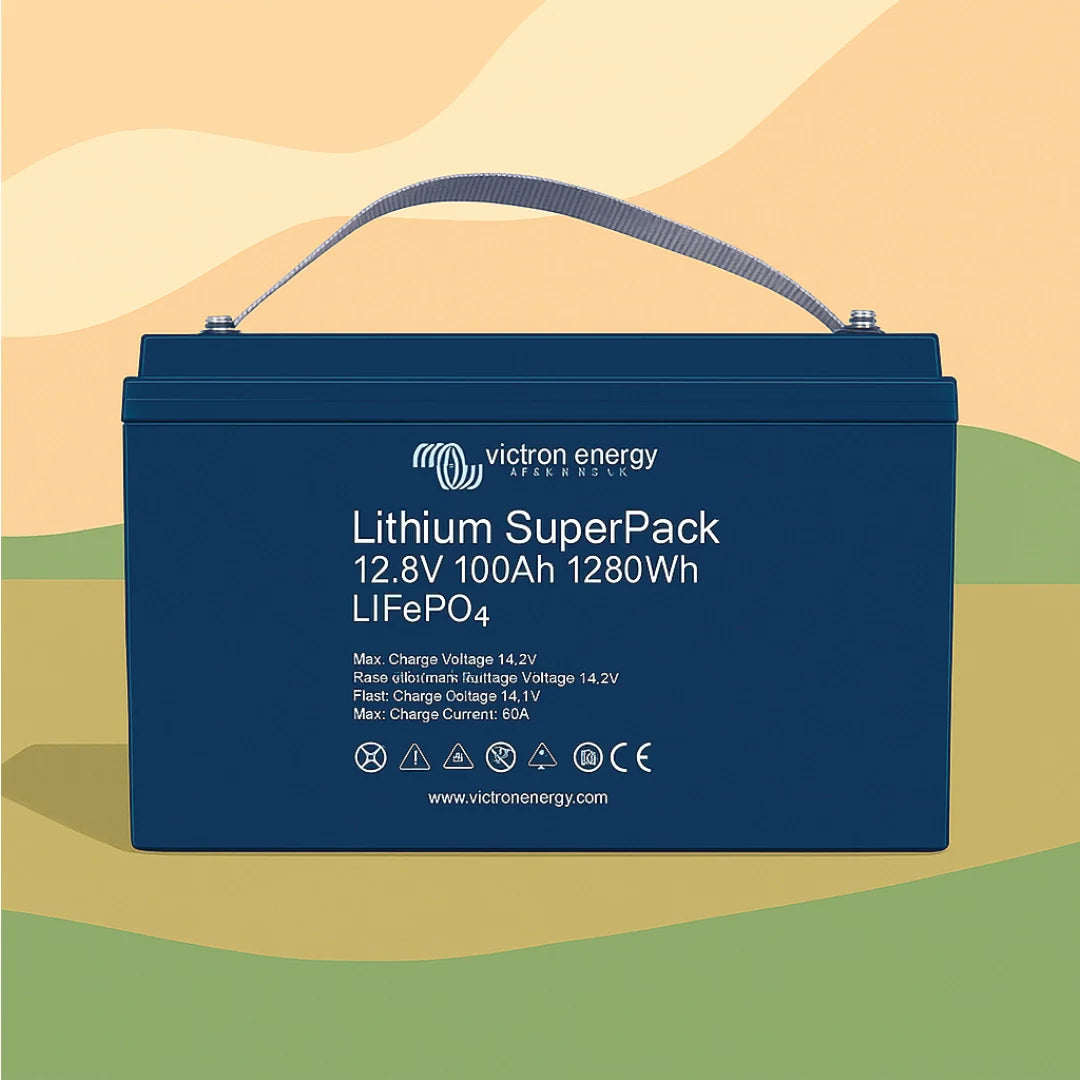
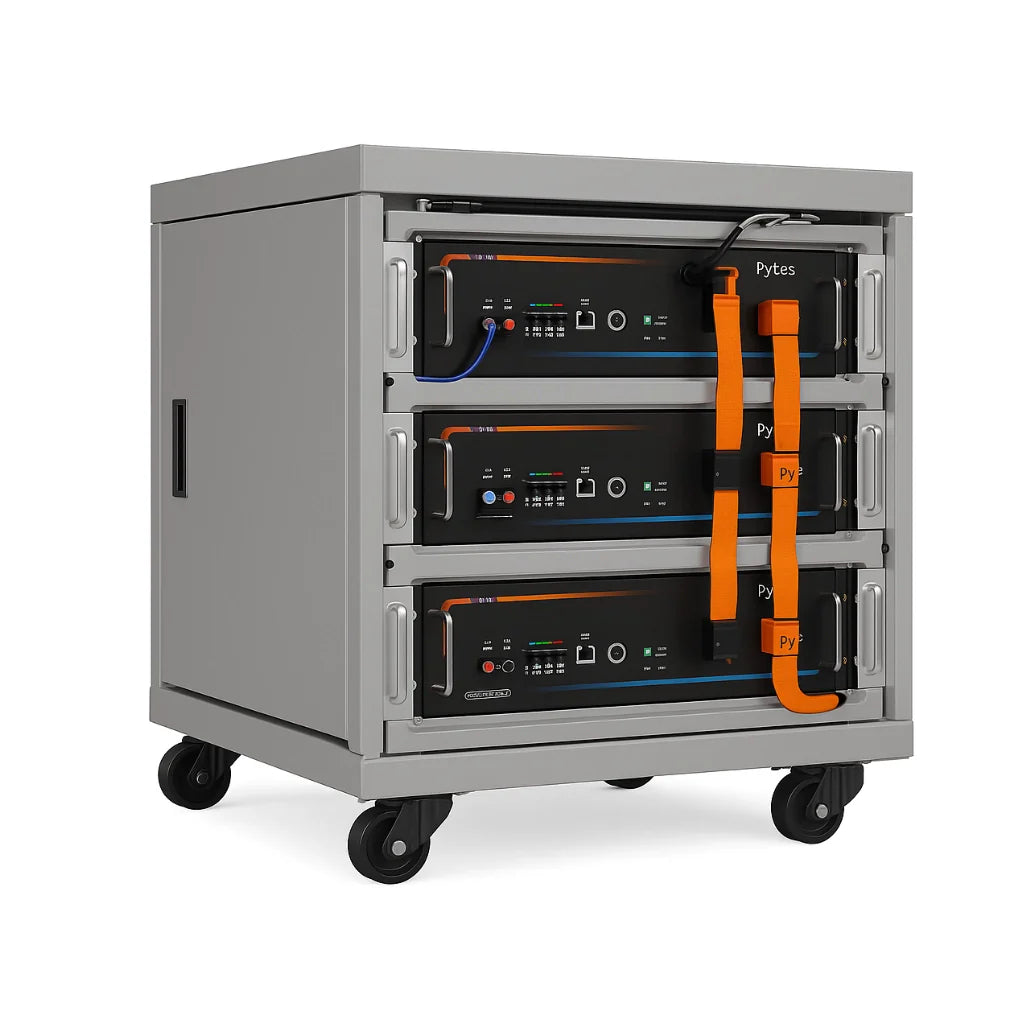
Lithium Iron Phosphate batteries represent a game changing technology for campervan power systems. These robust energy storage solutions offer unparalleled safety and durability compared to traditional battery chemistries.
The standout feature of LiFePO4 batteries is their exceptional chemical stability. Unlike other lithium battery types, these batteries maintain remarkable integrity under diverse operating conditions. Research from recent UK university studies confirms their intrinsic safety profile and extended operational lifecycle.
Chemically, LiFePO4 batteries are engineered with a phosphate based cathode that provides superior thermal and structural stability. This unique composition means they are significantly less prone to thermal runaway scenarios typical in other lithium battery types. What does this mean for campervan owners? Enhanced safety and predictable performance even in challenging environmental conditions.
The longevity of LiFePO4 batteries is another compelling advantage. These power units can typically withstand 2000 to 5000 charge discharge cycles while maintaining over 80% of their original capacity. This translates to potentially 10 years of reliable service in your campervan electrical system.
However, potential users should understand that while highly stable, these batteries are not entirely without risk. Under extreme circumstances, they can still generate toxic off-gas and flammable vapours during catastrophic failure. Proper installation, monitoring, and maintenance remain critical.
Expert tip: Always install LiFePO4 batteries in well ventilated compartments and use battery management systems to monitor performance and prevent potential overcharging scenarios.
2. Lithium Nickel Manganese Cobalt (NMC): High Energy Density
Lithium Nickel Manganese Cobalt batteries represent a pinnacle of portable energy storage technology for campervan enthusiasts seeking maximum power in minimal space. These advanced batteries are engineered to deliver exceptional energy performance where weight and volume constraints are critical.
Advanced battery research reveals that NMC batteries excel through their unique nickel rich cathode composition. By optimising the nickel content, manufacturers can dramatically increase energy density compared to traditional battery chemistries.
The fundamental advantage of NMC batteries lies in their remarkable power to weight ratio. For campervan owners, this translates to more electrical capacity without sacrificing precious cargo space or adding significant mass to the vehicle. These batteries can store substantially more energy in a smaller footprint compared to alternative lithium technologies.
However, potential users must understand the nuanced performance characteristics. While NMC batteries deliver superior energy density, they also present complex thermal management challenges. Their high performance comes with trade offs in structural stability and cycle life, particularly under demanding environmental conditions.
Campervan electrical systems require batteries that can withstand variable temperatures, frequent charge discharge cycles, and unpredictable power demands. NMC batteries perform exceptionally in controlled scenarios but may require additional monitoring and protection systems to ensure consistent long term reliability.
Expert tip: When installing NMC batteries in your campervan, always incorporate a robust battery management system to monitor temperature, prevent overcharging, and maintain optimal performance.
3. Lithium Titanate Oxide (LTO): Ultra-Fast Charging
Lithium Titanate Oxide represents a revolutionary battery technology that transforms charging capabilities for campervan electrical systems. These advanced batteries offer unprecedented charging speeds and remarkable durability that can fundamentally change how we approach portable power storage.
Cutting edge battery research reveals that LTO batteries excel through their unique nano-structured anode design. This innovative architecture enables extraordinarily rapid lithium ion diffusion, allowing for charging rates that dramatically outperform traditional battery technologies.
The standout characteristic of LTO batteries is their exceptional charging speed. While conventional batteries might require hours to reach full capacity, LTO batteries can achieve substantial charge levels in mere minutes. This rapid charging potential is particularly transformative for campervan owners who need quick power replenishment during short stops or between destinations.
Moreover, these batteries demonstrate remarkable structural integrity. Their zero strain properties mean they can withstand thousands of charge discharge cycles with minimal capacity degradation. This translates to an extended operational lifecycle that significantly reduces long term replacement costs for your campervan electrical system.
Campervan enthusiasts will appreciate that LTO batteries maintain consistent performance across diverse temperature ranges. Unlike other lithium chemistries that suffer performance drops in extreme conditions, LTO batteries provide stable power output whether you are traversing alpine regions or desert landscapes.
Expert tip: Consider pairing your LTO battery system with high quality solar charging infrastructure to maximise the benefits of ultra rapid charging capabilities.
4. Lithium Polymer (LiPo): Lightweight Power Solution
Lithium Polymer batteries represent a revolutionary approach to portable power storage for campervan enthusiasts seeking maximum energy efficiency with minimal weight penalty. These sophisticated power units offer unprecedented design flexibility that traditional battery technologies cannot match.
Contemporary battery research reveals that LiPo batteries excel through their unique thin and malleable form factor. Unlike rigid cylindrical or rectangular battery designs, polymer batteries can be manufactured in virtually any shape or size, enabling creative installation options within tight campervan spaces.
The primary advantage of LiPo batteries is their exceptional power to weight ratio. Campervan owners can significantly reduce overall vehicle mass while maintaining robust electrical capacity. These batteries typically weigh 20 to 30 percent less than comparable traditional lithium ion alternatives, which translates directly into improved fuel efficiency and performance.
However, potential users must understand the nuanced performance characteristics. LiPo batteries require meticulous thermal management and careful charging protocols. Their moderate durability under repeated deep discharge cycles means they demand more sophisticated battery management systems compared to other lithium chemistries.
Understanding these batteries means recognising their ideal applications. They shine in scenarios demanding compact, lightweight power solutions where space optimisation is critical. Multimedia systems, portable computing, and specialised electrical equipment benefit tremendously from their unique properties.
Expert tip: Always install LiPo batteries with dedicated battery management systems and avoid exposing them to extreme temperatures to maximise their operational lifespan.
5. Lithium Cobalt Oxide (LCO): Compact Energy Storage
Lithium Cobalt Oxide batteries represent a pinnacle of miniaturised energy storage technology, offering exceptional power density in an incredibly compact format. These sophisticated batteries are engineered to deliver maximum electrical capacity within minimal physical space.
Specialised battery research reveals that LCO batteries excel in applications demanding high energy concentration. Their unique chemical composition enables remarkable energy density that significantly outperforms traditional battery technologies.
Campervan owners can leverage LCO batteries for specific electrical requirements where space is at an absolute premium. These batteries shine brightest in scenarios requiring compact backup power sources or supplementary electrical systems with minimal physical footprint.
The primary advantage of LCO batteries lies in their exceptional power to volume ratio. Weighing substantially less than equivalent capacity alternatives, they provide an elegant solution for mobile electrical infrastructure where every gram and cubic centimetre matters.
However, potential users must understand their nuanced performance characteristics. LCO batteries demand precise thermal management and require sophisticated battery monitoring systems. Their operational window is relatively narrow, with strict temperature and discharge rate tolerances that necessitate careful implementation.
Expert tip: When integrating LCO batteries into your campervan electrical system, always implement a robust battery management system to monitor performance and prevent potential thermal instability.
6. Lithium Manganese Oxide (LMO): Enhanced Safety
Lithium Manganese Oxide batteries emerge as a robust power solution that prioritises safety and reliability for discerning campervan electrical systems. These innovative batteries represent a significant advancement in battery technology with their unique structural characteristics.
Comprehensive battery research reveals that LMO batteries utilise a distinctive spinel structured cathode that provides remarkable thermal stability. This special architecture means the batteries inherently resist overheating and potential thermal runaway scenarios more effectively than many alternative lithium chemistries.
The fundamental advantage of LMO batteries lies in their balanced performance profile. They deliver reasonable energy density while maintaining excellent safety margins an essential consideration for mobile electrical systems where unpredictable environmental conditions are the norm.
Campervan owners will appreciate the fast charge capabilities and stable operational characteristics of LMO batteries. Their moderate cost combined with good cycling performance makes them an attractive option for those seeking a reliable and predictable power storage solution.
While LMO batteries might not offer the absolute highest energy densities available in the lithium battery market, they compensate through their superior safety profile and consistent performance. Their ability to maintain stable electrical output across varying temperatures makes them particularly suitable for off grid and mobile applications.
Expert tip: Consider pairing LMO batteries with a comprehensive battery management system to maximise their inherent safety features and optimise long term performance.
7. Smart Lithium Batteries with Bluetooth Monitoring
Smart lithium batteries represent a quantum leap in portable power technology for modern campervans, offering unprecedented real time insights into electrical system performance. These advanced batteries transform how campervan owners understand and manage their energy infrastructure.
Contemporary battery research reveals that integrated Bluetooth monitoring systems provide comprehensive electrical diagnostics directly to your smartphone or vehicle dashboard. This technology enables instant access to critical battery metrics including temperature, voltage, state of charge, and overall system health.
The fundamental advantage of smart lithium batteries lies in their ability to deliver predictive maintenance capabilities. By continuously monitoring performance parameters, these batteries can alert users to potential issues before they become critical failures. This proactive approach dramatically reduces the risk of unexpected power interruptions during travel.
Campervan owners gain unprecedented visibility into their electrical systems. Imagine receiving instant notifications about battery temperature, charging efficiency, and potential degradation all through a user friendly mobile application. These smart batteries effectively transform complex electrical data into accessible, actionable insights.
Moreover, the wireless monitoring feature eliminates the need for manual checking and complex measurement equipment. Your battery’s entire performance history becomes accessible with a simple smartphone tap, providing peace of mind and enhanced system management.
Expert tip: Always ensure your smart battery monitoring application is updated and configure personalised alerts to maximise your battery system’s longevity and performance.
Below is a comprehensive table summarising the distinct lithium battery types and their key attributes, as discussed in the article.
| Battery Type | Features | Advantages | Considerations |
|---|---|---|---|
| Lithium Iron Phosphate | Chemically stable with a phosphate-based cathode; 2000–5000 charge cycles. | Exceptional safety and durability; long lifespan; minimal thermal runaway risk. | Proper installation and monitoring recommended to mitigate rare failure scenarios. |
| Lithium Nickel Manganese Cobalt | Nickel-rich cathode composition providing high energy density; efficient power-to-weight ratio. | High energy capacity in a compact space; suitable for limited-space applications. | Complex thermal management required to prevent performance degradation. |
| Lithium Titanate Oxide | Nano-structured anode for rapid ion diffusion; resilient against capacity loss. | Extremely fast charging; consistent performance under diverse temperatures; extensive durability. | High initial cost compared to other types. |
| Lithium Polymer | Thin, flexible design enabling varied shapes; lightweight construction. | Excellent for space and weight savings; versatile installation options. | Requires meticulous thermal and charge management. |
| Lithium Cobalt Oxide | Compact with a cobalt cathode offering remarkable energy density. | Compact power source optimal for limited-space applications. | Precise thermal management needed to ensure safety and performance. |
| Lithium Manganese Oxide | Spinel-structured cathode providing excellent thermal stability. | Balanced performance with enhanced safety; resistant to overheating. | Moderately lower energy density compared to other lithium chemistries. |
| Smart Lithium Batteries | Integrated Bluetooth monitoring for real-time insights. | Provides predictive maintenance; user-friendly data access via mobile applications. | Updates and configurations needed for optimal utility. |
Discover the Perfect Lithium Battery Solution for Your Campervan Power Needs
Choosing the right lithium battery can be overwhelming with options like Lithium Iron Phosphate, Lithium Nickel Manganese Cobalt, and smart lithium batteries offering advanced Bluetooth monitoring. You want a system that delivers safety, durability, rapid charging, and real-time performance insights tailored to the unique demands of campervan living. At Skyenergi, we understand these challenges and focus on providing high-quality, well-engineered lithium battery systems that combine reliability with intelligent battery management to keep your journeys powered and worry-free.
Explore our comprehensive range of lithium batteries and off-grid power solutions designed for campervans and motorhomes. Whether you prioritise extended cycle life, lightweight design, or cutting-edge smart monitoring, Skyenergi offers products that integrate seamlessly into your setup to maximise energy independence. Don’t settle for compromises when it comes to your power source. Visit Skyenergi today and take the first step towards a safer, smarter, and more efficient campervan electrical system.
Frequently Asked Questions
What are the main benefits of using Lithium Iron Phosphate (LiFePO4) batteries in campervans?
Lithium Iron Phosphate batteries offer exceptional safety and durability for campervan power systems. To maximise their advantages, always install them in well-ventilated compartments and use a battery management system to monitor performance
How do Lithium Nickel Manganese Cobalt (NMC) batteries perform in diverse temperatures?
NMC batteries excel in controlled scenarios but require additional monitoring in extreme temperatures. Ensure you incorporate a robust battery management system to maintain optimal performance under variable conditions.
Can Lithium Titanate Oxide (LTO) batteries really charge in just a few minutes?
Yes, LTO batteries are known for their exceptionally rapid charging capabilities, achieving significant charge levels in mere minutes. To fully benefit, consider pairing them with high-quality solar charging infrastructure for enhanced efficiency.
What should I consider when installing Lithium Polymer (LiPo) batteries in my campervan?
LiPo batteries require careful thermal management and sophisticated charging protocols due to their moderate durability. Always implement a dedicated battery management system to extend their lifespan and ensure safe operation.
Are Lithium Cobalt Oxide (LCO) batteries suitable for backup power solutions in campervans?
Yes, LCO batteries are ideal for compact backup power sources due to their excellent power-to-volume ratio. When integrating them, ensure a robust battery management system is in place to monitor performance and stability.
How does Bluetooth monitoring enhance the performance of smart lithium batteries?
Bluetooth monitoring provides real-time insights into battery metrics, helping you manage your energy infrastructure effectively. Set up personalised alerts through your battery monitoring application to track performance and prevent issues.
Recommended
- Lithium vs AGM — What’s Best for Campervans? – Skyenergi
- Advantages and Disadvantage of Lithium Batteries – Skyenergi
- What Is a Lithium Leisure Battery and Why It Matters – Skyenergi
- The Advantages and Disadvantages of Van Life – Skyenergi
- 7 anschauliche Beispiele für Autobatterien erklärt - accu.blog
Prev post

Step by Step Lithium Battery Upgrade for UK Campervans
Updated on 28 December 2025
Next post

What Is Solar Charging? Achieving Off-Grid Freedom
Updated on 25 December 2025


