


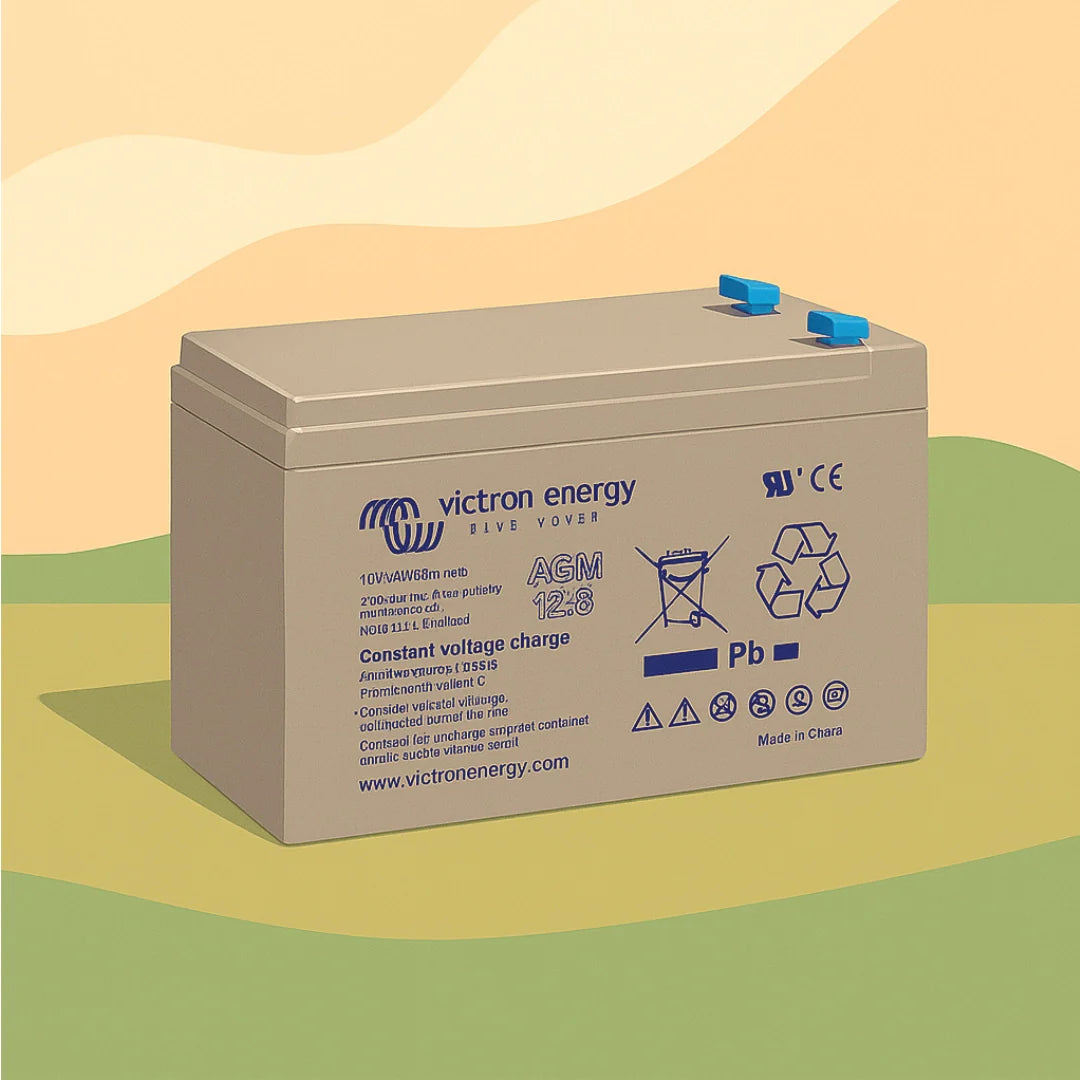
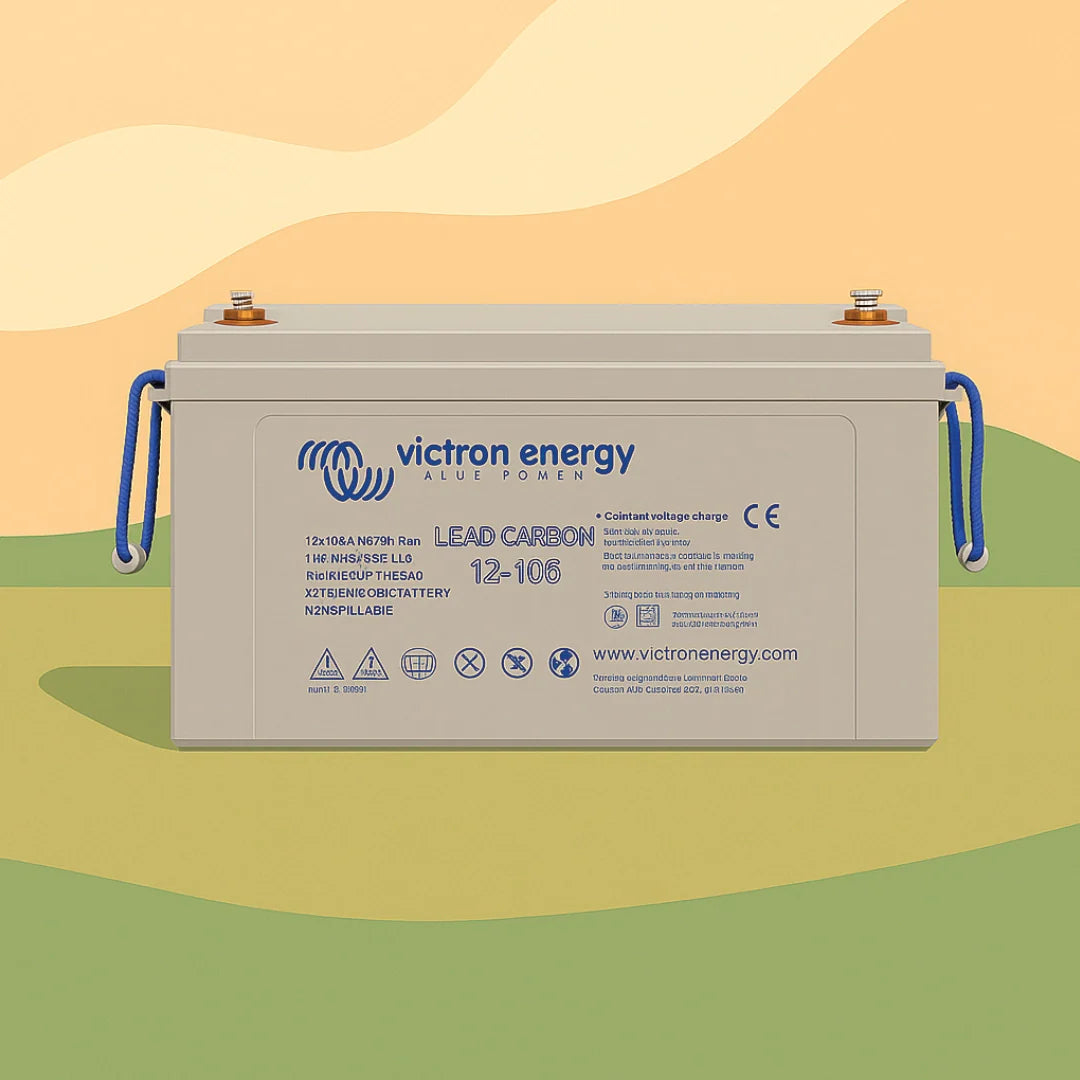
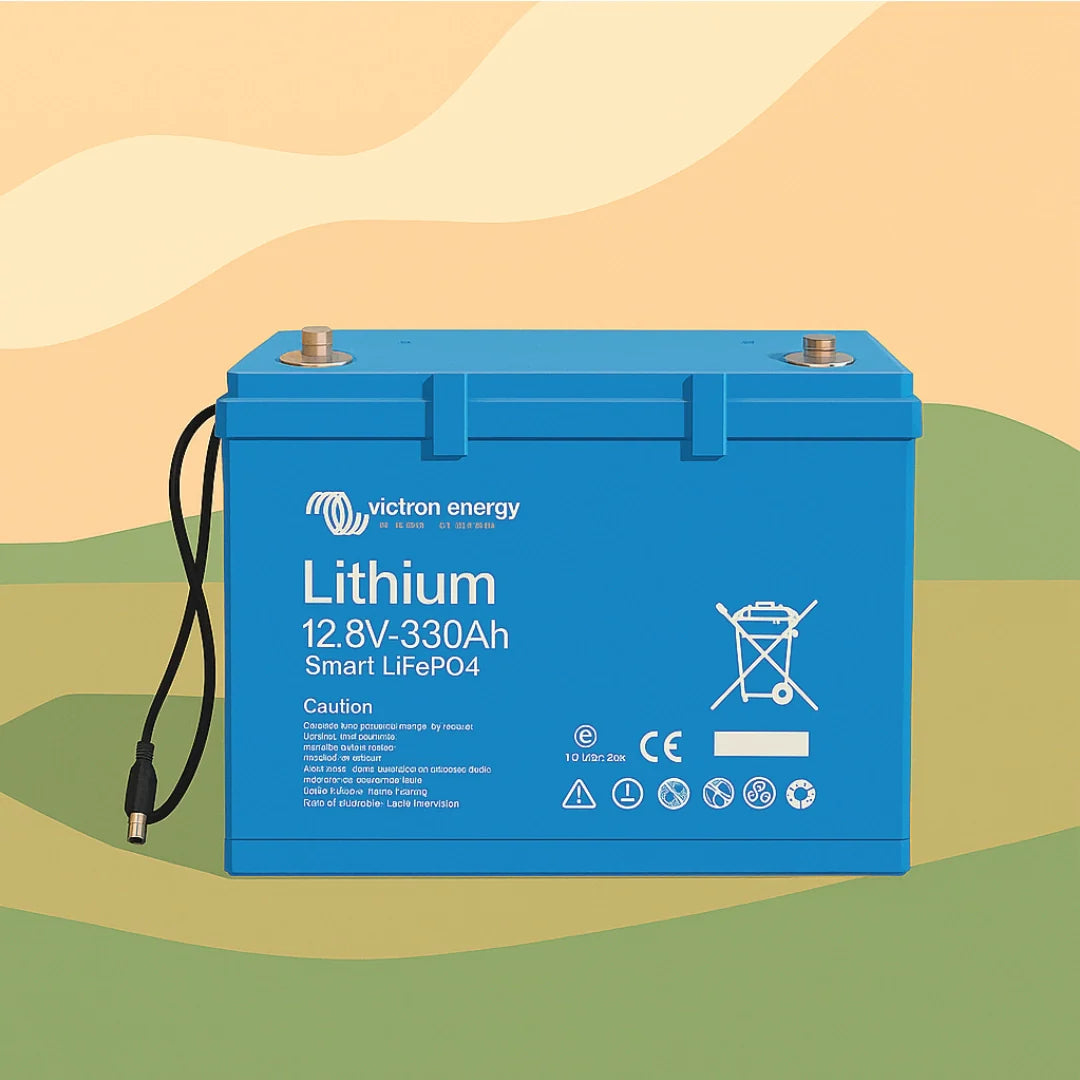
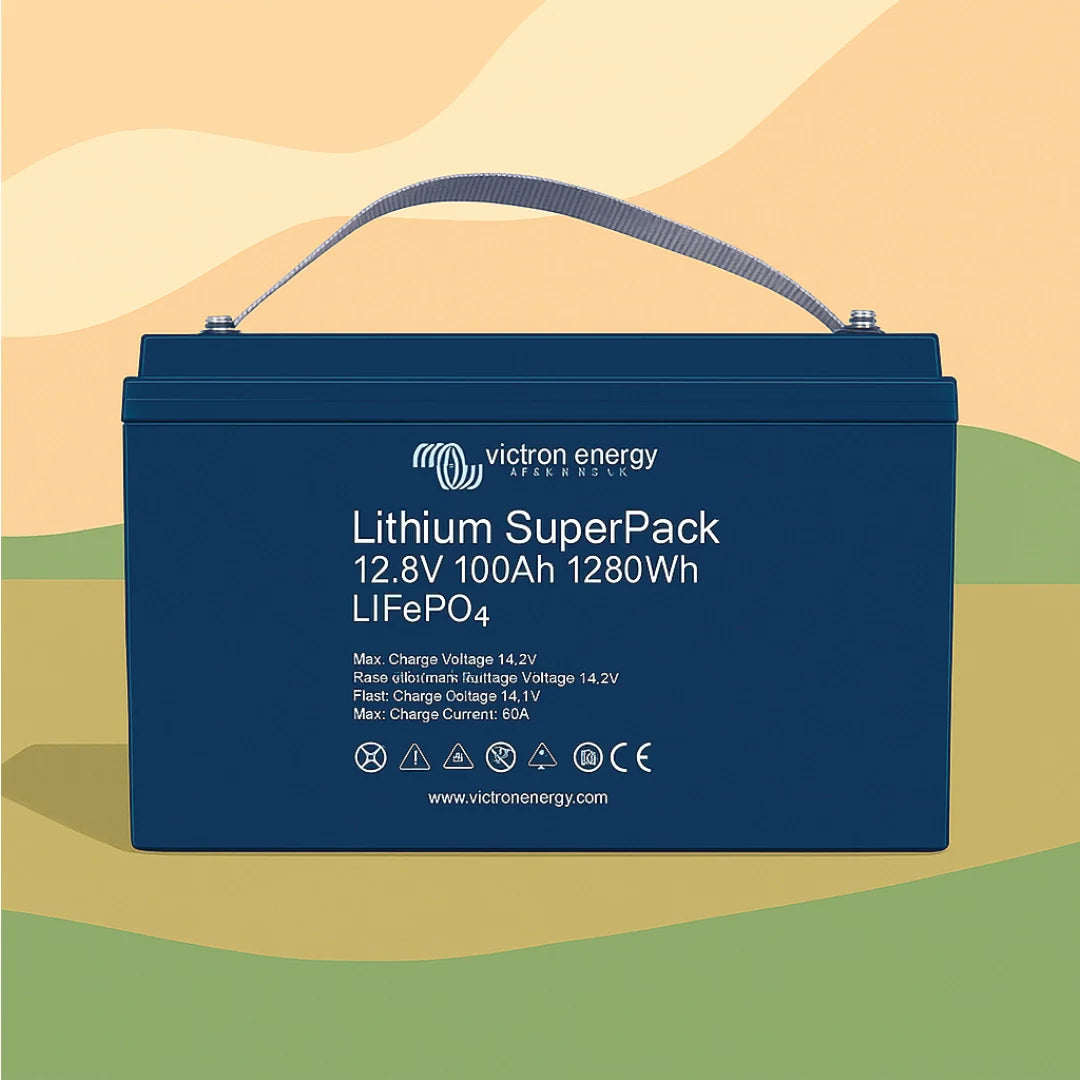



Why lithium batteries matter for UK leisure vehicles
Discover why lithium batteries matter for UK leisure vehicles. Learn about their benefits in runtime, weight, and cost savings compared to lead-acid.
TL;DR:
- Lithium iron phosphate batteries offer significant improvements in weight, charging speed, and cycle life compared to lead-acid batteries. They provide more usable capacity and longer lifespan, making them ideal for off-grid and weight-sensitive touring. Successful adoption requires system upgrades, including compatible chargers and proper system integration for optimal performance.
Most leisure vehicle owners assume all batteries perform roughly the same. Swap out one lead-acid block for another, and you’re back on the road. That assumption, however practical it sounds, costs people real power, real weight, and real money over time. Lithium iron phosphate (LiFePO4) technology delivers measurable gains in runtime, cycle life, and charging speed that lead-acid simply cannot match. This article walks through exactly what those differences look like, when lithium makes financial sense, and what most upgrade guides fail to mention before you spend a penny.
Table of Contents
- What sets lithium batteries apart for leisure vehicles
- Performance and discharge behaviour: Real-world results
- Safety, standards, and system integration for lithium
- When is lithium the right fit for your off-grid needs?
- A fresh perspective: What most guides overlook about lithium adoption
- Next steps: Products and resources for your lithium upgrade
- Frequently asked questions
Key Takeaways
| Point | Details |
|---|---|
| Superior longevity | Lithium batteries deliver up to ten times more charge cycles than lead-acid, offering year-over-year reliability. |
| Steadier runtime | Lithium batteries maintain a stable voltage and support longer, more usable discharge periods for off-grid power. |
| Safety is system-driven | Correct installation, chargers, and BMS integration are essential for safe and optimal lithium battery use. |
| Match battery to usage | The value of lithium is greatest for frequent off-grid touring; electric hook-up users may not benefit as much. |
| Upgrade costs matter | Factor in charger and hardware upgrade costs before making the switch to lithium batteries. |
What sets lithium batteries apart for leisure vehicles
The role of lithium batteries in modern campervans and motorhomes has shifted from niche upgrade to practical standard for serious off-grid users. Understanding why starts with the core technical differences.
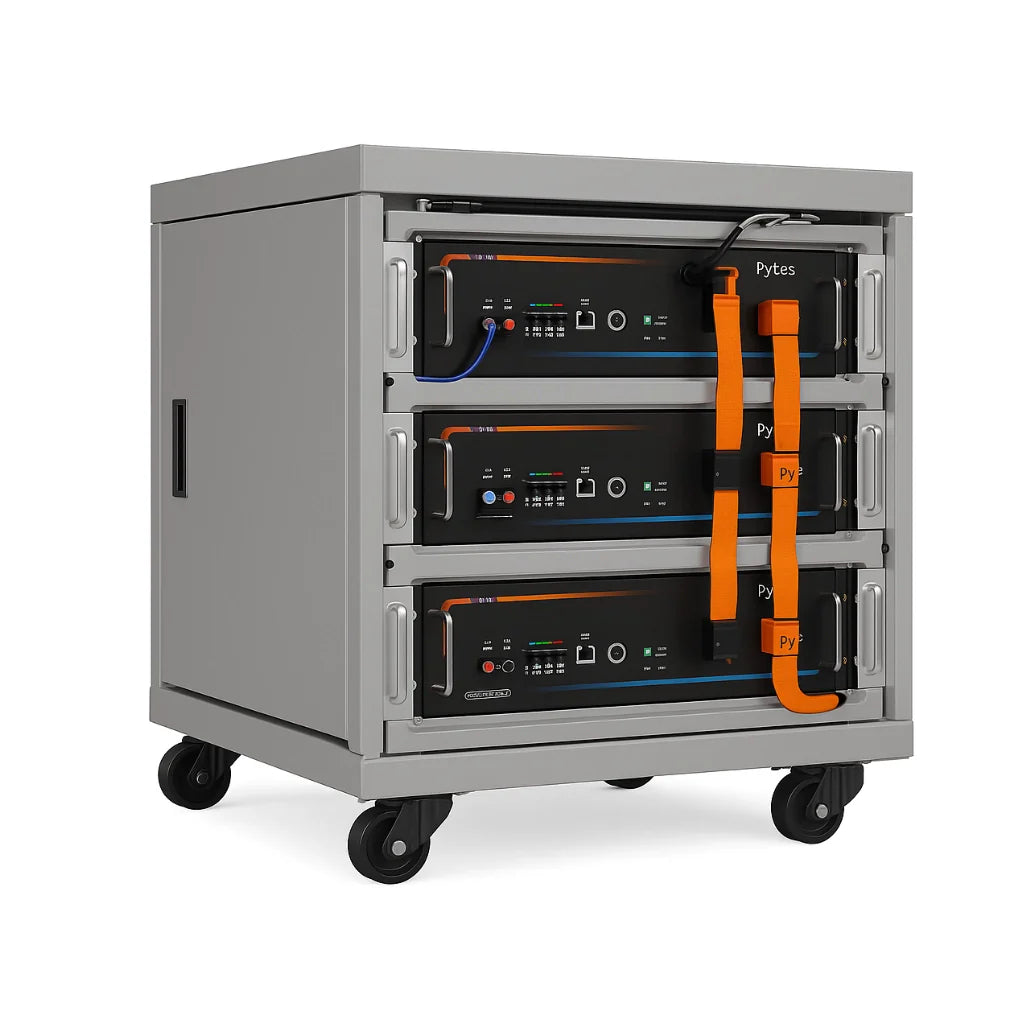
Weight is the first thing most owners notice. A typical 100Ah lithium battery weighs around 12 to 15 kg, compared to 25 to 30 kg for an equivalent lead-acid unit. For motorhome owners managing payload limits or campervan builders fitting batteries under seats or in overhead lockers, this difference is immediately useful. Lighter batteries also reduce strain on mounting structures and make installation far more manageable.
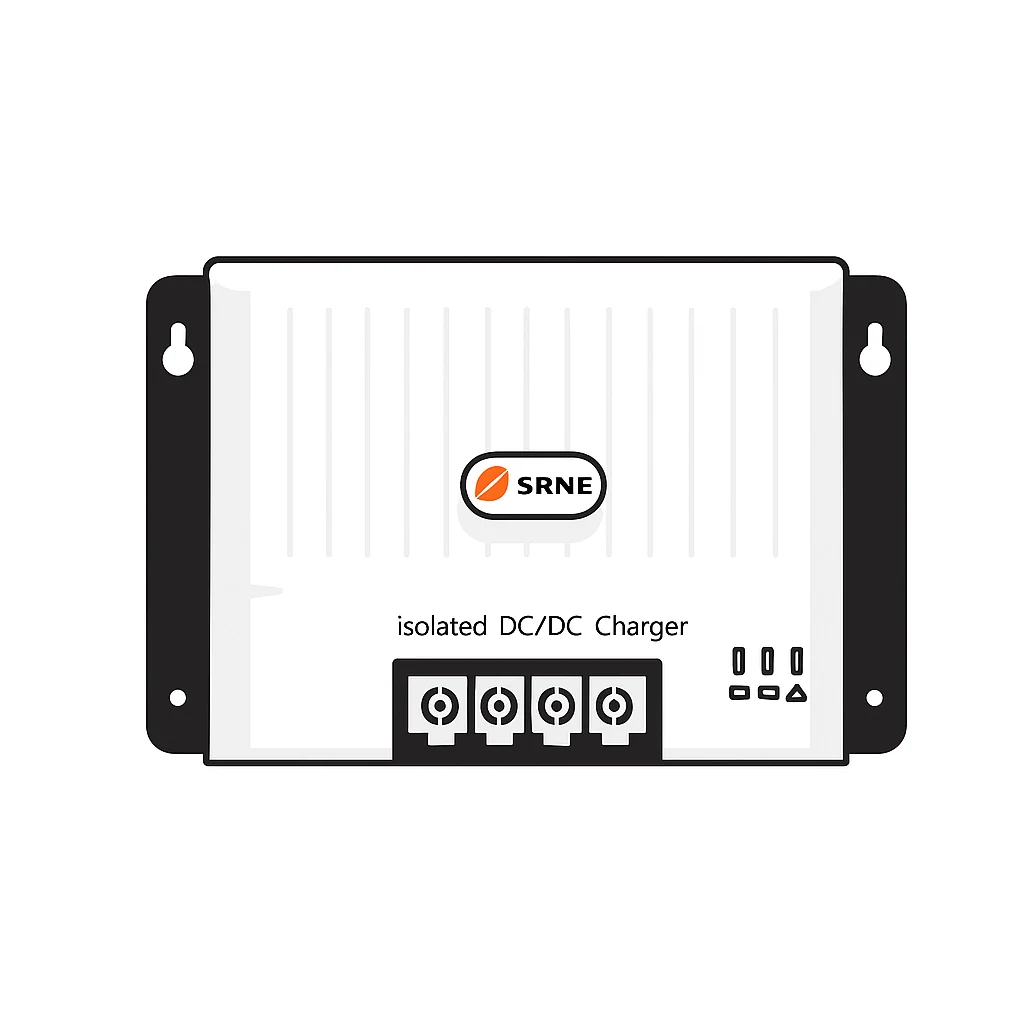
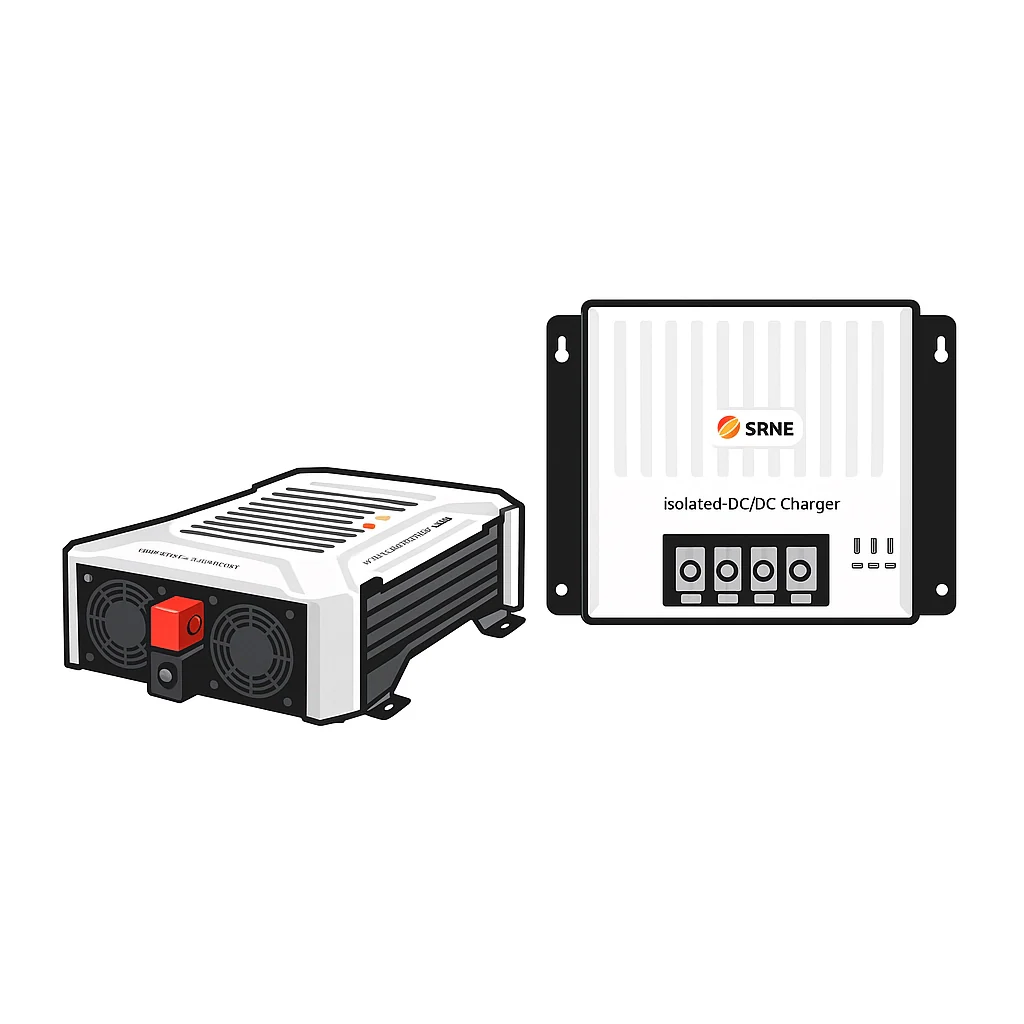
Charging speed is the second major advantage. Lithium batteries accept charge at a much higher rate, meaning a 100Ah lithium pack can often be fully charged in two to three hours from a quality DC/DC converter or MPPT solar controller, compared to six to eight hours for a lead-acid equivalent. For touring without hookup, this matters enormously. A short drive or a few hours of decent sunlight can restore meaningful capacity quickly.
Cycle life is where the numbers become genuinely striking. Lithium leisure batteries are significantly lighter, charge faster, and can last over ten times as long versus lead-acid leisure batteries. A quality LiFePO4 battery rated for 2,000 to 3,000 cycles will outlast three to five replacement lead-acid batteries, shifting the value equation considerably over a five to ten year ownership period.
The best lithium batteries comparison for UK leisure vehicles consistently highlights another factor: usable capacity. Lead-acid batteries should not be discharged below 50% state of charge without accelerating degradation. Lithium batteries can be safely discharged to 80 or even 90% depth of discharge (DoD), meaning a 100Ah lithium battery delivers nearly double the usable power of a 100Ah lead-acid unit in practice.
It is worth noting that these advantages extend beyond leisure vehicles. Similar gains in longer battery life are well-documented across lithium applications in general, reinforcing that the chemistry itself is fundamentally superior for cyclic, partial-discharge use.
Lithium vs lead-acid: key comparison
| Feature | Lithium (LiFePO4) | Lead-acid (AGM/GEL) |
|---|---|---|
| Weight (100Ah) | 12 to 15 kg | 25 to 30 kg |
| Usable capacity | 80 to 95% DoD | 40 to 50% DoD |
| Charge cycles | 2,000 to 6,000+ | 300 to 500 |
| Charge time | 2 to 3 hours | 6 to 10 hours |
| Self-discharge rate | Very low (<3% per month) | Moderate (5 to 15% per month) |
| BMS protection | Built-in | Not standard |
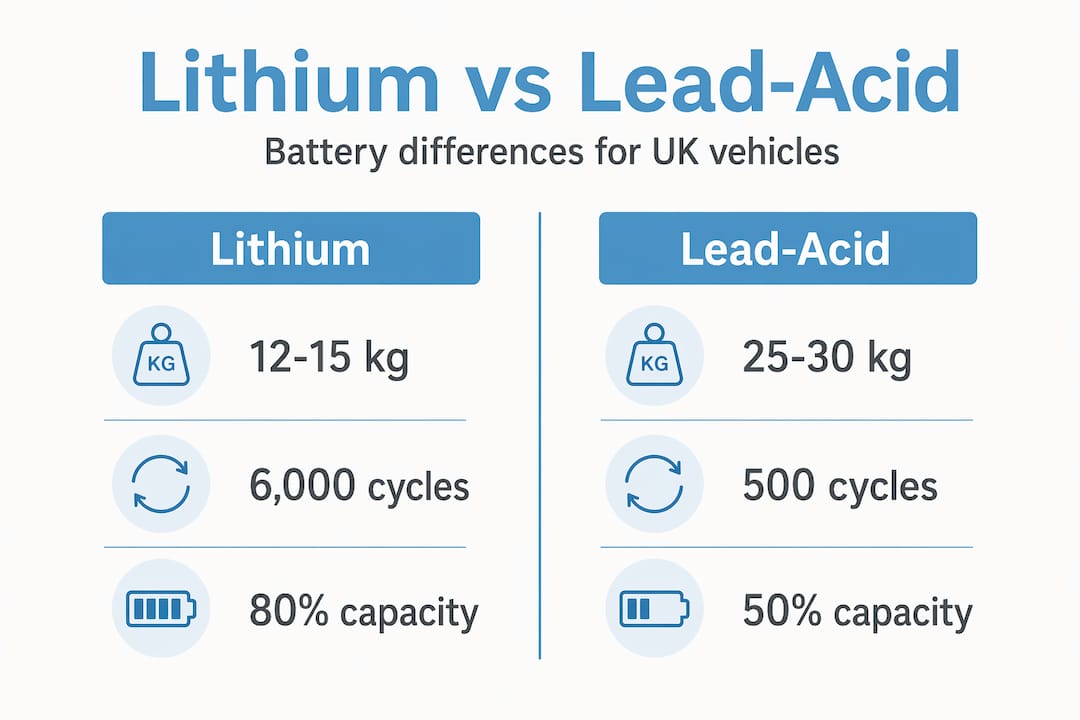
These figures make clear that the performance gap is not marginal. For anyone planning extended off-grid touring, the difference in usable power alone justifies closer investigation.
Performance and discharge behaviour: Real-world results
Having covered headline advantages, let’s focus on how this translates into real-world usability for off-grid journeys.

One of the most practically important differences between lithium and lead-acid lies in how voltage behaves during discharge. Lead-acid batteries drop voltage relatively early in the discharge curve, which causes inverters, refrigerators, and lighting systems to dim or shut off well before the battery is technically empty. This phenomenon is not a fault; it is simply how the chemistry behaves.
Lithium batteries behave very differently. As confirmed by year-long real-world testing, lithium remains high until around 90% depth of discharge before voltage drops quickly, while lead-acid drops away around 50% DoD. In practical terms, your 12V fridge, your LED lighting, your USB charging points, and your inverter all continue operating at full efficiency for far longer per charge cycle.
The usable lithium power guide for campervans reinforces this point with real energy budgeting examples. A motorhome drawing 30Ah per day from a 100Ah lithium battery will run for approximately three days before needing a charge. The same usage from a 100Ah lead-acid battery effectively delivers only 40 to 50Ah usably, cutting that runtime to under two days.
Cycle life and longevity data are equally compelling. Real-world testing shows up to 6,000 charge cycles at 50% DoD, representing four times the lifespan of lead-acid in comparable conditions. Spread over a typical leisure vehicle ownership period of eight to twelve years, this means a single quality lithium battery outlasts the vehicle itself in many cases.
“After twelve months of full-time use in a motorhome, the lithium battery maintained consistent voltage throughout every discharge cycle. We saw no measurable capacity loss, no sluggish morning starts, and no unexpected shutdowns during high-draw appliance use. Lead-acid simply does not compare once you’ve experienced lithium’s flat discharge curve.”
The AGM vs lithium reliability data for UK conditions further confirms that in cold weather, a scenario every UK leisure owner faces, AGM batteries lose a significant portion of usable capacity. Lithium LiFePO4 chemistry performs more predictably across a wider temperature range, though very low temperatures below 0°C do require careful management to avoid charging damage.
Discharge performance comparison
| Discharge depth | Lead-acid voltage (12V) | Lithium voltage (12V) |
|---|---|---|
| 20% DoD | 12.5V | 13.2V |
| 50% DoD | 11.9V | 13.1V |
| 80% DoD | 11.3V (damaging) | 12.9V |
| 90% DoD | Not recommended | 12.5V (still usable) |
The voltage stability shown above explains why lithium-powered systems feel more responsive and reliable in day-to-day use.
Safety, standards, and system integration for lithium
Beyond performance, robust safety and reliability are key considerations with lithium, so what matters when selecting and installing these batteries?
Lithium batteries require a properly designed Battery Management System (BMS) to operate safely. The BMS monitors individual cell voltages, controls charge and discharge rates, manages temperature thresholds, and prevents conditions such as over-charging, over-discharging, and short circuits. Without a functional BMS, lithium cells are vulnerable to thermal runaway, an exothermic chain reaction that can cause fire or explosion. Every quality lithium leisure battery should have an integrated BMS as standard.
IEC 62619 compliance sets the benchmark for safety in industrial and secondary lithium battery applications. The standard requires tests for safe operation of secondary lithium cells and batteries, covering electrical safety, thermal management, and mechanical durability. It references stricter requirements around BMS integration and thermal-runaway prevention. When selecting a lithium leisure battery, confirming IEC 62619 compliance is a baseline safety step, not an optional extra.
A sound approach to safe lithium installation in a campervan or motorhome includes the following practical steps:
- Verify BMS specifications. Confirm the BMS supports your maximum charge and discharge current. A 100Ah battery with a 50A BMS will trip under high-draw inverter loads.
- Check charger compatibility. Most lead-acid chargers are not suitable for lithium. Lithium requires a dedicated lithium charging profile, typically with a constant current/constant voltage (CC/CV) algorithm.
- Inspect existing wiring. Lithium batteries can deliver current faster than lead-acid. Existing wiring rated for slower discharge rates may be undersized for lithium loads.
- Confirm fusing and isolation. Fit appropriately rated fuses and a battery isolation switch to protect both the battery and the vehicle wiring.
- Review ventilation requirements. LiFePO4 batteries produce no hydrogen gas during normal operation, unlike flooded lead-acid, so ventilation requirements differ, but thermal management space should still be considered.
Pro Tip: Always request the battery’s BMS datasheet before purchasing. Cross-reference the maximum charge current with your solar MPPT controller and DC/DC converter output to ensure the system is matched correctly. Mismatched charge rates are a common cause of premature BMS trips and unnecessary downtime.
When is lithium the right fit for your off-grid needs?
So, when should UK leisure owners and renewable enthusiasts actually make the move to lithium? Here’s a practical guide.
The answer is not automatic. Lithium is the right choice in specific circumstances, and being clear about those circumstances avoids unnecessary expenditure. As noted in a detailed touring cost analysis, it will come down to how you tour. For users mainly on sites with electric hook-up and not running inverters for long periods, sticking with standard batteries may be worth saving money.
That guidance is honest and worth taking seriously. If your touring pattern involves predominantly site-based camping with full electric hookup, your batteries rarely discharge deeply, and a standard AGM battery may be perfectly adequate.
Lithium delivers the greatest return in the following scenarios:
- Frequent wild camping or off-grid touring. Deep, repeated daily cycling is where lithium’s cycle life advantage is most valuable.
- High electrical demands. Running a compressor fridge, induction hob, or inverter for extended periods requires substantial usable capacity, which lithium provides more efficiently.
- Solar-dependent systems. Lithium batteries accept solar charge faster and more efficiently, maximising the output of an MPPT solar controller on short winter days.
- Weight-sensitive builds. Campervans on smaller base vehicles, such as Ford Transit Custom or VW Transporter conversions, benefit significantly from the weight saving.
- Long ownership periods. If you plan to keep your vehicle for eight or more years, the cycle life advantage of lithium translates into a genuine cost saving over multiple lead-acid replacements.
Pro Tip: Before budgeting for lithium, factor in charger upgrades. A compatible lithium charger, a lithium setup guide compatible DC/DC converter, and potentially a new MPPT solar controller can add £150 to £400 to the overall project cost. This is manageable, but overlooking it leads to frustration. The step by step battery upgrade process covers this in detail and is worth reviewing before purchasing any hardware.
Short-term casual users will likely find the maths does not work in lithium’s favour. That is not a failure of the technology; it simply reflects the reality that the advantages compound over time and usage intensity.
A fresh perspective: What most guides overlook about lithium adoption
Most guides focus on the battery itself. The comparison tables, the cycle life numbers, the weight savings, all useful, all accurate. What they routinely skip is what happens after you buy the battery.
The types of lithium batteries available for campervans vary considerably in BMS quality, cell chemistry, and communication capability. But even a perfectly chosen battery will underperform if the surrounding system is not upgraded to match. This is the part that catches most first-time adopters off guard.
Consider this: a leisure vehicle fitted with a standard 10A mains charger and a basic split-charge relay will charge a 100Ah lithium battery at a trickle relative to its actual capability. You will get the voltage stability and the extended cycle life, but you will charge slowly, and you may trigger BMS protection events if the charger profile is incompatible.
“You may need to upgrade the leisure charging system, affecting total cost and practical payoff.”
This is the point that transforms a straightforward battery swap into a system upgrade project. And that framing, system upgrade rather than battery swap, is actually the correct way to approach lithium adoption. Treat it as an opportunity to properly engineer your vehicle’s electrical system: right-sized MPPT controller, lithium-compatible mains charger, quality DC/DC converter rated for your alternator’s capability, and properly fused, correctly gauged wiring throughout.
The owners who report the best outcomes from lithium transitions are overwhelmingly those who approached it systematically. They planned the full system, budgeted for all components, and commissioned everything together. Those who swapped only the battery and hoped the existing infrastructure would cope often encountered problems that eroded confidence in the technology unfairly.
Lithium batteries are genuinely superior for off-grid leisure use. The technology is proven, the safety standards are established, and the performance data is consistent. The adoption experience, however, depends entirely on the quality of the system built around them.
Next steps: Products and resources for your lithium upgrade
If you’re ready to put these insights into practice, here’s where to find tested lithium solutions and practical support.
Skyenergi supplies a full range of lithium battery systems, solar charging components, and off-grid power solutions designed specifically for UK leisure vehicles and renewable energy installations. Products are sourced directly from manufacturers, ensuring competitive pricing without compromising on quality or reliability.
For solar-dependent systems, the Victron solar and MPPT charge controller bundle provides a well-matched, high-efficiency solution compatible with lithium battery banks. For owners planning a complete off-grid electrical system, the solar electrics system with 3kVA inverter charger delivers a turnkey package covering solar input, battery charging, inverter output, and system monitoring. Both options are designed for straightforward integration and long-term reliability on the road.
Frequently asked questions
How much longer do lithium leisure batteries last compared to lead-acid?
Lithium batteries last over ten times longer in charge cycles than lead-acid, with real-world tests confirming up to 6,000 cycles at 50% depth of discharge under normal touring conditions.
Do I need to upgrade my charging equipment for lithium batteries?
Yes. Most leisure vehicle owners will need lithium-compatible chargers, as standard lead-acid charging profiles can cause BMS protection events or prevent full charging. The potential need to upgrade charging equipment is a practical cost that must be factored into the overall upgrade budget.
Is it safe to use lithium batteries in a campervan or caravan?
Lithium batteries are safe when IEC 62619 safety standards are met and battery management systems are correctly integrated to provide thermal and electrical protection during all operating conditions.
When is it not worth upgrading to lithium for my leisure vehicle?
If you mostly use campsites with electric hook-ups and rarely draw deeply from your batteries, sticking with standard batteries may represent better value, as the cycle life advantages of lithium will not be fully realised in low-demand touring patterns.
Recommended
Prev post

Why install lithium in motorhomes: Key benefits explained
Updated on 14 May 2026
Next post

BMS in campervans: your guide to energy independence
Updated on 12 May 2026


