


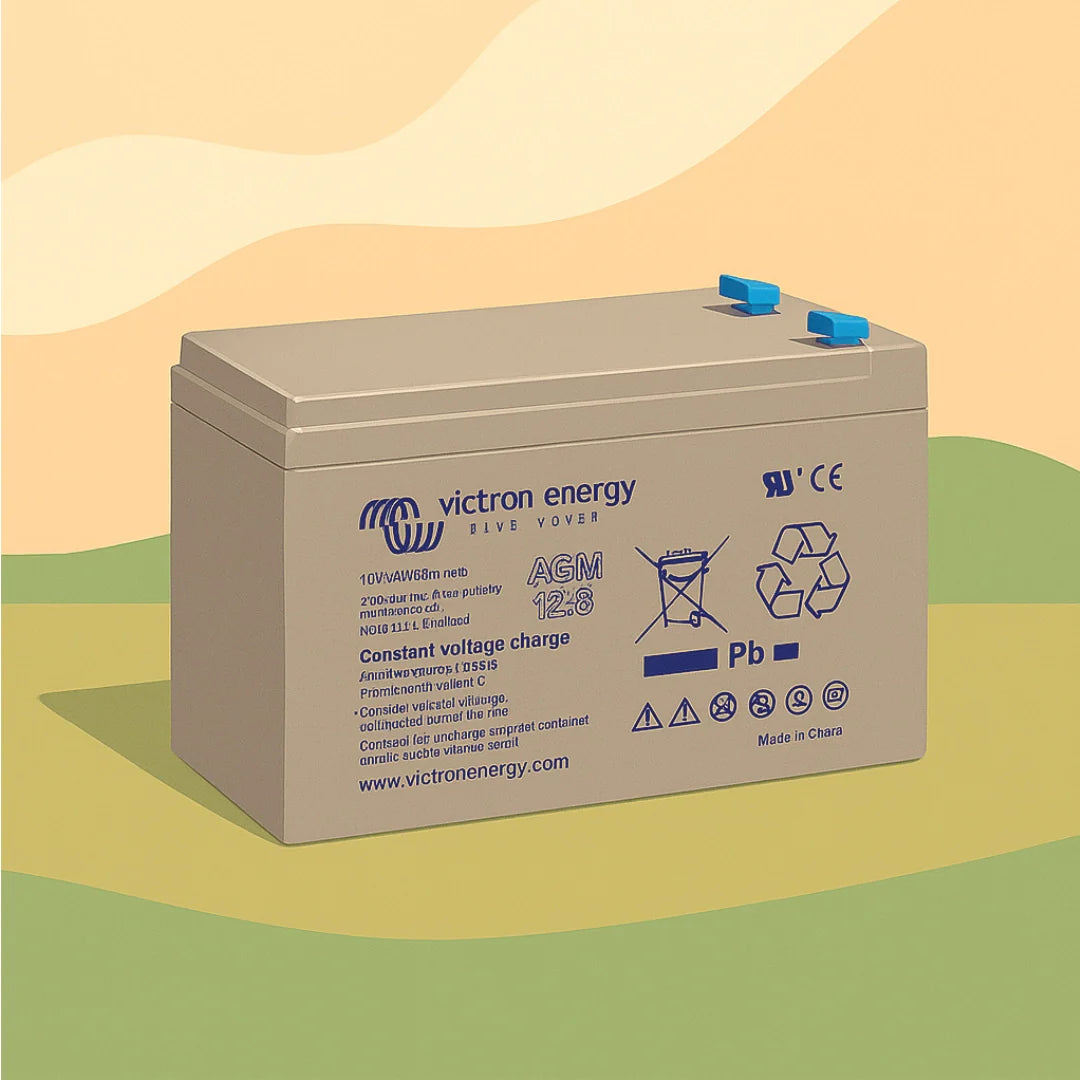
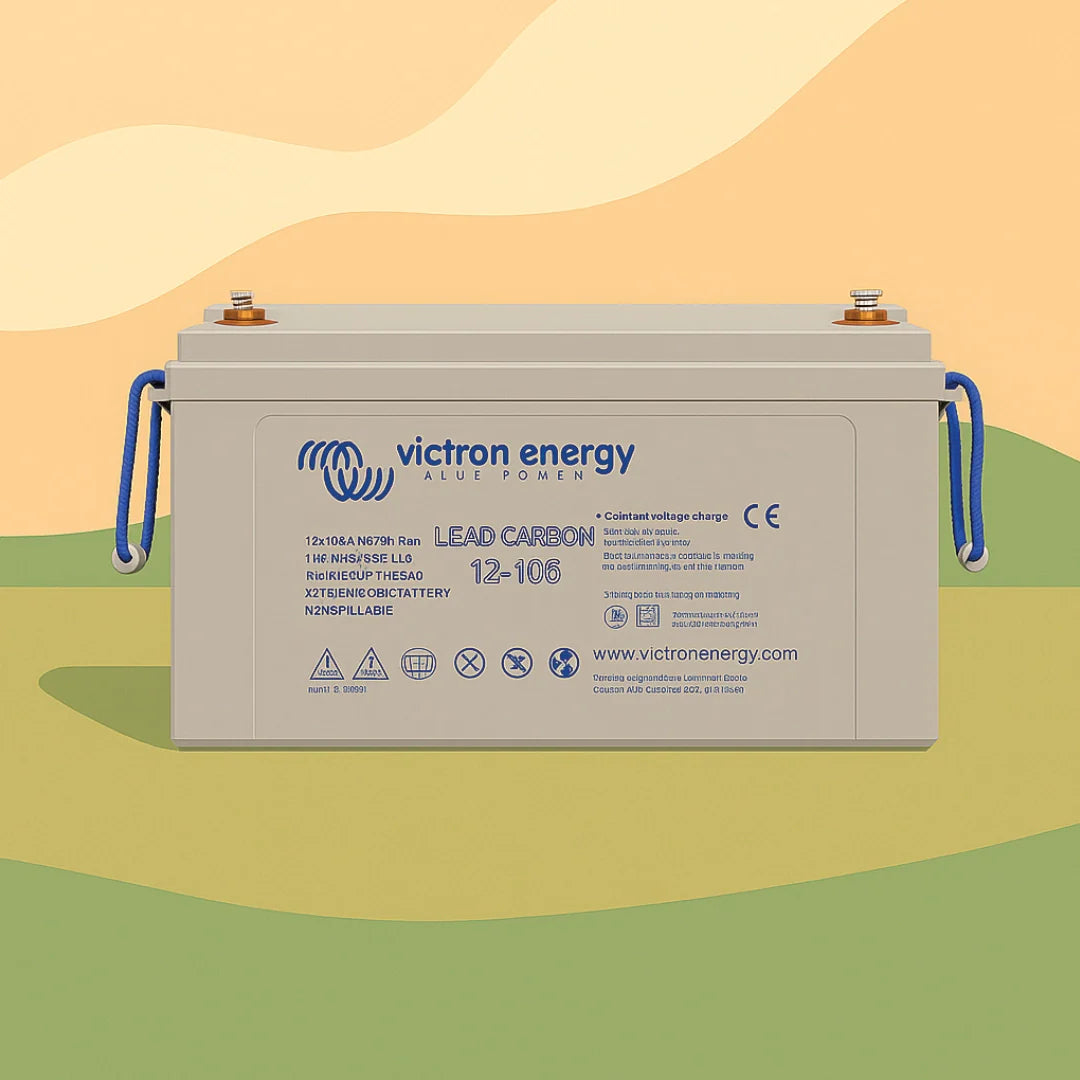
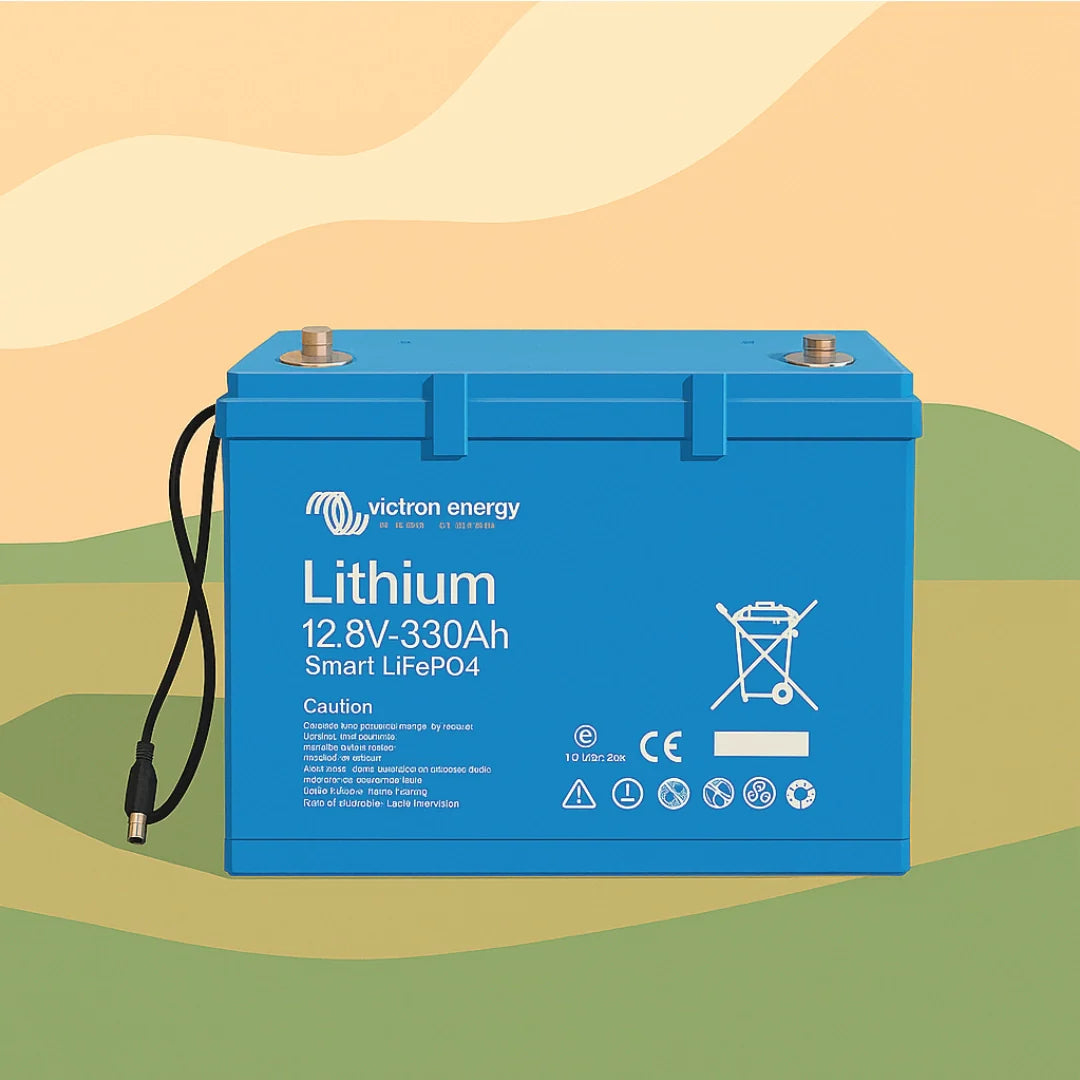
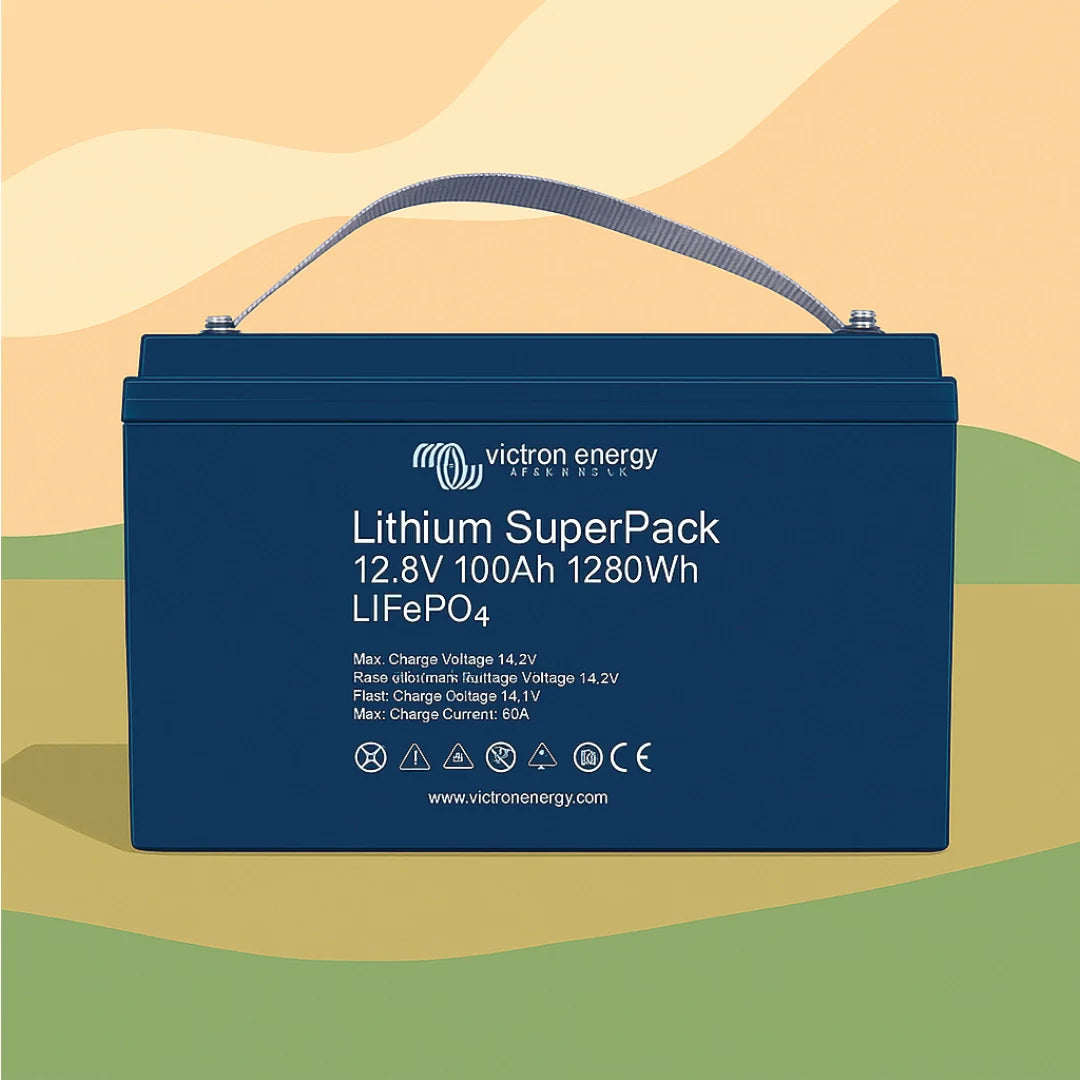
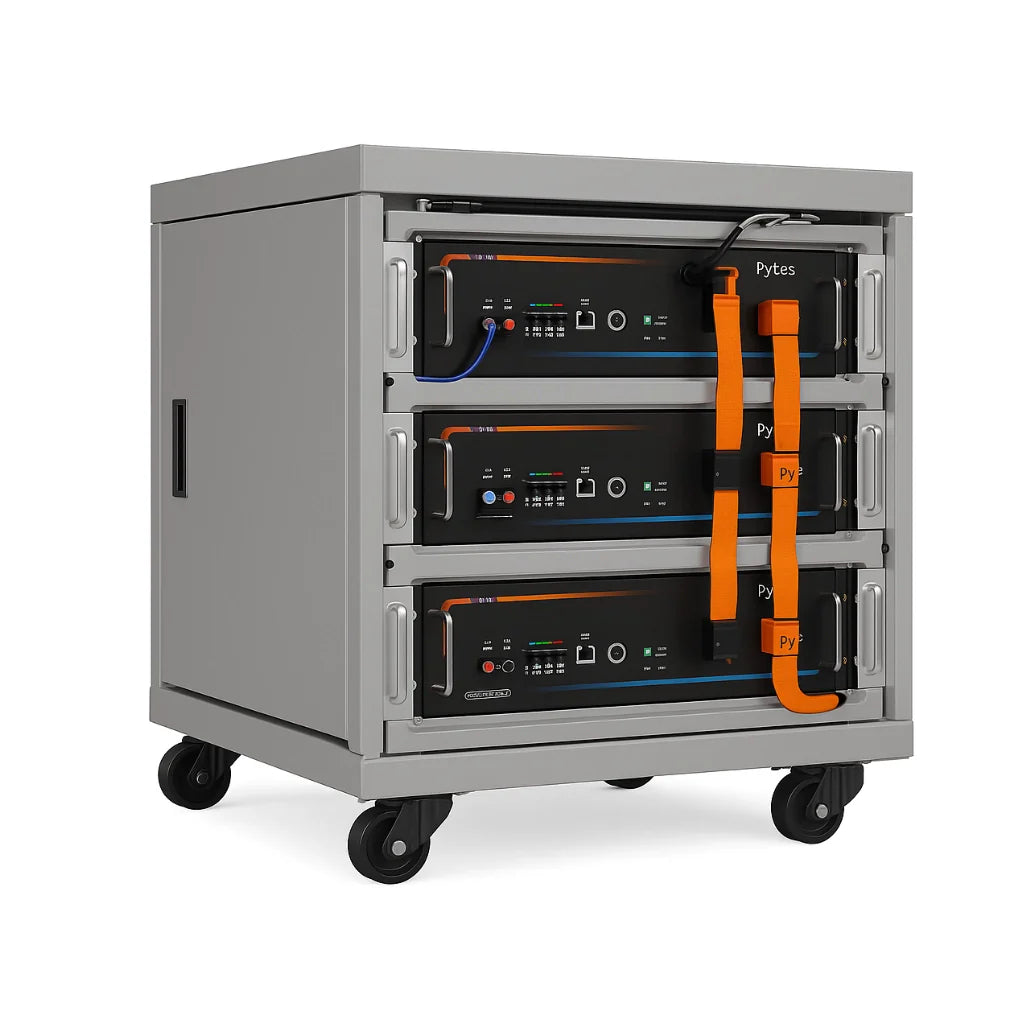



Why Lithium Batteries Matter for UK Boats
Lithium batteries offer UK boat owners longer lifespan, faster charging, and efficient storage. Compare types, risks, installation, and cost impacts.
Most British boat owners spend more on maintenance every year than they expect, yet many overlook the power source that drives every onboard system. Lithium batteries deliver up to 70 percent lighter weight and far longer lifespans than older options, helping UK boaters enjoy greater reliability on the water. Whether you want smoother sailing, better energy efficiency, or fewer breakdowns in remote places, understanding the latest marine lithium battery technology could transform your next trip.
Table of Contents
- What Are Lithium Batteries for Boats?
- Types of Marine Lithium Battery Systems
- Key Performance Features and Benefits
- Safety, Risks and UK Guidelines
- Costs and Comparison With Alternatives
- Installation, Maintenance, and Integration
Key Takeaways
| Point | Details |
|---|---|
| Lithium Battery Advantages | Lithium batteries offer longer lifespans, reduced weight, and faster charging compared to traditional lead-acid batteries, making them ideal for marine applications. |
| Safety Considerations | Responsible usage is essential; follow manufacturer’s guidelines and use certified charging equipment to avoid risks like overcharging and thermal runaway. |
| Cost vs. Value | Although lithium batteries have higher upfront costs, their extended lifespan and minimal maintenance needs offer substantial long-term value. |
| Professional Installation | Engaging a certified marine electrical specialist for installation ensures compliance with maritime standards and enhances system reliability. |
What Are Lithium Batteries for Boats?
Lithium batteries have transformed marine electrical systems, offering UK boat owners a powerful and compact energy solution. These advanced power sources are specifically engineered to provide reliable, lightweight, and efficient electrical storage for marine environments. Lithium batteries represent a significant technological leap compared to traditional lead-acid batteries, delivering superior performance across multiple critical parameters.
At their core, lithium batteries utilise lithium-ion technology to store and discharge electrical energy. Unlike conventional battery types, they feature a unique chemical composition that allows for faster charging, deeper discharge capabilities, and substantially longer operational lifespans. Boat owners benefit from reduced weight, increased energy density, and more consistent power output throughout their marine journeys. These batteries are particularly advantageous for marine applications where space, weight, and reliable electrical performance are paramount considerations.
The technical advantages of lithium batteries for boats include multiple impressive characteristics. Key benefits encompass:
- Significantly lighter weight compared to traditional marine batteries
- Faster charging times and higher charge efficiency
- Extended battery life (often 3-5 times longer than lead-acid alternatives)
- More stable voltage performance during discharge
- Enhanced energy density allowing more power in smaller packages
- Reduced maintenance requirements
Safety Considerations: While lithium batteries offer remarkable benefits, responsible usage is critical. Safe charging practices demand careful attention to prevent potential risks such as overcharging or short-circuiting. Boat owners should always follow manufacturer guidelines, use appropriate charging equipment, and conduct regular battery system inspections.
Pro tip: Invest in a high-quality battery management system to monitor your lithium battery’s performance and ensure long-term reliability and safety.
Types of Marine Lithium Battery Systems
UK marine environments demand sophisticated battery solutions, and lithium battery systems have emerged as a critical technological advancement for boats and marine applications. Marine renewable energy technologies showcase an impressive range of lithium battery configurations designed to meet diverse marine electrical requirements. These systems are engineered to provide reliable, efficient, and adaptable power sources for various nautical contexts.
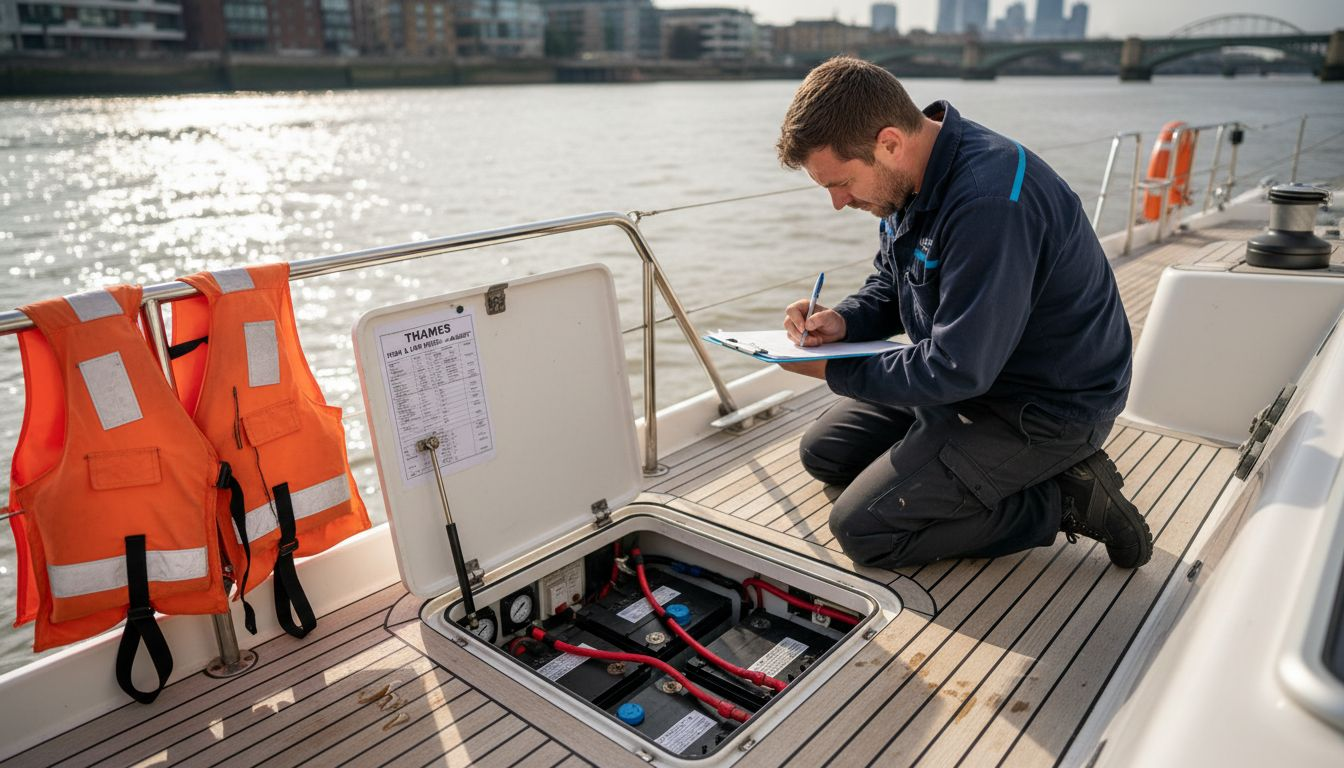
The primary marine lithium battery systems can be categorised into several specialised configurations. Starter Batteries are designed to deliver high-burst energy for engine ignition, providing quick, powerful electrical discharge. House Batteries focus on consistent, sustained power delivery for onboard electrical systems like lighting, navigation equipment, and domestic appliances. Deep Cycle Batteries represent another critical category, engineered to provide prolonged, steady electrical output for extended marine journeys, capable of repeated deep discharges without significant performance degradation.
Additionally, marine lithium battery systems offer unique technical variations tailored to specific boat requirements:
Here’s a concise summary of major marine lithium battery types and their most common applications:
| Battery Type | Primary Use | Notable Advantage |
|---|---|---|
| Starter | Engine ignition | High burst power |
| House | Onboard appliances | Steady, sustained power |
| Deep Cycle | Long journeys | Withstands repeated deep discharge |
| Trolling | Propulsion systems | Reliable auxiliary power |
| LiFePO4 | Safety-focused installations | High safety and long lifespan |
- Dual-Purpose Batteries: Combine starter and deep cycle capabilities
- Trolling Batteries: Optimised for marine propulsion and auxiliary power
- Solar-Compatible Batteries: Designed for integration with marine solar charging systems
- Lithium Iron Phosphate (LiFePO4) Batteries: Known for exceptional safety and longevity
- Modular Battery Systems: Allow scalable power configurations
Performance Considerations: Tidal stream projects demonstrate the growing sophistication of marine lithium battery technologies. These systems must withstand challenging marine environments, including moisture, temperature fluctuations, and mechanical vibrations. Boat owners should prioritise battery systems with robust battery management systems, corrosion-resistant components, and comprehensive warranty coverage.
Pro tip: Consult a marine electrical specialist to determine the most suitable lithium battery system configuration for your specific boat’s power requirements and usage patterns.
Key Performance Features and Benefits
Lithium battery systems represent a quantum leap in marine electrical performance, offering UK boat owners unprecedented advantages in power management and efficiency. Lithium-ion battery technologies deliver remarkable energy density, enabling boat owners to maximise electrical capabilities while minimising weight and space requirements. These advanced power systems transform maritime electrical solutions by providing consistent, high-performance energy delivery across diverse marine applications.
The core performance features of marine lithium batteries distinguish them significantly from traditional battery technologies. Energy Density stands as a primary advantage, with lithium batteries storing substantially more power in considerably smaller physical packages. Charging Efficiency represents another critical benefit, with these batteries capable of achieving rapid recharge rates and maintaining consistent voltage throughout discharge cycles. Boat owners can expect reduced charging times, more reliable power supply, and extended operational ranges compared to conventional battery systems.
Key performance characteristics include:
- Rapid Charging: Up to 5x faster charging compared to lead-acid batteries
- Extended Lifespan: Typically 2000-5000 charge cycles versus 500-1000 for traditional batteries
- Weight Reduction: Approximately 60-70% lighter than equivalent lead-acid batteries
- Depth of Discharge: Capable of 80-90% discharge without performance degradation
- Temperature Tolerance: Operational across wider temperature ranges
- Self-Discharge Rate: Significantly lower than traditional battery technologies
Technological Innovations: Lithium-sulfur battery advancements continue to push performance boundaries, promising even more sophisticated marine power solutions. These emerging technologies suggest future marine lithium batteries will deliver even greater energy capacities, improved safety features, and enhanced environmental sustainability. Boat owners can anticipate continued improvements in power storage and management technologies.
Pro tip: Regularly monitor your lithium battery’s performance metrics and invest in a comprehensive battery management system to maximise longevity and maintain optimal electrical performance.
Safety, Risks and UK Guidelines
Navigating the safety landscape of marine lithium batteries requires comprehensive understanding and meticulous adherence to established protocols. Lithium-ion battery safety guidelines emphasise critical precautions that UK boat owners must implement to mitigate potential risks associated with these advanced power systems. Understanding these safety parameters is fundamental to responsible and secure battery usage in marine environments.
The primary safety risks associated with lithium batteries centre around potential thermal runaway, electrical short-circuiting, and improper charging practices. Thermal Management emerges as a critical concern, with batteries capable of generating excessive heat under certain conditions. UK maritime safety regulations mandate stringent monitoring protocols, including regular battery system inspections, utilisation of certified charging equipment, and implementation of robust battery management systems to prevent potential hazards.
Key safety considerations for marine lithium battery systems include:
- Proper Ventilation: Ensure adequate airflow around battery installations
- Temperature Monitoring: Use systems that track battery temperature in real-time
- Physical Protection: Install batteries in robust, impact-resistant enclosures
- Electrical Isolation: Implement circuit breakers and appropriate fusing
- Regular Maintenance: Conduct periodic professional inspections
- Certified Charging Equipment: Use only manufacturer-recommended chargers
Regulatory Framework: Safety management systems introduced by the Maritime and Coastguard Agency provide comprehensive guidelines for small workboats utilising lithium battery technologies. These regulations ensure proportionate safety management tailored to vessel specifications, emphasising the critical importance of structured risk mitigation strategies in marine electrical systems.
Pro tip: Invest in a professional battery safety assessment annually and maintain detailed maintenance logs to ensure compliance with UK maritime safety regulations.
Costs and Comparison With Alternatives
Evaluating the financial landscape of marine battery technologies requires a nuanced understanding of initial investments, long-term performance, and emerging alternatives. Lithium battery cost dynamics reveal a complex ecosystem of pricing factors that UK boat owners must carefully consider when selecting their electrical power systems. While upfront costs remain higher compared to traditional battery technologies, the extended lifecycle and superior performance characteristics often justify the initial investment.
Initial Investment Breakdown demonstrates significant variations between battery technologies. Traditional lead-acid batteries offer lower initial purchase prices, typically ranging from £200-£800, whereas lithium battery systems can cost between £1,000-£3,500 depending on capacity and specifications. However, the total cost of ownership tells a different story. Lithium batteries provide substantially longer operational lifespans, often lasting 3-5 times longer than lead-acid alternatives, which translates to reduced long-term replacement and maintenance expenses.
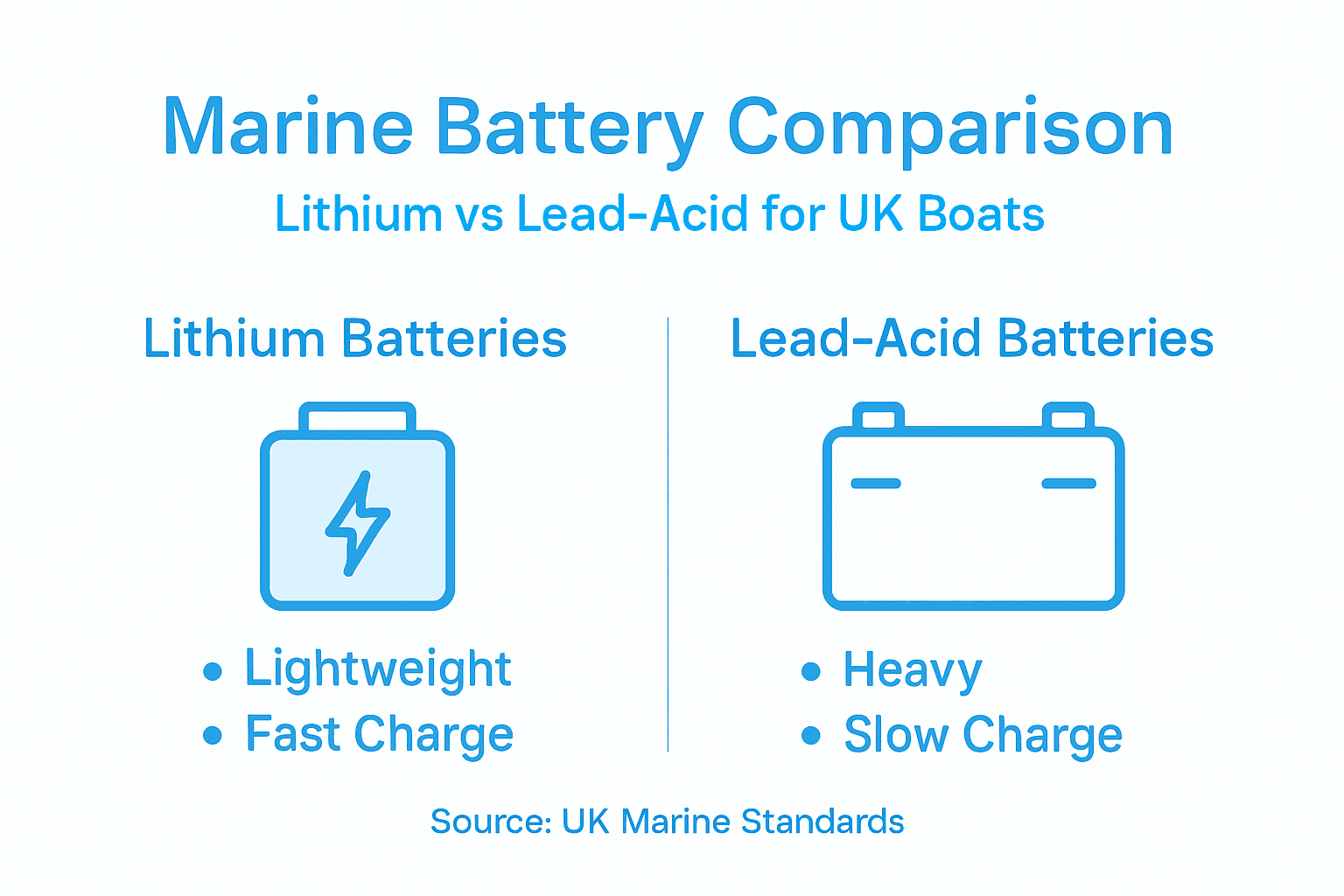
Below is a comparative overview of battery technology costs and lifecycle value for marine applications:
| Technology | Initial Cost Range | Approximate Lifespan | Long-Term Value |
|---|---|---|---|
| Lead-Acid | £200–£800 | 2–4 years | Low, needs frequent replacement |
| Lithium-Ion | £1,000–£3,500 | 8–15 years | High, minimal upkeep |
| Sodium-Ion (Emerging) | Not commercially available | Prototype only | Potential future savings |
Comparative analysis of marine battery technologies highlights key financial considerations:
-
Lead-Acid Batteries:
- Lower upfront cost
- Shorter lifespan (500-1000 charge cycles)
- Higher maintenance requirements
- Less efficient energy storage
-
Lithium-Ion Batteries:
- Higher initial investment
- Extended lifespan (2000-5000 charge cycles)
- Minimal maintenance needs
- Superior energy efficiency
Emerging Alternatives: Sodium-ion battery technologies present an intriguing future prospect for marine electrical systems. Currently in developmental stages, these batteries offer potential cost advantages through more abundant raw materials. While not yet commercially viable for marine applications, they represent a promising alternative that could disrupt the existing battery market in the coming decade.
Pro tip: Calculate your total cost of ownership by considering battery lifespan, efficiency, and replacement intervals, not just the initial purchase price.
Installation, Maintenance, and Integration
Successful lithium battery system implementation for marine applications requires meticulous planning, technical expertise, and adherence to stringent maritime standards. Maritime technology integration represents a complex process that demands comprehensive understanding of electrical systems, vessel specifications, and safety protocols. UK boat owners must approach battery installation with a strategic, methodical approach to ensure optimal performance and long-term reliability.
Installation Considerations encompass multiple critical technical parameters. Professional installation is strongly recommended, as lithium battery systems require precise electrical configuration, robust mounting solutions, and sophisticated battery management systems. Key technical requirements include appropriate ventilation, electrical isolation, temperature management, and compatibility with existing vessel electrical infrastructures. Boat owners should prioritise professional assessment and installation to mitigate potential risks associated with improper system integration.
Essential steps for successful lithium battery system installation include:
-
Professional Assessment:
- Conduct comprehensive vessel electrical system evaluation
- Determine appropriate battery capacity and configuration
- Assess existing electrical infrastructure compatibility
-
Physical Installation:
- Select vibration-resistant mounting locations
- Implement robust electrical connection methods
- Ensure adequate ventilation and thermal management
- Install battery management system sensors
-
System Integration:
- Configure battery monitoring interfaces
- Test electrical load compatibility
- Calibrate charging and discharging parameters
Regulatory Compliance: Lloyd’s Register maritime standards provide comprehensive guidelines for marine battery system design, construction, and maintenance. These regulations ensure that lithium battery installations meet rigorous safety, performance, and reliability standards essential for maritime applications. Compliance requires ongoing documentation, periodic inspections, and adherence to manufacturer-recommended maintenance protocols.
Pro tip: Engage a certified marine electrical specialist with specific lithium battery installation experience to ensure safe, compliant, and optimised system integration.
Experience the Future of Marine Power with Skyenergi
The challenges outlined in “Why Lithium Batteries Matter for UK Boats” highlight the need for a reliable, lightweight, and efficient lithium battery solution that can withstand the rigours of marine environments while offering superior performance and safety. If you are seeking to reduce maintenance, enjoy faster charging, and increase energy independence on your boat, you are not alone in wanting a power system designed to meet these exact needs.
At Skyenergi, we specialise in high-performance lithium battery systems tailored for marine applications. Our carefully sourced batteries incorporate intelligent battery management systems with Bluetooth monitoring, allowing you to track real-time performance and ensure long-term safety and reliability on every voyage. Whether you need deep cycle power, rapid charging capability or seamless system integration, our range offers scalable solutions designed to withstand moisture, temperature fluctuations, and mechanical vibrations common in UK waters.

Discover how our expert range can transform your marine electrical setup today. Visit Skyenergi to explore our lithium leisure batteries and supporting components. Take control of your boat’s power with advanced technology that delivers peace of mind and exceptional performance. Don’t wait to upgrade your marine batteries and experience the freedom of dependable renewable energy on board. Act now for smarter, safer, and longer-lasting power solutions.
Frequently Asked Questions
What are the advantages of using lithium batteries for boats?
Lithium batteries offer advantages such as being significantly lighter, allowing for faster charging, extending lifespan (3-5 times longer than lead-acid), providing stable voltage performance, and requiring less maintenance compared to traditional batteries.
How do lithium batteries perform in marine environments?
Lithium batteries are designed to withstand challenging marine conditions, including moisture, temperature fluctuations, and mechanical vibrations, making them a reliable choice for onboard power systems.
What are the different types of marine lithium battery systems available?
Marine lithium battery systems include Starter Batteries for engine ignition, House Batteries for onboard appliances, Deep Cycle Batteries for long journeys, Trolling Batteries for propulsion systems, and LiFePO4 Batteries known for safety and longevity.
What safety precautions should I take when using lithium batteries on my boat?
Ensure proper ventilation, monitor battery temperature, use certified charging equipment, conduct regular maintenance, and implement electrical isolation methods to mitigate risks associated with lithium battery use.
Recommended
Prev post

Lithium Battery Installation Workflow for Campervans
Updated on 11 January 2026
Next post

Solar Battery Terms Explained: Power for Off-Grid Life
Updated on 09 January 2026


