





Buy 12V Lithium Leisure Battery UK: 2026 Guide
Looking to buy a 12V lithium leisure battery in the UK? Compare top LiFePO4 options for campervans, motorhomes and off-grid use. Find the right one here.
Table of Contents
- What Is a LiFePO4 12V Lithium Leisure Battery?
- Lithium Battery vs Lead Acid Leisure Battery: Which Wins?
- Leisure Battery Capacity Calculator: How Many Ah Do You Need?
- Top 12V Lithium Leisure Batteries to Buy in the UK
- Key Features to Check Before You Buy
- How to Charge a Lithium Leisure Battery Correctly
- Environmental Impact and Recycling LiFePO4 Batteries in the UK
- Which 12V Lithium Leisure Battery Should You Buy?
Last Updated: August 9, 2026
Many UK campervan and motorhome owners are switching to lithium power for good reason: quality lithium leisure batteries deliver more usable energy, last far longer, and weigh a fraction of lead-acid equivalents. This guide covers the best 12V LiFePO4 batteries available in the UK, what to look for, and how to retrofit your existing system.
Quick Picks:
- Best Overall: Skyenergi Edge/Elite LiFePO4, complete UK support, full system compatibility
- Best Budget Entry: DC House 12V 100Ah, SOC display, competitive price point
- Best Cold-Weather Option: Alpha Batteries Xplorer Polarmax 135Ah, built-in low-temperature protection
- Best High Capacity: Eco-Worthy 12V 280Ah, serious off-grid storage at a sensible price
What Is a LiFePO4 12V Lithium Leisure Battery?
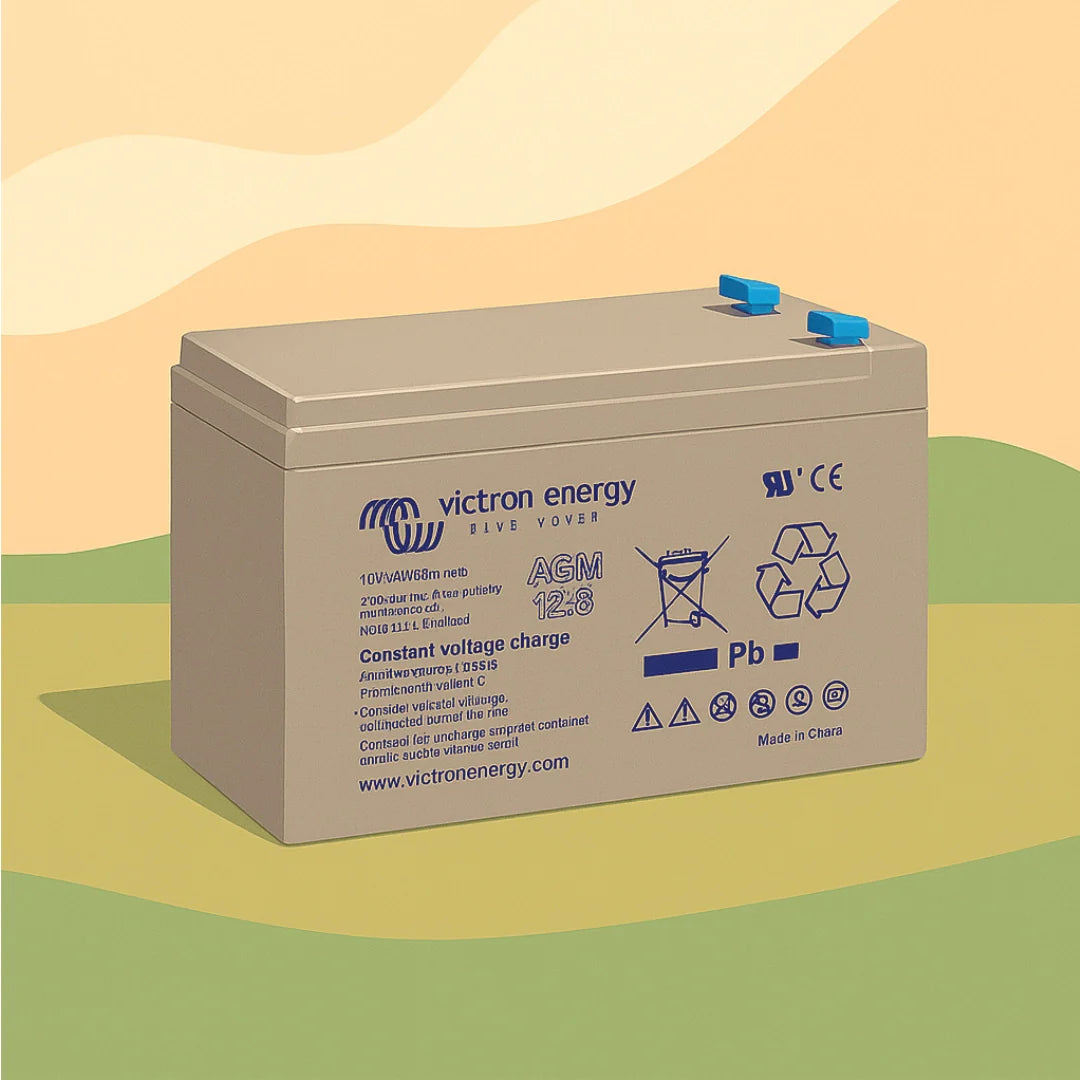
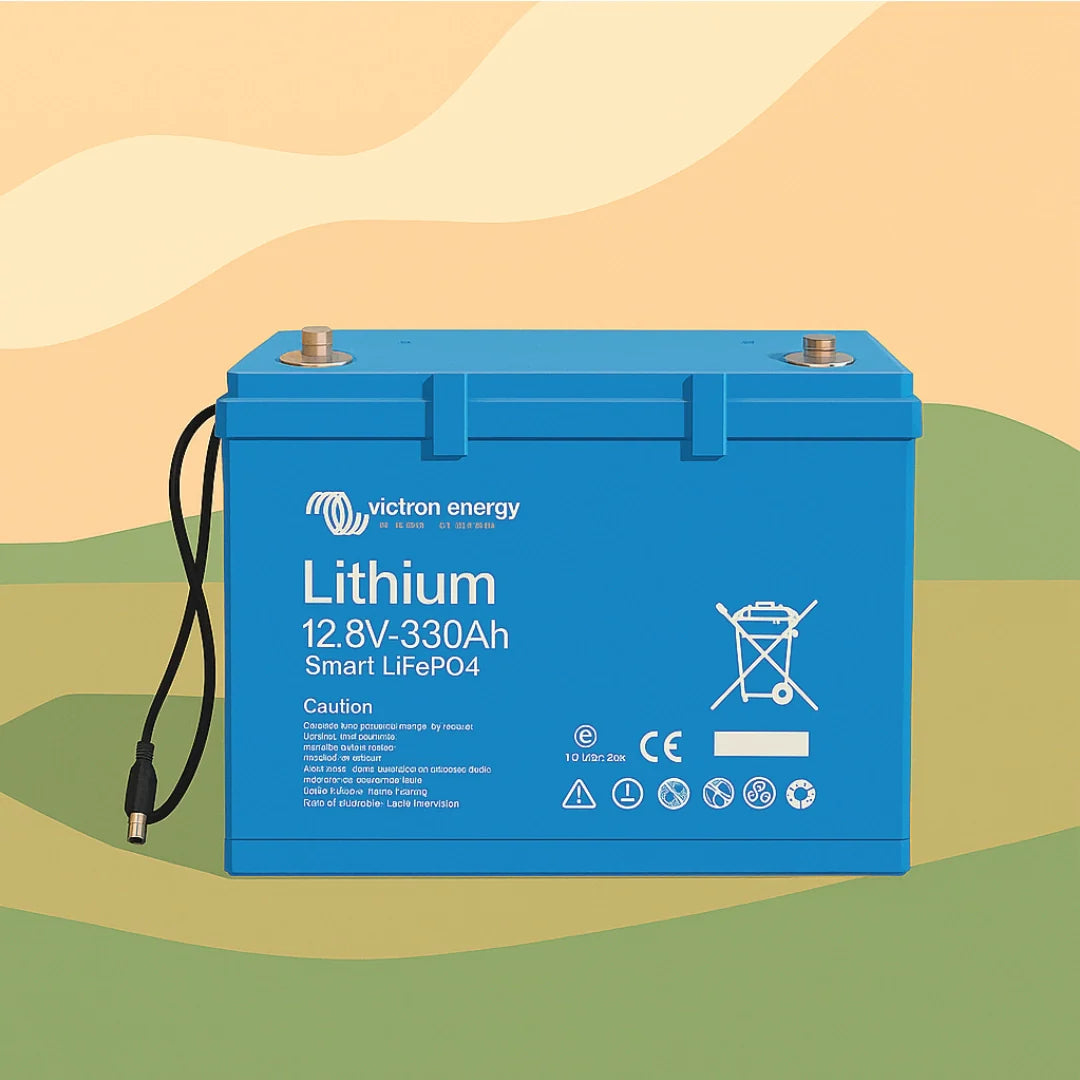
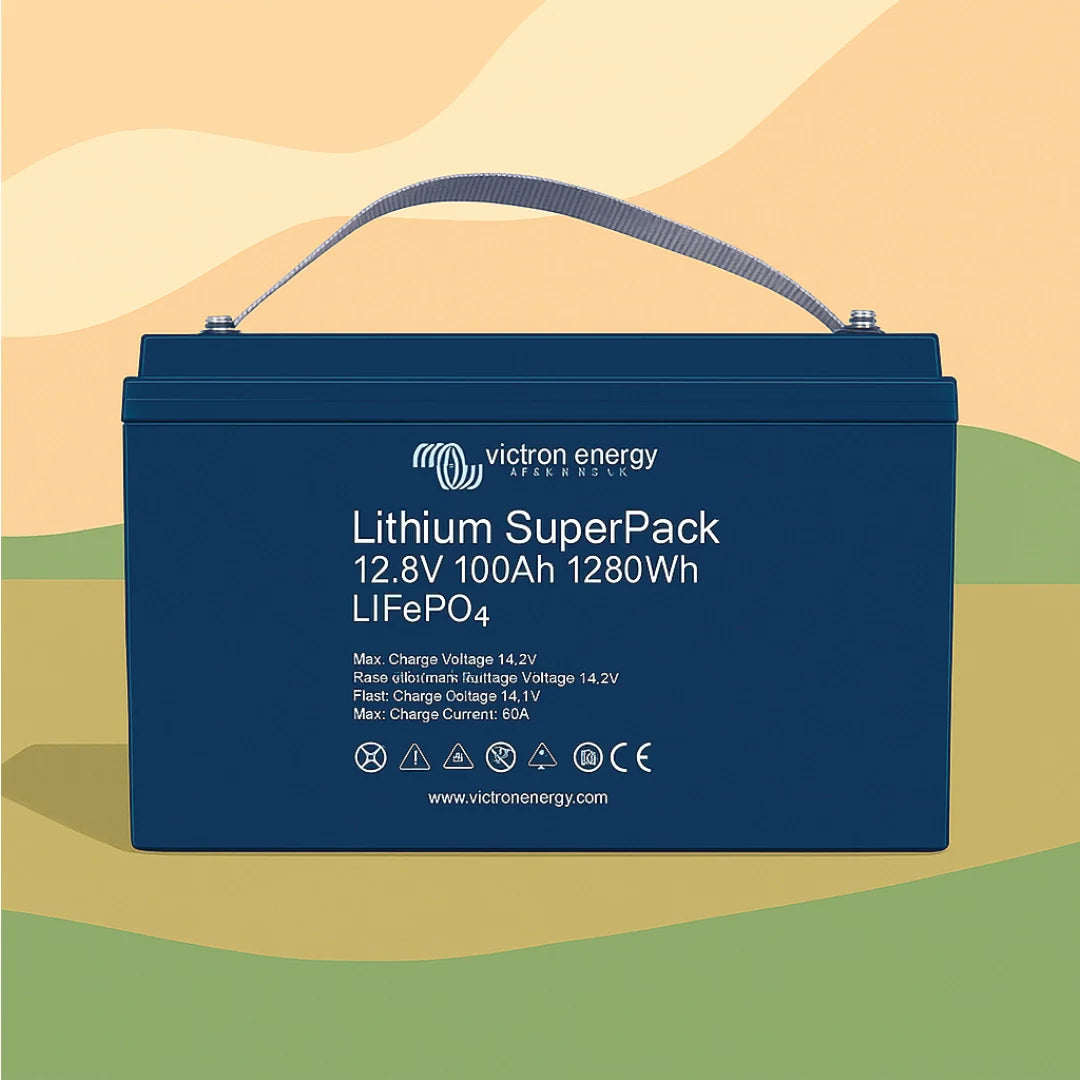
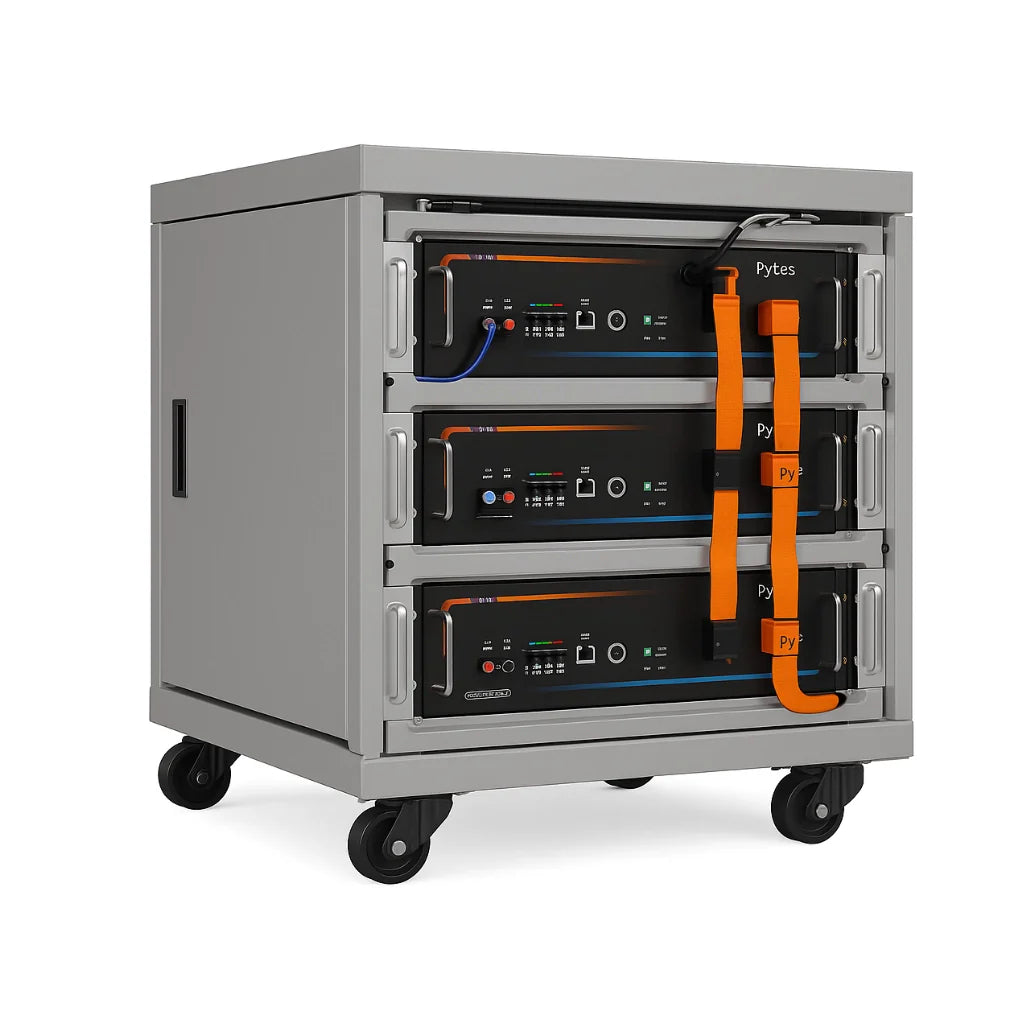
A LiFePO4 (lithium iron phosphate) 12V leisure battery is a rechargeable energy storage unit using lithium iron phosphate chemistry for campervans, motorhomes, caravans, marine craft, and off-grid installations.
LiFePO4 operates at a nominal voltage of around 12.8V (versus lead-acid's 12.6V) and maintains that voltage flat across most of its discharge curve, keeping your fridge, lighting, and inverter running at consistent performance. Unlike other lithium chemistries, it avoids thermal runaway risks.
Every credible LiFePO4 battery includes a built-in Battery Management System (BMS) that monitors cell voltage, temperature, and current, cutting power if any parameter drifts outside safe limits. The result is 2,000-5,000 charge cycles at 80-100% depth of discharge (DoD), versus 300-500 cycles for typical AGM lead-acid at 50% DoD.
Lithium Battery vs Lead Acid Leisure Battery: Which Wins?
Lithium wins for almost every leisure application.
Weight, Cycle Life and Depth of Discharge Compared
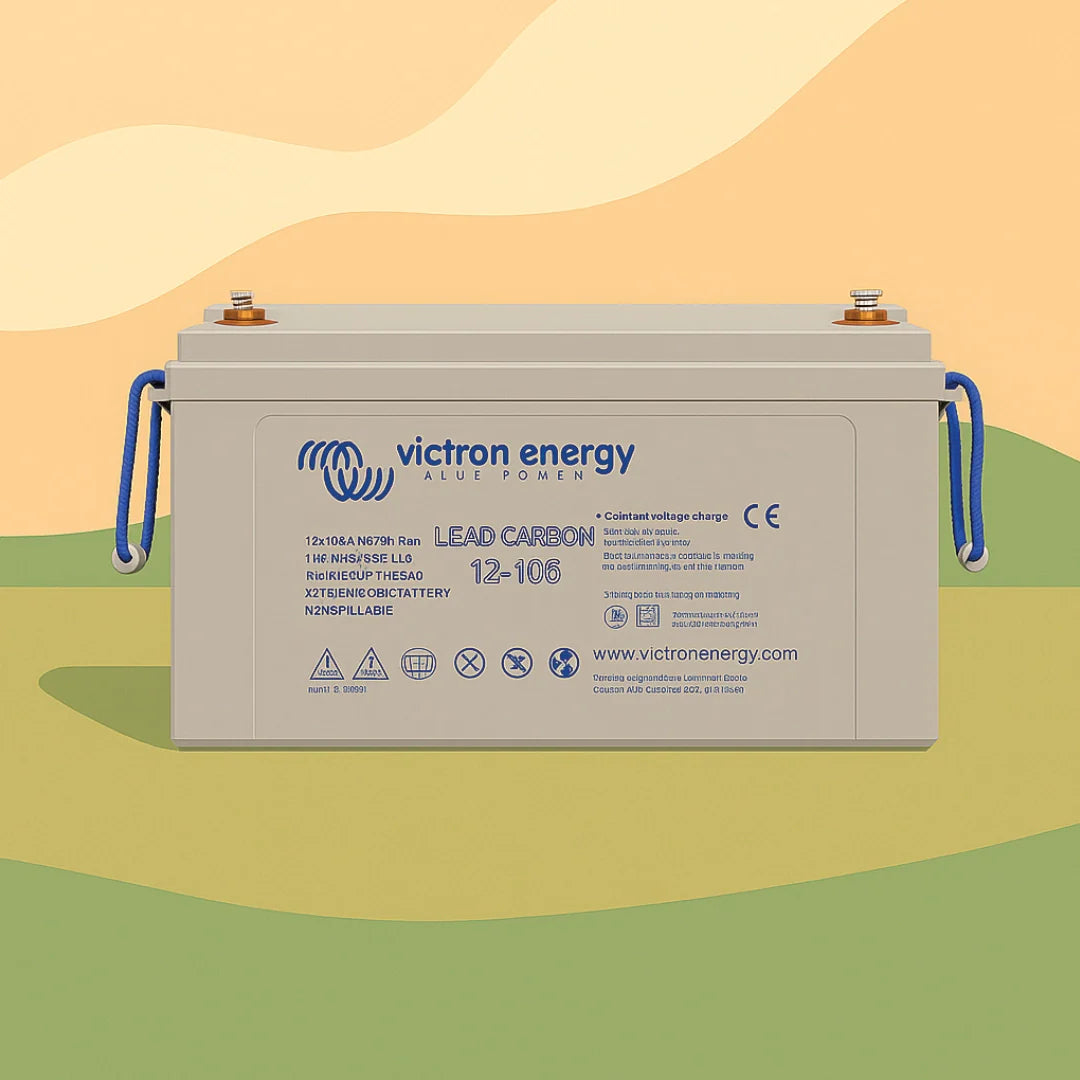
A 100Ah LiFePO4 battery weighs around 10-13kg; a comparable 100Ah AGM lead-acid weighs 25-30kg. Lead-acid batteries should not discharge below 50% state of charge without accelerating degradation, delivering only 50Ah of usable energy from a 100Ah battery. A 100Ah LiFePO4 is rated to 80-100% DoD, delivering 80-100Ah of usable energy, effectively double the usable storage.
LiFePO4 batteries rated for 2,000-3,000 cycles at 80% DoD last a decade or more, while lead-acid batteries typically need replacing every 2-4 years.
Upfront Cost vs Long-Term Value
Lithium's upfront cost is higher than lead-acid, but total cost of ownership over ten years commonly favours lithium. If a lead-acid battery needs replacing every three years and a lithium battery lasts ten years, you're comparing one lithium purchase against three or more lead-acid purchases while getting double the usable capacity throughout.
According to UK Energy Storage Association guidance on battery technology selection, cycle life and depth of discharge are the two most important factors when evaluating total cost of ownership for leisure battery applications.
Leisure Battery Capacity Calculator: How Many Ah Do You Need?
Add up your daily amp-hour consumption, then size your battery bank to cover two to three days without charging.
Step 1: List your appliances and their current draw
| Appliance | Typical Draw | Daily Hours | Daily Ah |
|---|---|---|---|
| 12V compressor fridge | 3-5A average | 24 hrs | 72-120Ah |
| LED lighting (4 strips) | 1A | 6 hrs | 6Ah |
| Phone/laptop charging | 2-3A | 3 hrs | 6-9Ah |
| Water pump | 5A | 0.5 hrs | 2.5Ah |
| 12V fan | 1-2A | 8 hrs | 8-16Ah |
| Total | ~95-150Ah/day |
Step 2: Apply the DoD factor
For LiFePO4 at 80% DoD: divide your daily total by 0.8. A 120Ah daily load requires a 150Ah battery for one day's autonomy.
Step 3: Multiply by desired autonomy days
For two days' off-grid: 150Ah x 2 = 300Ah of battery capacity. A single 280Ah LiFePO4 battery or two 100Ah units in parallel would cover this. For most weekend campers with a fridge and basic lighting, a single 100Ah LiFePO4 battery is sufficient.
Top 12V Lithium Leisure Batteries to Buy in the UK
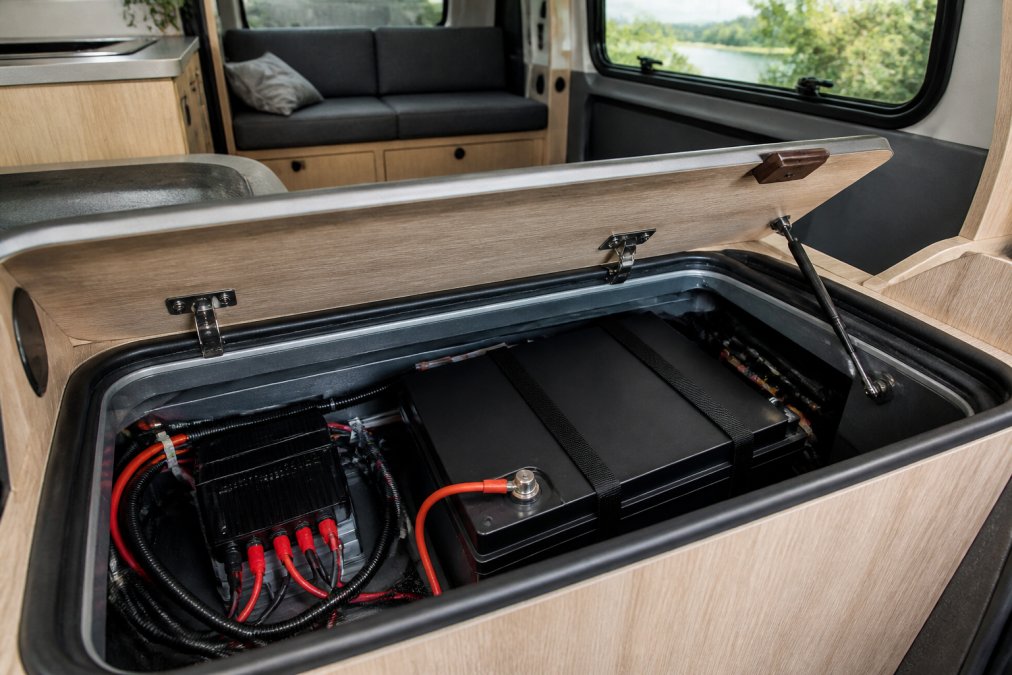
1. Skyenergi Edge and Elite LiFePO4, Best Overall for UK Buyers
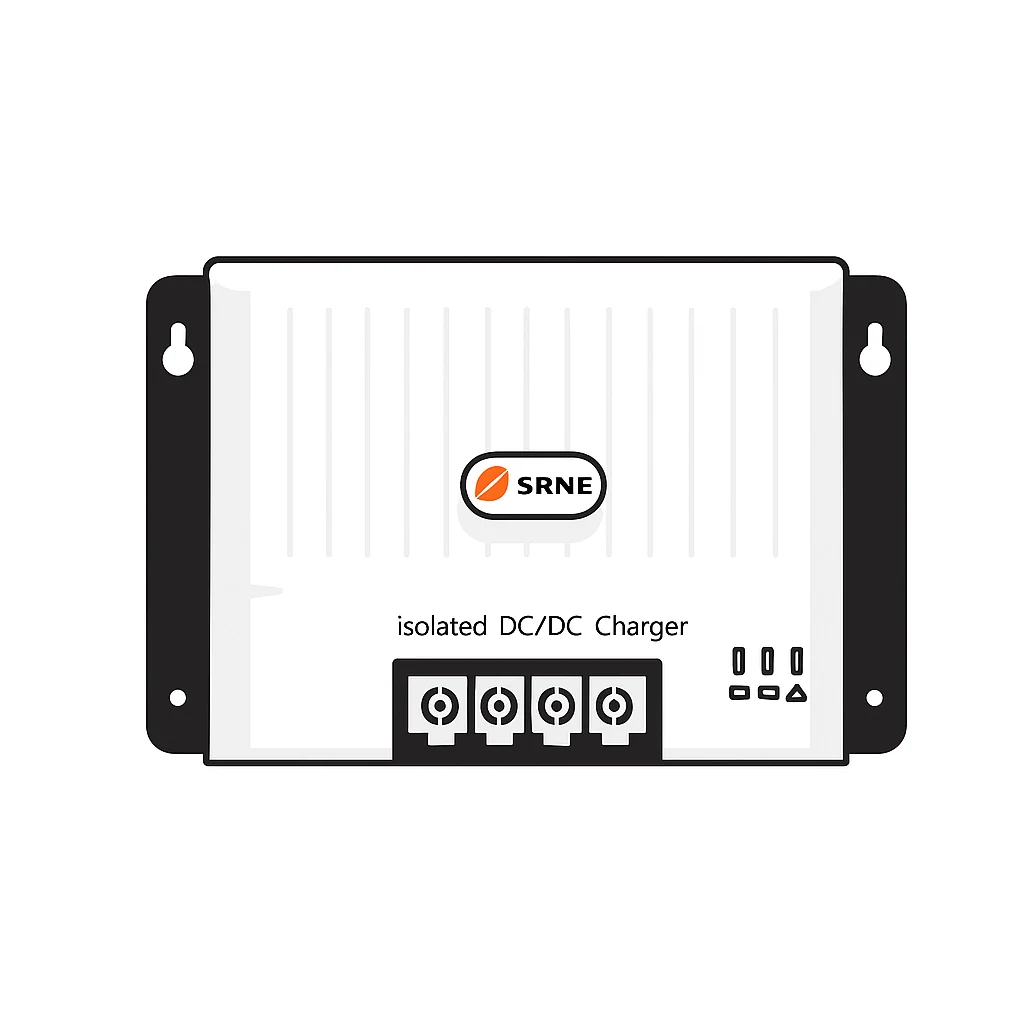
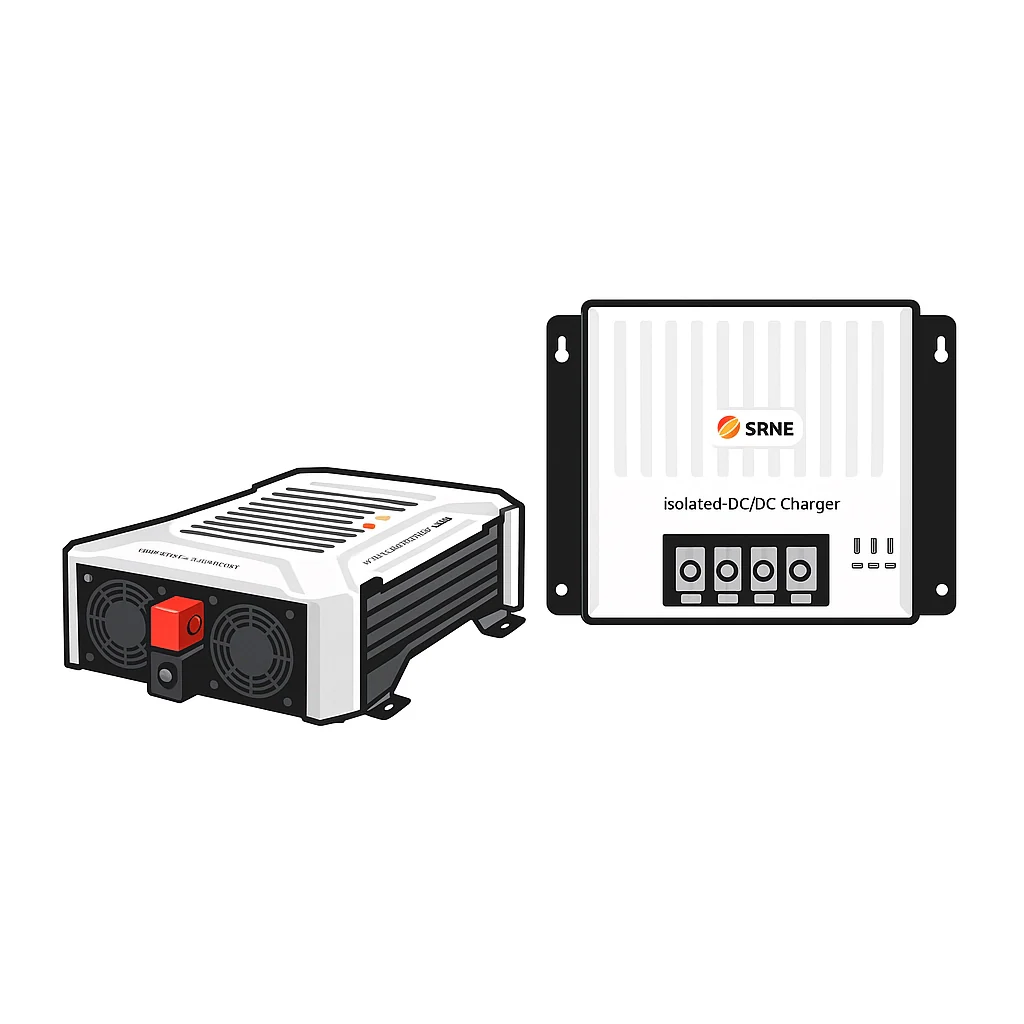
Skyenergi supplies complete lithium leisure battery systems designed specifically for UK campervans, motorhomes, caravans, and off-grid applications. The key differentiator is the ecosystem: Skyenergi supplies MPPT solar charge controllers, DC-to-DC chargers, inverter chargers, and SRNE monitoring systems matched and tested to work together. Pairing a battery with mismatched chargers introduces voltage compatibility issues that reduce cycle life and can void warranties.
Best for: Campervan converters, professional installers, and motorhome owners who want a full 12V system with technical support.
What works: Complete system compatibility, fast UK delivery, specialist UK-based support, SRNE monitoring integration, matched charging equipment.
What to note: For buyers who only need a single replacement battery with an existing compatible charging system, a standalone option below may be more cost-effective. Check current pricing at skyenergi.com.
2. Eco Tree 12V 100Ah Bluetooth and Heated LiFePO4, Best Balanced Option
Priced at £279.00 with VAT and UK delivery included, the Eco Tree 100Ah features built-in self-heating that activates when cell temperature drops below safe charging thresholds. The 10-year warranty signals genuine confidence in cell quality and BMS design. At approximately 10kg, it is one of the lighter 100Ah options.
Best for: Caravans, motorhomes, and boats where cold-weather operation is likely and a long warranty is a priority.
Pros: Competitive price with VAT and delivery included, 10-year warranty, self-heating cells, Bluetooth monitoring, lightweight.
Cons: Maximum discharge current of 100A may be restrictive for inverter loads above 1,200W.
3. DC House 12V 100Ah LiFePO4 with SOC Display, Best Budget Entry
The DC House 100Ah at £189.99 is the most accessible entry point into LiFePO4 technology. The built-in State of Charge (SoC) display lets you check remaining capacity at a glance. The smart 100A BMS includes low-temperature cut-off protection. The footprint matches a standard Group 31 lead-acid battery, making it a direct physical replacement.
Best for: Weekend motorhome owners and first-time lithium buyers wanting a direct lead-acid replacement with basic monitoring.
Pros: Very competitive price, built-in SoC display, low-temperature cut-off, same footprint as Group 31 lead-acid.
Cons: 3-year warranty is shorter than premium brands; Bluetooth monitoring is less feature-rich.
4. Alpha Batteries Xplorer Polarmax 12V 135Ah, Best for Cold Climates
At £284.98 with next day UK delivery available, the Alpha Batteries Xplorer Polarmax offers 135Ah capacity with low-temperature protection and Bluetooth monitoring. The 35Ah advantage over standard 100Ah batteries translates to roughly an extra 28-35Ah of usable energy at 80% DoD, making it ideal for UK winter touring.
Best for: UK touring in colder months, Scottish or northern European itineraries, buyers needing slightly more capacity than 100Ah.
Pros: 135Ah capacity, low-temperature protection, Bluetooth monitoring, next day UK delivery.
Cons: Cycle life and warranty terms are less prominently specified; confirm before purchasing.
5. Eco-Worthy 12V 280Ah LiFePO4, Best High-Capacity Option
The Eco-Worthy 280Ah at £359.99 is the highest-capacity single battery in this list. At 80% DoD, it delivers approximately 224Ah of usable energy, enough to run a 12V compressor fridge for roughly two days without solar input. Bluetooth monitoring and low-temperature protection are included.
Best for: Off-grid enthusiasts, full-time van lifers, and home battery storage requiring maximum capacity from a single unit.
Pros: Large 280Ah capacity, competitive price per Ah, Bluetooth monitoring, low-temperature protection, built-in BMS.
Cons: Warranty details not immediately clear; heavier than 100Ah options, affecting vehicle payload.
| Battery | Capacity | Key Feature | Approx. Price | Best For |
|---|---|---|---|---|
| Skyenergi Edge/Elite | 100Ah+ | Full system support, matched charging | Check skyenergi.com | Complete system builds |
| Eco Tree 100Ah | 100Ah | Self-heating, 10-yr warranty | £279.00 inc. VAT/delivery | Cold weather, long warranty |
| DC House 100Ah | 100Ah | Built-in SoC display | £189.99 | Budget entry, direct replacement |
| Alpha Polarmax 135Ah | 135Ah | Low-temp protection, next day delivery | £284.98 | Cold climate touring |
| Eco-Worthy 280Ah | 280Ah | High capacity, low price per Ah | £359.99 | Off-grid, full-time use |
Key Features to Check Before You Buy
Built-in BMS, Bluetooth Monitoring and Self-Heating
The BMS is non-negotiable. A good BMS provides over-discharge protection, short circuit protection, thermal protection, and cell balancing. Cell balancing redistributes charge as individual cells age at different rates, extending overall battery life.
Bluetooth connectivity allows real-time monitoring of state of charge, voltage, current, and temperature via smartphone app. Self-heating cells are critical for UK winter touring, as LiFePO4 should not be charged below 0°C. Built-in self-heating warms cells to a safe temperature before the BMS accepts a charge.
Inverter Compatibility and Surge Current
An inverter draws a surge current two to three times its continuous rating during start-up. Check peak discharge current in amps. A battery with 100A continuous and 200A peak discharge rating handles a 1,200W continuous inverter load at 12V, with headroom for surge.
According to Electrical Safety First guidance on leisure vehicle electrical systems, correctly matching battery discharge ratings to inverter loads is one of the most common areas requiring professional review.
Cold Weather Performance and Self-Heating Cells
LiFePO4 batteries discharge reasonably well in cold temperatures down to around -20°C, but charging below 0°C causes lithium plating that permanently reduces capacity. Batteries with active self-heating warm cells to a safe charging temperature before the BMS opens the charge circuit. For year-round UK touring, this feature is worth the additional cost.
How to Charge a Lithium Leisure Battery Correctly
Charging a lithium leisure battery requires a charger with a LiFePO4-specific charging profile. Standard lead-acid chargers use incompatible profiles and will either undercharge or damage the BMS.
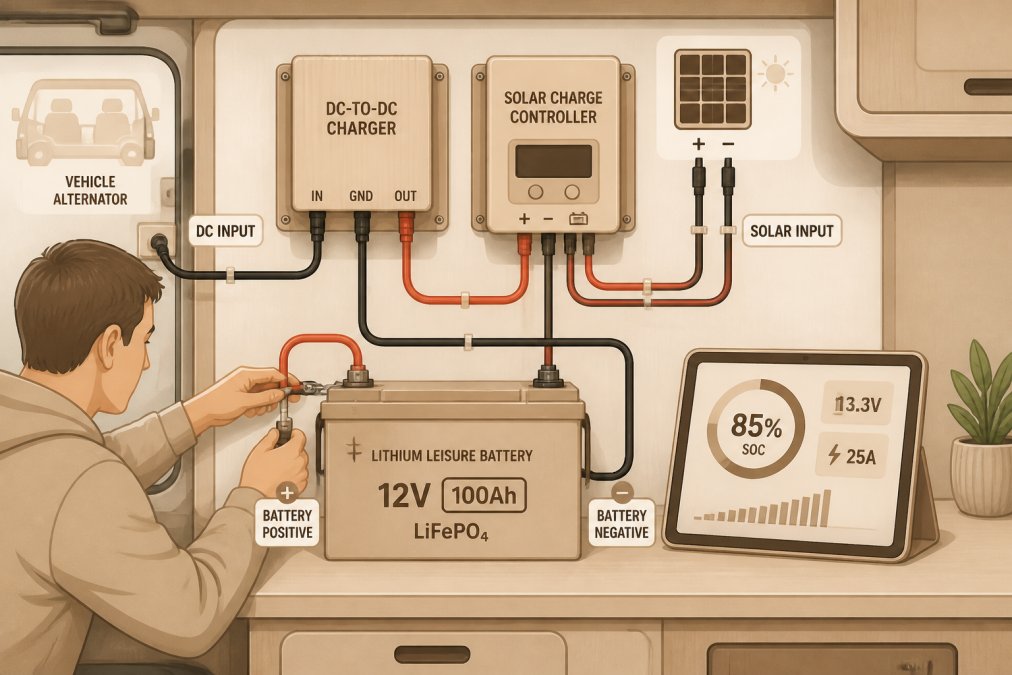
The correct LiFePO4 profile uses constant current bulk charge, followed by absorption at 14.2-14.6V, with no float phase or very low float at 13.5V. Most modern MPPT solar charge controllers and DC-to-DC chargers include a LiFePO4 preset.
The three main charging sources:
- Solar via MPPT controller: Set the charge profile to LiFePO4. Absorption voltage 14.4V, float 13.5V or disabled.
- DC-to-DC charger (vehicle alternator): A DC-to-DC charger delivers the correct voltage profile. A 30-40A DC-to-DC charger charges a 100Ah battery from 20% to 80% SoC in approximately two hours of driving.
- Mains via inverter charger: Ensure the charger has a LiFePO4 profile at 14.4V absorption with no equalisation stage.
Retrofitting: Making Your Existing Setup Compatible
Retrofitting a lithium leisure battery into an existing lead-acid setup requires verification in three areas.
1. Charging sources: Replace any split charge relay with a DC-to-DC charger. Confirm your solar controller has a LiFePO4 profile. Check mains chargers support lithium chemistry.
2. Voltage-sensitive devices: Some older motorhome and caravan battery management systems have low-voltage disconnect thresholds calibrated for lead-acid. LiFePO4 has a different voltage curve; a system set to disconnect at 11.5V may disconnect your lithium battery while it still has 20-30% charge remaining.
3. Physical fitment: Most LiFePO4 batteries are significantly smaller and lighter than lead-acid equivalents. Secure the battery firmly using appropriate battery boxes or mounting brackets.
The Caravan and Motorhome Club technical guidance on electrical systems provides useful reference for UK leisure vehicle electrical standards and safe installation practices.
Environmental Impact and Recycling LiFePO4 Batteries in the UK
LiFePO4 batteries have considerably lower environmental impact over their lifetime than lead-acid alternatives because of their extended cycle life. A single LiFePO4 battery replacing four or five lead-acid batteries over a decade means fewer units manufactured, transported, and disposed of.
LiFePO4 does not contain cobalt or nickel, avoiding the most significant mining and supply chain concerns in lithium battery production. At end of life, LiFePO4 batteries in the UK fall under the Waste Batteries and Accumulators Regulations 2009, requiring retailers and producers to participate in approved battery take-back schemes. The UK Government guidance on waste battery disposal provides a searchable directory of approved collection points.
Which 12V Lithium Leisure Battery Should You Buy?
The right battery depends on your daily Ah consumption, whether you tour in cold weather, and whether you need a standalone battery or a complete system.
For most UK motorhome and campervan owners doing weekend trips with a fridge and basic lighting, a 100Ah LiFePO4 battery covers the majority of use cases. The DC House 100Ah is the most cost-effective entry point; the Eco Tree 100Ah adds self-heating and a longer warranty for winter touring.
For cold-climate touring or mid-range capacity, the Alpha Batteries Xplorer Polarmax 135Ah offers the right balance of protection, monitoring, and capacity. Full-time van lifers and off-grid home users should consider the Eco-Worthy 280Ah, or two 100Ah batteries in parallel for flexibility and redundancy.
For buyers wanting a complete, integrated 12V power system including solar panels, MPPT charge controllers, DC-to-DC chargers, and lithium batteries matched and supported together, Skyenergi is the specialist UK supplier built for exactly that requirement.
Upgrading to a lithium leisure battery is one of the most impactful changes you can make to a campervan or motorhome electrical system, but getting the charging setup right is just as important as the battery itself. Skyenergi supplies complete 12V power systems including Edge and Elite LiFePO4 batteries, MPPT solar charge controllers, DC-to-DC chargers, and SRNE monitoring systems, all with fast UK delivery and specialist technical support. Visit skyenergi.com to find the right battery and charging solution for your build.
Frequently Asked Questions
Are lithium leisure batteries worth the extra cost?
For regular campervan or motorhome use, a LiFePO4 lithium leisure battery typically pays for itself over time. Lithium batteries deliver 2,000-5,000 charge cycles compared to 200-500 for a typical lead-acid unit, and offer up to 100% depth of discharge versus around 50% for lead-acid. That means more usable energy per charge and far fewer replacements over the years. Check Skyenergi's current pricing to calculate your specific payback period.
Can I replace my lead-acid battery with a lithium leisure battery?
Yes, in most cases a 12V LiFePO4 battery fits the same physical space as a Group 31 lead-acid battery. The key changes needed are: a lithium-compatible charger with the correct charging profile, and ideally a DC-to-DC charger if you are charging from your vehicle's alternator. Your existing 12V wiring and fuse protection can usually stay in place. A retrofitting check takes around 30 minutes for most DIY installers.
What is the lifespan of a 12V LiFePO4 leisure battery?
A quality 12V LiFePO4 lithium leisure battery typically delivers 2,000 to 5,000 charge cycles at 80-100% depth of discharge. In practice, that translates to 10 years or more of regular use for most campervan and motorhome owners. Premium models from established UK suppliers often carry 10-year warranties. Lead-acid batteries, by comparison, rarely last beyond 3-5 years under similar conditions.
Do I need a special charger for a lithium leisure battery?
Yes. A lithium leisure battery requires a charger with a dedicated LiFePO4 charging profile, which applies the correct constant-current and constant-voltage stages without the absorption and float stages used for lead-acid. Using a standard lead-acid charger risks overcharging or undercharging the cells. MPPT solar charge controllers, DC-to-DC chargers and mains inverter-chargers all need to support the LiFePO4 profile before connecting to your lithium battery.
How do I choose the right Ah capacity for my motorhome?
Add up the watt-hour consumption of every appliance you run daily: fridge, lighting, phone charging, water pump, etc. Divide the total by 12 to get the amp-hours needed per day. Because a LiFePO4 battery can be safely discharged to 100% of its rated capacity, you do not need to double the figure as you would with lead-acid. Add 20-30% headroom for cloudy days or higher-than-expected loads, and that gives you your minimum Ah requirement.
This article was written using GrandRanker
Prev post

SRNE RV Solar Systems: The Complete UK Guide
Updated on 10 August 2026
Next post

Campervan Off Grid Power Solutions: 2026 Guide
Updated on 09 August 2026


