





Lithium battery trends 2026: UK energy independence
Discover 2026 lithium battery trends transforming UK leisure vehicle energy independence. Explore LFP chemistry, intelligent BMS, modular systems, and sustainability.
UK battery storage capacity has surged by over 500% in five years, transforming energy independence for leisure vehicles. This explosive growth reflects nationwide adoption of advanced lithium battery systems and sustainable storage solutions. For campervan and motorhome owners, these innovations mean more reliable off-grid power and longer adventures. This article explores the technical breakthroughs, practical benefits, and UK policies shaping lithium battery trends in 2026.
Table of Contents
- Introduction To Energy Storage Trends In 2026
- Emerging Lithium Battery Chemistries For Leisure Vehicles
- Intelligent Battery Management Systems And Real-Time Monitoring
- Economic And Sustainability Considerations For Lithium Batteries
- Modularity, Expandability, And Practical System Design
- Common Misconceptions And Chemistry Comparisons
- UK Policy Landscape And Its Impact On Leisure Vehicle Energy Storage
- Conclusion: Empowering Energy Independence With Advanced Storage In 2026
- Explore Advanced Solar And Battery Systems For Your Leisure Vehicle
Key takeaways
| Point | Details |
|---|---|
| Rapid UK capacity growth | Battery storage capacity increased 509% from 2020 to 2025, supporting robust leisure vehicle energy needs. |
| Safer battery chemistries | LFP and LMFP deliver improved safety, longer cycle life, and lower costs than traditional options. |
| Intelligent monitoring | Bluetooth battery management systems enable real-time health tracking and proactive safety alerts. |
| Modular expandability | Scalable battery systems allow incremental capacity upgrades aligned with evolving energy demands. |
| Policy support | UK net-zero goals and recycling incentives encourage sustainable lithium battery adoption across leisure vehicles. |
Introduction to energy storage trends in 2026
The UK battery storage landscape has transformed dramatically. Operational capacity reached nearly 6.9 GW by 2025, driven by renewable energy integration and grid stabilisation requirements. For leisure vehicle owners, this surge translates directly into better technology, wider product choice, and lower costs.
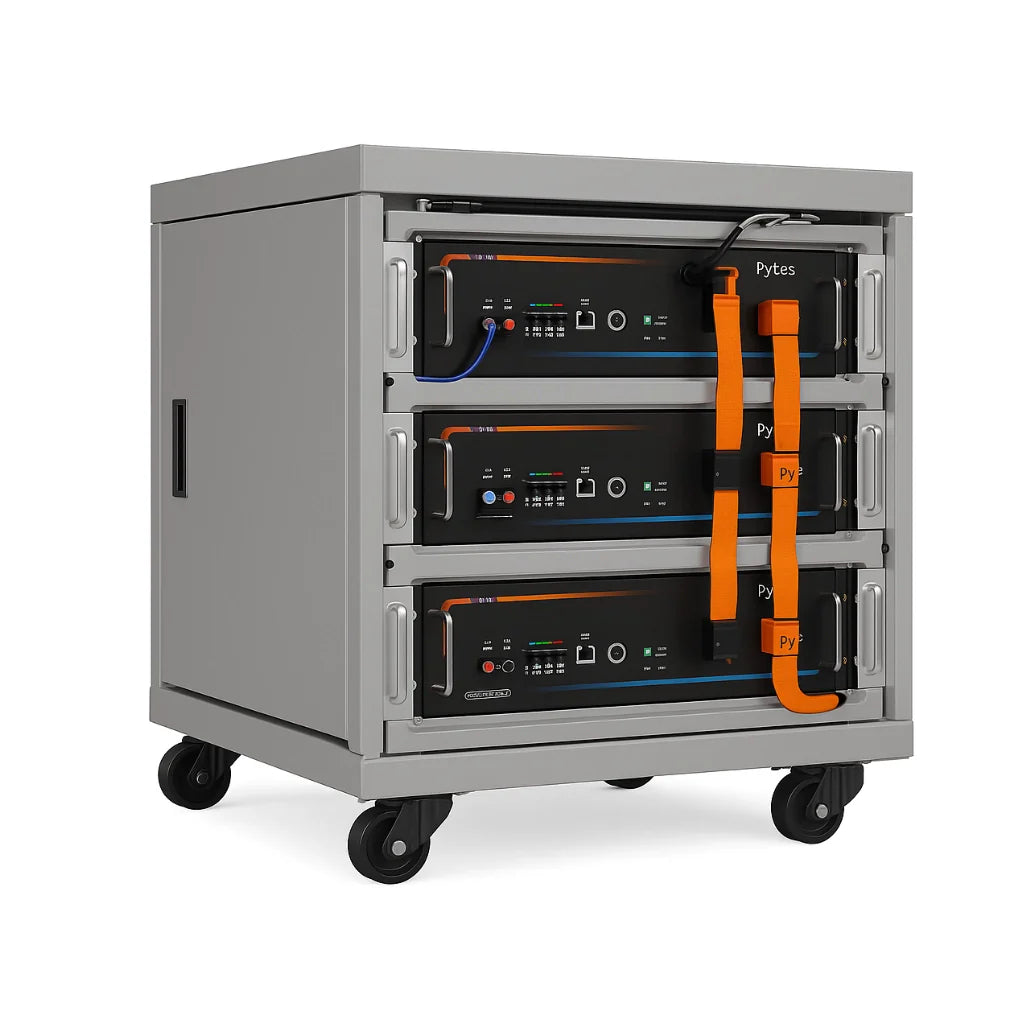
Lithium battery chemistry innovations like lithium iron phosphate (LFP) and lithium manganese iron phosphate (LMFP) increasingly dominate the campervan and motorhome sector. These chemistries offer superior safety profiles and longer lifespans compared to older nickel manganese cobalt (NMC) batteries. Off-grid travellers benefit from reliable power that supports lighting, refrigeration, heating, and electronics during extended trips.
Energy storage is vital for UK leisure vehicles operating far from mains hookups. Whether wild camping in the Scottish Highlands or touring coastal routes, advanced lithium systems deliver consistent performance. The UK battery market growth signals broader availability of cutting-edge products tailored for mobile applications.
Key statistic: UK battery storage capacity grew 509% between 2020 and 2025, creating unprecedented opportunities for leisure vehicle energy independence.
Manufacturers now prioritise compact, lightweight designs that maximise usable space in campervans. Intelligent battery management systems with Bluetooth connectivity have become standard, enabling smartphone monitoring of charge levels, temperature, and system health. This technology empowers you to manage energy consumption proactively and avoid unexpected power shortages.
Emerging lithium battery chemistries for leisure vehicles
Lithium iron phosphate (LFP) and lithium manganese iron phosphate (LMFP) represent the forefront of battery innovation for 2026. These chemistries provide improved safety and longer cycle life than traditional NMC batteries. LFP batteries excel in thermal stability, reducing fire risk significantly. LMFP builds on LFP advantages while offering slightly higher energy density.
Cost advantages make LFP particularly attractive. Prices per kilowatt-hour have fallen up to 30% compared to NMC equivalents. This reduction stems from simpler manufacturing processes and abundant raw materials. For leisure vehicle owners working within budgets, LFP delivers exceptional value without compromising performance or longevity.
Chemistry comparison:
| Chemistry | Safety | Cost per kWh | Cycle life | Energy density |
|---|---|---|---|---|
| LFP | Excellent | Lower | 3000-5000 cycles | Moderate |
| LMFP | Excellent | Moderate | 3000-4000 cycles | Good |
| NMC | Good | Higher | 1000-2000 cycles | High |
Trade-offs exist. LFP and LMFP offer slightly lower energy density than NMC, meaning larger physical size for equivalent capacity. However, enhanced thermal stability and reduced thermal runaway risk outweigh this limitation for most campervan applications. UK supply chains are adapting rapidly to meet growing demand for these safer chemistries.
Key benefits of LFP for leisure vehicles:
- Superior thermal stability reduces fire risk in confined vehicle spaces
- Longer cycle life means batteries last 5-10 years with regular use
- Lower cost per kWh improves return on investment
- Abundant raw materials support stable pricing and availability
- Minimal performance degradation across wide temperature ranges
Pro Tip: Choose LFP batteries for the best balance of safety, lifecycle cost, and reliability in UK leisure vehicle applications. The lithium leisure battery basics explain fundamental performance characteristics. Understanding lithium battery chemistries helps you evaluate options confidently. Many owners find compelling reasons for choosing lithium over lead acid systems.
The UK battery demand forecast projects continued LFP and LMFP adoption through 2035, reinforcing confidence in these technologies for long-term investment.
Intelligent battery management systems and real-time monitoring
Bluetooth-enabled battery management systems (BMS) have become standard in 2026 leisure vehicle batteries. These systems provide real-time battery health tracking and safety alerts directly to your smartphone. You can monitor charge cycles, cell voltages, temperature, and current draw without opening battery compartments or using external meters.

Intelligent management extends system longevity and performance significantly. BMS actively balances cells, preventing individual cells from overcharging or discharging beyond safe limits. This protection maintains optimal capacity throughout the battery’s lifespan. Temperature monitoring triggers warnings if batteries approach unsafe thermal thresholds, allowing you to reduce loads or improve ventilation.
Key BMS features for leisure vehicles:
- Real-time state of charge (SOC) and state of health (SOH) monitoring
- Individual cell voltage tracking and balancing
- Temperature alerts across multiple sensor points
- Historical data logging for performance analysis
- Customisable alerts for low voltage, high temperature, or overcurrent conditions
- Wireless connectivity eliminates complex wiring
Users gain unprecedented visibility into energy consumption patterns. Smartphone apps display which appliances draw most power and when batteries require recharging. This insight helps you optimise solar charging schedules and avoid running critical systems during low battery states. Some advanced systems integrate with solar charge controllers and inverters for unified energy management.
Pro Tip: Prioritise lithium battery systems with integrated Bluetooth BMS for safer, smarter control over your leisure vehicle’s energy. The bluetooth battery monitoring campervans guide details setup and usage. Proper lithium battery installation process ensures BMS functions correctly.
Advanced battery safety innovations continue improving BMS capabilities, including predictive maintenance algorithms that forecast remaining useful life based on usage patterns.
Economic and sustainability considerations for lithium batteries
Battery pack prices declined 45% from 2024 to 2025, driven by economies of scale and widespread LFP adoption. This dramatic cost reduction makes advanced lithium systems accessible to more leisure vehicle owners. Entry-level 100 Ah LFP batteries now compete on price with premium lead-acid alternatives whilst delivering superior performance and longevity.
Recycling and second-life battery use reduce environmental impact substantially. Leisure vehicle batteries reaching end-of-life can be repurposed for less demanding stationary storage applications before final recycling. UK government policies promote lithium battery deployment, recycling infrastructure, and innovation aligned with net-zero targets.
Economic and environmental factors:
- Lower upfront costs improve affordability for budget-conscious buyers
- Extended lifespans reduce replacement frequency and lifecycle costs
- Recycling programmes recover valuable materials and minimise waste
- Second-life applications maximise resource efficiency
- Government incentives may offset initial investment through grants or tax relief
- Reduced weight improves vehicle fuel efficiency and payload capacity
Total lifecycle costs favour lithium batteries significantly. Although initial purchase prices exceed lead-acid equivalents, longer lifespans and minimal maintenance deliver better value over five to ten years. Factor in weight savings, faster charging, and deeper discharge capabilities when evaluating return on investment.
Sustainability extends beyond recycling. Lithium batteries enable greater solar integration, reducing reliance on fossil fuel generators. This transition lowers carbon emissions and operating costs simultaneously. For environmentally conscious travellers, advanced battery systems align energy independence with ecological responsibility.
The lithium leisure batteries UK overview explores market developments. Understanding the benefits of lithium leisure batteries clarifies long-term value. Review 2025 battery cost trends for detailed pricing analysis.
Modularity, expandability, and practical system design
Modular lithium systems allow incremental expansion starting from 100 Ah capacities. You can install a single battery initially and add parallel units as energy demands grow. This stepwise approach matches storage capacity to actual usage without overinvesting upfront. Integration with solar panels enhances off-grid energy independence by replenishing batteries during daylight hours.
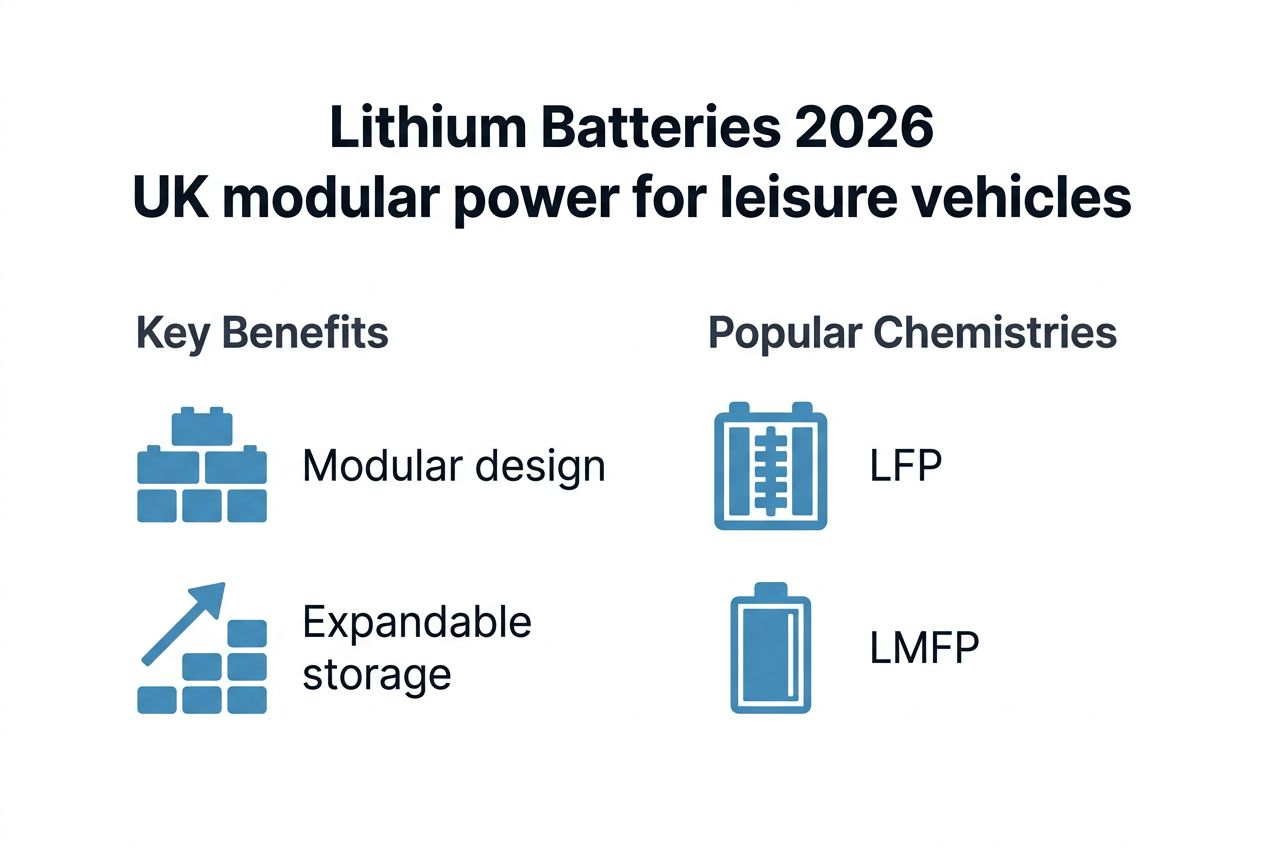
System design requires careful consideration of weight, space, and component compatibility. Lithium batteries weigh 50-60% less than equivalent lead-acid units, freeing payload for water, equipment, or personal belongings. Compact form factors fit into tight compartments under seats or in storage lockers. Ensure charge controllers, inverters, and BMS communicate properly for optimal performance.
Planning your modular battery system:
- Calculate daily energy consumption by listing all appliances and their power draw
- Select initial battery capacity to cover 24-48 hours without recharging
- Choose batteries with parallel expansion capability for future upgrades
- Install compatible solar panels sized to replenish daily consumption
- Verify charge controller and inverter specifications match battery chemistry and voltage
- Plan cable routing and ventilation to maintain safe operating temperatures
- Test system performance under realistic load conditions before extended trips
Design considerations:
- Ensure adequate ventilation around battery compartments despite lower heat generation
- Use appropriate cable gauges to minimise voltage drop over longer runs
- Mount batteries securely to prevent movement during travel
- Position Bluetooth BMS within smartphone range for reliable monitoring
- Allow space for future parallel battery additions
Integrating off-grid power solutions UK campervans with solar maximises autonomy. The solar battery integration benefits include extended boondocking capability and reduced generator reliance. Efficient system design incorporates energy-efficient integrations across all vehicle electrical components.
Common misconceptions and chemistry comparisons
Myth: All lithium batteries pose equal safety risks. Fact: LFP batteries reduce safety risks and offer longer cycle life than NMC chemistries. Thermal management advancements have significantly lowered fire risks in leisure vehicle applications by 2026.
Myth: Higher cost batteries always perform better. Fact: LFP often provides longer lifespan and better thermal stability at lower cost per kWh. Performance depends on application requirements rather than price alone. For leisure vehicles operating in temperate UK climates, LFP delivers optimal value.
Myth: Battery systems cannot be expanded easily. Fact: Modular systems allow flexible capacity upgrades by adding parallel batteries. Modern BMS technology manages multiple units seamlessly. You retain full investment value when expanding rather than replacing entire systems.
Detailed chemistry comparison:
| Characteristic | LFP | NMC |
|---|---|---|
| Thermal stability | Excellent, very low thermal runaway risk | Good, requires active cooling |
| Cost per kWh | £200-300 | £300-400 |
| Cycle life | 3000-5000 cycles | 1000-2000 cycles |
| Energy density | 90-120 Wh/kg | 150-220 Wh/kg |
| Cold weather performance | Good down to -10°C | Moderate, reduced capacity |
| Maintenance requirements | Minimal | Minimal |
| Discharge depth | 80-100% usable | 80-90% usable |
Addressing safety concerns:
- LFP chemistry eliminates cobalt, reducing thermal instability
- Phosphate-based cathodes resist thermal decomposition
- Built-in BMS provides multiple protection layers
- UK regulations enforce strict safety standards for vehicle batteries
Pro Tip: Choose LFP for safer, longer-lasting, and more cost-effective leisure vehicle power that withstands UK climate conditions year-round. Understanding lithium battery misconceptions prevents costly mistakes. Review battery safety improvements for latest technical developments.
UK policy landscape and its impact on leisure vehicle energy storage
Net-zero carbon targets are accelerating battery storage demand across UK leisure vehicles. Policies promoting net-zero goals, domestic battery supply chain development, and recycling programmes strongly influence lithium battery adoption. Government funding supports innovation in battery technology, manufacturing capacity, and circular economy initiatives.
Regulations enforce safety standards for lithium batteries used in vehicles. These requirements cover cell quality, BMS functionality, and installation practices. Compliance ensures products meet minimum safety thresholds and perform reliably under real-world conditions. For consumers, regulations provide confidence that commercially available batteries undergo rigorous testing.
Policy impacts on leisure vehicle owners:
- Funding programmes may subsidise battery purchases or solar installations
- Safety standards guarantee minimum product quality and performance
- Recycling infrastructure ensures responsible end-of-life battery disposal
- Domestic manufacturing initiatives improve product availability and reduce import dependence
- Innovation grants accelerate development of next-generation battery technologies
Incentives may reduce upfront costs through grants, tax relief, or financing schemes. Check regional and national programmes for current offerings. Some local authorities provide additional support for residents adopting renewable energy technologies. These financial mechanisms make advanced lithium systems more accessible across income levels.
The UK lithium battery policies framework balances environmental goals with economic development objectives. Projections indicate sustained growth in battery deployment through 2035, creating long-term market stability for leisure vehicle energy storage solutions.
Conclusion: empowering energy independence with advanced storage in 2026
Advanced lithium battery technologies empower UK leisure vehicle owners to achieve genuine energy independence. LFP chemistry delivers the optimal balance of safety, longevity, and cost-effectiveness for campervan and motorhome applications. Intelligent battery management systems provide real-time monitoring and proactive protection that extends battery lifespan significantly.
Modular system designs offer flexibility to start small and expand as needs evolve. This approach aligns investment with actual energy consumption whilst maintaining upgrade paths. Integrating solar panels with advanced batteries maximises off-grid capability and reduces reliance on generators or mains hookups.
UK policies supporting net-zero goals, recycling infrastructure, and domestic manufacturing create a favourable environment for sustainable energy storage adoption. Falling costs and improving technology make 2026 an excellent time to upgrade leisure vehicle power systems. Balance performance requirements, budget constraints, and environmental considerations to select the best solution for your adventures.
Explore advanced solar and battery systems for your leisure vehicle
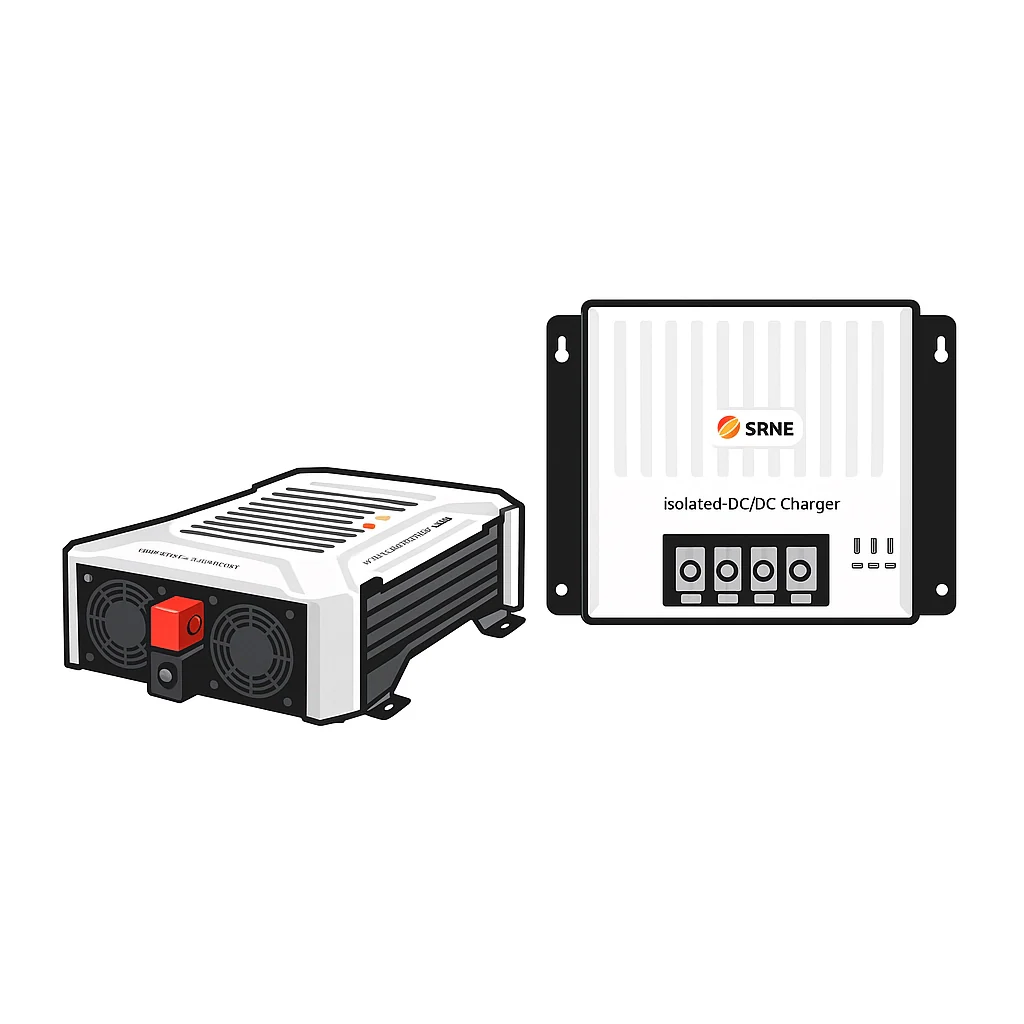
Ready to implement the energy storage trends discussed? Skyenergi offers integrated solutions tailored for UK leisure vehicles. Our solar power electrics system combines inverter/chargers with intelligent monitoring for complete off-grid capability.
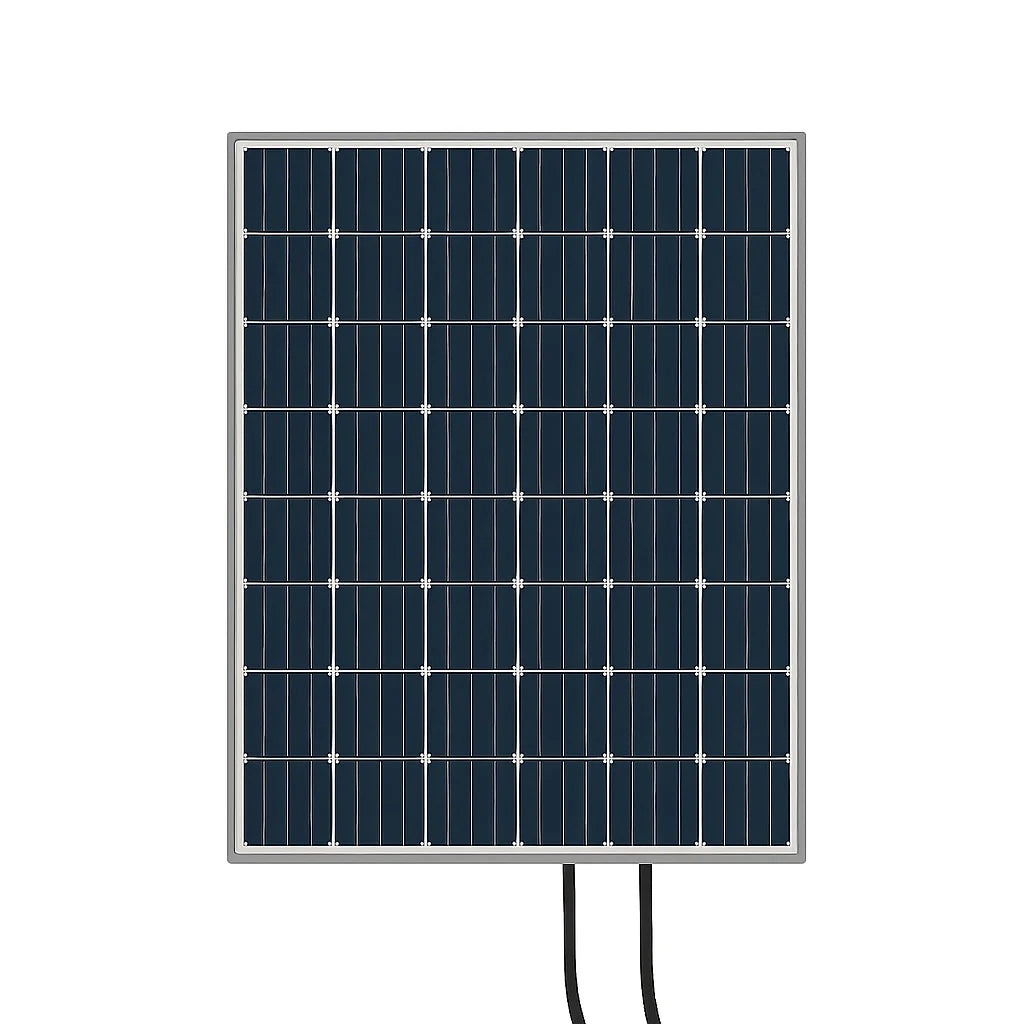
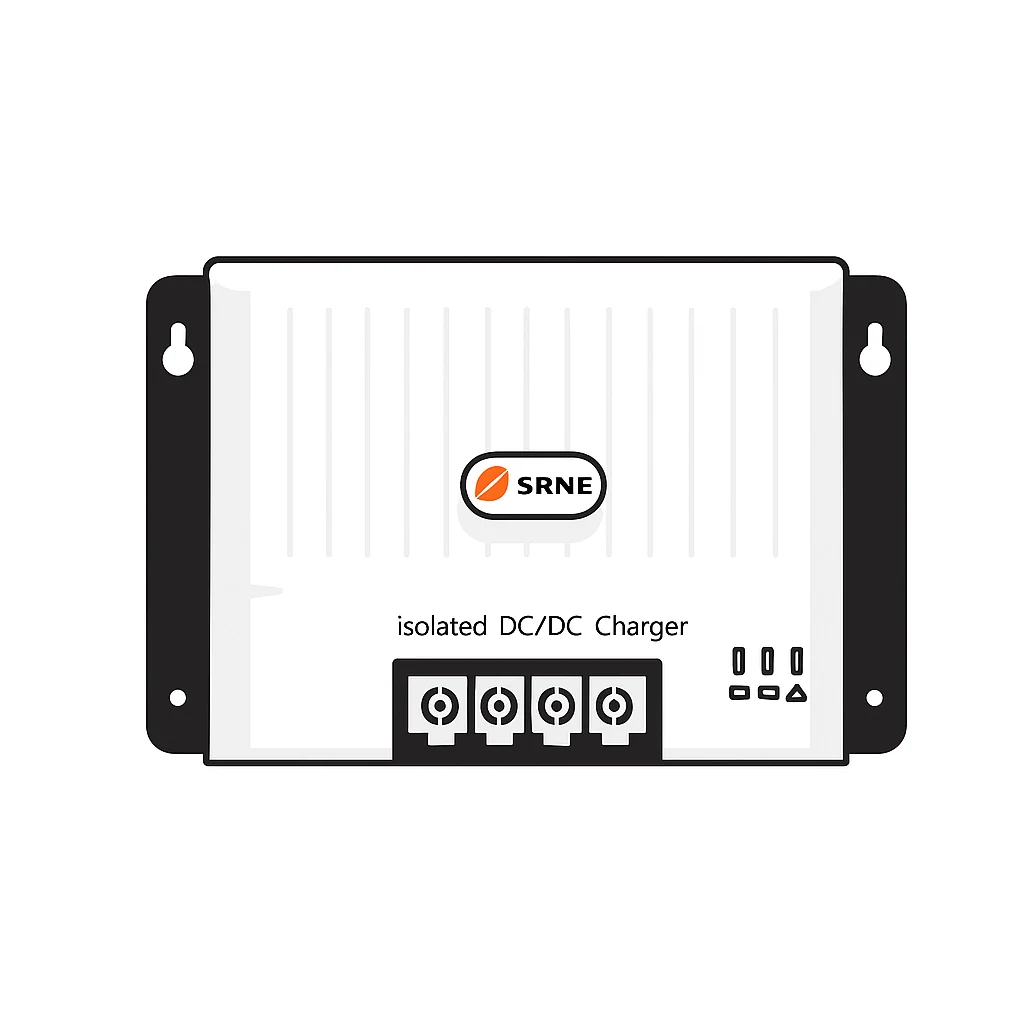
Explore the Easysolar-II MPPT charge controller for seamless solar integration with lithium batteries. Pair it with our Victron 610 watt solar panel for robust energy harvesting. Each product features modular design and Bluetooth connectivity, supporting expandable systems that grow with your needs. Transform your campervan into a self-sufficient mobile home.
Frequently asked questions
What are the safest lithium battery chemistries for leisure vehicles?
LFP batteries have improved thermal stability and reduced fire risk compared to other lithium chemistries. They are widely adopted in UK leisure vehicles for enhanced safety, offering peace of mind during extended off-grid adventures.
How does modular battery design benefit off-grid leisure vehicle use?
Modular systems allow incremental capacity expansion aligned with your energy consumption patterns. They provide flexibility to upgrade without replacing the entire battery pack, protecting your initial investment whilst accommodating growing power demands.
What role do intelligent battery management systems play in battery longevity?
BMS monitors battery health in real-time, preventing unsafe conditions that accelerate degradation. Alerts allow proactive maintenance such as reducing loads or improving ventilation, extending battery life and maintaining optimal performance throughout the system’s lifespan.
How are UK policies influencing lithium battery use in leisure vehicles?
Policies support net-zero goals with funding, recycling incentives, and safety standards that encourage adoption. They improve domestic battery supply chains and provide financial support, making advanced lithium systems more accessible and environmentally sustainable for UK leisure vehicle owners.
Recommended
Prev post

Solar charging for boat owners: reliable UK energy solutions 2026
Updated on 08 March 2026
Next post

Energy storage installation workflow UK campervans 2026
Updated on 06 March 2026


