





Why install lithium in motorhomes: Key benefits explained
Discover why install lithium in motorhomes for more energy, longevity, and peace of mind. Upgrade your off-grid experience today!
TL;DR:
- Lithium leisure batteries offer significantly longer cycle life and higher usable capacity compared to traditional lead-acid units, transforming off-grid power management. They are lighter, more compact, and accept faster recharging, making them ideal for extended wild camping and remote touring. Proper system compatibility and installation are essential to maximize their benefits and justify the higher upfront cost for dedicated off-grid use.
Most UK motorhome owners assume a leisure battery is a leisure battery. Swap one out, put another in, job done. But lithium delivers far more usable energy and longevity than traditional lead-acid units, and that gap is significant enough to change how you travel. This guide covers the practical performance differences, real-world benefits for off-grid use, what a proper installation involves, and when upgrading actually makes financial sense. Whether you’re planning extended wild camping or simply want reliable power without the anxiety, here’s what you need to know.
Table of Contents
- How lithium batteries outperform lead-acid in motorhomes
- Key benefits of lithium for off-grid motorhome living
- Practical considerations: Installation and system compatibility
- Is lithium always worth it? When to upgrade (and when to wait)
- Why many owners misunderstand the real value of lithium
- Ready to experience next-level motorhome energy?
- Frequently asked questions
Key Takeaways
| Point | Details |
|---|---|
| Much longer lifespan | Lithium batteries last up to ten times longer than lead-acid types in motorhome use. |
| Near-total usable power | You can access almost all of a lithium battery’s energy, so off-grid trips last longer. |
| Faster and lighter | Lithium charges faster and is about half the weight, improving payload flexibility. |
| Not always a straight swap | Check your charger and installation, as lithium often needs compatible system upgrades. |
How lithium batteries outperform lead-acid in motorhomes
Now that you understand there are real differences, let’s see how these translate into tangible benefits for your motorhome.
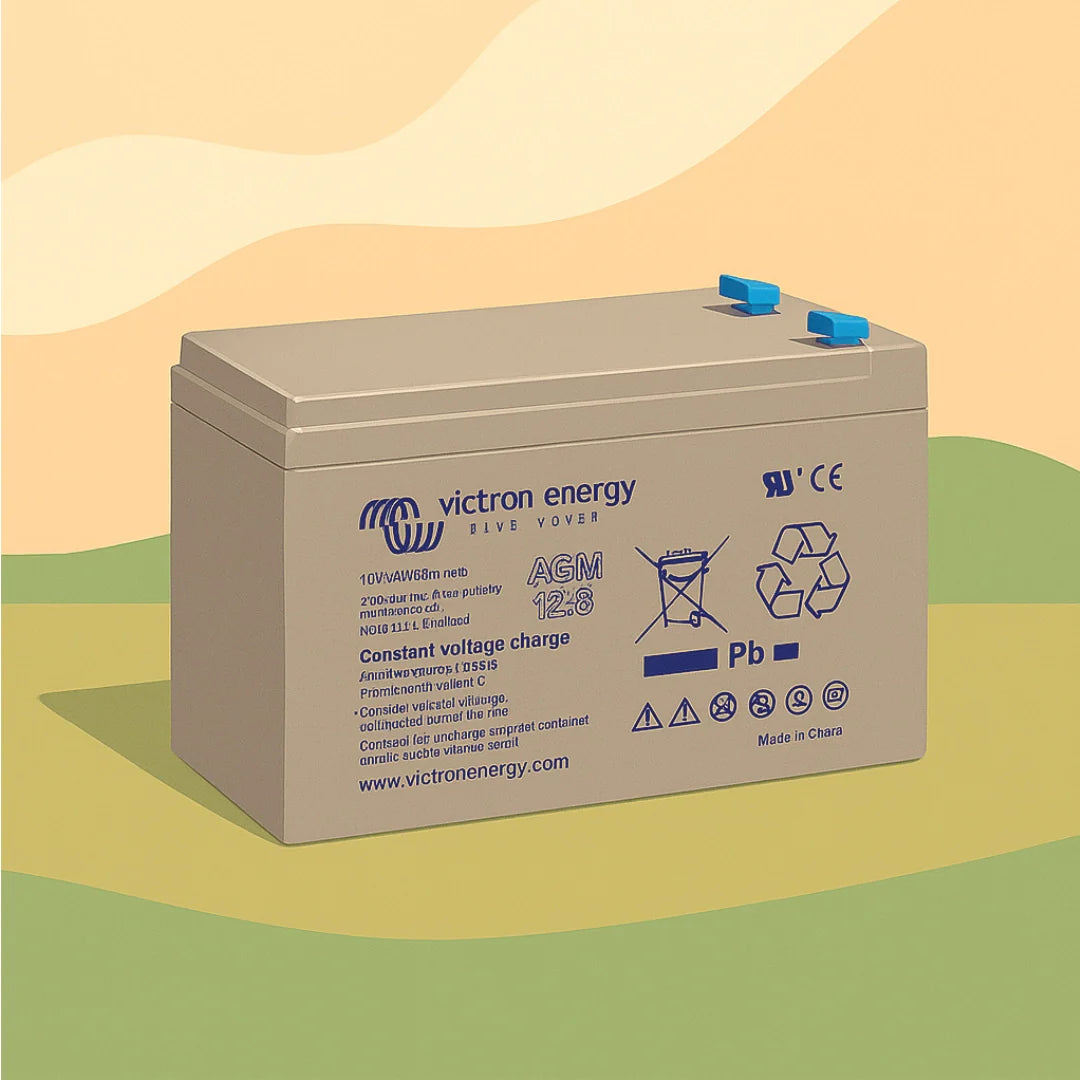
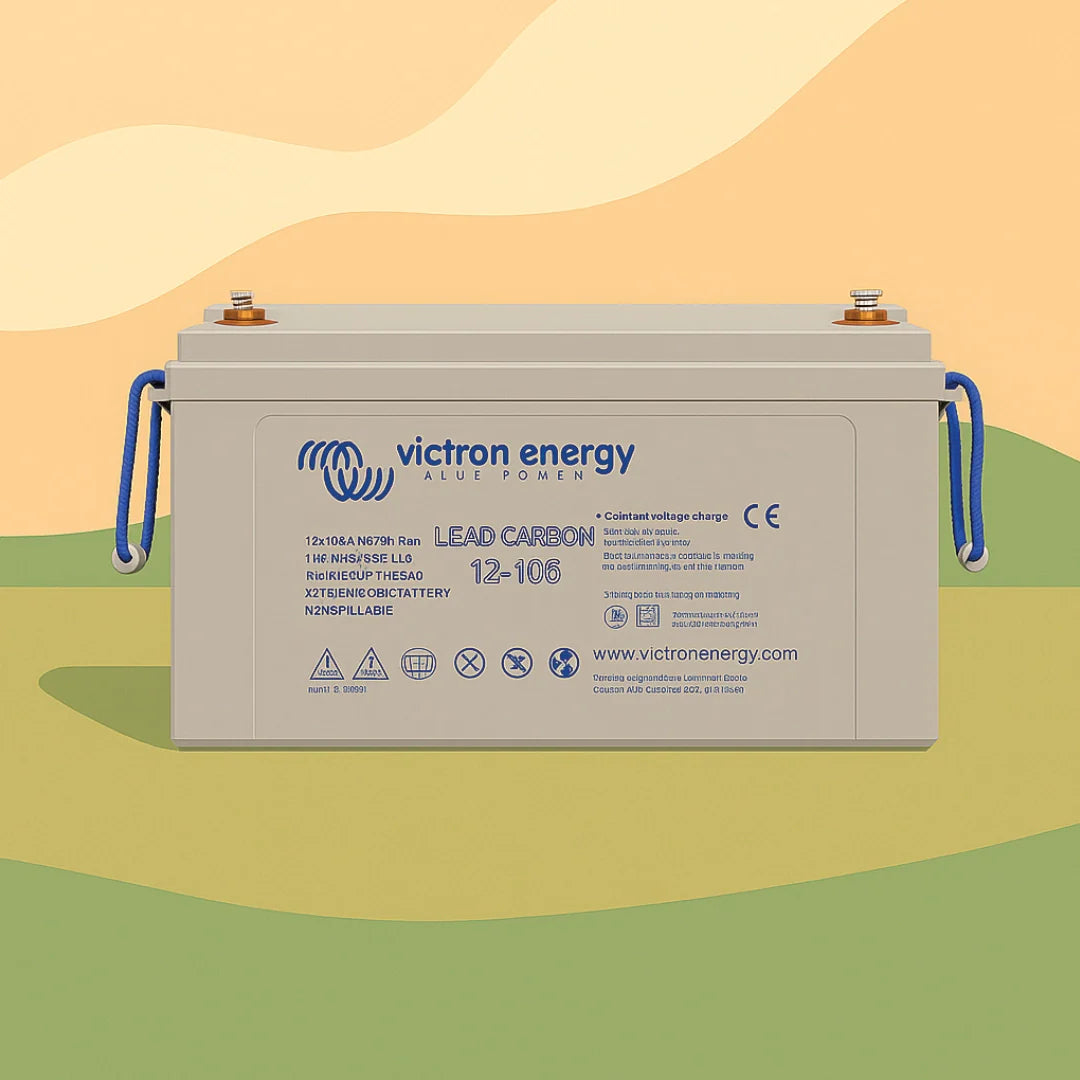
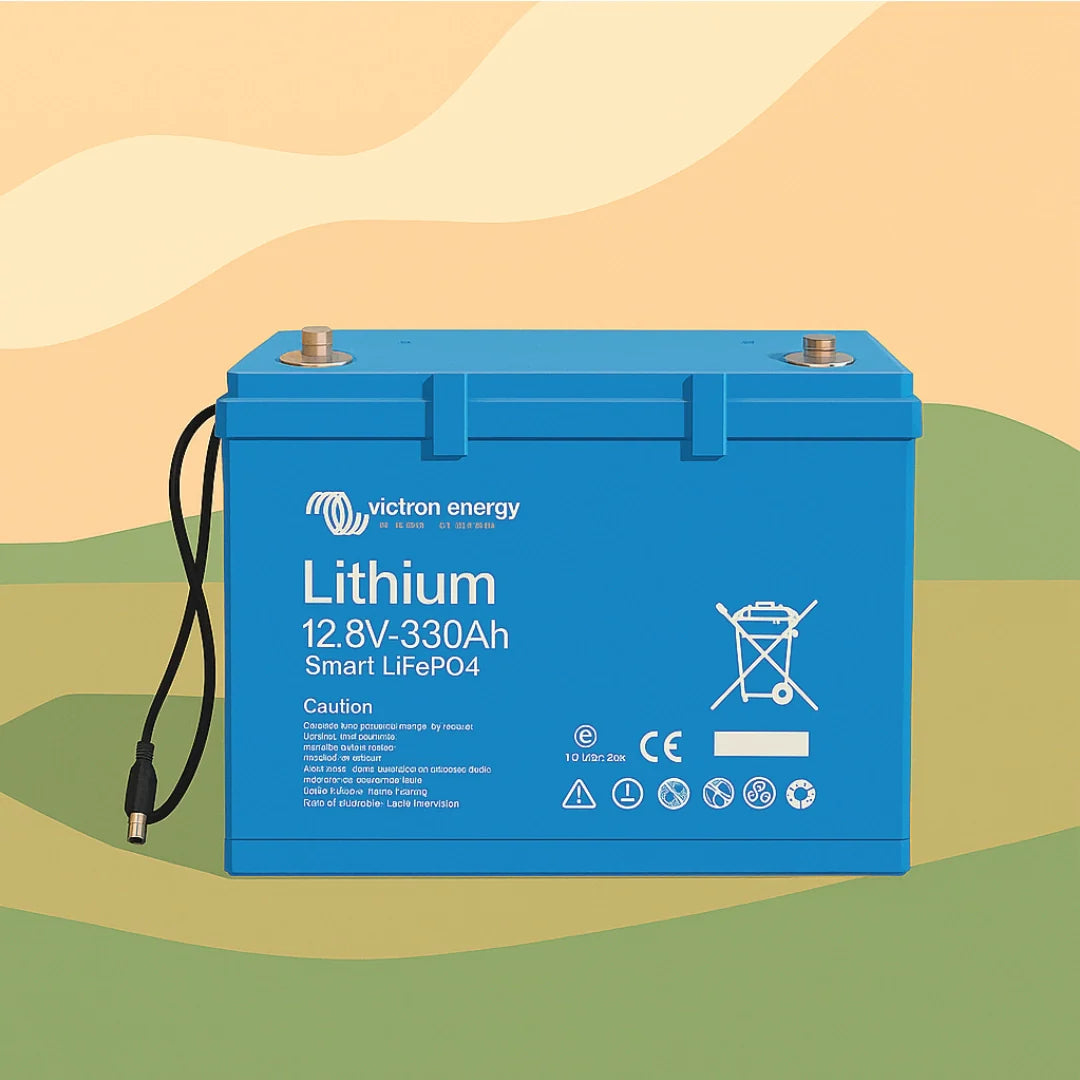
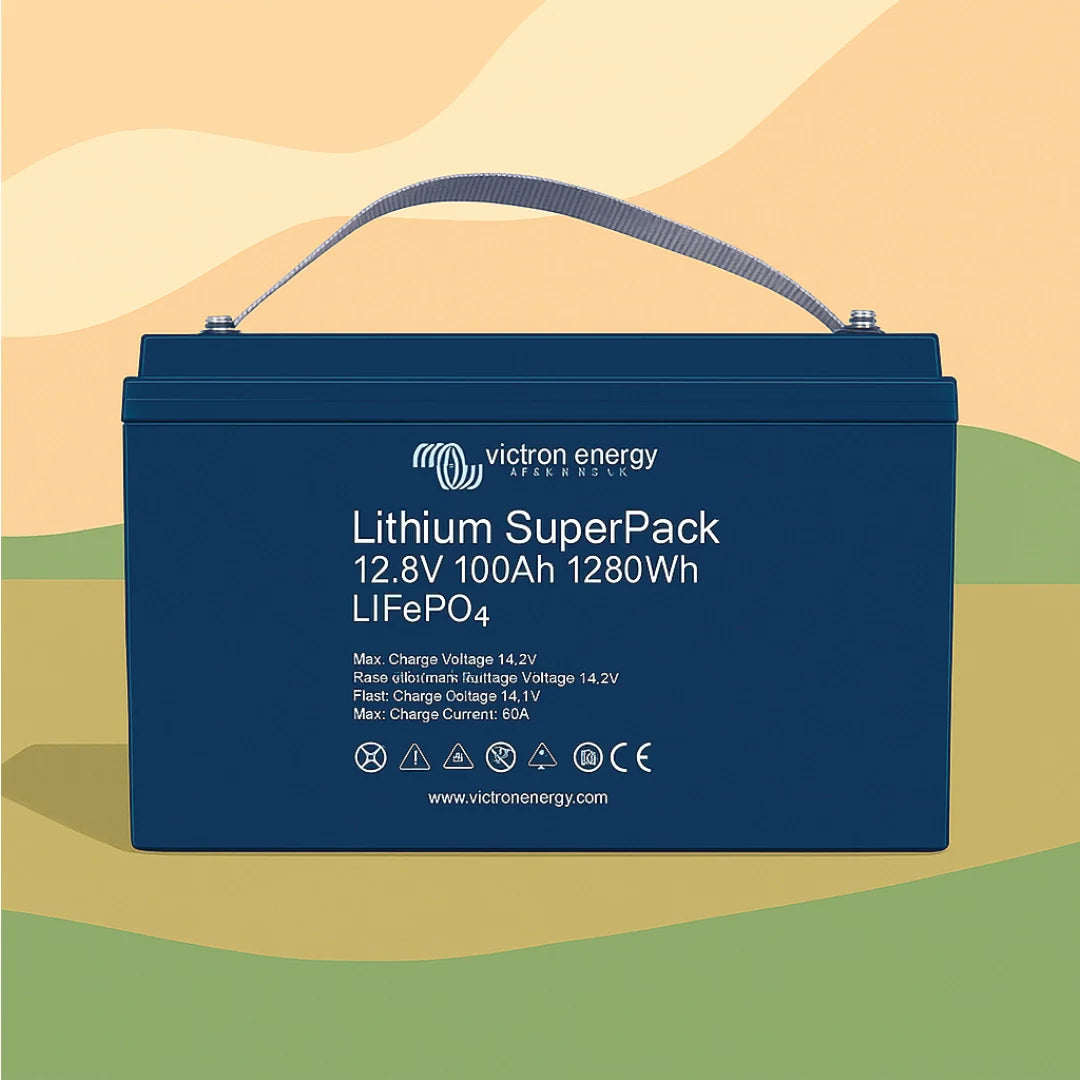
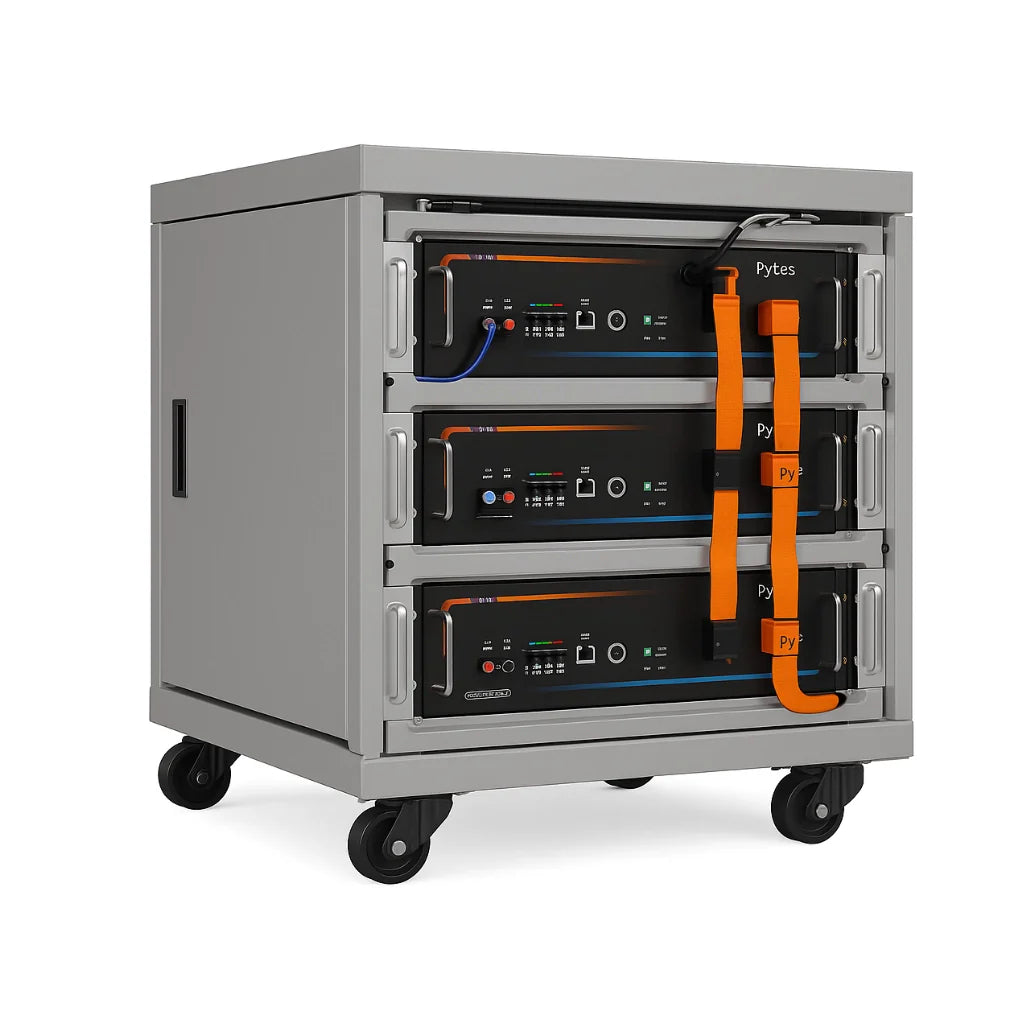
Lithium iron phosphate (LiFePO4) technology is purpose-built for the kind of repeated, deep charge and discharge cycles that motorhome use demands. Lead-acid batteries, including AGM (Absorbent Glass Mat) variants, degrade relatively quickly when you push them hard. Lithium does not. The chemistry is fundamentally more stable, and that stability pays dividends over years of touring.
Cycle life and durability
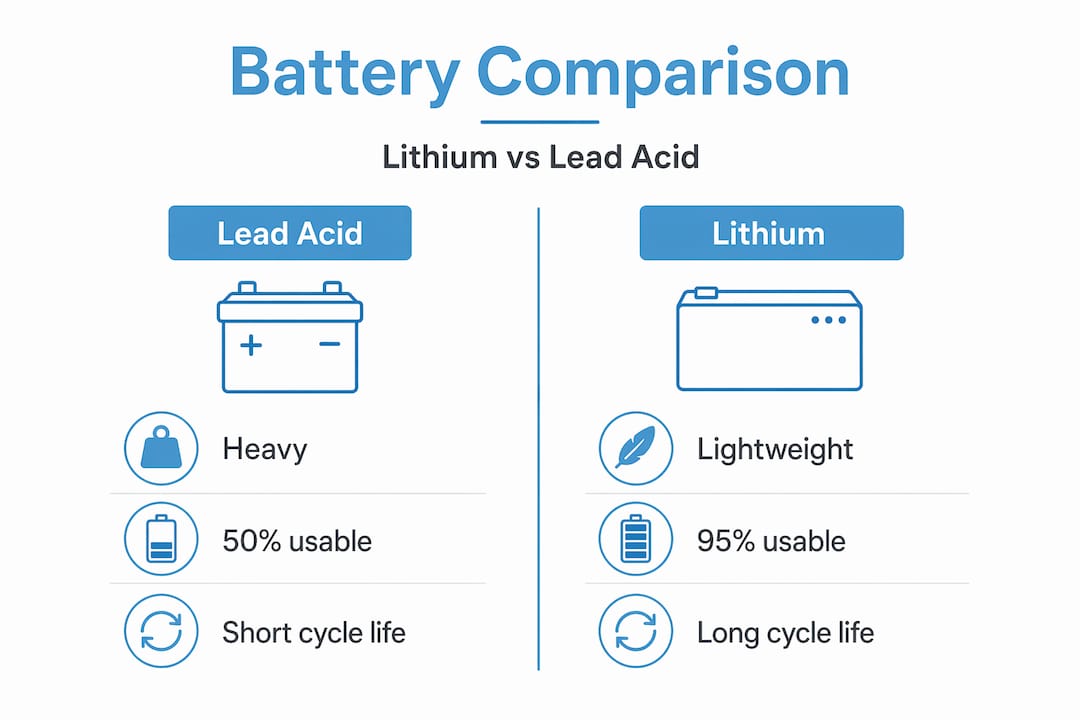
Lithium leisure batteries can last over ten times as long as lead-acid in typical motorhome use. That is not a marginal improvement. A quality lithium unit rated for 3,000 to 5,000 cycles far outlasts the 300 to 500 cycles typical of conventional batteries. For an owner who cycles their battery regularly through a touring season, this means a lithium battery could realistically last a decade or more before needing replacement.
A lead-acid battery cycled daily during a busy touring season may need replacing within two to three years. A lithium equivalent, used the same way, could still be performing well after ten years.
Usable capacity: The 50% rule nobody tells you
This is where the practical difference becomes stark. When you buy a 100Ah lead-acid battery, you cannot actually use 100Ah. To protect the battery from damage and premature failure, you should only discharge it to around 50%. That gives you 50Ah of real-world, usable power.
A 100Ah lithium battery, by contrast, lets you use close to the full rated capacity. You have effectively doubled your usable energy storage without adding a second battery. For a detailed breakdown of these differences, the lithium vs lead-acid comparison on the Skyenergi blog explains the technical reasoning clearly.
Weight and payload savings
Lithium is significantly lighter than lead-acid for the same energy output. A typical 100Ah AGM battery weighs around 25 to 30kg. A lithium equivalent sits closer to 12 to 15kg. Across a two or three-battery bank, the weight savings can exceed 40kg, which is meaningful for payload management and overall handling.
The benefits over lead-acid also extend to physical size. Lithium cells are more energy-dense, so you can sometimes fit more capacity into the same locker space your original battery occupied.

| Feature | Lead-acid (AGM) | Lithium (LiFePO4) |
|---|---|---|
| Usable capacity | ~50% | ~95-100% |
| Cycle life | 300-500 cycles | 3,000-5,000 cycles |
| Weight (100Ah typical) | 25-30kg | 12-15kg |
| Charge acceptance | Moderate | High |
| Self-discharge rate | Higher | Very low |
| BMS protection | None built-in | Integrated BMS standard |
For owners weighing up AGM and lithium differences before committing to a purchase, the capacity and longevity figures alone tend to settle the question for regular tourers.
Key benefits of lithium for off-grid motorhome living
Having outlined the standout features, let’s break down the main reasons owners choose lithium for motorhome upgrades.
Off-grid touring places specific demands on your energy system. You are relying entirely on stored power and whatever your solar panels or alternator can put back in. Every efficiency gain matters. Lithium addresses several of the most common pain points in one upgrade.
More usable power per trip
Lithium lets you use almost 100% of the stated amp-hour rating, whereas lead-acid should typically only be discharged to around 50% to protect lifespan. This means you can run appliances longer between charges. A diesel heater, a 12V compressor fridge, LED lighting, phone charging, and laptop use all become easier to sustain overnight without watching the voltage meter nervously.
Faster recharging from solar or alternator
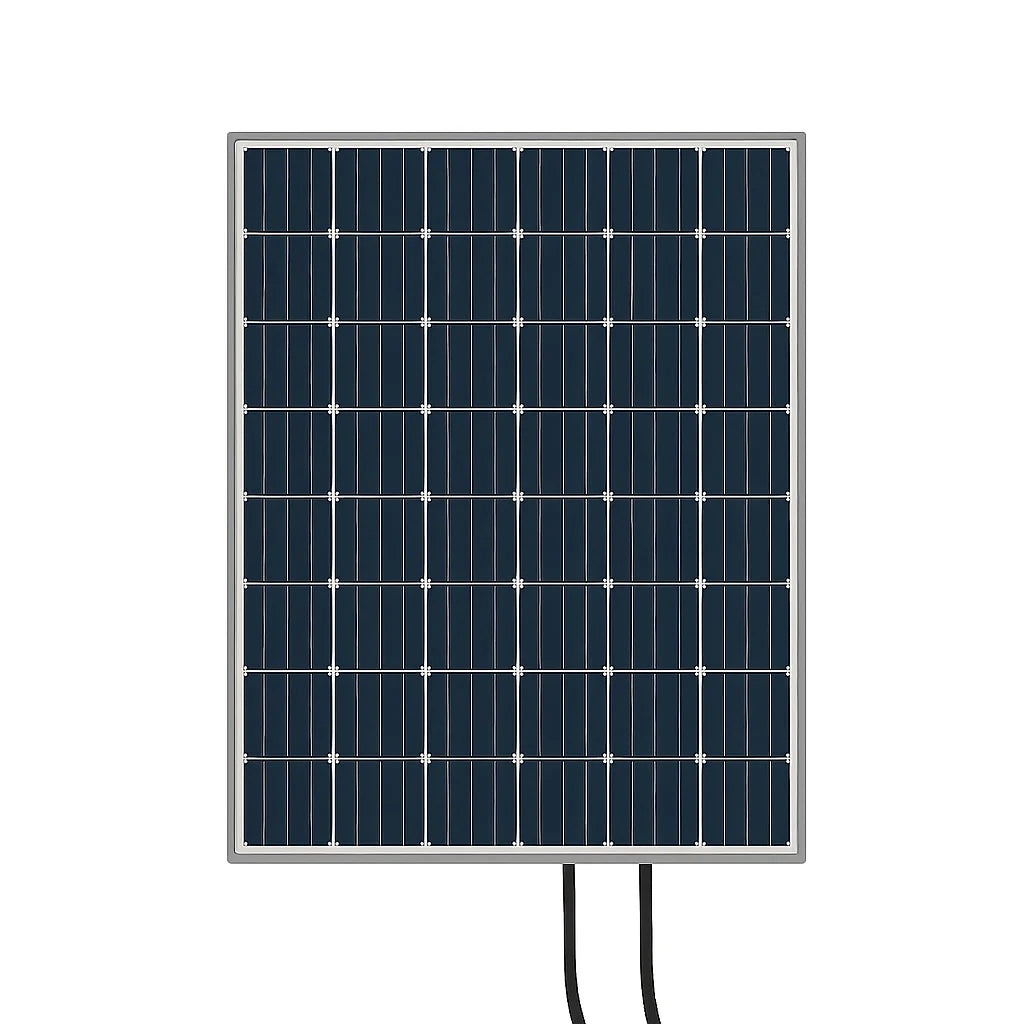
Lithium batteries accept charge at a higher rate than lead-acid. This matters enormously when you are covering short distances between campsites or relying on a rooftop solar array. A lead-acid battery in its final stages of charging (the absorption phase) takes a long time to reach full capacity. Lithium reaches full charge faster and with less wasted energy. Lithium makes sense with solar precisely because of this better charge efficiency. The off-grid lithium advantages are especially clear when your solar yield varies day to day, as it does across a UK summer.
Battery health monitoring
Most lithium leisure batteries designed for motorhome use include an integrated BMS (Battery Management System). This circuitry protects against overcharge, over-discharge, short circuit, and overtemperature events. Many modern units also include Bluetooth connectivity, allowing you to monitor state of charge, voltage, and temperature from your phone in real time. That visibility is genuinely useful when managing power across a multi-day trip.
Key benefits for off-grid use at a glance:
- Full usable capacity without damaging the battery
- Faster solar and alternator recharging
- Integrated BMS protection as standard
- Bluetooth monitoring on compatible units
- Lower self-discharge over storage periods
- Lighter weight improving payload and handling
- Longer service life reducing replacement frequency
For owners building out a complete off-grid system, battery banks for independence covers how to size and configure multiple lithium units for higher capacity demands.
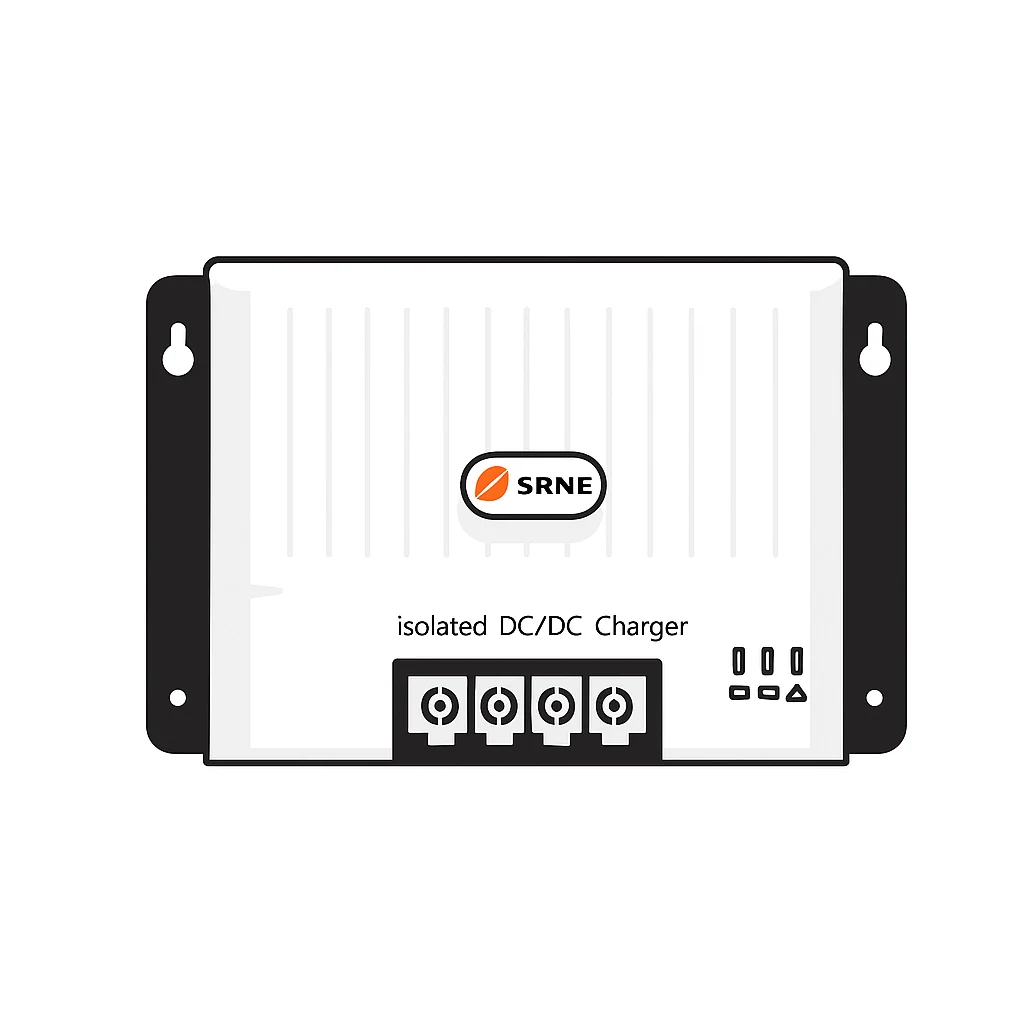
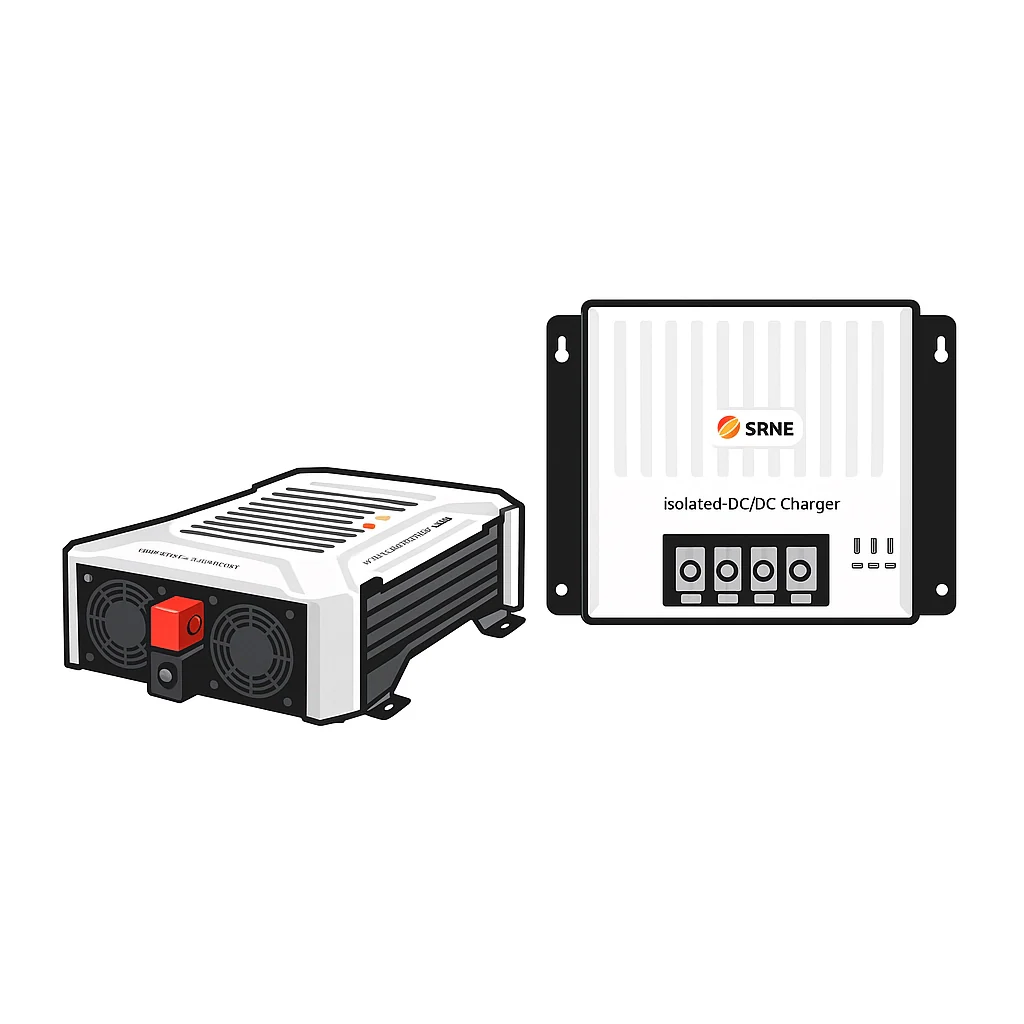
Pro Tip: Pairing a lithium battery with a quality MPPT solar controller and a DC/DC converter for alternator charging gives you the most efficient charging system possible. Each component should be lithium-compatible to get the full benefit. Mismatched kit is the most common reason owners do not see the performance gains they expected.
Practical considerations: Installation and system compatibility
Before you decide on a lithium upgrade, it’s important to know what’s involved in a safe, effective installation.
Lithium is not always a direct swap. The chemistry requires different charge parameters compared to lead-acid, and using incompatible charging equipment can lose performance and potentially harm the battery. A charging system upgrade may be needed before you install your new battery. Understanding what needs checking saves money and avoids warranty issues.
Steps to a compatible lithium installation
-
Check your mains charger. Your 230V hookup charger must support a lithium charge profile. Many older chargers are designed only for lead-acid or AGM and will not correctly charge a lithium unit. Look for a charger with a dedicated LiFePO4 setting.
-
Assess your split charge relay or DC/DC converter. Older split charge relays that trigger on voltage alone are not suitable for lithium charging from the vehicle alternator. A DC/DC converter (also called a B2B charger) is the correct solution. It regulates the charge current and applies the correct profile regardless of alternator output.
-
Check your solar charge controller. If you have a solar panel setup, ensure your MPPT controller supports a lithium charging profile. Most modern MPPT units do, but older PWM (Pulse Width Modulation) controllers may not. Update the settings or replace the unit if necessary.
-
Confirm battery monitor compatibility. If you use a battery monitor such as a shunt-based unit, recalibrate it for lithium chemistry. Lithium’s voltage curve is flatter than lead-acid, which affects state-of-charge readings.
-
Review fusing and wiring. Lithium batteries can deliver higher peak currents than lead-acid. Confirm your cabling and fusing are rated appropriately for the battery’s maximum discharge current.
For a full walkthrough, the guide on setting up lithium battery systems covers each component in detail, and the lithium battery installation steps page provides a practical step-by-step approach.
Pro Tip: The most frequently overlooked step is resetting the solar charge controller to a lithium profile. Leaving it on an AGM setting results in undercharging, which reduces the capacity you actually access day to day. Takes two minutes to correct and makes a noticeable difference in performance.
Is lithium always worth it? When to upgrade (and when to wait)
To round off, let’s clarify precisely who gains most from installing lithium, and who might wait or stick with lead-acid for now.
Lithium is a genuinely superior technology, but it costs more upfront. That premium is justified in specific usage patterns and less so in others. For UK owners who regularly dry-camp with solar and use high draw loads, lithium is most justified. If you mainly use electric hook-up, the higher upfront cost is less easily offset.
Who benefits most from lithium
- Owners who regularly wild camp or use sites without electric hook-up
- Tourers running high-draw appliances: diesel heaters, compressor fridges, inverters
- Those with existing or planned solar panels wanting maximum efficiency
- Owners doing multi-night stays in remote locations
- Motorhomers who store the vehicle for months and want low self-discharge
When to wait or stick with lead-acid
- You travel occasionally, perhaps three or four weeks per year total
- Your motorhome is almost always plugged into mains hook-up
- You run minimal electrical loads: basic lighting and phone charging only
- You are close to replacing the vehicle and a long-term battery investment is not practical
| Usage profile | Lithium recommended? | Reasoning |
|---|---|---|
| Regular wild camping with solar | Yes, strongly | Full usable capacity and fast recharging essential |
| Mixed touring, occasional off-grid | Yes | Benefits still clear over a season |
| Mostly hook-up, occasional off-grid | Borderline | May not offset upfront cost quickly |
| Always on electric hook-up | No | Lead-acid is cost-effective for this pattern |
| Infrequent use, minimal loads | No | Insufficient cycling to justify premium |
For owners ready to move forward, the battery upgrade steps guide and UK lithium upgrade real-world examples offer practical starting points based on real motorhome configurations.
Why many owners misunderstand the real value of lithium
With all the technical benefits in mind, let’s zoom out. What does lithium really change about the motorhome experience?
Most owners shopping for a lithium upgrade focus on the specifications: cycle count, amp-hours, weight. Those numbers matter, but they describe the mechanism, not the outcome. The real value of lithium is behavioural. It changes how you use your van and where you feel comfortable taking it.
With adequate lithium capacity paired with solar, you stop rationing power. You run the heater properly. You charge the laptop without calculating whether you have enough in reserve for the fridge overnight. You wake up and check the battery app, see 85% remaining, and head further off-road without needing to find a campsite with hook-up by evening. That freedom is what owners who have made the switch consistently report as the actual benefit.
The contrarian view worth stating clearly: if you are not pairing lithium with solar or significant alternator charging, and if you are not regularly off-grid, the upgrade is difficult to justify on a financial basis alone. Lithium in a van that spends most of its time plugged in is technically underused. The chemistry is capable of far more than that usage pattern demands, and a well-maintained AGM battery would serve the same role at lower cost.
But for anyone serious about practical lithium benefits in a real touring context, the technology removes the most persistent frustration of motorhome energy management: the constant awareness that your power might run out before your plans do.
The upgrade also tends to unlock a different mindset. Once you stop worrying about battery state, you focus on the trip. That is the value that does not appear on a specification sheet.
Ready to experience next-level motorhome energy?
Lithium represents a genuine step forward for motorhome energy systems, especially for owners who want reliable, independent power on the road. Whether you are building a system from scratch or replacing ageing lead-acid batteries, the right equipment and setup make all the difference.
Skyenergi supplies a full range of lithium leisure batteries, MPPT solar controllers, DC/DC converters, and Victron-compatible components suited to UK motorhome installations. Products are sourced directly from manufacturers, keeping pricing competitive without compromising on quality. From single battery upgrades to complete off-grid energy systems, you can explore the full range and get technical guidance at skyenergi.com. If you are ready to upgrade, browse the Skyenergi lithium range and find the right specification for your van.
Frequently asked questions
Do I need to upgrade my charger to install lithium in my motorhome?
In most cases, yes. A lithium battery upgrade is not always a simple drop-in, and compatibility with your charging equipment is critical to both performance and battery longevity.
Will a lithium battery really let me camp longer without hook-up?
Yes. Lithium batteries provide deeper usable capacity and faster recharging compared to traditional types, which directly extends how long you can stay off-grid between charge cycles.
Are lithium batteries safe for UK motorhomes?
Yes, lithium leisure batteries designed for motorhome use include integrated BMS protection against overcharge, over-discharge, and short circuit events. Correct installation is essential to ensure the system operates safely.
Is the higher upfront cost of lithium worth it for occasional users?
If you mostly use electric hook-up or travel infrequently, the higher upfront cost is unlikely to be offset by the performance benefits, making lead-acid a more practical choice for that usage pattern.
Will switching to lithium save weight in my motorhome?
Yes. Lithium is about 50% lighter than lead-acid for equivalent performance, which meaningfully reduces payload and can improve vehicle handling, particularly when running larger battery banks.
Recommended
Prev post

Campervan energy storage: your 2026 upgrade guide
Updated on 15 May 2026
Next post

Why lithium batteries matter for UK leisure vehicles
Updated on 13 May 2026


