





Top tips for campervan energy independence in the UK
Learn how to achieve true campervan energy independence in the UK with the right battery, solar, and multi-source charging setup for year-round off-grid power.
TL;DR:
- Accurate energy calculations and multi-source charging are essential for reliable UK campervan power.
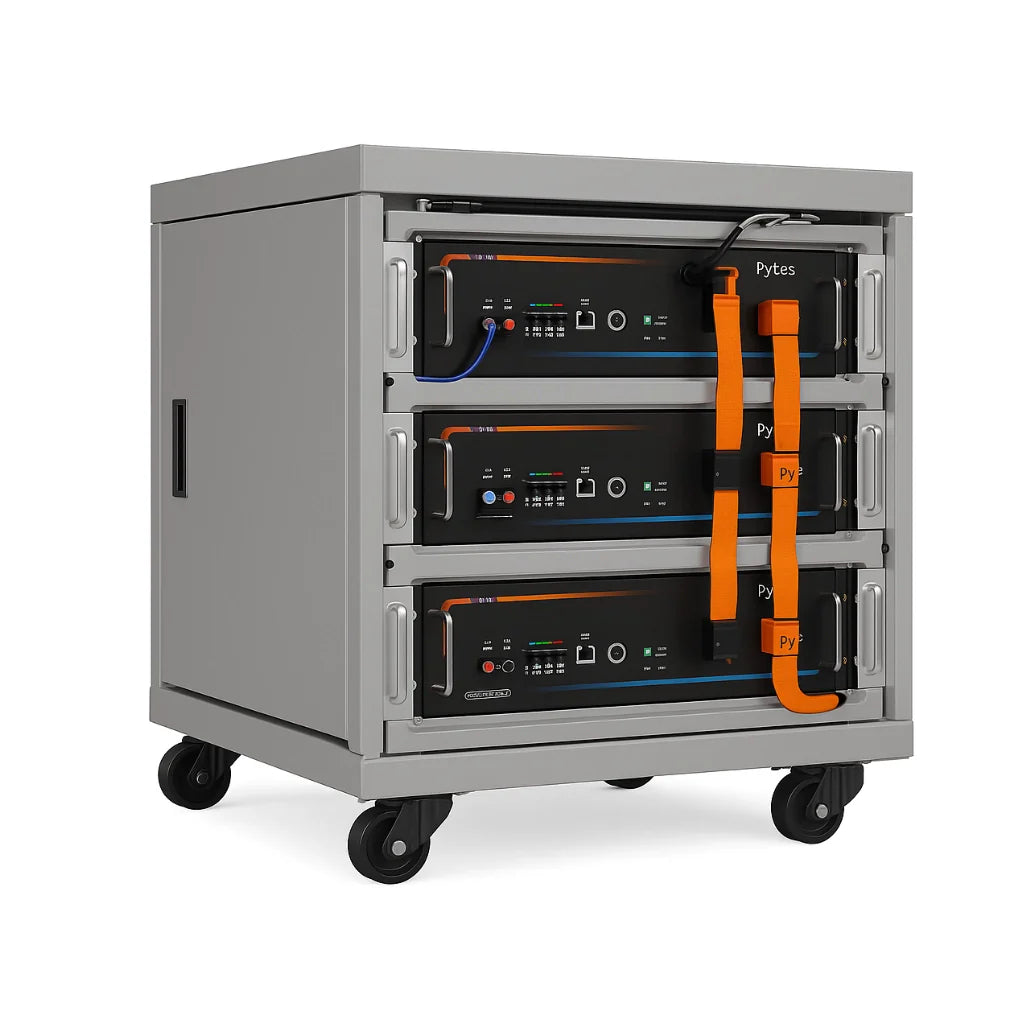
- Lithium batteries offer higher capacity, longer lifespan, and weight savings over AGM options.
- Sized solar panels combined with backup charging and monitoring ensure consistent off-grid independence year-round.
True energy independence in a UK campervan takes more than bolting a solar panel to the roof. British weather is unpredictable, daylight hours shrink dramatically in winter, and the wrong system leaves you running on fumes at a campsite in November. Getting it right means working through a logical sequence: calculate your actual energy needs, choose the correct battery technology, size your solar properly, add backup charging sources, and install everything to a safe standard. Follow these steps and you’ll have a system that genuinely works year-round, not just on a sunny August weekend.
Table of Contents
- Start with accurate energy usage calculations
- Choose the right battery: Lithium vs AGM
- Solar panel and controller setup for the UK climate
- Reliability through multi-source charging
- Smart monitoring, safety, and installation standards
- Our take: What most guides miss about campervan energy independence
- Ready for true off-grid freedom?
- Frequently asked questions
Key Takeaways
| Point | Details |
|---|---|
| Calculate true energy needs | List all appliances and usage hours to accurately size batteries and solar for your setup. |
| Lithium battery advantages | Choose LiFePO4 lithium batteries for maximum capacity, low weight, and longevity off grid. |
| Multi-source charging required | Combine solar, alternator DC-DC, and shore charging for reliable year-round independence. |
| Optimise for British weather | Use parallel-wired rigid solar panels and smart MPPT controllers to counter winter and shade. |
| Prioritise safe installation | Install battery monitors and follow UK standards for safety, monitoring, and peace of mind. |
Start with accurate energy usage calculations
Let’s begin with how you actually work out what your campervan setup needs to support. Most people skip this step and end up with a system that’s either too small or wasteful. Neither is ideal.
List every appliance you plan to run, then estimate how many hours per day each one operates. Multiply the wattage by the hours to get watt-hours (Wh). Do this for every device and add them up.
Here’s a typical example for a UK trip:
| Appliance | Wattage | Daily hours | Daily Wh |
|---|---|---|---|
| 12V compressor fridge | 45W | 24h (cycles ~50%) | 540Wh |
| LED lighting | 20W | 4h | 80Wh |
| Phone and laptop charging | 60W | 2h | 120Wh |
| Water pump | 30W | 0.5h | 15Wh |
| Total | 755Wh |
In this example, you need roughly 755Wh per day. Now apply the autonomy factor. Assessing daily energy consumption by listing appliances and usage hours is the correct method for sizing battery and solar correctly, and you should aim for 1.5 to 2 days of autonomy to account for UK weather and travel patterns. That means a usable battery capacity of at least 1,100 to 1,500Wh.
Here’s a simple process to follow:
- List every appliance and its rated wattage.
- Estimate realistic daily usage hours for each.
- Calculate watt-hours per appliance (watts × hours).
- Total all appliances for your daily Wh figure.
- Multiply by 1.5 to 2 for your target usable battery capacity.
- Cross-reference against your chosen battery’s usable capacity rating.
Pro Tip: Track your actual consumption using a battery monitor during your first few trips. Real-world usage often differs from estimates, and refining your numbers early prevents expensive oversizing or undersizing later.
For further guidance on how these figures feed into a complete system design, the solar panel capacity guide and energy system workflow are useful references.
Choose the right battery: Lithium vs AGM
Once you know your energy needs, the next big choice is your battery technology. This decision affects weight, usable capacity, lifespan, and charging speed.
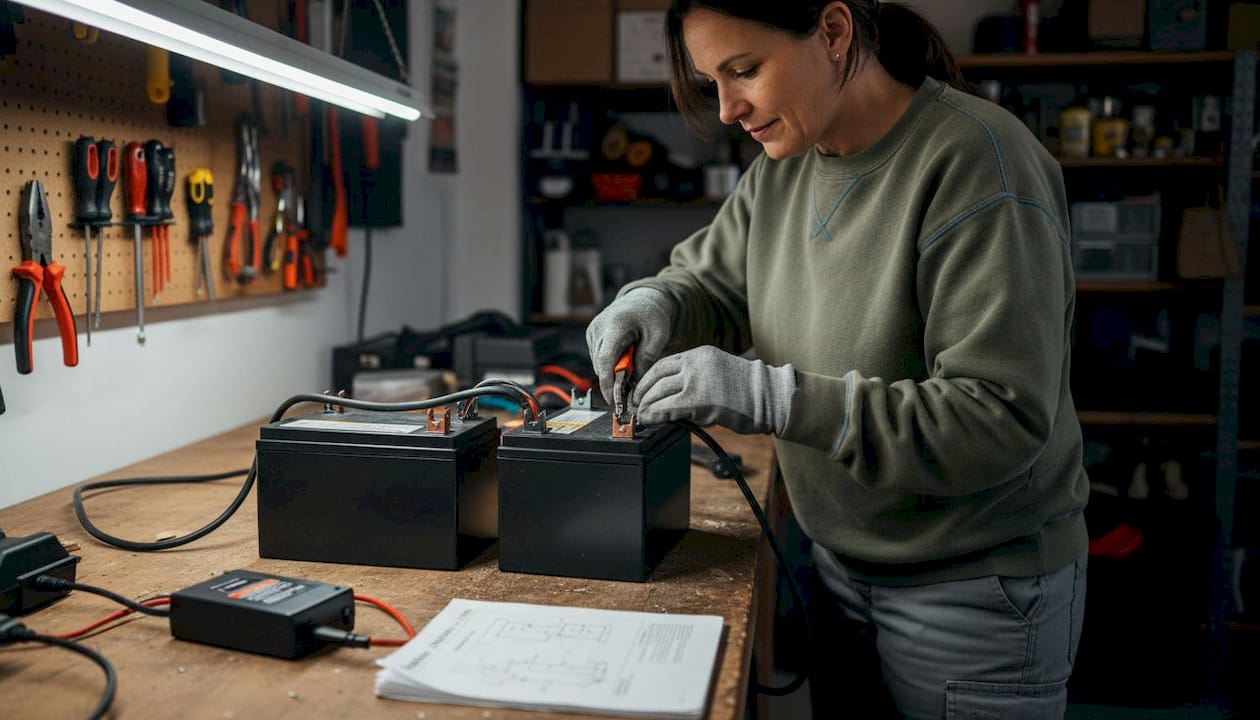
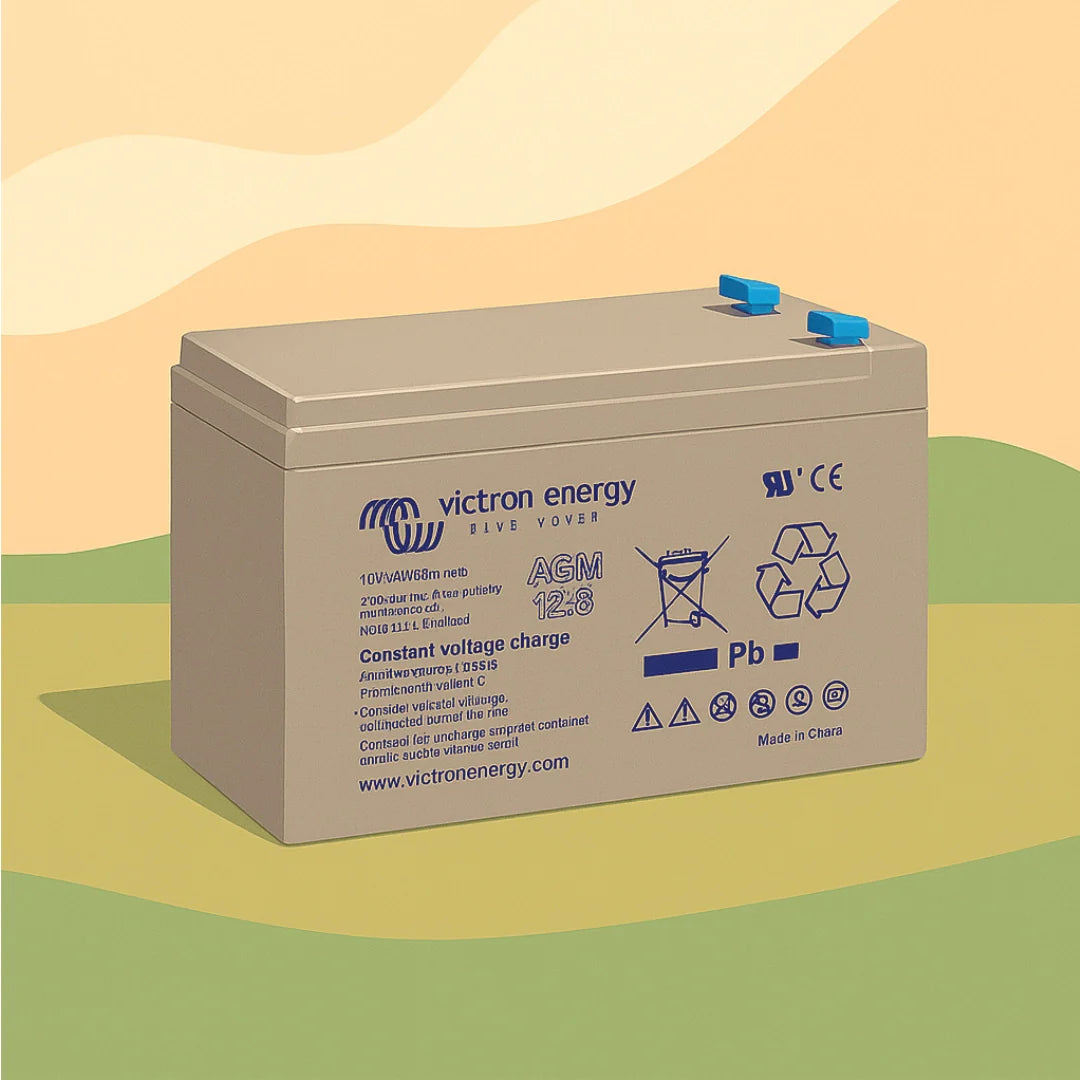
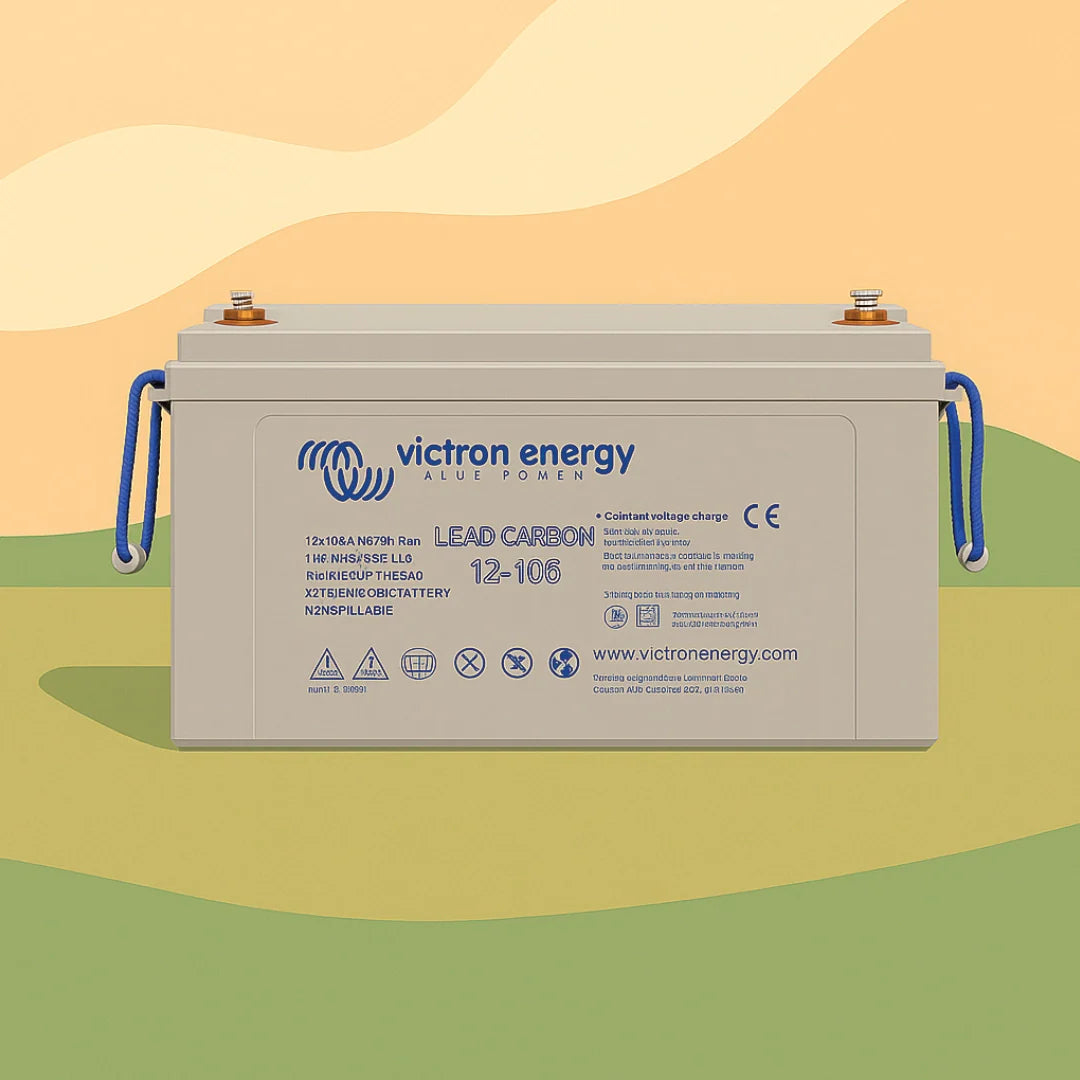
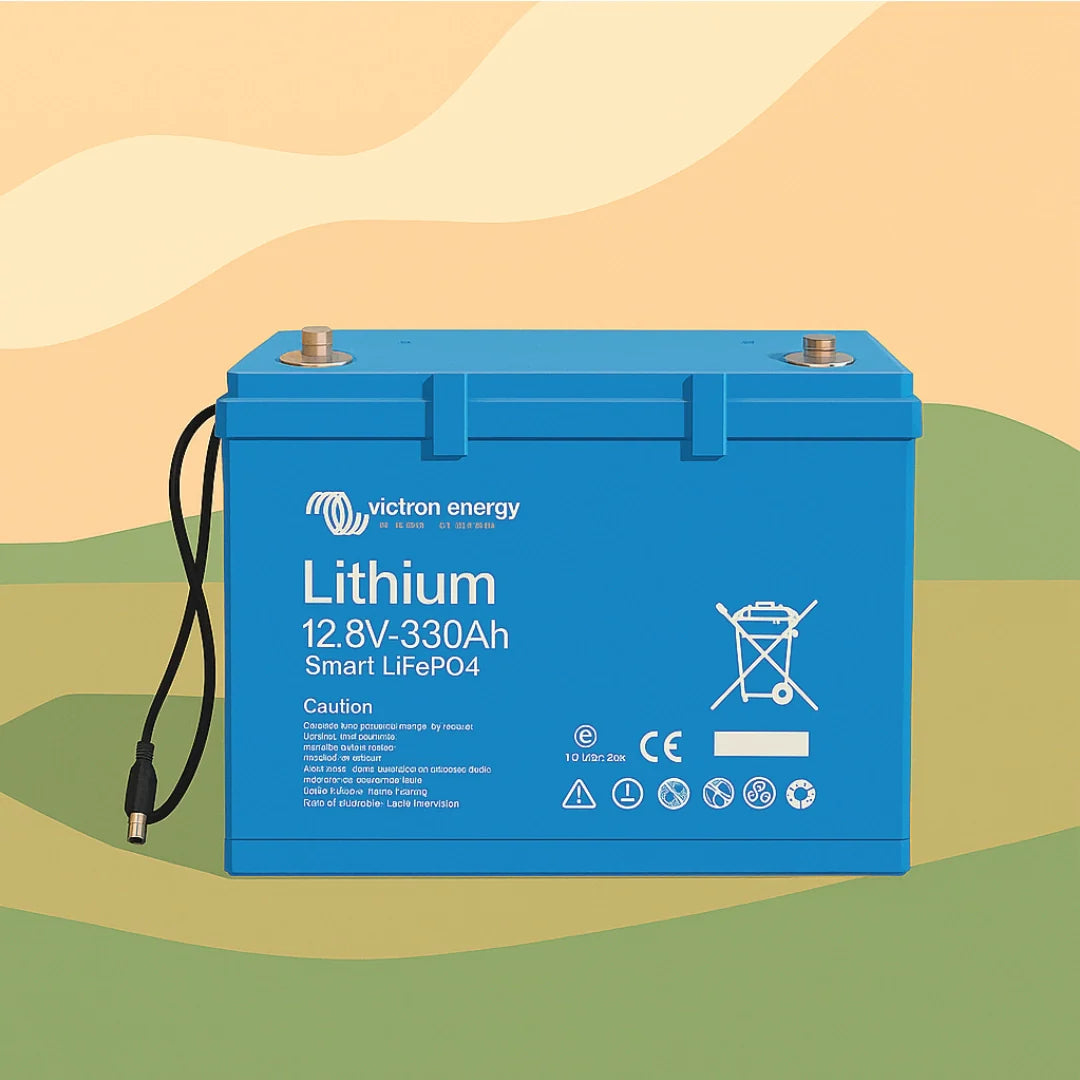
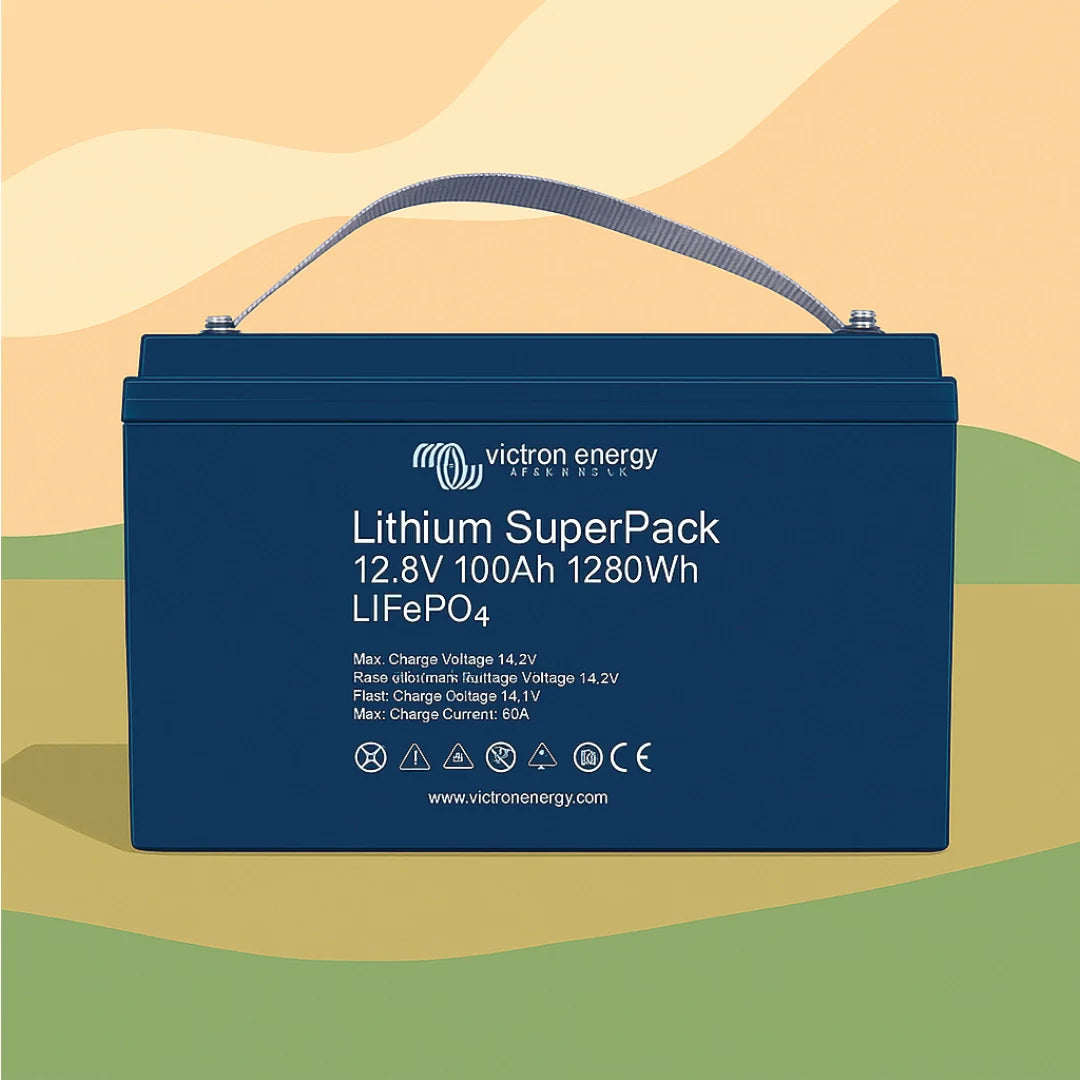
LiFePO4 lithium batteries offer 80 to 100% usable capacity, 2,000 to 5,000 charge cycles, and weigh roughly 10 to 14kg per 100Ah compared to 25 to 30kg for AGM equivalents. That weight saving matters significantly in a van. A lithium vs AGM comparison consistently shows lithium winning on almost every practical metric for off-grid use.
| Feature | LiFePO4 Lithium | AGM |
|---|---|---|
| Usable capacity | 80 to 100% | 40 to 50% |
| Cycle life | 2,000 to 5,000 | 300 to 500 |
| Weight (100Ah) | 10 to 14kg | 25 to 30kg |
| Charge speed | Fast | Slow |
| Cold weather | Needs BMS cutout | Tolerates cold better |
| Cost | Higher upfront | Lower upfront |
Key considerations when choosing:
- Full-time vanlifers: Lithium is the clear choice. The longer lifespan and higher usable capacity justify the upfront cost over two to three years.
- Occasional weekend users: AGM can be viable for casual use, but you’ll need to oversize the bank significantly to compensate for the lower usable capacity, especially in winter.
- Cold weather use: Lithium batteries require a Battery Management System (BMS) with low-temperature charge cutout. Below 0°C, charging a lithium cell without this protection causes permanent damage.
- Weight-sensitive builds: Lithium saves 10 to 15kg per 100Ah, which adds up quickly in larger battery banks.
For a full lithium battery setup guide or a detailed battery comparison guide, both resources cover installation specifics and product selection in more depth.
Pro Tip: When comparing battery prices, calculate cost per usable kWh over the expected lifespan. Lithium almost always wins on this metric, even at twice the upfront price.
Solar panel and controller setup for the UK climate
With your storage covered, you’ll want to make the most of the sun. The UK climate presents a specific challenge: solar output in December and January can drop to as little as 30% of peak summer output. A system sized for summer will leave you short in winter.
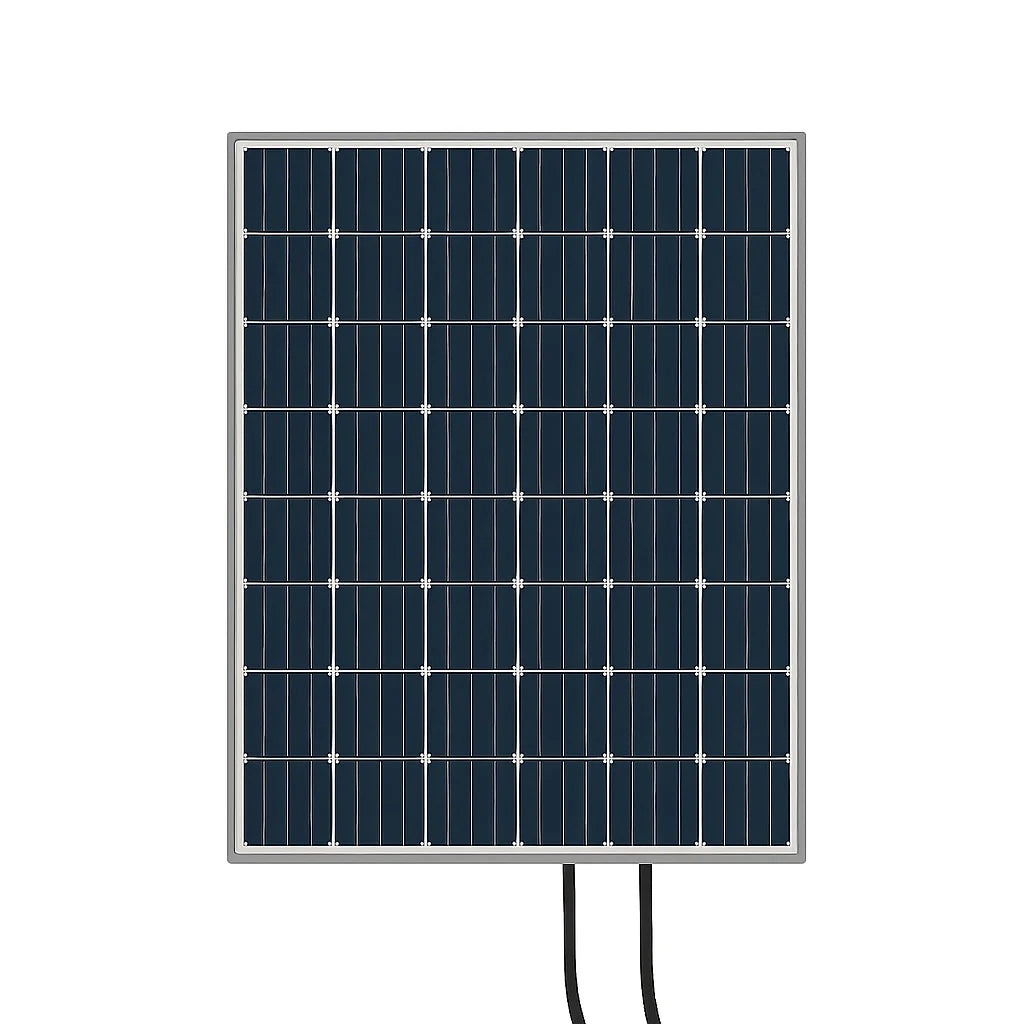
Installing 200 to 400W of rigid solar panels with an MPPT controller is the recommended approach for UK conditions. Rigid panels outperform flexible ones in terms of efficiency and longevity. Parallel wiring is preferred over series wiring because it reduces the impact of partial shading. If one panel is shaded by a roofbox or tree, parallel wiring means only that panel’s output drops, not the entire array.
Key points for UK solar setup:
- Panel wattage: 200W minimum for summer-only use; 300 to 400W for year-round reliability.
- Wiring: Parallel configuration for shading tolerance.
- Controller type: MPPT (Maximum Power Point Tracking) controllers extract significantly more energy than PWM (Pulse Width Modulation) alternatives, particularly in low-light and cold conditions. The MPPT advantages are especially pronounced in British weather.
- Controller sizing: Match the controller to your panel array. A Victron SmartSolar 100/30 suits most 200 to 400W setups.
- Panel placement: Avoid roof obstructions. Even partial shading from a rooftop tent or aerial causes disproportionate output loss.
For practical setup steps, the solar charge workflow and solar charging tips cover wiring diagrams and controller configuration. For battery longevity, solar charge control tips explain how to set absorption and float voltages correctly.
Statistic: UK solar irradiance in December averages around 0.5 to 0.8 peak sun hours per day, compared to 5 to 6 hours in June. Size your system for winter, not summer.
Reliability through multi-source charging
Even dialled-in solar and storage aren’t enough if you want genuine reliability. Solar-only systems are inherently weather-dependent, and British winters will expose that weakness quickly.
Multi-source charging combining solar, a DC-DC alternator charger, and shore power is the standard approach for UK winter reliability, particularly when solar output drops by up to 70%. Each source covers the gaps left by the others.
Here’s how to structure a balanced charging system:
- Solar: Primary charging source during daylight. Handles most of your needs from April through September.
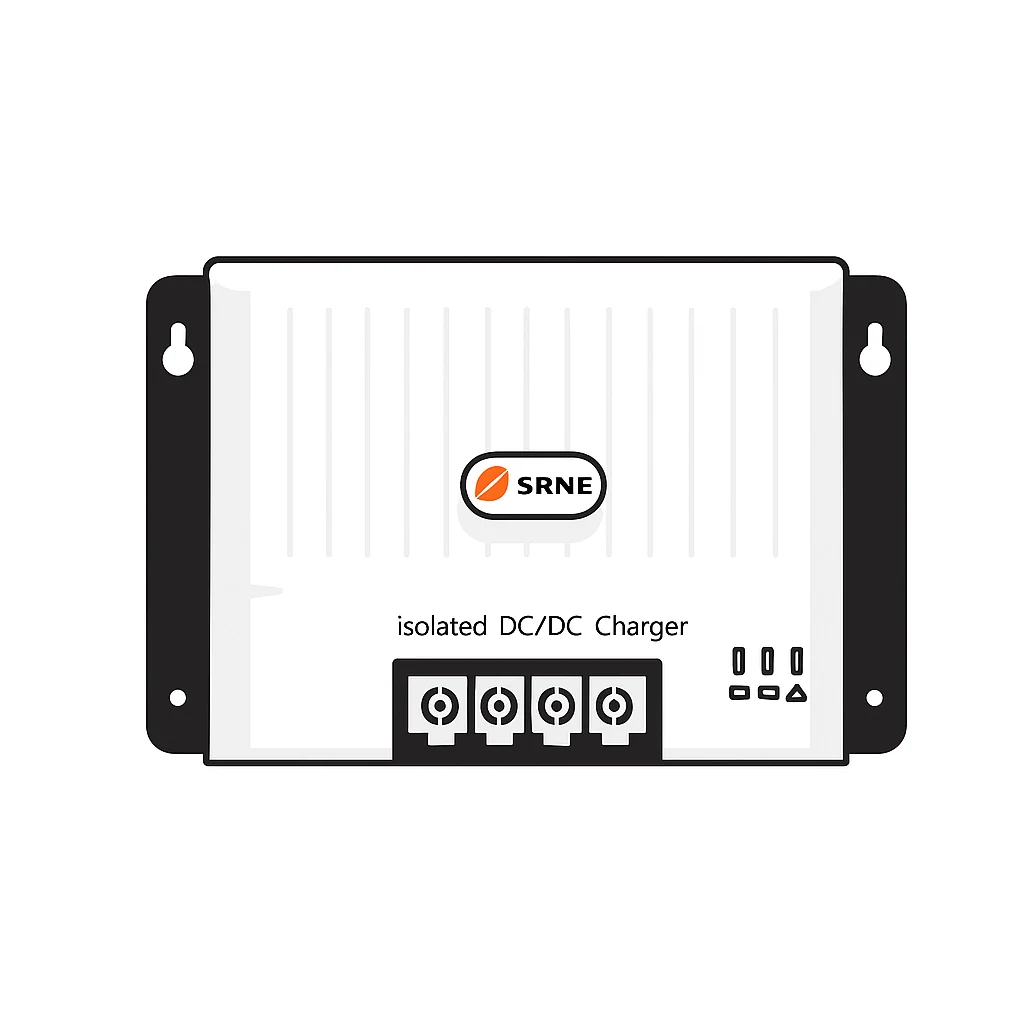
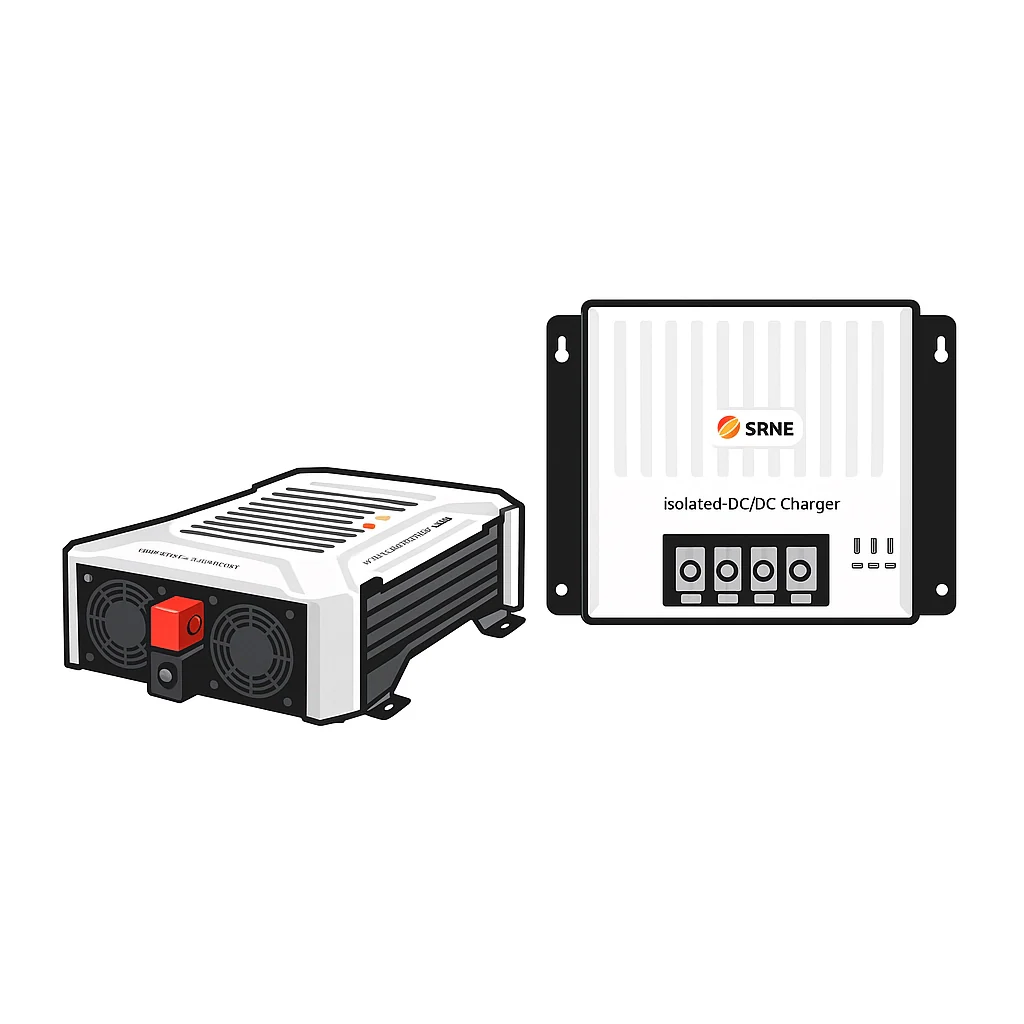
- DC-DC alternator charger: Charges your leisure battery from the vehicle’s alternator while driving. A Victron Orion-Tr (30 to 50A) is a common choice. Critically, DC-DC chargers regulate the charge profile to protect lithium batteries and prevent damage to modern smart alternators.
- Shore power: Available at most UK campsites and useful for driveways at home. A mains charger tops up your batteries overnight when solar is absent.
“True independence requires a balanced system, not solar alone. UK benchmarks show that 300W or more of solar combined with 200Ah or more of lithium covers moderate loads year-round when paired with multi-source charging.”
For a full breakdown of how these sources interact, the charging workflow guide explains priority sequencing and system integration in practical terms.
Smart monitoring, safety, and installation standards
Finally, your system is only as safe and practical as its installation. A well-specified battery and solar array can still cause problems if the wiring, fusing, and monitoring aren’t done correctly.
Key elements of a safe, functional installation:
- Battery monitor: A Victron SmartShunt with Bluetooth tracks state-of-charge (SOC), current, and voltage in real time via the VictronConnect app. This prevents unexpected flat batteries and helps you understand your actual usage patterns.
- Pure sine wave inverter: Required for sensitive electronics such as laptops, medical devices, and modern appliances. A 1,000 to 2,000W Victron Phoenix covers most campervan needs.
- Fusing and cable sizing: Every circuit needs correctly rated fuses and cables. Undersized cables cause voltage drop and fire risk.
- BS 7671 compliance: UK wiring regulations (BS 7671) apply to fixed electrical installations. Following these standards ensures safety and may affect insurance validity.
- System integration: The Victron ecosystem of MPPT controllers, DC-DC chargers, and SmartShunt monitors connects via Bluetooth and the VictronConnect app, giving you a single dashboard for the entire system.
Pro Tip: Label every fuse, cable run, and connection point during installation. Future troubleshooting becomes far simpler when the system is clearly documented.
For step-by-step installation guidance, the energy installation guidance resource covers component sequencing and safe wiring practices.
Our take: What most guides miss about campervan energy independence
With the nuts and bolts covered, here’s our real-world perspective from years of UK installations. Most generic solar guides are written for sunny climates and assume consistent daily irradiance. They aren’t written for Scotland in October or the Lake District in February.
The most common mistake we see is over-reliance on panel wattage alone. A 400W array sounds impressive, but on a grey November day in Wales, it may produce less than 50Wh. Owners who succeed year-round have one thing in common: they treat solar as the primary source and build everything else around backup reliability.
The second mistake is skipping the alternator charger. Driving days are free energy. A DC-DC charger running for two hours on a motorway can add 60 to 100Ah to your bank at no extra cost.
Our UK-focused solar guide is built around realistic British conditions, not idealised benchmarks. The systems that hold up are always balanced: adequate storage, realistic solar, and dependable backup charging working together.
Ready for true off-grid freedom?
Put these tips into action and take the next step toward true off-grid energy independence. Skyenergi supplies complete, UK-adapted energy systems designed specifically for campervans and motorhomes.

Our solar power electric system bundles an inverter-charger, battery-to-battery charger, and monitoring into a single, ready-to-install package. For a premium integrated solution, the Victron EasySolar system combines MPPT solar charging, inverter, and GX monitoring in one unit. Both options are sourced directly from manufacturers, keeping prices competitive without compromising on quality. Browse the full range at Skyenergi and plan your system with confidence.
Frequently asked questions
How much solar do I need for my UK campervan?
For year-round use in the UK, you’ll typically need at least 300W of rigid solar panels and 200Ah of lithium battery storage to run moderate appliances reliably through winter months.
Can I rely on solar alone for winter camping in the UK?
No. British winters reduce solar yield by up to 70%, so combining solar with a DC-DC alternator charger and shore power backup is essential for genuine year-round independence.
What’s better for off-grid: Lithium or AGM batteries?
LiFePO4 lithium batteries are lighter, last significantly longer, and provide 80 to 100% usable capacity, making them the practical choice for full-time or heavy off-grid use.
How do I monitor campervan battery health and avoid running flat?
Install a Victron SmartShunt with Bluetooth, which tracks state-of-charge, current draw, and voltage in real time via the VictronConnect app on your phone or tablet.
Recommended
Prev post

Achieve campervan energy independence: Expert UK guide
Updated on 11 April 2026
Next post

How battery monitoring works: accurate power management
Updated on 09 April 2026


