





7 Expert Solar Charging Tips for UK Campervan Owners
Learn 7 practical solar charging tips to enhance energy independence in your UK campervan. Discover smart, actionable advice for reliable off-grid power.
Running out of power on a British campervan trip can turn any adventure into a hassle fast. Juggling devices, appliances, and unpredictable UK weather means it’s easy to get stuck with flat batteries or slow solar charging. Getting your campervan’s solar setup right is the key to enjoying consistent off-grid energy, no matter the season.
This guide brings you straightforward steps and clever strategies that real UK campervan owners trust. From choosing the right solar panels to managing everyday energy demands, you’ll discover solutions tailored to British conditions—including how to make the most of around 1,400 hours of sunshine each year. Dive in to uncover practical fixes, money-saving tips, and maintenance checks that will keep your adventures running smoothly.
Table of Contents
- 1. Choose The Best Solar Panel Setup For Your Campervan
- 2. Maximise Sunlight Exposure With Clever Positioning
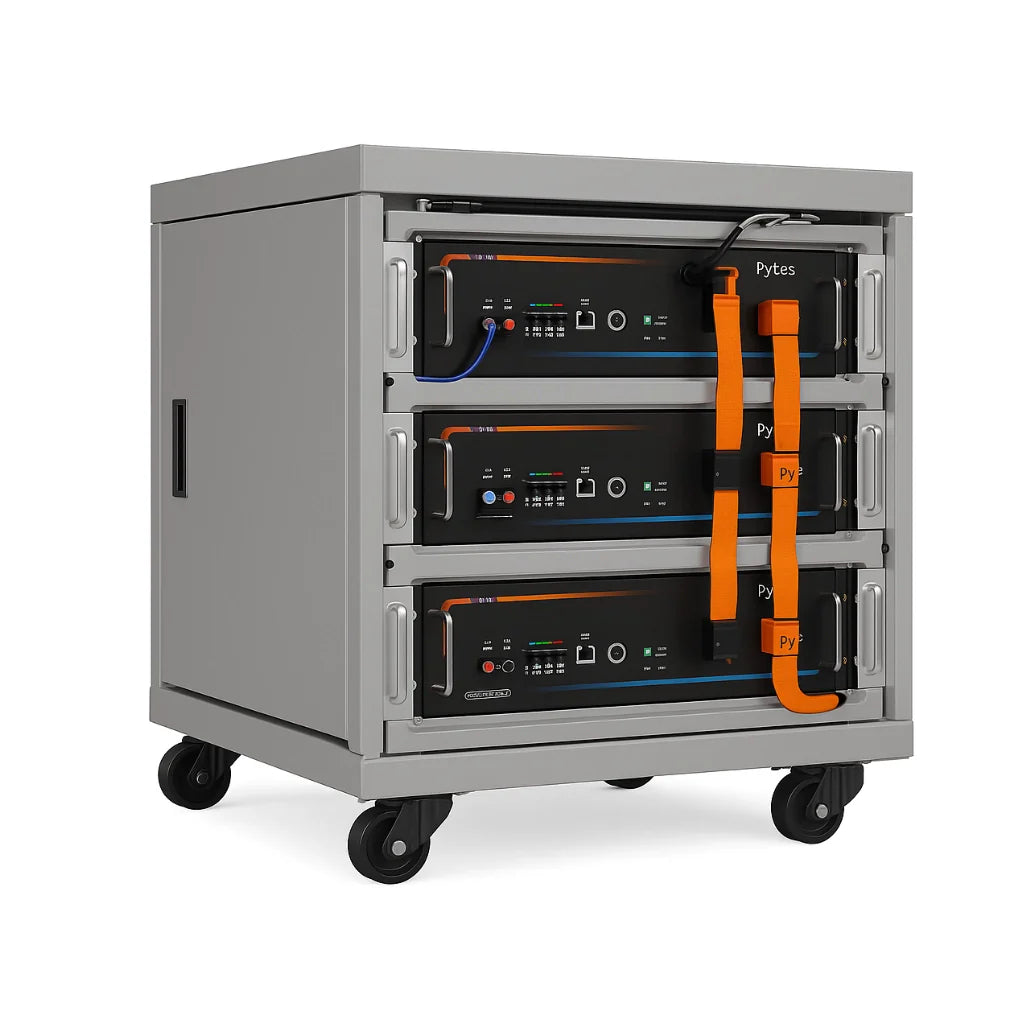
- 3. Understand Battery Capacity And Real Charging Needs
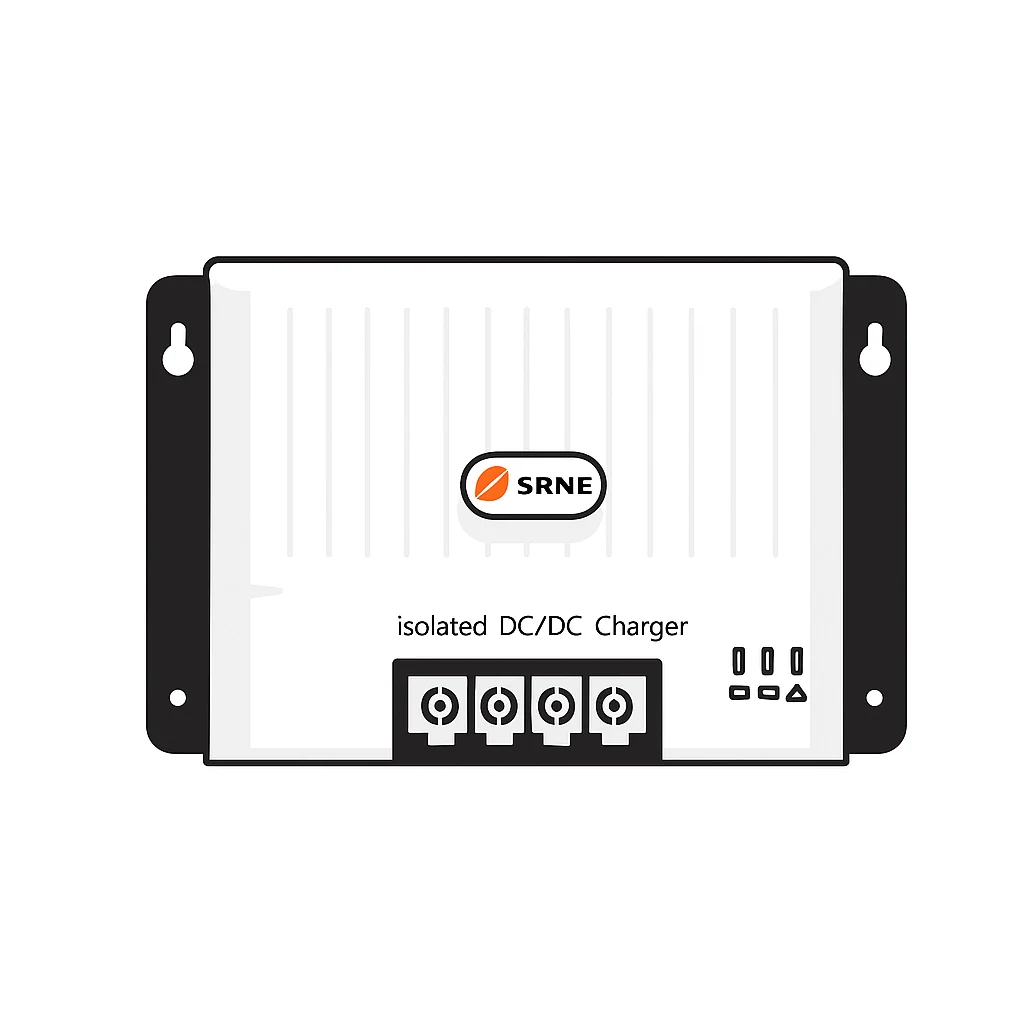
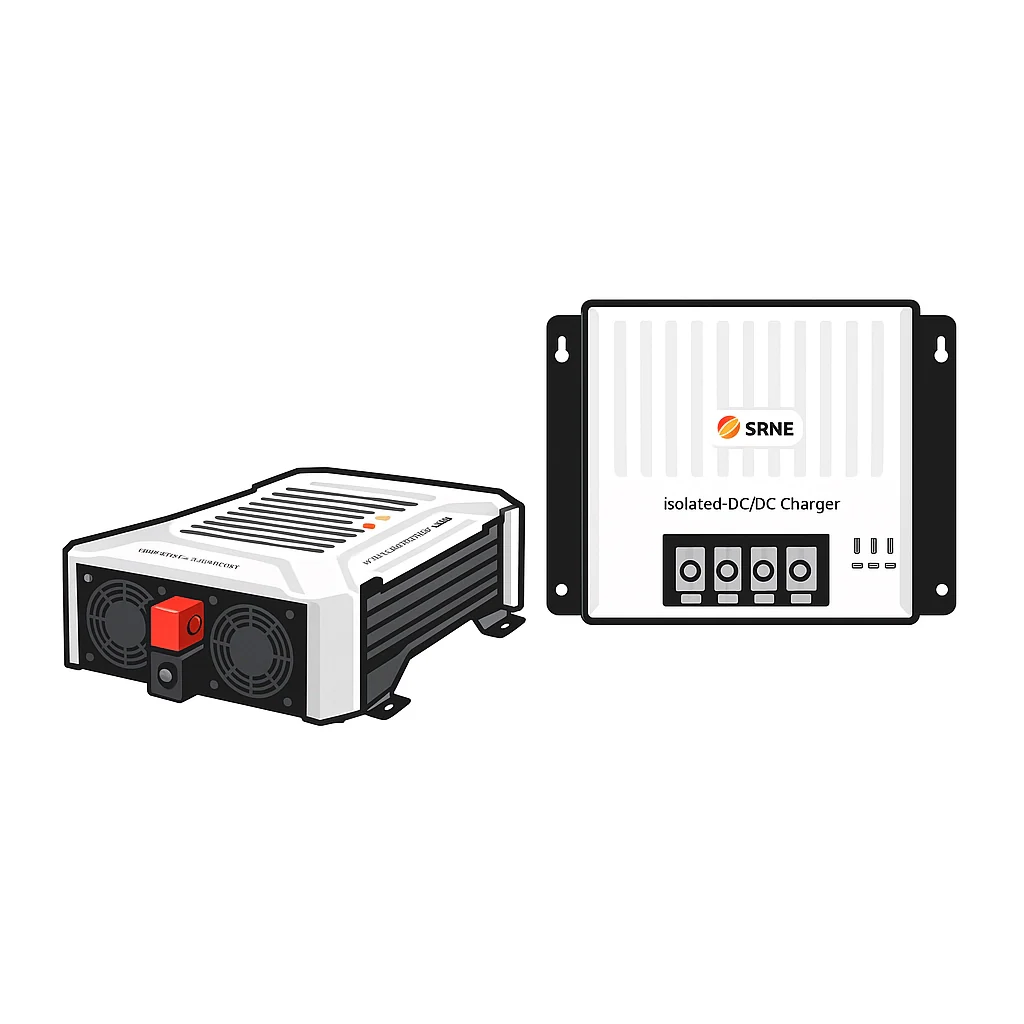
- 4. Optimise Charge Controllers For Lithium Systems
- 5. Monitor Performance With Bluetooth Battery Management
- 6. Manage Energy Usage For Maximum Solar Efficiency
- 7. Stay Safe: Essential Maintenance And Installation Checks
Quick Summary
| Takeaway | Explanation |
|---|---|
| 1. Calculate Daily Power Needs | Understanding your energy consumption helps select the right solar panel wattage to meet your requirements effectively. |
| 2. Choose the Right Solar Panel Type | Evaluate options like rigid, flexible, or portable panels based on efficiency, weight, and space available on your campervan. |
| 3. Invest in a Quality Charge Controller | Using an MPPT charge controller optimises solar energy transfer and prolongs battery life by managing charging precisely. |
| 4. Regular Maintenance is Key | Consistent checks on your solar system can prevent failures and enhance performance, extending the lifespan significantly. |
| 5. Manage Energy Usage Wisely | Prioritising low-consumption devices and using energy-efficient appliances can greatly extend your off-grid power availability. |
1. Choose the Best Solar Panel Setup for Your Campervan
Selecting the right solar panel configuration for your campervan is crucial for achieving reliable off-grid power in the United Kingdom. Understanding your specific energy requirements will help you design a solar charging system that keeps your batteries topped up and your adventures running smoothly.
Campervan owners have several solar panel options to consider, each with unique advantages:
- Rigid Panels: Most efficient and durable
- Flexible Panels: Lightweight and conform to curved roof surfaces
- Portable Panels: Versatile and easy to reposition for maximum sunlight
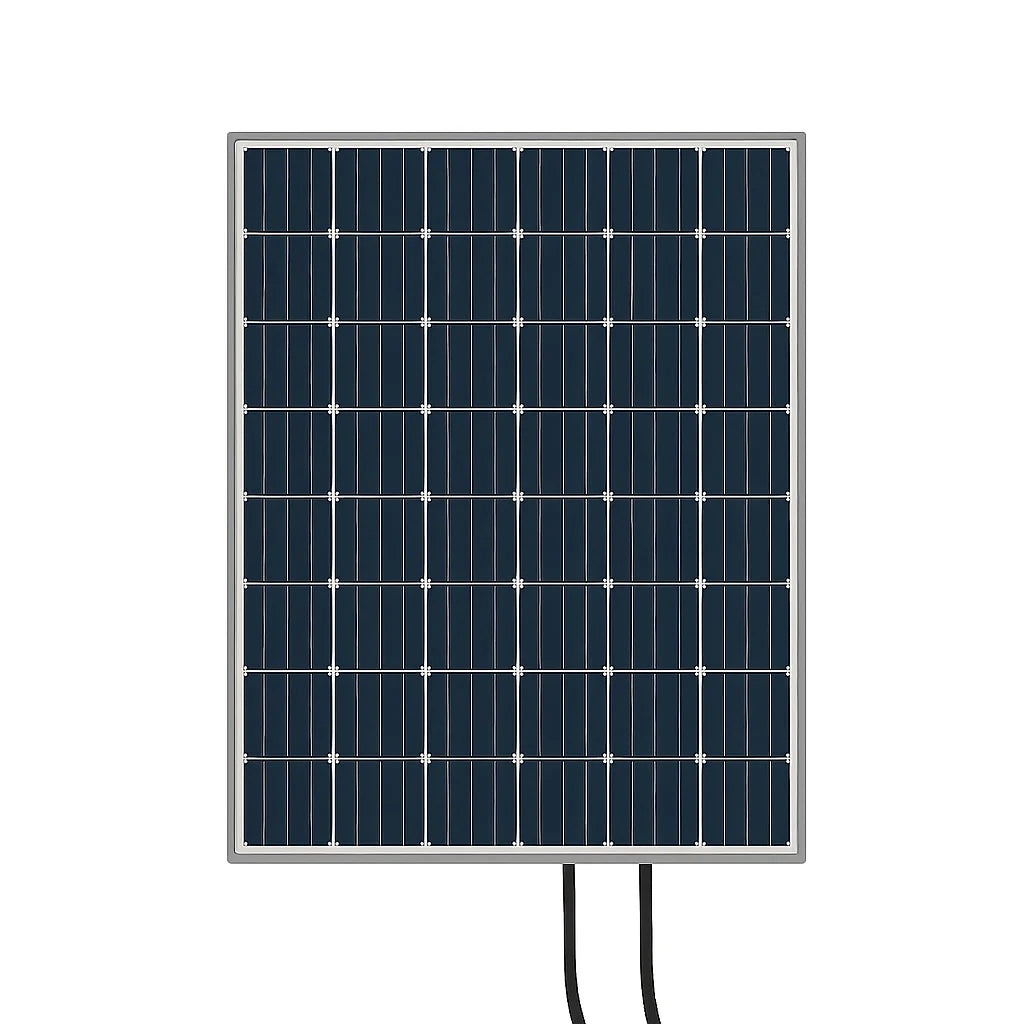
The key to choosing the right solar setup is matching your panel wattage to your daily energy consumption. Solar charging setups for UK campervans typically range from 100W to 300W, depending on your electrical needs.
Aim to calculate your daily power consumption before selecting solar panels to ensure adequate charging capacity.
For basic needs like LED lighting and charging small devices, a 100-150W panel works well. Campervan owners requiring power for larger appliances like refrigerators and laptops should consider 200W or higher panel configurations.
Consider these factors when selecting your solar panel setup:
- Available roof space
- Weight restrictions
- Budget constraints
- Expected energy consumption
- Typical usage patterns
Remember that the United Kingdom averages around 1,400 hours of sunshine annually, which provides reasonable solar charging opportunities. However realistic expectations during winter months are essential.
Top tip: Invest in a solar charge controller to optimise battery charging and protect your electrical system from potential overcharging.
2. Maximise Sunlight Exposure with Clever Positioning
Optimising your campervan’s solar panel placement is critical for achieving reliable power generation in the unpredictable British climate. Strategic positioning can significantly improve your solar charging efficiency, even during less-than-ideal weather conditions.
When mounting solar panels on your campervan, consider these key positioning strategies:
- Avoid Shading: Clear panels from roof racks, antennas, and other obstructions
- Maximise Roof Space: Select locations with uninterrupted sunlight exposure
- Consider Panel Type: Flexible panels offer better conformity to curved surfaces
Motorhome solar panel positioning requires careful planning to capture maximum sunlight throughout the day. Monocrystalline panels are particularly effective for limited roof spaces, offering high efficiency in compact configurations.
Angle your solar panels to capture more sunlight during low-light British conditions.
In the United Kingdom, where sunlight can be inconsistent, consider these advanced positioning techniques:
- Install adjustable mounting brackets
- Use portable panels for manual repositioning
- Aim for south-facing orientation
- Create clearance for optimal airflow
- Regularly clean and maintain panel surfaces
Seasonal variations mean your solar positioning strategy might need periodic adjustments. During winter months, when sunlight is scarcer, every degree of panel angle can make a significant difference in energy capture.
Top tip: Invest in a portable solar panel that you can manually reposition throughout the day to maximise sunlight absorption.
3. Understand Battery Capacity and Real Charging Needs
Calculating your campervan’s battery capacity is fundamental to ensuring reliable power during your off-grid adventures. Understanding the nuanced relationship between energy consumption and battery storage will prevent unexpected power shortages and optimise your electrical system.
Campervan electrical systems typically rely on two distinct battery types:
- Leisure Batteries: Power onboard appliances
- Engine Batteries: Support vehicle starting functions
Solar battery terms explained reveal the critical differences between battery technologies and their specific applications in campervans.
Your battery capacity must precisely match your daily energy consumption to maintain consistent power supply.
To accurately determine your battery needs, follow these essential steps:
- List all electrical devices and their wattage
- Calculate total daily energy consumption
- Convert watt-hours to amp-hours
- Factor in battery depth of discharge limits
- Select appropriate battery type (lithium or lead-acid)
Lithium batteries offer superior performance compared to traditional lead-acid options. They provide deeper discharge capabilities, faster charging, and longer lifespans. When sizing your battery bank, consider not just current needs but potential future electrical requirements.
Crucial Considerations for Battery Capacity:
- Refrigerator power consumption
- Lighting requirements
- Charging electronic devices
- Winter vs summer energy demands
Top tip: Always add a 20% buffer to your calculated energy requirements to account for unexpected power needs and battery performance variations.
4. Optimise Charge Controllers for Lithium Systems
Charge controllers are the unsung heroes of campervan solar power systems, acting as critical guardians between your solar panels and battery bank. Understanding how to select and configure the right controller can dramatically improve your energy efficiency and battery longevity.
Two primary charge controller technologies exist for campervan solar setups:
- PWM Controllers: Budget-friendly option
- MPPT Controllers: High-efficiency advanced technology
Why MPPT is essential for modern lithium battery systems cannot be overstated. These sophisticated devices maximise power transfer by continuously adjusting electrical parameters.
MPPT controllers can improve solar charging efficiency by up to 30% compared to traditional PWM controllers.
When selecting a charge controller for your lithium battery system, consider these critical factors:
- Match controller amperage to solar array output
- Verify compatibility with lithium battery chemistry
- Check maximum input voltage specifications
- Consider Bluetooth monitoring capabilities
- Evaluate temperature compensation features
Lithium batteries demand more precise charging parameters than traditional lead-acid batteries. Intelligent charging algorithms are crucial for maintaining battery health and preventing premature degradation.
Key Advantages of Advanced Charge Controllers:
- Precise voltage regulation
- Temperature-sensitive charging
- Real-time performance monitoring
- Protection against overcharging
- Extended battery lifecycle
Top tip: Always choose a charge controller with a built-in battery management system that offers detailed performance tracking and automatic safety protections.
5. Monitor Performance with Bluetooth Battery Management
Bluetooth battery management represents a revolutionary approach to understanding and controlling your campervan’s electrical ecosystem. Modern lithium battery systems now offer unprecedented insights into power performance through smartphone-connected monitoring technologies.
Key benefits of Bluetooth battery management include:
- Real-time performance tracking
- Precise state of charge monitoring
- Immediate alerts for potential issues
- Detailed energy consumption analysis
Bluetooth battery monitoring transforms how campervan owners interact with their electrical systems by providing comprehensive digital transparency.
Smartphone connectivity enables instant access to critical battery health information from anywhere in your vehicle.
Important metrics you can track through Bluetooth management systems:
- Current battery voltage
- Charging and discharging rates
- Remaining power duration
- Temperature monitoring
- Historical energy consumption trends
The technological sophistication of modern battery management systems allows UK campervan owners to move beyond guesswork. Intelligent monitoring provides granular insights that help optimise energy usage and prevent unexpected power failures.
Advanced Monitoring Advantages:
- Predictive maintenance capabilities
- Enhanced battery longevity
- More efficient energy management
- Simplified troubleshooting
- Comprehensive performance documentation
Top tip: Select a Bluetooth battery management system compatible with multiple battery chemistries to future-proof your campervan’s electrical infrastructure.
6. Manage Energy Usage for Maximum Solar Efficiency
Effective energy management is the cornerstone of successful solar charging in campervans, transforming limited power resources into reliable off-grid electrical independence. Understanding and controlling your energy consumption can dramatically extend your solar system’s capabilities.
Key strategies for managing energy usage include:
- Prioritise low-consumption devices
- Use energy-efficient appliances
- Unplug non-essential electronics
- Implement smart charging practices
Solar battery integration enables more intelligent power management for campervan owners.
Intelligent energy management can extend your off-grid capabilities by up to 40% without additional hardware.
Practical steps to optimise energy efficiency:
- Replace traditional bulbs with LED lighting
- Use portable solar chargers for small devices
- Install low-wattage refrigeration units
- Minimise high-drain appliance usage
- Implement power scheduling techniques
The most energy-intensive devices to avoid during solar charging include:
- Electric kettles
- Microwave ovens
- Hair dryers
- Portable heaters
- High-wattage cooking equipment
Energy Consumption Management Benefits:
- Extended battery life
- Reduced reliance on external power sources
- Lower operational costs
- Enhanced off-grid sustainability
- Improved environmental impact
Top tip: Create a daily energy budget spreadsheet tracking your consumption to identify and eliminate unnecessary electrical drain.
7. Stay Safe: Essential Maintenance and Installation Checks
Ensuring the safety and longevity of your campervan’s solar charging system requires consistent maintenance and meticulous installation practices. Regular checks can prevent potential electrical failures and maximise your system’s performance in challenging British weather conditions.
Key maintenance areas for solar installations include:
- Inspect mounting hardware
- Check electrical connections
- Clean solar panel surfaces
- Monitor battery and controller health
- Verify waterproof sealing
Campervan solar panel installation demands attention to critical safety details.
Proper maintenance can extend your solar system’s lifespan by up to 50%.
Comprehensive maintenance checklist:
- Tighten mounting bracket connections
- Clean panels quarterly
- Inspect cable integrity
- Test charge controller functionality
- Check battery terminal corrosion
Critical Safety Components:
- Waterproof cable entry points
- Corrosion-resistant connections
- Secure panel mounting
- Temperature-resistant sealants
- Proper grounding mechanisms
Potential Risks of Neglected Maintenance:
- Reduced solar efficiency
- Electrical system failure
- Potential fire hazards
- Premature component degradation
- Unexpected power interruptions
Top tip: Perform a comprehensive solar system inspection every six months and after significant weather events to catch potential issues early.
Below is a comprehensive table summarising the main topics and strategies discussed throughout the article on selecting, implementing, and optimising solar panel setups for campervans in the United Kingdom.
| Category | Key Recommendations | Benefits and Notes |
|---|---|---|
| Solar Panel Types | Choose from rigid (durable and efficient), flexible (lightweight, tailored for curved surfaces), or portable panels (versatile positioning). | Selecting the appropriate type enhances energy capture and system suitability. |
| Energy Requirement Evaluation | Calculate daily power consumption to determine the needed solar panel wattage, ranging from 100W to 300W. | Ensures panels provide adequate energy based on usage without over- or undercompensation. |
| Panel Placement Strategies | Position panels to avoid shading, maximise sun exposure, and utilise adjustable or portable mounts. | Optimal sunlight capture improves charging efficiency in varying weather conditions. |
| Battery Capacity Planning | Assess total energy needs, select compatible battery type (lithium or lead-acid), and maintain discharge limits. | Prevents power shortages and ensures system reliability. |
| Charge Controllers | Select PWM (cost-effective) or MPPT (high efficiency) controllers that match system requirements. | Protects batteries from overcharging and maximises power transfer. |
| Energy Management Practices | Use energy-efficient devices, minimise high-drain usage, and schedule power usage strategically. | Increases off-grid sustainability and extends battery life. |
| Maintenance and Safety Checks | Regularly inspect mounting, cables, and system components; ensure waterproofing and remove debris from panels. | Prolongs system lifespan and reduces risk of malfunction or hazards. |
Unlock Reliable Solar Power for Your UK Campervan Adventures
The journey to dependable off-grid energy starts with making the right choices for your campervan’s solar setup. After exploring expert solar charging tips, you know the value of correctly sized lithium batteries, advanced charge controllers, and intelligent Bluetooth battery management in maximising your system’s efficiency and longevity. However, putting all these elements together can feel overwhelming without the right partner.

Skyenergi specialises in delivering high-performance lithium battery systems and complete off-grid power solutions designed for UK campervan owners seeking reliable and expandable energy independence. Our products feature intelligent battery management and Bluetooth monitoring that give you precise control over your energy use and system health in real time. Don’t wait to optimise your solar setup—explore our range of expertly engineered components at Skyenergi and unlock hassle-free solar charging on your next adventure. Take the first step to smarter energy today with Skyenergi’s lithium leisure batteries and advanced charge controllers.
Frequently Asked Questions
How do I choose the right solar panel setup for my campervan?
Choosing the right solar panel setup involves assessing your energy needs and available roof space. Start by calculating your daily power consumption and match it to the appropriate panel wattage, typically ranging from 100W to 300W.
What are the advantages of using a charge controller in my solar system?
A charge controller is essential as it optimises battery charging and protects against overcharging. Invest in a charge controller suitable for lithium batteries to extend battery life and enhance energy efficiency significantly.
How can I maximise the solar panel efficiency in my campervan?
Maximising solar panel efficiency requires strategic placement and regular maintenance. Position your panels to avoid obstructions and clean them regularly to ensure they receive the best sunlight exposure throughout the day.
What maintenance tasks should I perform on my solar charging system?
Perform regular maintenance tasks such as checking electrical connections, cleaning solar panels, and inspecting battery health. Schedule these tasks every six months to catch potential issues early and extend your system’s lifespan.
How should I manage my energy usage to extend off-grid capabilities?
Managing your energy usage involves prioritising low-consumption devices and using energy-efficient appliances. Create a daily energy budget to track your consumption, which can help extend your off-grid capabilities by around 40% without additional hardware.
Recommended
- 7 Examples of Solar Charging Setups for UK Campervans – Skyenergi
- What Is Solar Charging? Achieving Off-Grid Freedom – Skyenergi
- 7 Benefits of Solar Battery Integration for UK Campervans – Skyenergi
- Solar Battery Connection Steps for Campervans UK Guide – Skyenergi
- What Is a Camp Stool? Complete Outdoor Guide
Prev post

Battery Capacity vs Energy Needs for Campervans
Updated on 02 February 2026
Next post

Expandable Energy Storage Systems: Off-Grid Power Made Simple
Updated on 31 January 2026


