





Achieve campervan energy independence: Expert UK guide
Learn how to achieve full campervan energy independence in the UK with lithium batteries, solar, and multi-source charging. Practical sizing and monitoring advice included.
TL;DR:
- Modern lithium batteries enable UK campervans to stay off-grid for weeks using solar and vehicle charging.
- A hybrid charging system combining solar, DC-DC converters, and mains power ensures all-season reliability.
- Upgrading to lithium batteries offers longer lifespan, faster charging, and higher usable capacity despite higher initial cost.
Most UK campervanners assume they need a campsite hook-up to run their kit comfortably. That assumption is wrong. Modern lithium battery systems, paired with solar and DC-DC charging, have fundamentally changed what is possible. A single 100Ah lithium and 200W of solar can sustain most setups for one to two weeks off-grid in summer. This guide covers everything you need to understand: battery technologies, charging strategies, system sizing, and monitoring tools. By the end, you will know exactly how to build a reliable, all-season energy system for your campervan.
Table of Contents
- What energy independence really means for UK campervans
- Battery technologies compared: Lithium, AGM and your real-world options
- Multi-source charging: Solar, DC-DC and EHU for true all-season independence
- Sizing and monitoring your system for UK off-grid perfection
- Why most UK campers underestimate what’s possible off-grid
- Take your campervan energy independence to the next level
- Frequently asked questions
Key Takeaways
| Point | Details |
|---|---|
| Hybrid charging is crucial | Combine solar, DC-DC and EHU for true, all-season energy independence. |
| Lithium is best long-term | Lithium batteries outperform AGM by every key metric, reducing weight and maintenance. |
| Get your sizing right | Assess your actual device use and season to select the right battery and charge setup. |
| Monitor for success | Bluetooth apps and modern monitors let you easily track power use and prevent surprises. |
What energy independence really means for UK campervans
Energy independence does not simply mean avoiding campsites. For UK campervanners, it means powering your fridge, lighting, phone, laptop, and water pump without relying on mains electricity, regardless of where you park. That is a specific, practical target, and it shapes every decision you make about your power system.
The UK climate adds real complexity. Cloud cover, short winter days, and unpredictable weather mean solar alone cannot be your only plan. Multi-source charging combining solar, a 30-50A DC-DC converter, and EHU access is essential for winter reliability. Summer is more forgiving, but planning only for summer is planning to fail in October.
In practice, true off-grid capability looks like this:
- Running a 12V compressor fridge for 24 hours without shore power
- Charging devices and running LED lighting without anxiety
- Sustaining this for multiple consecutive days in varied weather
- Recharging your battery bank from your vehicle alternator while driving
These are achievable targets, not aspirational ones. The key criteria are sufficient battery capacity, reliable multi-source charging, and a system simple enough to manage on the road. Exploring energy independence tips and understanding off-grid power freedom will help you set realistic expectations and build a system that genuinely delivers.
Battery technologies compared: Lithium, AGM and your real-world options
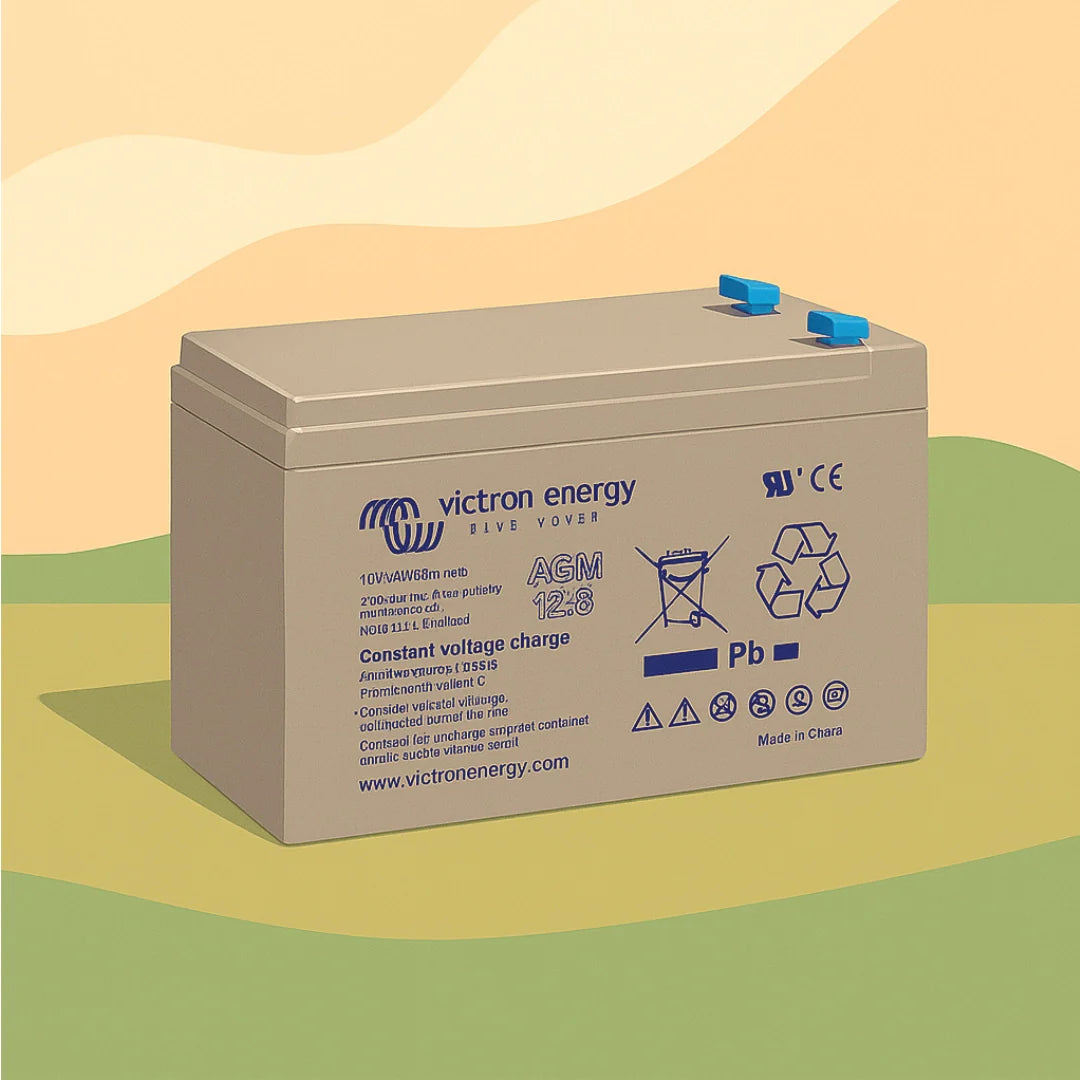
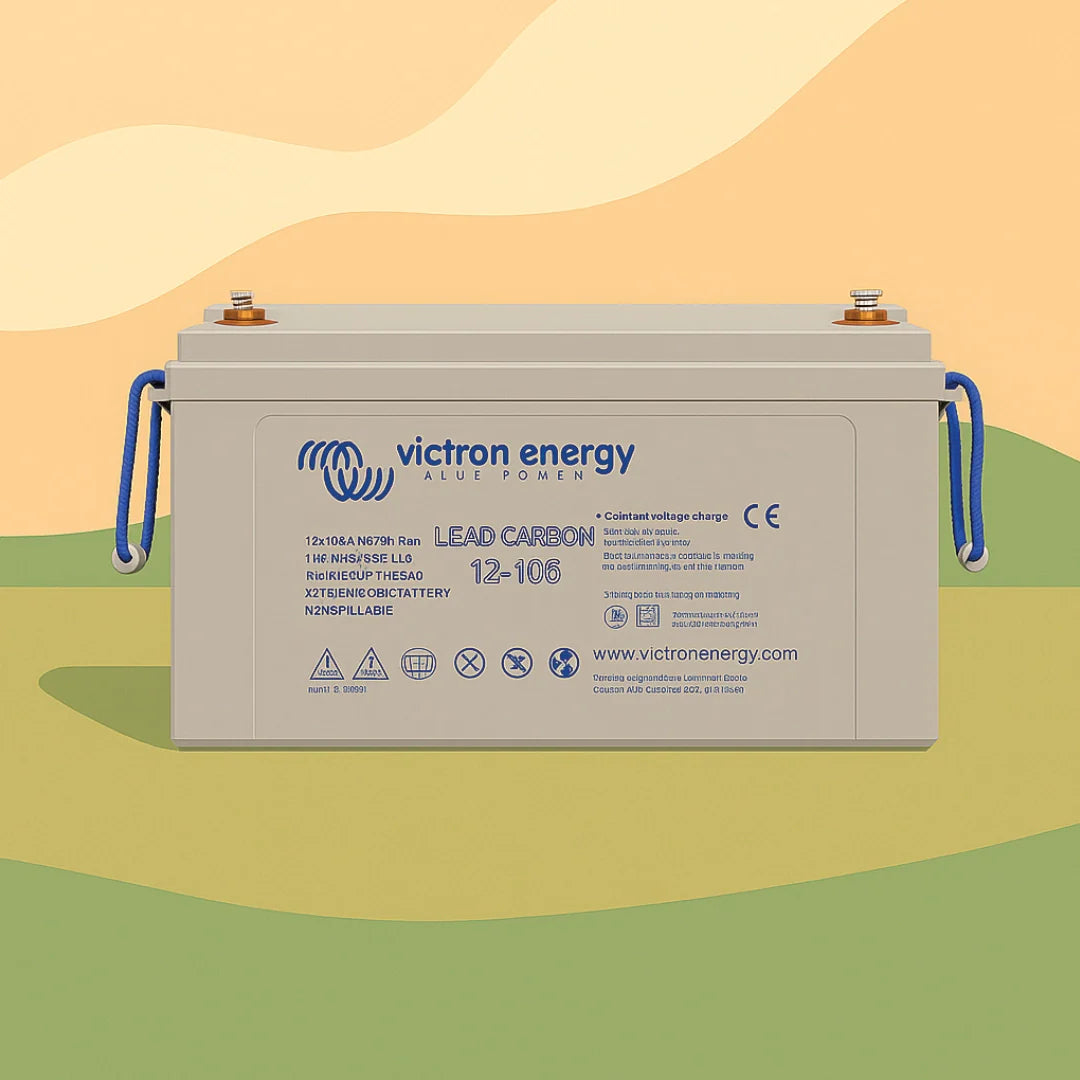
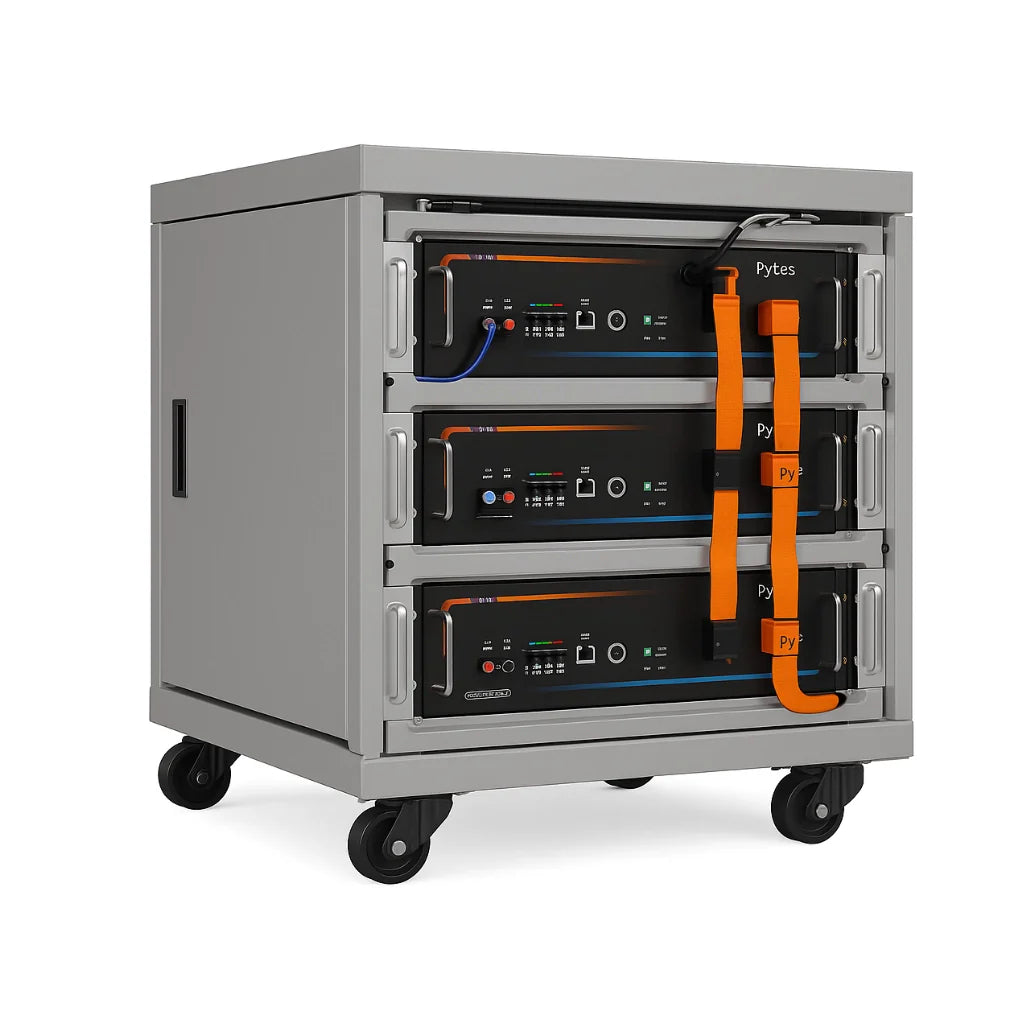
Choosing the right battery technology is the single most important decision in your campervan power build. Three main options exist: traditional flooded lead-acid, AGM (Absorbent Glass Mat), and lithium (LiFePO4). Each has a different cost profile, lifespan, and practical performance.
| Feature | Lead-acid | AGM | Lithium (LiFePO4) |
|---|---|---|---|
| Usable capacity | ~40% | ~50% | 80-95% |
| Weight (100Ah) | ~28 kg | ~26 kg | ~12-13 kg |
| Cycle life | 200-500 | 300-1,200 | 3,000-5,000+ |
| Charge speed | Slow | Moderate | 2-5x faster than AGM |
| Upfront cost | Low | Moderate | Higher |
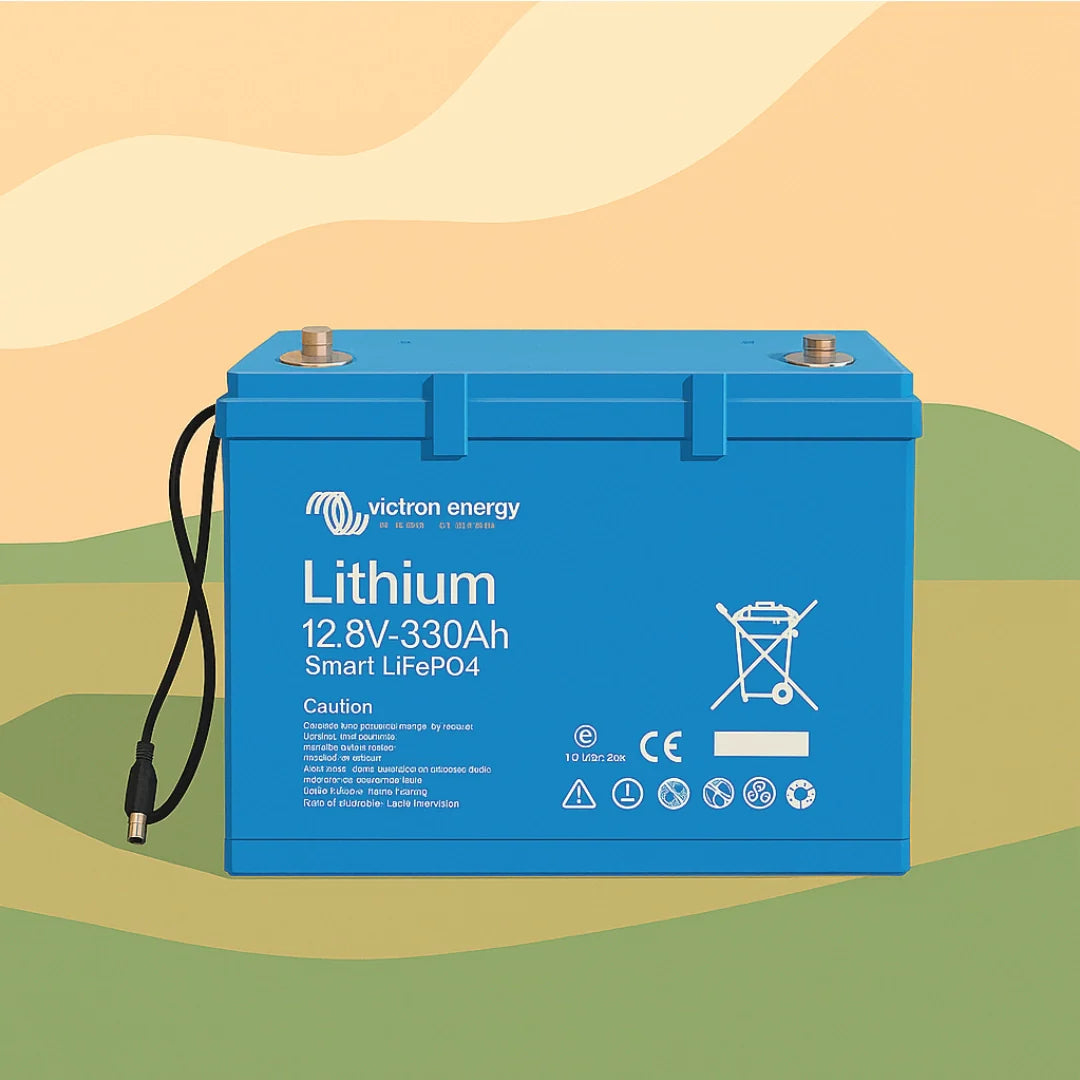
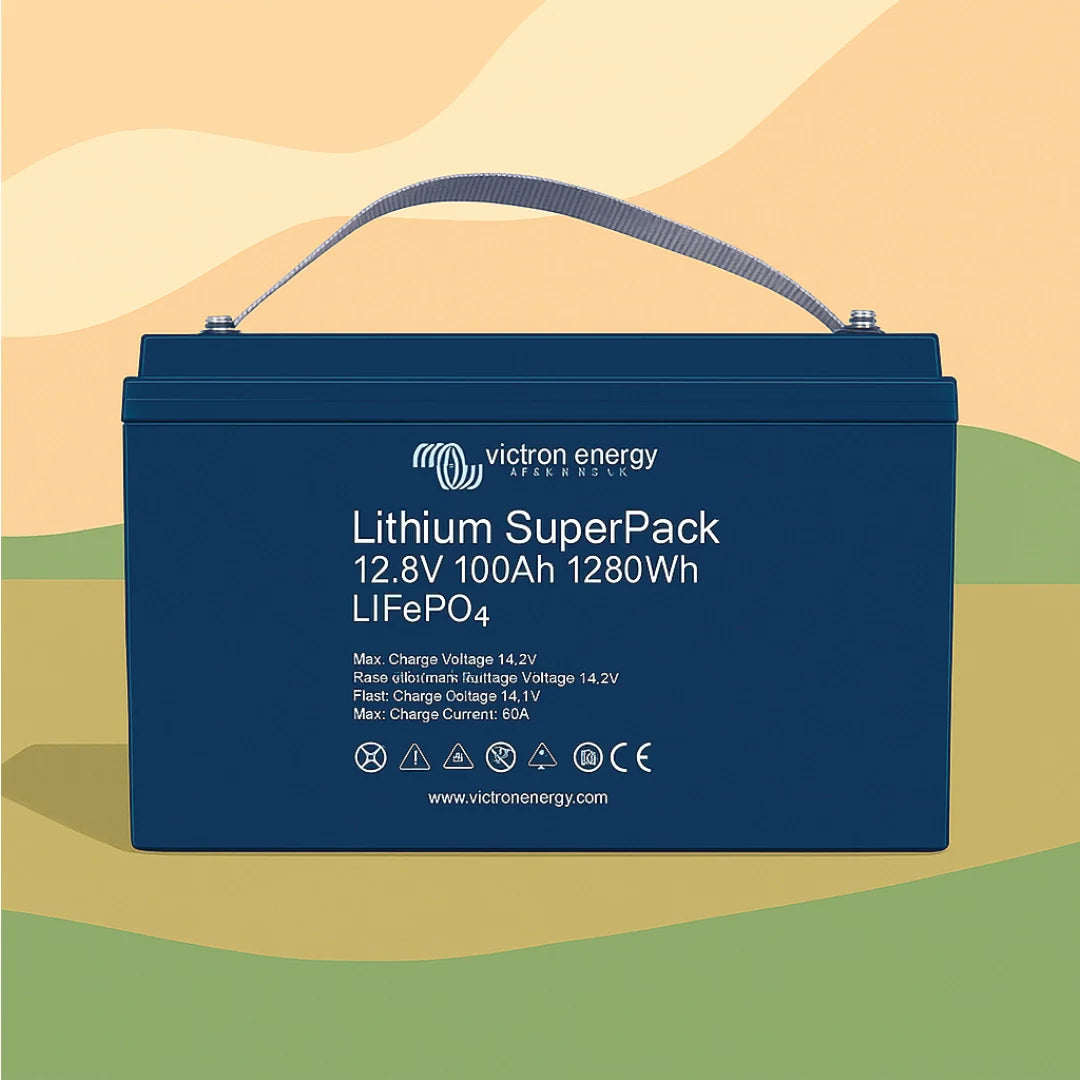
Lithium batteries offer 80-95% usable capacity versus 50% for AGM, weigh 50% less, charge 2-5 times faster, and last 3,000-5,000 or more cycles compared to 300-1,200 for AGM. That performance gap is significant in real-world use.
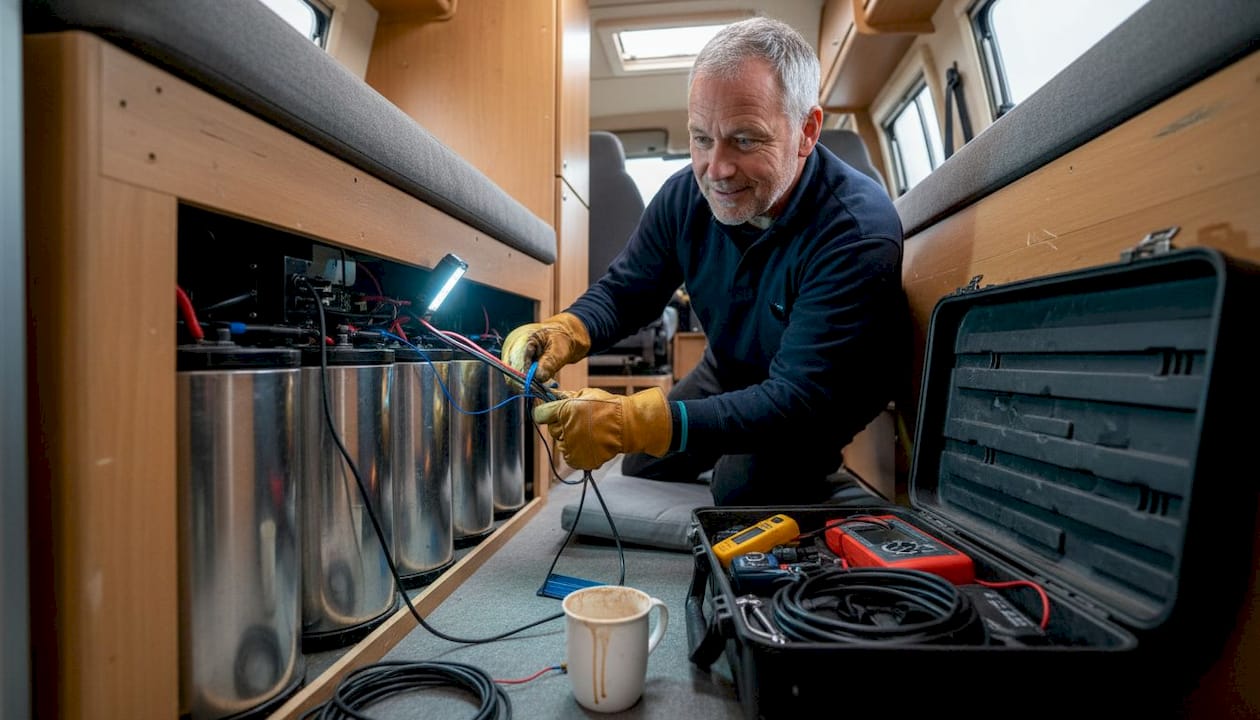
For a lithium battery setup, a 100Ah lithium battery delivers roughly the same usable energy as a 200Ah AGM, at half the weight. Over a five-year period, the cost per cycle for lithium is substantially lower. The lithium battery power guide breaks this down in detail if you want to run the numbers for your own setup.
Pro Tip: When reviewing a battery upgrade guide, factor in charging speed alongside capacity. A lithium battery with Bluetooth monitoring lets you see state of charge in real time, which removes the guesswork from daily energy management entirely.
For most UK campervanners planning regular off-grid use, lithium is the correct long-term investment. AGM remains a reasonable budget option for occasional users, but the gap in performance and longevity is hard to ignore.
Multi-source charging: Solar, DC-DC and EHU for true all-season independence
With the right battery in place, charging strategy becomes the next critical variable. No single source is sufficient for year-round UK use. Each method has a distinct role.
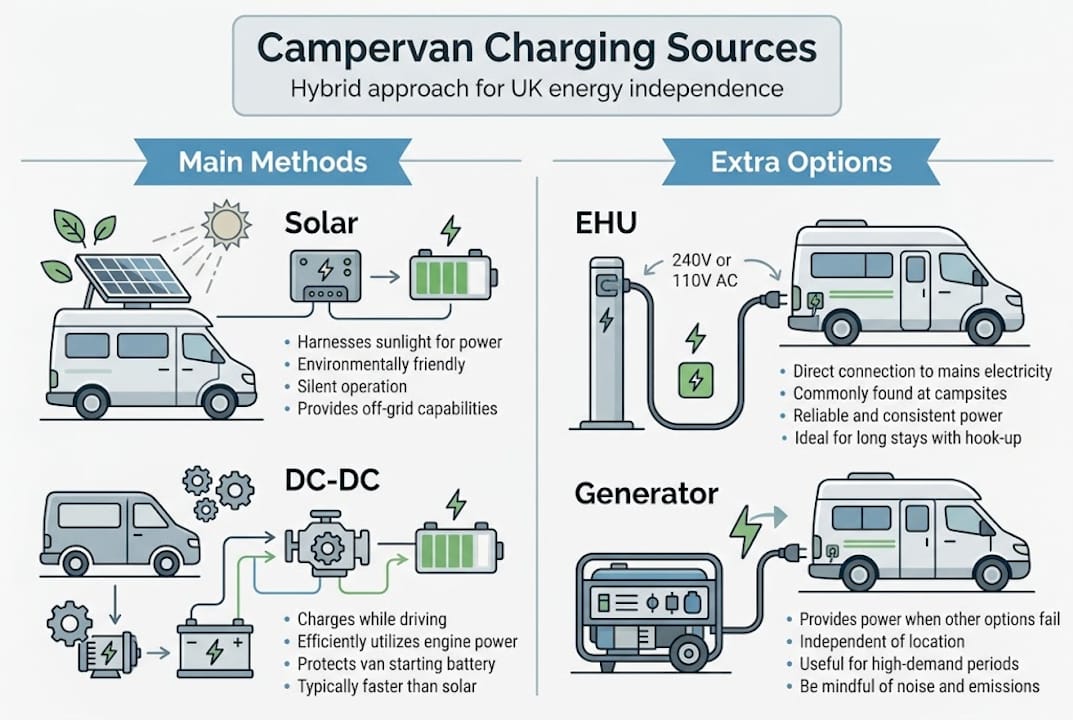
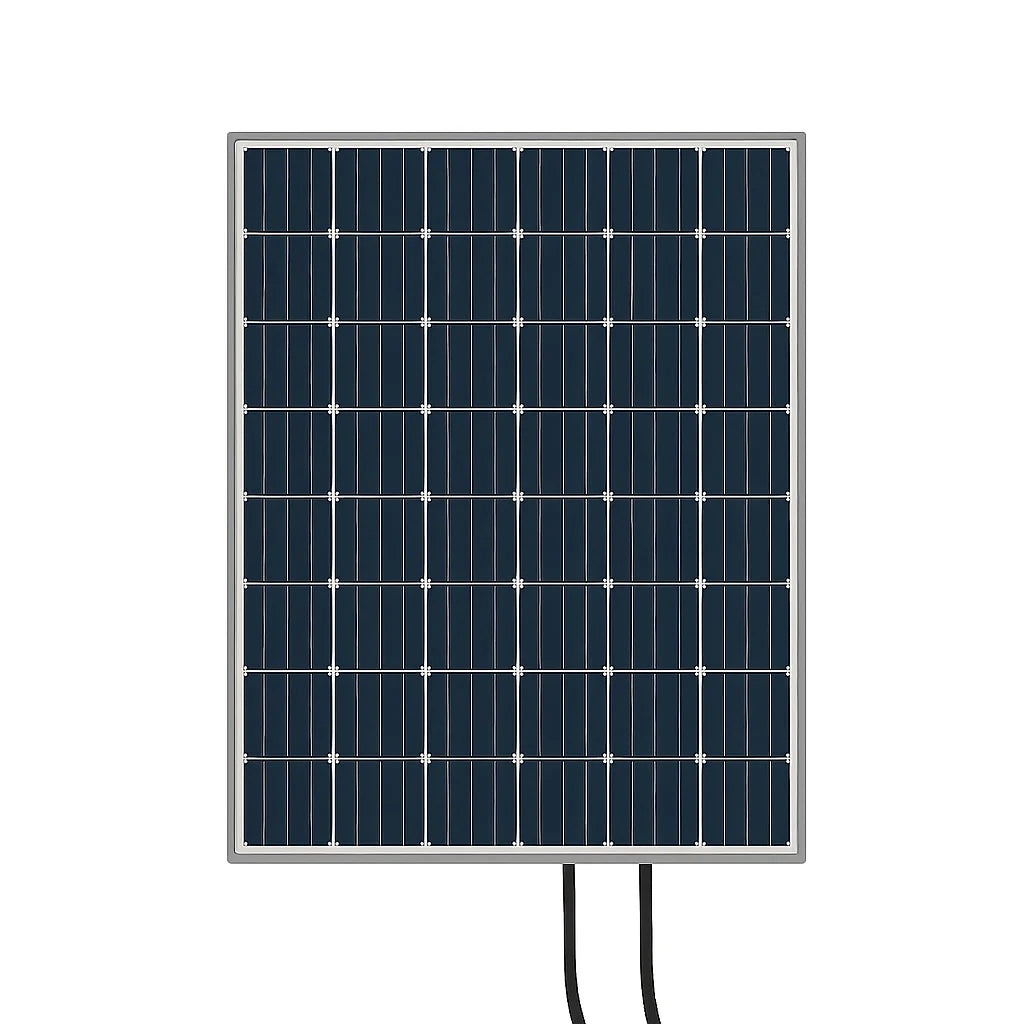
Solar is your primary free energy source in spring and summer. A 200W panel in good conditions can deliver 60-100Ah per day. In December, that same panel might produce 10-20Ah on a clear day, and far less under cloud cover. Solar is excellent for summer top-up but unreliable as a sole source in winter.
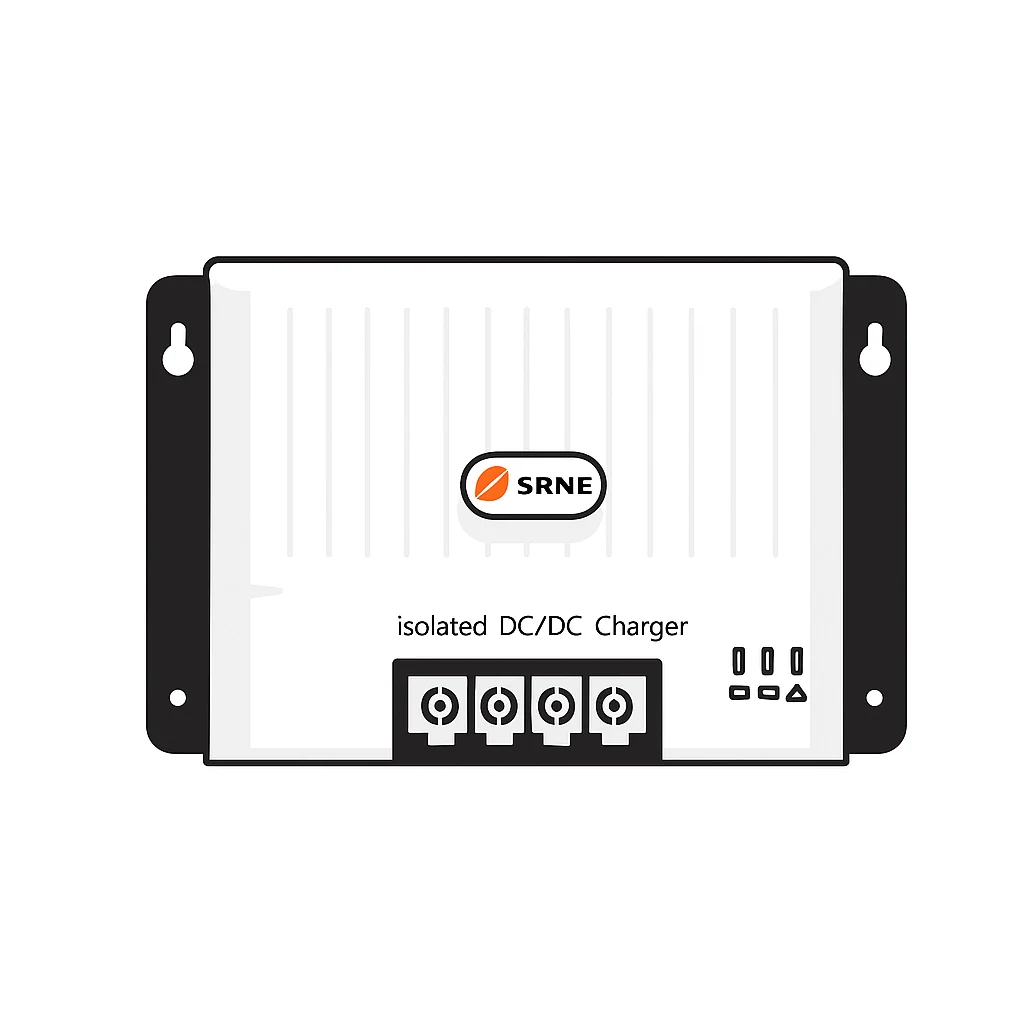
DC-DC converters (also called B2B chargers) pull power from your vehicle’s alternator while driving. A 30-50A unit can add 30-50Ah per hour of driving, making a two-hour motorway run a meaningful recharge event. This is especially valuable in winter when solar underperforms.
EHU (electric hook-up) remains useful for occasional campsite stays or when you need a rapid full recharge. A quality mains charger can restore a 100Ah lithium battery in under two hours.
Hybrid charging is essential for UK winters, and a single 100Ah lithium with 200W solar supports one to two weeks off-grid in summer. The table below shows realistic daily recharge estimates by season:
| Season | Solar (200W) | DC-DC (40A, 2hrs driving) | Combined estimate |
|---|---|---|---|
| Summer | 60-100Ah | 80Ah | 140-180Ah |
| Autumn/Spring | 30-50Ah | 80Ah | 110-130Ah |
| Winter | 10-20Ah | 80Ah | 90-100Ah |
Key charging priorities:
- Size your DC-DC charger at 30A minimum; 40-50A is better for lithium
- Use an MPPT controller for solar to maximise winter harvest
- Consider optimising solar setups with tilt mounts to improve low-sun-angle performance
- Review solar power guidance and off-grid power solutions for full system design advice
Pro Tip: Oversize your chargers relative to your battery capacity. A 40A DC-DC on a 100Ah lithium charges at 0.4C, which is efficient and fast without stressing the cells.
Sizing and monitoring your system for UK off-grid perfection
Now that you understand charging options, the next step is applying this to your specific campervan. Sizing correctly from the start avoids the frustration of under-powered systems or wasted spend on excess capacity.
Follow this process:
- List every 12V and 230V device you use: fridge, lighting, phone chargers, laptop, water pump, diesel heater fan, inverter loads.
- Estimate daily consumption in Ah: a 12V 45W compressor fridge uses roughly 30-40Ah per day; LED lighting 5-10Ah; device charging 10-15Ah.
- Total your daily load: most moderate campervan setups land between 50-80Ah per day.
- Add a buffer: size your battery at 2x your daily load for lithium (to avoid regularly discharging below 20%).
- Match your charging to your usage: your combined daily recharge from solar and DC-DC should exceed your daily load in the worst-case season you plan to use.
“Oversize chargers for lithium, use parallel batteries for high loads, and monitor via a Bluetooth app for real-time system visibility.” Campervan solar power guide
Bluetooth monitoring is not a luxury. Apps like Victron Connect give you live state of charge, voltage, current draw, and historical data. That information changes how you manage your energy day to day. You stop guessing and start making informed decisions.
For deeper reading on capacity planning, the energy storage guide covers sizing methodology in detail. If you are planning a full install, the battery installation workflow walks through the physical process step by step.
Why most UK campers underestimate what’s possible off-grid
Here is the reality: most campervanners who stick with AGM batteries and avoid lithium do so because they believe the upgrade is expensive, complicated, or unnecessary. All three assumptions are increasingly outdated.
Lithium is vastly superior long-term despite the higher upfront cost, and solar is ideal for summer top-up but not a winter sole source. Plan hybrid charging for true UK independence. That is not a marketing position. It is the practical conclusion of anyone who has run both systems through a full British year.
Seasoned UK campers who have made the switch consistently report the same thing: they wish they had done it sooner. The systems are more plug-and-play than they expected, the monitoring tools are intuitive, and the freedom of not planning trips around campsite availability is significant.
The real barrier is not cost or complexity. It is familiarity. AGM is what most people started with, so it feels normal. Lithium feels like a step into the unknown. But the energy independence tips from those who have made the transition are consistent: start with a solid 100Ah lithium, a 40A DC-DC charger, and 200W of solar. That combination handles the vast majority of UK campervan use cases across all seasons.
Take your campervan energy independence to the next level
Ready to transform your own campervan setup? Skyenergi supplies purpose-built power solutions for UK campervanners who want reliable, all-season energy independence without the guesswork.
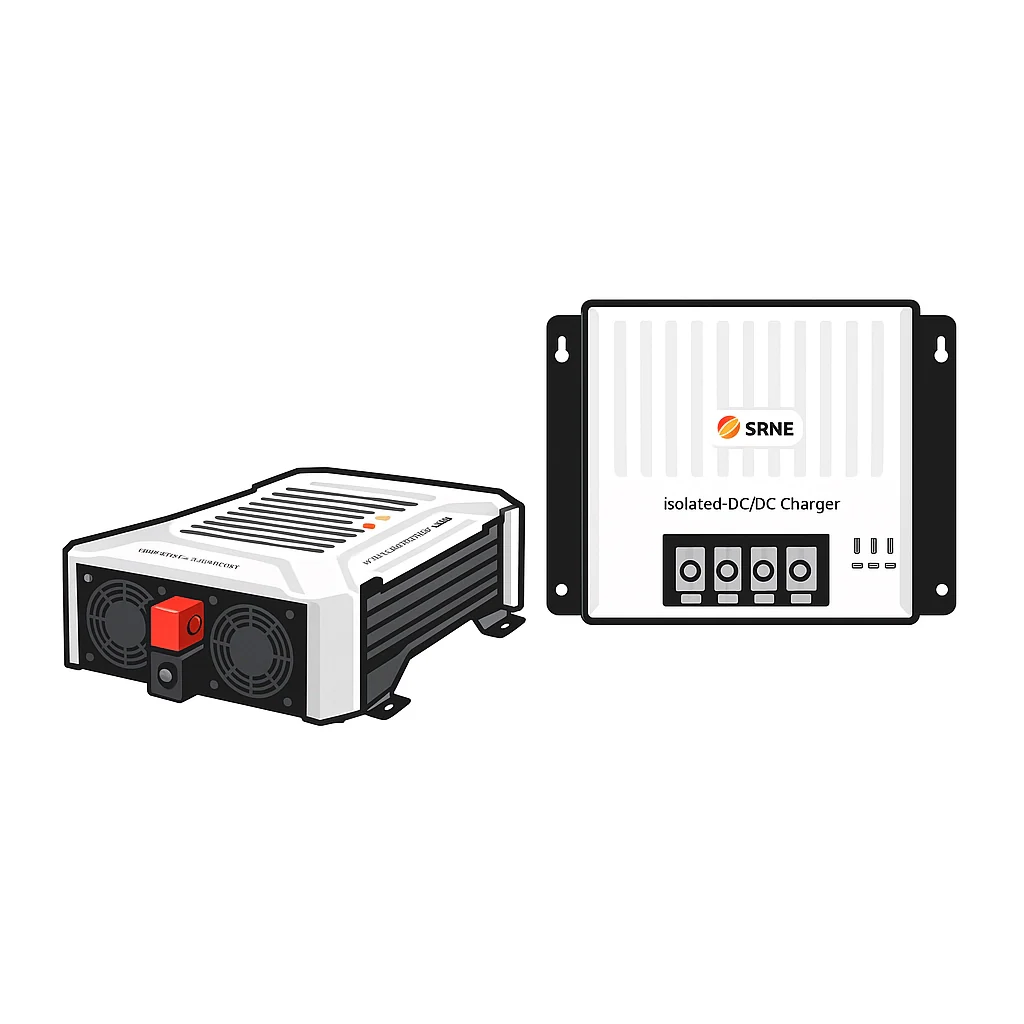
For a complete, integrated approach, the complete solar and electrics system from SRNE covers inverter, charger, DC-DC, and monitoring in one package. If you prefer a Victron-based build, the Victron Energy EasySolar combines MPPT, inverter-charger, and GX monitoring in a single unit. For solar generation, the high-output solar kit delivers 610W with a Victron Smart MPPT controller. All products are sourced directly from manufacturers and priced for real-world value.
Frequently asked questions
How long can a campervan stay off-grid in the UK with modern energy systems?
With a 100Ah lithium and 200W solar, most setups support one to two weeks off-grid in summer. Winter performance drops significantly without a DC-DC charger or EHU backup.
Is lithium really better than AGM batteries for UK campervan energy independence?
Yes. Lithium delivers 80-95% usable capacity, weighs 50% less, charges faster, and lasts 3,000-5,000 or more cycles, making it the stronger long-term choice despite the higher purchase price.
Do I need more than solar to keep powered up in the UK winter?
Yes. Solar alone is unreliable in winter due to short days and cloud cover. A hybrid setup using a DC-DC charger or EHU access is essential for year-round reliability.
How do I monitor my batteries and energy use?
Most modern lithium systems support Bluetooth monitoring via apps such as Victron Connect, giving you live state of charge, current draw, and historical usage data directly on your phone.
Recommended
Prev post

Why battery monitoring matters for reliable off-grid power
Updated on 12 April 2026
Next post

Top tips for campervan energy independence in the UK
Updated on 10 April 2026


