





Why use energy storage in campervans for off-grid freedom
Discover why energy storage is essential for campervan off-grid power. Learn about lithium vs lead acid batteries, installation tips, and how to maximise travel freedom across the UK.
Many campervan owners underestimate how much energy storage transforms off-grid travel. Without it, you’re stuck relying on solar panels during daylight or running noisy generators to power basic appliances. This guide explains why energy storage is essential for reliable campervan power, explores different storage options from lithium to lead acid batteries, and shows you how to apply them effectively. You’ll discover how proper energy storage eliminates power anxiety, extends your travel freedom across the UK’s varied landscapes, and reduces your dependence on expensive fuel and campsite hookups.
Table of Contents
- What Is Energy Storage In Campervans And Why Is It Essential?
- Types Of Energy Storage Systems Used In UK Campervans: Pros And Cons
- How Energy Storage Enhances Your Campervan’s Off-Grid Power And Travel Freedom
- Planning And Installing An Energy Storage System In Your Campervan
- Enhance Your Campervan Power With Skyenergi’s Energy Storage Solutions
Key takeaways
| Point | Details |
|---|---|
| Reliable power supply | Energy storage ensures consistent electricity when solar or engine charging isn’t available |
| Lithium advantages | Lithium batteries offer more usable capacity and longer life than traditional options |
| Increased freedom | Proper energy storage systems increase travel freedom and reduce generator reliance |
| Expandable capacity | Expandable energy systems allow for customised capacity as needs grow |
What is energy storage in campervans and why is it essential?
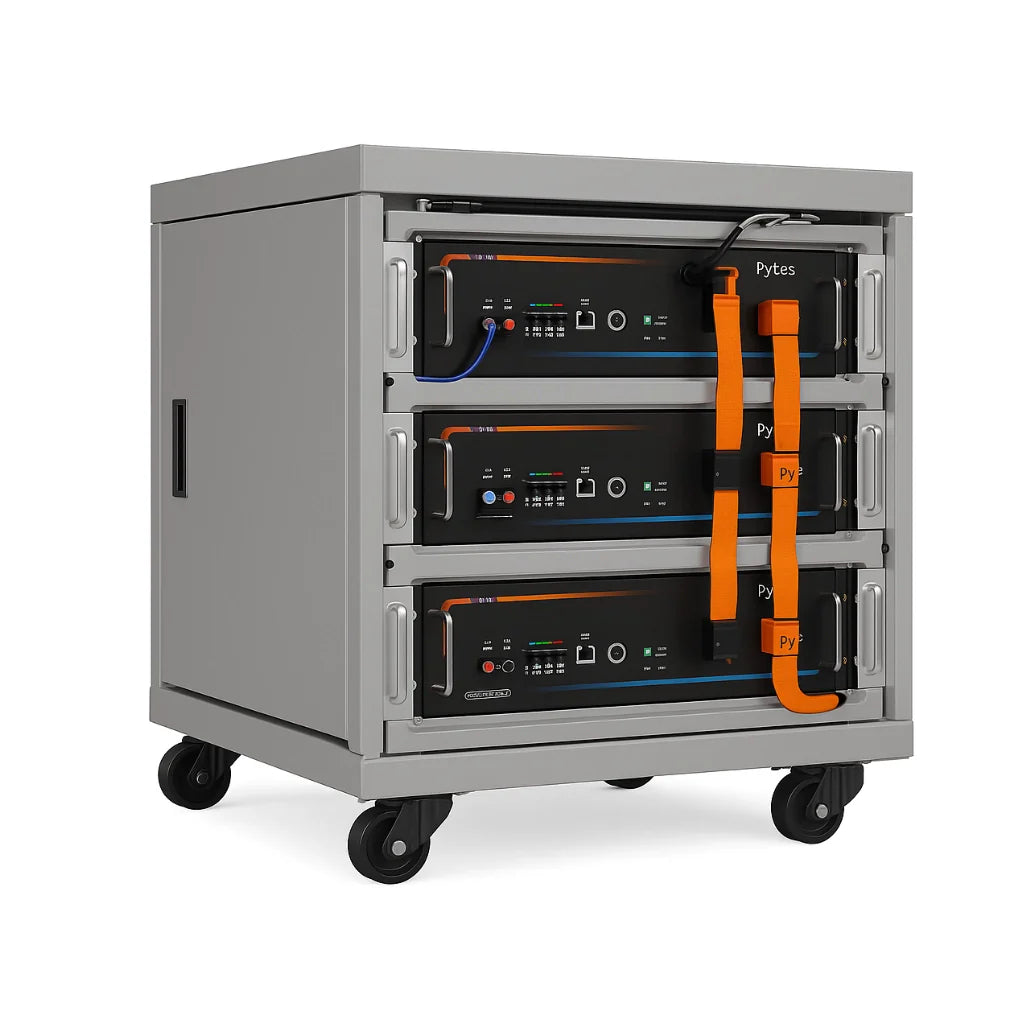
Energy storage refers to systems that store electrical energy for use when generation isn’t available. In campervans, this typically means batteries that capture power from solar panels, alternators, or mains hookups, then release it on demand. The technology has evolved dramatically, with modern lithium systems offering capabilities that seemed impossible just a decade ago.
Typical energy storage setups include several key components working together:
- Batteries (lithium-ion or lead acid) as the primary storage medium
- Inverters to convert 12V DC battery power to 230V AC for household appliances
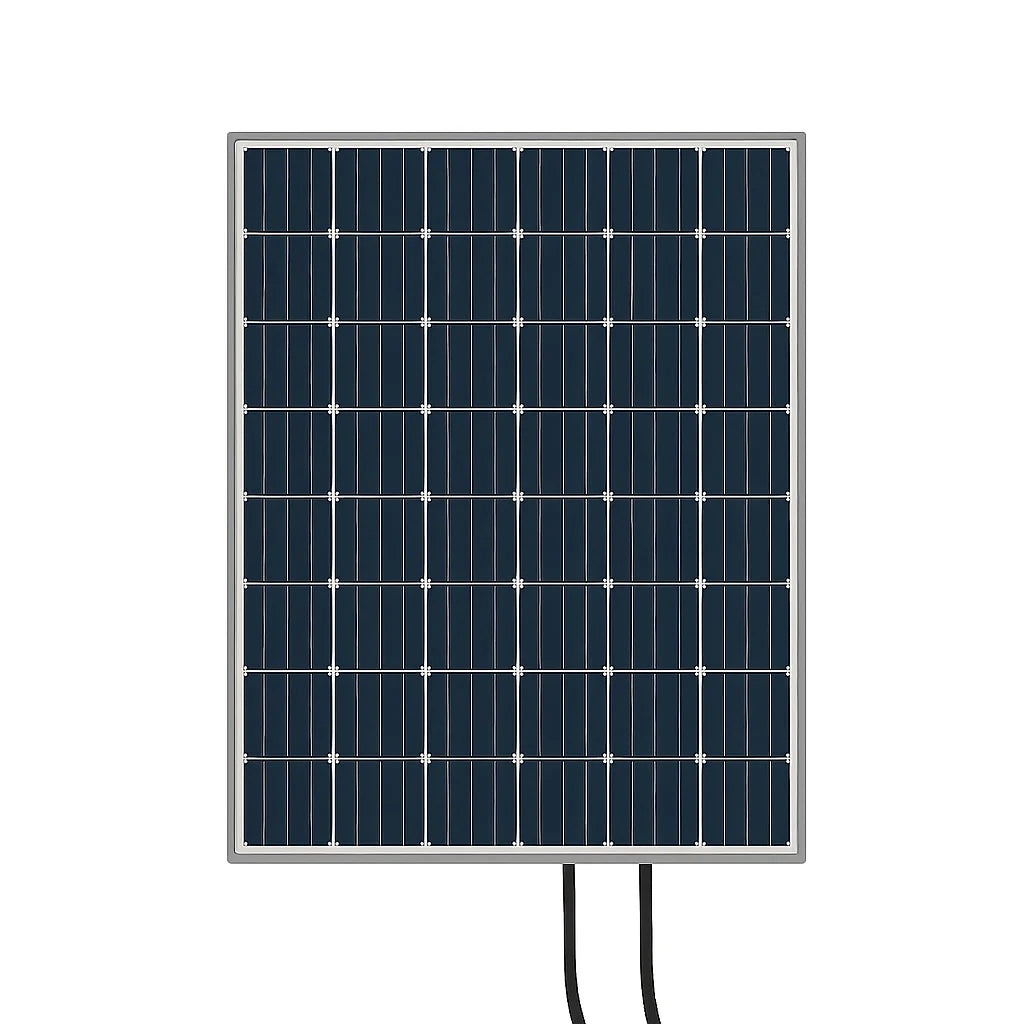
- Charge controllers managing solar input and preventing overcharging
- Battery management systems monitoring health and performance
Why is this technology so critical for campervan life? Solar panels only generate power during daylight, and even then, UK weather creates unpredictable output. Your engine alternator charges whilst driving, but you need electricity when parked. Appliances like fridges, lights, and water pumps demand continuous power regardless of conditions. Without adequate storage, you’re constantly compromising on comfort or burning fuel to run generators.
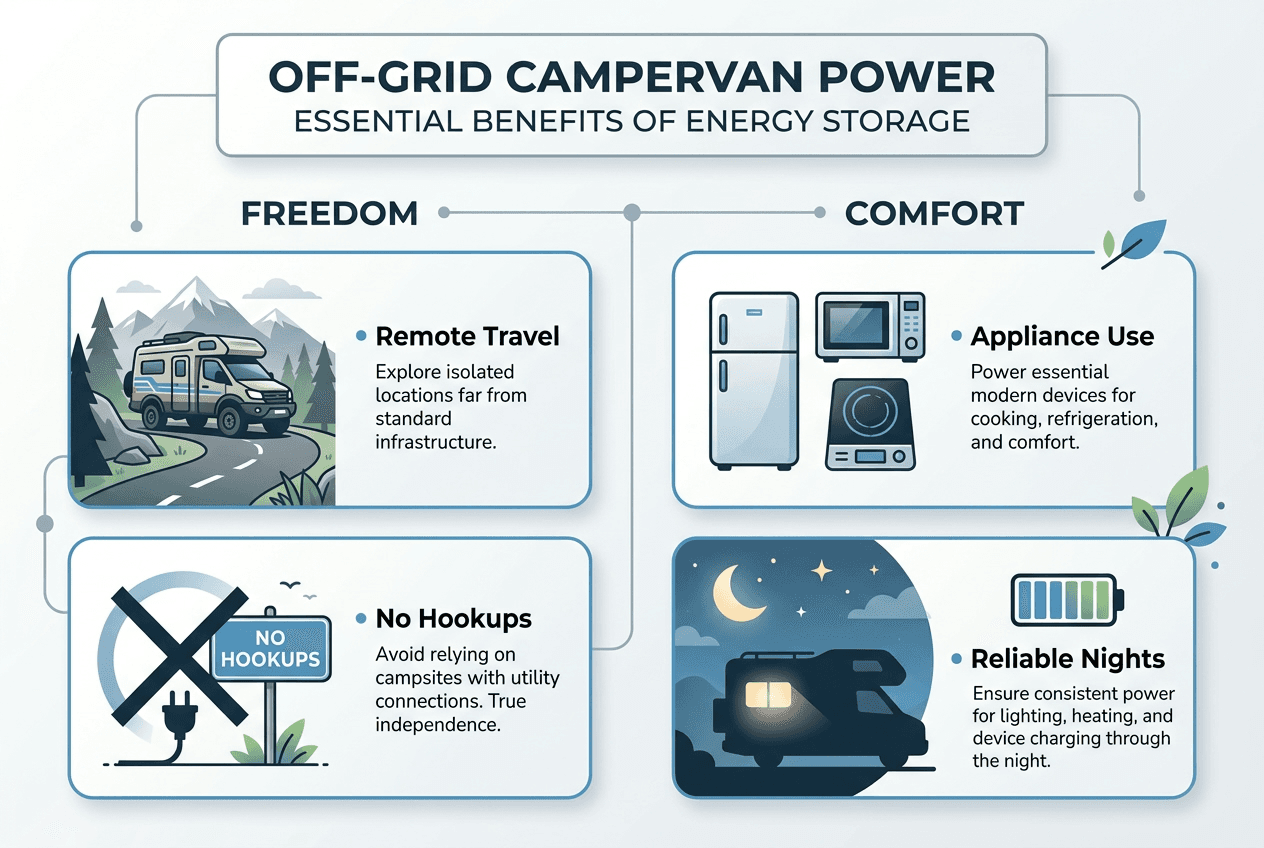
The benefits extend beyond mere convenience. Reliable energy storage enables genuine off-grid independence, letting you camp in remote locations for days without external power. You’ll save money on campsite fees and fuel costs whilst reducing noise pollution and environmental impact. Modern systems with Bluetooth monitoring let you track consumption patterns and optimise usage in real time.
Pro Tip: Calculate your daily power consumption before choosing a storage system. List every appliance, its wattage, and hours of use. This prevents costly undersizing mistakes.
Types of energy storage systems used in UK campervans: pros and cons
Understanding the differences between battery technologies helps you make informed decisions. The two main categories dominating the campervan market are lead acid and lithium-ion batteries, each with distinct characteristics.
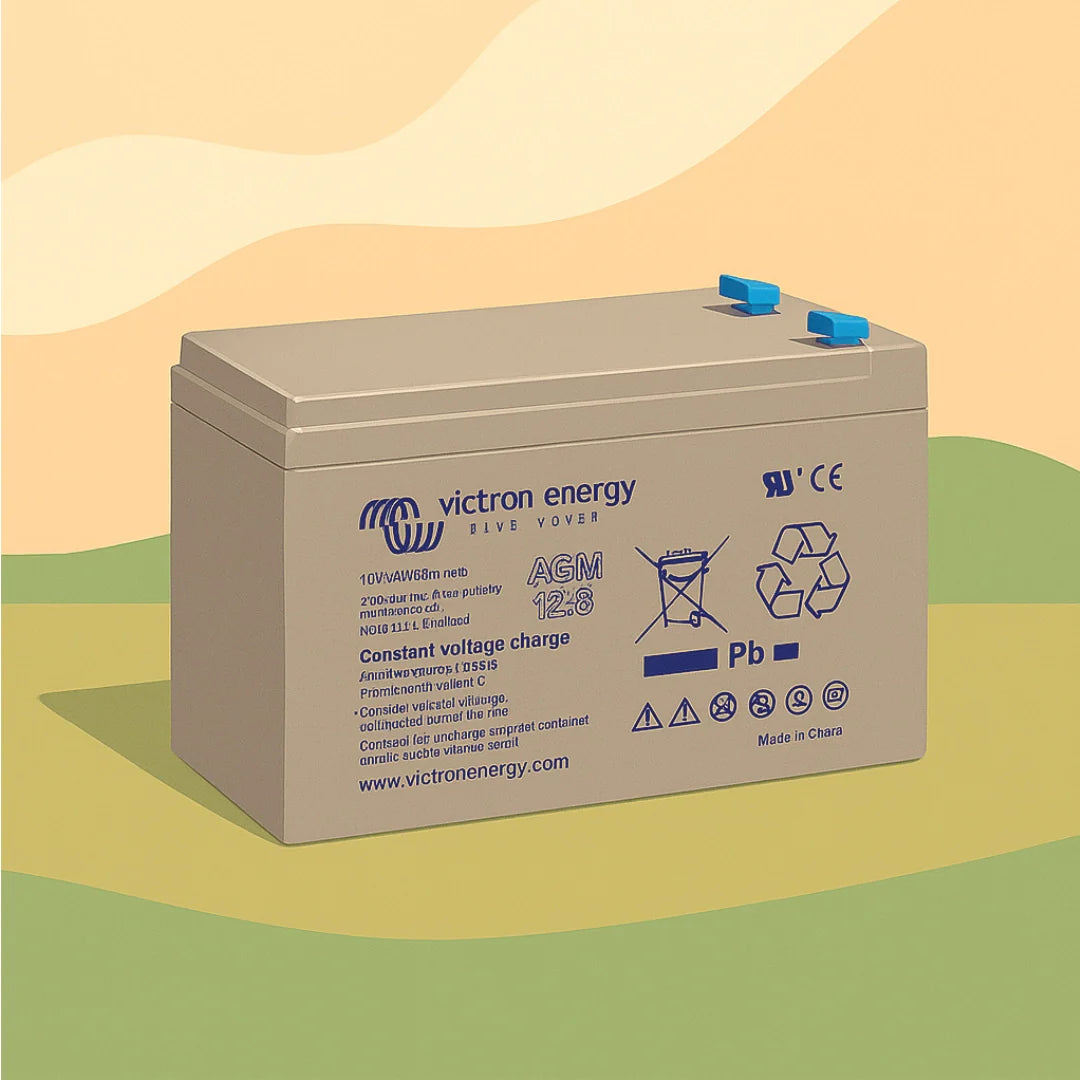
Lead acid batteries come in flooded and AGM variants. Flooded batteries require regular maintenance and must stay upright, making them less suitable for mobile applications. AGM (Absorbent Glass Mat) batteries are sealed, maintenance-free, and handle vibration better. They’re cheaper upfront but have significant limitations.
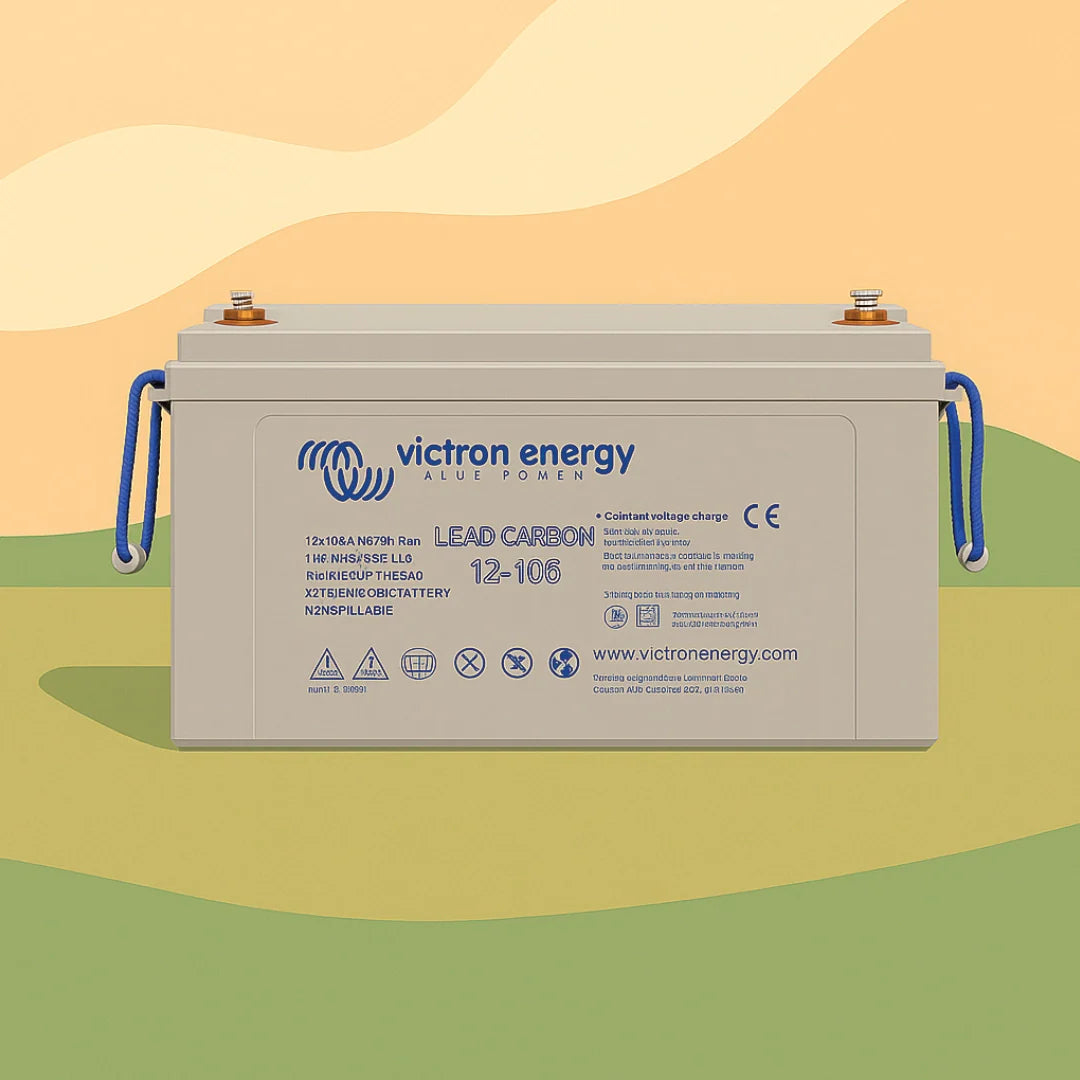
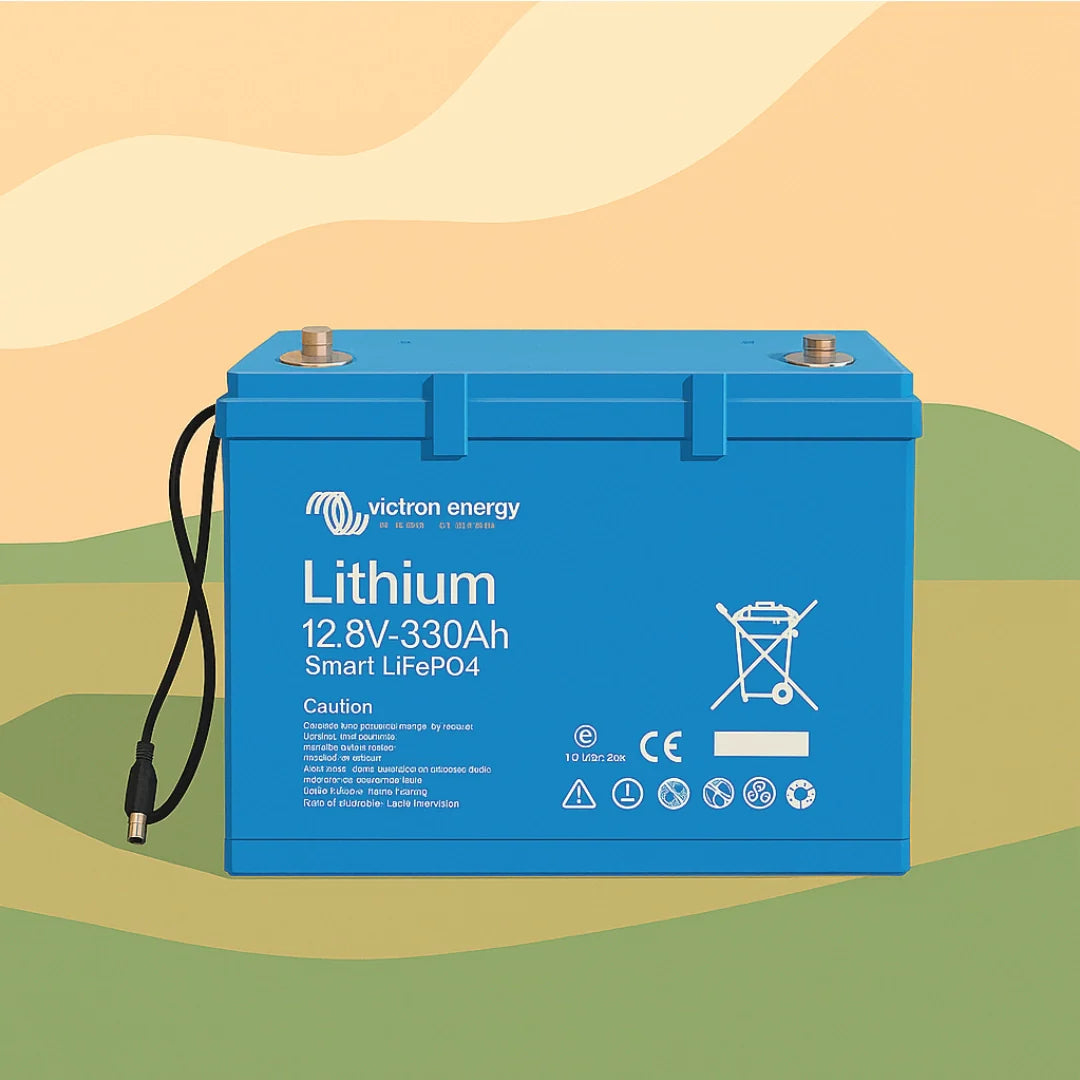
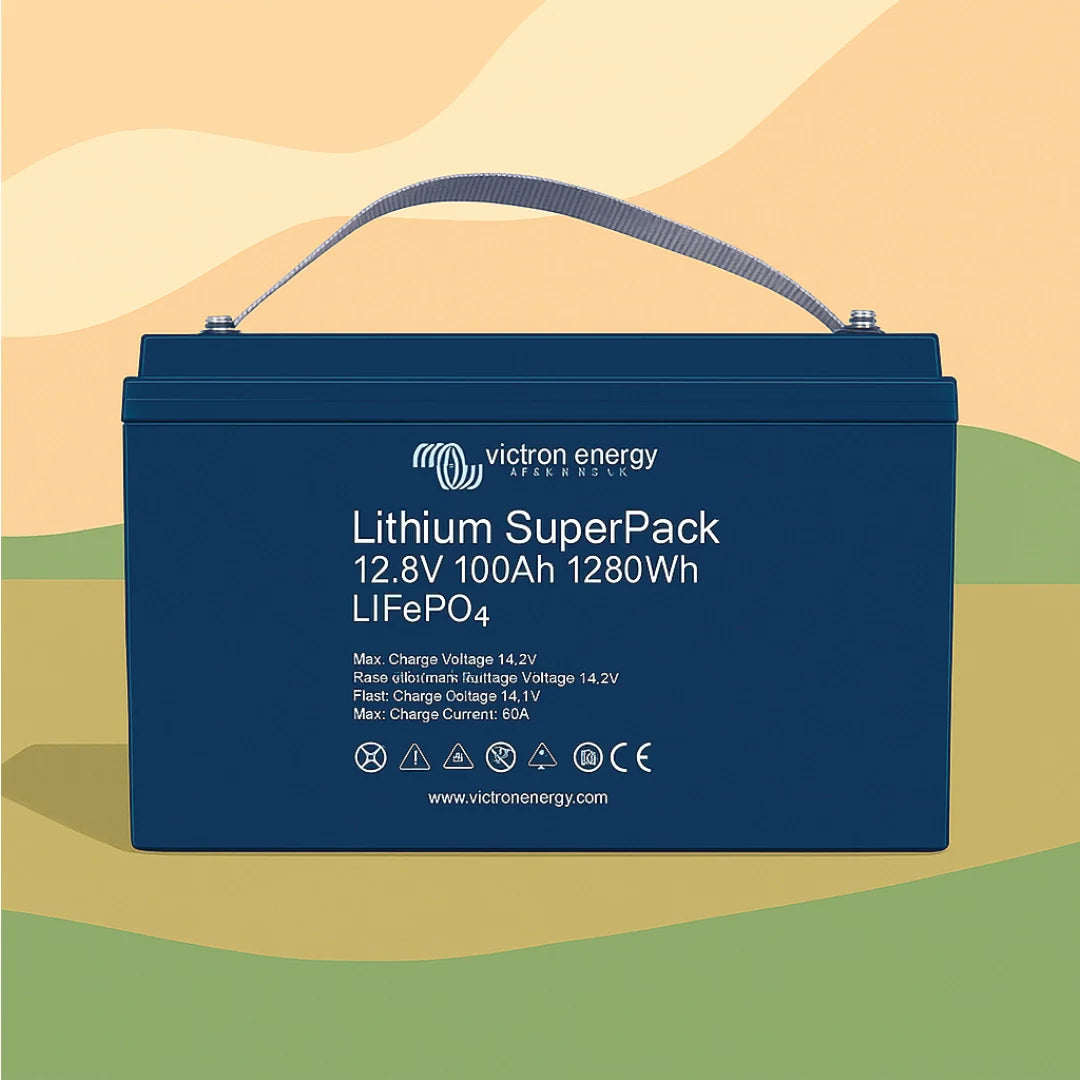
Lithium-ion batteries, specifically LiFePO4 (lithium iron phosphate), have revolutionised campervan power. They’re lighter, charge faster, and deliver about 80% more usable power than equivalent lead acid batteries. This happens because lithium batteries can safely discharge to 20% capacity, whilst lead acid batteries suffer damage below 50% discharge.
| Feature | Lead Acid (AGM) | Lithium (LiFePO4) |
|---|---|---|
| Usable capacity | 50% of rated capacity | 80-90% of rated capacity |
| Weight | Heavy (25-30kg per 100Ah) | Light (12-15kg per 100Ah) |
| Lifespan | 300-500 cycles | 3000-5000 cycles |
| Charging speed | Slow (8-12 hours) | Fast (2-4 hours) |
| Maintenance | Periodic checks needed | Virtually maintenance-free |
| Initial cost | Lower | Higher |
| Cost per cycle | Higher over lifetime | Lower over lifetime |
The higher upfront cost of lithium batteries often surprises buyers. A 200Ah lithium battery might cost three times more than an AGM equivalent. However, when you factor in the longer lifespan, greater usable capacity, and reduced weight allowing better fuel economy, lithium batteries deliver better value over time. They also charge more efficiently from solar panels, capturing energy during brief sunny periods that AGM batteries would partially waste.
Emerging technologies like solid-state batteries promise even better performance, but they remain expensive and unproven for campervan applications. For now, LiFePO4 lithium batteries represent the sweet spot between performance, reliability, and cost for most UK campervan owners.
Pro Tip: When comparing battery prices, calculate cost per usable kilowatt-hour over the battery’s lifetime. This reveals the true value beyond the sticker price.
How energy storage enhances your campervan’s off-grid power and travel freedom
The practical advantages of proper energy storage transform how you experience campervan travel. These benefits extend far beyond simply keeping lights on.
-
Reliable power day and night: Your fridge stays cold through the night, heating works on chilly mornings, and you can charge devices anytime. Energy storage decouples power availability from weather or driving schedules.
-
Silent operation: Generators disturb wildlife, annoy neighbours, and ruin the peaceful atmosphere you’re seeking. Battery systems operate silently, preserving the tranquillity of remote locations.
-
Safe appliance operation: Modern inverters paired with adequate storage let you run sensitive electronics, power tools, and even small kitchen appliances without voltage fluctuations or sudden power loss.
-
Enhanced comfort and convenience: Imagine using your laptop for work, running a coffee machine, and powering LED lighting simultaneously without worrying about battery depletion. Proper storage makes this routine.
-
Reduced fuel and maintenance costs: Less generator runtime means less fuel consumption, fewer oil changes, and extended generator lifespan. The savings accumulate quickly for frequent travellers.
The freedom to explore Scotland’s Highlands in winter or Cornwall’s coast in summer without seeking campsite hookups fundamentally changes your travel experience. You choose locations based on scenery and preference, not power availability.
UK weather variability demands smart energy management. During prolonged grey periods, monitor your state of charge and adjust consumption accordingly. Run high-power appliances during solar generation hours when possible. Many modern battery management systems send alerts before capacity drops critically low.
Pro Tip: Install a battery monitor that shows real-time consumption and remaining capacity. This awareness naturally encourages efficient usage without feeling restrictive.
Planning and installing an energy storage system in your campervan
Selecting and installing the right energy storage system requires careful consideration of multiple factors. Your travel habits, energy consumption patterns, available space, and budget all influence the optimal solution.
Start by assessing your energy needs accurately. Track your actual consumption over several typical days, including high-use scenarios like winter heating or summer cooling. Don’t just estimate, measure actual draw from appliances using a power metre. This data prevents both expensive oversizing and frustrating undersizing.
Key factors to evaluate include:
- Travel frequency and duration: Weekend warriors need less capacity than full-time travellers
- Climate and season: Winter heating demands significantly more power than summer lighting
- Available mounting space: Lithium batteries’ compact size helps in tight installations
- Budget constraints: Balance upfront costs against long-term value and replacement cycles
- Future expansion plans: Modular systems allow capacity increases as needs grow
Follow these steps for successful energy storage installation:
- Calculate total daily consumption in watt-hours, adding 20% safety margin for unexpected usage
- Determine required battery capacity by dividing daily consumption by usable depth of discharge
- Select appropriate inverter matching your highest simultaneous appliance load plus 25% headroom
- Choose charging sources considering solar panel capacity, alternator charging, and mains options
- Plan physical layout ensuring proper ventilation, secure mounting, and accessible connections
- Verify compliance with UK electrical standards and any vehicle modification regulations
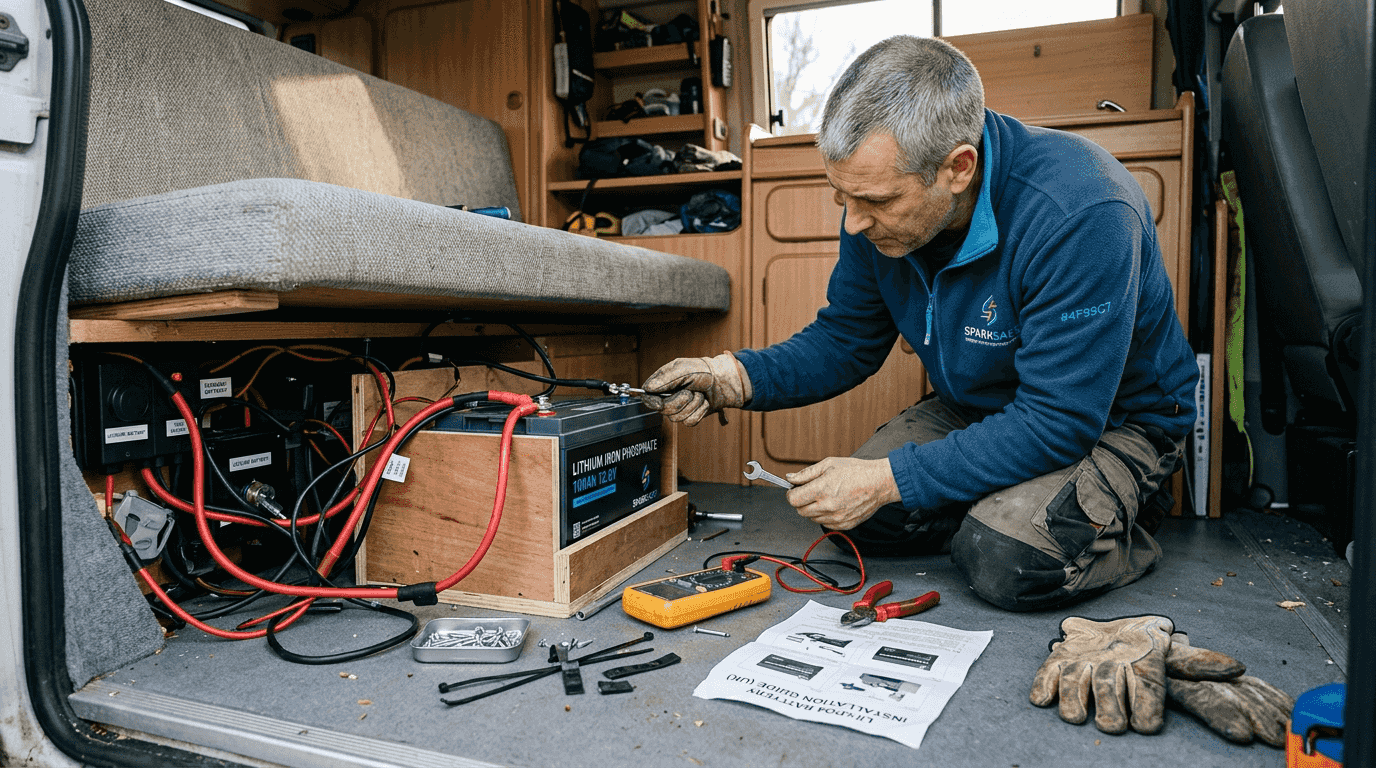
Installation safety is paramount. Batteries store enormous energy that can cause fires or explosions if incorrectly connected. Use appropriately rated cables, fuses, and circuit breakers at every stage. Lithium batteries require specific charging profiles, so ensure your charger and solar controller support LiFePO4 chemistry.
The DIY versus professional installation decision depends on your electrical knowledge and comfort with vehicle modifications. Competent DIY installation saves money and provides deep system understanding. However, professional installers bring experience with tricky routing, waterproofing, and regulatory compliance. They also typically offer warranties covering both parts and labour.
Expandable systems offer excellent flexibility. Start with adequate capacity for current needs, then add batteries in parallel as requirements grow. Modular designs from manufacturers like Victron and SRNE make expansion straightforward without replacing existing components.
Pro Tip: Document your installation with photos and detailed notes. This proves invaluable for troubleshooting, insurance claims, and future modifications.
Enhance your campervan power with Skyenergi’s energy storage solutions
Upgrading your campervan’s energy storage doesn’t have to be complicated. Skyenergi specialises in proven energy storage systems tailored specifically for UK campervan owners who demand reliable off-grid power.
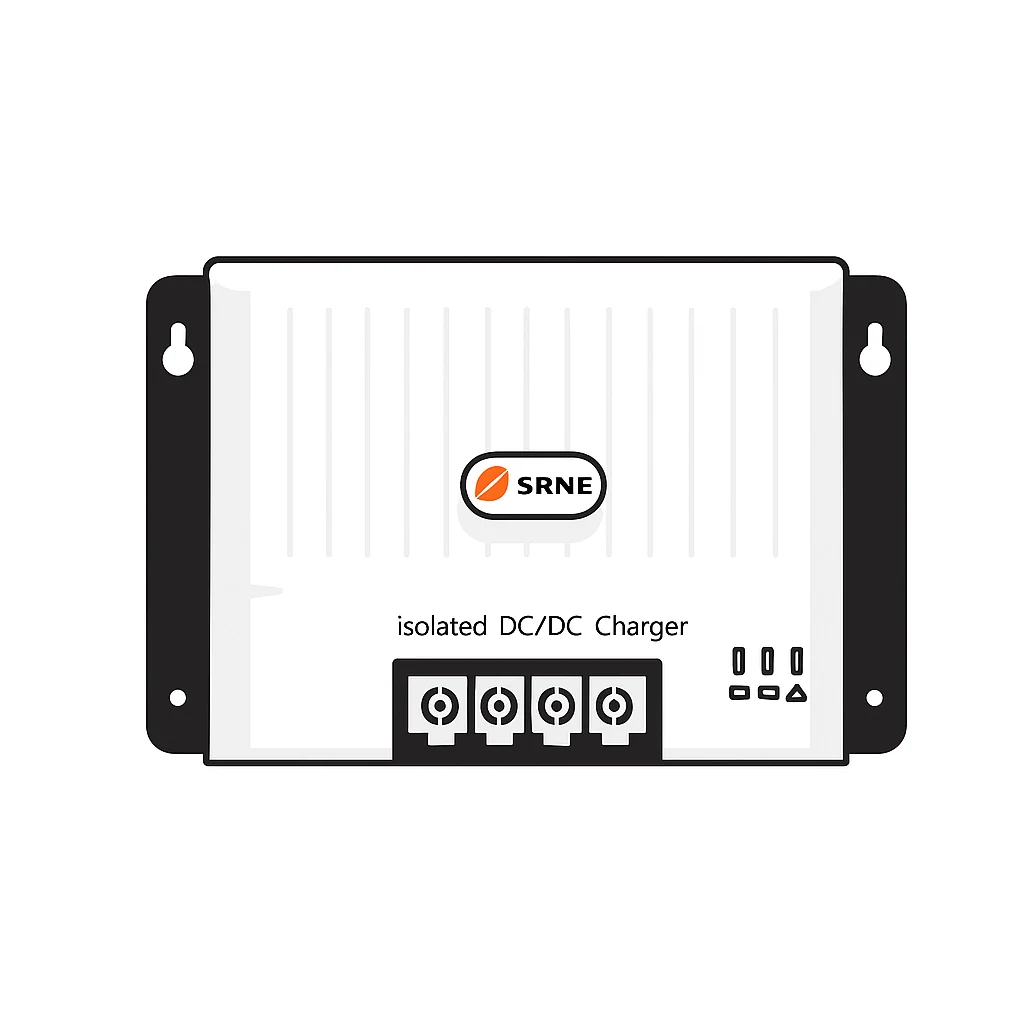
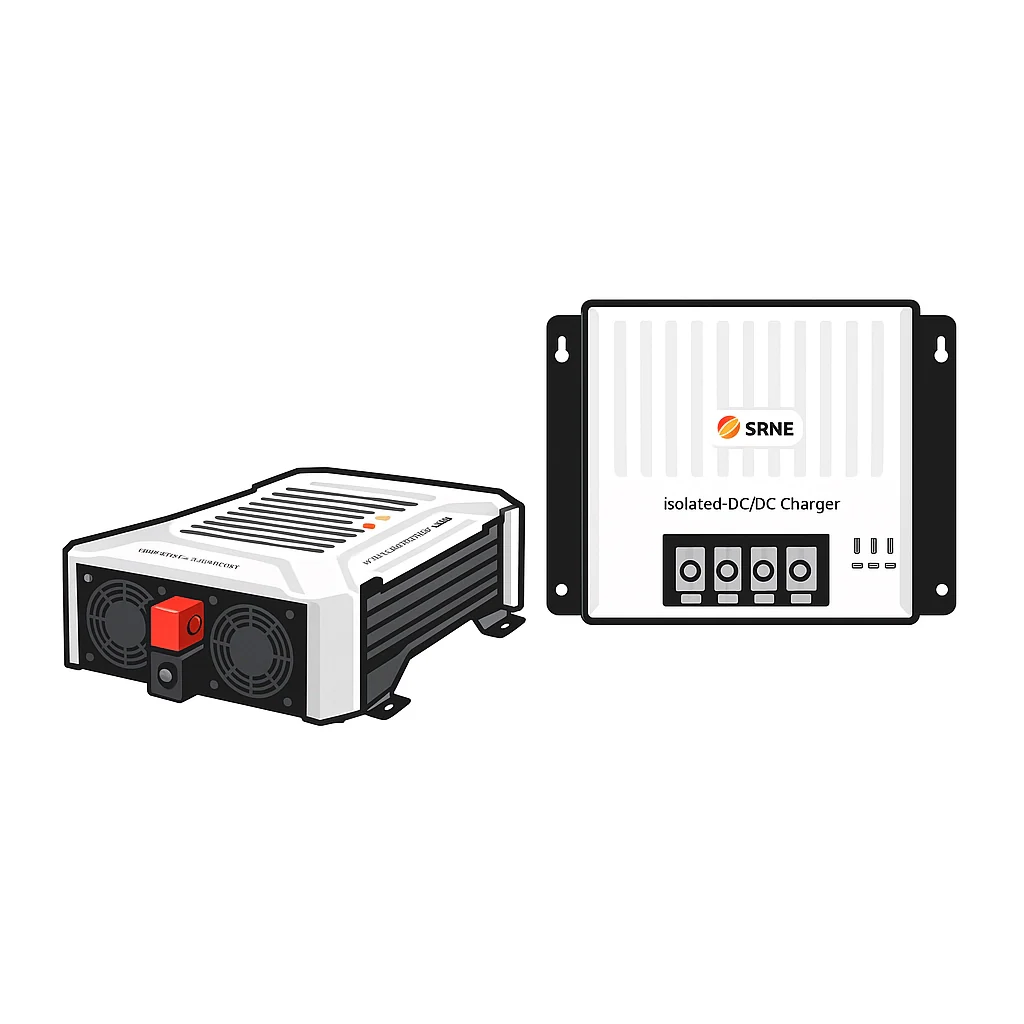
Our complete solar power electrics system includes everything needed for professional-grade energy independence. The 3kVa inverter charger handles substantial loads whilst the integrated battery-to-battery charger captures maximum energy from your alternator. Real-time monitoring lets you track system performance from your smartphone.
For those seeking premium quality and seamless integration, the Victron Energy EasySolar II system delivers unmatched reliability. This all-in-one solution combines inverter, charger, and solar controller in a compact package designed for demanding mobile applications.
We source products directly from manufacturers, delivering high-quality renewable energy solutions at competitive prices. Our technical support team helps you select the right components for your specific needs, ensuring your system performs reliably for years.
FAQ
How long can an energy storage system power my campervan appliances?
Duration depends on battery capacity and power consumption of your appliances. A typical 200Ah lithium battery provides roughly 2,400 usable watt-hours, enough to run a 50W fridge for two days, LED lighting, a laptop, and phone charging. Higher consumption appliances like heating, air conditioning, or power tools drain batteries much faster. Calculate your specific usage to determine required capacity accurately.
Is lithium battery storage safe for use in campervans?
Certified lithium batteries with proper installation are safe and reliable for campervan use. Quality LiFePO4 batteries include built-in battery management systems that prevent overcharging, over-discharging, and thermal runaway. Use recommended systems with appropriate fusing and follow manufacturer installation guidelines. Avoid cheap, uncertified batteries that lack proper safety features.
Can I install an energy storage system myself or should I hire a professional?
DIY installation is feasible for owners with electrical knowledge using compatible products and clear instructions. You’ll need to understand DC electrical principles, proper cable sizing, and fusing requirements. Professional installation is recommended for compliance with UK regulations, insurance requirements, and warranty preservation. Professionals also handle complex routing, waterproofing, and system integration more efficiently.
What size energy storage system do I need for weekend camping trips?
Weekend campers typically need 100-200Ah of lithium capacity, depending on appliance usage. This powers a fridge, lighting, device charging, and occasional laptop use comfortably. If you plan to use heating, air conditioning, or power tools, increase capacity to 200-300Ah. Track your actual consumption during a trip to refine requirements. Remember that lithium batteries deliver more usable capacity than equivalent lead acid ratings.
How do I maintain my campervan energy storage system for long life?
Lithium batteries require minimal maintenance compared to lead acid options. Keep battery terminals clean and tight, ensure adequate ventilation around components, and avoid extreme temperatures when possible. Monitor state of charge regularly and avoid prolonged storage at very low or very high charge levels. Update firmware on smart battery management systems when manufacturers release improvements. Check all electrical connections annually for corrosion or loosening.
Recommended
Prev post

Boat energy storage checklist: essential steps for UK owners 2026
Updated on 18 March 2026
Next post

Essential solar installation checklist for UK leisure vehicles 2026
Updated on 16 March 2026


