





Why renewable energy for your motorhome saves more
Discover why choose renewable energy for motorhomes. Save money, enjoy quieter travel, and enhance your adventures with solar power today!
TL;DR:
- Modern renewable systems offer UK motorhome owners cost savings and greater off-grid independence.
- Lithium batteries and monocrystalline panels provide efficient, durable, and environmentally friendly energy solutions.
- Proper system sizing and professional installation ensure reliable, maintenance-free power for wild camping.
Petrol generators are noisy, expensive to run, and banned on many wild camping sites across the UK. Modern renewable energy systems for motorhomes have changed this picture entirely, and most owners are surprised to discover how accessible and cost-effective the switch actually is. A well-specified solar and lithium battery setup can pay back in 2-3 years via avoided hookup fees and fuel costs, while delivering quieter, cleaner, and more flexible travel from the first day of installation.
Table of Contents
- How renewable energy transforms off-grid motorhome travel
- Understanding solar panels, batteries, and energy storage choices
- Practical steps to get started with renewable energy in your motorhome
- Our take: What most guides get wrong about renewable energy for motorhomes
- Upgrade your journey with expert-backed renewable energy solutions
- Frequently asked questions
Key Takeaways
| Point | Details |
|---|---|
| Significant annual savings | UK motorhome owners can save up to £500 each year by adopting renewable energy systems. |
| Greater off-grid independence | Solar and modern battery setups allow you to wild camp without sacrificing comfort or reliability. |
| Lower environmental impact | Switching to renewables reduces your carbon footprint and helps preserve the sites you visit. |
| Lithium batteries pay off | Despite higher upfront costs, lithium batteries are lighter, last longer, and cost less in the long run for frequent travellers. |
How renewable energy transforms off-grid motorhome travel
The financial case for going renewable is straightforward when you break down the actual numbers. UK motorhome owners who rely on campsites with electrical hookups typically pay between £20 and £40 per night for that privilege. Over a 30-night season, that adds up to £600 to £1,200 spent purely on electricity access. Add in petrol or diesel costs for a supplementary generator and the figure rises further.
A solar and battery system, by contrast, is a one-time capital outlay. Typical systems cost £800 to £1,500 for a campervan or small motorhome setup, covering panels, an MPPT controller, cabling, and a leisure battery. The return on that investment comes through avoided fees, and most owners see full payback within two to three travel seasons.
Financial comparison: Renewable vs traditional energy
| Cost factor | Traditional (hookup + generator) | Renewable solar setup |
|---|---|---|
| Annual hookup fees | £600 to £1,200 | £0 |
| Fuel costs (generator) | £150 to £400 | £0 |
| Maintenance | £50 to £200 | Minimal |
| Initial setup cost | £0 (ongoing) | £800 to £1,500 |
| Payback period | N/A | 2 to 3 years |
Beyond the financial aspect, the lifestyle shift is significant. Renewable energy gives you genuine travel freedom. You are no longer tied to campsite electrical points, which means more flexibility to choose remote locations, national parks, and wild camping spots that have no infrastructure at all.
Key lifestyle benefits include:
- No generator noise: Solar charging happens silently. Your camping neighbours will thank you, and you will sleep better.
- Off-grid capability: A well-sized system runs lighting, a 12V fridge, laptop charging, and USB devices for days without any solar input at all.
- Reduced carbon footprint: Eliminating a petrol generator removes a meaningful source of CO2 and particulate emissions from your travels.
- Wild camping access: Many UK beauty spots and forestry commission sites permit motorhomes overnight only if they are self-sufficient. A solar and battery setup qualifies you for these locations.
“The biggest surprise for most owners is how quickly renewable energy shifts from being a cost to being a freedom. It’s not just about saving money; it’s about waking up somewhere genuinely remote without worrying about power.”
Pro Tip: Before pricing a system, log your current annual campsite hookup spend and generator fuel costs. This figure becomes your payback benchmark, and for most UK owners it makes the case for renewables immediately.
For those getting started, a good solar panel setup guide covers the specifics of roof mounting, wiring, and controller selection for UK conditions. Understanding energy storage explained in plain terms also helps you choose the right battery bank size from the outset.
Understanding solar panels, batteries, and energy storage choices
Once you accept that renewable energy makes practical and financial sense, the next question is which technology to choose. The market offers several types of solar panels and two main battery chemistries. Understanding the distinctions prevents costly mistakes.
Solar panel types for UK motorhomes
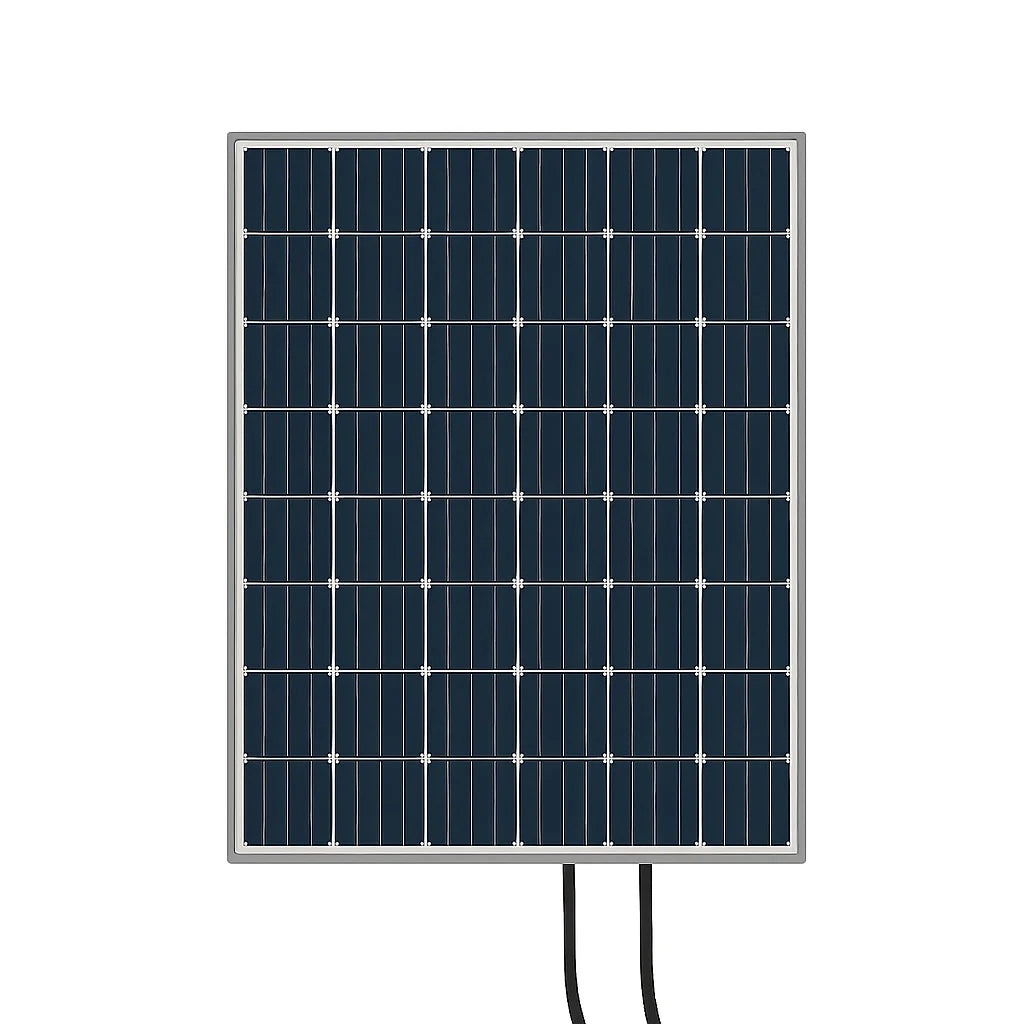
Monocrystalline panels are the most efficient option available and perform best in partial shade or diffuse light, which is exactly what the UK climate delivers for much of the year. Efficiency ratings of 20% to 22% are common, and they produce usable power even on overcast days.
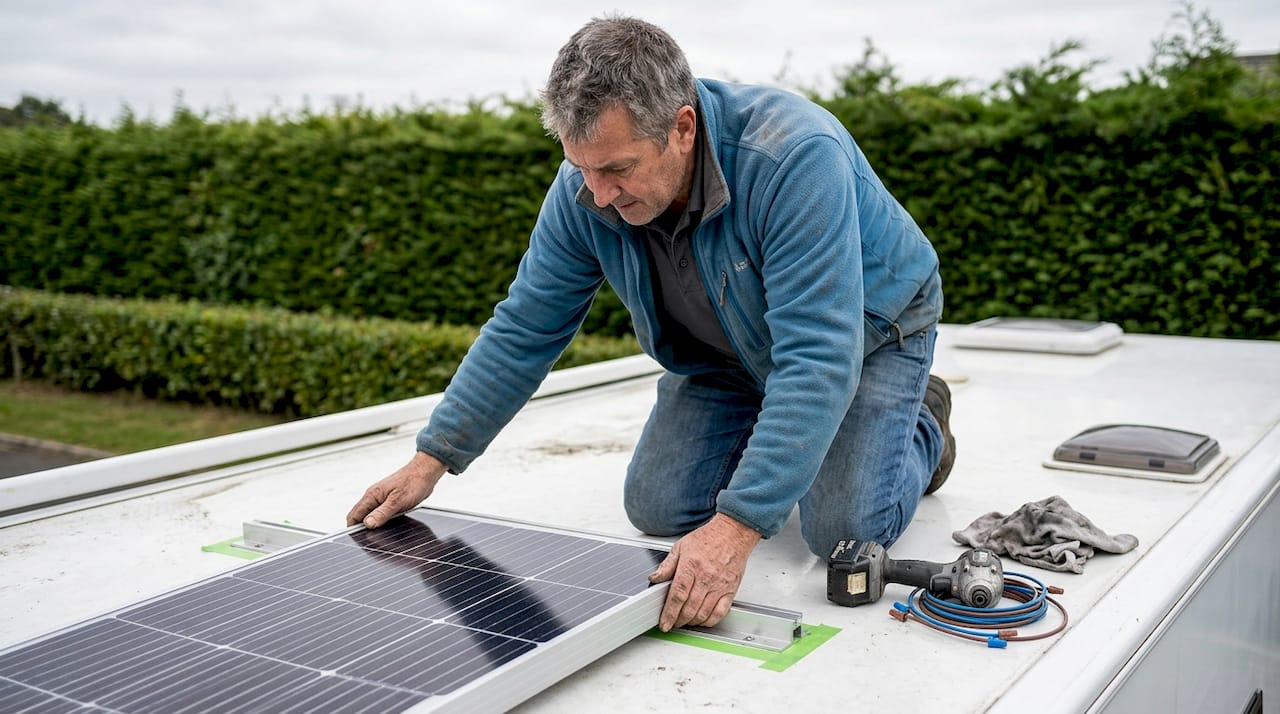
Polycrystalline panels cost less but are slightly less efficient, typically around 15% to 17%. They work well in full sun conditions but underperform on cloudy days compared to monocrystalline alternatives.
Flexible and semi-flexible panels suit curved or irregular roof shapes. They are lighter than rigid panels and easier to fit on certain vehicle profiles, but they tend to run hotter and have slightly shorter lifespans than rigid options.
For most UK motorhome owners, rigid monocrystalline panels represent the best balance of cost, longevity, and performance in British conditions.
Lithium vs AGM: the key comparison
The battery choice is often where owners spend the most deliberation. Here is a direct comparison of the two dominant chemistries:
| Feature | Lithium (LiFePO4) | AGM |
|---|---|---|
| Usable capacity | 80 to 100% of rated capacity | 50% of rated capacity |
| Weight (100Ah example) | 12 to 14 kg | 28 to 32 kg |
| Cycle life | 2,000 to 5,000 cycles | 300 to 500 cycles |
| Charge efficiency | 98 to 99% | 80 to 85% |
| Upfront cost | Higher | Lower |
| Long-term cost per cycle | Lower | Higher |
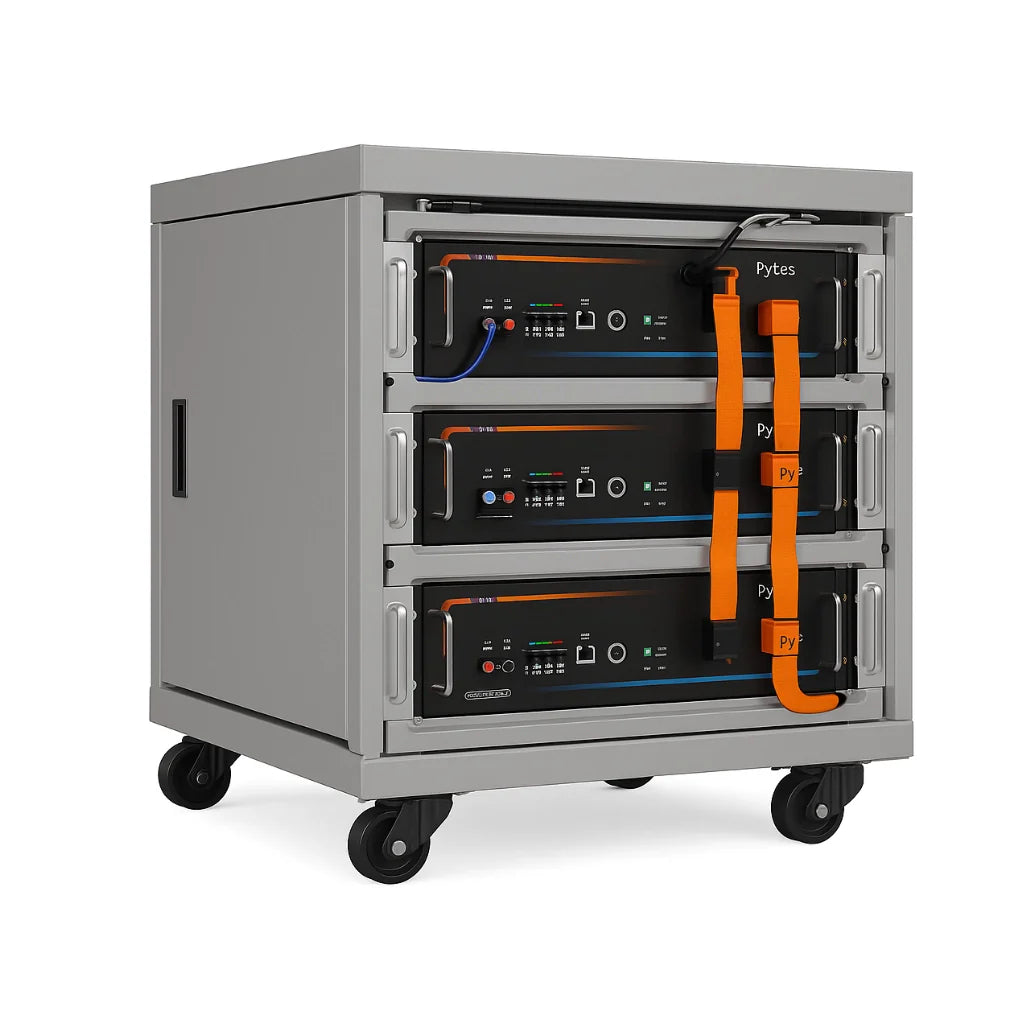
According to detailed analysis of leisure battery options, lithium batteries carry a higher upfront price but a significantly lower lifetime cost per cycle, while AGM remains a practical choice for occasional users or those on tight initial budgets. For regular or full-time travellers, lithium is almost always the more economical choice over a five-year horizon.
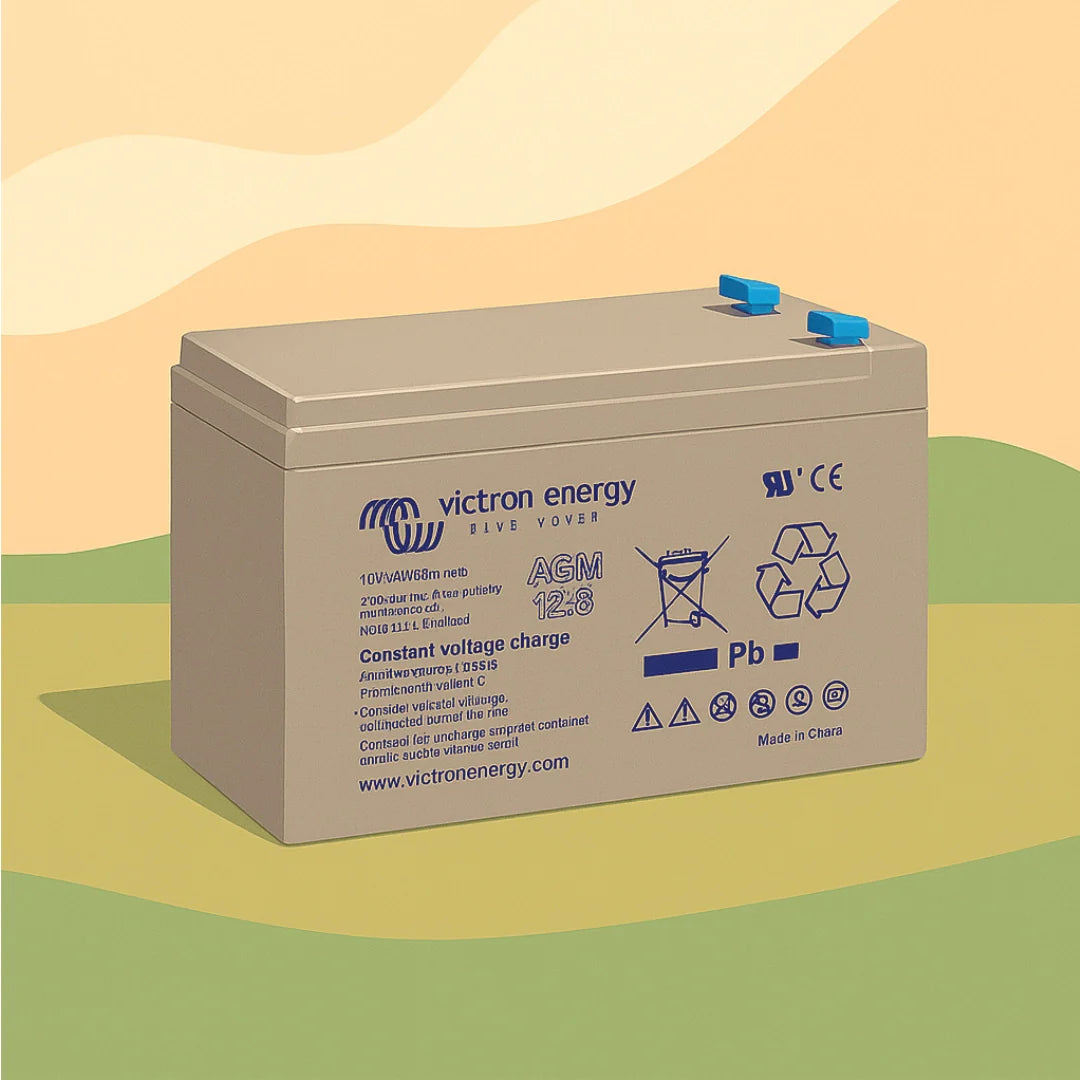
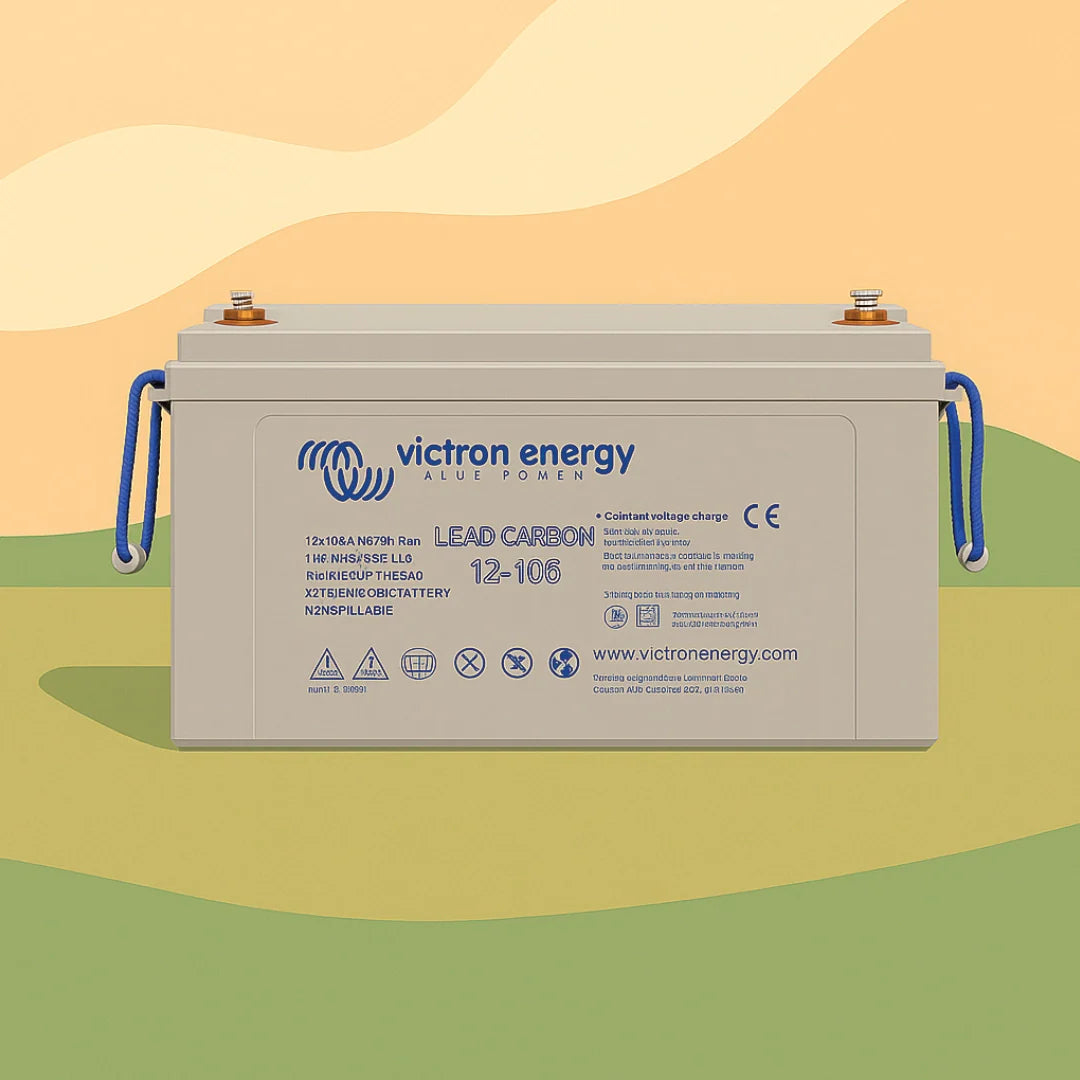
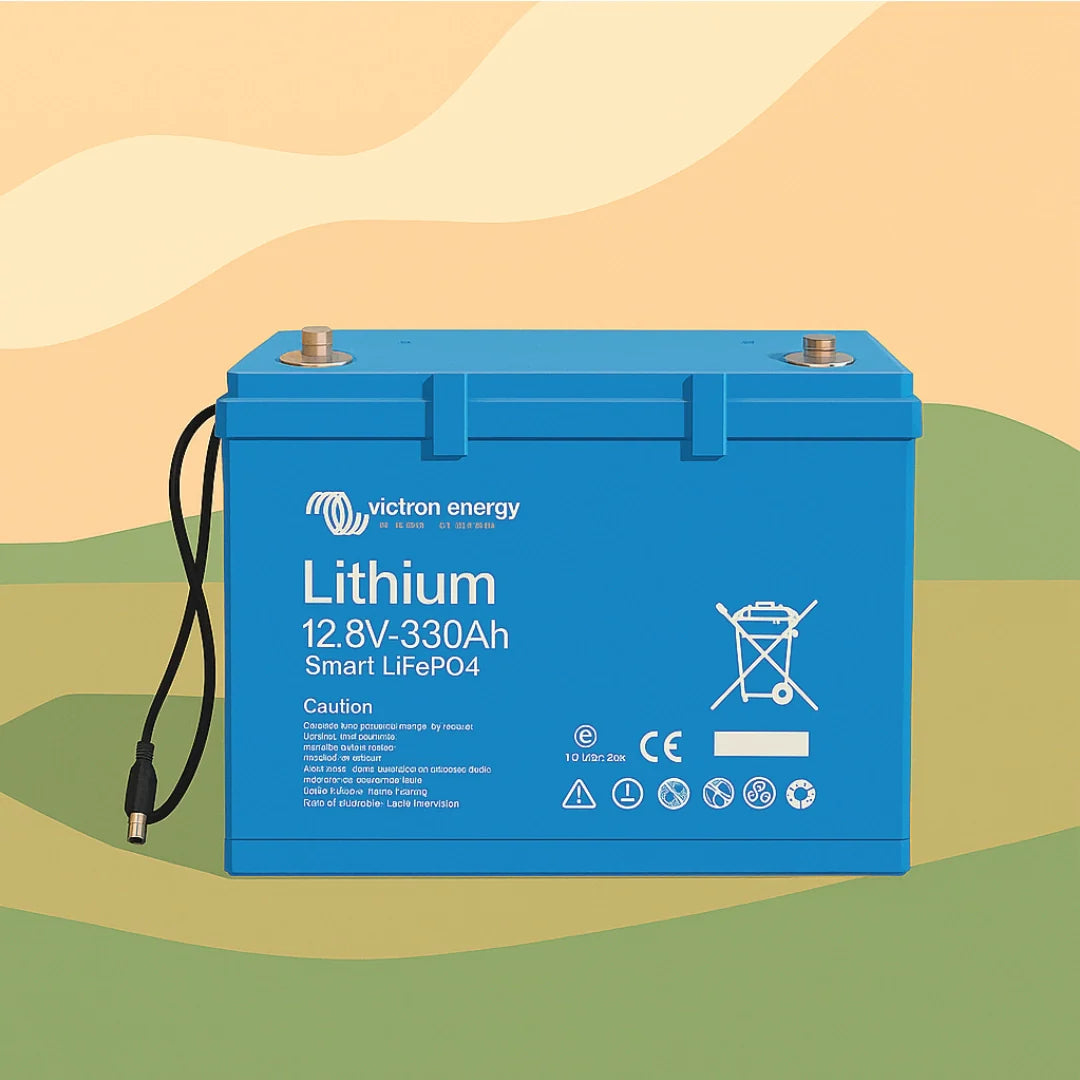
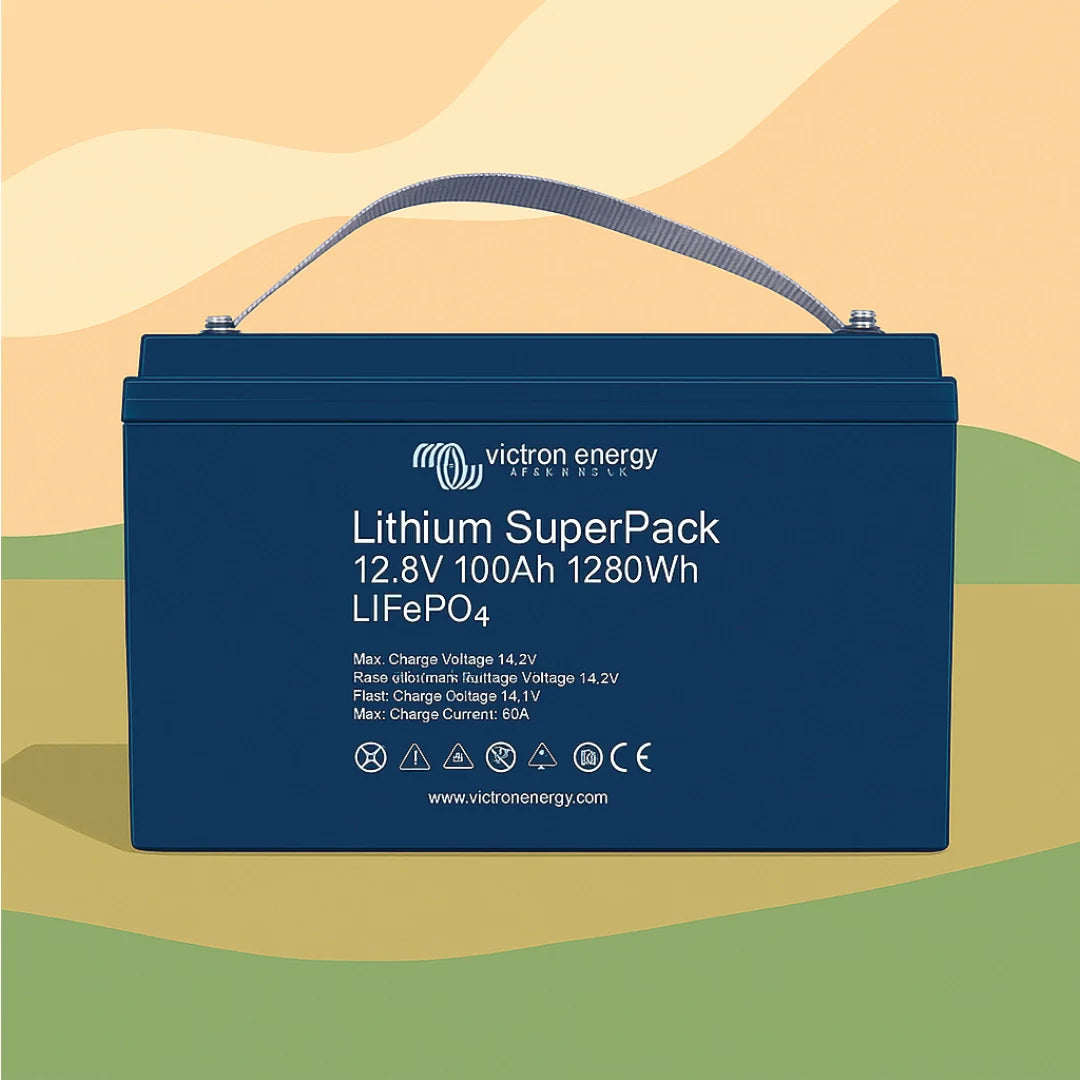
This is further supported by comparing lithium vs AGM in real-world motorhome conditions, where the usable capacity difference is especially noticeable. A 100Ah AGM gives you roughly 50Ah of safe usable power. A 100Ah lithium gives you 90Ah or more. That difference matters enormously when you are off-grid for several days.
For a thorough review of how these chemistries compare under sustained use, the AGM vs lithium reliability breakdown covers charge behaviour, temperature performance, and real-world discharge patterns. If you are specifically shopping for the right product, the best lithium batteries comparison page narrows down the top-rated options for motorhomes.
Sizing a system for your needs
- List every electrical device you plan to use: fridge, lighting, phone charger, laptop, inverter loads. Note the wattage of each.
- Estimate daily hours of use for each device to calculate daily watt-hours (Wh) consumed.
- Add a 20% buffer to account for inefficiencies and cloudy days where solar input is reduced.
- Select a battery bank that covers at least two days of usage without solar top-up.
- Size your panels to recharge the battery bank fully on a typical UK summer day, around 4 to 5 peak sun hours.
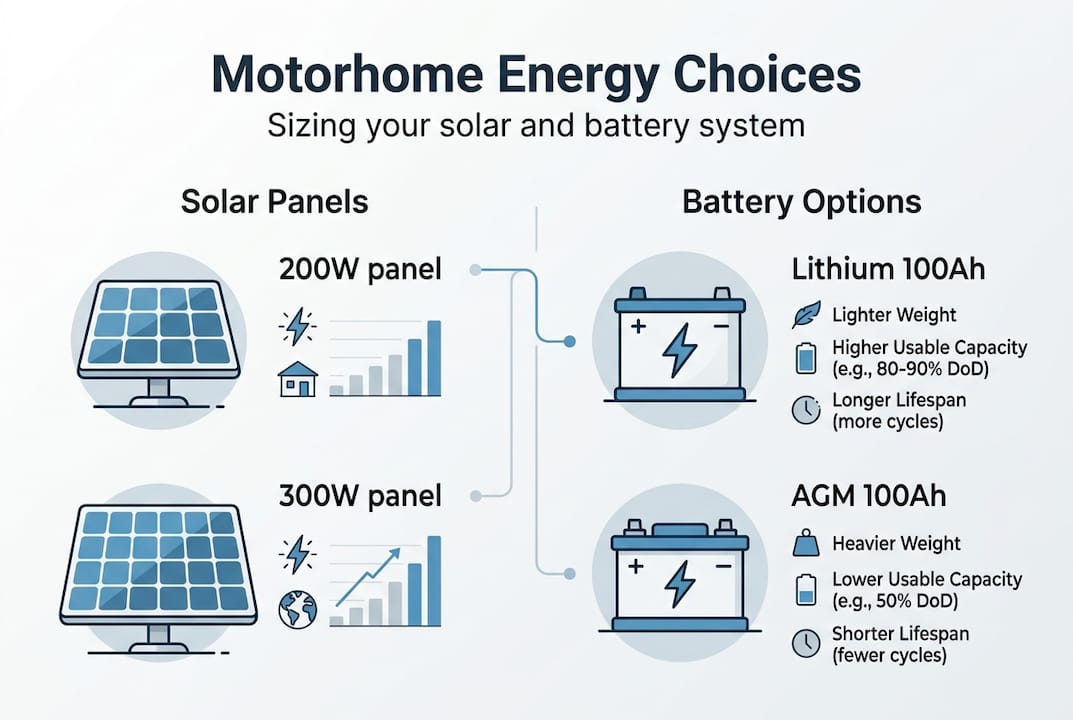
A 200W panel combined with a 100Ah lithium battery is a practical starting point for light to moderate use. Heavier loads, such as a compressor fridge running continuously, will require 300W to 400W of panels and 150Ah to 200Ah of battery capacity.
Pro Tip: A Battery Management System (BMS) is built into quality LiFePO4 batteries and protects against over-discharge, overcharge, and short circuits. Always confirm BMS protection is included before purchasing.
Practical steps to get started with renewable energy in your motorhome
Having the right knowledge is the foundation, but converting it into a working system requires a clear installation plan. Most owners who encounter problems either under-sized their system or made wiring errors that reduced efficiency or caused safety hazards.
Step-by-step system installation
- Assess your roof space accurately. Measure the usable flat area, accounting for roof vents, skylights, and antenna mounts. This determines the maximum panel wattage you can physically fit.
- Choose your MPPT solar charge controller rated for your panel array. An MPPT controller is significantly more efficient than a PWM (Pulse Width Modulation) type, recovering up to 30% more energy from the same panels in partial shade conditions.
- Select your battery chemistry based on travel frequency. If you travel more than 20 nights per year, lithium is almost always the better investment.
- Plan your cable routes before fitting anything. Use appropriately rated cable for the current load, and keep runs as short as possible to reduce voltage drop.
- Install a fuse or circuit breaker at the battery terminal and at the panel connection. This protects both the battery and the vehicle wiring in a fault condition.
- Connect components in order: panels to MPPT controller, MPPT controller to battery, battery to the leisure circuit distribution board.
- Test under load before closing up the installation. Verify voltage readings at each connection point with a multimeter.
The solar battery connection steps guide walks through each of these points in detail, with UK-specific advice on cable sizing and fusing. For the battery side of the installation, the lithium setup guide covers BMS configuration, DC/DC converter integration, and charging from the vehicle’s alternator via a B2B charger.
Common mistakes to avoid
- Under-sizing the battery: Fitting a 100Ah battery to a system with 120Ah of daily load will damage most chemistries quickly. Always size for surplus, not minimum.
- Using cheap or undersized cable: Resistance in undersized cable generates heat and causes voltage drop that reduces system performance and creates fire risk.
- Mismatched charge controllers: Using a PWM controller with high-voltage panel strings wastes significant potential energy. Match controller type to panel configuration.
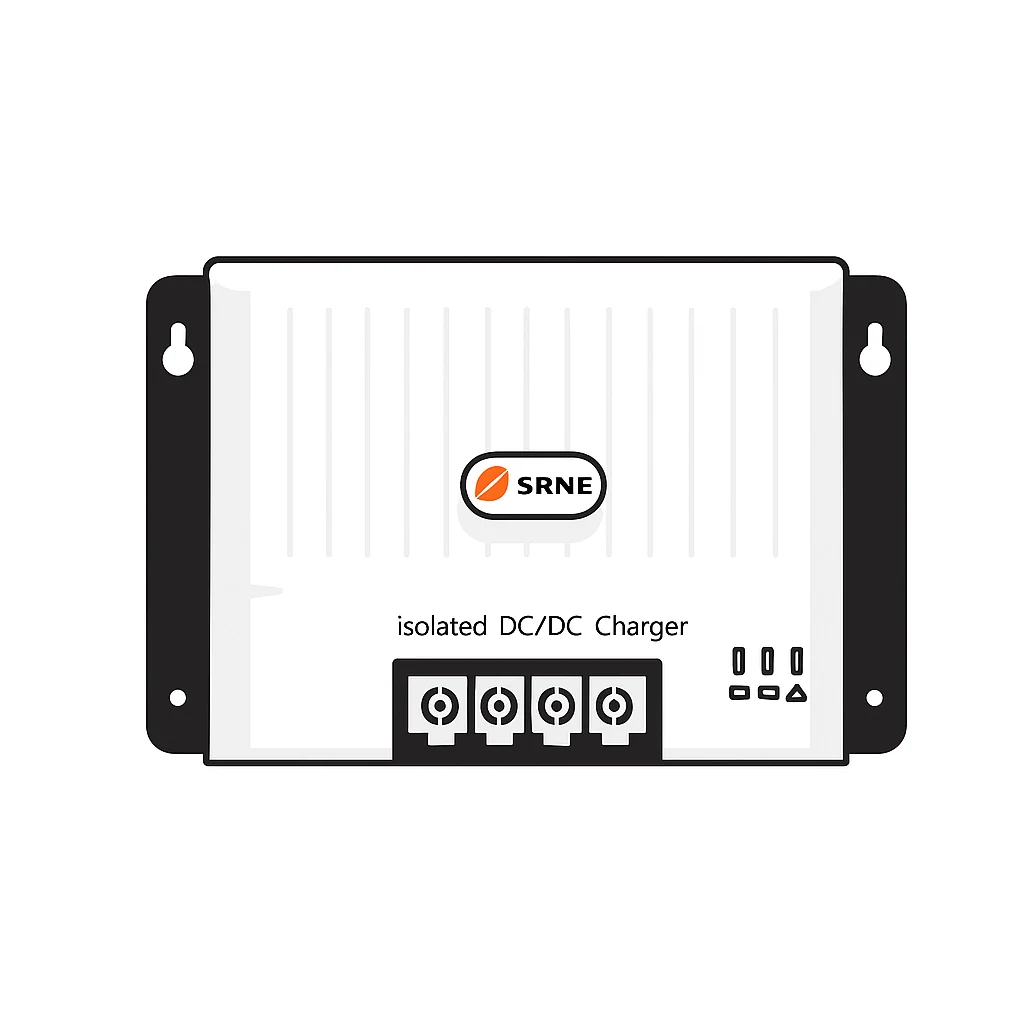
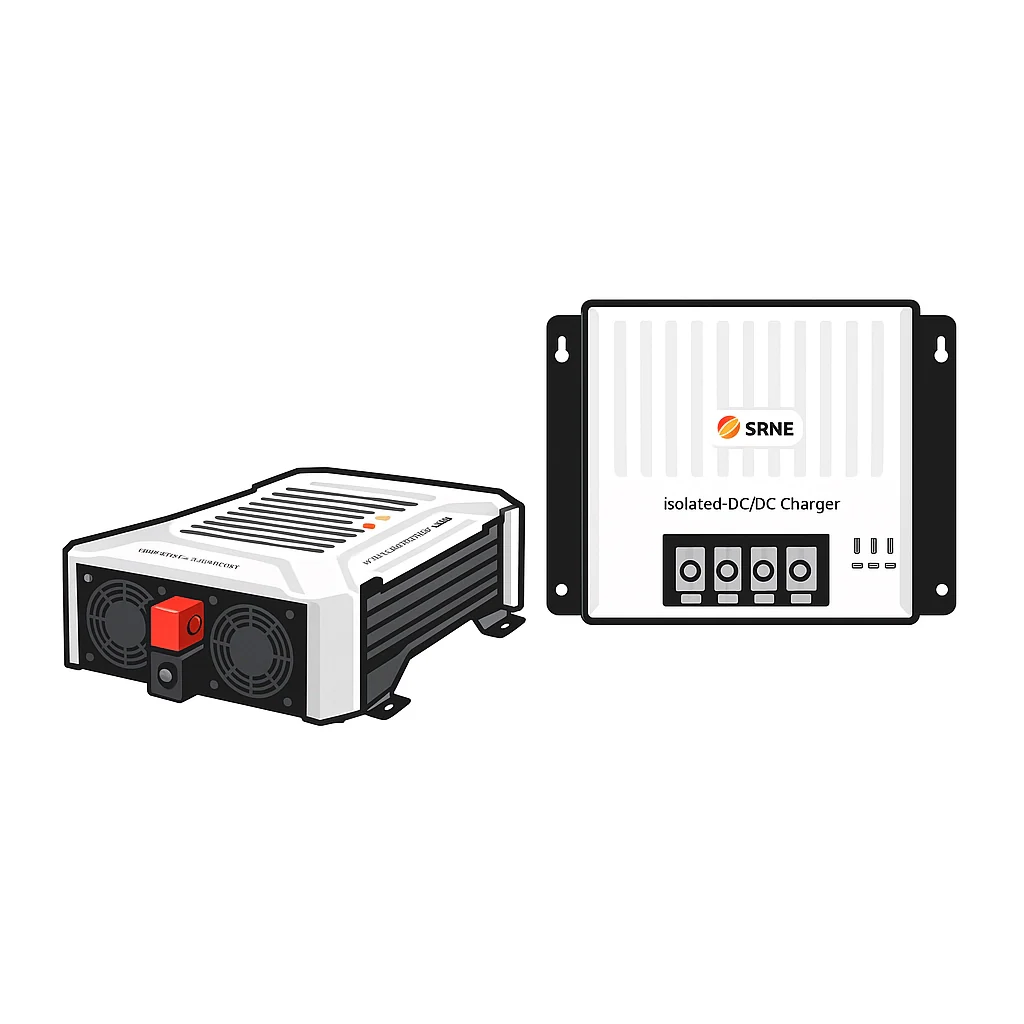
- No DC/DC converter from the alternator: If your motorhome’s vehicle battery charges the leisure battery directly, standard alternator profiles can undercharge lithium and overcharge AGM. A DC/DC converter, sometimes called a B2B or battery-to-battery charger, corrects this.
A typical solar system costing £800 to £1,500 done correctly is durable and largely maintenance-free. Done incorrectly, the same budget is wasted and potentially dangerous. Professional installation is advisable for complex multi-battery setups, large inverter loads, or when you are not confident with 12V electrics.
Pro Tip: Many UK motorhome owners run a dual-battery setup: one starter battery for the vehicle and one dedicated leisure battery for habitation loads. Always keep these circuits isolated or connect them through a proper battery isolator or DC/DC converter.
Our take: What most guides get wrong about renewable energy for motorhomes
Most articles on this subject spend a great deal of time on the environmental argument and relatively little on the financial reality. In practice, UK motorhome owners make the switch primarily because the numbers work, and they find the environmental benefit is a welcome bonus, not the main driver.
The payback timeline is consistently underestimated in online commentary. Owners who switch and track their actual spending routinely find the system pays back in two seasons, not three, because they underestimated their previous hookup and fuel spend before switching.
The other widespread misconception is that renewable systems are fragile or overly complicated. Quality lithium batteries with integrated BMS are robust, operate across a wide temperature range, and require essentially no maintenance. The lithium battery advantages are well-documented: longer cycle life, faster charging, greater usable capacity, and stable voltage under load. None of these characteristics require ongoing owner attention.
The decision to choose lithium over lead acid is frequently delayed by the higher sticker price. This is a genuine consideration for budget-constrained buyers. However, lithium costs significantly less per usable cycle than AGM over a five-year period, and the weight saving alone makes a material difference to fuel economy over a touring season.
Full-time travellers who have used both systems overwhelmingly prefer lithium. The practical differences become stark when you are managing power for 60 or 80 nights per year rather than 15. Investing in quality components up front removes the frustration of early battery replacement and gives you a system that genuinely supports the lifestyle you invested in a motorhome to enjoy.
Upgrade your journey with expert-backed renewable energy solutions
Selecting the right components for your specific motorhome setup requires matching panel output, battery capacity, and charge management to your actual daily energy demands. At Skyenergi, we supply lithium leisure batteries, MPPT solar charge controllers, DC/DC converters, and complete SRNE turnkey systems that cover everything from panels to the distribution board in a single, well-matched package.
Our product range includes Victron-compatible components for owners who want modular, expandable systems, as well as Bluetooth-enabled battery management systems that let you monitor state of charge, cycle history, and system health from your phone in real time. Products are sourced directly from manufacturers, which keeps pricing competitive without compromising specification. Browse the full Skyenergi motorhome energy range to find a system matched to your travel profile, or contact us directly for advice on sizing your setup correctly from the outset.
Frequently asked questions
How much money can I really save by switching to solar for my motorhome?
Typical users save £400 to £500 per year through avoided hookup fees and fuel costs, recouping the initial system cost within two to three travel seasons.
Is lithium better than AGM for most motorhomes?
For regular travellers, yes. Lithium offers lower lifetime cost per cycle, greater usable capacity, and significantly less weight, making it the better choice for anyone touring more than 20 nights per year.
Do I need a professional to install motorhome solar, or can I DIY?
Straightforward systems with one or two panels and a single battery are well within DIY capability using detailed guides, but professional installation is advisable for large or complex setups involving inverters, multiple batteries, or alternator charging integration.
How do renewables affect my ability to wild camp in the UK?
A reliable solar and battery system removes dependence on electrical hookups entirely, making off-grid and wild camping practical and comfortable without noise or emissions from a generator.
What is the environmental impact of switching to renewable energy in my motorhome?
Switching to solar and lithium batteries reduces your carbon footprint by eliminating generator fuel consumption and the associated CO2 and particulate emissions across your entire touring season.
Recommended
- The essential motorhome energy checklist for off-grid UK travel – Skyenergi
- Optimise your motorhome energy storage workflow in 2026 – Skyenergi
- Why Use Battery Banks in Motorhomes: Powering Off-Grid Independence – Skyenergi
- Expandable motorhome energy: modular power for off-grid UK travel – Skyenergi
Prev post

Top 5 ecotreelithium.co.uk alternatives 2026
Updated on 02 May 2026
Next post

High-performance lithium battery types for leisure vehicles
Updated on 30 April 2026


