





Why Use Battery Banks in Motorhomes: Powering Off-Grid Independence
Learn why battery banks matter for motorhomes, key types available, features like Bluetooth monitoring, costs, risks and alternatives for UK travel.
Setting out on a motorhome adventure across the British countryside often means leaving traditional comforts like a reliable power supply behind. For many UK owners wishing to camp off the grid and enjoy genuine freedom, finding a dependable energy solution is crucial. Modern battery banks offer high-capacity portable energy storage designed to keep your vehicle powered wherever the road takes you, supporting everything from lighting to refrigeration. This guide explains how battery banks work and helps you choose the right system for uninterrupted comfort on your travels.
Table of Contents
- What Are Battery Banks For Motorhomes?
- Types Of Leisure Batteries Explained
- How Battery Banks Power Appliances Safely
- Intelligent Management And Monitoring Features
- Costs, Lifespan And Common Pitfalls
- Alternatives To Battery Banks For Off-Grid Use
Key Takeaways
| Point | Details |
|---|---|
| Battery Banks Enhance Independence | Battery banks provide a reliable power source for motorhomes, allowing travel without dependency on campsite electricity. |
| Select the Right Battery Type | Understanding different battery types (Lead-Acid, AGM, Gel, Lithium) is crucial for optimising performance based on travel style and budget. |
| Importance of Proper Installation | Safe operation requires appropriate installation of components, ensuring correct sizing and configurations to prevent electrical hazards. |
| Monitor Power Consumption | Regularly track your energy usage to size your battery bank effectively and avoid compromising your off-grid experience. |
What Are Battery Banks for Motorhomes?
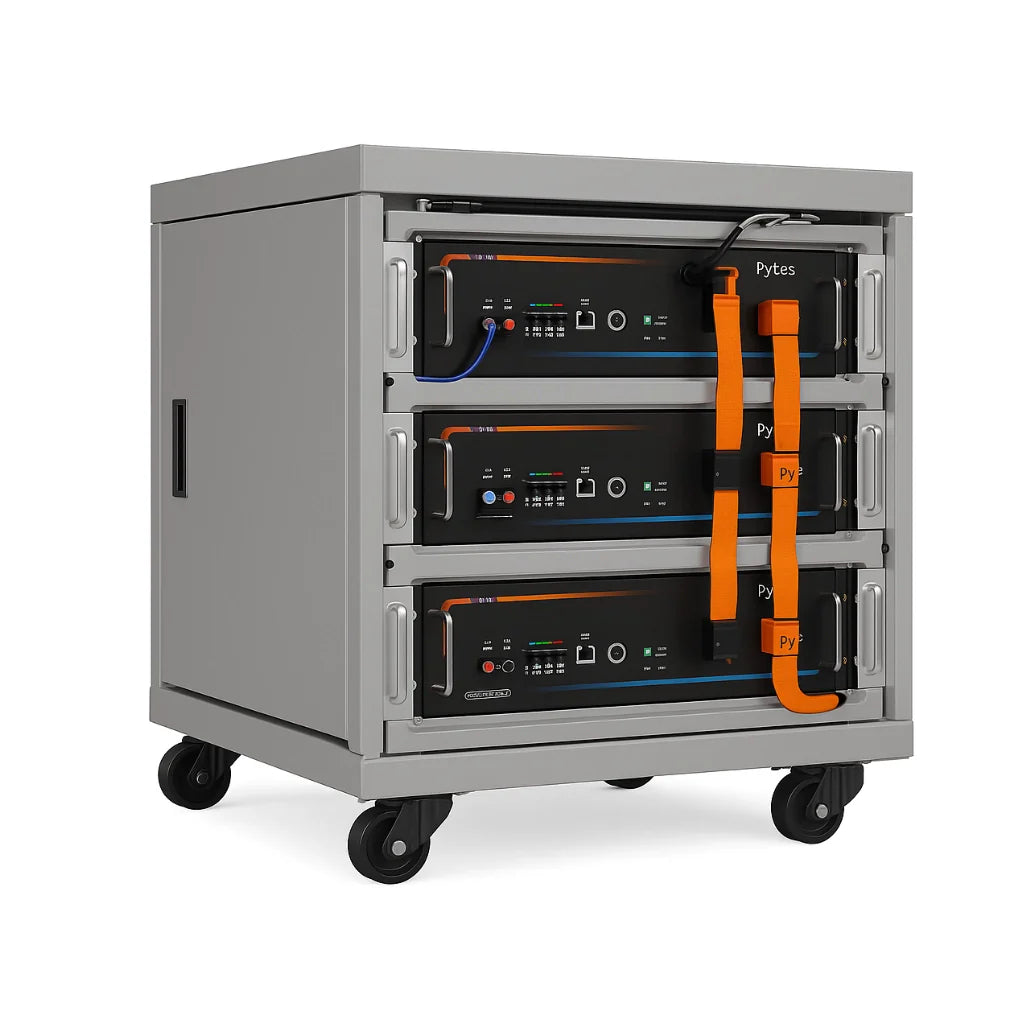
A battery bank for your motorhome is essentially a dedicated energy storage system that powers your vehicle when you’re off the grid. Rather than relying solely on your engine’s alternator or traditional mains hookup, a high-capacity portable energy storage unit gives you independence to travel further and stay longer in remote locations. These systems store electrical energy in rechargeable cells, then deliver that power to both your 12-volt and 240-volt appliances as needed. Think of it as your motorhome’s personal power supply, independent from campsite hookups or shore power.
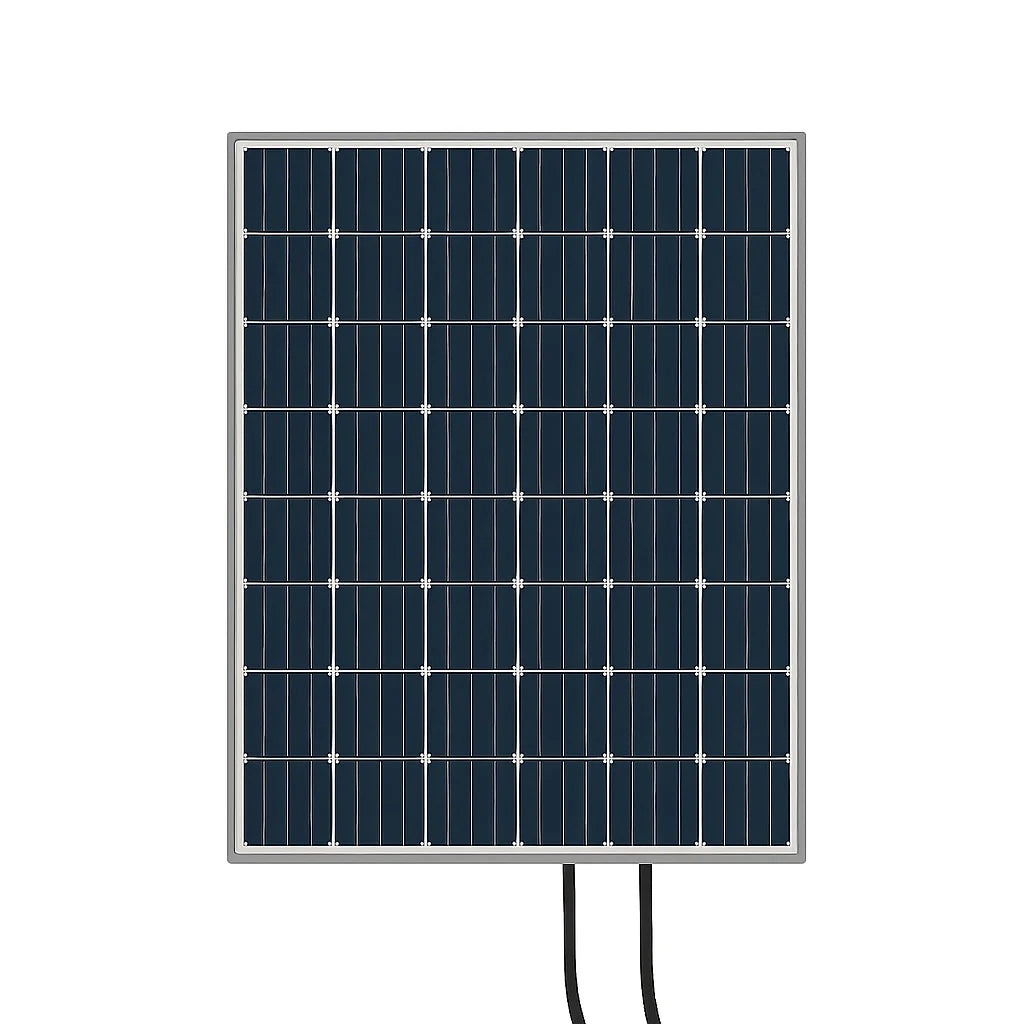
Battery banks work by accumulating charge from multiple sources—your vehicle’s engine whilst driving, solar panels on your roof, or mains electricity at campsites—and then releasing that stored energy to power your fridge, heating system, lighting, water pump, and other essentials. The quality and capacity of your battery bank directly determines how long you can operate comfortably without recharging. Modern systems, particularly lithium-based options, offer better efficiency and longevity than older lead-acid alternatives, meaning you get more usable power from a lighter, more compact package. Understanding the difference between battery types helps you choose the right solution for your travel style and budget.
What makes battery banks particularly valuable for British motorhome owners is their reliability in unpredictable weather conditions and their ability to support extended trips through the UK countryside or European adventures. Rather than being tethered to campsites with electrical facilities, you gain genuine freedom to wild camp or stay in remote locations where traditional power isn’t available. A properly sized battery bank transforms your motorhome from a seasonal pleasure vehicle into a genuine home-away-from-home that functions reliably in any circumstance. You can explore Scottish highlands, Welsh valleys, or English countryside without worrying about where your next electrical hookup will come from.
Pro tip: Calculate your daily power consumption by listing every appliance you use and its wattage, then multiply by hours of use—this realistic figure determines the minimum battery capacity you actually need rather than buying oversized systems that waste money.
Types of Leisure Batteries Explained
Your motorhome’s power system depends entirely on the type of leisure battery you choose, and understanding the options available makes a significant difference to your off-grid experience. Deep-cycle batteries are specifically engineered for motorhomes and caravans because they deliver steady current over extended periods, unlike standard car batteries designed for quick bursts of power. The main types you’ll encounter fall into four categories, each with distinct advantages and trade-offs depending on your budget, usage patterns, and space constraints.
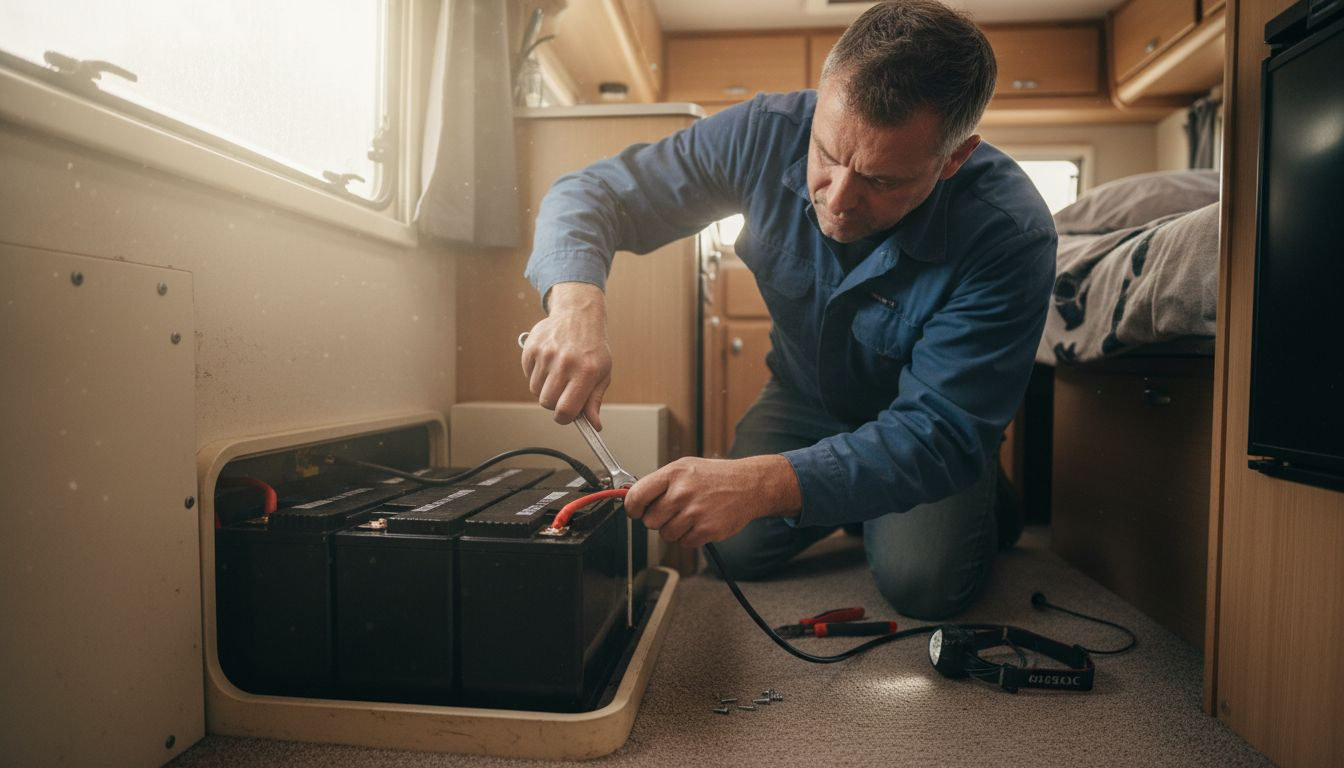
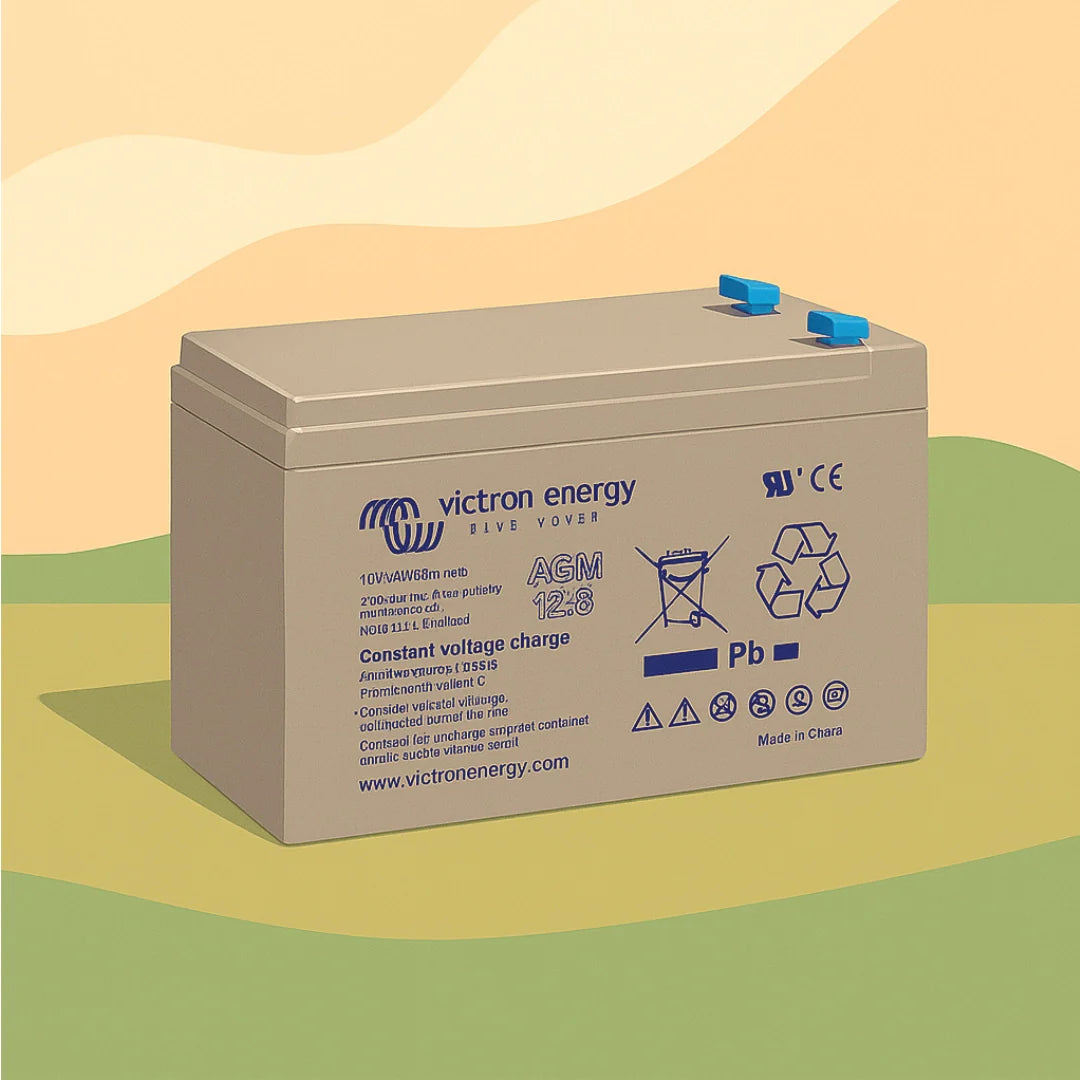
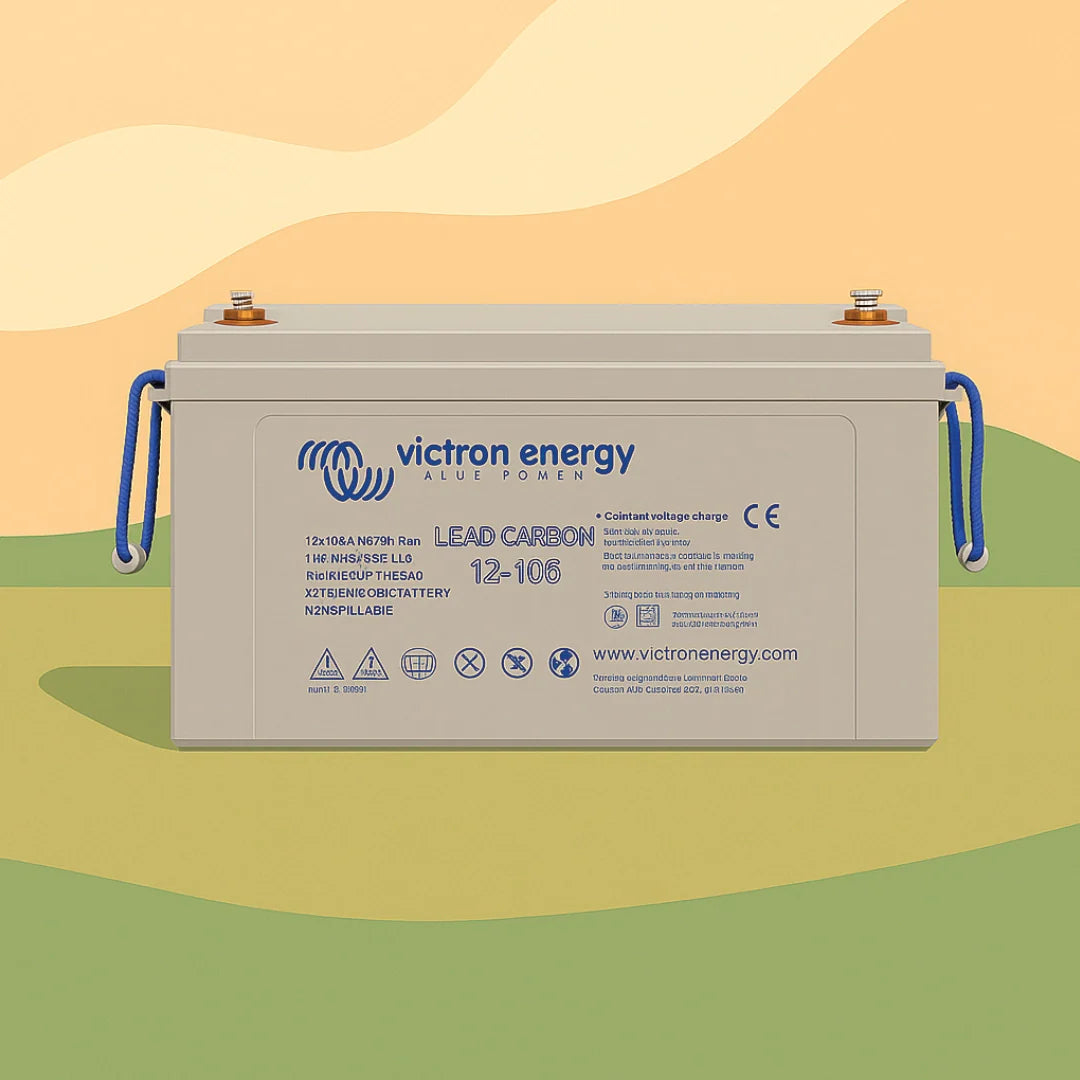
The traditional option is lead-acid batteries, which come in two versions. Flooded lead-acid batteries are affordable but require regular maintenance, including topping up with distilled water and monitoring fluid levels. Sealed maintenance-free versions eliminate this hassle, making them more practical for modern motorhome owners. Absorbent Glass Mat (AGM) batteries improve on standard lead-acid by being completely sealed and spill-proof, with superior deep-cycling capabilities and vibration resistance, which matters if you’re rough camping on poorly maintained tracks. Gel batteries offer even better durability and stability, excelling in varied temperatures and vibration-heavy environments, though they command a higher price tag. For owners prioritising longevity and performance, lithium batteries deliver significantly higher energy density along with faster charging times, lighter weight, and the ability to discharge deeper without damage, making them ideal for serious off-grid adventurers.
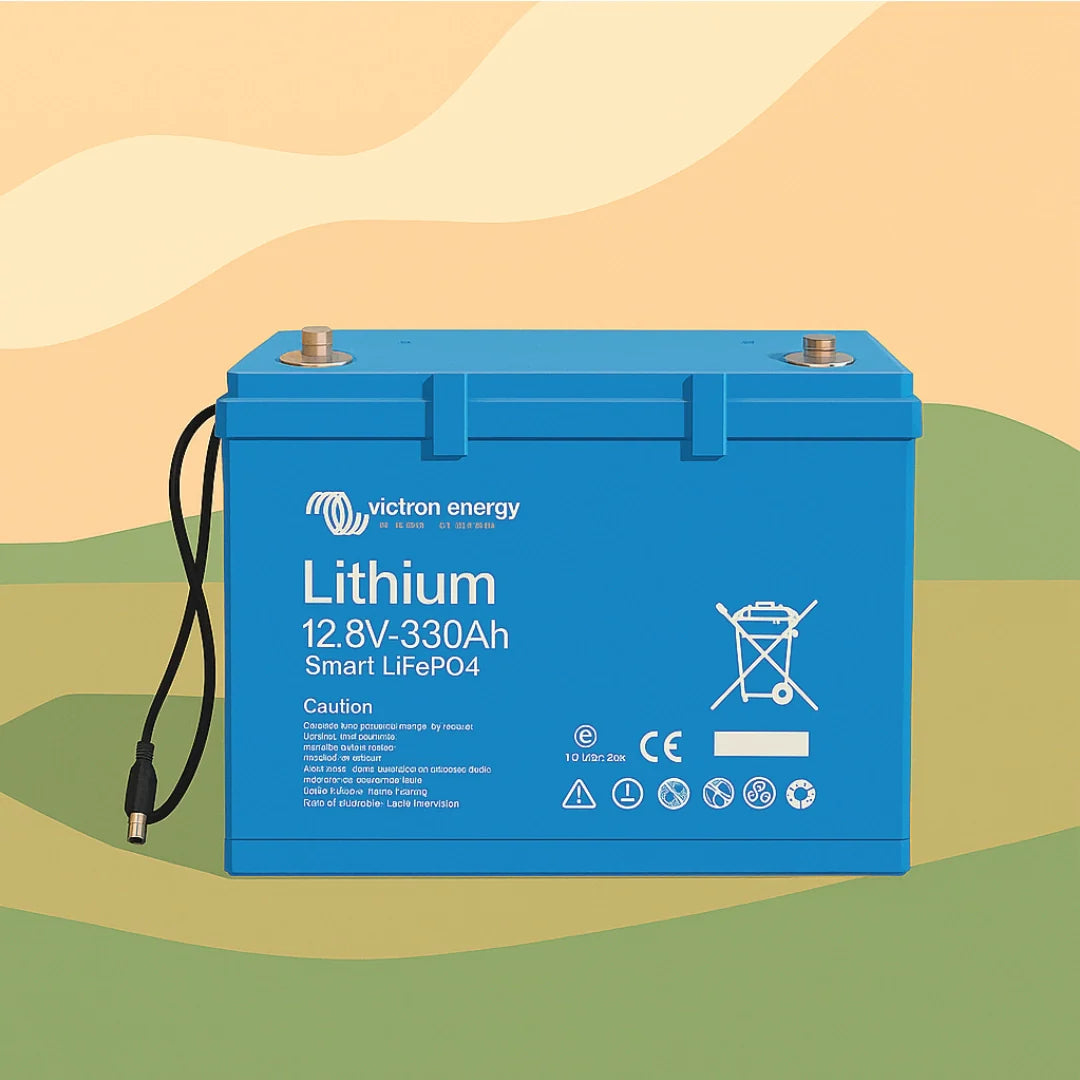
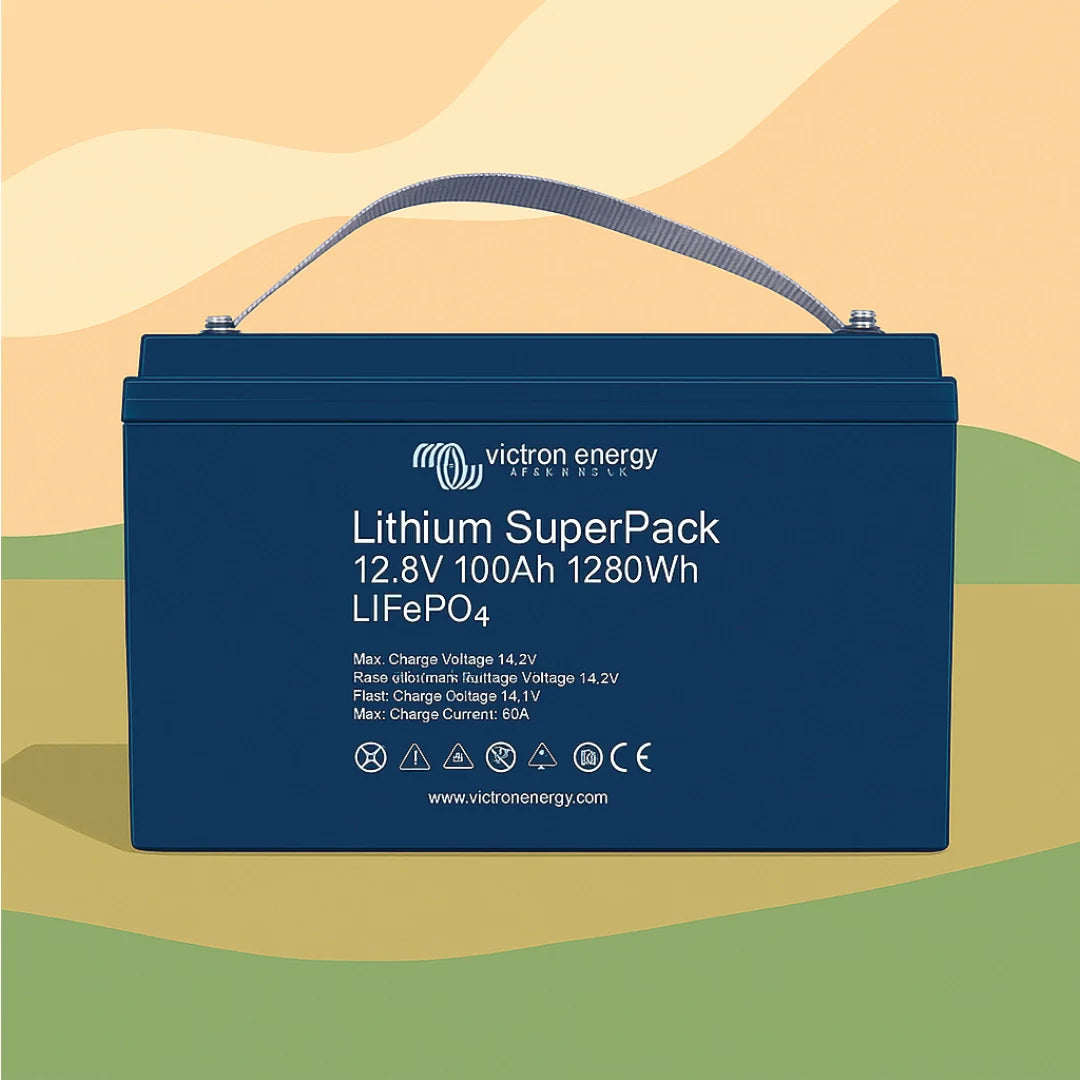
Lithium Iron Phosphate (LiFePO4) technology represents the modern standard for premium motorhome setups. These batteries include built-in Battery Management Systems that monitor charge levels and protect against overcharging or over-discharging automatically. Whilst the initial investment is substantially higher than lead-acid options, you gain approximately double the usable lifespan, weigh significantly less, and enjoy superior performance in cold British winters when other battery types struggle. When comparing options, consider not just purchase price but total cost of ownership across the battery’s lifetime. A lithium system might cost twice as much upfront but lasts three times longer and requires zero maintenance, whereas lead-acid batteries need replacing every five years plus ongoing water top-ups and terminal cleaning.
Pro tip: Match your battery type to your travel style: choose affordable flooded lead-acid for occasional summer camping, AGM for regular weekend trips, or lithium if you’re wild camping year-round and want the security of reliable power regardless of weather conditions.
Here is a concise comparison of the main battery types used in motorhomes:
| Battery Type | Upfront Cost | Maintenance Required | Lifespan (Years) |
|---|---|---|---|
| Flooded Lead-Acid | Lowest | Regular top-ups and cleaning | About 4-5 |
| AGM | Moderate | Minimal, sealed design | 6-7 |
| Gel | High | Very low, robust system | 7-8 |
| Lithium (LiFePO4) | Highest | None, self-monitoring | 10+ |
How Battery Banks Power Appliances Safely
Your motorhome’s battery bank operates as the electrical heart of your vehicle, but it only works safely when integrated with the right components and protective systems. The battery stores direct current (DC) power at 12 volts, which flows through carefully designed circuits to operate essential appliances like lights, water pumps, televisions, and refrigerators. However, delivering this power safely requires more than just connecting wires to your battery. Battery management systems continuously monitor voltage and current levels, automatically preventing over-discharge that damages batteries or over-current situations that risk electrical fires. Without these safeguards, your motorhome becomes a potential hazard rather than a comfortable home away from home.
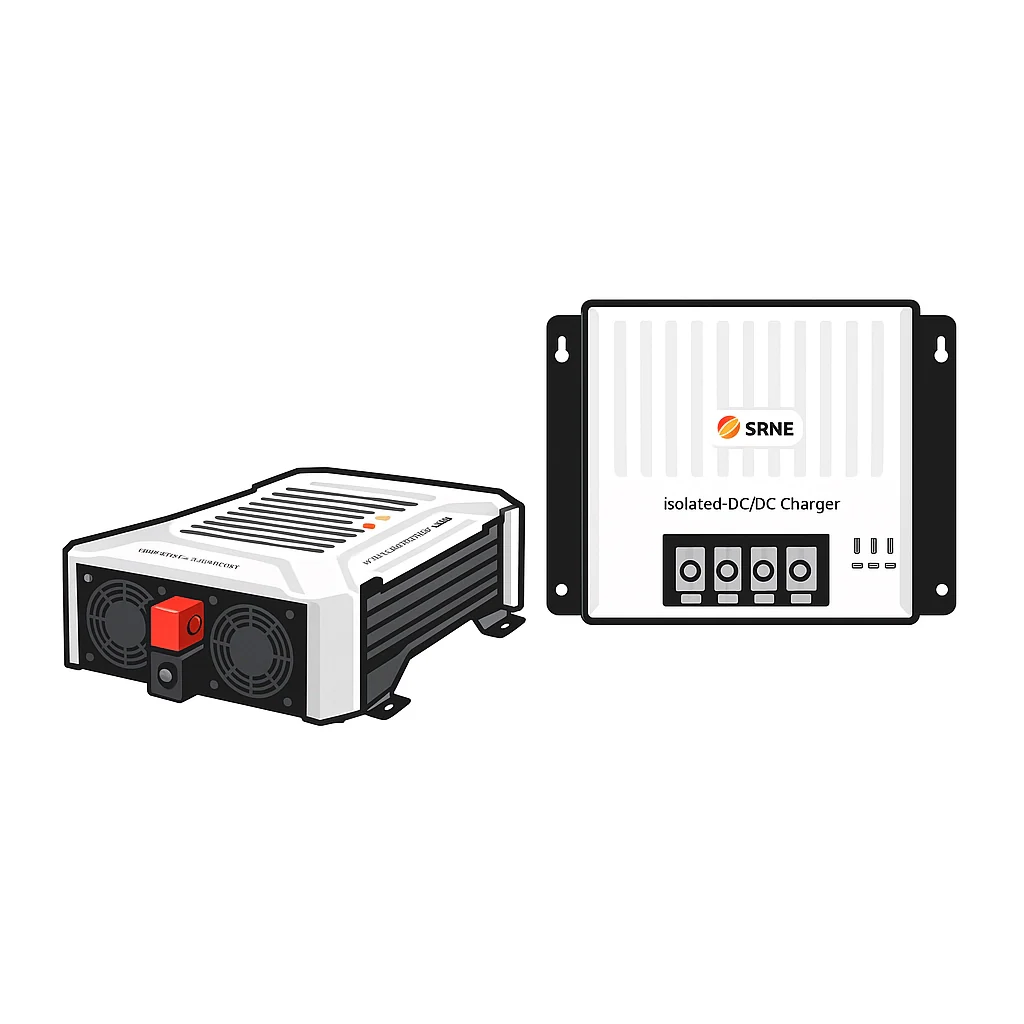
Most modern motorhomes also include inverters, which convert your battery’s DC power into AC power for household-style appliances that require higher voltage. When you plug in a kettle, microwave, or laptop charger at a campsite with mains hookup, you’re using AC current. Your battery bank alone cannot power these devices directly because they’re engineered for 230V AC electricity. The inverter transforms 12V DC into the 230V AC needed, allowing you to run modern appliances independently. Additionally, Residual Current Devices (RCDs) protect against electrical shock hazards by instantly disconnecting power if an earth fault occurs, which is critical when living in a wet environment like a motorhome where water exposure is common.
Proper installation and component sizing are non-negotiable for safe operation. Your battery bank must be sized appropriately for your actual power consumption, with correctly rated wiring that prevents voltage drop over longer runs from battery to appliances. Changeover switches ensure you can safely switch between mains hookup and battery-based power without creating electrical faults that damage electronics. The wiring gauge, fuse ratings, and protection devices must all match your system’s specifications. Many motorhome owners assume that simply upgrading their battery capacity solves power problems, but an undersized distribution system creates bottlenecks that damage appliances or cause fires. Professional installation through qualified engineers ensures every component from battery terminals to final appliance connections meets British electrical safety standards and your motorhome’s specific requirements.
Pro tip: Never mix battery types or mix old and new batteries in the same bank, as the battery with lower capacity will overcharge or underperform, compromising safety and reducing the lifespan of your entire system.
Intelligent Management and Monitoring Features
Modern battery banks for motorhomes go far beyond simple energy storage. They integrate sophisticated management systems that protect your investment, optimise performance, and give you real-time visibility into your power situation. A Battery Management System (BMS) sits at the core of every quality lithium leisure battery, constantly monitoring temperature, voltage, and current across your entire bank. This intelligent monitoring prevents overcharging, over-discharging, and excessive current draw that would otherwise damage cells or create safety hazards. Unlike older lead-acid systems that require manual monitoring and guesswork about remaining capacity, modern BMS technology makes your battery bank self-regulating and reliable in any conditions.
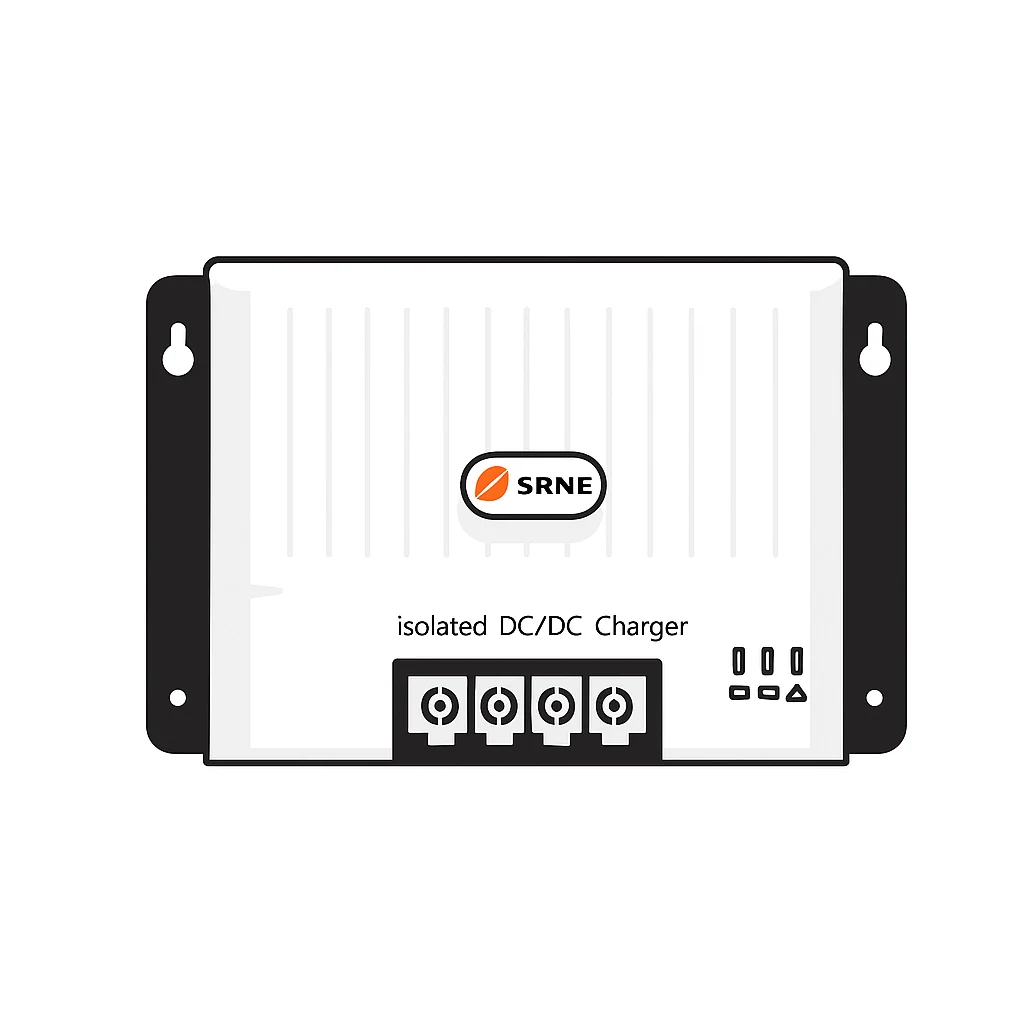
Bluetooth connectivity transforms how you interact with your power system whilst on the road. Instead of checking battery status manually or relying on basic digital displays, you can monitor your motorhome’s energy levels directly from your smartphone, tablet, or laptop. Most quality systems from suppliers like those offering SRNE complete turnkey leisure vehicle energy solutions provide real-time data showing current charge percentage, available power in kilowatt-hours, charging and discharging rates, and even temperature readings. This visibility proves invaluable when wild camping without hookup facilities because you can see exactly how much power you’ve consumed and how long you can operate before needing to recharge. You can adjust appliance usage before problems arise, ensuring your fridge, heating, and lighting continue functioning through the night.
The advanced protection features integrated into intelligent battery systems prevent costly failures and dangerous situations. Temperature monitoring protects against overheating during summer camping or freezing in Scottish winters, automatically adjusting charging rates when conditions fall outside safe parameters. Cell balancing ensures all cells within your battery bank charge and discharge evenly, maximising lifespan and preventing premature failure. Short circuit protection, over-voltage protection, and under-voltage protection work silently in the background, disconnecting power if dangerous conditions develop. This automation means you can relax knowing your system won’t damage itself or create electrical hazards, even if you accidentally leave appliances running or forget about power management during busy travel days.
Scyenergi battery systems featuring intelligent management allow seamless integration with solar panels, chargers, and inverters through standardised protocols like Victron compatibility. This means future upgrades remain straightforward because components communicate intelligently rather than requiring manual configuration or professional rewiring. Your system scales with your needs without becoming unstable or unreliable as you add more power sources or expand storage capacity.
Pro tip: Download your battery bank’s monitoring app before purchasing and test its interface and responsiveness, because the best battery in the world becomes frustrating if the monitoring software is clunky or slow to update readings.
Costs, Lifespan and Common Pitfalls
Battery bank pricing varies dramatically depending on chemistry and capacity, and understanding the true cost requires thinking beyond the initial purchase price. A basic 100Ah lead-acid battery bank might cost between £400 and £600, making it attractive for budget-conscious motorhome owners. However, this calculation ignores the hidden costs of replacement. Lead-acid batteries typically last around five years before capacity degrades to unusable levels, meaning you’ll buy multiple banks across a decade of motorhoming. AGM batteries cost considerably more upfront (£800 to £1,200 for equivalent capacity) but last slightly longer with better cycle life and significantly less maintenance hassle. Lithium Iron Phosphate systems represent the premium option at £2,000 to £4,000 for comparable capacity, yet they deliver double or triple the lifespan of lead-acid alternatives, meaning you might install one lithium system and still be using it a decade later. When spread across your motorhoming lifetime, lithium systems often cost less per year despite the higher initial investment.
The lifespan of your battery bank depends critically on how you treat it. Allowing batteries to remain deeply discharged for extended periods causes permanent damage, particularly with lead-acid chemistry where sitting below 50% charge for weeks degrades plates irreversibly. Conversely, keeping lithium batteries partially charged between trips extends their life significantly compared to constant full charges. Temperature extremes accelerate degradation in all battery types, so storing your motorhome in heated garages during winter months protects your investment far better than leaving it exposed to Scottish frosts. Improper charging practices also shorten lifespan dramatically. Using incorrect chargers, forcing batteries to charge too quickly, or mixing new and old batteries creates conditions where the weakest cell fails prematurely, forcing you to replace the entire bank unnecessarily.
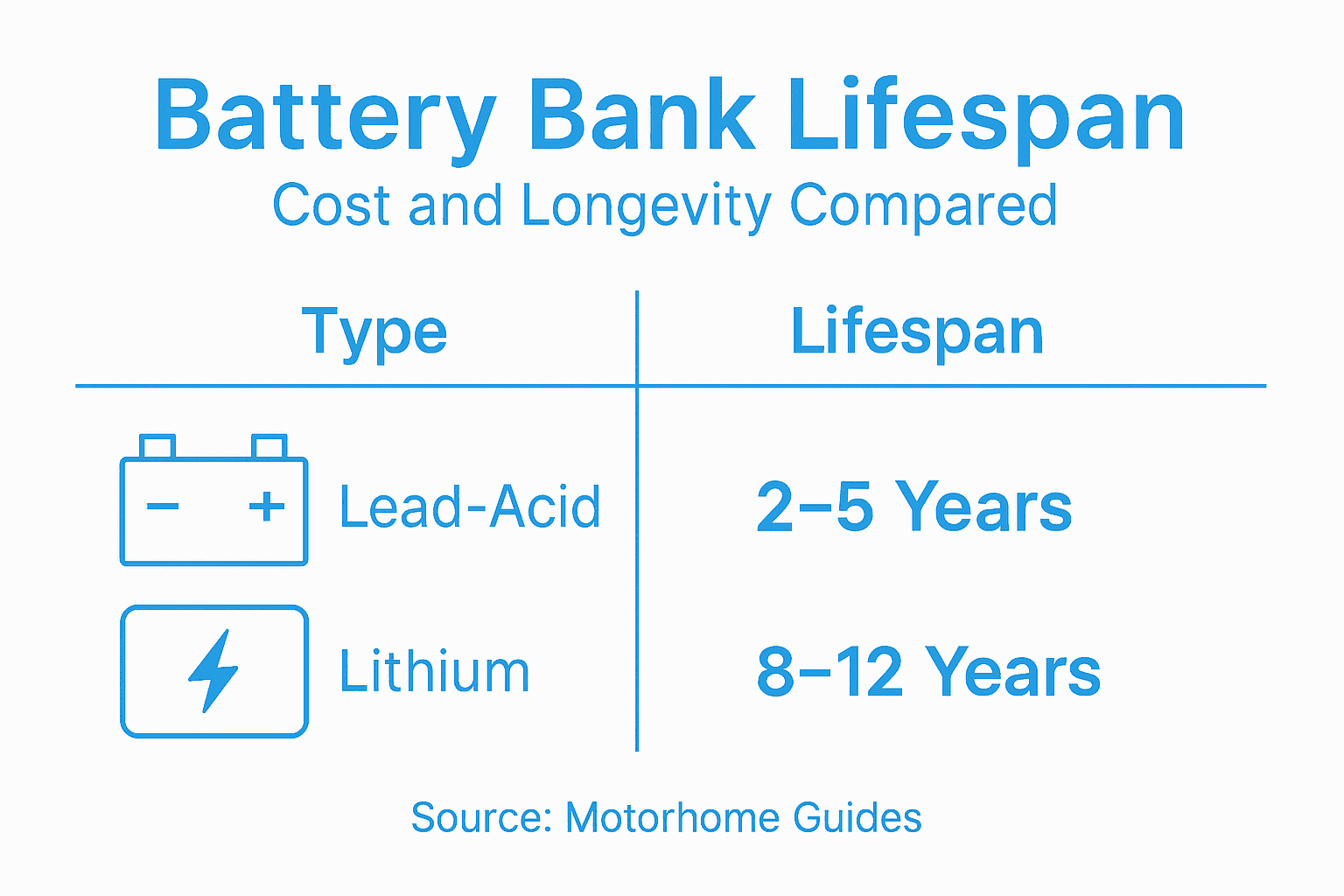
Common pitfalls catch many motorhome owners unaware. Mixing battery types in the same bank is particularly dangerous because mismatched chemistries charge and discharge at different rates, causing some cells to overcharge whilst others under-deliver. This compromises safety and fails the entire system prematurely. Undersizing your battery bank creates perpetual frustration because you constantly run out of power mid-trip, forcing reliance on campsites with hookups and defeating the purpose of off-grid independence. Conversely, oversizing without considering charging limitations wastes money because your solar panels or vehicle alternator cannot recharge an oversized bank efficiently. Many owners also neglect regular maintenance on lead-acid systems, skipping water top-ups and terminal cleaning that would extend lifespan considerably. Perhaps most costly is installing a battery bank without professional assessment of your actual power consumption, resulting in mismatched systems that perform poorly and fail faster.
Pro tip: Before upgrading your battery bank, track your actual power consumption over one complete week by monitoring your existing system, then size your new bank to handle 150 percent of that load rather than guessing or copying someone else’s setup.
Alternatives to Battery Banks for Off-Grid Use
Whilst fixed battery banks represent the most practical solution for motorhome owners seeking genuine off-grid independence, several alternatives exist for specific situations and travel styles. Understanding these options helps you make informed decisions about which approach suits your needs, budget, and how you actually use your motorhome. Some owners combine multiple solutions rather than relying on a single power source, creating redundancy and flexibility that traditional battery banks alone cannot provide.
Portable power stations have emerged as a popular lightweight alternative, particularly for motorhomers who travel minimally or prioritise simplicity over extended off-grid capability. These compact rechargeable units feature high-capacity lithium batteries housed in portable cases with multiple output options including USB ports, DC sockets, and AC outlets. Portable power stations recharge via mains electricity, car charging ports, or solar panels, offering genuine flexibility in how you source power. They deliver clean, silent energy without the noise, fumes, or fuel requirements of petrol generators, making them attractive for quiet camping and keeping your motorhome environment pleasant. However, their capacity typically ranges from 500Wh to 3000Wh, far below what serious motorhomers need for refrigeration, heating, and extended trips. A portable power station handles laptops, phones, and small appliances beautifully but cannot sustain your fridge for a week of wild camping.
Petrol or diesel generators remain viable for motorhomers willing to tolerate noise and fuel management. Generators provide high power output for extended periods at relatively low cost, making them practical backup systems when battery banks run low. The downside proves substantial. They produce noise that disturbs neighbouring campers, create exhaust fumes inside your motorhome if positioned poorly, require fuel storage and regular maintenance, and contribute little to the quiet, self-sufficient experience that draws most motorhomers to off-grid travel. Many UK campsites now restrict generator use to specific hours or prohibit them entirely, meaning you cannot rely on them for genuine freedom.
Mains hookup dependency represents the most limiting approach, essentially making you a caravan rather than an independent motorhome. Whilst campsite hookups provide unlimited power, they eliminate the freedom that defines off-grid motorhoming. You cannot wild camp in Scottish highlands or remote Welsh valleys, cannot explore without pre-booked facilities, and remain tethered to established campsites that charge premium rates. This approach contradicts the entire purpose of owning a motorhome rather than booking hotel accommodation.
The superior approach combines a properly sized fixed battery bank with optional portable power as emergency backup and solar panels for self-sufficiency. This combination delivers genuine independence whilst maintaining flexibility and security. Battery banks provide the stable, reliable foundation that transforms your motorhome into a true home away from home.
Pro tip: If supplementing your main battery bank with a portable power station, choose one that can recharge via your vehicle’s 12V outlet or solar panels, ensuring it provides genuine backup rather than becoming another device requiring mains power at campsites.
Below is a summary of alternative off-grid power solutions and their typical best use case:
| Power Solution | Best For | Main Advantage | Limitation |
|---|---|---|---|
| Fixed Battery Bank | Long off-grid stays | High capacity, reliable supply | Heavy and costly |
| Portable Power Station | Occasional or short trips | Ready to use, portable | Limited total power |
| Generator | Backup or heavy use | Sustained output, fast charging | Noisy, emits fumes |
| Mains Hookup | Campsite stays | Unlimited power, no worries | No true independence |
Empower Your Off-Grid Journey with Skyenergi
The article highlights the crucial challenge motorhome owners face in maintaining reliable, safe, and long-lasting power when travelling off-grid. You want true independence without worrying about bulky, inefficient batteries or unsafe setups. Skyenergi understands the importance of high-performance lithium battery systems that offer longer lifespan, lightweight design, and intelligent management to protect your investment and ensure uninterrupted power for your motorhome’s essential appliances.
Discover how Skyenergi’s range of lithium leisure batteries and complete turnkey energy solutions from SRNE help you unlock the freedom to explore remote locations confidently and comfortably. With features like Bluetooth monitoring and Victron-compatible components, you gain real-time insight into your energy reserves, empowering smarter power use on your journeys. Visit Skyenergi today to choose reliable, expandable off-grid power solutions designed to keep your adventures electrified and worry-free.
Frequently Asked Questions
What is a battery bank for a motorhome?
A battery bank is an energy storage system designed to power your motorhome when off-grid, using rechargeable cells to deliver energy for both 12-volt and 240-volt appliances, independent of campsite hookups.
How do I choose the right type of battery for my motorhome?
Consider your travel style and power needs. Flooded lead-acid batteries are affordable but require maintenance, AGM batteries offer better performance with less upkeep, gel batteries are robust but more expensive, and lithium batteries provide the best efficiency and longevity with zero maintenance.
What is the importance of a Battery Management System (BMS) in a battery bank?
A BMS monitors temperature, voltage, and current to prevent issues like overcharging and over-discharging, ensuring the safety, performance, and longevity of your battery bank.
Can I use a portable power station alongside my battery bank?
Yes, a portable power station can complement your battery bank as an emergency backup or for occasional use, but make sure it can recharge via your vehicle’s outlets or solar panels to enhance off-grid capabilities.
Recommended
- 7 Types of Off-Grid Battery Systems for UK Campervans – Skyenergi
- 7 Benefits of Solar Battery Integration for UK Campervans – Skyenergi
- Solar Energy Storage: Independence for Campervans – Skyenergi
- Role of BMS in Energy Storage – Why It Matters – Skyenergi
- El, stik og spænding i Danmark – alt du skal vide som rejsende - Rejs i Danmark
Prev post

7 Examples of Solar Charging Setups for UK Campervans
Updated on 26 January 2026
Next post

Lithium Battery Maintenance Workflow for Off-Grid Systems
Updated on 24 January 2026


