





High voltage battery systems explained: 2026 guide
Discover high voltage battery systems explained in our 2026 guide. Learn how they power electric vehicles and renewable energy solutions!
High voltage battery systems are electrochemical energy storage units operating at DC voltages above 60 volts, designed to deliver the high power and energy density required by electric vehicles, renewable energy installations, and off-grid power solutions. The Department of Energy defines battery operation as a reversible process involving ion movement through an electrolyte and electron flow through an external circuit during charge and discharge cycles. Systems in modern electric vehicles typically operate between 400 V and 800 V DC, while utility-scale energy storage installations can exceed these figures depending on architecture. Understanding how these systems work, how they are designed, and how they are kept safe is the foundation for anyone specifying, installing, or simply evaluating high voltage energy storage technology.
How do high voltage battery systems work?
The core principle behind any battery is electrochemistry. Battery operation involves a cathode, an anode, and an electrolyte. During discharge, lithium ions travel from anode to cathode through the electrolyte while electrons flow through the external circuit, delivering current. During charging, the process reverses. This reversibility is what makes lithium-ion the dominant chemistry in high voltage applications today.
A single lithium-ion cell produces roughly 3.2 V to 3.7 V depending on chemistry. To reach the voltages required for electric vehicles or grid storage, cells are connected in series to increase voltage and in parallel to increase capacity. A 400 V battery pack, for example, requires approximately 108 lithium-ion cells in series. An 800 V pack doubles that count. This modular architecture, cells into modules and modules into packs, is the standard structural approach across the industry.
The battery management system, or BMS, is the intelligence layer that makes high voltage operation safe and practical. A BMS continuously measures cell voltages, pack temperatures, and current, then estimates state of charge and state of health using advanced algorithms. It adjusts charge and discharge limits in real time based on this data. Without a BMS, a high voltage pack would be vulnerable to overcharge, over-discharge, thermal runaway, and cell imbalance.
- Cell level: Individual lithium-ion or LiFePO4 cells, each monitored for voltage and temperature
- Module level: Groups of cells with local thermal management and interconnects
- Pack level: Full assembly with BMS, contactors, fusing, and communication interfaces
- System level: Pack integrated with inverter, charger, and energy management software
Pro Tip: When evaluating a high voltage battery system for off-grid or leisure vehicle use, check whether the BMS supports Bluetooth monitoring. Real-time visibility into cell voltages and temperatures is the single most practical tool for catching problems before they escalate. Skyenergi’s own lithium leisure batteries include this as standard.
How does voltage affect system design and component requirements?
Higher voltage does not simply mean more power from the same hardware. It changes the physical design requirements of every component in the system. Moving from 400 V to 800 V DC nearly doubles the required creepage and clearance distances between conductors, as defined by IEC 60664-1. An 800 V DC bus requires approximately 8 mm of creepage distance for basic insulation, compared to roughly 4 mm at 400 V. This affects connector housings, PCB layouts, busbars, and enclosure design.
Arc management becomes a significant engineering challenge at higher voltages. When a contactor opens under load at 800 V, the arc energy is substantially greater than at 400 V. 800 V architectures address this through inert gas-filled contactors, increased contact separation distances, and thermal derating for long-term reliability. Connectors must be rated not just for continuous current but for the arc interruption duty that comes with high voltage switching.
Environmental conditions add further complexity. At altitude, air density decreases, which reduces its dielectric strength. A system designed to IEC 60664-1 clearance requirements at sea level may require increased spacing at 2,000 metres above sea level. For most UK-based off-grid and leisure vehicle applications this is not a primary concern, but for utility-scale installations in mountainous regions it is a design constraint that must be addressed from the outset.
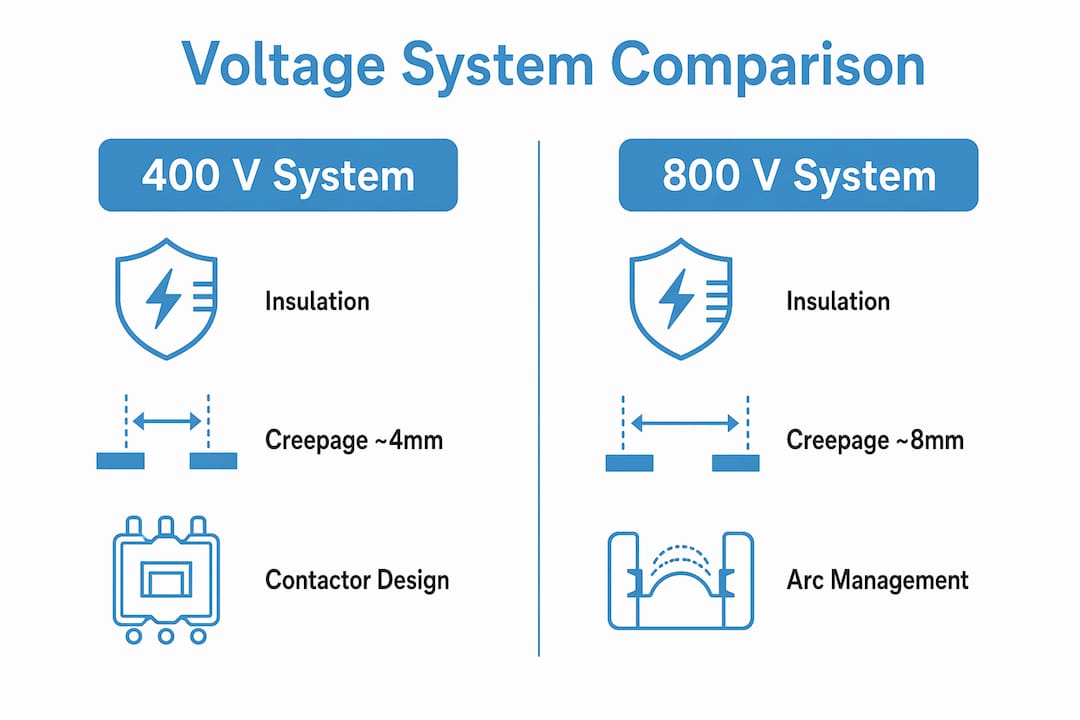
| Parameter | 400 V DC system | 800 V DC system |
|---|---|---|
| Typical creepage (basic insulation) | ~4 mm | ~8 mm |
| Arc energy at contactor opening | Moderate | High |
| Insulation material demands | Standard | Elevated |
| Connector complexity | Moderate | High |
| Altitude correction required | Rarely | More frequently |
Pro Tip: Early-stage insulation coordination integrates electrical clearance requirements with mechanical packaging constraints. Addressing this at the design stage avoids costly redesigns later, particularly when transitioning from 400 V to 800 V architectures.
What safety standards govern high voltage energy storage systems?
Safety testing for high voltage battery energy storage systems is governed by a structured set of standards, with UL 9540A being the most technically rigorous for fire propagation assessment. The 2026 sixth edition of UL 9540A enhances testing for thermal runaway fire propagation at multiple scales and directly supports installation safety requirements. This matters because a battery that passes cell-level testing can still present a serious fire risk at system scale.
The test protocol follows a four-level hierarchy:
- Cell level: Characterises the gases, heat, and flame output of a single cell during thermal runaway
- Module level: Determines whether thermal runaway propagates from one cell to adjacent cells within a module
- Unit level: Assesses propagation across modules within a single battery unit or cabinet
- Installation level: Confirms real-world fire behaviour in a configured site installation, including separation distances and suppression requirements
UL 9540A data not only informs component-level safety ratings but determines the separation distances and fire mitigation measures required for a given site configuration. Practitioners use module-level propagation results to decide whether installation-level testing is required for a specific deployment. This tiered approach means that system-level fire testing is not optional for large installations. Component compliance alone does not confirm site safety.
“Installation-level testing expects real-world fire behaviour confirmation and comprehensive hazard characterisation beyond cell ratings.” — UL 9540A 6th Edition guidance
UL 9540A works alongside NFPA 855, the Standard for the Installation of Stationary Energy Storage Systems, and the International Fire Code. Together these frameworks set separation distances, suppression requirements, and occupancy limits for battery installations. For anyone specifying a residential or commercial energy storage system in 2026, compliance with this framework is not optional. It is the baseline.
What are the main applications of high voltage battery systems?
Electric vehicles represent the most visible application of high voltage battery technology. Most current production EVs operate at 400 V, while premium platforms from manufacturers including Porsche, Hyundai, and Kia have adopted 800 V architectures. The higher voltage reduces current for a given power level, which in turn reduces conduction losses and allows thinner, lighter cabling. Faster DC charging is a direct benefit, since higher voltage enables higher power transfer without proportionally increasing current.
Utility-scale renewable energy storage is the fastest-growing deployment context. Large-scale battery energy storage systems in 2026 use containerised modules with liquid cooling and integrated BMS monitoring at the cell level, with power conversion systems handling bidirectional DC to AC conversion. A single 20-foot container can house several megawatt-hours of capacity. These systems connect directly to the grid and are increasingly required to include grid-forming inverter capability. In Australia, approximately 75% of large battery projects in the 2026 pipeline require grid-forming inverter approval for grid connection. This reflects a global shift toward batteries that actively stabilise grid voltage and frequency rather than simply responding to it.
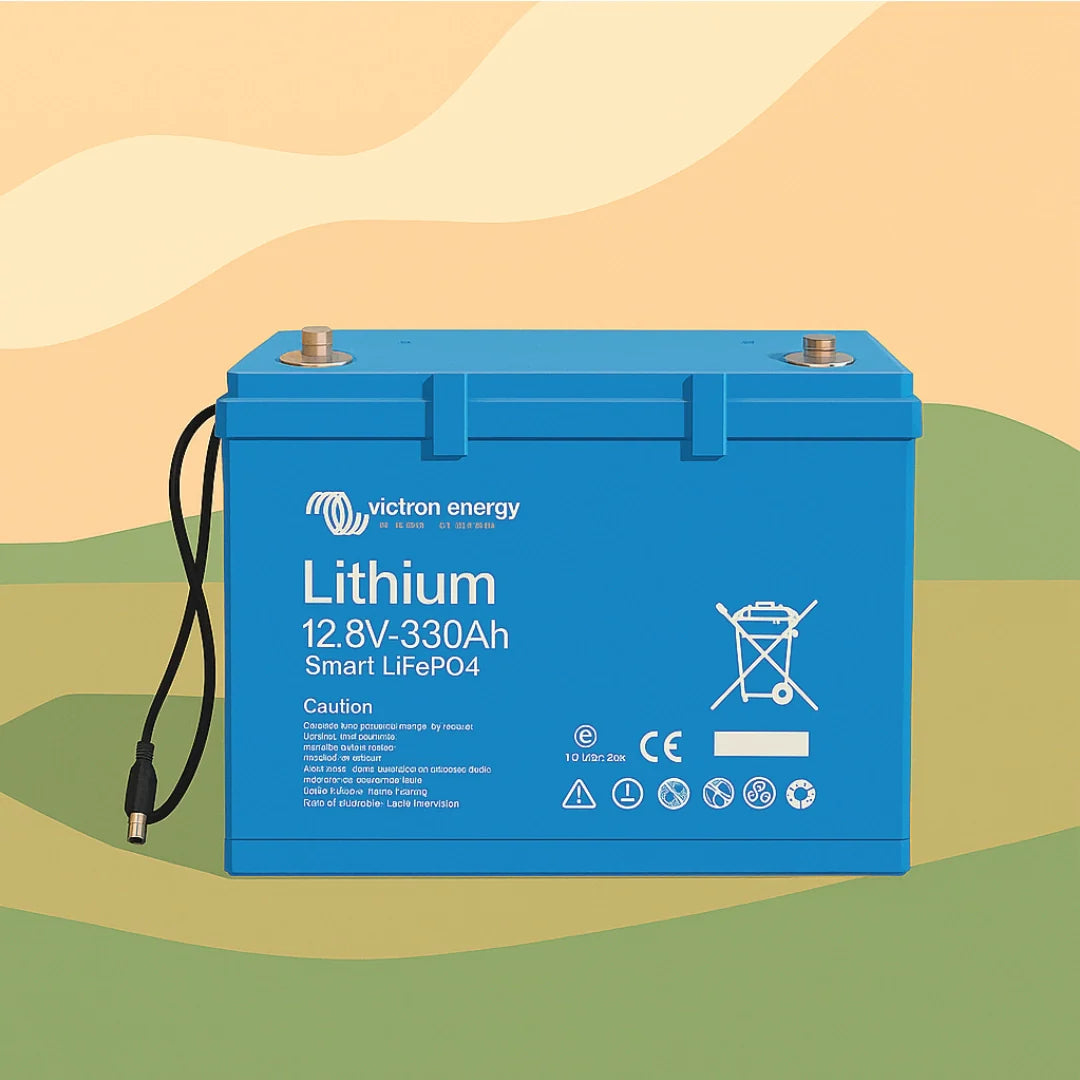
Off-grid and leisure vehicle applications operate at lower voltages than utility-scale systems but share the same fundamental architecture. A well-specified campervan or motorhome system from Skyenergi, for example, uses a lithium LiFePO4 battery pack with an integrated BMS, a Victron-compatible MPPT charge controller, and an inverter/charger. The role of BMS in energy storage is identical in principle to a utility-scale installation: protect the cells, balance charge, and report system health.
- Electric vehicles: 400 V to 800 V+ packs, fast charging, reduced cabling weight
- Utility-scale storage: Containerised systems, liquid cooling, grid-forming inverters, megawatt-hour capacity
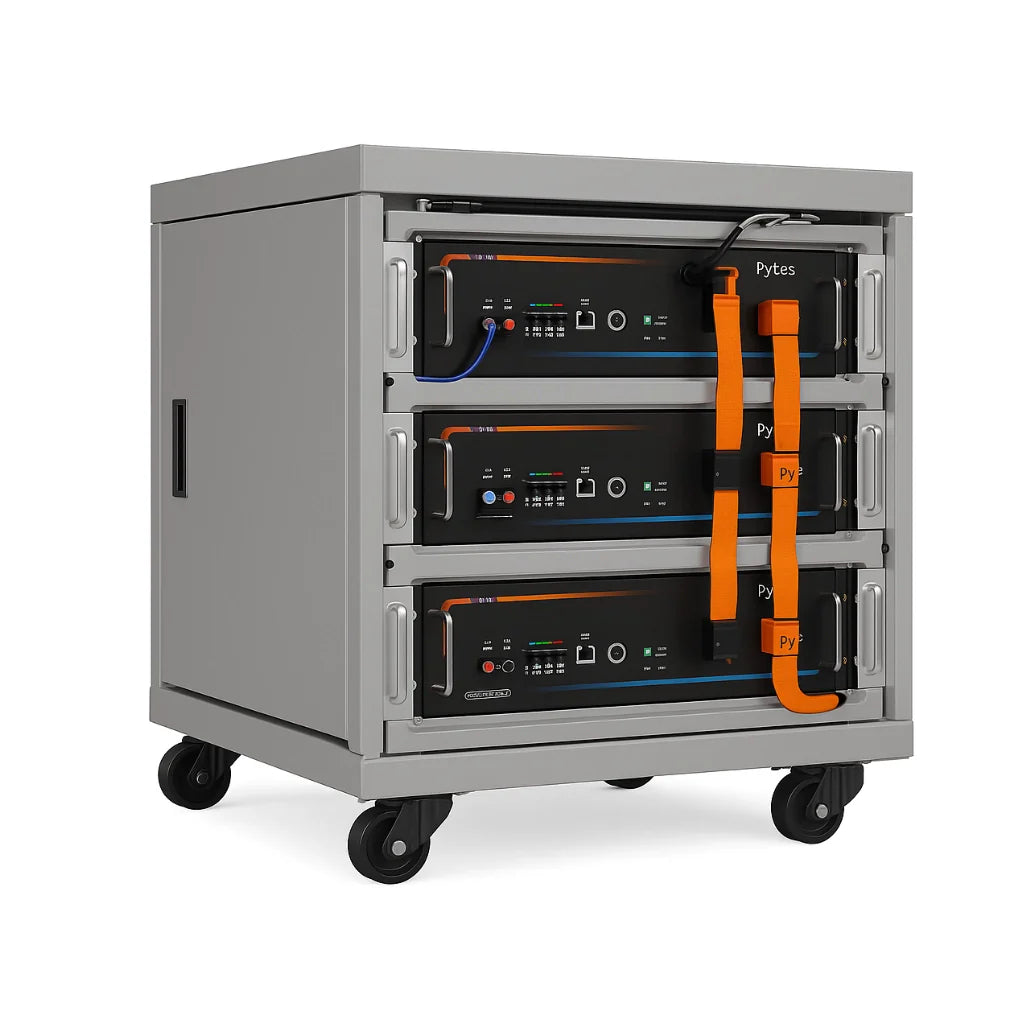
- Residential storage: Home energy storage systems such as those from Pytes, typically 48 V to 100 V, paired with solar
- Off-grid and leisure: LiFePO4 packs with smart BMS, MPPT controllers, and inverter/chargers for campervans, motorhomes, and marine use
The smart BMS features available in modern leisure and off-grid systems, including Bluetooth monitoring, adaptive balancing, and temperature-compensated charging, bring the same protective intelligence found in EV packs to smaller-scale deployments. This convergence of technology across scales is one of the defining trends in high voltage battery development in 2026.
Key takeaways
High voltage battery systems require correct chemistry, BMS intelligence, insulation coordination, and system-level safety validation to operate reliably across electric vehicles, renewable storage, and off-grid applications.
| Point | Details |
|---|---|
| Voltage defines design constraints | Moving from 400 V to 800 V DC doubles creepage distances and increases arc management demands across all components. |
| BMS is non-negotiable | A BMS monitors cell voltage, temperature, and current in real time, preventing thermal runaway and extending battery life. |
| Safety testing is multi-level | UL 9540A 6th Edition (2026) tests thermal runaway propagation at cell, module, unit, and installation levels. |
| Applications span multiple scales | High voltage battery technology covers EV packs, utility-scale containerised storage, residential systems, and off-grid leisure setups. |
| Grid-forming inverters are standard | In 2026, around 75% of large battery projects require grid-forming inverter capability for grid connection approval. |
Why system-level thinking is what most guides miss
Most articles on high voltage batteries focus on chemistry or voltage numbers. What they underplay is the system-level complexity that separates a working installation from a safe, long-lived one. I have seen this repeatedly: a well-specified battery pack paired with an undersized BMS, or a correctly rated contactor installed without proper arc suppression at 800 V. The individual components pass their ratings. The system does not perform as expected.
The transition from 400 V to 800 V architectures is a good example of where this matters most. The efficiency gains are real. Reduced current means thinner cables, lower thermal losses, and faster charging. But the insulation coordination requirements, the connector specifications, and the arc management demands change substantially. These are not afterthoughts. They need to be addressed at the design stage, not retrofitted.
For off-grid and leisure vehicle users, the equivalent challenge is BMS integration. An effective BMS must tightly couple charge, current, voltage, and thermal data to prevent early failures and extend battery life through adaptive control. A BMS that only monitors voltage is not sufficient for a lithium pack that will see variable solar input, high discharge rates, and temperature swings. The gap between a basic BMS and a well-engineered one is measured in years of battery life.
The 2026 updates to UL 9540A reinforce something practitioners have known for some time: component ratings do not guarantee system safety. Installation-level fire testing exists because the real-world risk profile of a battery installation is not predictable from cell data alone. For anyone specifying a residential or commercial system, this is the standard to understand and apply.
— John
Explore Skyenergi’s high voltage battery solutions
Skyenergi supplies a range of products built for reliable high voltage energy storage in off-grid, leisure, and residential applications. Whether you are specifying a solar-powered campervan system or a home energy storage setup, the product range covers the key components needed for a well-integrated system.

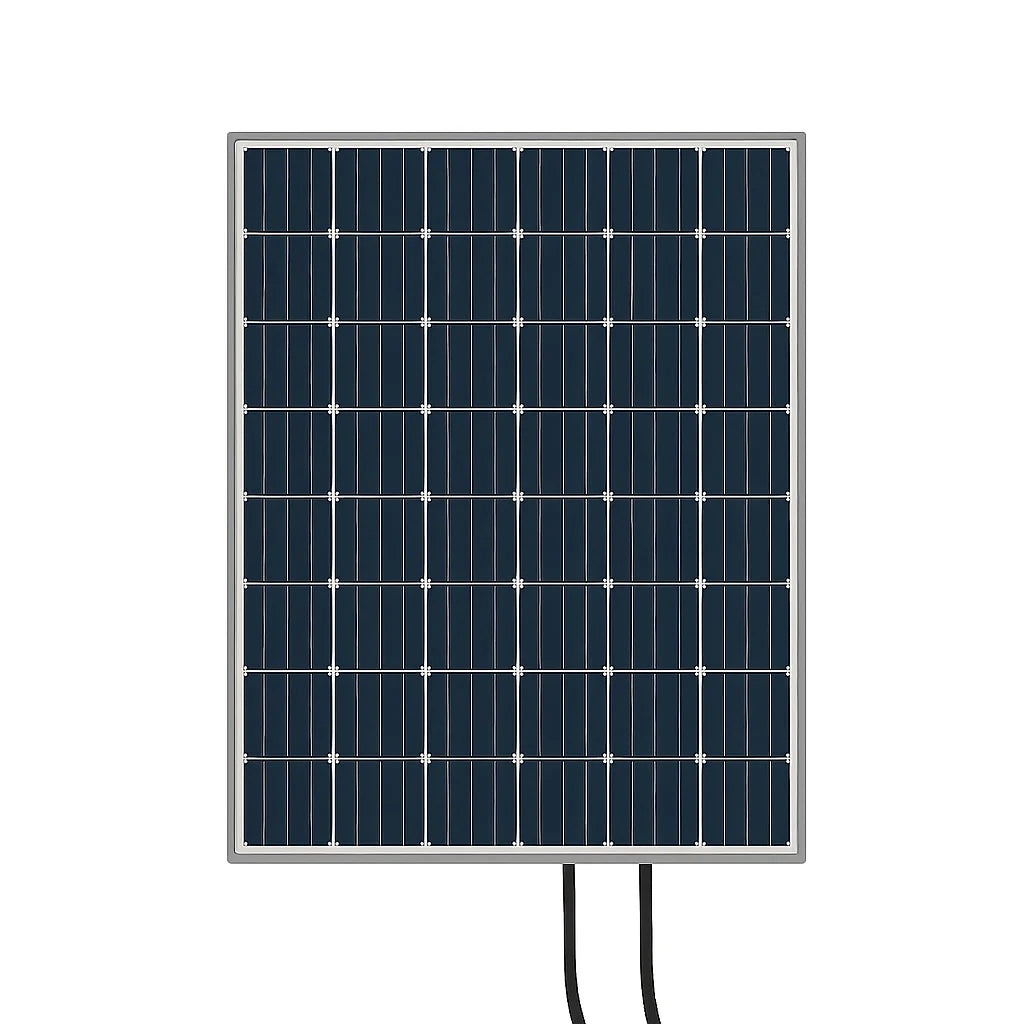
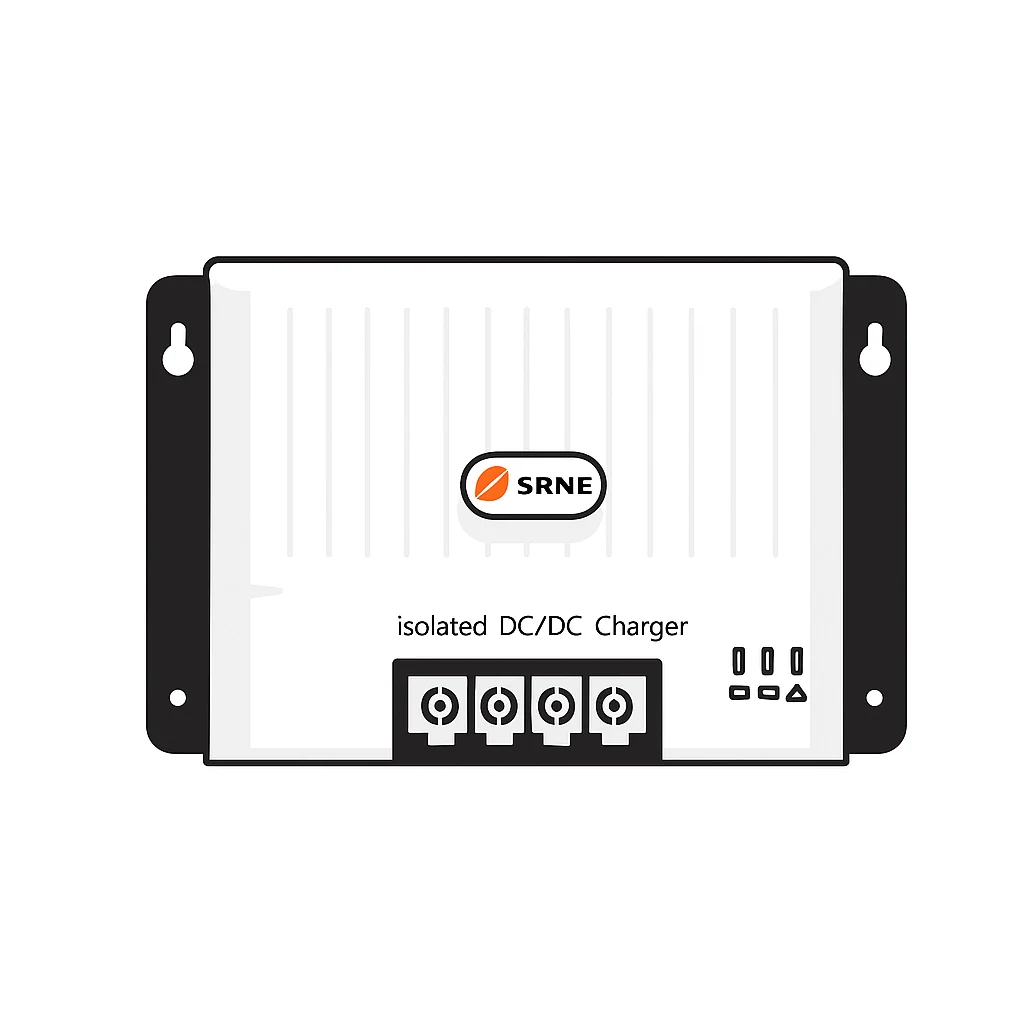
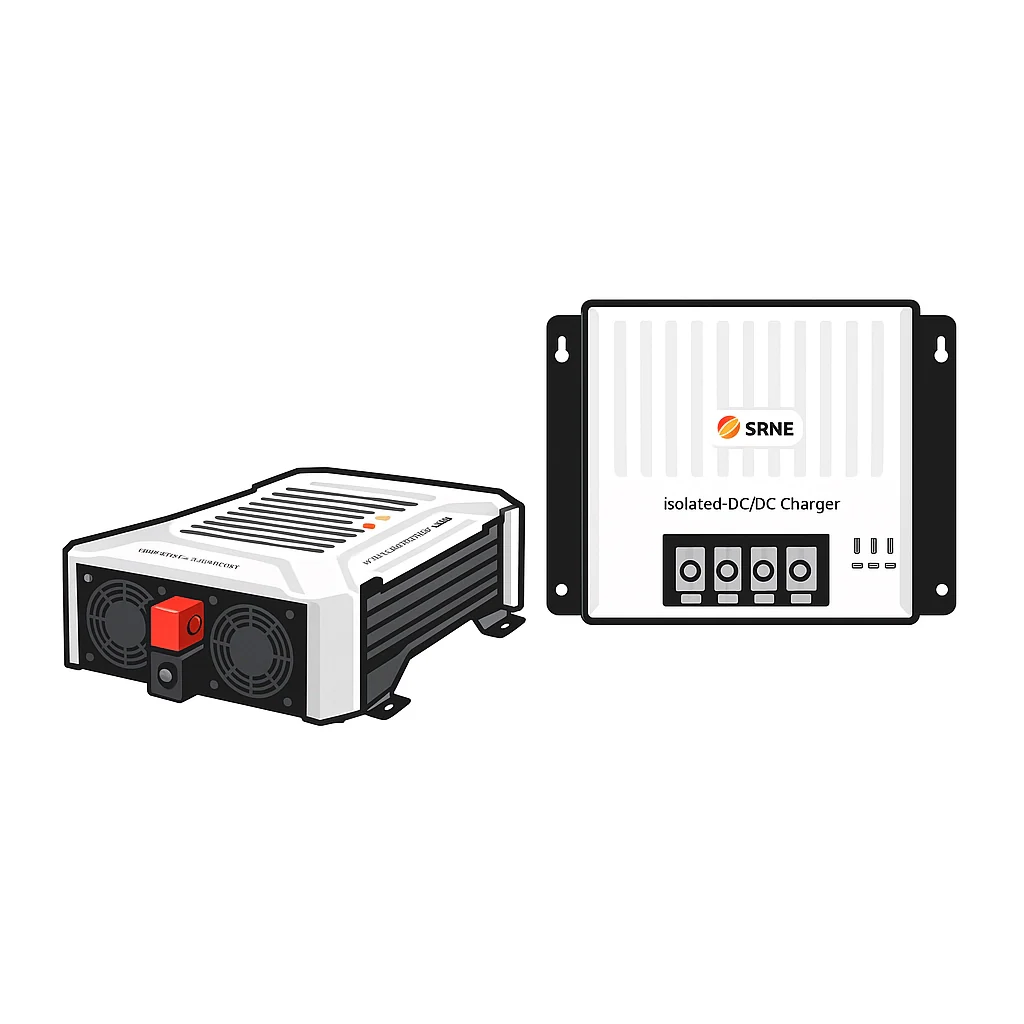
The Victron 610 W solar panel with Smart MPPT charge controller combines high-output solar generation with intelligent battery management, making it a practical starting point for any off-grid build. For a complete system, the 3 kVA inverter/charger package includes battery-to-battery charging and real-time monitoring, covering the full energy chain from solar input to usable AC output. Both solutions are sourced directly from manufacturers and are designed for straightforward integration with Skyenergi’s lithium battery range.
FAQ
What voltage is considered high voltage in a battery system?
Battery systems operating above 60 V DC are generally classified as high voltage under IEC and industry safety standards. Electric vehicle packs typically operate between 400 V and 800 V DC.
How does a BMS protect a high voltage battery pack?
A BMS monitors cell voltages, temperatures, and current continuously, adjusting charge and discharge limits to prevent thermal runaway, overcharge, and cell imbalance. Without a BMS, a high voltage lithium pack cannot operate safely.
What is UL 9540A and why does it matter?
UL 9540A is the standard test method for evaluating thermal runaway fire propagation in battery energy storage systems. The 2026 sixth edition tests at cell, module, unit, and installation levels to determine safe separation distances and fire protection requirements.
What is the difference between 400 V and 800 V EV battery architectures?
An 800 V architecture reduces current for a given power level, lowering conduction losses and enabling faster DC charging. It also requires approximately double the creepage and clearance distances compared to a 400 V system, increasing connector and insulation complexity.
Can high voltage battery technology be used in off-grid leisure vehicles?
Yes. LiFePO4 battery packs with integrated BMS, MPPT charge controllers, and inverter/chargers bring the same protective architecture found in EV systems to campervans, motorhomes, and marine applications. Skyenergi supplies complete systems designed for this purpose.
Recommended
Prev post

Must-have solar accessories for off-grid power in 2026
Updated on 05 June 2026
Next post

How to install boat solar: a practical guide
Updated on 03 June 2026


