




Residential off-grid system types: a homeowner's guide
Explore various residential off-grid system types to find the perfect fit for your home. Make informed choices and save on energy costs!
Choosing the wrong off-grid system is an expensive mistake. For homeowners and DIY enthusiasts exploring residential off-grid system types, the sheer number of configurations can make the decision feel overwhelming. Grid-tied, hybrid, fully standalone — each has a distinct architecture, cost profile, and suitability for different locations and lifestyles. Whether your motivation is cutting energy bills, escaping an unreliable grid, or reducing your carbon footprint, the right system depends on factors that go well beyond simply fitting solar panels to your roof. This guide breaks down each type clearly, compares them directly, and helps you decide which suits your situation.
Key takeaways
| Point | Details |
|---|---|
| Three core system types | Grid-tied, hybrid, and fully off-grid each suit different backup needs and budgets. |
| Grid extension cost matters | Off-grid becomes cost-effective when grid extension exceeds £12,000 per mile. |
| Battery sizing is critical | Autonomy days drive storage requirements and are the single biggest cost variable. |
| Hybrid systems save money | Hybrid setups cost 30–40% less than fully off-grid by using the grid as a virtual battery. |
| Demand reduction pays dividends | Cutting daily electricity demand by 30% can reduce total system costs by 25–30%. |
Key criteria for evaluating residential off-grid system types
Before comparing specific configurations, you need a clear framework for assessing what your home actually requires. The Department of Energy confirms that stand-alone renewable energy systems combine generation sources with batteries, charge controllers, and power conditioning equipment to deliver reliable standalone power. Getting the balance right across the following criteria is what separates a well-designed system from an expensive underperformer.
- Grid connection status. The single most important factor. If you have affordable grid access, hybrid systems become far more viable. If grid extension would cost tens of thousands of pounds, a fully off-grid design makes financial sense from day one.
- Backup power needs. How many days of autonomy do you need without solar input? Homes in cloudy climates or remote locations typically need three to five days of battery storage to cover low-generation periods.
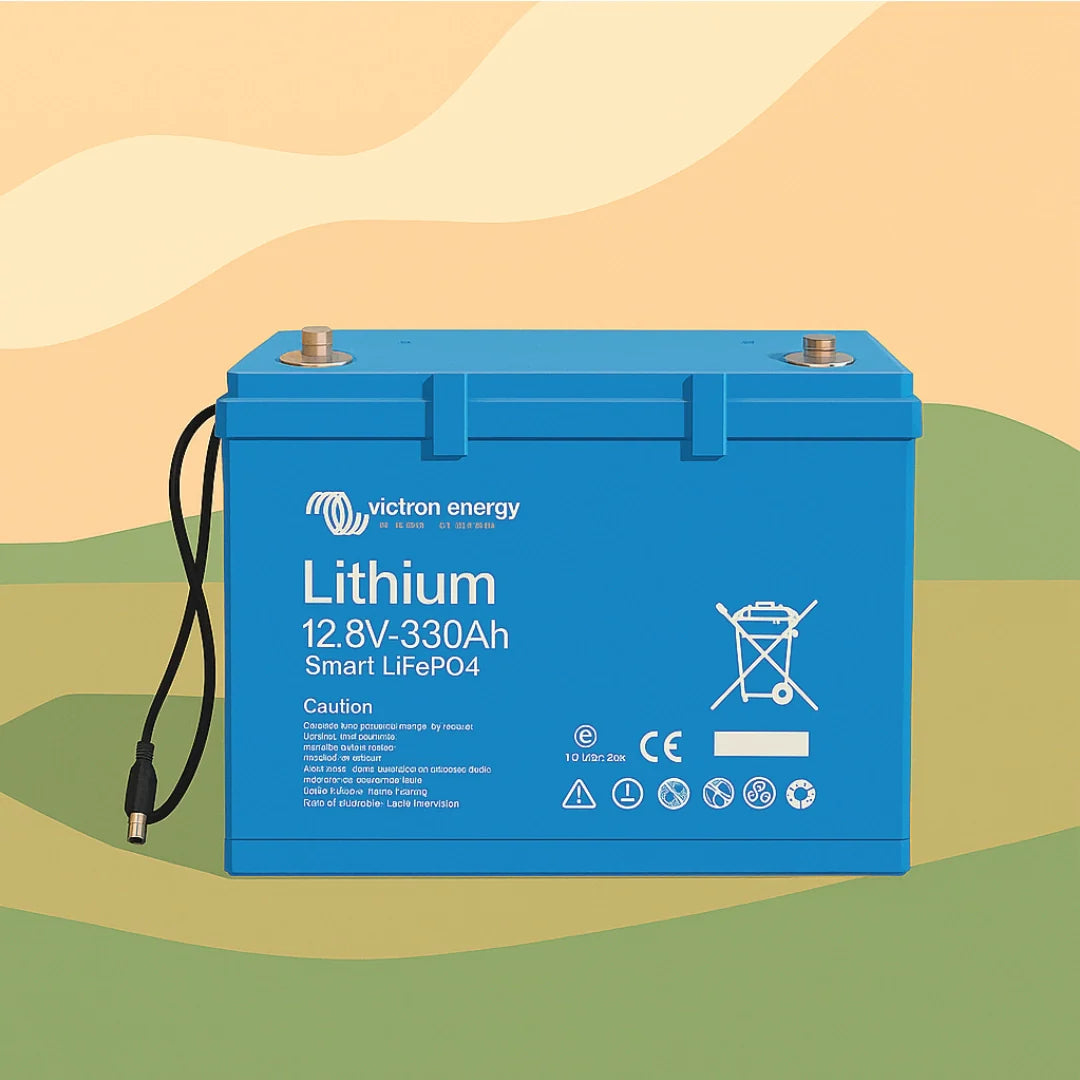
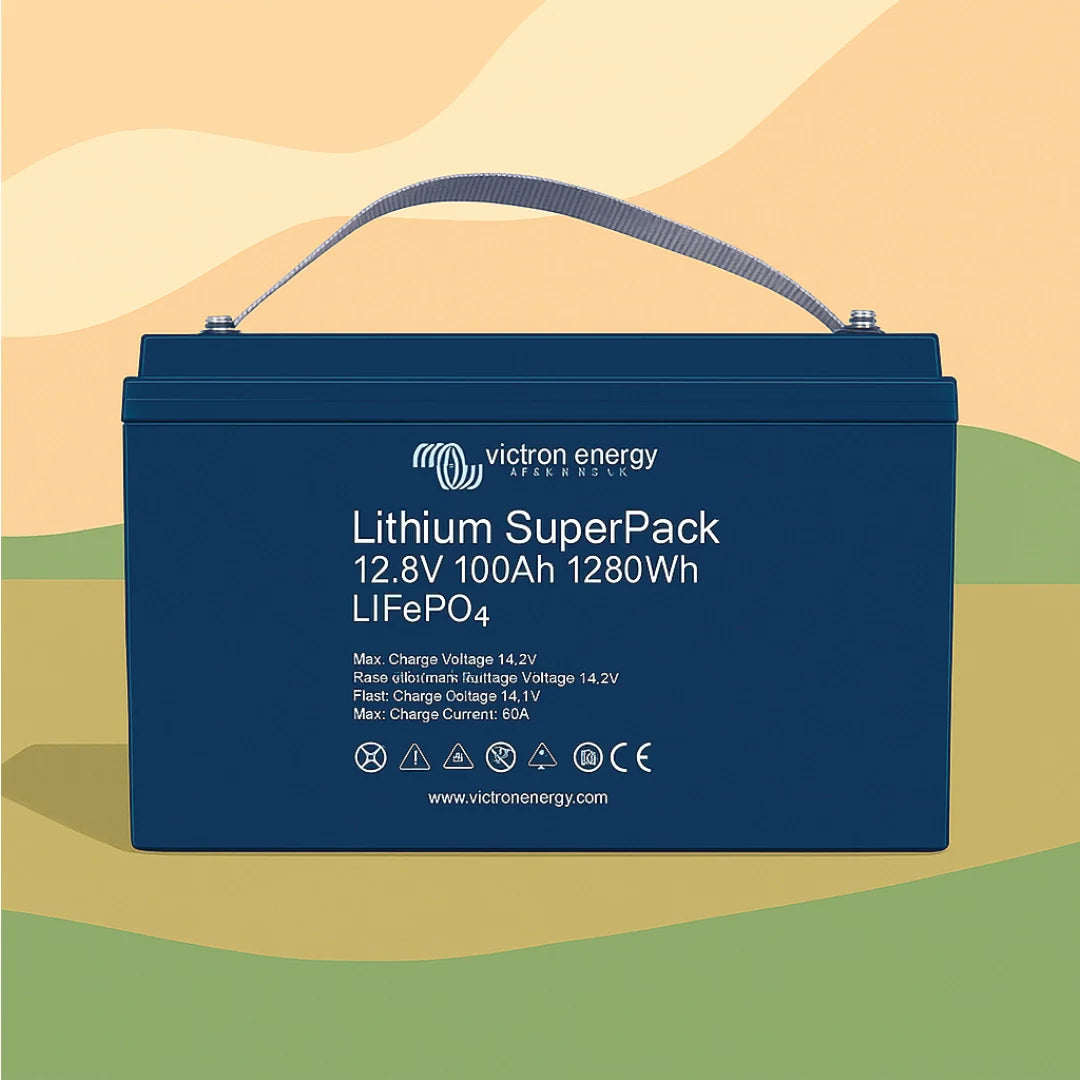
- Battery technology. Lithium iron phosphate (LiFePO4) batteries offer higher cycle counts and deeper usable capacity compared to lead-acid alternatives. Review Skyenergi’s breakdown of lithium battery advantages for residential storage when evaluating this option.
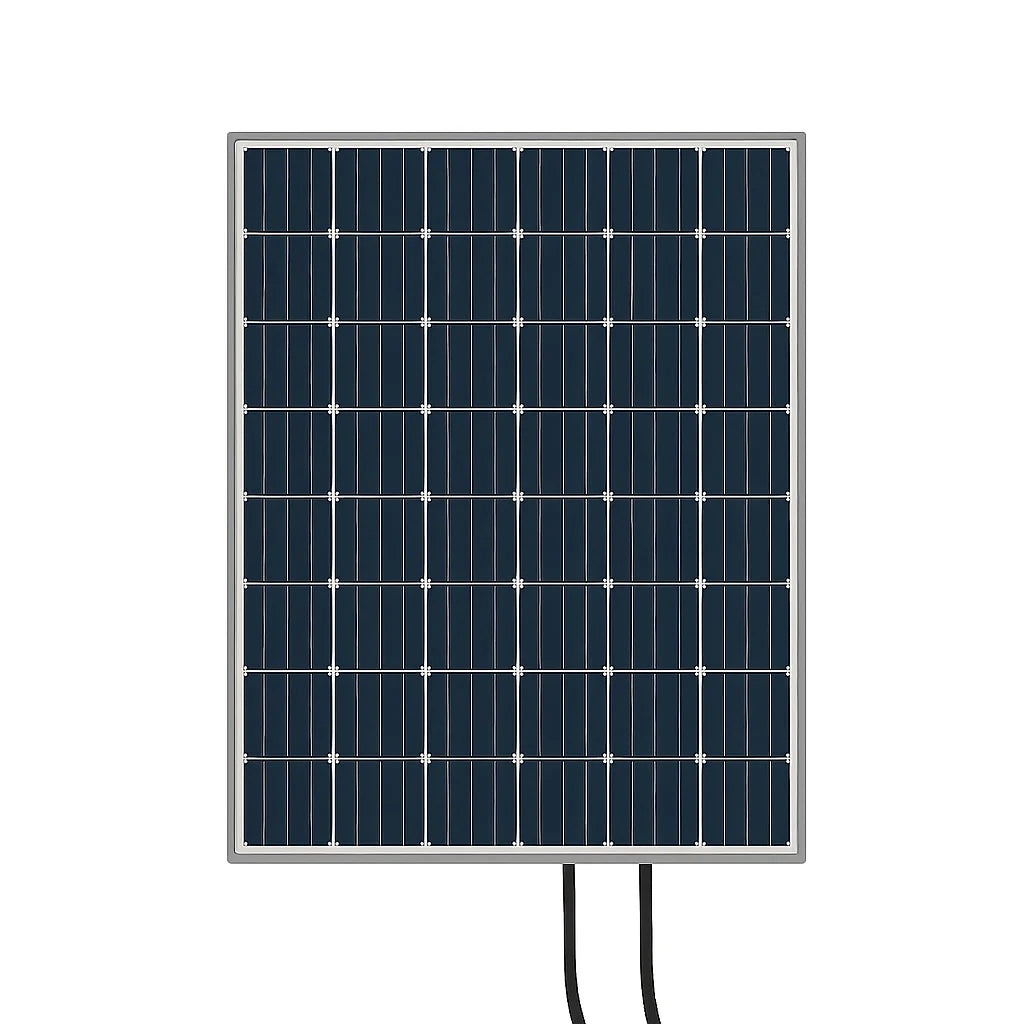
- Solar array sizing. PV capacity must align with your daily consumption and autonomy day targets, not just available roof space.
- System topology. DC-coupled systems are more efficient for installations under 10 kW, while AC-coupled designs suit retrofits and larger systems above 15 kW. This choice affects component compatibility and future expandability.
- Safety and compliance. Off-grid systems with multiple power sources require proper disconnecting means to allow emergency shutdown and safe servicing. This is non-negotiable regardless of system type.
Pro Tip: Reduce your home’s energy demand before sizing any off-grid system. Swapping to LED lighting, upgrading to A-rated appliances, and improving insulation can shrink system requirements significantly, cutting both upfront cost and ongoing maintenance.
1. Grid-tied solar with no battery backup
This is the most straightforward of all solar off-grid system types, though calling it “off-grid” is technically a misnomer. A grid-tied system connects directly to the utility network. Your solar panels generate power, which offsets your consumption, and any surplus is exported to the grid.
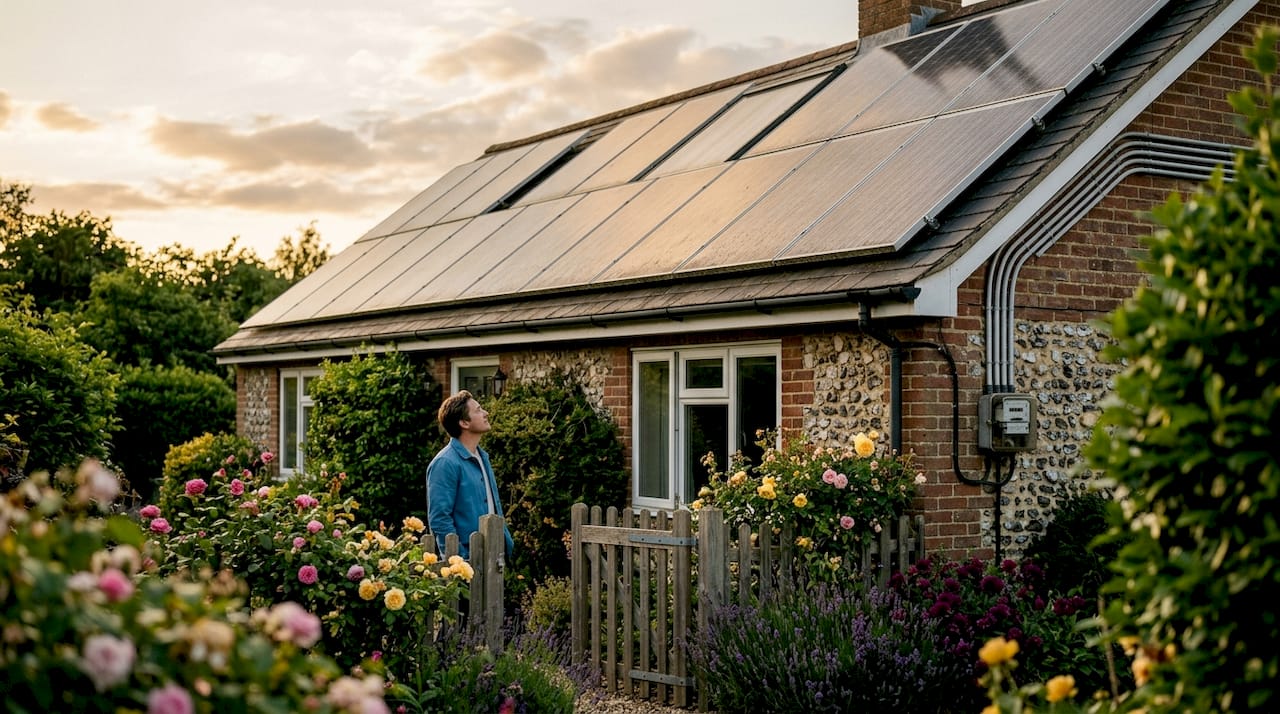
The appeal is cost. Without a battery bank, upfront investment is considerably lower. You effectively use the grid as your storage medium: drawing from it at night and exporting excess during the day.
The critical limitation is that grid-tied systems without battery backup shut down completely during a grid outage. This is a regulatory requirement in most countries, designed to protect utility workers. If the grid goes down, your solar panels produce nothing, even on a clear day.
- Pros: Lowest upfront cost; simplest installation; no battery maintenance; maximum solar export earnings.
- Cons: Zero backup capability; full grid dependency; unsuitable for areas with frequent outages; no true energy independence.
This configuration suits urban or suburban homeowners with reliable grid access who want to reduce electricity bills rather than achieve independence. It is not an off-grid solution in any practical sense.
2. Hybrid solar systems with grid and battery backup
Hybrid systems represent the most popular residential configuration for homeowners who want resilience without completely cutting ties with the grid. The architecture combines a PV array, a battery bank, and a grid connection managed through a hybrid inverter-charger.
Hybrid inverter-chargers consolidate inverter, charge controller, and AC charger functions into a single device. During the day, solar charges the battery and powers loads. At night or during low solar periods, the battery discharges. The grid acts as a fallback when both sources are depleted.
The key advantage over a fully off-grid system is cost. Hybrid setups typically cost 30–40% less than full off-grid because the grid functions as a virtual battery, eliminating the need to oversize storage for worst-case weather scenarios.
Pro Tip: Prioritise which circuits need backup power. Running your whole home from battery storage during an outage drains capacity fast. Isolating critical loads — refrigeration, lighting, medical equipment — extends runtime significantly on a modest battery bank.
- Pros: Strong backup capability; lower storage cost than full off-grid; grid export possible; scalable battery capacity.
- Cons: Still grid-dependent for extended low-solar periods; higher upfront cost than grid-tied; installation complexity increases with battery and inverter integration.
Hybrid systems suit homeowners in areas with a reliable but occasionally interrupted grid, or those seeking a gradual path toward greater energy independence.
3. Fully off-grid systems with no grid connection
A true off-grid system has no utility connection whatsoever. It must generate, store, and manage 100% of the energy the household consumes. This is the most technically demanding of all the different types of renewable setups, and also the most expensive per kilowatt-hour delivered.
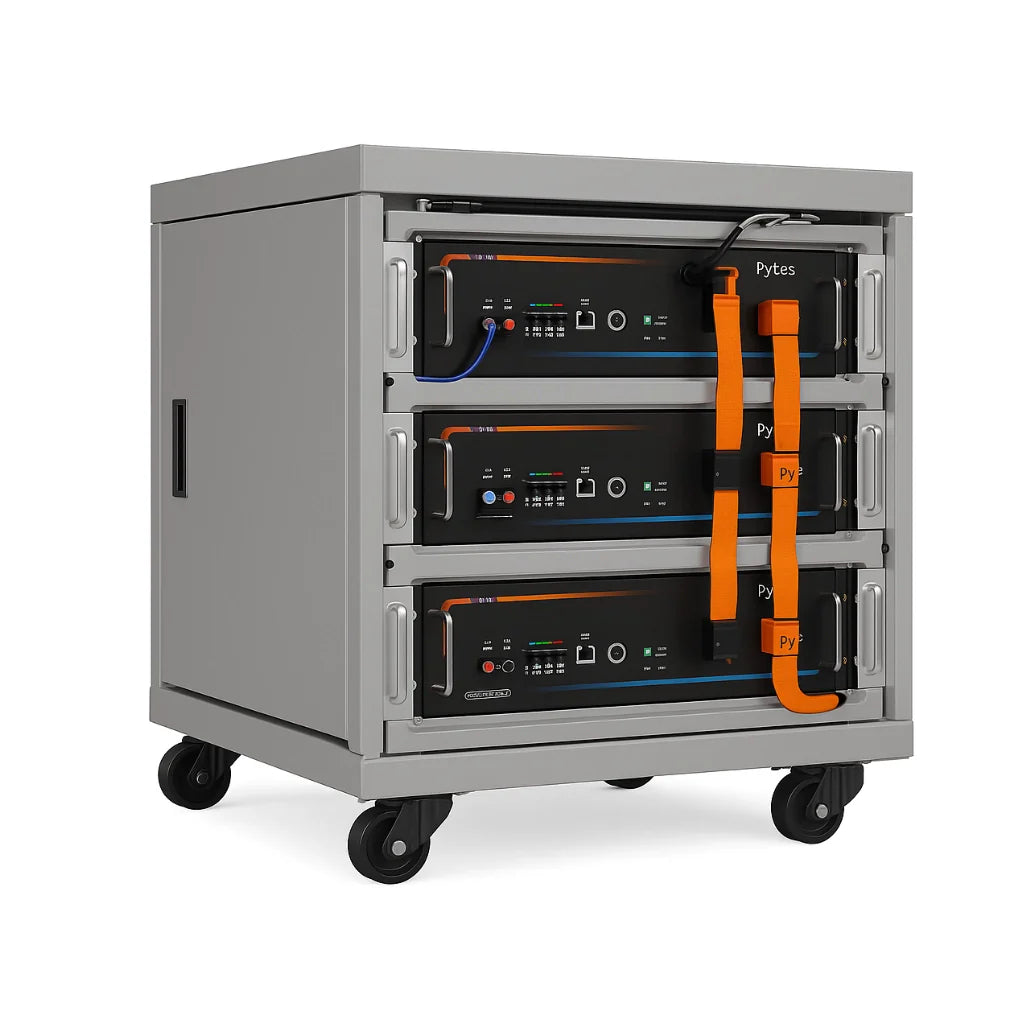
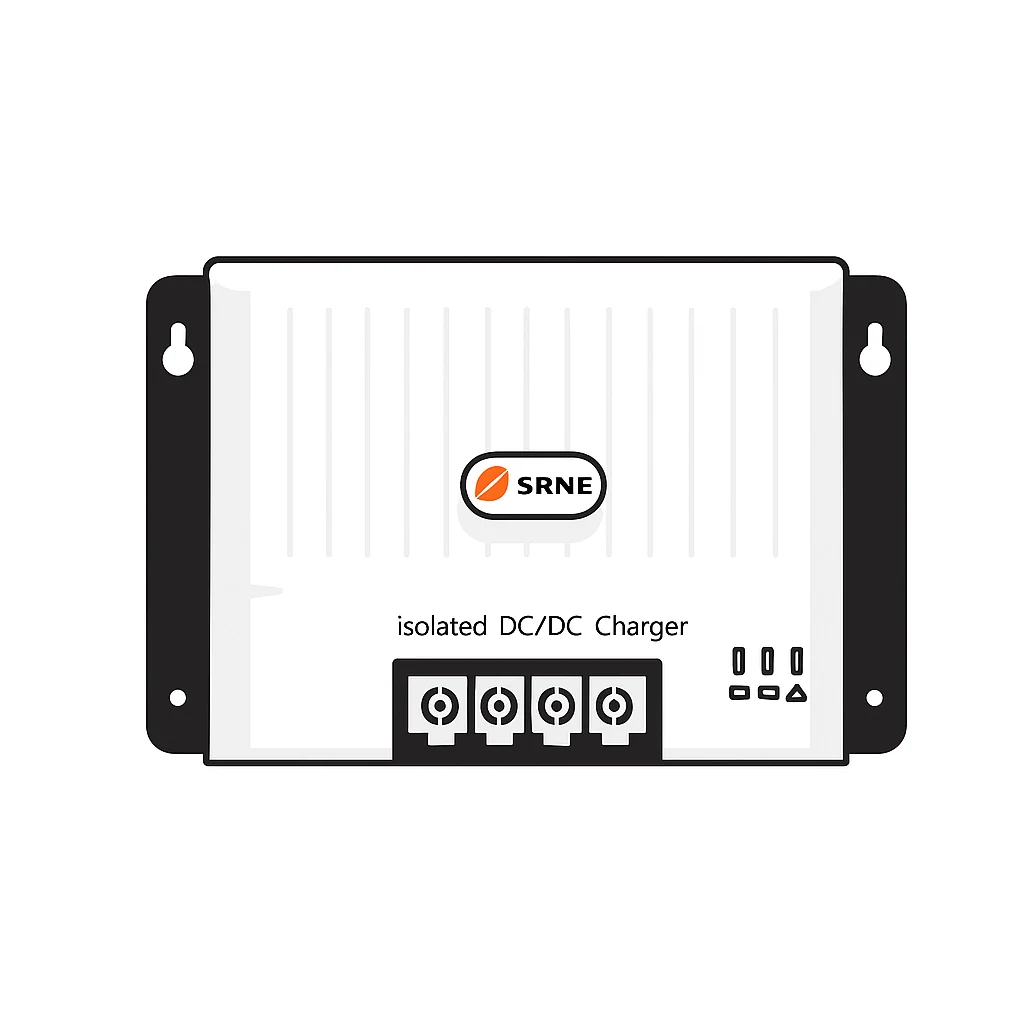
The core components include a PV array, a large battery bank, MPPT charge controllers, a hybrid inverter-charger, and typically a diesel or petrol generator for backup during extended low-generation periods. Standalone systems must internally manage all load transients, making hybrid controllers and energy management systems (EMS) a practical necessity for reliable performance.
Sizing is the most common area where off-grid systems fail. Designers must account for three to five autonomy days to cover multi-day cloudy periods. This significantly drives battery bank size and cost. Adding a generator reduces the battery capacity needed, but introduces fuel dependency and maintenance obligations.
| Component | Typical specification | Notes |
|---|---|---|
| PV array | 3–10 kWp | Sized to worst-case winter generation |
| Battery bank | 10–30 kWh usable | LiFePO4 preferred for cycle life |
| MPPT charge controller | 40–100A | Matched to array voltage and current |
| Inverter-charger | 3–8 kVA | Sized for surge loads, not just continuous draw |
| Generator backup | 2–5 kW | Petrol or diesel; automated start preferred |
Off-grid becomes financially justified when grid extension costs exceed £12,000 to £40,000 per mile. For rural properties, remote cabins, or smallholdings well outside the grid footprint, the maths often favours going standalone from the outset.
- Pros: Complete energy independence; no grid bills; suitable for remote locations; resilient against utility outages indefinitely.
- Cons: Highest upfront cost; generator dependency in winter; requires detailed sizing; more complex maintenance; no grid safety net.
4. Comparing residential off-grid system types side by side
Understanding the differences in isolation is useful. Seeing them in a single table makes the choice considerably clearer.
| Criteria | Grid-tied (no battery) | Hybrid (grid + battery) | Fully off-grid |
|---|---|---|---|
| Grid dependency | Full | Partial | None |
| Backup during outage | None | Yes, critical loads | Full independence |
| Battery required | No | Yes, smaller bank | Yes, large bank |
| Generator needed | No | Rarely | Often recommended |
| Relative cost | Lowest | Moderate | Highest |
| Best for | Bill reduction, urban homes | Resilience with grid access | Remote properties, full independence |
| System complexity | Low | Moderate | High |
Three core architectures define the residential market: grid-tied with no storage, hybrid with partial storage, and fully off-grid with complete autonomy. Each serves a distinct user profile. The comparison above makes it clear that the “best” system is entirely situational. There is no universal answer.
5. How to choose the right residential off-grid system type
With the system types compared, you can now work through a practical decision process tailored to your circumstances.
- Assess your grid connection cost. If you are on-grid already, the cost to stay connected is near zero. If you are building a new rural property, get a grid extension quote first. A figure above £15,000 typically makes a standalone system worth serious consideration.
- Audit your energy demand. Before sizing any system, calculate your average daily consumption in kilowatt-hours. Check your energy bills or use a clamp meter. This number drives every subsequent decision.
- Decide on your backup requirement. Do you need the lights on during a two-hour outage or three days of full autonomy after a storm? The answer shapes your battery bank size dramatically.
- Match system type to situation. Urban homeowner with reliable grid access: consider hybrid. Remote property with no grid nearby: plan for full off-grid. New build with cheap grid connection: grid-tied or hybrid may suit.
- Reduce demand before sizing. Reducing daily electricity demand by 30% can lower total system cost by 25–30%. Address insulation, appliances, and heating before specifying array and battery sizes.
- Plan for critical loads separately. Identify which circuits are non-negotiable: refrigeration, medical devices, communications. Size backup capacity around these first, then expand if budget allows.
Pro Tip: If you are unsure between hybrid and fully off-grid, start with a hybrid system. The grid connection acts as insurance while you live with the system and understand your actual consumption patterns. Many homeowners find hybrid meets their needs without the added complexity and cost of going fully standalone.
My perspective on off-grid planning
I’ve worked around off-grid energy systems long enough to recognise the single most common planning error: people treat it as a solar panel problem. They calculate how much roof space they have, pick a panel count, and assume the system will run itself.
It won’t. The critical battery and backup sizing requirements are what actually determine whether an off-grid home is liveable. I’ve seen genuinely well-intentioned installations fail in the first winter because no one adequately planned for autonomy days. A system sized for average summer generation in the UK will struggle badly in January.
My honest take is that most UK homeowners are better served by a hybrid system than a fully off-grid one, at least initially. The cost savings are real, the resilience is practical, and it removes the pressure of needing to get sizing perfect from day one. Understanding the difference between DC and AC coupled topologies also matters more than most DIY guides admit. It affects efficiency, expandability, and how well your components work together long-term.
For those committed to full off-grid living, a properly integrated energy management system is not optional. It is what keeps generator runtime low, extends battery life, and prevents the system from cycling poorly during low-production weeks. Plan comprehensively, get professional input on sizing, and treat the generator as a genuine part of the design rather than a last resort.
— John
Explore off-grid components and systems at Skyenergi
Skyenergi supplies a range of high-quality components suited to all three system types discussed in this article.
For solar generation, the Victron 610W panel with MPPT controller provides a practical starting point for residential arrays, combining a high-output panel with Victron’s proven charge control technology. For inverter and charging needs, Skyenergi’s 3 kVA inverter-charger system covers hybrid and off-grid applications with full battery and monitoring integration. For deeper reading on battery technology relevant to off-grid storage, visit Skyenergi’s guide to solar battery terms explained. Contact Skyenergi directly for product recommendations tailored to your system type and energy requirements.
FAQ
What are the three main residential off-grid system types?
The three main types are grid-tied (solar with no battery), hybrid (solar, battery, and grid connection), and fully off-grid (solar, battery, and no grid connection). Each suits different backup needs, budgets, and locations.
When does a fully off-grid system make financial sense?
A fully off-grid system becomes cost-effective when grid extension costs exceed £12,000 to £40,000 per mile. Remote rural properties frequently reach this threshold.
How many days of battery storage does an off-grid home need?
Off-grid systems are typically sized for three to five autonomy days to cover extended low-generation periods. Generator backup can reduce this requirement and lower battery costs.
Can a hybrid system work during a grid outage?
Yes. Hybrid systems with battery backup can power critical loads during a grid outage. The battery discharges to cover demand until either the grid restores or solar generation resumes.
How much can reducing energy demand lower off-grid system costs?
Cutting daily electricity demand by 30% can reduce total system costs by 25–30%. Addressing insulation, appliances, and heating before sizing a system is one of the most cost-effective steps a homeowner can take.
Recommended
Prev post

What is high-performance energy storage?
Updated on 01 June 2026
Next post

What is lithium iron phosphate? A practical guide
Updated on 30 May 2026


