





The essential motorhome energy checklist for off-grid UK travel
Plan your motorhome energy system with this practical checklist covering battery sizing, solar panels, and multi-source charging for reliable off-grid UK travel.
TL;DR:
- Effective UK motorhome power management requires balancing solar, batteries, and multiple charging sources.
- Lithium batteries offer deeper, lighter, and longer-lasting storage ideal for off-grid UK travel.
- Adequate system sizing including backup chargers is essential due to UK’s variable weather and limited winter sunlight.
Managing power in a motorhome or campervan across the UK is genuinely challenging. Unpredictable weather, varying device loads, and the desire to stay off-grid for days at a time all demand careful planning. A poorly sized system leaves you without lighting, refrigeration, or heating control at the worst possible moment. This checklist draws on practical, evidence-backed strategies to help you define your energy needs, select the right components, and build a system that performs reliably throughout the year, including the grey, short days of a British winter.
Table of Contents
- Define your energy requirements
- Choose the right battery bank
- Maximise solar panel performance
- Backup charging: multi-source strategies
- The overlooked truth: why single-source power fails UK motorhomers
- Take your motorhome off-grid with expert electrics
- Frequently asked questions
Key Takeaways
| Point | Details |
|---|---|
| Calculate your energy needs | Break down each device’s usage so you can accurately size batteries and solar panels. |
| Pick the right battery | Lithium outperforms AGM for frequent off-grid use but costs more upfront. |
| Optimise solar and backup | Pair rigid panels, MPPT controllers, and a backup charger to ensure power in any UK weather. |
| Prepare for winter | Expect up to 70 percent drop in solar yield and rely more on alternator or shore power in winter. |
Define your energy requirements
Before buying a single battery or panel, you need to know exactly how much power you consume each day. Start by listing every electrical device on board. Be thorough.
Common devices in a UK motorhome setup:
- 12V compressor fridge (35-50W continuous)
- LED lighting (10-20W total)
- Diesel heater fan (10-30W)
- Laptop or tablet (30-65W)
- Phone and device charging (10-20W)
- Water pump (60W intermittent)
- 240V kettle via inverter (2000W, short bursts)
- TV or entertainment system (20-50W)
Once you have your list, multiply each device’s wattage by the number of hours you use it daily. This gives you watt-hours (Wh) per device. Add them all together for your daily total.
| Device | Wattage (W) | Daily hours | Daily Wh |
|---|---|---|---|
| Compressor fridge | 45 | 8 | 360 |
| LED lighting | 15 | 4 | 60 |
| Diesel heater fan | 20 | 3 | 60 |
| Laptop | 50 | 2 | 100 |
| Phone charging | 15 | 2 | 30 |
| Water pump | 60 | 0.5 | 30 |
| TV | 30 | 1.5 | 45 |
| Misc devices | 20 | 1.5 | 30 |
| Total | 715 Wh |
A typical UK setup lands around 700-800 Wh per day. To calculate daily energy needs accurately, list every appliance, its wattage, and usage hours, then target 1.5 to 2 days of autonomy in your battery sizing. That means a usable battery capacity of roughly 1,400-1,600 Wh for this example.
For a practical overview of how this translates into a full system, the off-grid solar setup guide covers component selection in detail. Real-world solar charging examples for UK campervans are also worth reviewing before finalising your design.
Pro Tip: Add a 20% contingency buffer to your daily total. Cold weather increases fridge run time and heating demand, and a buffer prevents you from draining your bank unexpectedly.
Choose the right battery bank
Now that you know your energy needs, the next step is safely storing enough power to support your off-grid lifestyle.
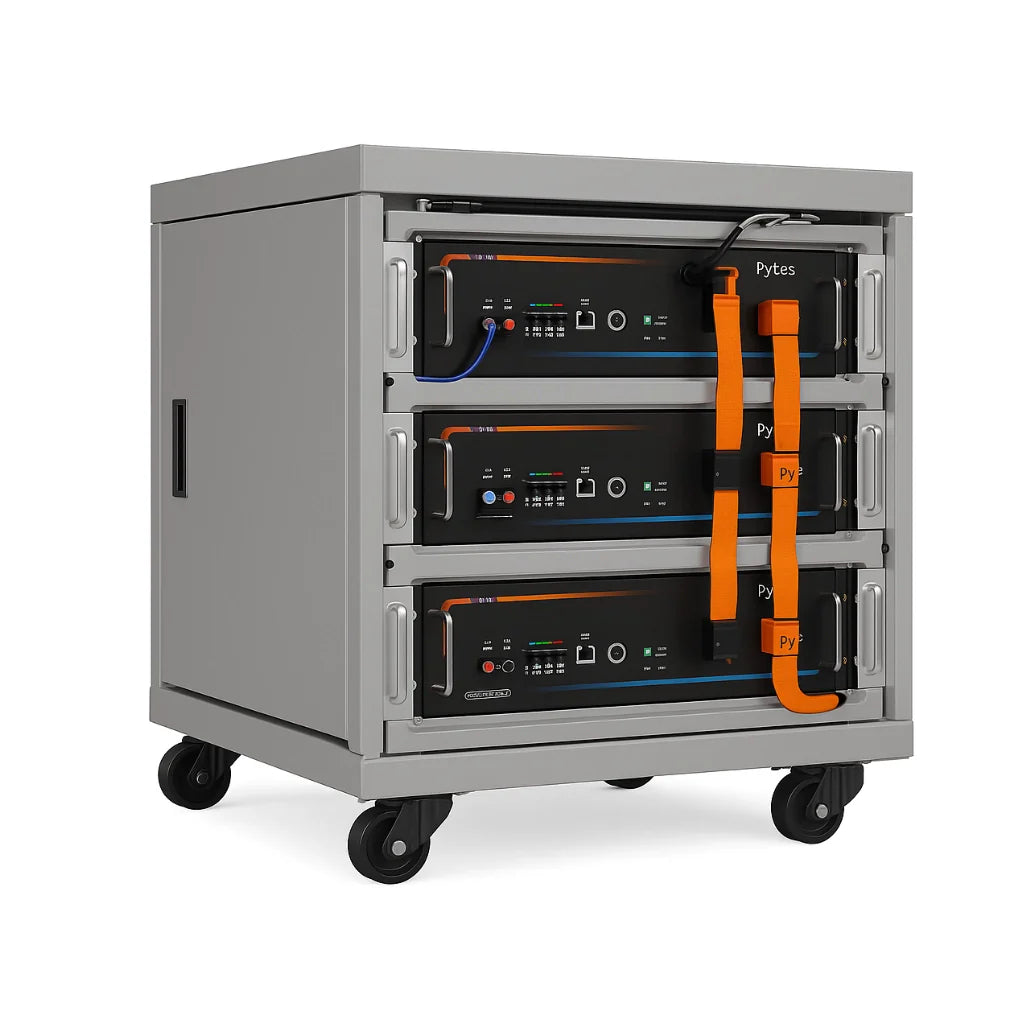
The two main options are lithium iron phosphate (LiFePO4) and AGM (absorbent glass mat) batteries. Each suits a different type of traveller.
Key differences at a glance:
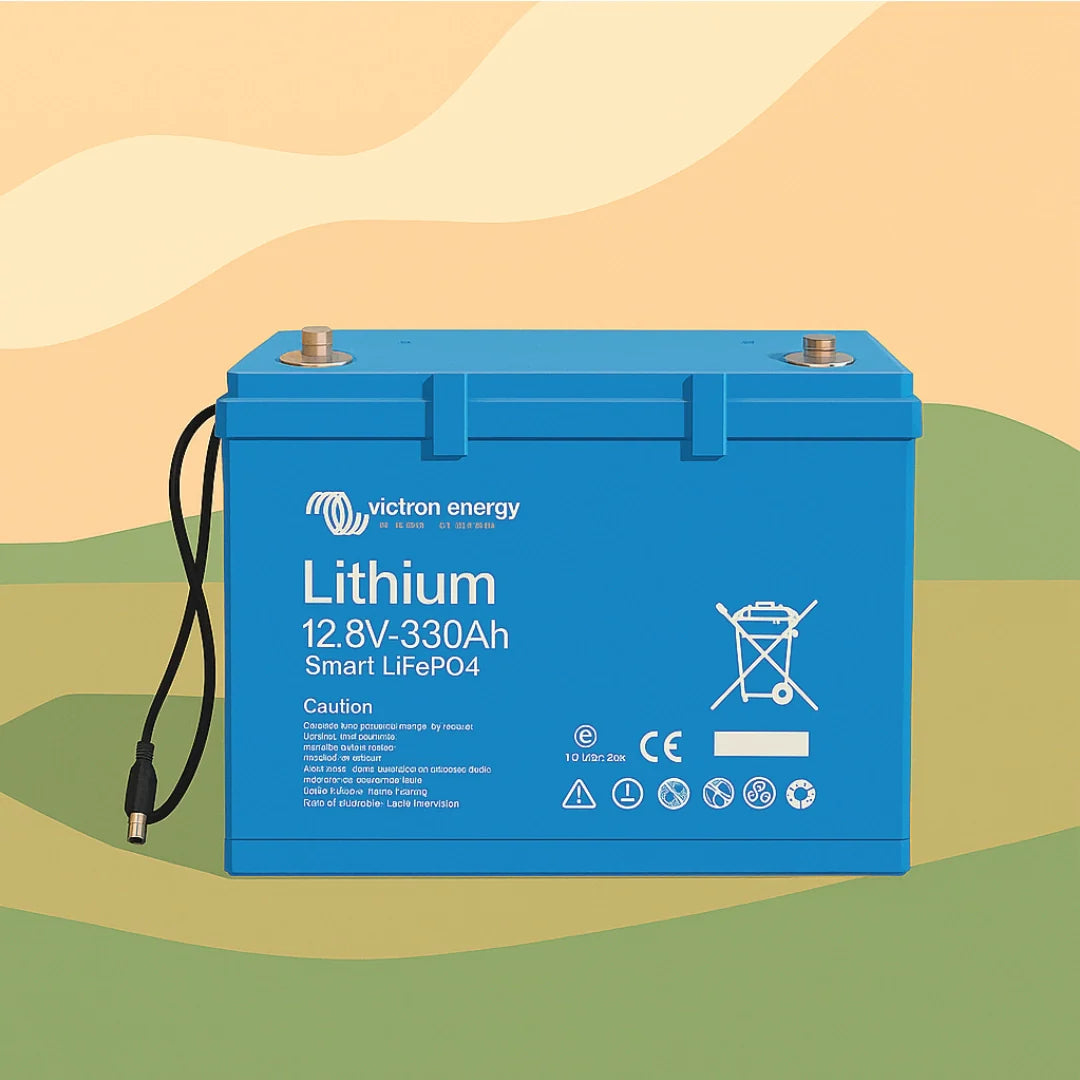
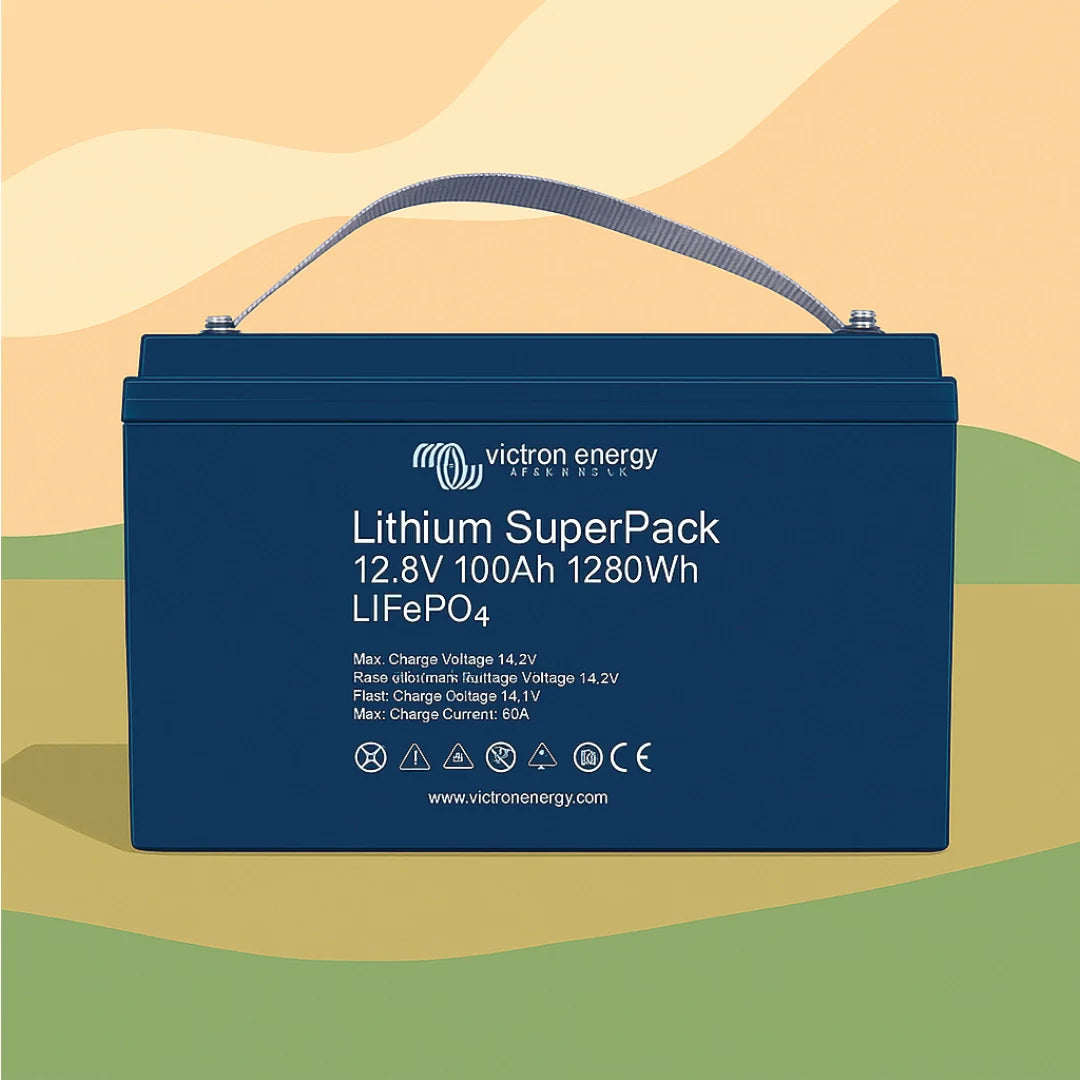
- Lithium (LiFePO4): 80-100% usable capacity, fast charge acceptance, 2,000-5,000 cycle life, lightweight
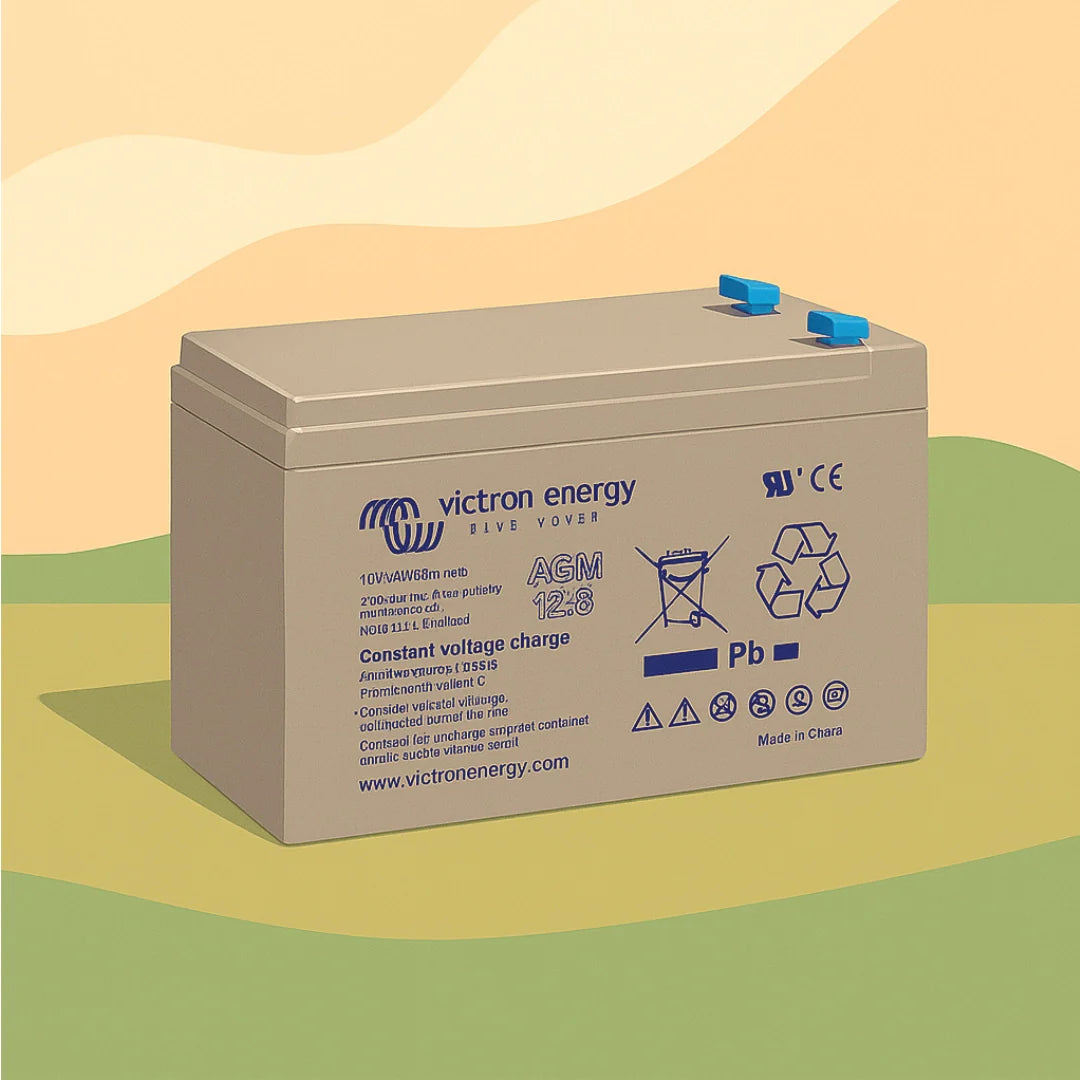
- AGM: 50% safe usable capacity, slower charge, 300-500 cycle life, heavier, lower upfront cost
| Feature | Lithium (LiFePO4) | AGM |
|---|---|---|
| Usable capacity | 80-100% | 50% |
| Weight (100Ah) | ~12-14 kg | ~28-30 kg |
| Charge speed | Fast (accepts high current) | Slower |
| Cycle life | 2,000-5,000+ | 300-500 |
| Upfront cost | Higher | Lower |
| Best for | Full-time or frequent off-grid | Weekend and occasional use |
To choose lithium over AGM for off-grid travel makes practical sense: lighter weight, faster solar recharge, and deeper discharge all translate directly into more usable energy per kilogram of battery installed.
For a 715 Wh/day requirement with 1.5 days autonomy, you need roughly 1,100 Wh of usable capacity. With lithium, a 120Ah 12V bank (1,440 Wh usable at 100%) covers this comfortably. With AGM, you would need 240Ah to achieve the same usable energy. The weight difference alone is significant in a vehicle with payload limits.
A full breakdown of battery bank choices for motorhomes covers sizing in more detail. If you are moving to lithium for the first time, the lithium battery setup guide walks through installation considerations.
Pro Tip: Prioritise lithium if you travel off-grid regularly or rely on solar as your primary charging source. The faster charge acceptance means your panels refill the bank more efficiently on short winter days.
A 100Ah lithium bank typically supports 3-4 days of light use, covering lighting, phone charging, and a small fridge. AGM of the same nominal capacity would last roughly half that time before reaching its safe discharge limit.
Maximise solar panel performance
With a reliable battery bank chosen, the next priority is capturing enough energy from the sun, even when the skies are grey.
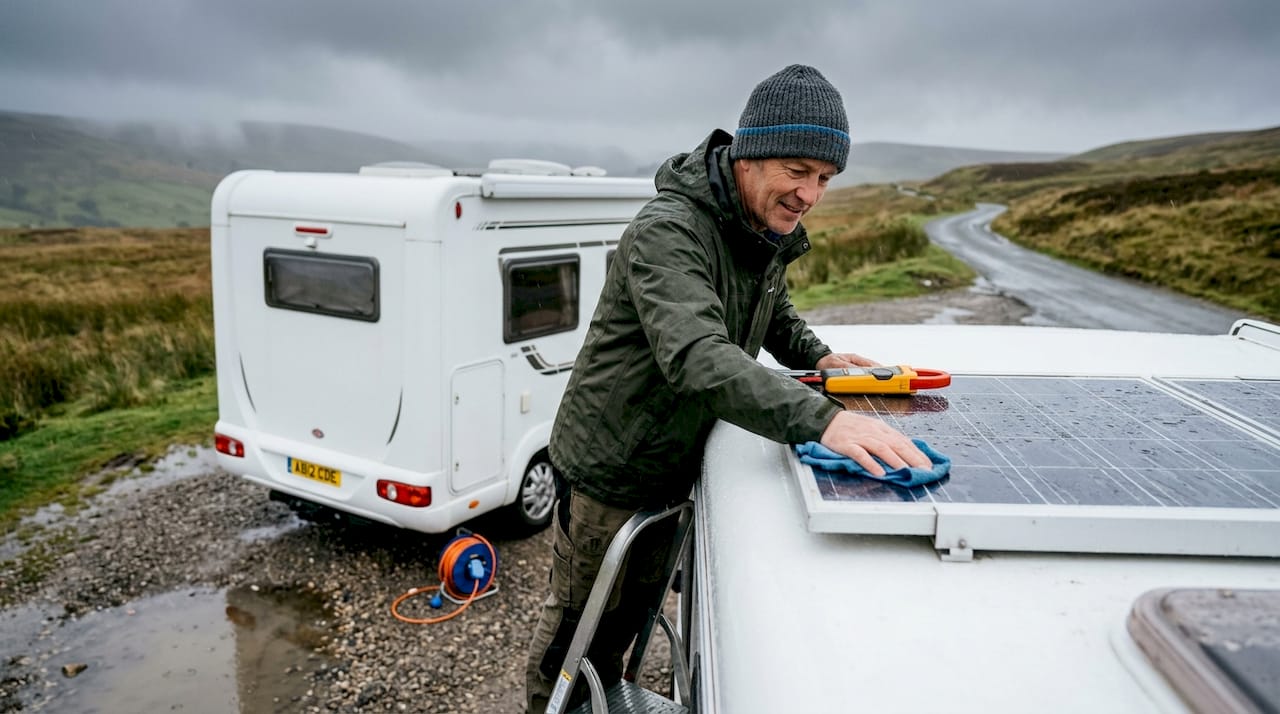
UK solar conditions vary significantly by season. December and January can yield as little as 0.5-1.5 peak sun hours per day, while June and July regularly deliver 5-6 hours. Your system must be sized for the worst months if you want year-round independence.
Panel and controller selection checklist:
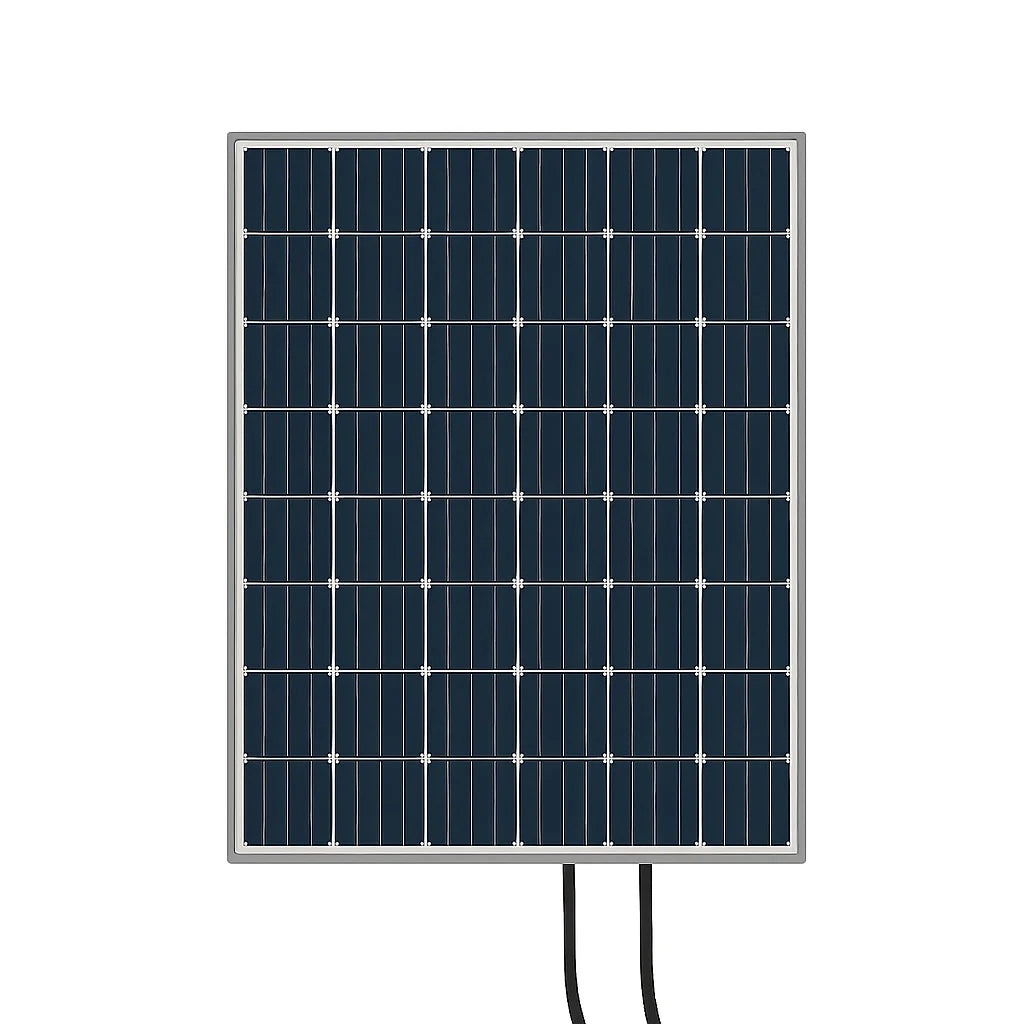
- Choose rigid monocrystalline panels for maximum efficiency and long-term durability
- Use an MPPT charge controller to extract power in low-light and overcast conditions
- Wire panels in parallel rather than series to minimise losses from partial shading or cloud cover
- Mount panels flush to the roof and keep cables short to reduce resistance losses
| Month | Avg peak sun hours (UK) | Output: 300W array | Output: 400W array |
|---|---|---|---|
| January | 1.0 | 300 Wh | 400 Wh |
| April | 3.5 | 1,050 Wh | 1,400 Wh |
| July | 5.5 | 1,650 Wh | 2,200 Wh |
| October | 2.0 | 600 Wh | 800 Wh |
The data above makes clear why winter charging from solar alone is insufficient for most setups. To install 200-400W rigid solar panels with an MPPT controller, wired in parallel, is the recommended baseline for UK conditions.
For detailed guidance on panel selection and roof layouts, the solar panel sizing guide is a practical starting point. Updated solar setup tips for 2026 cover the latest component recommendations. A step-by-step solar setup guide for UK campervans covers wiring and mounting in detail. For a direct comparison of panel types, rigid vs flexible panels is a useful external reference.
Pro Tip: Install 300W or more if you want meaningful year-round solar contribution. Below 200W, winter output is rarely enough to offset daily consumption, making backup charging essential.
Backup charging: multi-source strategies
Even the best solar and battery bank can fall short during a run of cloudy days or in the depths of winter. That is why backup charging is essential.
Backup charging options, ranked by practicality:
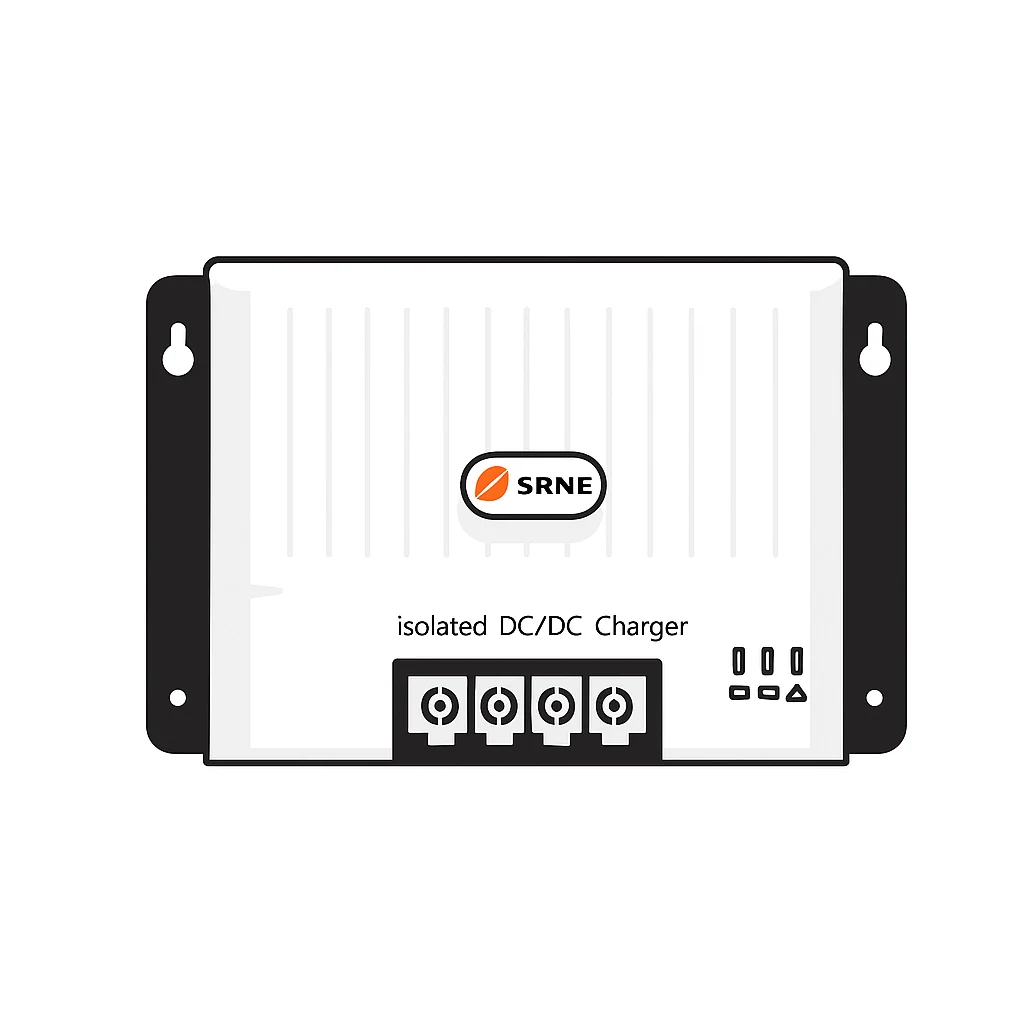
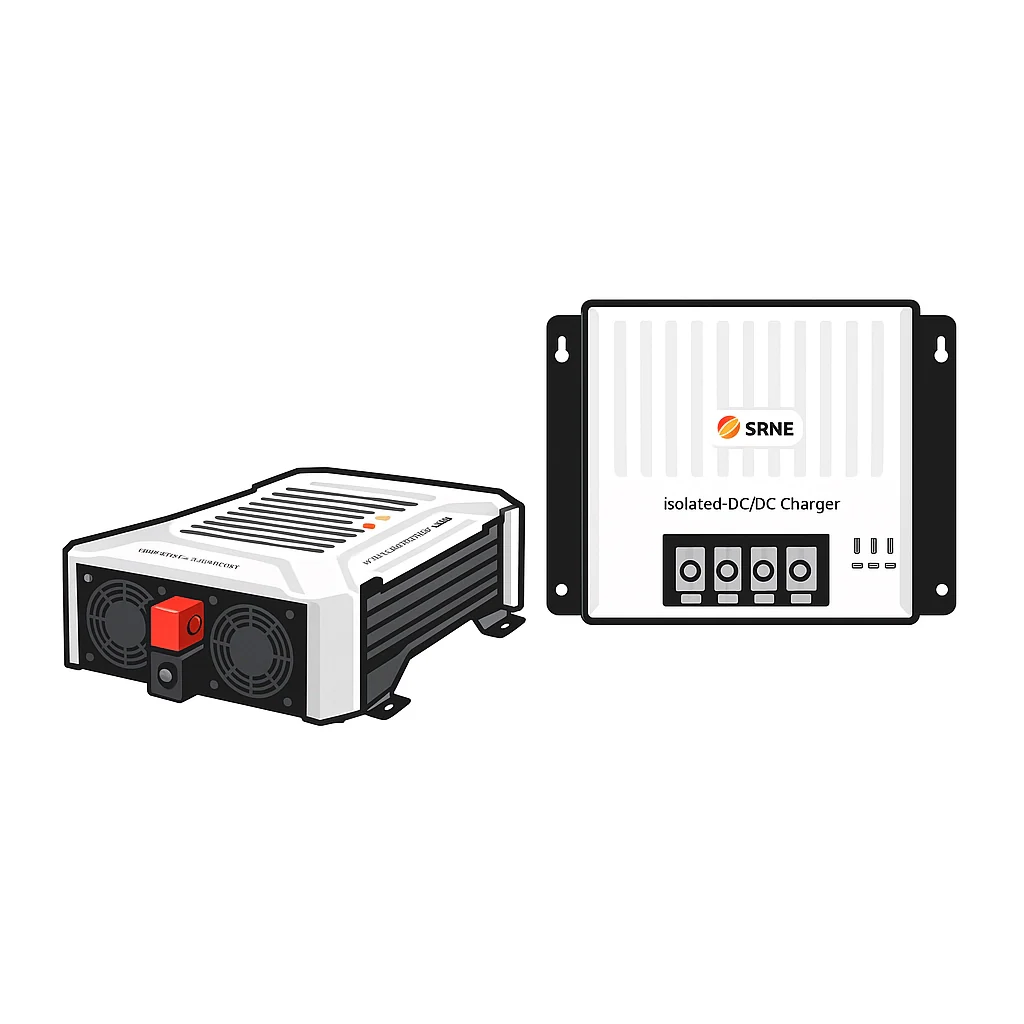
- DC-DC charger (B2B charger): Draws from the vehicle alternator while driving. Delivers a controlled, high-current charge to your leisure bank. Ideal for topping up on travel days.
- Shore power hookup: Connects to a campsite 240V supply via a mains charger or inverter-charger. Fast, reliable, and the best option for extended stays with hookup available.
- Portable generator: Provides 240V output anywhere. Useful in emergencies or for extended off-grid stays in winter. Noisy and requires fuel management.
- Wind turbine (small roof-mounted): Niche option for exposed coastal or highland sites. Low output but complements solar in windy conditions.
UK winter solar output drops by approximately 70% compared to summer peak, leaving solar alone unable to meet typical daily demand from November through February. A multi-source approach is not optional for winter travellers; it is a baseline requirement.
For a clear workflow showing how these sources interact, the solar charging workflow tutorial is directly relevant. Practical solar charging tips for UK owners cover real-world scenarios in more detail. For alternator and inverter sizing guidance, campervan electrics explained is a solid external reference.
Cold temperatures reduce battery capacity and can affect charge acceptance. In winter, keep your battery bank insulated and avoid parking in exposed locations where overnight temperatures drop below freezing for extended periods.
A note on inverters: Size your pure sine wave inverter carefully. Running high-draw 240V appliances such as kettles or hair dryers off-grid rapidly depletes your battery bank. A 2,000W kettle running for 3 minutes draws roughly 100 Wh, which is a meaningful fraction of a smaller bank.
The overlooked truth: why single-source power fails UK motorhomers
There is a persistent belief among new motorhome owners that a large enough solar array solves everything. It does not, at least not in the UK.
The appeal is understandable. Solar is silent, requires no fuel, and works automatically. But the UK’s weather variability means that no single source solar is sufficient; multi-source charging is essential for reliable operation given the country’s weather patterns.
We see this play out repeatedly. Owners invest in 400W of solar, a quality MPPT controller, and a solid lithium bank, then find themselves stranded in Scotland in November with flat batteries after four consecutive overcast days. The solar simply cannot keep pace with consumption when peak sun hours drop below one per day.
The essential solar checklist for UK leisure vehicles highlights this gap clearly. The fix is straightforward: install a DC-DC charger alongside your solar from day one. Add shore power capability if budget allows. The combined cost of these additions is modest relative to the total system investment, and the resilience they provide is substantial. True off-grid independence in the UK is not about having the biggest solar array. It is about having enough sources to cover the inevitable gaps.
Take your motorhome off-grid with expert electrics
Ready to tick off your own checklist and travel with confidence? Skyenergi supplies professional-grade energy systems designed specifically for UK motorhome and campervan owners.
For a high-output solar solution, the premium solar kit combining Victron panels and a Smart MPPT controller delivers reliable performance in all UK conditions. If you want a fully integrated setup, the complete electrics system includes a 3kVA inverter-charger, DC-DC charger, and monitoring in a single package. Both options are sourced directly from manufacturers and are ready to install. Shop now and build a system that works year-round.
Frequently asked questions
How do I calculate my daily power needs for my motorhome?
List each appliance, multiply its wattage by hours used per day, then add up the totals. Calculate daily energy needs this way and you will have an accurate baseline for sizing your battery bank and solar array.
Do I need lithium batteries or will AGM suffice?
Lithium is worth the premium for frequent off-grid users due to deeper discharge, lighter weight, and longer cycle life. AGM batteries are a practical and cost-effective choice for occasional weekend trips.
What’s the minimum recommended solar panel size for the UK?
A minimum of 200-300W rigid solar with an MPPT controller is recommended for reliable year-round use. Install 200-400W rigid panels if you plan to winter camp or spend extended periods off-grid.
How do I keep batteries charged during prolonged cloudy weather?
Use multi-source charging: solar as the primary source, a DC-DC charger drawing from your vehicle alternator while driving, and shore power when a campsite hookup is available.
Recommended
Prev post

UK battery safety standards 2026: new rules for leisure vehicles
Updated on 16 April 2026
Next post

Why choose off-grid power: Energy independence for UK leisure vehicles
Updated on 15 April 2026


