





Why Choose Lithium Batteries Over Lead Acid?
Why choose lithium batteries over lead acid for UK campervans? Learn about lifespan, real-world benefits, cost, and compatibility for off-grid energy independence.
Choosing the right battery can completely reshape your off-grid campervan experience. For many British travellers, the difference between lithium and lead acid batteries is more than technical details—it directly affects how long you can stay powered up, how much weight you carry, and how far your adventures can take you. By comparing the core battery differences, you’ll learn why lithium technology is quickly becoming the top choice for energy independence and efficient power on the move.
Table of Contents
- Lithium Vs Lead Acid: Core Battery Differences
- Types Of Leisure Batteries For Campervans
- How Lithium Technology Enhances Off-Grid Use
- Long-Term Value: Costs, Lifespan, And Payback
- Compatibility, Safety, And Smart System Integration
- Common Concerns And Mistakes To Avoid
Key Takeaways
| Point | Details |
|---|---|
| Lithium Batteries Offer Superior Performance | Lithium batteries provide higher energy density, faster charging, and longer lifespans compared to lead acid batteries, making them more suitable for campervans. |
| Understanding Long-Term Financial Value | While lithium batteries have a higher initial cost, their longevity and reduced maintenance lead to lower overall lifecycle expenses, providing better long-term value. |
| Importance of Proper System Integration | Safe and efficient lithium battery use requires advanced battery management systems for voltage regulation and temperature control, emphasising the need for professional installation. |
| Awareness of Common Mistakes | Campervan owners should avoid common pitfalls such as improper charging practices and overlooking thermal management to maximise lithium battery performance and longevity. |
Lithium vs Lead Acid: Core Battery Differences
The landscape of battery technology has dramatically transformed in recent years, with lithium batteries emerging as a superior alternative to traditional lead acid batteries. Understanding their fundamental differences is crucial for campervan owners seeking reliable, efficient energy storage solutions.
Lithium batteries represent a significant technological leap, offering substantially different electrochemical performance compared to lead acid batteries. Advanced battery design enables lithium technologies to provide numerous advantages across several critical parameters:
- Higher energy density
- Faster charging capabilities
- Longer operational lifespan
- Reduced weight
- More consistent voltage delivery
- Superior depth of discharge performance
Traditional lead acid batteries operate through chemical reactions between lead plates and sulfuric acid, a technology that has remained relatively unchanged for decades. In contrast, lithium-ion batteries leverage sophisticated ion movement between anodes and cathodes, creating a more dynamic and efficient energy storage mechanism.
Lithium batteries can store more energy in a smaller, lighter package - a game-changing advantage for mobile applications like campervans.
Key performance metrics demonstrate the substantial differences between these battery technologies. Lithium batteries typically achieve:
- 80-90% depth of discharge compared to lead acid’s 50-60%
- 2-3 times longer operational lifespan
- Significantly reduced charging times
- Minimal performance degradation across charge cycles
Charging efficiency is another critical distinguishing factor. Lithium technology maintains superior voltage during discharge, ensuring more stable and predictable power delivery for campervan electrical systems.
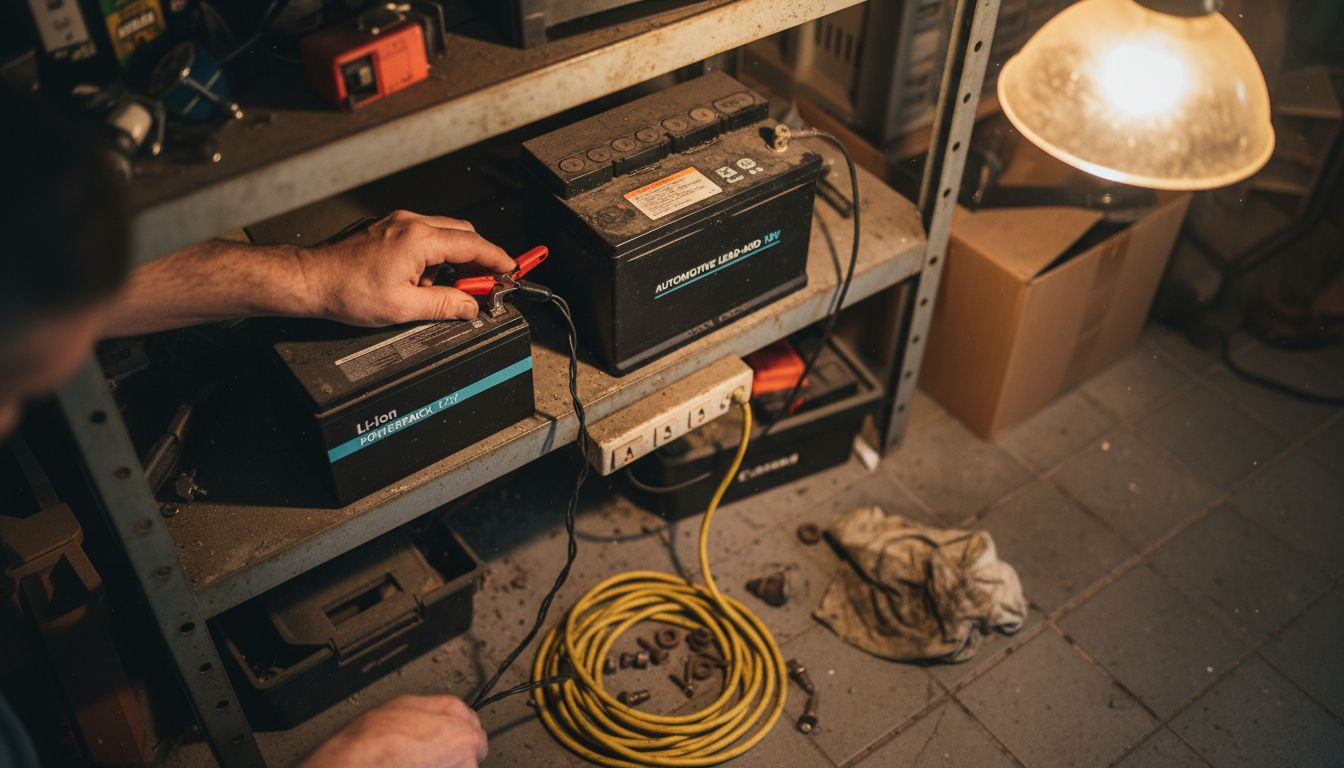
Here is a concise comparison of lithium and lead acid batteries for campervan use:
| Key Characteristic | Lithium Battery | Lead Acid Battery |
|---|---|---|
| Typical Weight (100Ah unit) | 10-13 kg | 25-30 kg |
| Expected Lifespan (cycles) | 2,000–5,000 | 400–1,000 |
| Maintenance Requirement | No maintenance needed | Regular checks and topping up |
| Usable Capacity (% of total) | 80–90% | 50–60% |
| Volumetric Energy Density | High, compact size | Lower, bulkier form |
| Performance in Cold Weather | Stable with heating management | Performance drops below 0°C |
Pro tip: When upgrading battery systems, consider total lifecycle costs rather than just initial purchase price - lithium’s longer lifespan often provides better long-term value.
Types of Leisure Batteries for Campervans
Campervan owners have several leisure battery options, each with unique characteristics designed to meet different power requirements and budgetary constraints. Leisure battery technologies range from traditional lead-acid designs to modern lithium-ion solutions, offering campers increasingly sophisticated energy storage capabilities.
Traditional leisure battery types include:
-
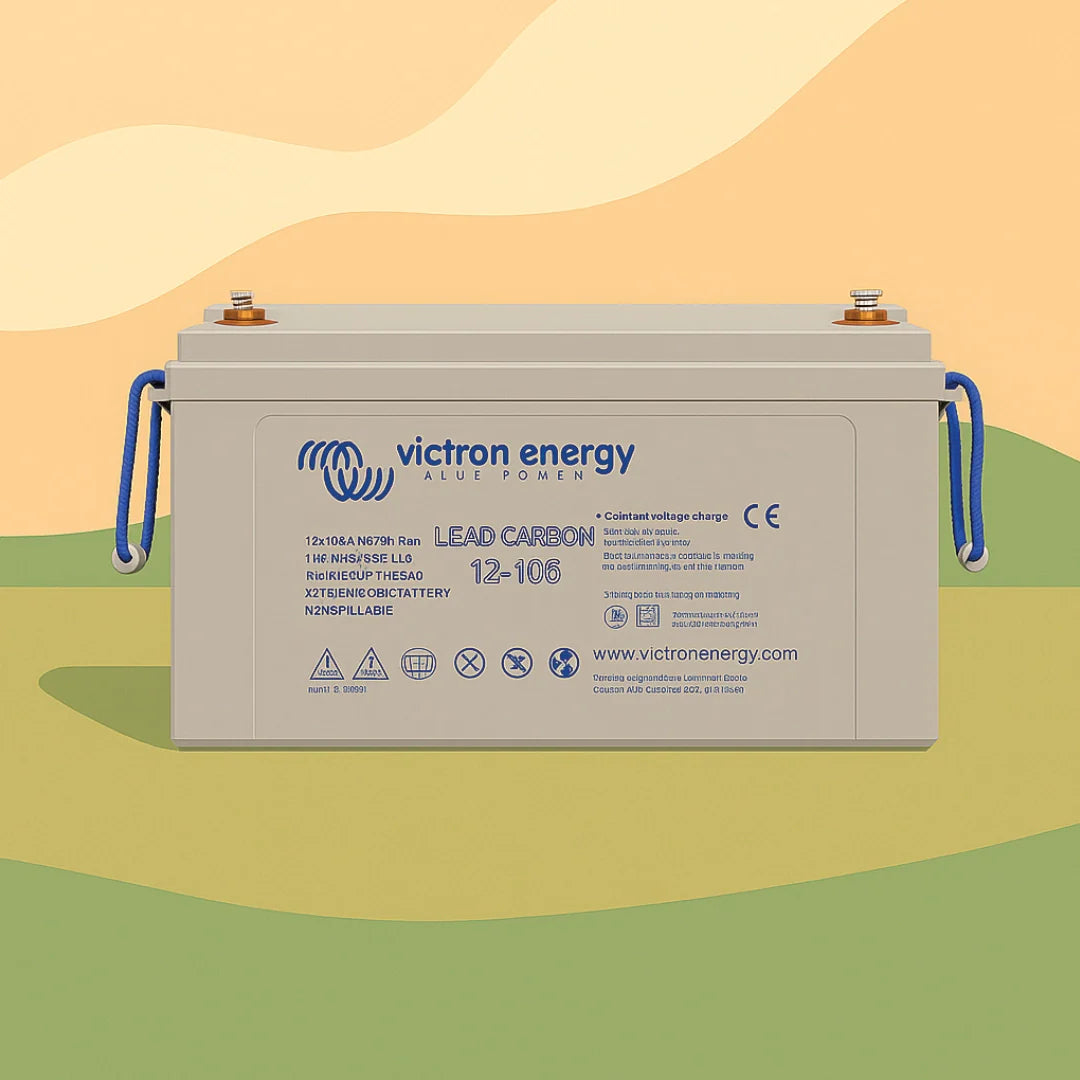
Lead-acid batteries
- Flooded lead-acid
- Sealed maintenance-free
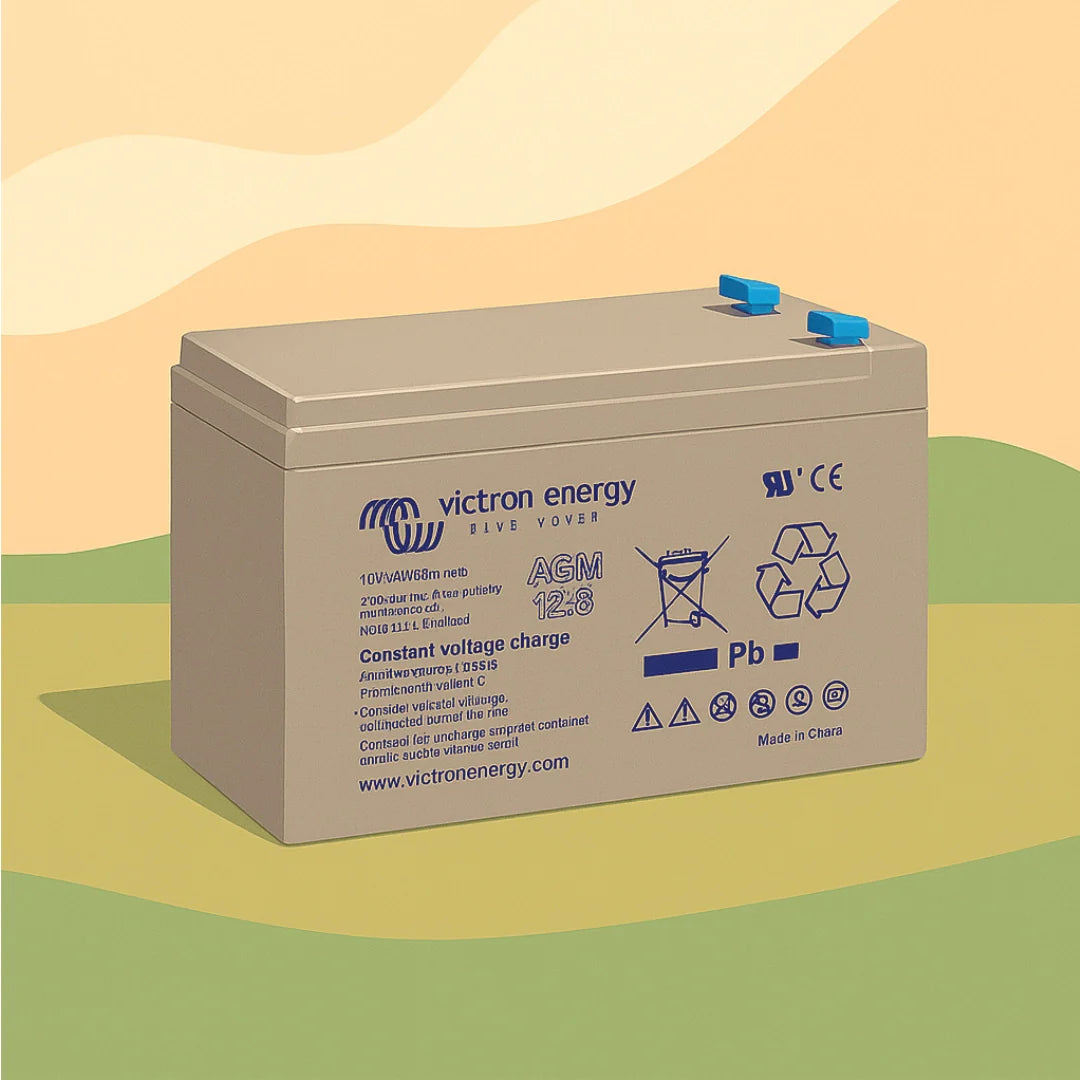
- Absorbent Glass Mat (AGM) batteries
- Gel batteries
- Lithium-ion batteries
Each battery type presents distinct advantages and limitations for campervan applications. Lead-acid batteries remain popular due to lower initial costs and established reliability, while lithium-ion batteries represent the cutting-edge of mobile power storage technology.
The following table summarises leisure battery types and ideal campervan uses:
| Battery Type | Ideal Application | Drawbacks |
|---|---|---|
| Flooded Lead-Acid | Occasional, low-cost setups | Heavy, needs maintenance |
| AGM | Moderate/off-grid use, vibration | Less capacity than lithium |
| Gel | Sensitive equipment, steady loads | Poor high-current performance |
| Lithium (LiFePO4) | Frequent travel, solar, long trips | Higher upfront cost |
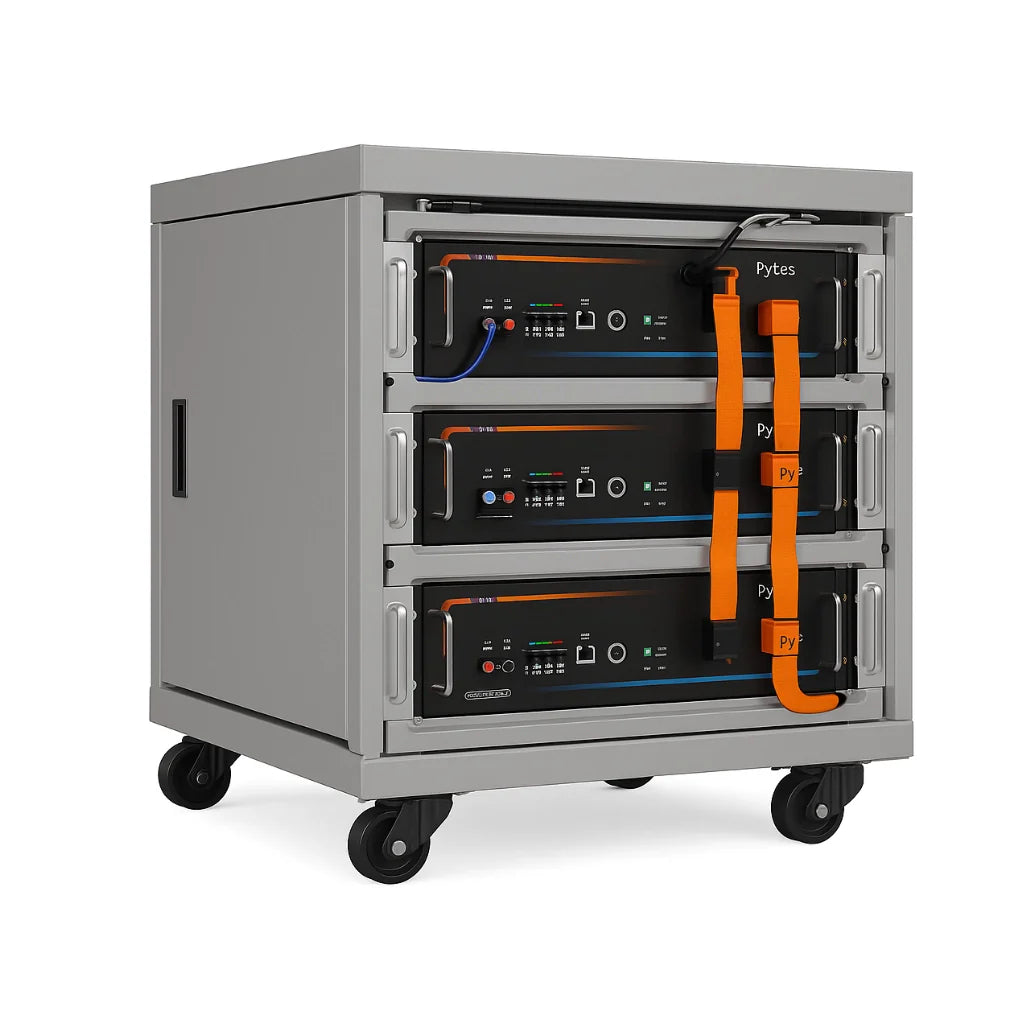
Lithium batteries provide superior performance for modern campervan electrical systems, delivering more energy in a significantly lighter package.
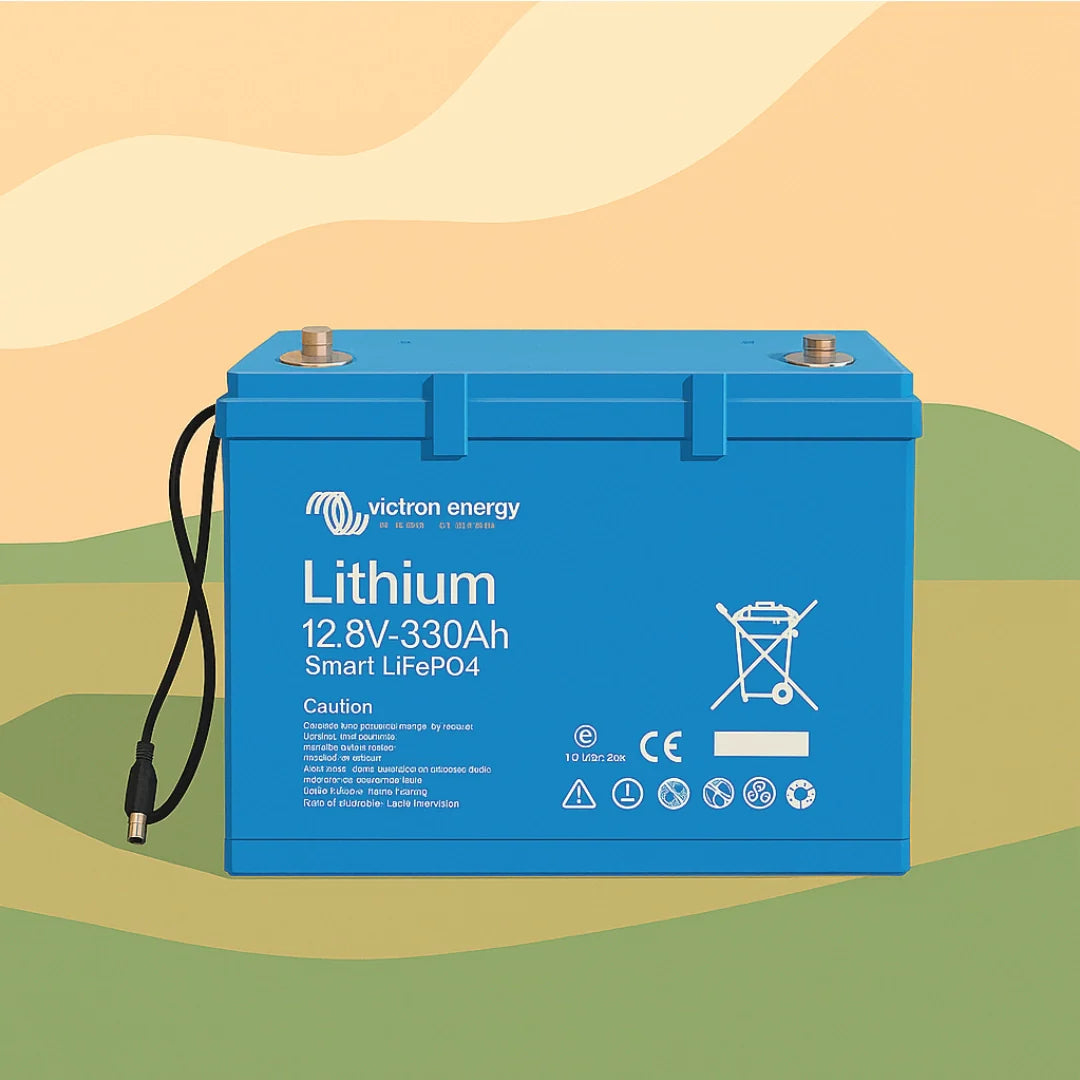
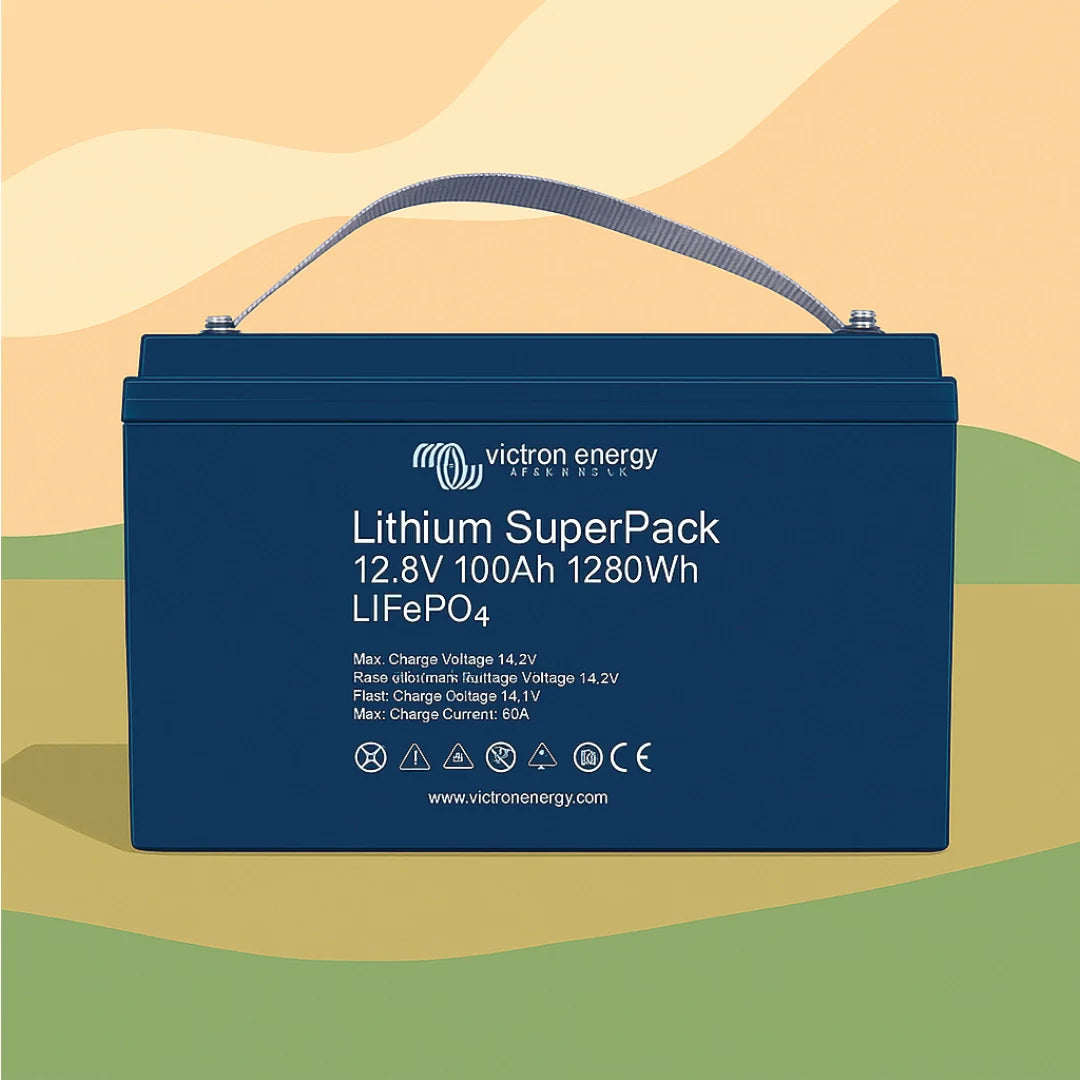
Lithium-ion batteries, particularly Lithium Iron Phosphate (LiFePO4) variants, offer remarkable benefits for campervan owners:
- Longer operational lifespan
- Higher depth of discharge capabilities
- Faster charging times
- Reduced overall weight
- More consistent power delivery
Campervan battery installations require careful consideration of electrical load, wiring regulations, and specific usage requirements. British Standard BS 7671 provides essential guidelines for safe and compliant electrical system design.
Pro tip: Calculate your total power consumption and battery capacity requirements before selecting a leisure battery to ensure optimal performance and longevity.
How Lithium Technology Enhances Off-Grid Use
Lithium battery technology represents a revolutionary approach to off-grid power solutions, providing campervan owners with unprecedented energy management capabilities. Battery energy storage systems have transformed how we approach portable and renewable energy, particularly in mobile living environments.
The key advantages of lithium technology for off-grid applications include:
- Exceptional energy density
- Rapid charging capabilities
- Superior depth of discharge
- Minimal performance degradation
- Lightweight and compact design
- Enhanced energy efficiency
Unlike traditional battery technologies, lithium-ion batteries excel in managing complex energy demands. They can efficiently store energy during peak production periods and release it precisely when needed, creating a dynamic and responsive power system for campervan enthusiasts.
Lithium batteries transform off-grid living from a challenge into an opportunity for true energy independence.
Modern lithium battery systems offer remarkable benefits for off-grid power management:
- Seamless integration with solar photovoltaic systems
- Significantly reduced charging times
- Extended operational lifecycle
- Consistent power output across various environmental conditions
- Intelligent energy management capabilities
Lithium-ion battery improvements are projected to revolutionise off-grid energy solutions, with experts anticipating substantial advancements in cost-effectiveness and performance by 2030.
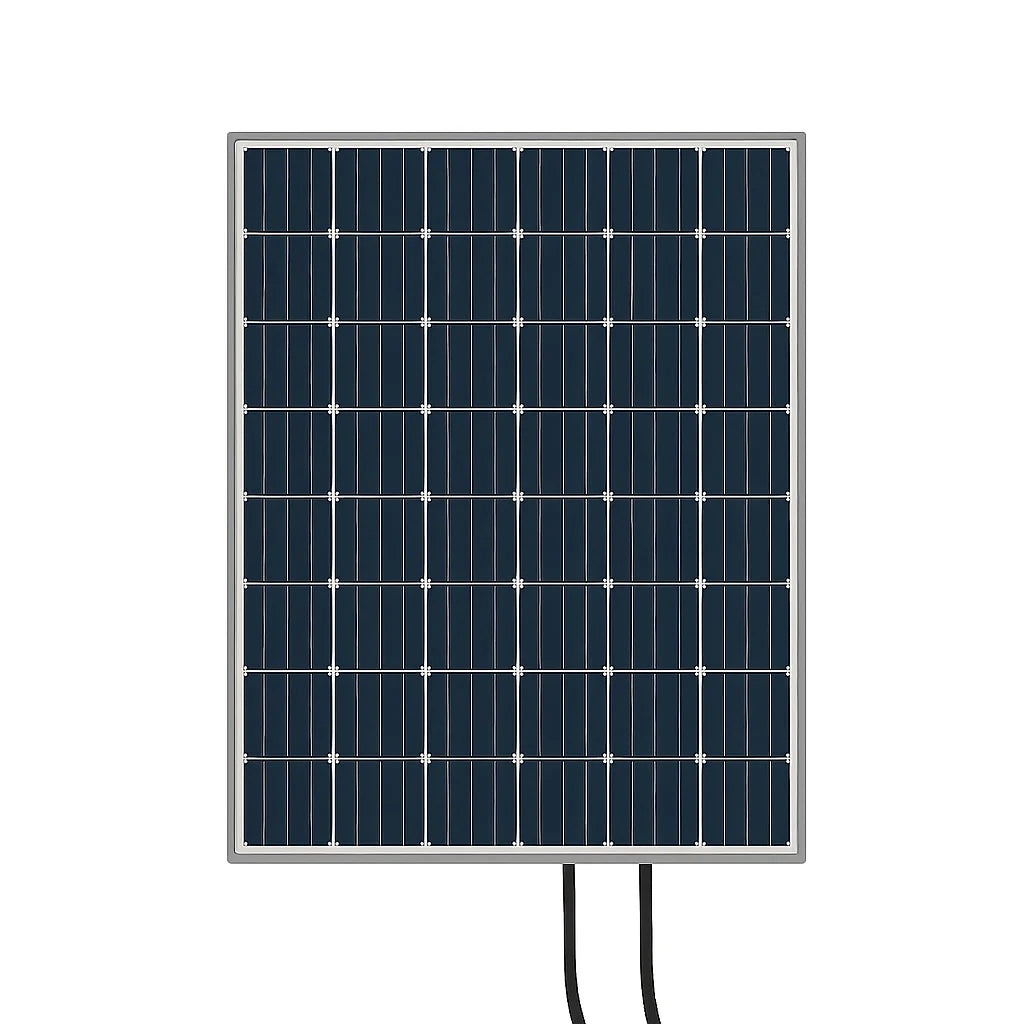
Pro tip: Consider pairing your lithium battery system with solar panels to maximise off-grid energy efficiency and reduce reliance on external power sources.
Long-Term Value: Costs, Lifespan, and Payback
Understanding the financial implications of battery technology goes far beyond initial purchase price. Lithium-ion battery economics reveal a compelling long-term value proposition that challenges traditional cost assumptions about energy storage solutions.
Key financial considerations for lithium batteries include:
- Higher upfront investment
- Significantly reduced replacement frequency
- Lower maintenance requirements
- Extended operational lifecycle
- Greater energy efficiency
- Reduced long-term operational costs
Compared to lead-acid batteries, lithium technologies demonstrate substantial economic advantages. While the initial purchase price remains higher, the total lifecycle cost tells a different story. Most campervan owners will recover their investment through reduced replacement expenses and superior performance.
Investing in lithium battery technology is not an expense, but a strategic long-term financial decision.
Detailed cost analysis reveals remarkable financial benefits:
- 40-50% reduction in overall lifecycle expenses
- 5× longer operational cycle life
- Higher energy conversion efficiency
- Minimal performance degradation
- Lower total cost of ownership
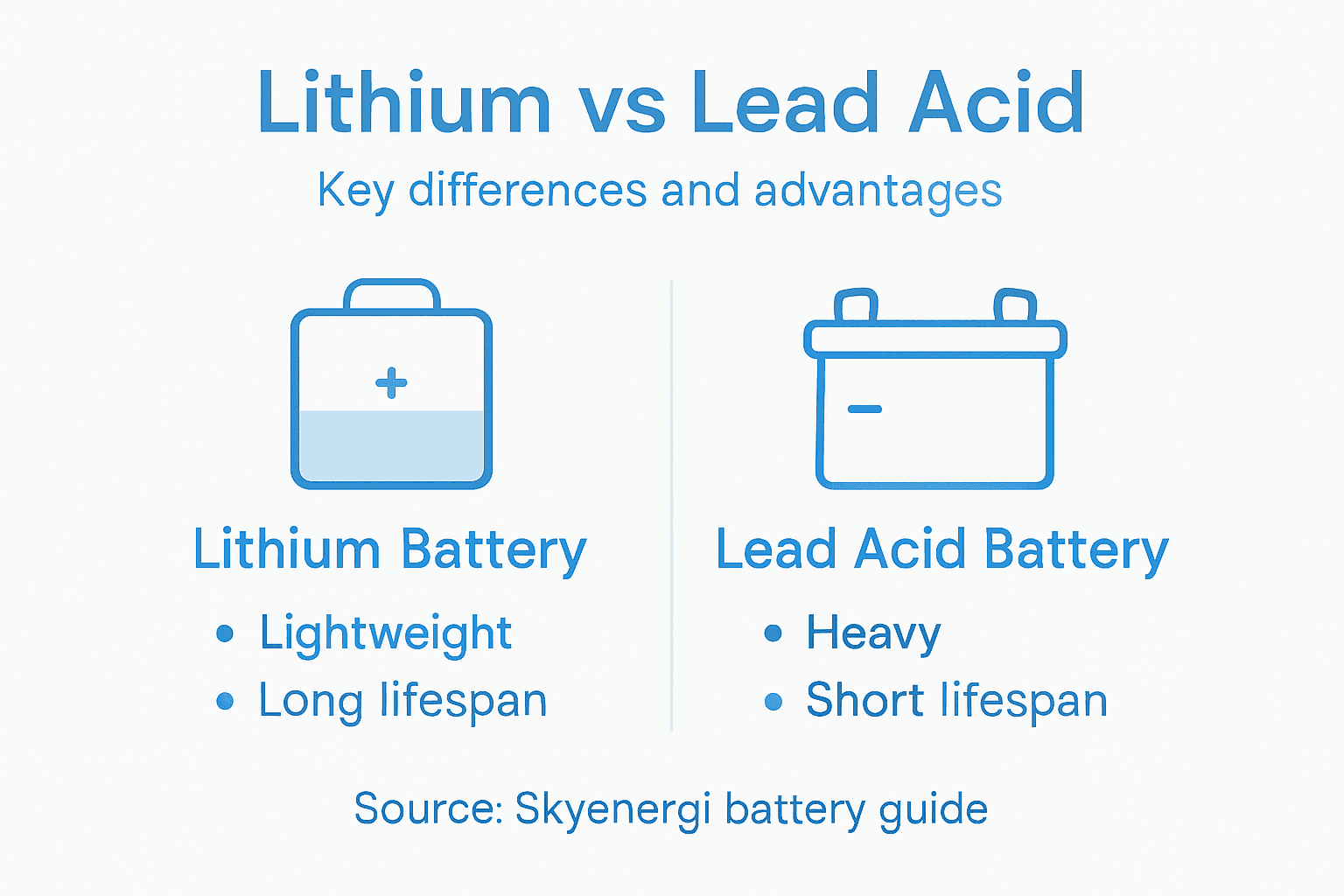
Battery technology comparisons demonstrate that lithium batteries offer three times higher energy density and significantly faster charging capabilities, translating directly into improved economic value for users.
Pro tip: Calculate your specific energy requirements and compare total lifecycle costs, not just initial purchase price, when evaluating battery investments.
Compatibility, Safety, and Smart System Integration
Battery management systems are critical for ensuring safe and efficient lithium battery performance in campervans. Isolated microgrid applications demonstrate the importance of sophisticated monitoring and control technologies for reliable energy storage.
Key safety and compatibility considerations include:
- Precise voltage regulation
- Temperature monitoring
- Overcharge prevention
- Discharge limit protection
- Thermal management
- Electrical system integration
Unlike traditional lead-acid batteries, lithium technologies require advanced electronic management to maintain optimal performance and prevent potential safety risks. These intelligent systems continuously monitor multiple parameters to ensure consistent, reliable operation.
Smart battery management transforms lithium batteries from simple energy storage devices into sophisticated, adaptive power solutions.
Critical aspects of safe lithium battery integration involve:
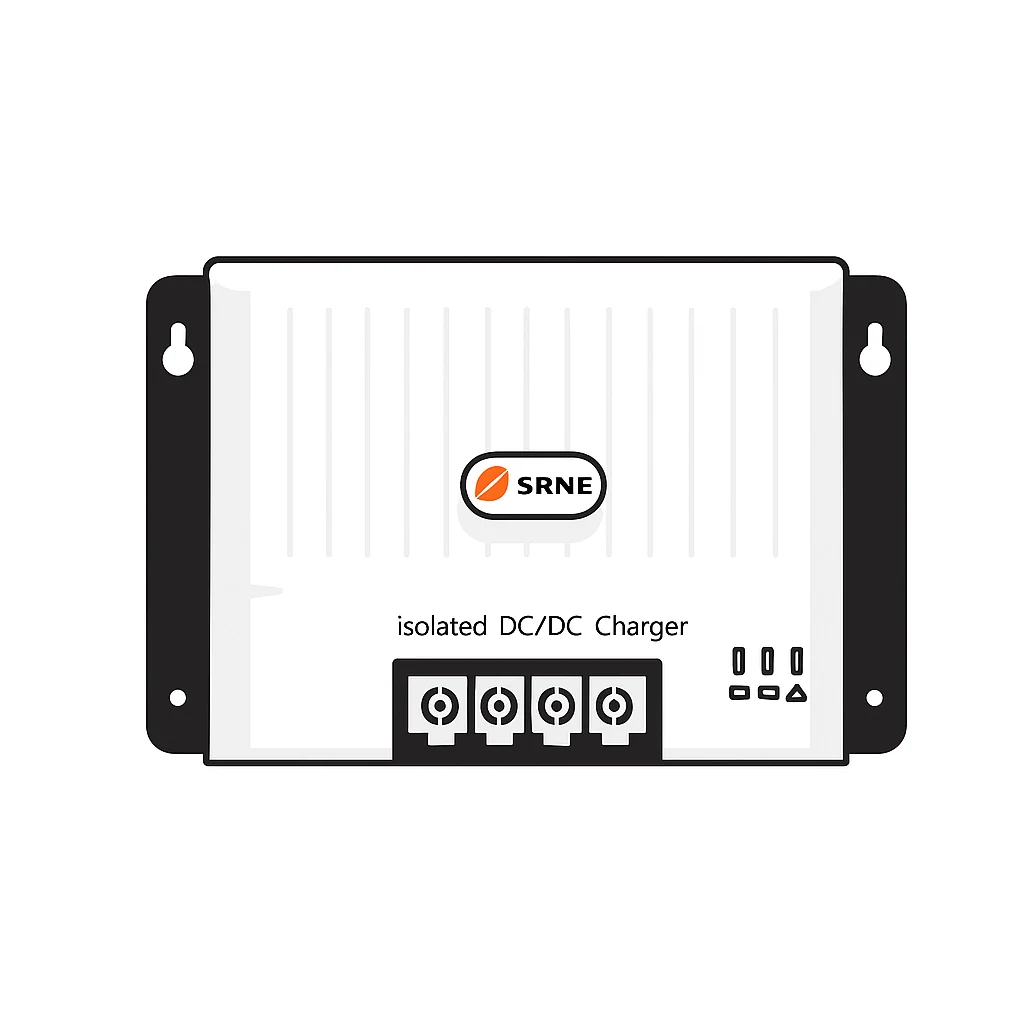
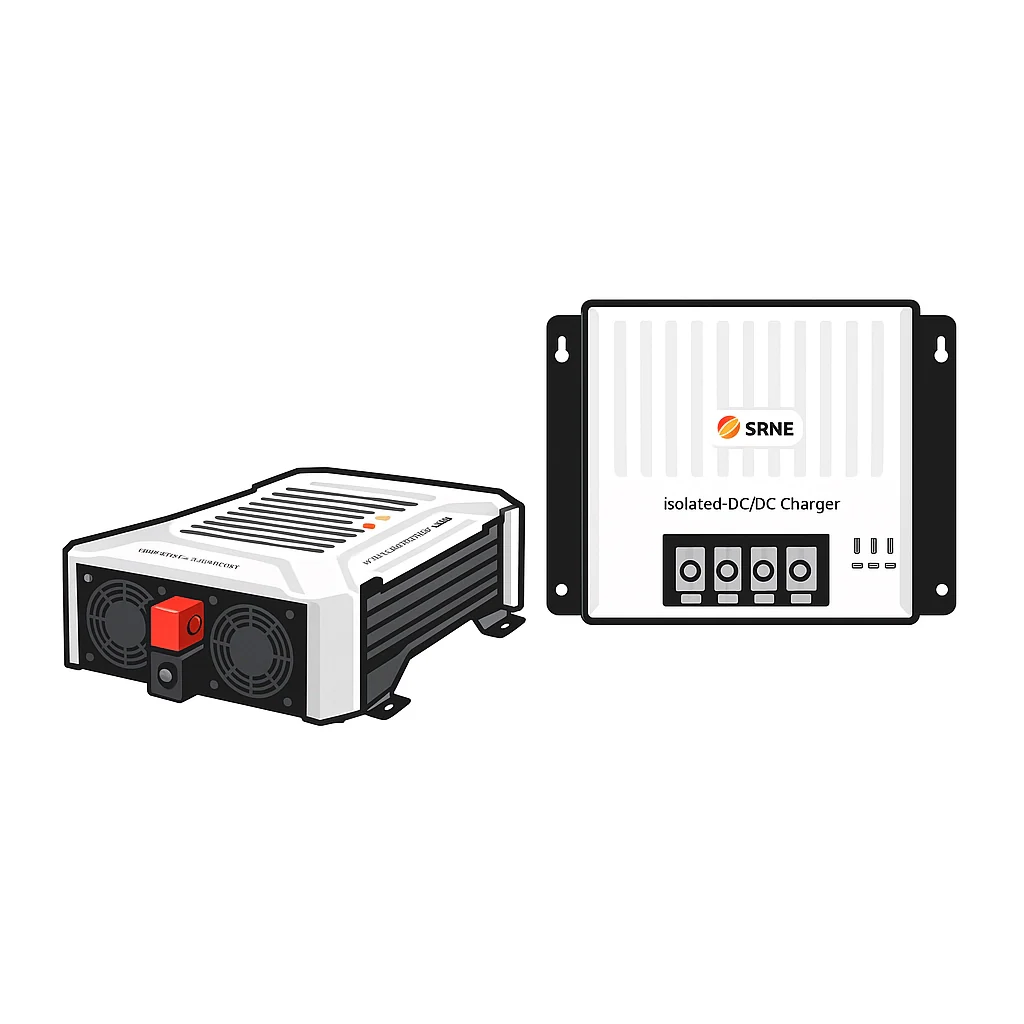
- Dedicated charge controller selection
- Proper thermal insulation
- Electrical system compatibility assessment
- Regular diagnostic monitoring
- Professional installation verification
Battery compatibility challenges highlight the complexity of mixing different battery technologies, emphasising the need for specialised knowledge and careful system design.
Pro tip: Always consult a professional installer to ensure your lithium battery system is correctly integrated and meets all safety standards.
Common Concerns and Mistakes to Avoid
Navigating the world of lithium battery technology requires understanding potential pitfalls and misconceptions that can compromise performance and safety. Campervan owners must approach lithium battery systems with careful consideration and informed decision-making.
Common mistakes campervan owners frequently make include:
- Inadequate battery management system selection
- Improper charging practices
- Overlooking thermal management
- Neglecting system compatibility checks
- Ignoring manufacturer’s specific guidelines
- Attempting DIY installations without proper knowledge
Misunderstandings about lithium battery technology can lead to significant operational and financial consequences. Many owners underestimate the complexity of these advanced energy storage systems, assuming they can be treated like traditional lead-acid batteries.
Not all battery technologies are created equal - lithium requires specialised handling and expertise.
Critical areas where campervan owners often make costly errors:
- Incorrect charging voltage settings
- Insufficient cooling and ventilation
- Mixing incompatible battery types
- Ignoring manufacturer’s depth of discharge recommendations
- Failing to implement proper monitoring systems
While no specific research link is available, understanding these potential pitfalls is crucial for maximising lithium battery performance and longevity in campervan applications.
Pro tip: Invest time in understanding your specific lithium battery system’s unique requirements and consult professional installers for tailored advice.
Discover the Smart Choice for Your Campervan Energy Needs
Choosing between lithium and lead acid batteries affects your campervan’s reliability, weight, and energy independence. If you value longer lifespan, faster charging, and greater usable capacity as explained in the article, upgrading to a high-performance lithium battery system is essential for your mobile lifestyle. Lithium technology offers peace of mind with intelligent battery management and seamless integration that keeps your power flowing efficiently.
Elevate your campervan setup today by exploring Skyenergi’s premium range of lithium leisure batteries and off-grid power solutions. With expert-engineered products featuring Bluetooth monitoring and compatibility with Victron systems, you can fully optimise your energy use on the road or at home. Visit Skyenergi to find reliable, value-driven battery solutions designed specifically for adventurers who demand dependable and lightweight power. Take control now and power your journey with confidence.
Frequently Asked Questions
What are the main advantages of lithium batteries over lead acid batteries?
Lithium batteries offer several key advantages over lead acid batteries, including higher energy density, faster charging capabilities, longer operational lifespan, reduced weight, consistent voltage delivery, and superior depth of discharge performance.
How does the lifespan of lithium batteries compare to lead acid batteries?
Lithium batteries typically have a lifespan of 2,000 to 5,000 cycles, while lead acid batteries usually last between 400 to 1,000 cycles. This means lithium batteries can outlast lead acid significantly, making them a more cost-effective option over time.
What is the depth of discharge performance for lithium and lead acid batteries?
Lithium batteries can safely achieve a depth of discharge of 80-90%, whereas lead acid batteries are generally limited to 50-60%. This means lithium batteries can use a greater portion of their stored energy without degrading their lifespan.
Are there any special considerations for maintaining lithium batteries compared to lead acid batteries?
Lithium batteries require minimal maintenance compared to lead acid batteries, which need regular checks and topping up of fluid levels. However, lithium systems do rely on integrated battery management systems to ensure safety and optimal performance, requiring awareness of proper usage and installation practices.
Recommended
- What Is a Lithium Leisure Battery and Why It Matters – Skyenergi
- 7 Key Benefits of Lithium Batteries for Off-Grid Living – Skyenergi
- Why Lithium Batteries Matter for UK Boats – Skyenergi
- Advantages and Disadvantage of Lithium Batteries – Skyenergi
- 6 Soorten thuisbatterijen uitgelegd voor veilig energiegebruik – Holland Electric Duurzaam
Prev post

Role of Battery Capacity – Powering Off-Grid Adventures
Updated on 06 February 2026
Next post

Why Use Battery Management Systems for Off-Grid Energy
Updated on 04 February 2026


