





What is energy storage for campervans: a 2026 UK guide
Discover what energy storage means for UK campervans in 2026. Compare lithium vs AGM batteries, optimise solar charging, and design safe off-grid systems.
Many campervan owners believe that adding solar panels alone will deliver complete off-grid freedom, but energy storage is the real foundation of reliable power independence. Without proper battery systems and charging integration, even the best solar setup falls short during cloudy UK winters or overnight use. This guide clarifies what energy storage truly means for campervans in 2026, comparing lithium iron phosphate and AGM batteries, explaining solar and alternator charging best practices, and helping you design safe, efficient systems tailored to UK conditions and regulations.
Table of Contents
- Understanding Energy Storage Basics In Campervans
- Comparing Lithium Iron Phosphate And Agm Batteries For Campervan Use
- Optimising Charger And Solar Panel Setups For Uk Campervans
- Designing A Reliable And Safe Energy Storage System For Your Campervan
- Explore Complete Energy Storage Solutions At Skyenergi
Key takeaways
| Point | Details |
|---|---|
| Energy storage is crucial for off-grid living | Batteries store electricity from solar panels, alternators, and hook-ups to provide power when generation stops. |
| Lithium iron phosphate outperforms AGM | LiFePO₄ batteries offer 80-90% usable capacity, 2000+ cycles, and half the weight of AGM equivalents. |
| Solar panels provide variable UK charging | 200-300W panels suit most UK campervans, but winter output drops significantly compared to summer. |
| Balanced systems achieve best independence | Combining batteries, solar panels, and alternator charging ensures continuous reliable power off-grid. |
Understanding energy storage basics in campervans
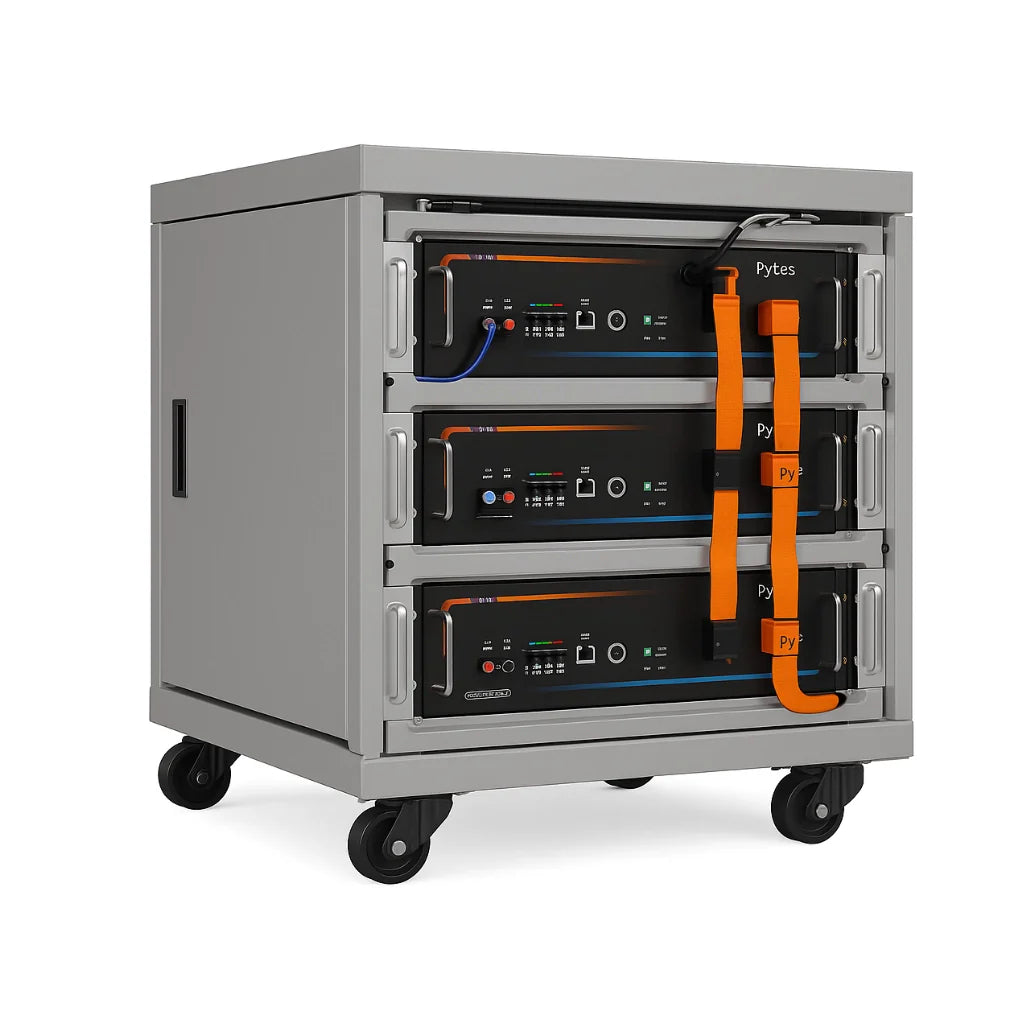
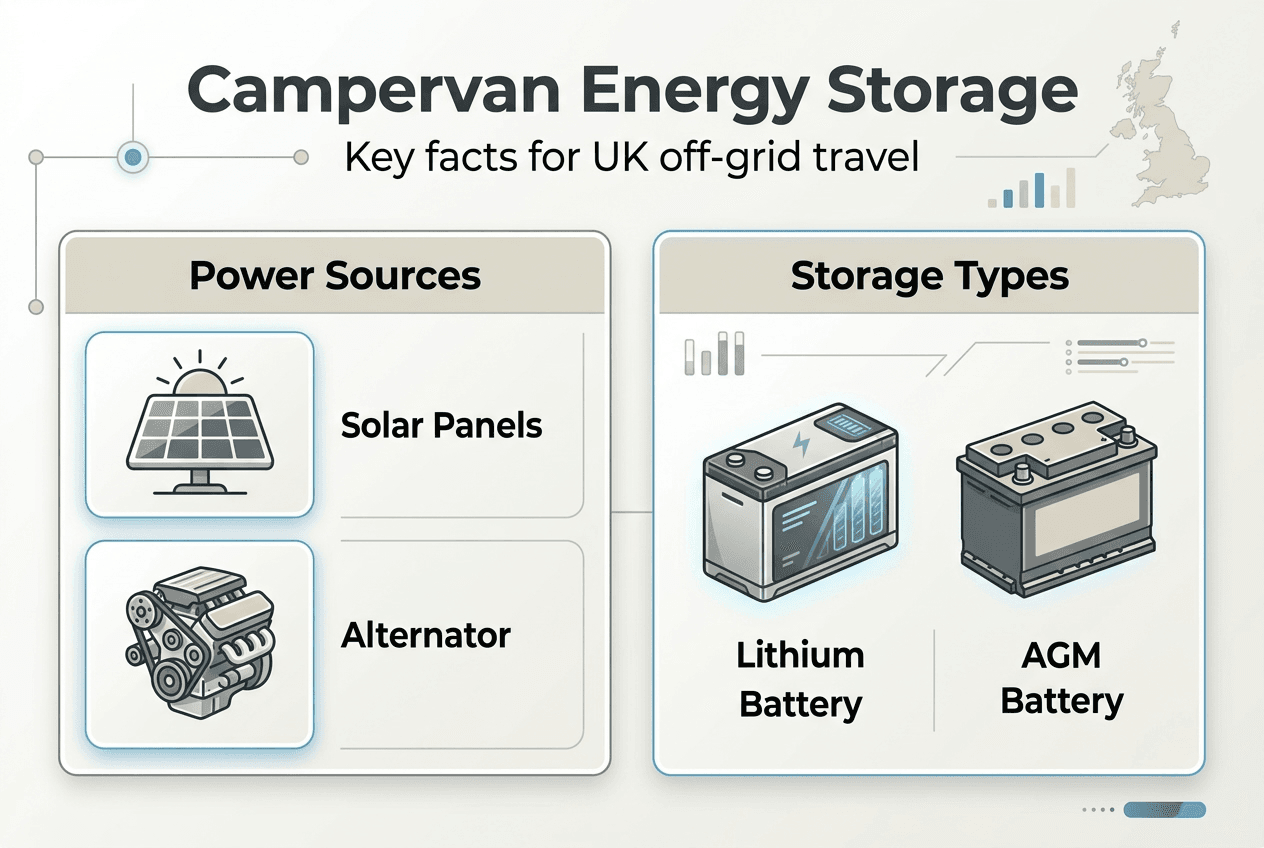
Energy storage in campervans refers to the capacity to collect and hold electrical energy for later use, primarily through batteries that store electricity from solar panels, alternators, or electric hook-ups. Unlike grid-connected homes with constant power supply, campervans rely entirely on stored energy to run lights, fridges, water pumps, and electronics when parked off-grid. Solar works best as part of a balanced system, alongside battery storage and alternator charging, rather than as a standalone solution.
Solar panels slowly recharge batteries while parked in daylight, but batteries provide the actual power when solar generation is insufficient during cloudy weather, mornings, evenings, and overnight. Alternator charging while driving acts as a backup to keep batteries topped up, especially during winter months when solar output drops dramatically. A balanced energy system integrates all three components, batteries, solar panels, and alternator charging, to deliver continuous power regardless of weather or driving patterns.
Critical considerations for what is energy storage campervans include:
- Battery capacity measured in amp-hours (Ah) determines total energy available
- Usable capacity varies by battery chemistry, with lithium offering 80-90% versus AGM’s 50%
- Charging methods must match battery chemistry to avoid damage and maximise lifespan
- Energy demand estimation based on appliances, usage patterns, and seasonal variations
- System integration ensuring chargers, inverters, and batteries work together safely
Understanding that being off-grid doesn’t mean unlimited electricity but rather not needing to plug in every night helps set realistic expectations. You must balance energy generation, storage capacity, and consumption to maintain reliable power without constantly seeking electric hook-ups or running the engine.
Comparing lithium iron phosphate and AGM batteries for campervan use
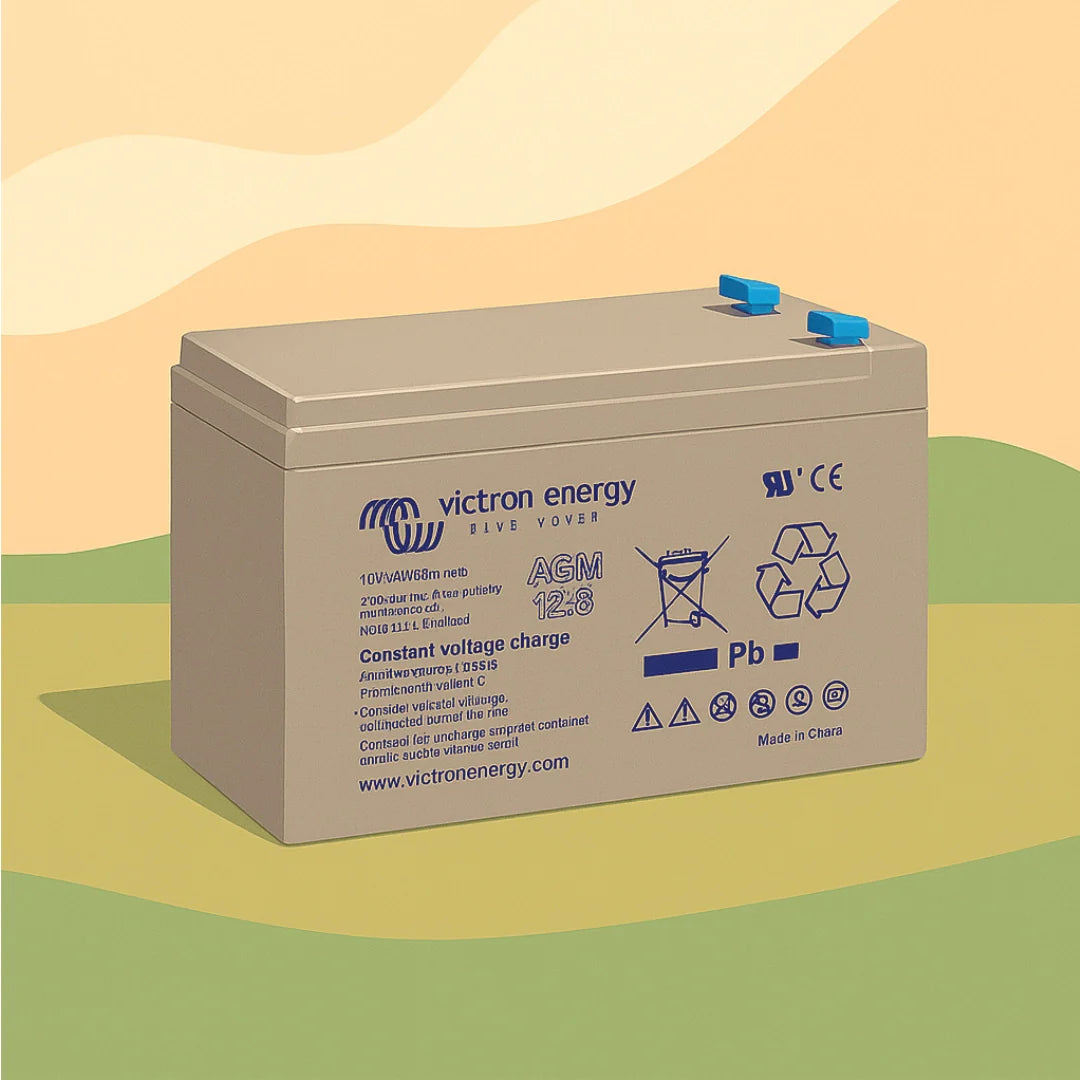
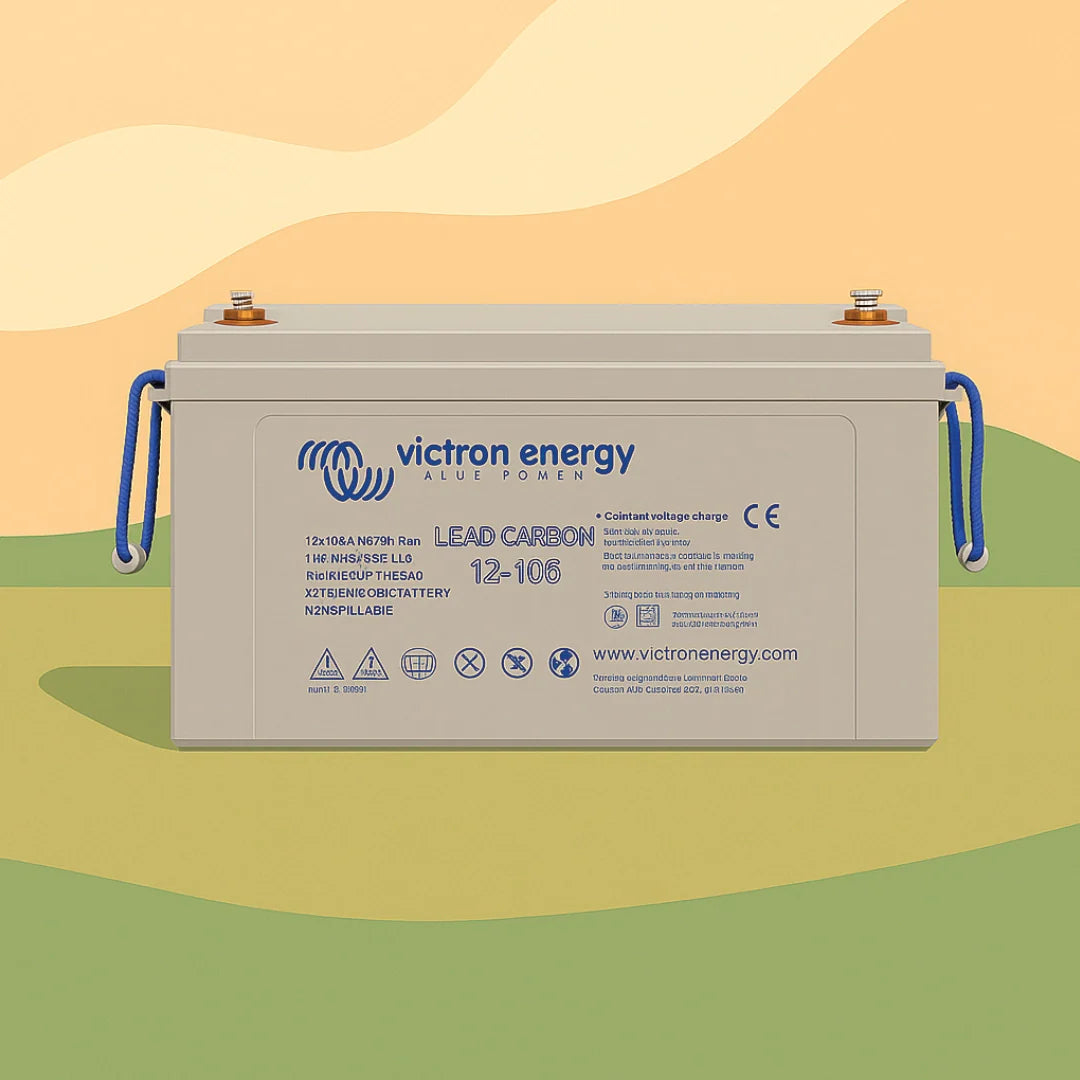
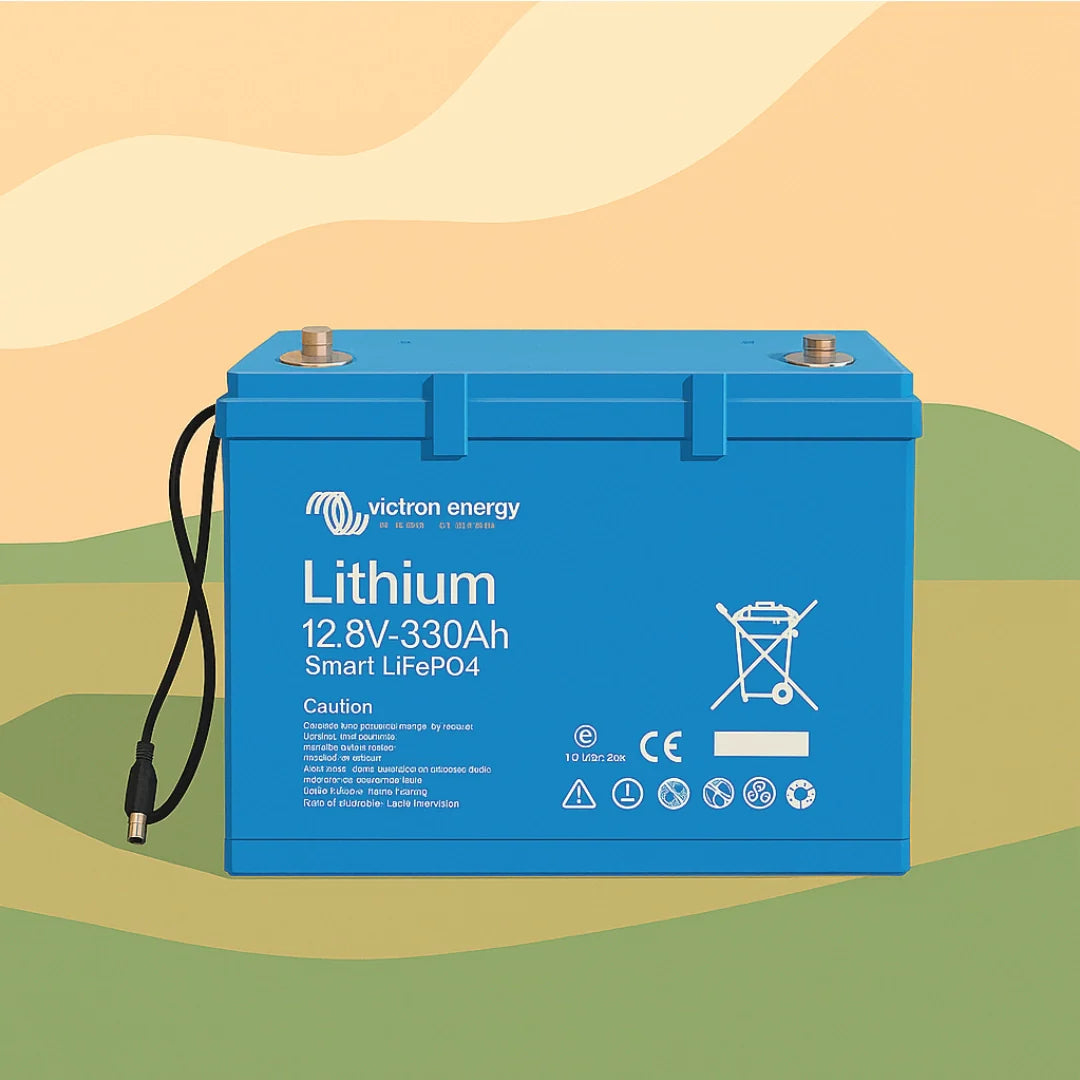
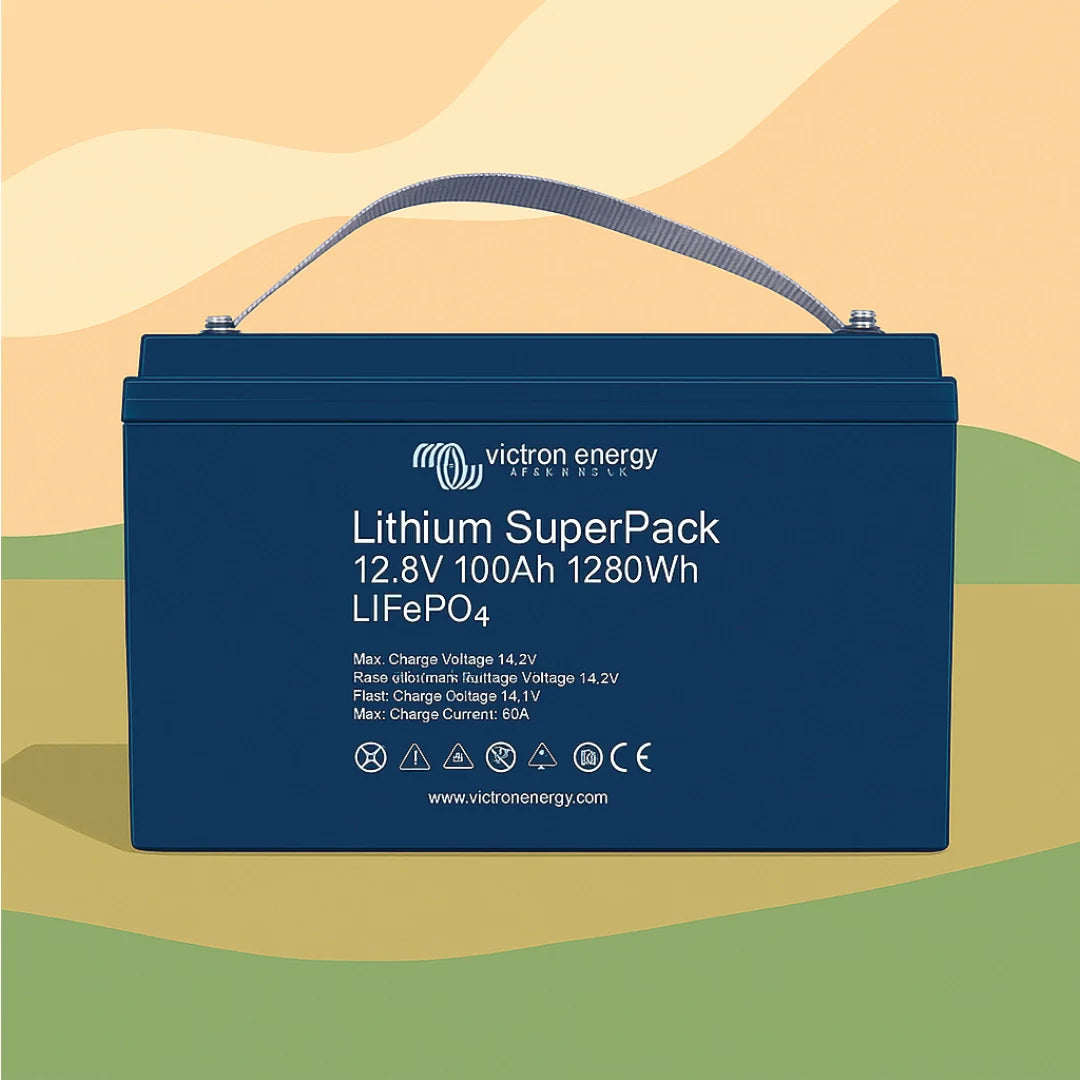
Choosing between lithium iron phosphate (LiFePO₄) and AGM batteries significantly impacts your campervan’s energy storage performance, cost, and reliability. LiFePO₄ batteries offer 80-90% usable capacity, a longer cycle life of 2000+ cycles at 80% depth of discharge, and are lighter than AGM batteries. In contrast, AGM batteries provide only 50% usable capacity to avoid damage, cycle 300-500 times, and weigh roughly double for equivalent usable power.
| Feature | Lithium Iron Phosphate | AGM | | — | — | | Usable capacity | 80-90% of rated Ah | 50% of rated Ah | | Cycle life at 80% DoD | 2000-5000 cycles | 300-500 cycles | | Weight for 100Ah usable | ~12-15 kg | ~25-30 kg | | Cost per usable Ah | Lower long-term | Higher long-term | | Charge efficiency | 95-98% | 80-85% | | Cold charging protection | Often built-in BMS | Not applicable |
Cost per usable Ah now conclusively favours lithium leisure batteries over any other chemistry when calculating total cost of ownership. Although lithium batteries cost more upfront, their incredible service lives, 3-10x longer than AGM, result in better long-term value. A 200Ah lithium battery delivering 160Ah usable capacity replaces a 320Ah AGM bank delivering the same usable power, whilst weighing half as much and lasting years longer.
Lithium batteries often include advanced features such as battery management systems (BMS), Bluetooth monitoring, and cold charge protection that prevent damage when temperatures drop below freezing. These intelligent systems disconnect charging automatically when conditions risk battery damage, protecting your investment without manual intervention. AGM batteries lack these protections and require careful manual management to avoid over-discharge or charging issues.
Pro Tip: Never treat lithium batteries as simple AGM drop-in replacements. Correct charging profiles, proper wiring, appropriate fusing, and compatible chargers are crucial for safety and longevity. Using AGM-configured chargers on lithium batteries can cause undercharging, reduced capacity, or even safety risks.
Key performance advantages of lithium vs agm what s best for campervans include:
- Nearly double usable capacity at similar rated sizes
- Consistent voltage output until nearly depleted, maintaining appliance performance
- Faster charging acceptance, reducing generator or alternator runtime
- No memory effect, allowing partial charges without degradation
- Maintenance-free operation with no water topping or equalisation needed
For UK campervan owners prioritising weight savings, extended off-grid capability, and long-term reliability, agm vs lithium batteries uk comparisons consistently favour lithium iron phosphate technology despite higher initial investment.
Optimising charger and solar panel setups for UK campervans
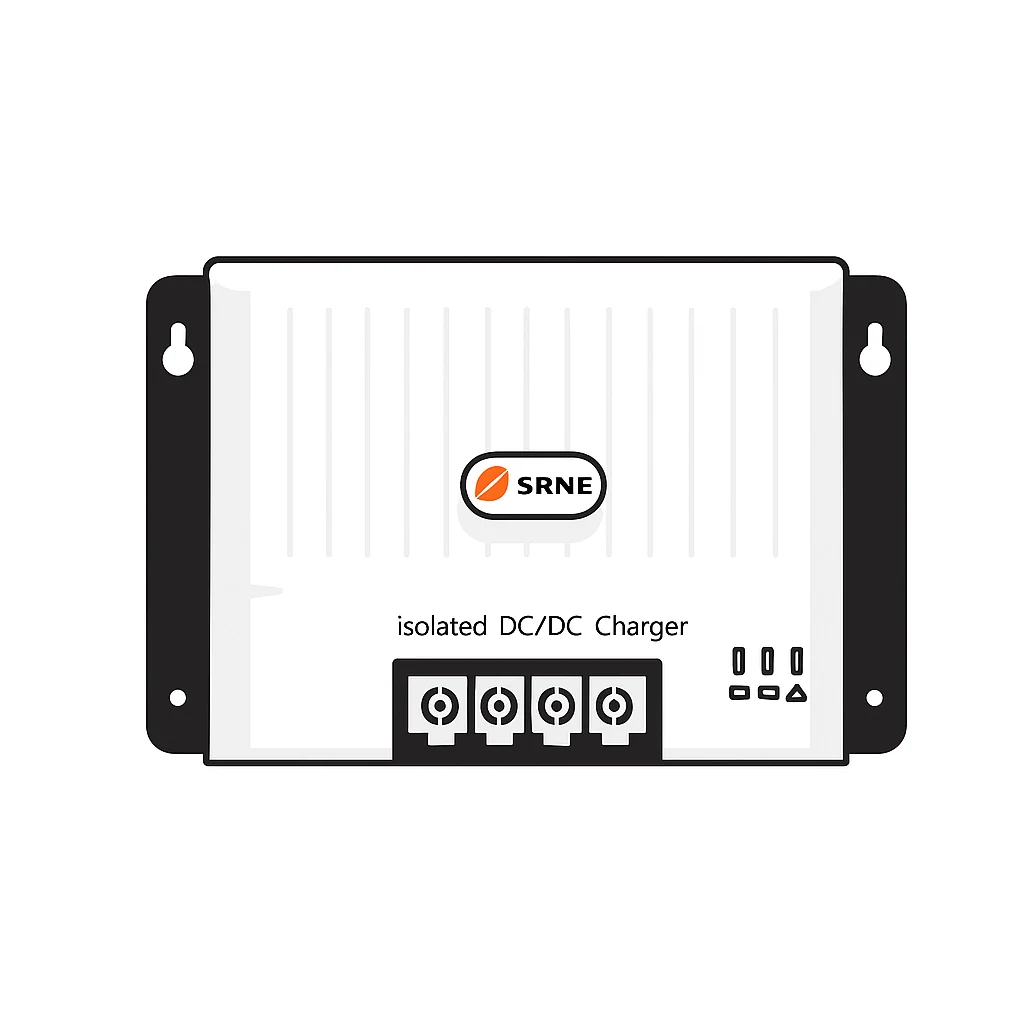
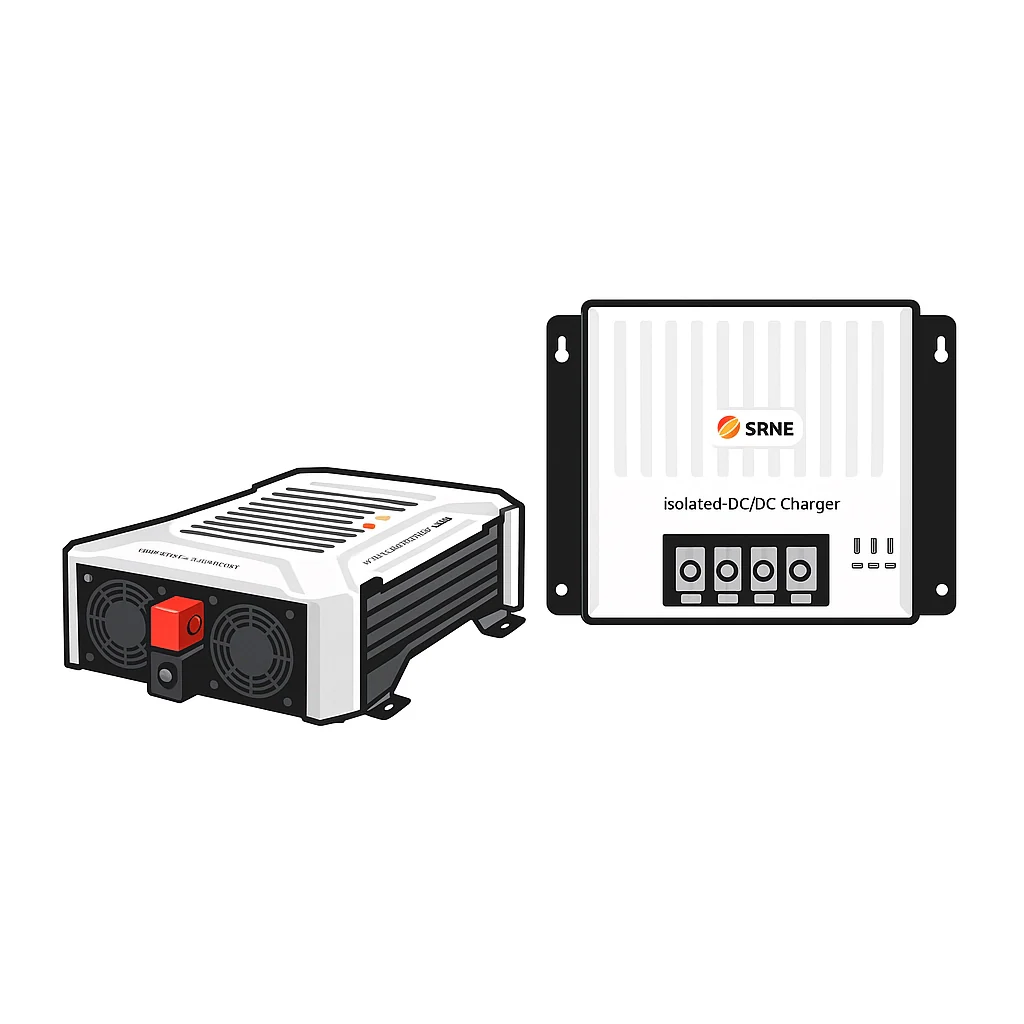
Proper charging infrastructure is essential for maintaining lithium battery health and maximising energy independence in UK campervans. DC-DC chargers efficiently convert alternator voltage to correct charging voltage for lithium batteries, protecting both devices from damage whilst optimising charge rates. Modern smart alternators in Euro 5 and Euro 6 vehicles require DC-DC chargers because they vary output voltage dynamically, making direct battery connection unreliable and potentially harmful.

MPPT (Maximum Power Point Tracking) solar charge controllers maximise energy harvesting compared to older PWM controllers, especially valuable in UK conditions with frequent partial shade and seasonal variability. MPPT charge controllers maximise energy sent to the battery, especially under partial shade or with higher panel power levels, extracting up to 30% more energy from the same panels. This efficiency gain matters significantly during UK winters when every watt counts.
Solar panel output in the UK varies significantly with the season, requiring realistic expectations and proper system sizing:
| Season | Daily Output (200W Panel) | Usable Hours | | — | — | | Summer (June-August) | 60-80 Ah | 8-10 hours | | Spring/Autumn | 30-50 Ah | 5-7 hours | | Winter (December-February) | 10-25 Ah | 3-5 hours |
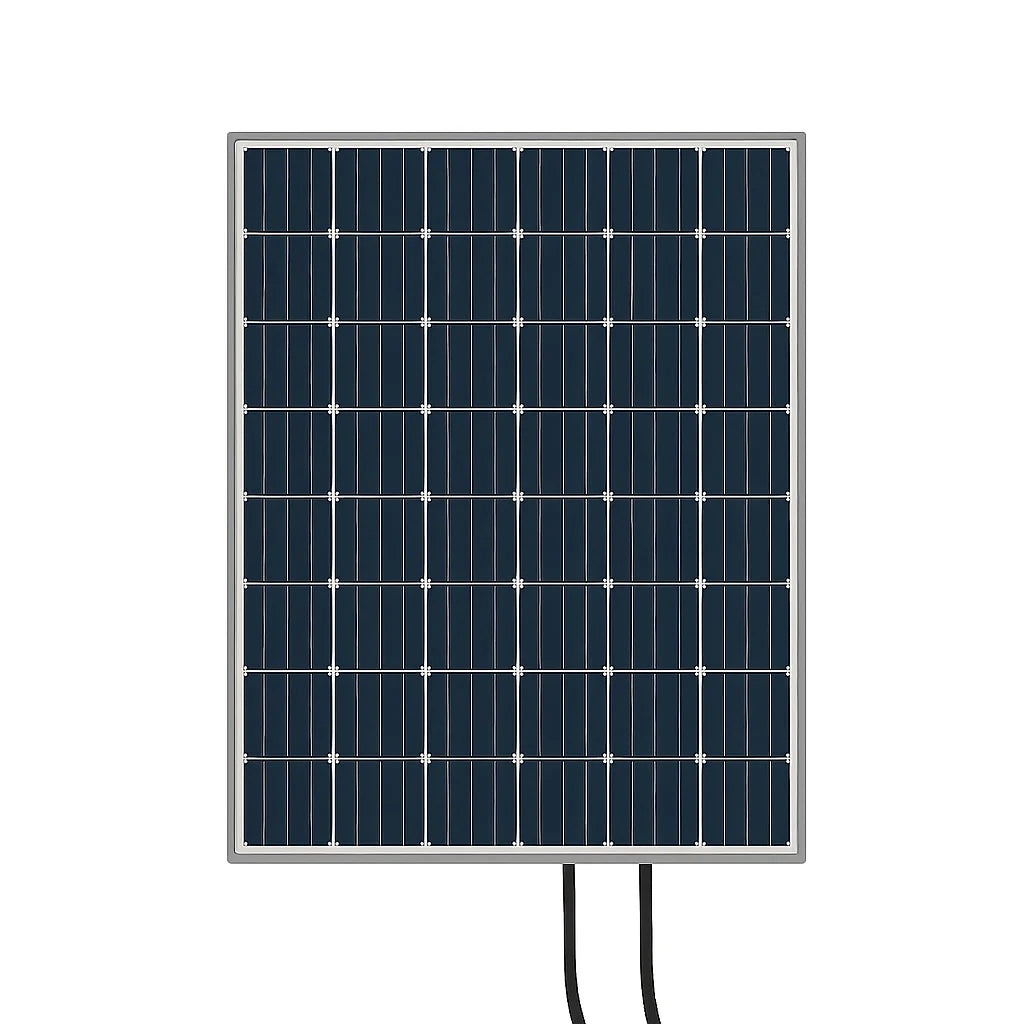
A 200W solar panel is the sweet spot for most UK campervans, handling moderate energy use including fridge, lighting, and device charging during summer months. For higher consumption or year-round off-grid living, 300W or dual-panel setups provide better winter performance and faster battery recovery after cloudy periods.
Safety essentials for UK campervan electrical systems include:
- Proper fusing on every positive feed within 300mm of the battery terminal
- Voltage drop limits of 3% or less on critical loads to ensure efficiency
- Compliance with BS 7671 Section 721 and EN 1648 standards for vehicle electrics
- Pure sine wave inverters for sensitive electronics like laptops and phone chargers
- Appropriate cable sizing based on current draw and run length
Integrating energy storage system workflow campervans components successfully:
- Calculate daily energy consumption in amp-hours based on appliance usage
- Size battery bank to provide 2-3 days autonomy without charging
- Select MPPT solar controller rated for total panel wattage plus 25% headroom
- Choose DC-DC charger amperage matching alternator capacity and battery specifications
- Install proper fusing, circuit breakers, and cable sizing per BS 7671 standards
- Configure charge profiles specifically for lithium chemistry in all chargers
- Test system under load and verify voltage drop remains within acceptable limits
Pro Tip: Always size DC-DC charger amperage to both alternator capacity and battery specifications for system protection. A 50A DC-DC charger on a 70A alternator leaves headroom for vehicle electrical systems whilst preventing alternator overheating during extended charging cycles.
Following solar battery connection steps campervan uk guide ensures safe installation and optimal performance across all charging sources.
Designing a reliable and safe energy storage system for your campervan
Building a dependable campervan energy system requires attention to UK-specific electrical safety standards and practical design principles. Campervan electrical systems require adherence to BS 7671 Section 721 and EN 1648 for safety in the UK, ensuring installations meet legal requirements and insurance standards. These regulations cover cable sizing, fusing, earthing, and component placement to protect both occupants and the vehicle from electrical hazards.
Design essentials for robust systems include:
- Fusing every positive feed near the battery with appropriately rated fuses or circuit breakers
- Keeping cable runs short and properly sized to minimise voltage drop
- Maintaining voltage drop at 3% or less on critical loads for efficiency and appliance protection
- Installing pure sine wave inverters for sensitive electronics rather than modified sine wave units
- Using marine-grade tinned copper cable and heat-shrink connections for corrosion resistance
Always fuse every positive feed near the battery and keep voltage drop at 3% or less on critical loads to ensure safety and efficiency. Proper fusing protects against cable fires if short circuits occur, whilst voltage drop control ensures appliances receive adequate power without performance degradation.
Alternator thermal management becomes critical when charging high-capacity lithium batteries that accept charge rates far exceeding AGM capabilities. Alternator temperature management is critical to prevent damage during high-current lithium charging, especially on vehicles with clutch-type alternator pulleys that can fail under sustained high loads. Some installations benefit from secondary alternators dedicated to leisure battery charging, isolating house loads from vehicle electrical systems.
Selecting high-quality battery management systems (BMS) provides essential protection:
- Specifying charge and discharge current limits prevents battery damage
- Temperature monitoring with cold charging lockout protects cells below freezing
- Cell balancing ensures uniform charging across all battery cells
- Over-voltage and under-voltage protection extends battery lifespan
- Short circuit protection safeguards against catastrophic failures
Common pitfalls to avoid when designing energy storage installation process uk campervans systems:
- Ignoring BS 7671 wiring standards and using undersized cables
- Selecting chargers configured for AGM when using lithium batteries
- Inadequate ventilation around batteries, chargers, and inverters
- Low-quality BMS lacking essential protection features
- Failing to account for alternator limitations with high lithium charge acceptance
- Mixing battery chemistries or different capacity batteries in parallel
Pro Tip: Do not treat lithium batteries as AGM drop-ins. Use tailored wiring sized for higher charge currents, charging profiles specifically for LiFePO₄ chemistry, and safety devices rated for lithium battery characteristics. This attention to detail ensures longevity, reliability, and safe operation throughout the battery’s 10-year-plus service life.
Proper system design balances performance, safety, and cost whilst meeting UK regulations and real-world usage demands for reliable off-grid power.
Explore complete energy storage solutions at Skyenergi
Transforming your campervan’s energy independence starts with the right components and expert guidance. Skyenergi specialises in complete solar power electrics system 3kva inverter charger battery to battery charger monitoring non canbus solutions built specifically for UK campervans, integrating high-performance inverters, DC-DC chargers, and intelligent monitoring in turnkey packages.
Our product range includes victron 610 watt solar panel victron smart mppt charge controller cable mounting gland battery option kits that combine premium Victron components with everything needed for professional installation. These systems feature MPPT charge controllers, marine-grade cabling, and optional lithium battery packages tailored to your energy requirements. UK-based support and expert advice help you design, install, and maintain systems that deliver reliable off-grid power year-round. Explore the complete skyenergi main landing page range to find solutions matching your campervan’s specific needs and budget.
FAQ
What is the best battery type for campervans?
Lithium iron phosphate batteries are generally best for UK campervans due to superior usable capacity, longer lifespan, and reduced weight compared to AGM alternatives. Lithium batteries offer better usable capacity, longer lifespan, and lighter weight compared to AGM, delivering 80-90% usable power versus AGM’s 50% whilst cycling 2000-5000 times instead of 300-500. The higher initial cost is offset by 3-10 times longer service life and better performance.
How much solar power do I need for my campervan in the UK?
Typically 200-300W solar panels cover basic campervan needs during UK summers, but winter output drops significantly to 10-25Ah daily from a 200W panel. A 200W solar panel is the sweet spot for average UK campervans, generating sufficient daily amps for moderate needs including fridge, lighting, and device charging. Solar works best paired with adequate battery storage providing 2-3 days autonomy for continuous power during cloudy periods.
Why is a DC-DC charger important for lithium batteries?
DC-DC chargers provide multi-stage regulated charging tailored specifically to lithium battery chemistry requirements, protecting both battery longevity and vehicle alternator from damage. DC-DC chargers convert alternator voltage correctly for lithium batteries, protecting both battery and alternator whilst optimising charge acceptance rates. Modern smart alternators in Euro 5 and Euro 6 vehicles require DC-DC chargers because they vary output voltage dynamically, making direct battery connection unreliable.
Can I install a campervan energy storage system myself?
Experienced DIY enthusiasts can install systems following BS 7671 Section 721 standards, but professional installation ensures compliance, safety, and optimal performance. Proper cable sizing, fusing placement, charge controller configuration, and battery management system setup require electrical knowledge and appropriate tools. Mistakes can cause fires, battery damage, or system failures, so professional guidance is worthwhile for complex installations or those unfamiliar with 12V electrical systems.
Recommended
Prev post

Essential solar installation checklist for UK leisure vehicles 2026
Updated on 16 March 2026
Next post

Optimise your motorhome energy storage workflow in 2026
Updated on 14 March 2026


