





High-performance lithium battery types for leisure vehicles
Discover the best high-performance lithium battery types for leisure vehicles. Ensure reliability on road trips and boating adventures!
TL;DR:
- Lithium batteries, especially LiFePO4, offer full capacity, long cycle life, and lightweight benefits.
- Cold-weather operation requires integrated heating or protection systems for safe charging.
- Long-term ownership costs favor high-performance lithium batteries over lead-acid options.
Running out of power mid-trip or watching your battery fail in a cold marina is a real problem for UK campervan and boat owners. The leisure battery market has shifted dramatically, and high-performance lithium battery types now offer genuine alternatives to the heavy, inefficient lead-acid banks many installations still rely on. With several chemistries available, each with distinct performance profiles, picking the wrong one can mean wasted money, poor cold-weather reliability, or a system that simply does not meet your energy demands on the road or at sea.
Table of Contents
- How to evaluate lithium batteries for leisure vehicles
- LiFePO4 (Lithium iron phosphate): Best for all-round reliability
- NMC (Nickel manganese cobalt): When high output and cold performance matter
- How the top lithium battery types compare
- Match the battery to your adventure: Practical recommendations
- What most guides miss about high-performance lithium batteries
- Upgrade your leisure battery system today
- Frequently asked questions
Key Takeaways
| Point | Details |
|---|---|
| LiFePO4 is the top all-rounder | It delivers best-in-class reliability, safety, and long-term value for leisure vehicles. |
| NMC excels in extreme cold | NMC batteries are a smart pick where deep cold and high discharge are critical. |
| Check for low-temperature charging support | Pick batteries with built-in heaters to prevent winter issues with LiFePO4. |
| Total cost matters more than upfront price | Consider cycle life and replacement cost, not just the purchase price. |
| Match battery to your lifestyle | Choose based on your travel style, climate, and space needs for best off-grid results. |
How to evaluate lithium batteries for leisure vehicles
Now that we understand why your choice matters, let us break down what really sets high-performance lithium batteries apart for leisure and marine use.
Evaluating a lithium battery for a campervan or boat goes well beyond comparing voltage and amp-hour ratings. The criteria that matter most in real-world use are quite specific, and understanding them upfront saves considerable expense later.
Key evaluation criteria include:
- Depth of discharge (DOD): The percentage of stored energy you can safely use before recharging. Higher DOD means more usable capacity from the same physical battery.
- Weight: Critical for vehicles and vessels where payload limits matter. Lithium batteries typically weigh around one-third of an equivalent lead-acid unit.
- Charge and discharge performance: How quickly a battery accepts a charge and how consistently it delivers power under load.
- Cold-temperature operation: A major factor in the UK climate. Charging below 0°C without a heater causes lithium plating inside the cells, permanently reducing capacity.
- Cycle life: The number of full charge and discharge cycles before capacity degrades significantly. More cycles mean lower long-term cost per kilowatt-hour.
- Total cost of ownership: Purchase price divided across the usable life of the battery, including any replacement costs.
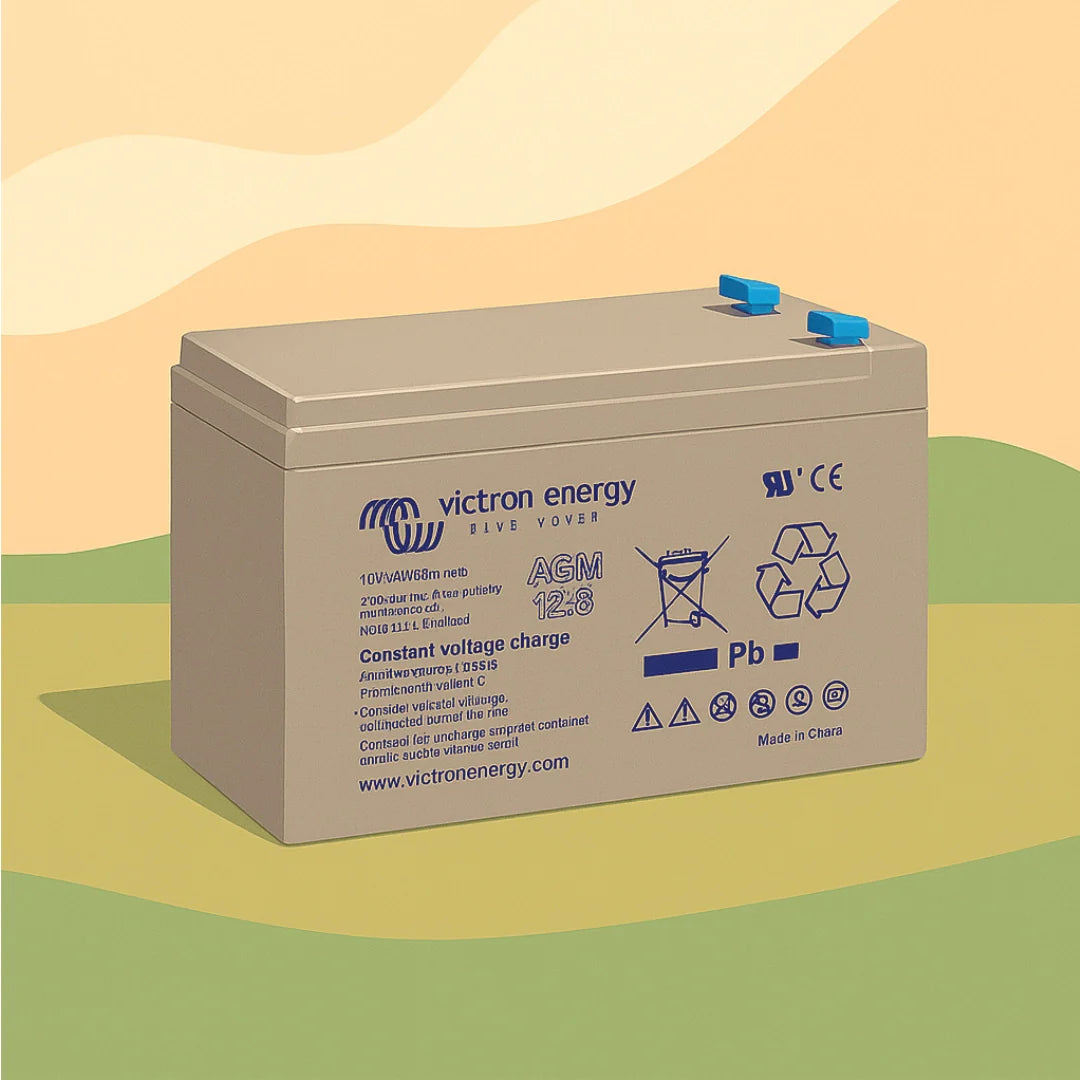
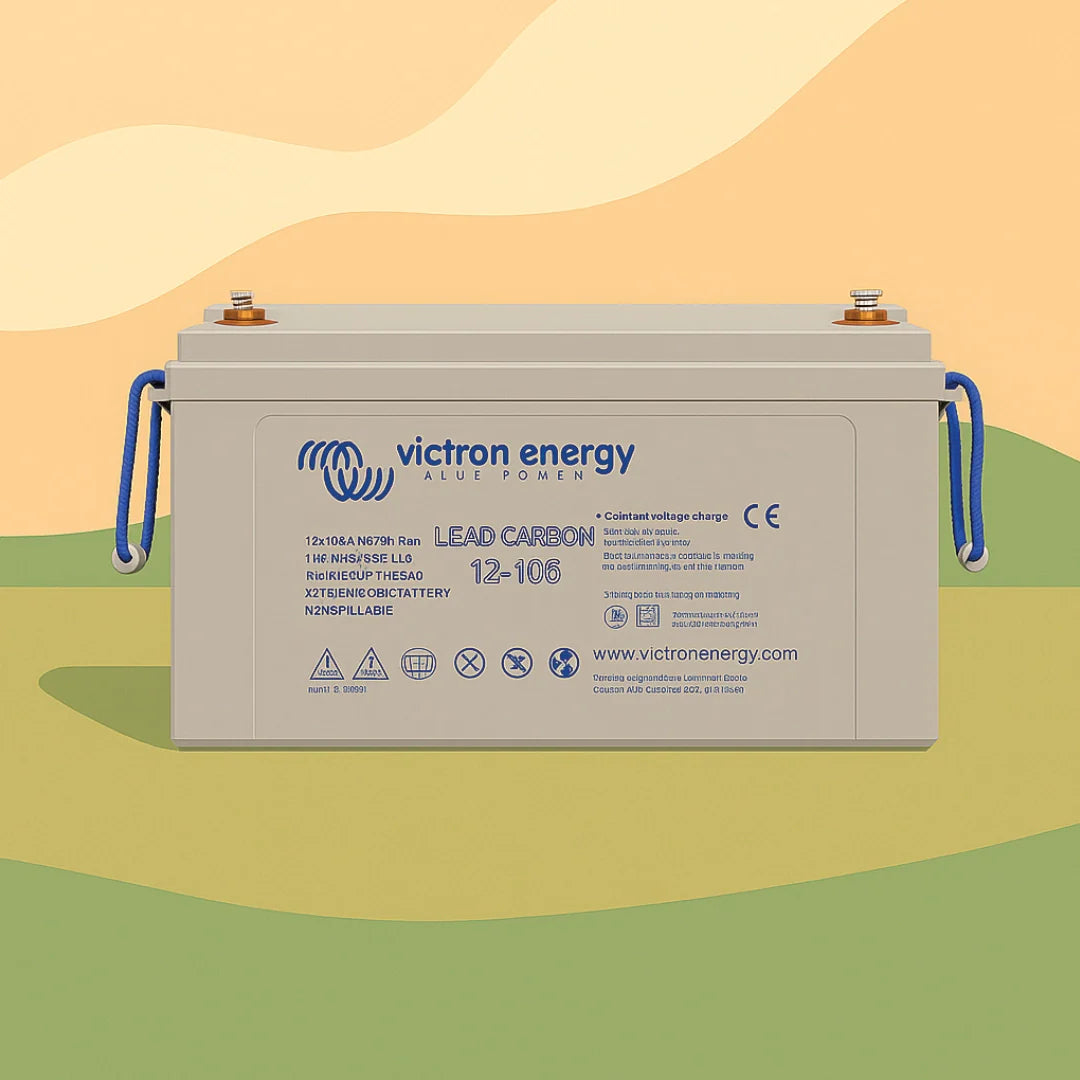
Lead-acid batteries have served as the default leisure battery for decades, but they only allow around 50% DOD before damage occurs. That means a 100Ah lead-acid battery delivers roughly 50Ah of usable energy. By contrast, the lithium battery advantages are well documented: lithium units deliver near full capacity, charge faster, and last significantly longer.
Keeping an eye on lithium battery trends in 2026 shows that battery management systems (BMS) with Bluetooth monitoring are now standard on quality units, giving real-time visibility into state of charge, temperature, and cell health directly from a smartphone.
Pro Tip: Always confirm whether your chosen battery includes a low-temperature charge protection heater, particularly if you use your vehicle or vessel between October and March in the UK.
LiFePO4 (Lithium iron phosphate): Best for all-round reliability
With those criteria in mind, let us look at the first and most common high-performance type.
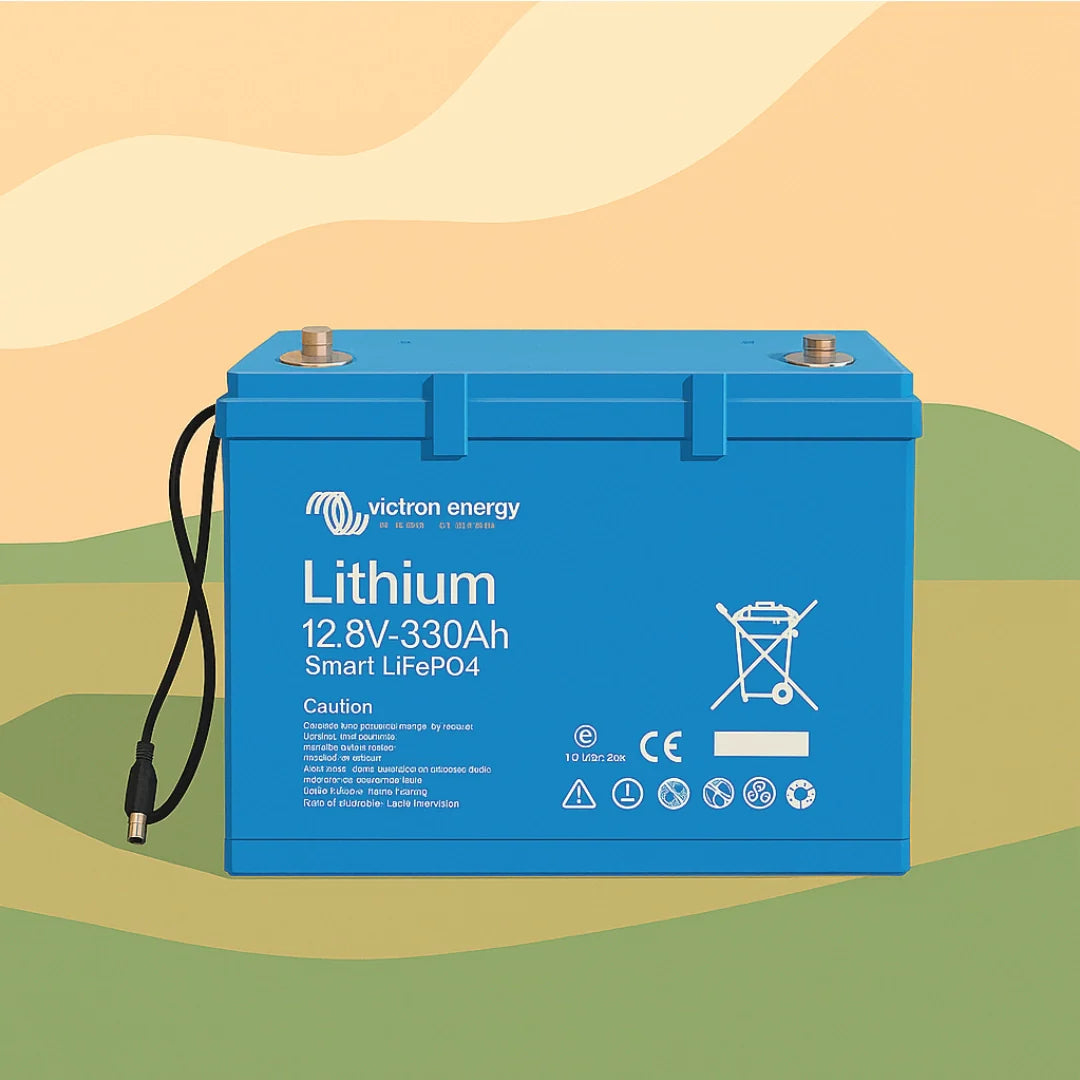
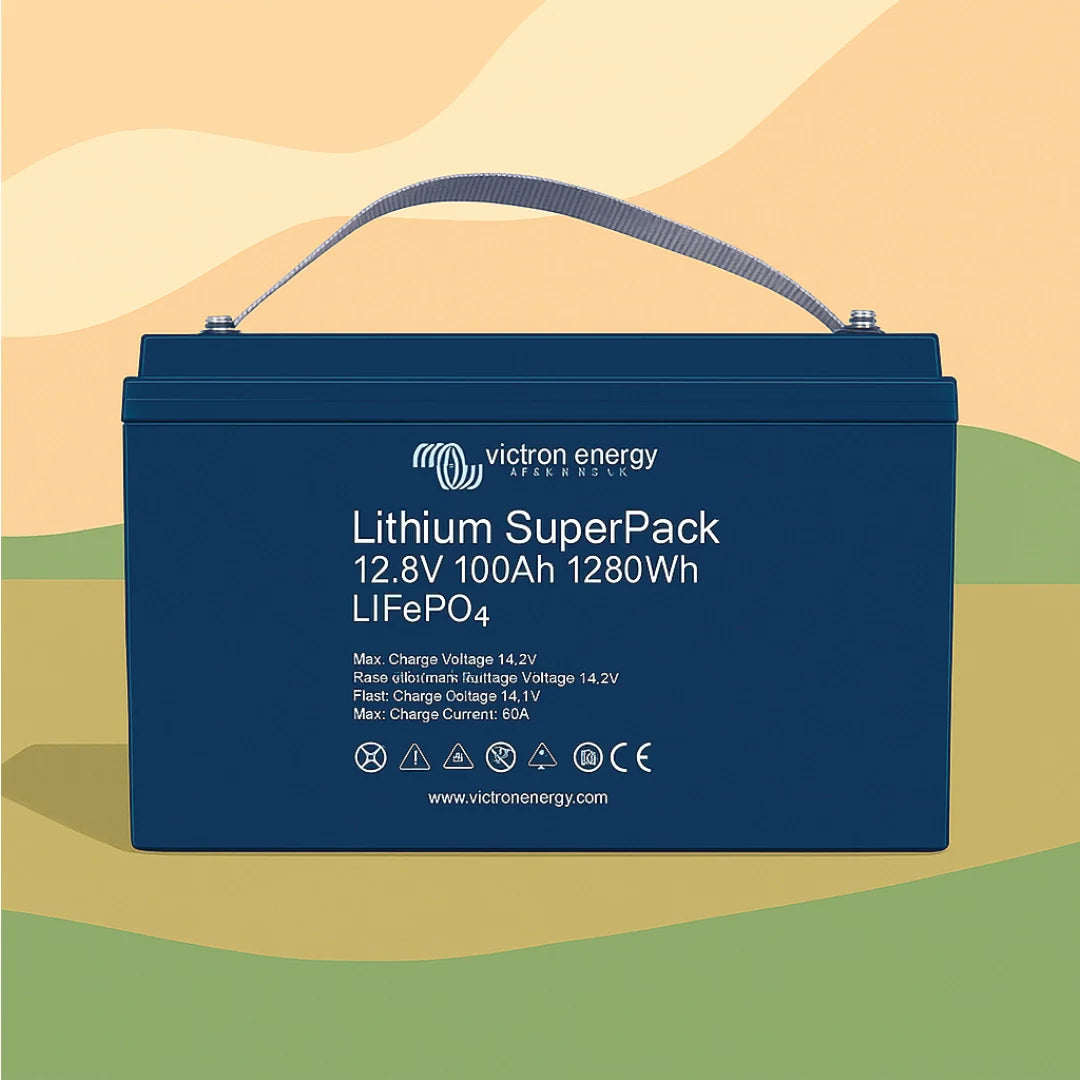
LiFePO4 (Lithium iron phosphate, often abbreviated to LFP) is the dominant chemistry in leisure vehicle and marine battery installations across the UK. Its popularity is not accidental. The chemistry offers a combination of safety, longevity, and practical usability that suits the demands of campervans, motorhomes, and narrowboats particularly well.
Core features of LiFePO4 batteries:
- Full usable capacity: 100% DOD versus 50% for lead-acid, meaning every amp-hour on the label is genuinely available.
- Lightweight construction: Typically one-third the weight of lead-acid equivalents, reducing vehicle payload and improving fuel efficiency.
- Rapid charge acceptance: LFP cells accept high charge currents, making solar and DC-to-DC charging more effective during short driving windows.
- Extended cycle life: Quality LFP batteries commonly deliver 2,000 to 4,000 cycles at 80% DOD, far exceeding lead-acid alternatives.
- Thermal stability: LFP chemistry is inherently more thermally stable than other lithium types, reducing the risk of thermal runaway under fault conditions.
“LiFePO4 is the preferred chemistry for installed leisure and marine systems, offering lower long-term cost and a safety profile that suits confined spaces in vehicles and boats.”
The benefits of lithium for off-grid living are most clearly demonstrated with LFP. A 100Ah LFP battery in a campervan provides roughly double the usable energy of a 100Ah lead-acid unit, without adding weight to the vehicle. For a typical weekend touring setup running a compressor fridge, lighting, and USB charging, this difference is immediately noticeable in run time between charges.
The one critical limitation is cold-weather charging. LFP cells must not be charged below 0°C without an integrated heater, as lithium plating degrades the cells irreversibly. Many quality LFP batteries now include self-heating circuits that activate automatically when temperatures drop, making them suitable for year-round UK use. If yours does not include this feature, a temperature-controlled charge disconnect is essential.
Understanding why to switch from lead-acid becomes straightforward once you calculate the cost per cycle. A quality LFP battery at £400 delivering 3,000 cycles costs roughly 13p per cycle. A lead-acid battery at £150 delivering 400 cycles costs around 37p per cycle. The maths strongly favour lithium over any multi-year ownership period.
NMC (Nickel manganese cobalt): When high output and cold performance matter
Another leader in high-performance lithium batteries is NMC, suited for specific, challenging environments.

NMC (Nickel Manganese Cobalt) batteries offer a different set of trade-offs compared to LFP. They are commonly found in portable power stations, electric vehicles, and specialist high-output applications where energy density and cold-weather discharge performance are the priority.
Key characteristics of NMC batteries:
- Higher energy density: NMC cells pack more energy into a smaller, lighter package than LFP, which matters in space-constrained installations.
- Better cold-weather discharge: NMC chemistry retains discharge capacity at lower temperatures more effectively than LFP, making it useful in extreme cold environments.
- Higher peak output: Suited to applications with large, brief power draws such as inverter-driven power tools or high-load marine electronics.
- Shorter cycle life: NMC typically delivers 500 to 1,500 cycles, significantly fewer than LFP under comparable conditions.
- Higher long-term cost: Despite competitive upfront pricing in some formats, the shorter lifespan increases cost per cycle over time.
NMC versus LFP comparisons consistently show that NMC performs better in cold discharge scenarios and retains charge well in storage, but LFP remains the preferred choice for permanently installed leisure vehicle systems due to its longer cycle life and lower total ownership cost.
NMC makes most sense when you need a compact, lightweight battery for a portable power station used in a campervan or on a tender vessel, rather than as a fixed house bank. If your setup involves a high-draw inverter running briefly for power tools or a coffee machine, and space is genuinely tight, NMC is worth considering. For a full-time off-grid house bank, LFP remains the more practical and cost-effective option.
Reviewing the features of off-grid batteries confirms that the BMS specification matters as much as the cell chemistry. A well-engineered NMC battery with robust BMS protection will outperform a poorly managed LFP unit in real-world conditions.
Pro Tip: Before selecting NMC for a leisure vehicle installation, calculate your total daily energy consumption in amp-hours. If you regularly need more than 80Ah per day, the shorter NMC cycle life will result in earlier replacement and higher overall cost compared to LFP.
How the top lithium battery types compare
Now see how these technologies measure up side by side for real-world choosing.
The table below provides a direct comparison of LiFePO4 and NMC against lead-acid as a baseline, covering the specifications that matter most for UK leisure vehicle and marine use.
| Specification | Lead-acid | LiFePO4 (LFP) | NMC |
|---|---|---|---|
| Usable DOD | ~50% | ~100% | ~80-90% |
| Typical cycle life | 300-500 | 2,000-4,000 | 500-1,500 |
| Weight (relative) | Baseline | ~33% of lead-acid | ~40% of lead-acid |
| Cold charge limit | No restriction | 0°C (heater needed) | 0°C (heater advised) |
| Cold discharge | Moderate | Good | Very good |
| Upfront cost | Low | Medium-high | Medium-high |
| Long-term cost per cycle | High | Low | Medium |
| Thermal safety | Moderate | Excellent | Good |
| Typical applications | Budget installs | Campervans, boats, motorhomes | Portable stations, high-output use |
The expert lithium comparison data reinforces what the table shows: for the vast majority of UK leisure vehicle owners, LFP is the stronger all-round choice. The 100% DOD capability alone doubles the effective capacity compared to lead-acid, and the cycle life advantage means most owners will never need to replace their battery bank during the working life of the vehicle.
NMC’s advantage in cold-weather discharge is real and measurable. At temperatures around minus 10°C, NMC retains a higher proportion of its rated capacity than LFP. For UK conditions, which rarely see sustained temperatures that extreme, this advantage is largely theoretical for most users. Scottish Highlands winter use or offshore sailing in January are the scenarios where NMC’s cold performance becomes genuinely relevant.
The long-term cost advantage of LFP over NMC for installed systems is consistent across multiple independent analyses. The higher cycle count means fewer replacements, and the lower cost per cycle compounds significantly over a five to ten year ownership period.
Match the battery to your adventure: Practical recommendations
Armed with the facts, here is how to make your final decision based on your unique setup.
Selecting the right battery type requires matching chemistry and specification to your actual usage pattern. Follow these steps to narrow down your choice:
-
Calculate your daily energy consumption. Add up the watt-hours used by each appliance per day. A 12V compressor fridge typically uses 30 to 50Wh per hour. Lighting, USB charging, and a water pump add further load. This total determines your minimum battery capacity.
-
Assess your charging sources. Solar panels, DC-to-DC chargers from the vehicle alternator, and shore power all have different charge rates. LFP accepts high charge currents efficiently, making it well-suited to solar and DC-to-DC charging. Check deep cycle battery advice for guidance on matching charge sources to battery type.
-
Consider your operating season. Year-round UK use, particularly between November and March, requires either a battery with an integrated self-heating circuit or a temperature-managed charge disconnect. Do not assume any lithium battery is safe to charge in freezing conditions without checking the specification first.
-
Evaluate your available space and weight budget. LFP is already much lighter than lead-acid. If space is extremely constrained, NMC’s higher energy density may justify its shorter cycle life. Most campervan and motorhome installations have sufficient space for LFP.
-
Set a realistic total budget. Include the battery, BMS (if not integrated), cabling, fusing, and any monitoring equipment. Review energy storage setup tips to understand the full system cost before committing to a chemistry choice.
-
Match to your vehicle or vessel type. Campervans and motorhomes: LFP is the default recommendation. Marine craft with year-round use in cold climates: consider LFP with a heater or NMC for portable applications. Occasional summer-only use: standard LFP without a heater is generally adequate.
The most common pitfall is underestimating winter charging risk. Many owners install LFP batteries correctly and then charge them via solar or alternator on a cold January morning without realising the cells are below 0°C. A quality BMS with low-temperature charge protection prevents this automatically.
What most guides miss about high-performance lithium batteries
Most battery comparison guides focus heavily on chemistry specifications and headline cycle counts. These numbers matter, but they do not tell the full story for leisure vehicle owners making a real purchasing decision.
The practical factors that experienced installers prioritise are often absent from spec-sheet comparisons. Integration with existing systems is one of the most overlooked considerations. A battery that requires a proprietary BMS or non-standard communication protocol can create compatibility problems with Victron inverter-chargers, MPPT controllers, or existing monitoring setups. Choosing a battery designed for seamless integration with standard Victron-compatible components saves significant time and avoids frustrating commissioning issues.
Winter readiness is a genuine dealbreaker in the UK climate. It is not just a footnote. A battery without low-temperature charge protection installed in a vehicle that sits outdoors in winter will sustain cell damage during the first cold snap if charging is not manually managed. This is a practical certainty, not a theoretical risk. The long-term cost advantage of LFP disappears quickly if cells are damaged by repeated cold charging events.
Total cost of ownership is consistently underweighted by buyers focused on the initial purchase price. A cheaper battery with 800 cycles replaced twice costs more than a quality LFP battery with 3,000 cycles replaced once. Factor in the labour cost of replacing a battery bank in a built-out campervan or a marine installation, and the premium for a longer-life unit becomes clearly justified.
Finally, the quality of the BMS matters as much as the cell chemistry. Review maintenance for off-grid batteries to understand what a well-specified BMS should monitor and protect against. Bluetooth monitoring is not a luxury feature. It is the most practical way to catch a developing problem before it becomes a system failure on a remote campsite or at sea.
Upgrade your leisure battery system today
With all the facts in hand, here is how Skyenergi can help you put your high-performance battery plan into action.
Skyenergi supplies a range of high-performance LFP leisure batteries alongside Victron-compatible components designed for straightforward system integration. Whether you are building a new campervan energy system or upgrading an existing marine installation, the right accessories make a significant difference to system reliability and monitoring capability.
For Victron-based systems, the battery interface module enables direct communication between your battery BMS and Victron monitoring equipment. The MK3-USB interface provides PC-based configuration and monitoring access for VE.Bus inverter-chargers. Both components are stocked and ready to ship. Browse the full range at Skyenergi to find the right combination of batteries, chargers, and monitoring tools for your setup.
Frequently asked questions
What is the safest type of high-performance lithium battery for campervans?
LiFePO4 batteries are widely considered the safest for leisure vehicles due to their thermal stability. Their chemistry is significantly less prone to thermal runaway than other lithium types, making them well-suited to the confined spaces of a campervan or motorhome.
Will lithium batteries work in freezing UK winters?
LiFePO4 batteries require a heater or charge disconnect when temperatures drop below 0°C, as charging below freezing causes irreversible cell damage through lithium plating. NMC batteries handle cold discharge better but carry a higher long-term cost for installed systems.
What is depth of discharge and why does it matter?
Depth of discharge (DOD) is the percentage of a battery’s total capacity that can be safely used before recharging is required. LiFePO4 batteries allow nearly 100% DOD, which means a 100Ah LFP battery delivers roughly double the usable energy of a 100Ah lead-acid unit rated at 50% DOD.
Are high-performance lithium batteries worth the extra cost for leisure vehicles?
The upfront cost is higher, but LFP’s lower cost per cycle over a typical ownership period makes it more economical than lead-acid or shorter-life lithium alternatives. When installation labour is factored in, the case for investing in a longer-life battery bank is even stronger.
Recommended
Prev post

Why renewable energy for your motorhome saves more
Updated on 01 May 2026
Next post

Streamline your off-grid renewable energy storage workflow
Updated on 29 April 2026


