





What is high-performance energy storage?
Discover what high-performance energy storage is and learn how it outperforms conventional systems. Elevate your energy solutions now!
High-performance energy storage is defined as any system engineered to capture, retain, and release energy with superior efficiency, capacity, longevity, and safety compared to conventional storage options. The term covers a broad spectrum of technologies, from lithium-ion battery banks to pumped hydropower and thermal systems, each evaluated against measurable performance criteria rather than marketing claims. In the industry, the recognised term is energy storage system (ESS), and “high-performance” describes the subset of ESS that meets demanding application targets. For anyone assessing advanced energy storage solutions, understanding what separates a high-performance system from a standard one is the starting point for every procurement or design decision.
What criteria determine high performance in energy storage?
Performance varies by application and is measured across a set of technical parameters that together define whether a system qualifies as high-performance. No single metric is sufficient. A system optimised for fast frequency response on a grid will be evaluated differently from one designed for multi-hour residential backup.
The core technical parameters are:
- Round-trip efficiency: The ratio of energy retrieved to energy stored. Higher is better, but the acceptable threshold depends on the application.
- Energy density and capacity: How much usable energy the system stores per unit of weight or volume. Critical for mobile applications such as campervans and marine installations.
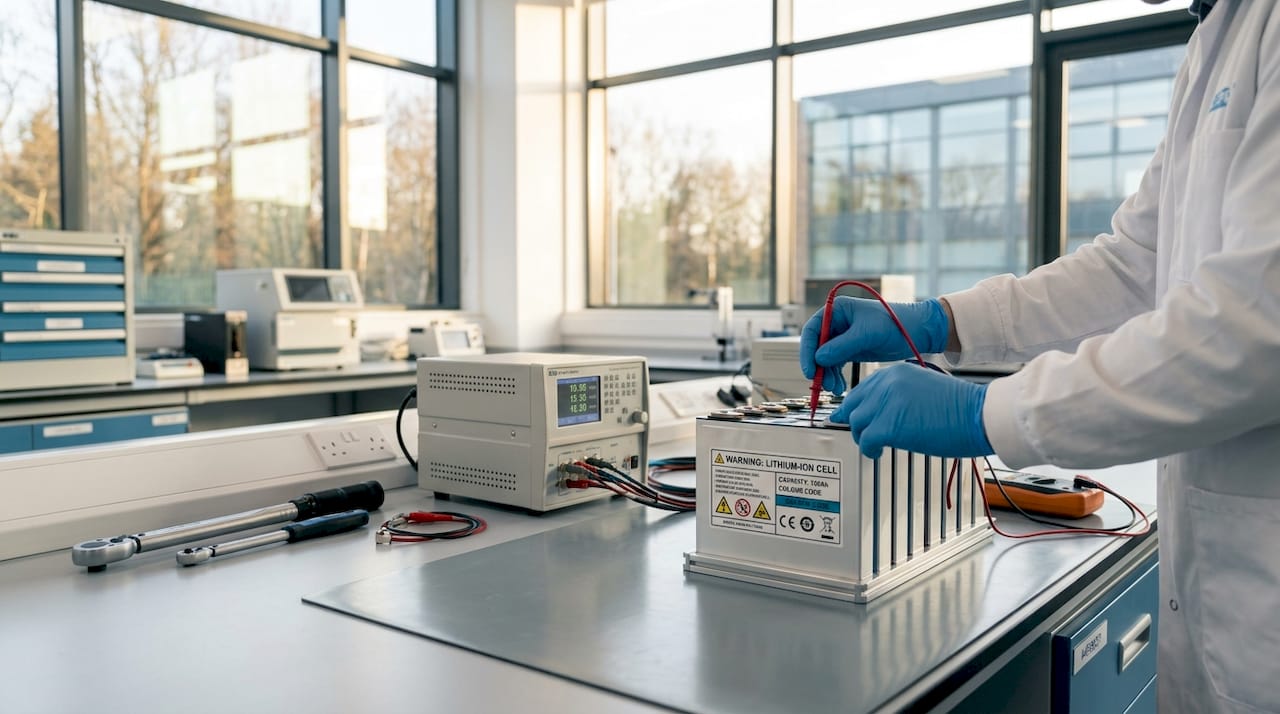
- Cycle life: The number of charge and discharge cycles before capacity degrades below a defined threshold. Lithium iron phosphate (LiFePO4) cells routinely achieve 3,000 to 6,000 cycles.
- Response time: How quickly the system can deliver rated power. Flywheels and lithium batteries respond in milliseconds; pumped hydro takes minutes.
- Self-discharge rate: Energy lost during storage without any load. Low self-discharge is critical for seasonal or standby applications.
- Temperature adaptability: Performance across operating temperature ranges, particularly relevant for outdoor and vehicle-based installations.
- Safety and end-of-life management: Thermal stability, failure modes, and recyclability.
Beyond cell chemistry, battery management systems and power conversion systems critically determine real-world efficiency and safety. The [NEMA 80057-2024 standard](https://www.nema.org/Standards/view/Standard-for-Uniformly-Measuring-and-Expressing-the-Performance-of-Electrical-Energy-Storage Systems) addresses this directly by specifying test and evaluation criteria that cover the full ESS, including battery management and power conversion, not just the cells. This technology-agnostic standard enables consistent comparison across applications and prevents misleading specification claims.
Pro Tip: When comparing ESS products, request test data measured to NEMA 80057-2024 or an equivalent standard. Specifications derived from cell-level tests alone will overstate real-world system performance.
Cost and total cost of ownership also belong in the performance framework. A system with a lower upfront cost but a shorter cycle life will cost more per kilowatt-hour delivered over its lifetime. Evaluating cost per cycle, rather than cost per kilowatt-hour of installed capacity, gives a more accurate picture.
Which energy storage technologies qualify as high-performance?
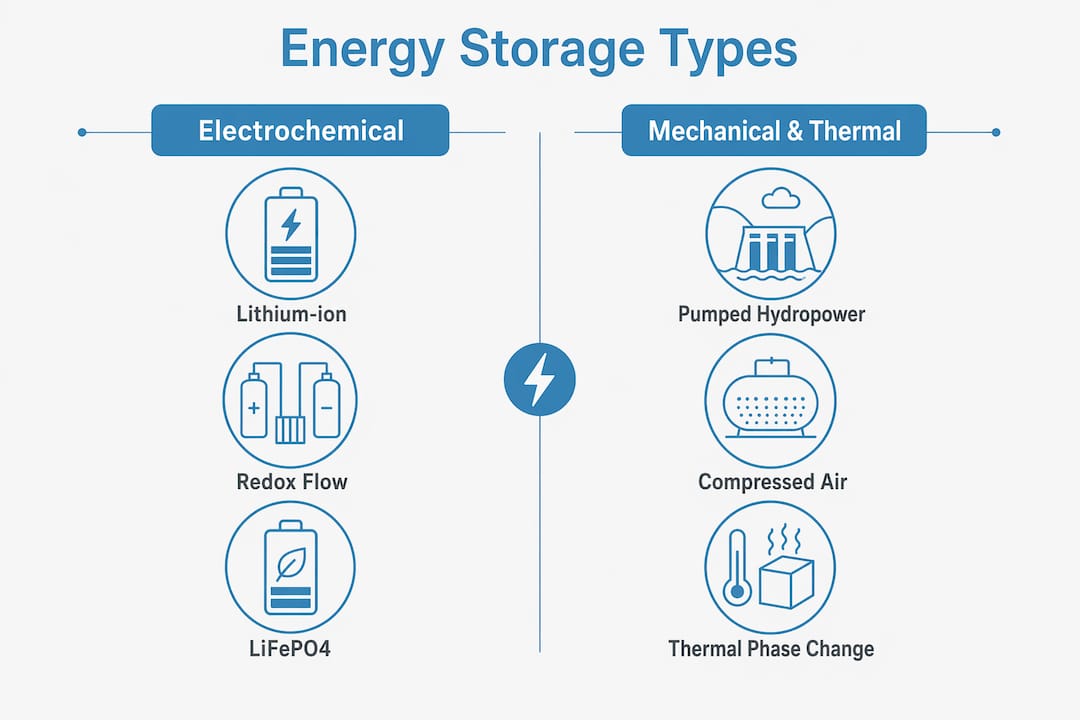
The leading energy storage technologies each occupy a distinct performance niche. Understanding where each excels prevents mismatched specifications.
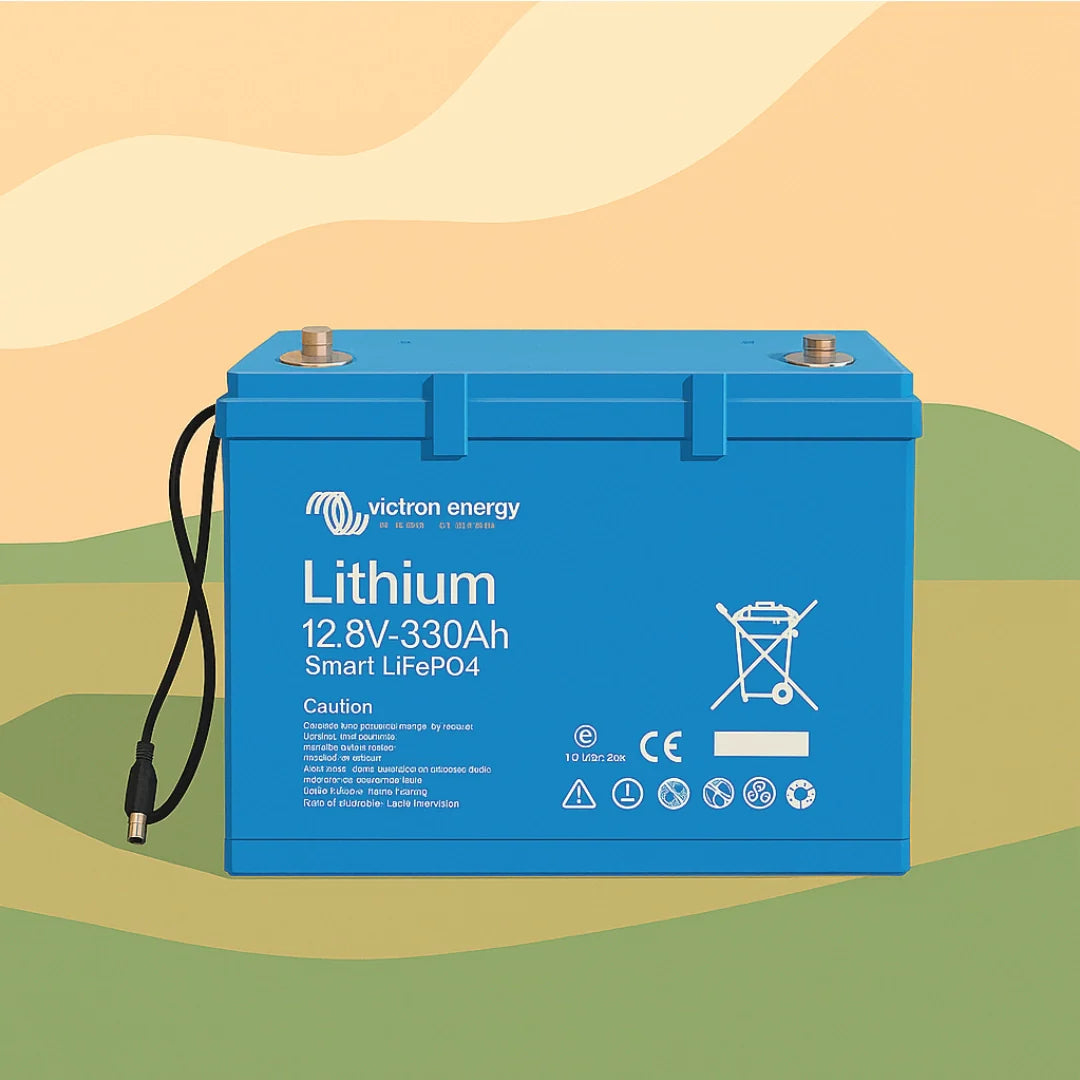
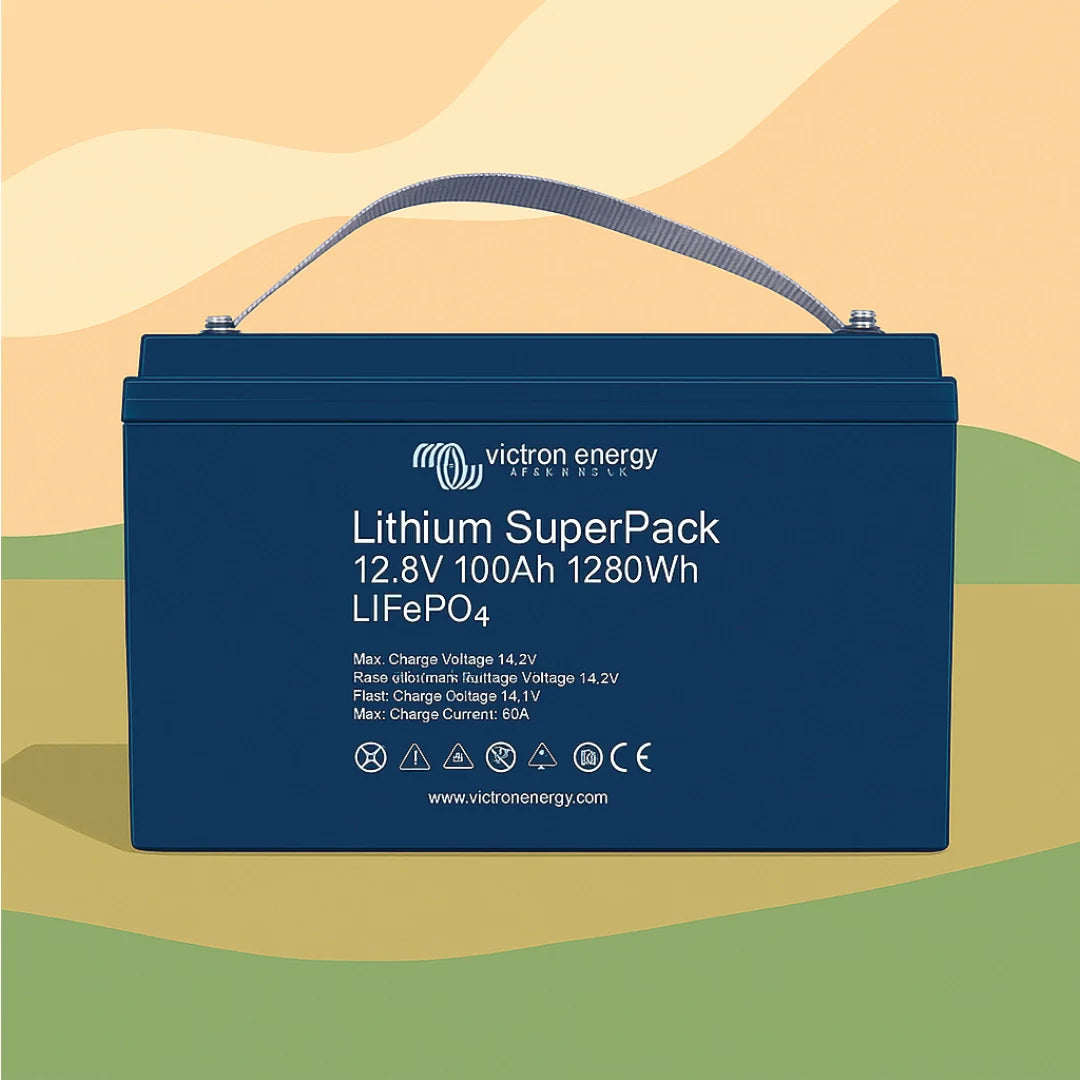
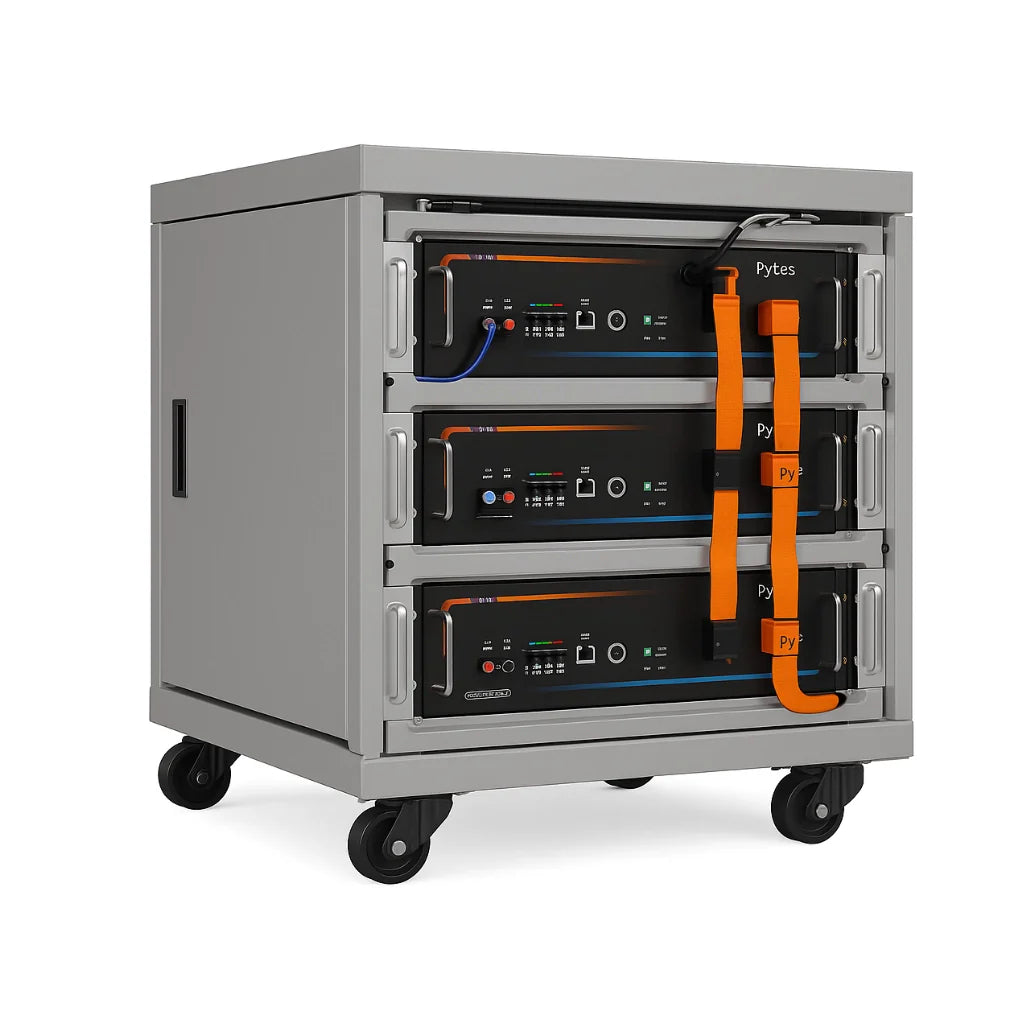
Lithium-ion batteries dominate grid and mobile applications due to their high energy density and efficiency. Concerns remain around thermal runaway risk, cobalt supply chains, and end-of-life disposal. LiFePO4 chemistry addresses the safety concern directly, making it the preferred choice for off-grid residential, campervan, and marine use.
Redox flow batteries store energy in liquid electrolytes held in external tanks. They offer longer cycle lives and higher inherent safety than lithium-ion, and capacity scales independently of power rating. The trade-off is lower energy density and higher system complexity, making them better suited to stationary grid applications than mobile ones.
Hydrogen storage converts surplus electricity to hydrogen via electrolysis, then reconverts it to power via a fuel cell. Round-trip efficiency is lower than lithium-ion, but hydrogen suits long-duration and seasonal storage where other technologies fall short.
Mechanical storage includes pumped hydropower, compressed air, and flywheels. Pumped hydropower offers high efficiency, large-scale capacity, and quick response, and remains the world’s largest installed energy storage resource. Flywheels deliver very fast response and high cycle life but store relatively little energy, making them suitable for power quality and frequency regulation rather than bulk storage.
Thermal storage is advancing rapidly. Nanocomposite phase change materials have demonstrated up to 45% increases in specific heat capacity, enabling smaller and more cost-effective thermal storage tanks. This makes thermal storage increasingly competitive for building-level and industrial heat management.
| Technology | Round-trip efficiency | Typical duration | Scalability | Safety profile |
|---|---|---|---|---|
| Lithium-ion (LiFePO4) | 90–95% | 2–8 hours | High | Good (stable chemistry) |
| Redox flow battery | 70–80% | 4–12+ hours | Very high | Excellent |
| Pumped hydropower | 70–85% | Hours to days | Very high | Excellent |
| Flywheel | 85–95% | Seconds to minutes | Moderate | Excellent |
| Hydrogen (fuel cell) | 30–45% | Days to seasonal | High | Moderate |
| Thermal (PCM) | 80–90% | Hours to days | High | Excellent |
Pro Tip: For off-grid and leisure vehicle applications, LiFePO4 lithium batteries consistently offer the best combination of energy density, cycle life, and safety. Explore lithium battery features to understand what to prioritise when specifying a system.
What are the main benefits of high-performance energy storage?
Energy storage improves grid efficiency and resilience by time-shifting supply and demand, and by managing the intermittency of solar and wind generation. The practical benefits extend across residential, commercial, and mobile applications.
- Greater renewable energy penetration. Storage absorbs surplus generation from solar panels and wind turbines during periods of high output, then releases it when generation drops. Without storage, much of this energy is curtailed or wasted.
- Improved power quality. High-performance systems respond in milliseconds to fluctuations in voltage and frequency, protecting sensitive equipment from damage and downtime.
- Reduced dependence on fossil fuel backup. Reliable storage reduces or eliminates the need for diesel generators in off-grid settings, cutting fuel costs and emissions.
- Extended electric vehicle and leisure vehicle range. High-capacity lithium systems in campervans and motorhomes support longer off-grid periods, powering appliances, heating, and charging without shore power.
- Lower environmental impact over the system lifetime. Longer system lifetimes reduce material waste and improve resource efficiency. High-performance systems also reduce greenhouse gas emissions by enabling broader clean energy adoption.
- Energy cost management. For grid-connected homes and businesses, storage enables charge during low-tariff periods and discharge during peak-rate periods, directly reducing electricity bills.
The benefits of home energy storage are particularly tangible in the UK, where time-of-use tariffs and export payment schemes make well-specified storage systems financially attractive alongside solar installations.
What challenges affect deployment of high-performance energy storage?
Deploying advanced storage systems involves trade-offs that are not always visible in product specifications. Understanding these challenges leads to better procurement decisions.
- Safety management. Lithium-ion batteries carry thermal runaway risk if cells are overcharged, over-discharged, or physically damaged. An integrated battery management system is not optional. It monitors cell voltage, temperature, and state of charge, and disconnects the system before unsafe conditions develop.
- Cost versus performance trade-offs. Safety, cost, and longevity must be treated as integral performance factors, not afterthoughts. A low-cost system that degrades rapidly or requires early replacement is not a cost-effective choice.
- Temperature sensitivity. Most lithium chemistries lose capacity and charge acceptance below 0°C. Systems installed in vehicles, marine environments, or outdoor enclosures require thermal management or chemistry selection suited to the operating range.
- Degradation over time. Capacity fade is inevitable. High-performance systems specify degradation curves clearly, allowing accurate lifetime cost modelling. Systems without published degradation data should be treated with caution.
- End-of-life management. Battery disposal and recycling infrastructure is still developing. Selecting chemistries with established recycling pathways, such as LiFePO4, reduces long-term environmental liability.
- Measurement consistency. Without standardised testing, performance claims are difficult to compare. The NEMA 80057-2024 standard promotes transparency, but adoption across manufacturers remains uneven. Requesting independently verified test data is the practical safeguard.
Key takeaways
High-performance energy storage is defined by system-level metrics, including round-trip efficiency, cycle life, response time, and safety, matched to specific application requirements rather than any single headline figure.
| Point | Details |
|---|---|
| Definition is application-specific | No single metric defines high performance; targets depend on the service the system must deliver. |
| System-level evaluation matters | BMS and power conversion components determine real-world performance, not cell chemistry alone. |
| LiFePO4 leads for off-grid use | Lithium iron phosphate offers the best balance of safety, cycle life, and energy density for mobile and residential applications. |
| Standards enable fair comparison | NEMA 80057-2024 provides a technology-agnostic framework for consistent ESS performance measurement. |
| Lifecycle cost beats upfront cost | Cost per cycle over the system lifetime is the correct metric for evaluating storage investments. |
Why application-first thinking changes everything
The most common mistake I see when people specify energy storage is starting with a technology and working backwards to justify it. The correct sequence runs in the opposite direction. Define the service target first: how many hours of autonomy, what discharge rate, what temperature range, what cycle frequency. Then map those requirements onto available technologies and their verified performance data.
Cell-level specifications are a starting point, not a conclusion. A battery cell rated at 200Wh/kg tells you nothing about what the installed system will actually deliver once you account for the BMS, inverter losses, wiring, and operating temperature. Smart battery system features such as Bluetooth monitoring and real-time state-of-health data close this gap by giving you visibility into actual system performance rather than theoretical capacity.
The other point worth making is that safety and durability are not separate considerations from performance. They are performance. A system that fails early, degrades faster than specified, or requires a safety intervention has not performed well, regardless of its peak efficiency figure. The industry is moving towards treating these as core metrics, and the NEMA standard reflects that shift. Buyers who adopt this framing now will make better decisions and avoid costly replacements.
— John
Skyenergi’s energy storage solutions for off-grid and home use
Skyenergi supplies high-performance lithium battery systems and integrated power solutions for campervans, motorhomes, marine installations, and residential setups. Products are sourced directly from manufacturers to deliver reliable performance at competitive prices.

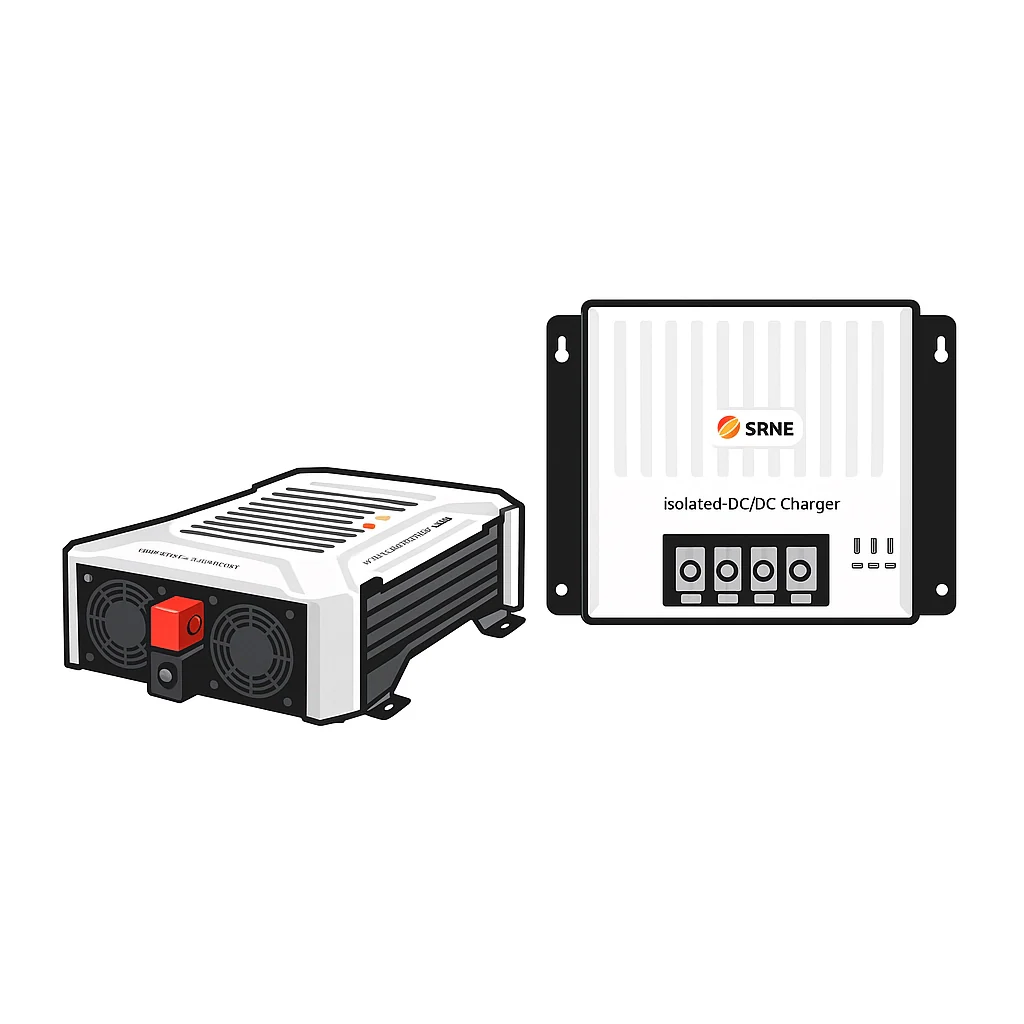
The 3kVA inverter/charger and battery-to-battery charger system provides a complete, integrated power management solution for off-grid and hybrid setups, combining inverter, charger, and monitoring in a single package. For solar input, the Victron 610W panel with Smart MPPT controller delivers efficient charge management with real-time optimisation. All Skyenergi systems are designed for expandability, allowing capacity to scale as requirements grow.
FAQ
What is high-performance energy storage?
High-performance energy storage refers to systems engineered with superior efficiency, capacity, cycle life, and safety compared to conventional options. Performance is measured across parameters including round-trip efficiency, response time, energy density, and self-discharge rate, matched to specific application requirements.
How does a battery management system affect storage performance?
A battery management system monitors cell voltage, temperature, and state of charge, preventing overcharge, over-discharge, and thermal events. It is the primary factor determining whether a battery system’s real-world performance matches its rated specification.
Which energy storage technology is best for off-grid use?
Lithium iron phosphate (LiFePO4) batteries are the leading choice for off-grid residential and leisure vehicle applications, offering 90 to 95% round-trip efficiency, 3,000 to 6,000 cycles, and a stable safety profile without thermal runaway risk.
What is the NEMA 80057-2024 standard?
NEMA 80057-2024 specifies test and evaluation criteria for measuring energy storage system performance uniformly, covering the battery, BMS, and power conversion systems. It is technology-agnostic and enables consistent comparison across different ESS products and applications.
How does energy storage support renewable energy?
Storage manages the intermittency of solar and wind generation by absorbing surplus output and releasing it when generation falls. This allows higher levels of renewable energy to be used without curtailment and reduces reliance on fossil fuel backup generation.
Recommended
Prev post

Top 6 ecuip.com Lithium Leisure Battery Alternatives 2026
Updated on 02 June 2026
Next post

Residential off-grid system types: a homeowner's guide
Updated on 31 May 2026


