





UK battery safety standards 2026: new rules for leisure vehicles
New 2025 UK battery safety standards affect leisure vehicles and off-grid setups. Learn what changed under MIS 3012, how to apply the rules, and which batteries comply.
TL;DR:
- UK battery fire incidents are rising, prompting new 2025 safety standards for leisure vehicle systems.
- The updated regulations require certified BMS, proper ventilation, specific charger profiles, and annual safety checks.
- LiFePO4 batteries are safest and most recommended for leisure vehicle use under these new standards.
Battery fires in the UK are more common than most leisure vehicle owners realise. In 2023, the UK recorded approximately 200 PLEV battery fires, and the trend prompted urgent regulatory action. What many campervan, motorhome, and off-grid owners have missed is that the resulting 2025 standards apply directly to their setups too. This article breaks down what changed, what the technical risks actually look like, and how to apply the new requirements practically. Whether you are planning a new installation or reviewing an existing system, the guidance here is directly relevant to you.
Table of Contents
- What changed in 2025? New UK battery safety standards explained
- Thermal runaway and battery management: Real-world risks and BMS solutions
- Applying standards: Installation, storage, and best practice for leisure vehicles
- Choosing the safest battery: LiFePO4 vs AGM vs standard lithium-ion
- Why common battery safety advice misses leisure vehicle realities
- Explore compliant battery solutions for your leisure vehicle
- Frequently asked questions
Key Takeaways
| Point | Details |
|---|---|
| New rules for 2025 | UK battery safety standards now cover leisure vehicles and off-grid energy, demanding safer installation and monitoring. |
| Thermal runaway risk | Most battery fires start indoors, often due to misuse or incompatible chargers; BMS are essential for prevention. |
| LiFePO4 is safest | LiFePO4 batteries offer longer life and greater safety than AGM or standard lithium-ion for leisure vehicle use. |
| Practical compliance tips | Check your installation against MCS standards, use certified BMS, and follow storage best practices for safety. |
| Tailored solutions available | Compliant battery products and solar systems are now accessible for leisure vehicle owners in the UK. |
What changed in 2025? New UK battery safety standards explained
The 2025 regulatory update is not simply a tightening of existing rules. It introduces statutory requirements that affect how leisure vehicle energy systems must be designed, installed, and commissioned.
The most significant document for off-grid and leisure vehicle owners is MIS 3012:2025, published by MCS Certified. This standard sets out requirements for energy storage system (EESS) installations, referencing BS7671:721, which specifically covers electrical installations in leisure accommodation vehicles. Systems up to 50kW fall within its scope, which covers virtually every campervan, motorhome, and off-grid residential setup in the UK.
The General Product Safety Regulations (GPSR) also now require stronger accountability from importers and distributors. Products must carry traceable safety documentation, and non-compliant batteries sold into the UK market are being targeted by enforcement action.
Separately, the Office for Product Safety and Standards (OPSS) is developing a new PAS with BSI for lithium-ion battery safety. This work will produce product-level standards that affect what batteries can legally be sold and used in the UK.
Key requirements under the 2025 framework include:
- Battery Management System (BMS) certification: All installed EESS must include a compliant BMS capable of monitoring voltage, temperature, and current.
- Commissioning documentation: Installations must be signed off with a commissioning record, not just fitted and left.
- Ventilation and thermal management: Physical installation must allow for heat dissipation and prevent thermal runaway propagation.
- Charger compatibility: Only chargers rated for the specific battery chemistry and voltage profile may be used.
- Annual safety checks: Owners are advised to schedule periodic system inspections.
For a practical overview of how this fits into a vehicle build, the campervan installation workflow guidance covers how to sequence these requirements correctly. It is also worth reviewing lithium battery trends to understand where the market is heading in light of these regulatory changes.
Thermal runaway and battery management: Real-world risks and BMS solutions
Thermal runaway is the principal safety risk with lithium-ion batteries. It occurs when a cell overheats, triggering a self-sustaining chemical reaction that rapidly escalates. The result can be fire, explosion, or toxic gas release. In leisure vehicles, the confined space makes this particularly dangerous.
BMS are critical for monitoring cell voltage, current, and temperature to prevent thermal runaway. They disconnect the battery pack when unsafe conditions are detected. However, a BMS is not infallible. Under conditions of severe misuse, including overcharging from an incompatible charger or physical damage, even a well-specified BMS can be overwhelmed.
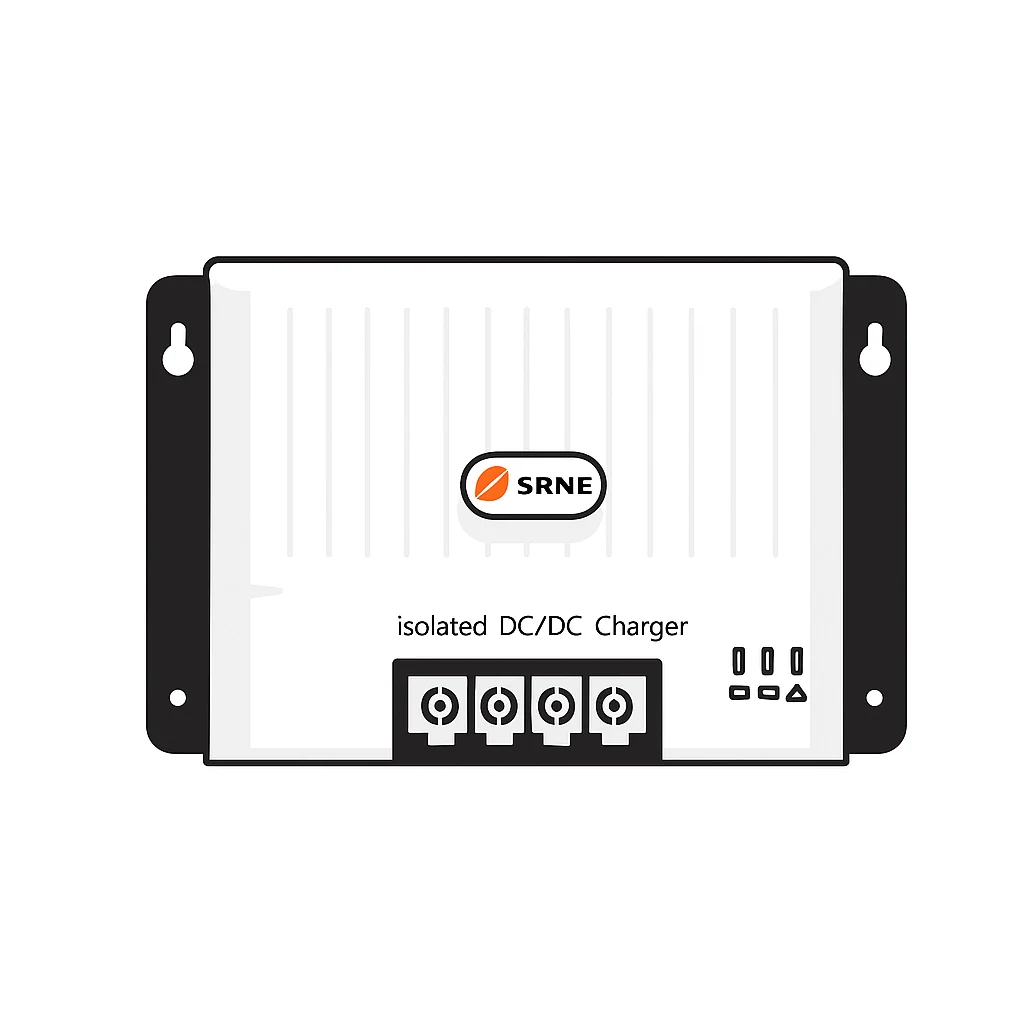
Thermal runaway is frequently caused by incompatible chargers. This is a practical risk for leisure vehicle owners who may be using a mix of solar controllers, DC/DC converters, and shore power chargers from different manufacturers. Charger profile mismatch is one of the leading causes of cell stress and premature failure.
Key fact: Most documented battery fire incidents in leisure vehicles begin indoors or in enclosed storage compartments, where ventilation is limited and intervention is slow.
Understanding battery management systems in detail helps you evaluate whether your current system is genuinely protected. The role of BMS in energy storage is more involved than simple overcharge protection. It includes cell balancing, state of charge (SOC) estimation, and fault logging.
| Feature | LiFePO4 | AGM |
|---|---|---|
| Thermal runaway risk | Very low | Negligible (no thermal runaway) |
| Typical cycle life | 2,000 to 5,000 | 300 to 500 |
| Weight (relative) | Light | Heavy |
| Depth of discharge | 80 to 100% | 50% max |
| BMS requirement | Yes | No |
| Charging sensitivity | High | Low |
Pro Tip: If you are using a multi-source charging setup (solar, DC/DC, shore power), verify that each charger has a LiFePO4 profile selected. A single mismatched charger in the chain can stress cells over time even when everything else is correctly specified. Learn more about how BMS affects battery lifespan to understand the long-term implications. For additional context on safe charging practices, e-bike battery safety techniques offer comparable real-world guidance.
Applying standards: Installation, storage, and best practice for leisure vehicles
Knowing about hazards is vital, but real safety comes from how you install, operate, and store your batteries. The 2025 standards translate into specific actions at every stage of your system’s lifecycle.
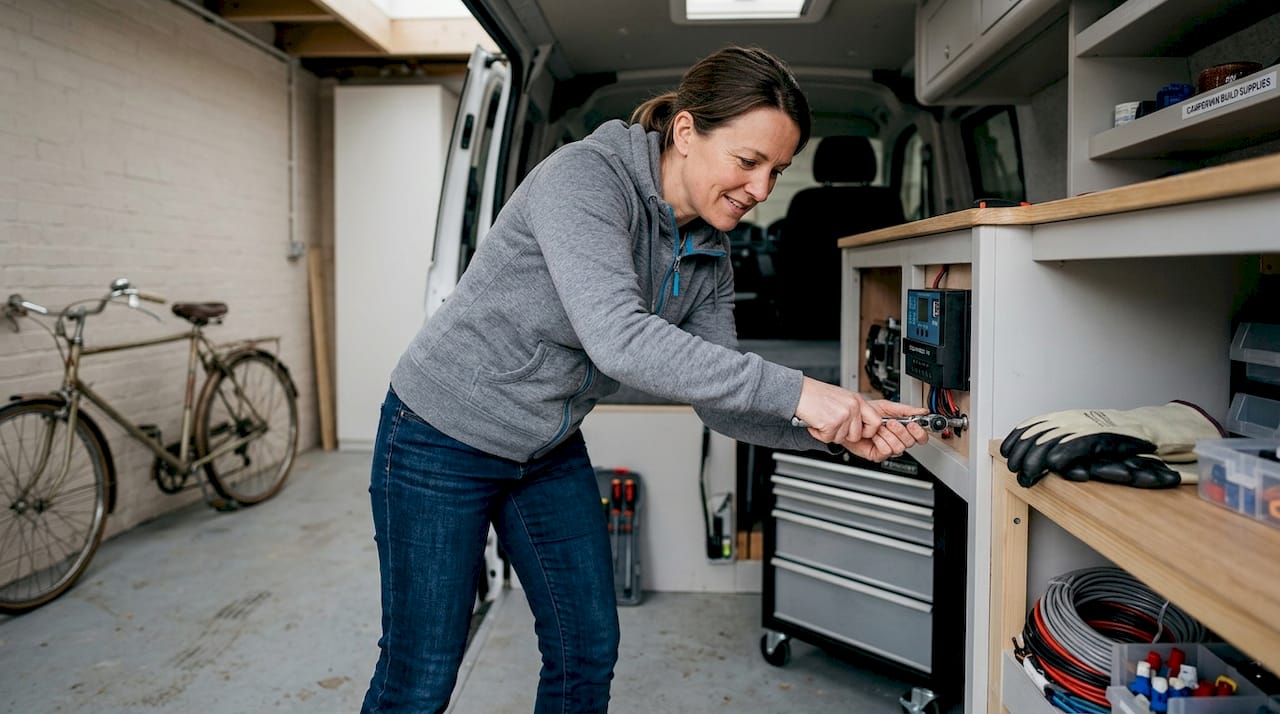
Statutory guidelines require that lithium-ion batteries have safety mechanisms against runaway, and MIS 3012 sets out the specific installation and commissioning requirements for vehicle energy storage systems up to 50kW.
Practical installation steps under the 2025 framework:
- Select a certified battery with documented BMS specifications and traceable manufacturing records.
- Check charger compatibility before installation. Confirm LiFePO4 charging profiles on all charge sources.
- Install with adequate ventilation. Batteries must not be sealed in airtight compartments without thermal management provision.
- Secure cabling correctly. Use appropriately rated fusing and cable sizing per BS7671:721.
- Complete commissioning documentation. Record system voltage, state of charge at commissioning, and all connected components.
- Conduct an annual inspection. Check terminals, fusing, BMS connectivity, and charger profiles each year.
| Requirement | Standard minimum | Best practice |
|---|---|---|
| BMS | Certified, connected | Bluetooth-enabled with real-time alerts |
| Ventilation | Adequate airflow | Dedicated ventilation with thermal sensor |
| Fusing | Rated for cable | ANL fuse adjacent to battery positive |
| Commissioning record | Required | Stored digitally and on-vehicle |
| Annual check | Advised | Scheduled with service log |
Pro Tip: Store batteries at 50 to 60% state of charge during extended periods of non-use. Leaving a lithium battery fully charged in a warm vehicle for months accelerates cell degradation, regardless of BMS quality.
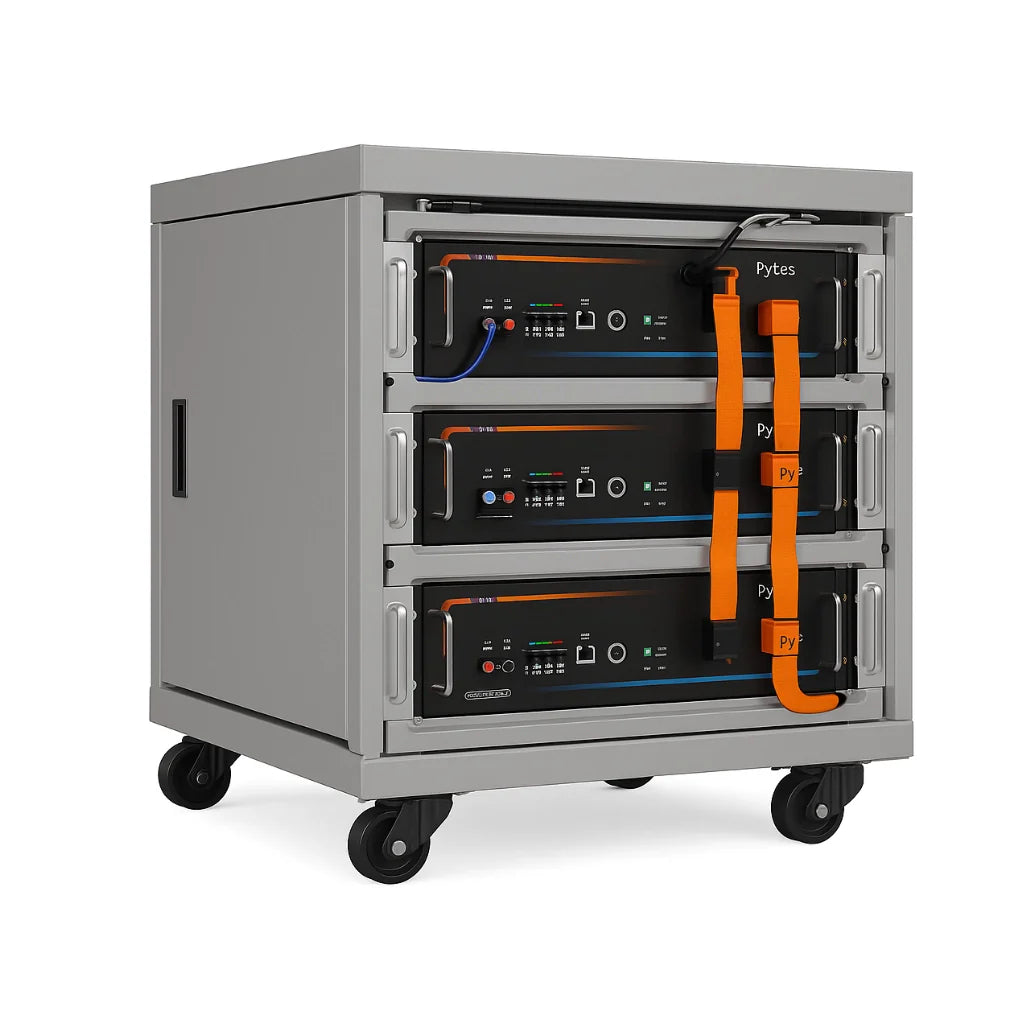
For practical reference on compliant setups, battery setup examples show how different configurations can be structured to meet these requirements. The lithium battery installation guide and the campervan battery workflow both cover the step-by-step process in detail.
Choosing the safest battery: LiFePO4 vs AGM vs standard lithium-ion
With best practice installation covered, your battery choice is equally vital for both safety and performance. Not all chemistries carry the same risk profile, and the 2025 regulatory direction is clearly favouring specific technologies.
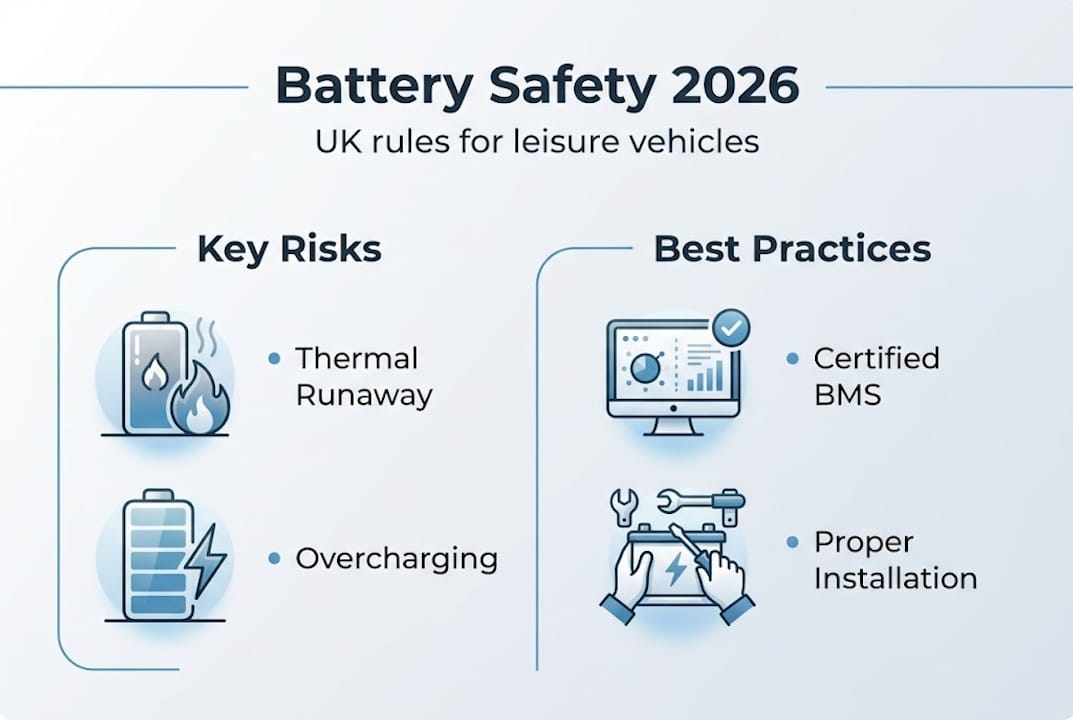
LiFePO4 cycle life is 2,000 to 5,000 compared to AGM at 300 to 500, and the industry is actively pushing LiFePO4 as the safer long-term choice for energy storage. This is reflected in MCS guidance and the broader OPSS regulatory direction.
Here is how the three main chemistries compare for leisure and off-grid use:
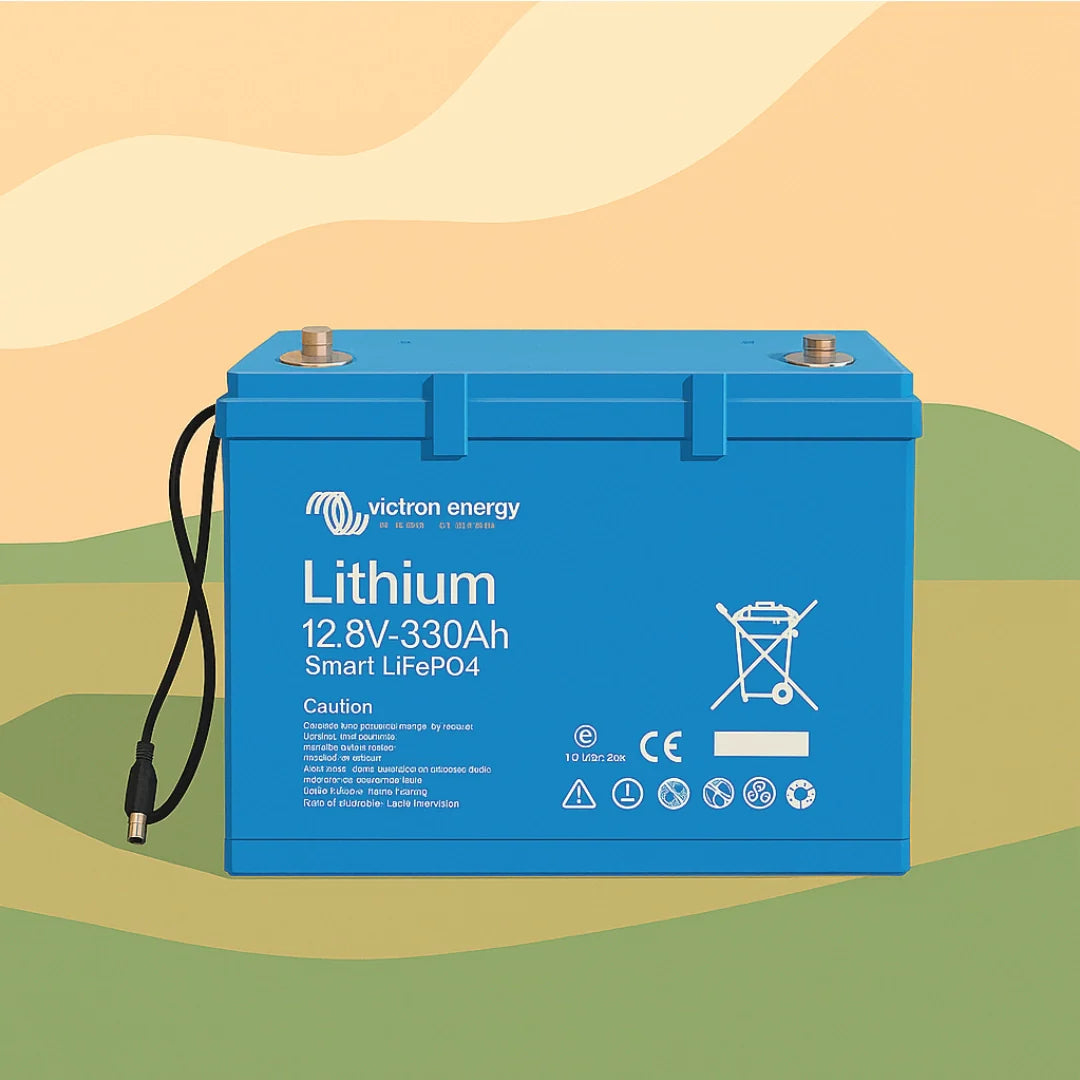
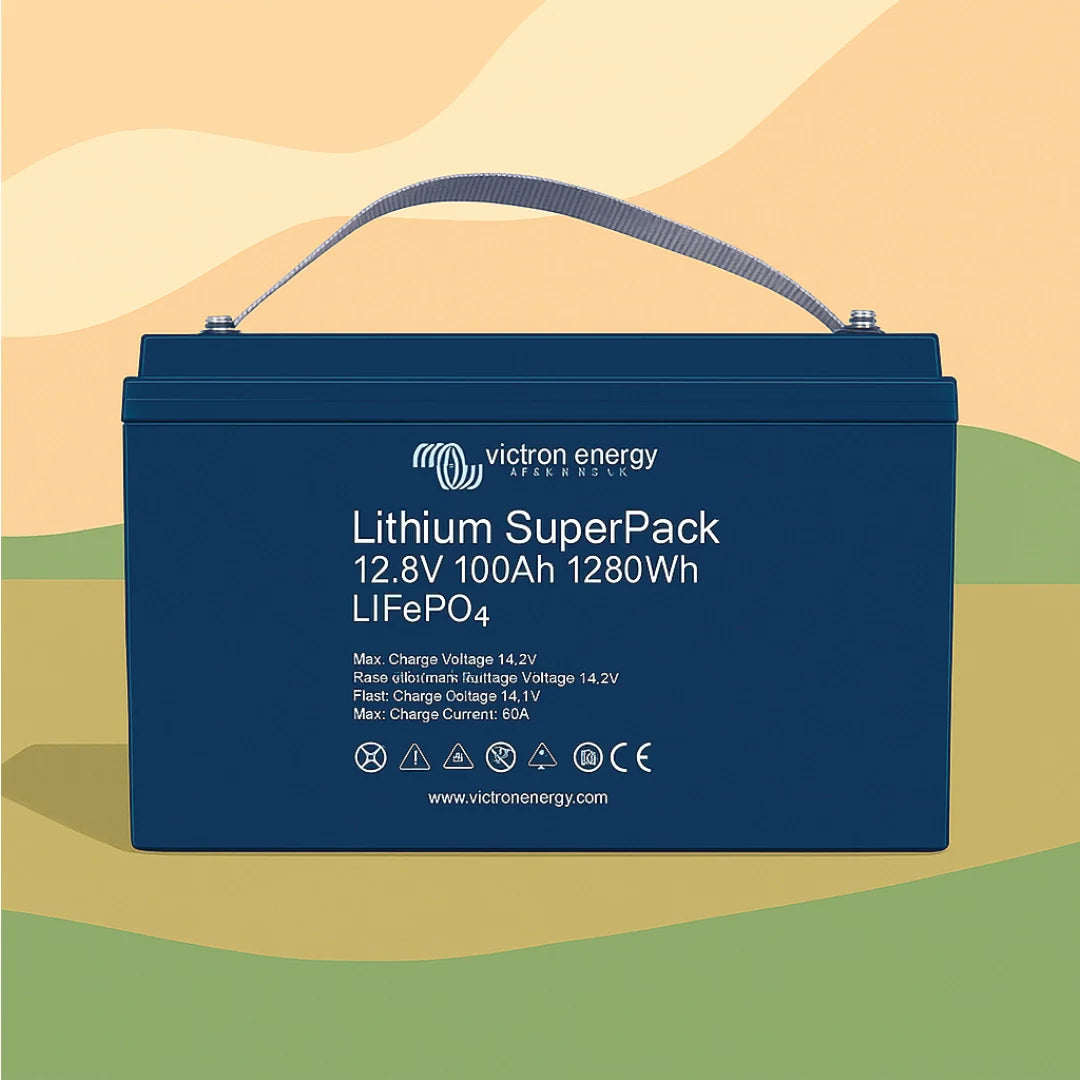
- LiFePO4 (lithium iron phosphate): Highest safety rating among lithium chemistries. Stable cathode chemistry means thermal runaway is extremely unlikely under normal conditions. Recommended for leisure vehicles and off-grid setups.
- Standard lithium-ion (NMC/NCA): Higher energy density than LiFePO4, but significantly greater thermal runaway risk. More common in consumer electronics. Not recommended for vehicle installations under the 2025 framework.
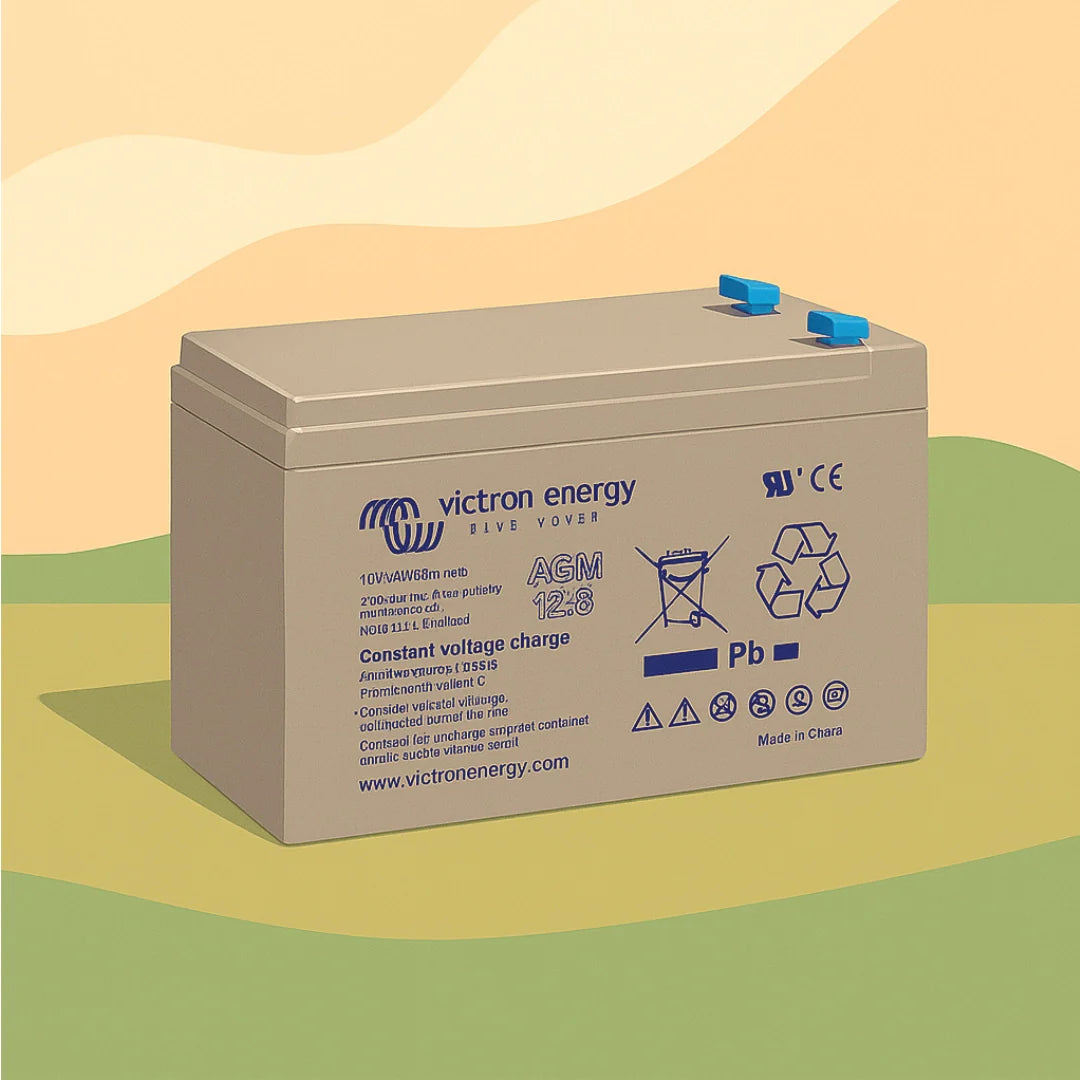
- AGM (absorbent glass mat): No thermal runaway risk, but poor cycle life and limited usable capacity. Heavy and poorly suited to mobile applications. Being phased out in favour of LiFePO4 across the industry.
When selecting a battery, prioritise these factors:
- Verified BMS specifications with over-voltage, under-voltage, and temperature protection
- Manufacturer documentation confirming compliance with applicable UK standards
- Compatibility with your existing charging architecture
- Scalability if you plan to expand your system later
Pro Tip: When comparing LiFePO4 products, ask for the actual cycle life test data, not just the advertised figure. Cycle life varies significantly between manufacturers at different depths of discharge.
For a detailed side-by-side assessment, lithium vs AGM safety covers the key differences in a campervan context. If you encounter issues with an existing system, off-grid troubleshooting provides systematic diagnostic guidance.
Why common battery safety advice misses leisure vehicle realities
Most published safety guidance is written for static domestic installations. The assumptions built into those guides do not hold for a vehicle that moves between climates, connects to variable power sources, and is used intermittently across months or years.
Standard advice assumes fixed ambient temperatures, consistent charging sources, and permanent ventilation. Leisure vehicles experience none of these reliably. A motorhome parked in direct summer sun reaches internal temperatures that stress batteries well beyond the conditions a domestic guide anticipates.
Charger compatibility guidance is particularly inadequate. Many off-grid owners run solar MPPT controllers, DC/DC converters, and mains inverter-chargers simultaneously. Each adds a potential point of profile mismatch. Generic guides rarely address multi-source charging in any practical detail.
The 2025 standards are a step forward, but they still rely on owners interpreting static documents for dynamic environments. Following the real-world workflows developed specifically for mobile applications gives you a more grounded starting point than a residential-focused compliance checklist.
Explore compliant battery solutions for your leisure vehicle
Applying the 2025 standards is straightforward when your products are designed with compliance in mind. Skyenergi supplies battery systems and solar solutions engineered for leisure vehicle use, with BMS specifications and documentation that support your compliance requirements.
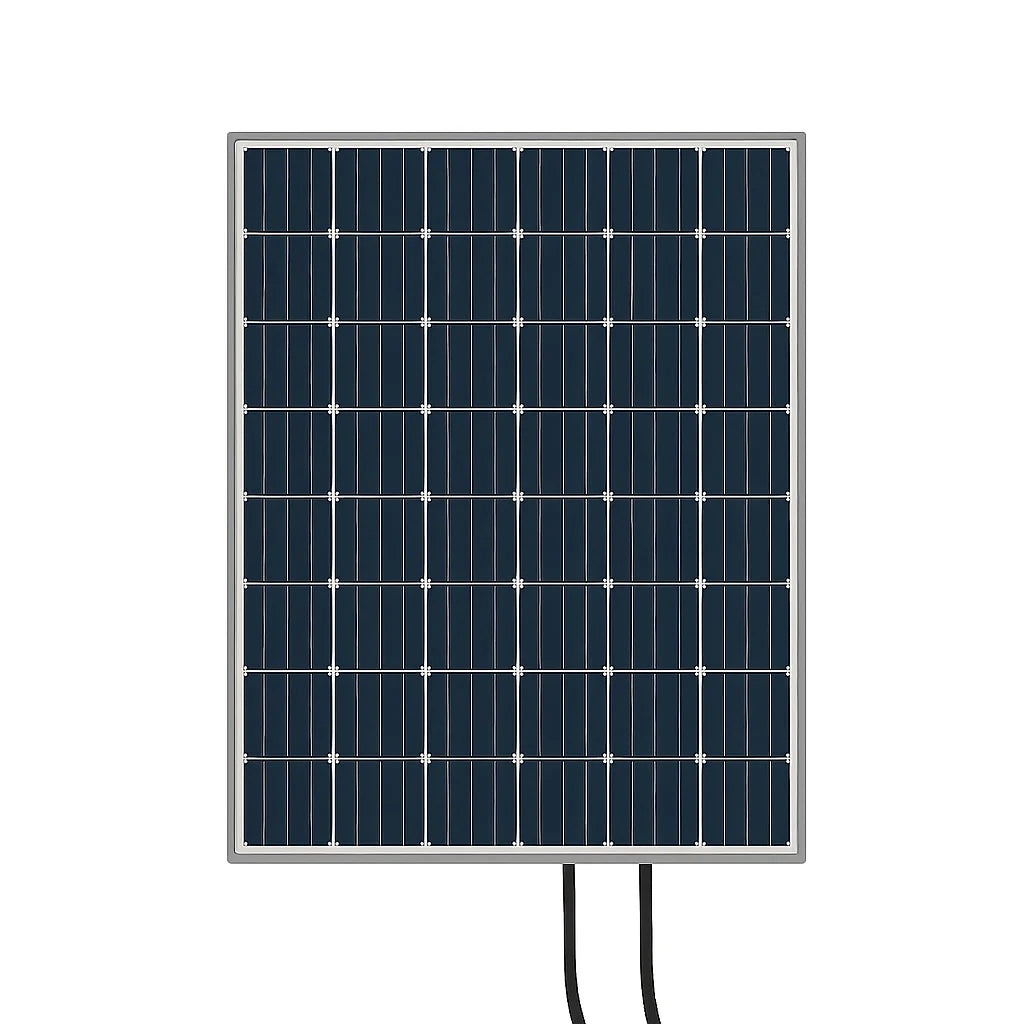
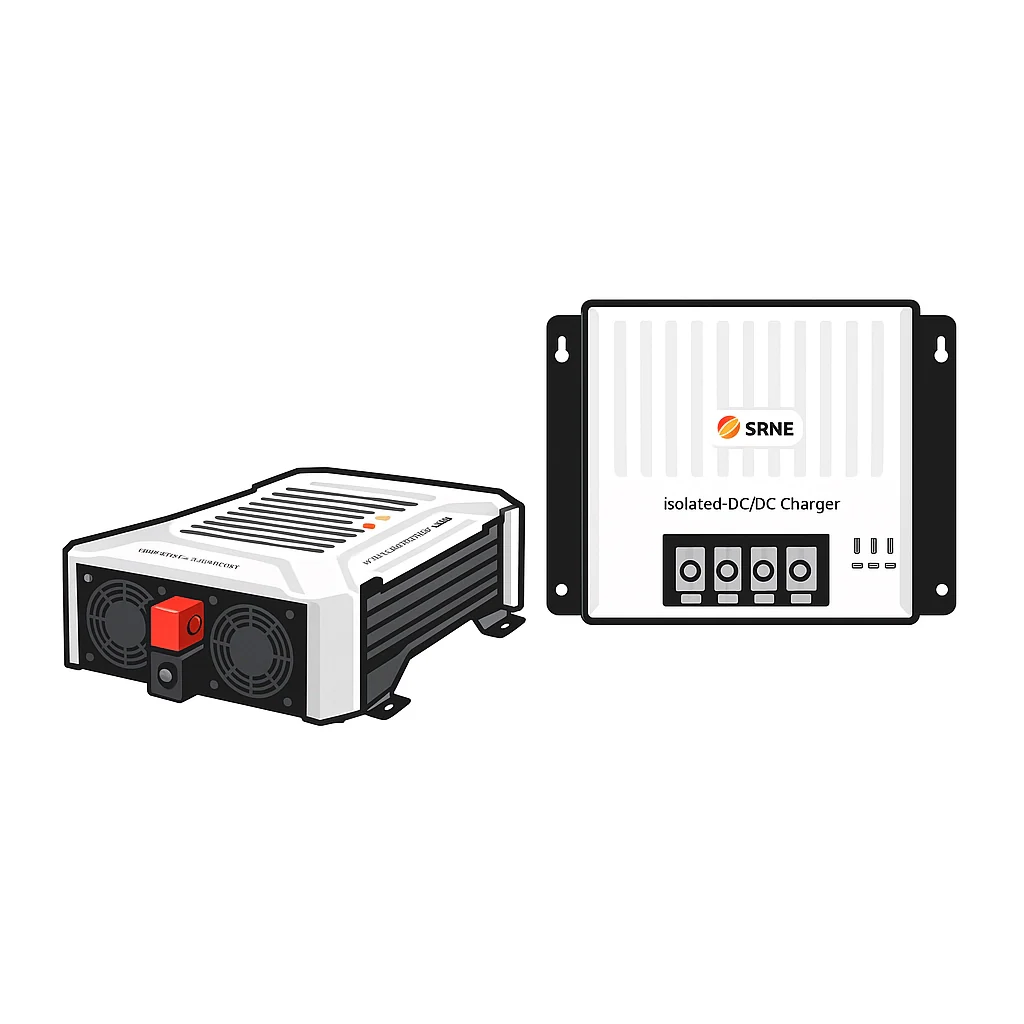
Our compliant solar power options include fully integrated systems combining inverter-chargers, DC/DC converters, and monitoring, simplifying installation against MIS 3012 requirements. For Victron-based setups, our Victron solar solutions pair high-output panels with MPPT controllers and battery options. Browse the full battery solutions overview to find systems suited to your vehicle type and capacity needs. SHOP NOW.
Frequently asked questions
Do leisure vehicle owners need to comply with the new 2025 battery safety standards?
Yes. Leisure accommodation vehicles are specifically referenced in MIS 3012:2025 under BS 7671 Section 721, meaning installation and safety requirements apply directly to campervans, motorhomes, and similar setups.
How can I minimise risk of thermal runaway in my leisure battery system?
Using a certified BMS with over-temperature protection, combined with correct charger profiles and adequate ventilation, significantly reduces thermal runaway risk in a leisure vehicle environment.
Which battery chemistry is safest for leisure and off-grid use?
LiFePO4 is the recommended choice. Its cycle life of 2,000 to 5,000 cycles and inherently stable chemistry make it significantly safer and longer-lasting than AGM or standard lithium-ion alternatives.
Are there special installation requirements under the 2025 standards?
Yes. MIS 3012 covers design, installation, and commissioning for vehicle energy storage systems up to 50kW, requiring certified components, commissioning records, and compliance with BS7671:721 wiring regulations.
Recommended
Prev post

Off-grid power terminology: UK energy independence guide
Updated on 17 April 2026
Next post

The essential motorhome energy checklist for off-grid UK travel
Updated on 16 April 2026


