





Energy storage checklist for UK leisure vehicles 2026
A complete energy storage checklist for UK leisure vehicles in 2026. Covers battery sizing, solar integration, BMS, installation compliance, and maintenance.
TL;DR:
- Proper planning of batteries, solar, and monitoring components is essential for off-grid reliability.
- Lithium batteries offer higher capacity, longer lifespan, and lighter weight compared to lead-acid options.
- Compliance with UK safety standards and regular maintenance ensure long-term safe operation.
Powering a campervan or motorhome off-grid looks straightforward until you’re parked in a remote field with a flat battery and no hookup in sight. The reality is that a reliable leisure vehicle energy system requires careful planning across multiple components: batteries, solar, charge controllers, wiring, and monitoring. Miss one element and the whole setup can fail at the worst moment. This checklist covers every stage, from initial planning through to long-term maintenance, giving you a clear, practical framework to achieve genuine energy independence on the road in 2026.
Table of Contents
- Checklist overview: Essential energy storage criteria for 2025
- Selecting and sizing your battery system
- Integrating solar and advanced BMS for reliable power
- Installation, safety, and legal compliance checklist
- Operation, monitoring, and maintenance for peace of mind
- Why practical, tailored checklists beat generic advice
- Upgrade your energy storage: Trusted solutions for 2025
- Frequently asked questions
Key Takeaways
| Point | Details |
|---|---|
| Start with clear goals | Decide how much energy independence you really need before investing in new systems. |
| Choose lithium for performance | Lithium batteries offer superior lifespan, weight savings, and reliability for leisure vehicles. |
| Don’t skip BMS or monitoring | A modern BMS and real-time battery monitoring are critical to both safety and long-term value. |
| Compliance prevents problems | Following UK’s 2025 safety standards helps avoid fines and ensures your installation is safe. |
| Routine care maximises life | Regular checks and smart maintenance mean more trips off-grid and fewer battery headaches. |
Checklist overview: Essential energy storage criteria for 2025
Before purchasing any hardware, define what you actually need from your energy system. A weekend camper has very different requirements to someone living in a motorhome full-time. Start by calculating your daily energy consumption: list every appliance, its wattage, and how many hours per day you use it. This single step prevents both undersizing (which causes constant flat batteries) and oversizing (which wastes money).
Key criteria to establish upfront:
- Daily energy use (Wh): Total all appliances, including fridge, lighting, phone charging, water pump, and inverter loads
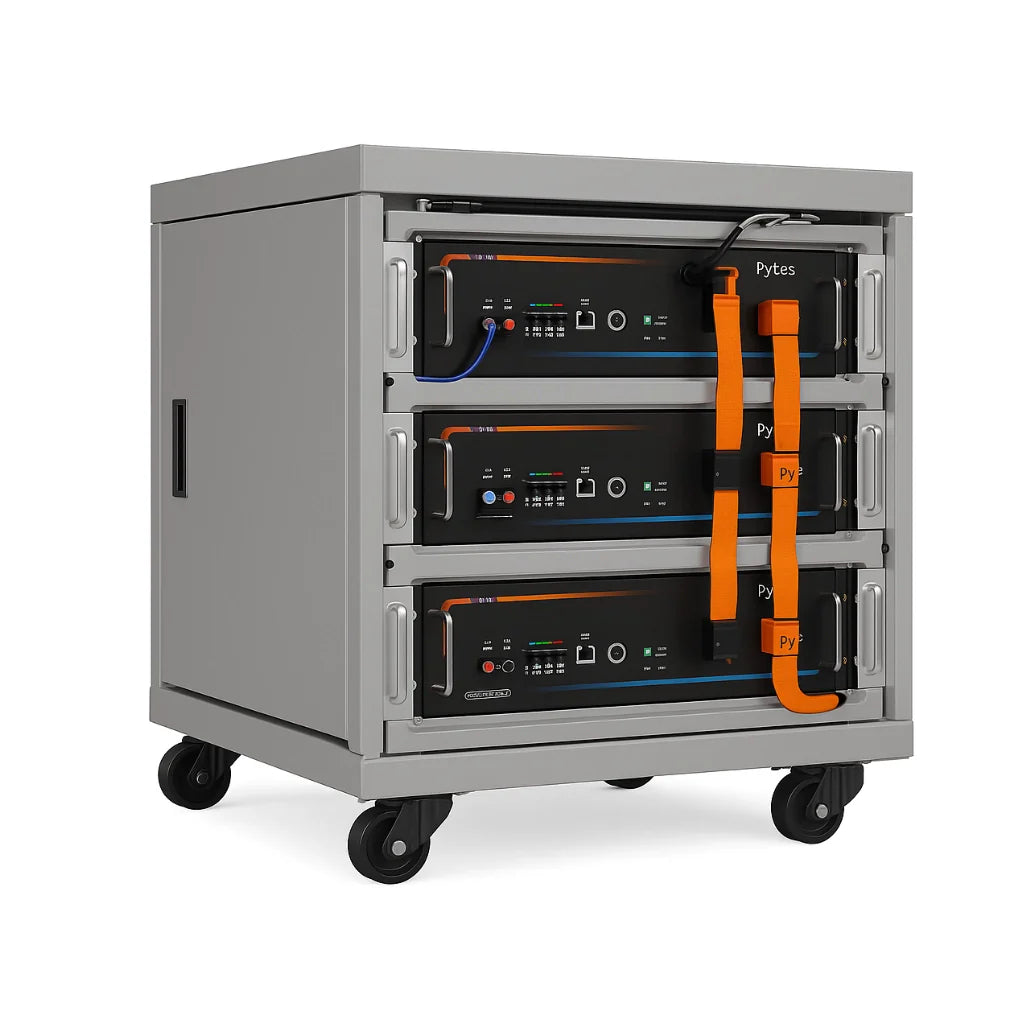
- Battery chemistry: Lithium iron phosphate (LiFePO4) vs AGM vs traditional flooded lead-acid
- Charging sources: Solar, DC/DC converter from the vehicle alternator, mains hook-up charger, or a combination
- Battery management system (BMS): Required for lithium systems; monitors cell voltage, temperature, and state of charge
- Monitoring: Bluetooth or wired battery monitors for real-time data
- Space and weight constraints: Lithium batteries are significantly lighter for equivalent capacity
- Budget and future expansion: Can the system accept additional batteries or solar panels later?
- Safety and compliance: UK regulations for leisure vehicle electrical systems are tightening
As noted in lithium battery trends, “the most pressing trends are the move to lithium batteries, integration of smart battery monitoring, and adherence to new safety standards.” These three areas should anchor every planning decision you make.
Reviewing a solid motorhome energy workflow before purchasing anything can save significant rework later. Similarly, if you are fitting out a van from scratch, the campervan installation workflow provides a sequenced approach that avoids common wiring mistakes. For broader context on panel options, solar panels for leisure vehicles is a useful reference.
Key principle: Define your energy goals before selecting any components. Buying batteries before calculating your daily load is the single most common and costly mistake.
Selecting and sizing your battery system
Once you know your core criteria, it is time to choose the heart of your energy system: the batteries. The technology you select affects cost, weight, lifespan, and how much of the stored energy you can actually use.
Battery technology comparison
| Type | Usable capacity | Cycle life | Weight (100Ah) | Relative cost |
|---|---|---|---|---|
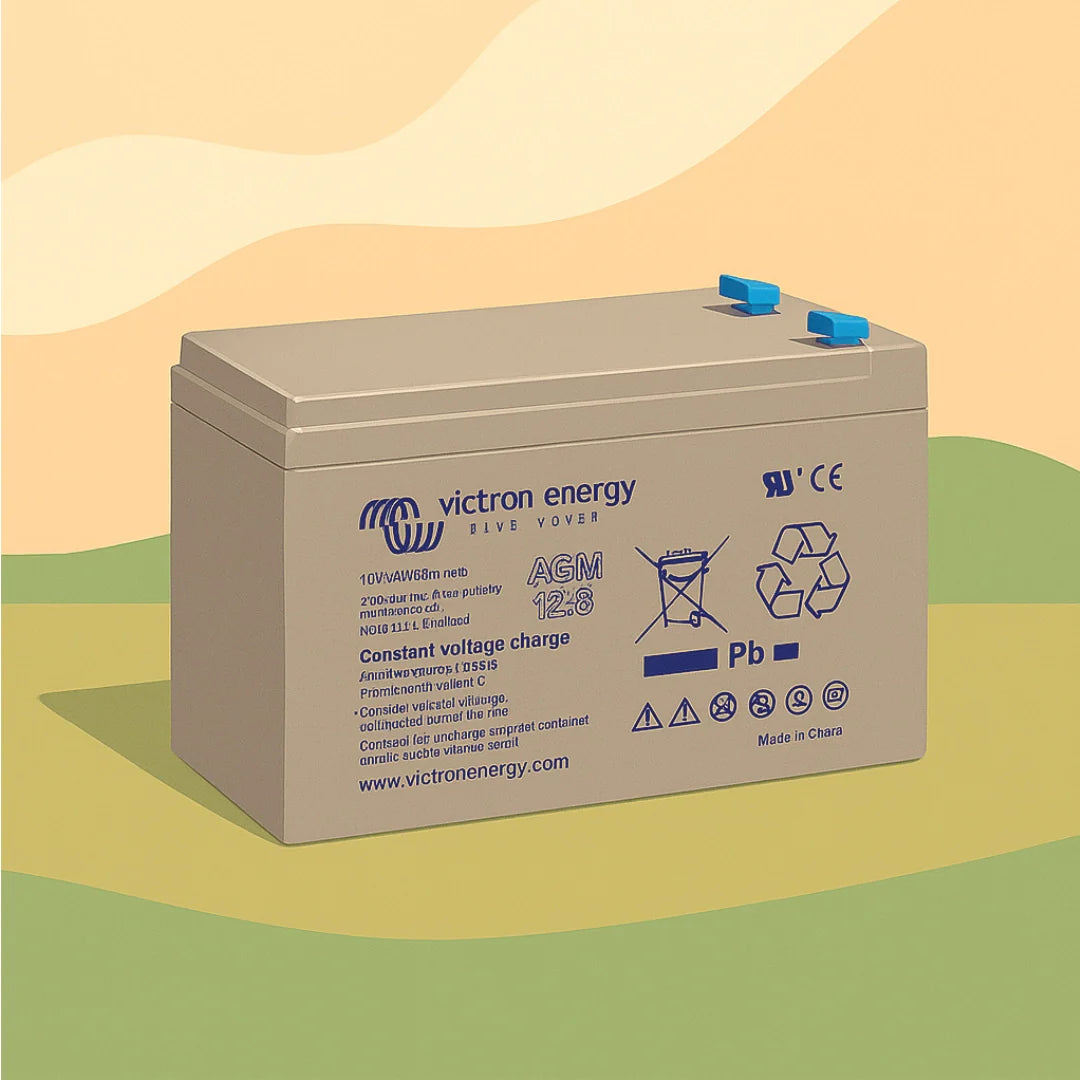
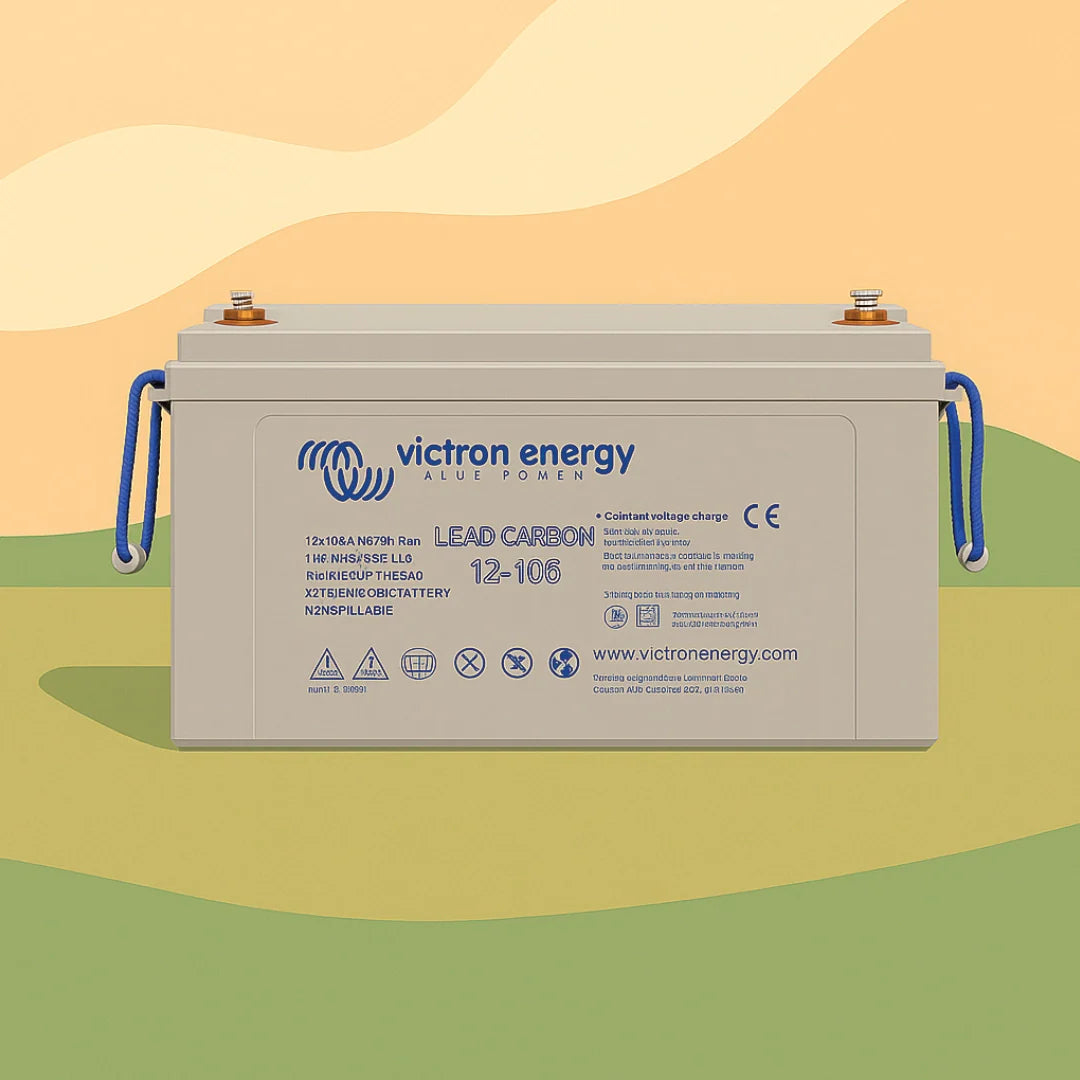
| Flooded lead-acid | 50% | 300–500 cycles | ~28 kg | Low |
| AGM | 50–60% | 500–800 cycles | ~28 kg | Medium |
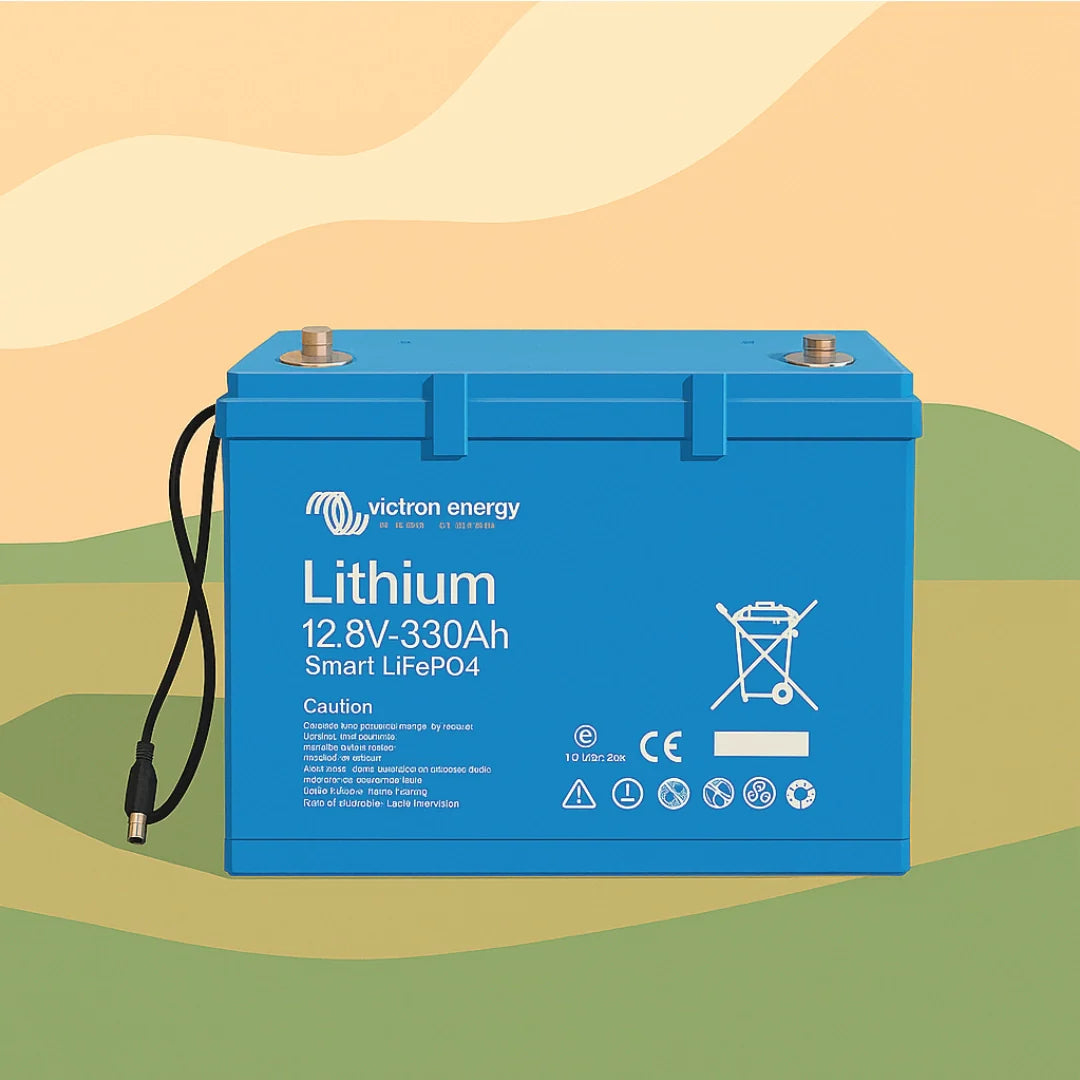
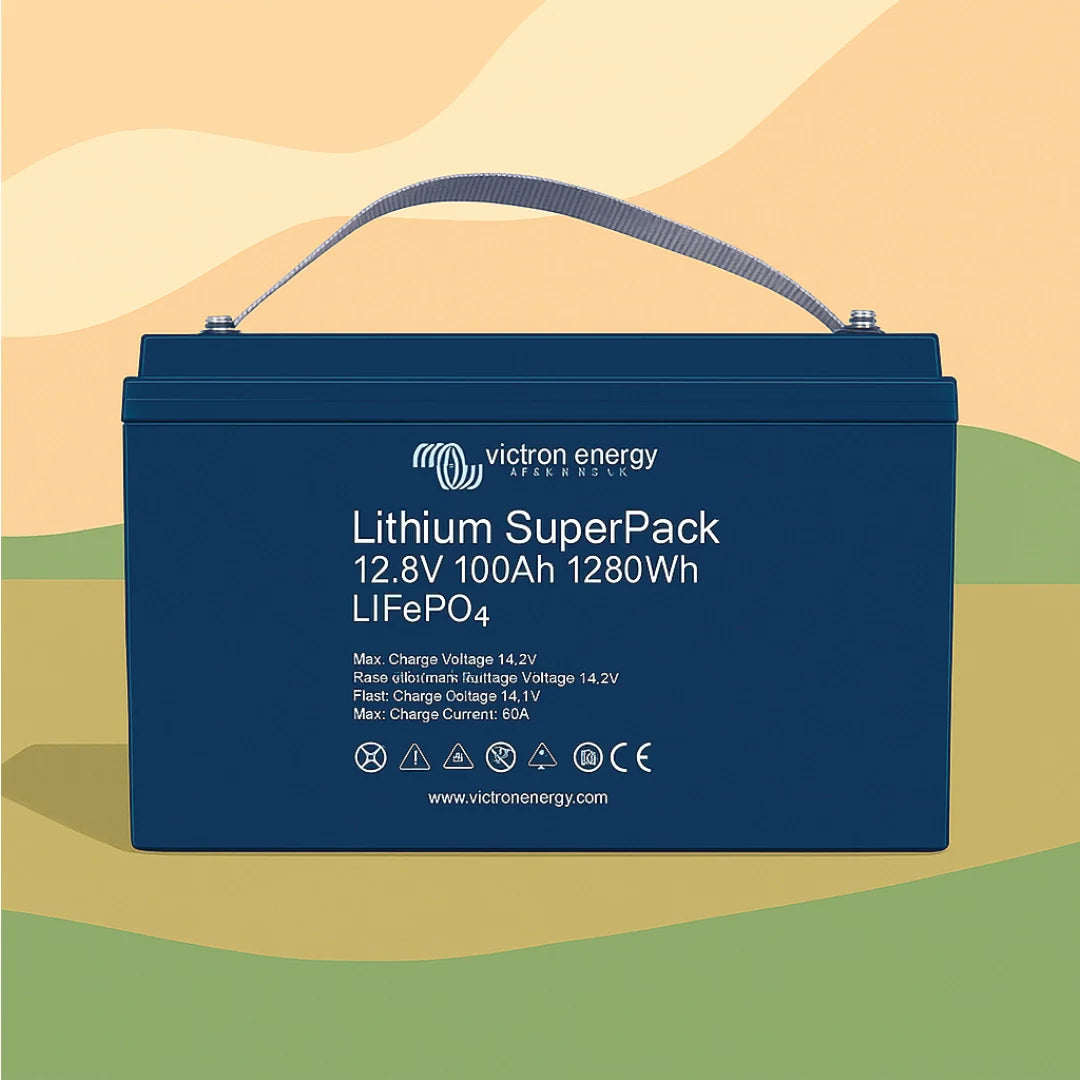
| LiFePO4 lithium | 80–100% | 2,000–5,000 cycles | ~12 kg | Higher upfront |
As the best lithium batteries comparison confirms, lithium batteries offer higher performance, longevity and safety for leisure vehicles compared to lead-acid alternatives. The upfront cost is higher, but the cost per cycle over a system’s lifetime is considerably lower.
Steps to size your battery bank correctly:
- Calculate total daily Wh consumption from your appliance audit
- Divide by usable capacity percentage (e.g., 80% for LiFePO4) to get required total capacity
- Add a 20% buffer for cloudy days or higher-than-expected loads
- Decide on 12V, 24V, or 48V system voltage based on inverter and appliance requirements
- Check physical dimensions and weight against your available installation space
- Confirm the battery supports your intended charge sources (solar MPPT, DC/DC, mains)
For weekend use with a basic fridge, lighting, and phone charging, 100–200Ah LiFePO4 at 12V is typically sufficient. Extended touring or full-time living generally requires 200–400Ah or a 24V system with a larger inverter.
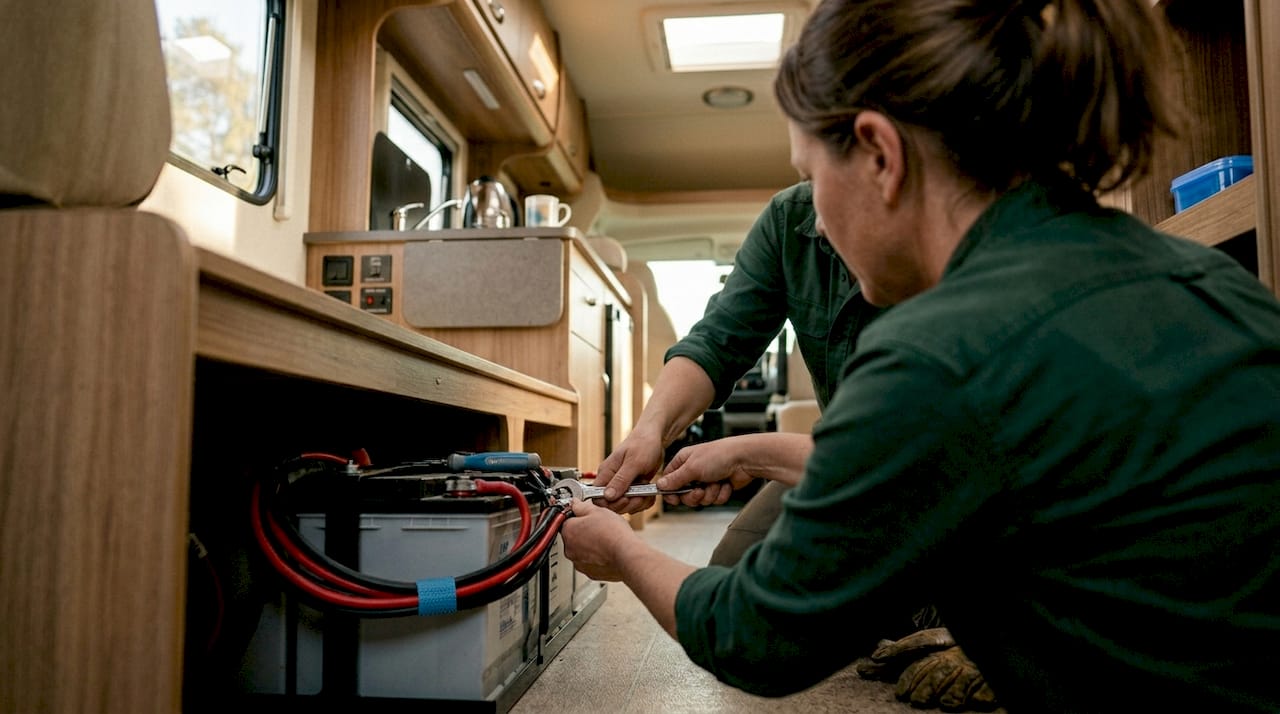
Pro Tip: Always check the maximum continuous charge and discharge current ratings of any battery you consider. A battery rated at 100Ah but limited to 50A discharge will restrict high-draw appliances like a kettle or hair dryer, even if the total capacity looks adequate.
For ongoing battery maintenance guidance, the NCC provides practical advice relevant to UK leisure vehicle owners.
Integrating solar and advanced BMS for reliable power
With batteries chosen, integrating solar and smart controls ensures maximum independence. Solar is the primary charging source for most off-grid setups, and the BMS is the critical safety layer protecting your battery investment.
Solar integration checklist:
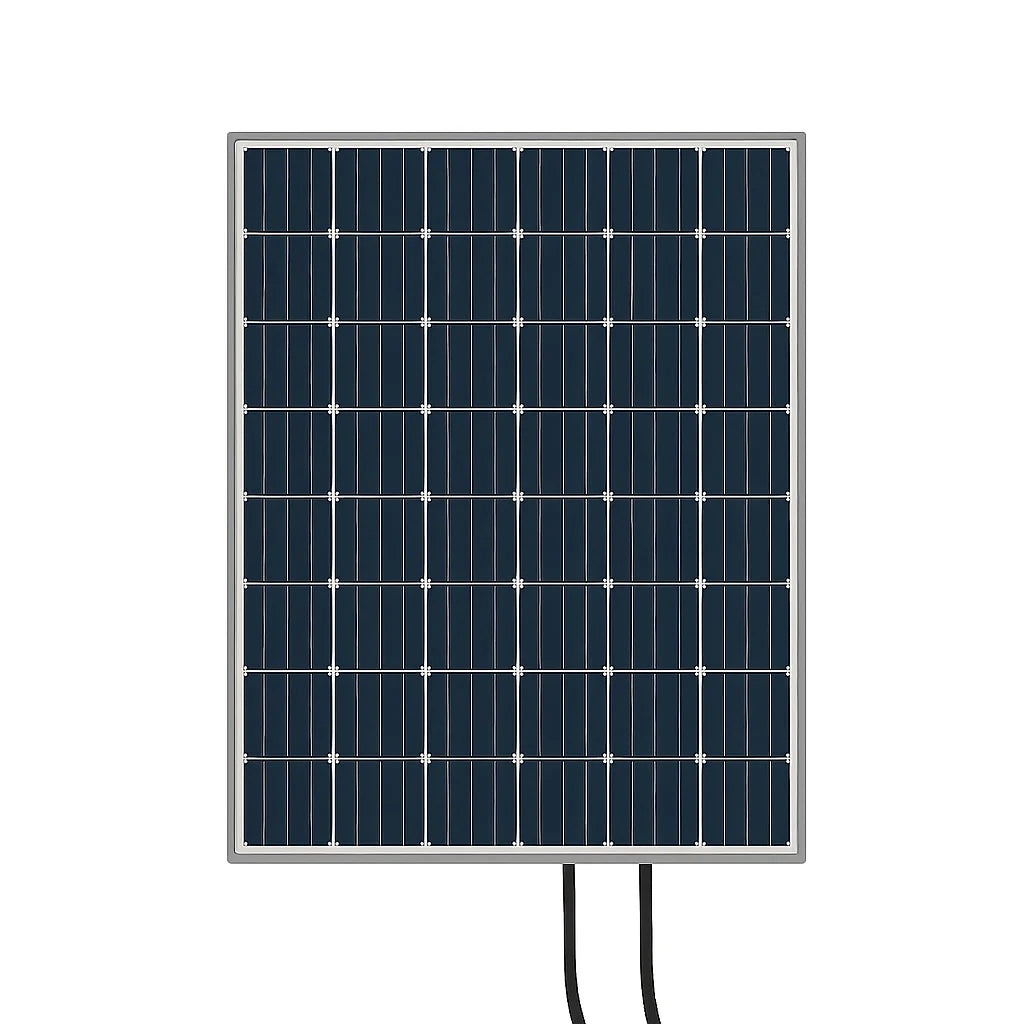
- Panel wattage: Match to daily consumption and available roof space; 200–400W covers most touring needs
- Controller type: MPPT controllers recover significantly more energy than PWM, especially in partial shade or low light
- Mounting hardware: Confirm roof load ratings and use appropriate brackets for your vehicle type
- Cabling: Size cables correctly for the run length and current to minimise voltage drop
- Combiner or fuse box: Protect each panel string with appropriate fusing
Solar controller comparison
| Controller type | Efficiency | Best for | Cost |
|---|---|---|---|
| PWM | 70–75% | Small, simple systems | Low |
| MPPT | 93–97% | Larger arrays, variable conditions | Medium to high |
For guidance on panel sizing, solar panel sizing provides a practical calculator approach.
On the BMS side, proper BMS integration is vital for battery longevity and safety. The role of BMS in a lithium system goes beyond simple protection: it balances individual cells, monitors temperature, prevents over-discharge, and communicates state-of-charge data to your monitoring display.
BMS pre-installation checks:
- Confirm BMS is rated for your battery’s maximum charge and discharge current
- Verify low-temperature cut-off settings (critical for UK winters)
- Check Bluetooth compatibility if you want smartphone monitoring
- Ensure the BMS communicates with your MPPT controller if using a managed system
Pro Tip: Many budget lithium batteries include an internal BMS, but the specifications are rarely published. Always request the BMS datasheet before purchasing, particularly the low-temperature charge cut-off threshold, which is typically 0°C for standard units.
Installation, safety, and legal compliance checklist
A well-specified solar-battery setup demands correct installation and respect for legal standards. Poor wiring is the leading cause of electrical fires in leisure vehicles, and UK regulations are becoming more specific about lithium battery installations.
Installation steps:
- Plan cable routes before cutting any holes; keep DC and AC wiring separated
- Size all cables to the maximum continuous current, not just the typical load
- Install a main fuse or circuit breaker as close to the battery positive terminal as possible
- Use appropriate enclosures for all connections; IP-rated boxes for damp areas
- Ensure adequate ventilation around the battery compartment, even for sealed LiFePO4 units
- Label all circuits clearly and document the system layout
- Test each circuit individually before connecting the full system
For a sequenced approach to the full process, the installation workflow covers each stage in detail.
On compliance, updated safety standards are mandatory for UK leisure vehicles with lithium systems in 2026. This includes appropriate fusing, thermal management provisions, and in some cases professional sign-off for insurance purposes.
Regulatory note: If your vehicle is used as a hire vehicle or for commercial purposes, professional electrical certification is not optional. Even for personal use, insurers increasingly require documented compliance for lithium battery installations.
For official guidance, the battery safety guidance published by the UK government outlines the current requirements for vehicle battery installations.
Fire safety essentials:
- Fit an appropriate fire extinguisher rated for electrical fires within reach of the battery compartment
- Install a battery isolation switch accessible from outside the vehicle
- Use only tinned marine-grade cable in damp environments
Operation, monitoring, and maintenance for peace of mind
Finally, ensure your investment delivers year after year with vigilant monitoring and smart care. A system that is never checked will eventually fail without warning.
Daily and weekly monitoring checklist:
- Check state of charge each morning before heavy loads
- Review minimum overnight voltage to detect abnormal self-discharge
- Monitor solar yield against expected output for the season
- Check inverter fault logs weekly if fitted
- Inspect visible cable connections monthly for corrosion or looseness
Regular monitoring using digital systems can prevent battery faults and prolong system life. Bluetooth BMS apps allow you to review cell-level data without opening any panels, which makes routine checks quick and practical.
Common issues and fixes:
- Low voltage warnings: Check solar input first, then DC/DC charger connection
- Inverter shutdowns: Usually low battery voltage or overtemperature; check load and ventilation
- Reduced solar output: Clean panels, check for shading, verify MPPT controller connections
- BMS fault codes: Refer to manufacturer datasheet; most relate to over-current or temperature limits
For a structured approach to ongoing care, the battery maintenance workflow and the broader energy storage setup guide are both practical references. Additional tips on seasonal care are available via motorhome battery care.
Pro Tip: Before winter storage, charge your LiFePO4 battery to 50–60% state of charge rather than full. This reduces cell stress during long periods of inactivity and is the storage condition recommended by most lithium battery manufacturers.
Why practical, tailored checklists beat generic advice
Most energy storage guides are written for a global audience and miss the specifics that matter in the UK: variable solar irradiance, damp installation environments, specific insurance requirements, and the NCC standards that apply to leisure vehicles registered here. Generic advice to “just buy lithium” or “add more solar” does not account for the real constraints of a UK touring setup.
A tailored checklist forces you to work through your actual daily load, your specific vehicle constraints, and the compliance requirements relevant to your use case. This prevents the two most common and expensive outcomes: buying components that do not work together, and installing a system that fails a safety inspection.
The battery trend insights confirm that the market is moving fast, with new BMS standards and monitoring capabilities arriving regularly. A checklist approach keeps you focused on what your system needs rather than what is simply the newest product available.
Step-by-step workflows, matched to your specific setup, consistently outperform one-size-fits-all guides. That is the practical reality for UK leisure vehicle owners in 2026.
Upgrade your energy storage: Trusted solutions for 2025
Ready to put your checklist into action? Skyenergi supplies a curated range of lithium battery systems, solar components, and complete off-grid energy kits designed specifically for UK leisure vehicles.
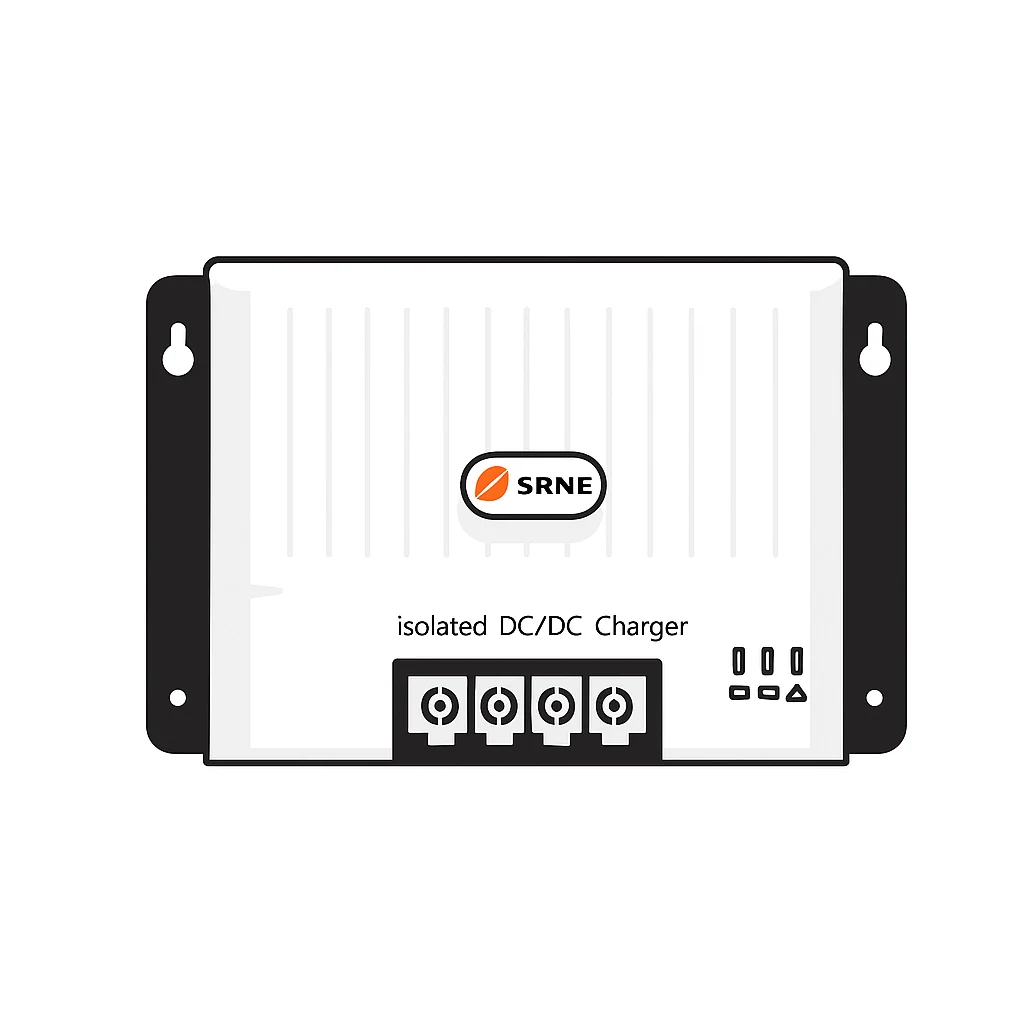
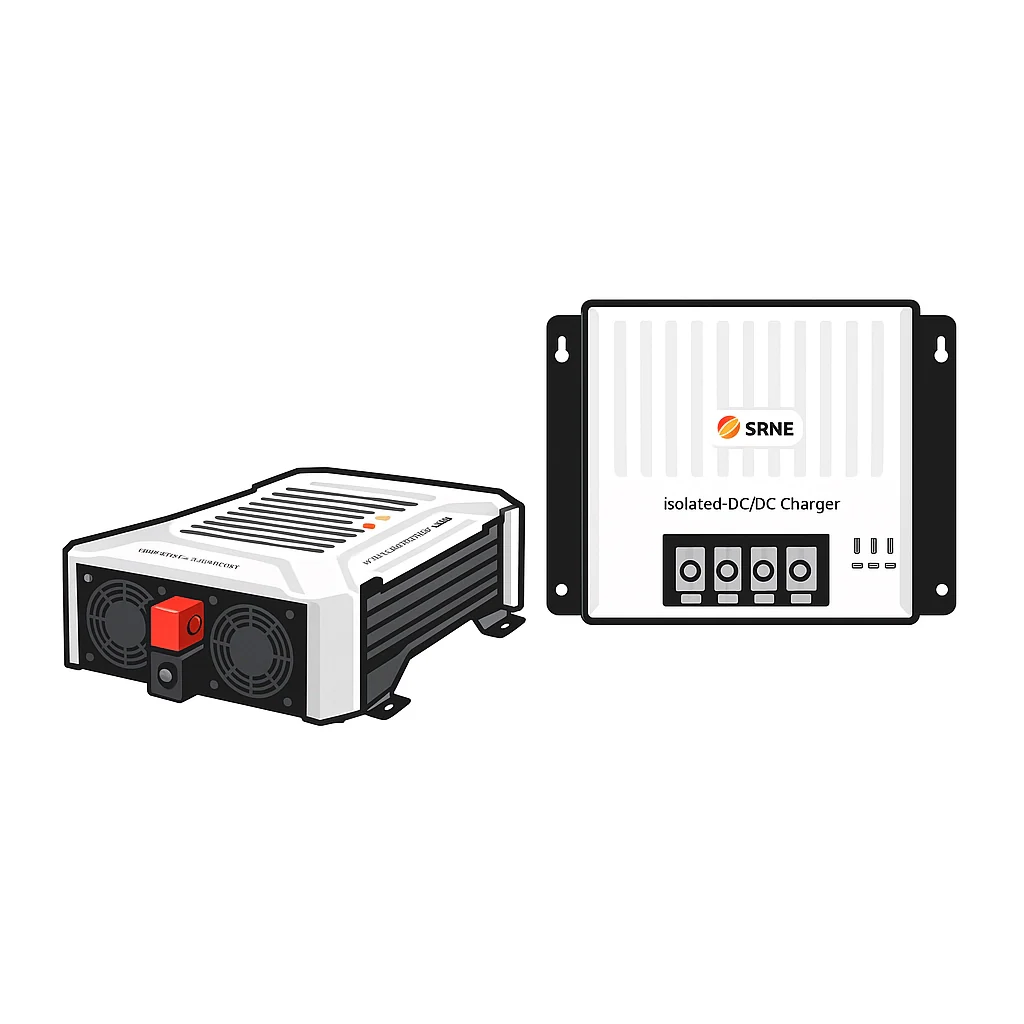
For a complete turnkey solution, the solar power system kit from SRNE integrates inverter-charger, DC/DC converter, and monitoring in a single package. For higher-capacity residential or large motorhome applications, the Victron EasySolar solutions combine MPPT solar charging, inverter, and GX monitoring in one unit. Both options are available directly from Skyenergi with full technical support.
Frequently asked questions
What size battery do I need for a UK leisure vehicle?
Most leisure vehicles require 100–300Ah for basic off-grid use, depending on daily consumption. Lithium batteries offer superior performance and usable capacity compared to lead-acid options of the same rating.
Do I need a solar panel and BMS for my vehicle energy system?
Solar panels and a BMS are strongly recommended for reliable off-grid operation. Proper BMS integration is vital for battery longevity and safety, particularly with lithium chemistry.
Are there new legal or safety rules for energy storage in UK leisure vehicles for 2025?
Yes, new standards require upgraded safety features, appropriate certification, and compliance checks for lithium installations. Updated safety standards are mandatory for UK leisure vehicles with lithium systems in 2026.
How can I maintain my energy storage system to prevent breakdowns?
Regular inspection, digital monitoring, and planned seasonal maintenance catch issues before they cause failures. Regular monitoring using digital systems can prevent battery faults and prolong overall system life.
Recommended
- Energy storage installation workflow UK campervans 2026 – Skyenergi
- Essential solar installation checklist for UK leisure vehicles 2026 – Skyenergi
- Off-grid power solutions checklist for UK leisure vehicles – Skyenergi
- Lithium battery trends 2026: UK energy independence – Skyenergi
- Campingchecklista 2026: 40% färre misstag med smart packning
Prev post

System integration guide for UK off-grid leisure vehicles
Updated on 05 April 2026
Next post

How BMS powers off-grid energy independence: 85% of failures
Updated on 03 April 2026


