




Off-grid power terminology: UK energy independence guide
Master UK off-grid power terminology for campervans, boats, and homes. Learn key terms, avoid costly mistakes, and design a reliable energy independence system.
TL;DR:
- Understanding key off-grid power terms ensures system reliability and cost-effectiveness in UK conditions.
- LiFePO4 batteries and MPPT controllers are preferred for their longevity and efficiency in UK off-grid setups.
- Proper sizing, matching components, and recognizing seasonal challenges are crucial for successful off-grid living.
Most people planning their first off-grid setup focus on buying panels and batteries before they understand what the numbers actually mean. That gap in knowledge is expensive. 300-400W solar and 100Ah LiFePO4 can support a campervan for one to two weeks in a UK summer, but only if your system is sized and wired correctly. Misread a spec sheet or confuse a term, and you end up with a system that underperforms, overheats, or simply fails. This guide breaks down the essential vocabulary for campervans, boats, and residential setups, so you can design, buy, and operate with confidence.
Table of Contents
- Core off-grid power terms explained
- Understanding power generation and storage
- Common pitfalls and expert tips for UK off-grid systems
- Applying terminology: Choosing and configuring your system
- The overlooked realities of mastering off-grid power terminology
- Find the right system for your off-grid ambitions
- Frequently asked questions
Key Takeaways
| Point | Details |
|---|---|
| Master UK off-grid terms | Knowing the jargon is critical to avoid costly mistakes and buy the right components. |
| Prioritise correct system sizing | Match your solar, batteries, and backup based on realistic UK climate data and daily needs. |
| Hybrid = best for homes | Pure off-grid is rare in the UK; combining sources ensures reliability and cost-effectiveness. |
| LiFePO4 for longevity | LiFePO4 batteries offer far greater cycle life and resilience for mobile and residential systems. |
| Efficiency beats excess | Using advanced controllers and understanding technical terms ensures every pound spent delivers real, usable power. |
Core off-grid power terms explained
Building on the need to master off-grid vocabulary, here are the most important terms you will encounter across mobile and residential UK applications.
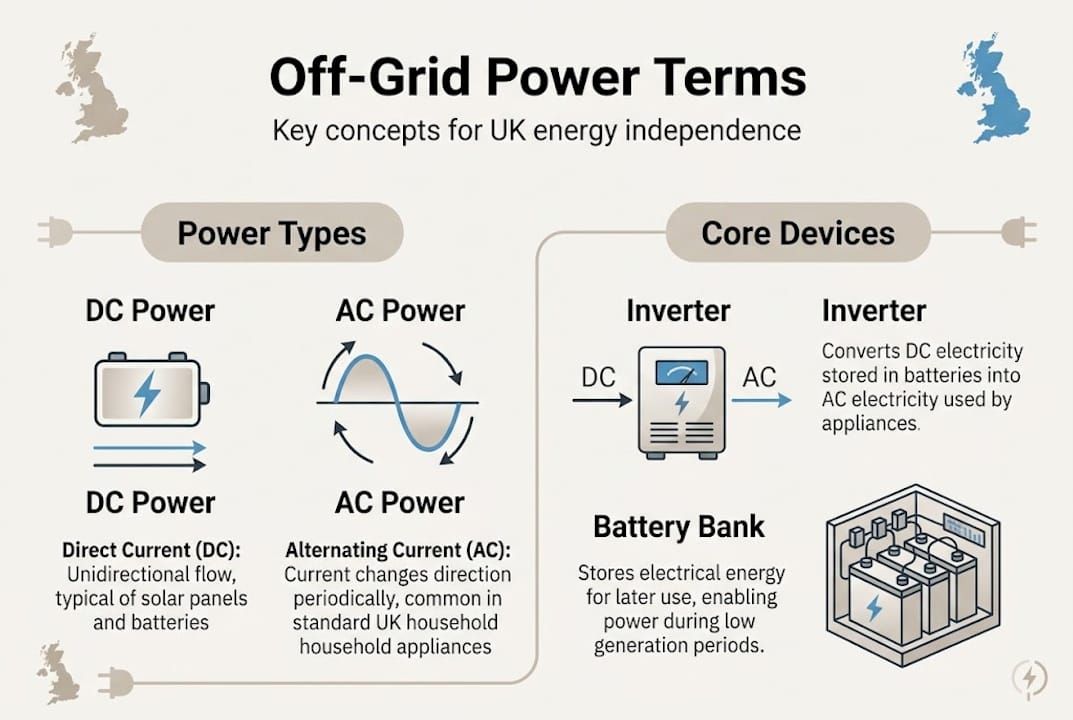
DC and AC power are the starting point. DC (direct current) is what your batteries store and what solar panels produce. AC (alternating current) is what your household appliances run on. 12V DC is standard for UK campervans and boats, while residential systems typically operate at 48V DC for efficiency. An inverter converts DC to AC. Pure sine wave inverters produce clean power suitable for sensitive electronics. Modified sine wave inverters are cheaper but can damage some devices.
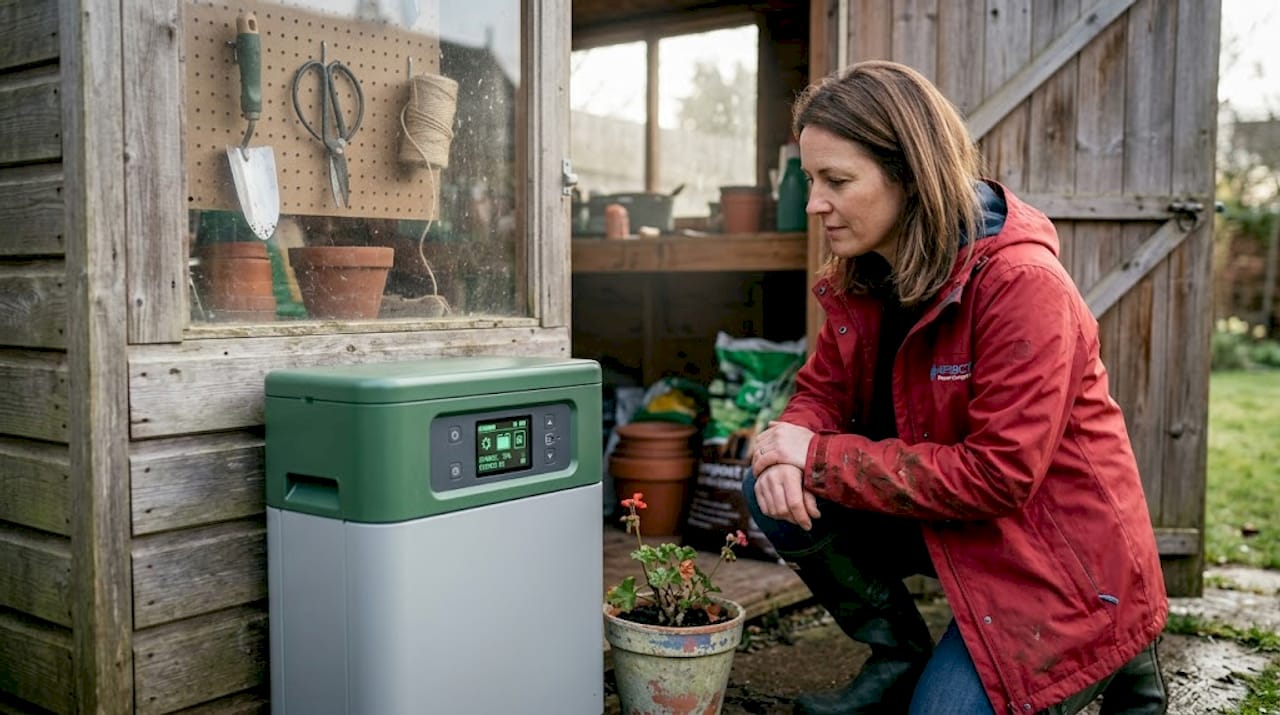
EHU stands for Electric Hook-Up, the 230V mains connection available at campsites and marinas. It is not a battery charging solution on its own; you need a mains charger or inverter-charger to top up your batteries from EHU.
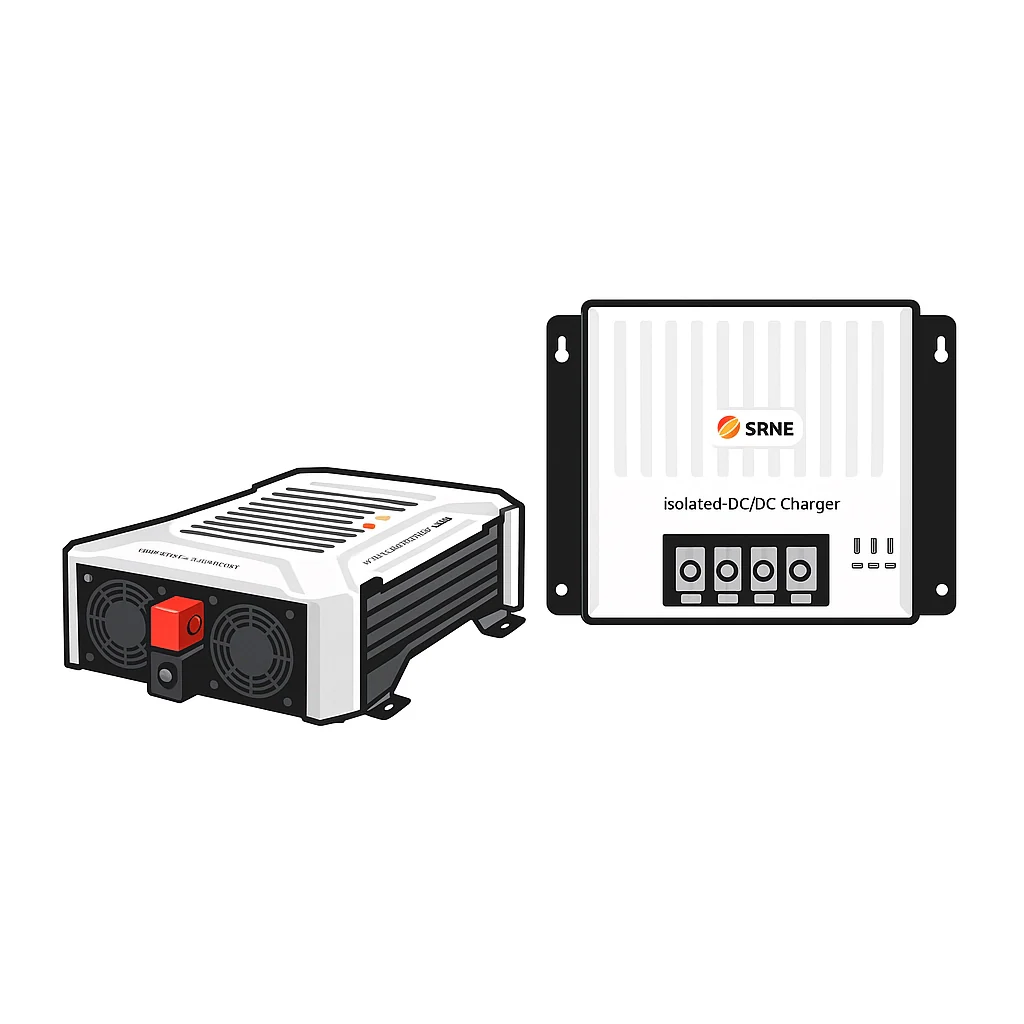
MPPT (Maximum Power Point Tracking) and PWM (Pulse Width Modulation) are two types of solar charge controllers. MPPT is significantly more efficient, especially in the low-light conditions common across the UK. PWM is cheaper but wastes potential energy.
Autonomy refers to how many days your battery bank can power your loads without any input from solar, EHU, or an alternator. SOC (State of Charge) and DoD (Depth of Discharge) define how full or empty your battery is at any given point.
| Term | Mobile (campervan/boat) | Residential (static) |
|---|---|---|
| Voltage | 12V or 24V DC | 48V DC |
| Inverter | 1-3kVA pure sine | 3-10kVA hybrid |
| Charge source | Solar, alternator, EHU | Solar, grid, generator |
| Controller | MPPT 20-60A | MPPT 60-100A+ |
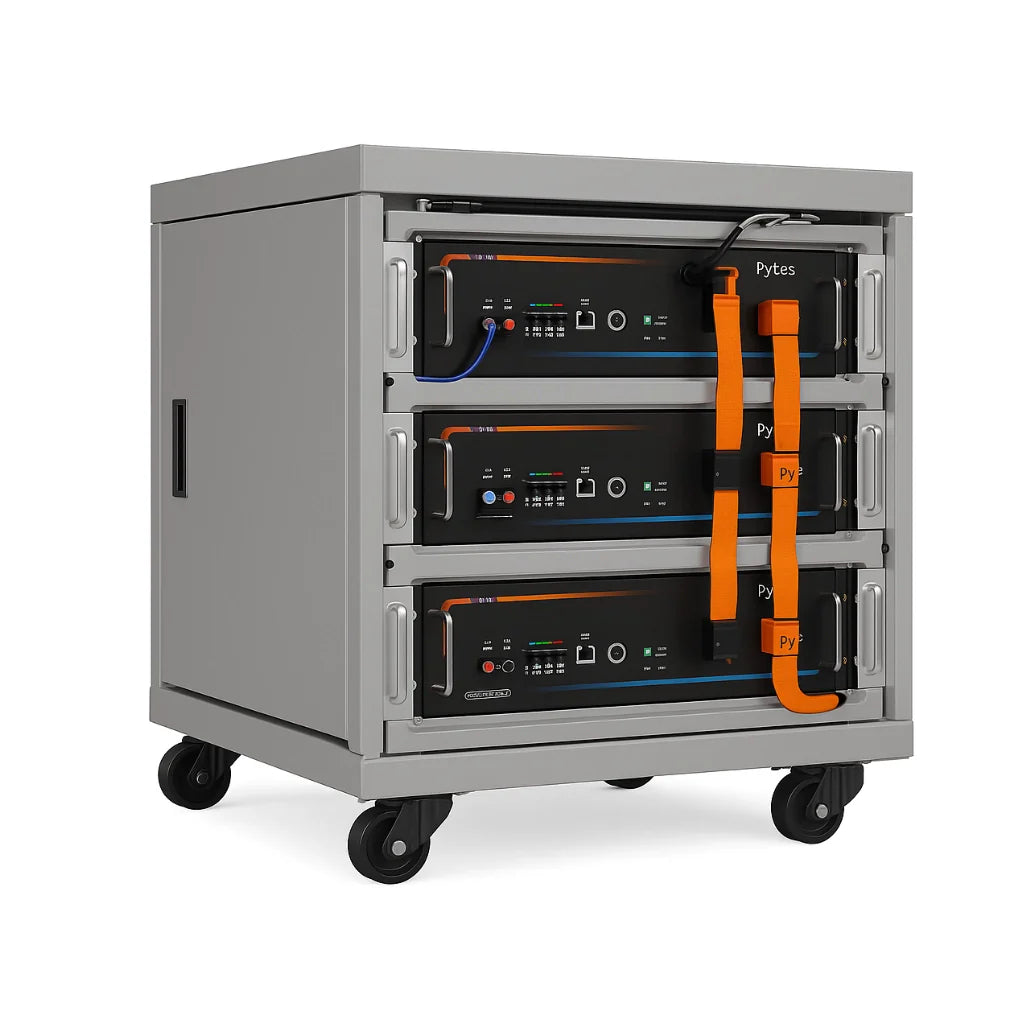
| Storage | 100-300Ah LiFePO4 | 5-20kWh LiFePO4 |
Key UK acronyms to keep handy:
- EHU: Electric Hook-Up (230V campsite or marina supply)
- SOC: State of Charge (battery level percentage)
- DoD: Depth of Discharge (how much capacity is usable)
- MPPT: Maximum Power Point Tracking (efficient solar controller type)
- BMS: Battery Management System (protection circuit inside lithium batteries)
For a deeper look at battery options, the lithium battery guide covers capacity, BMS features, and real-world performance. You can also explore solar systems for cabins and caravans for practical sizing examples.
Pro Tip: Battery capacity in Ah is not the same as usable energy. A 100Ah AGM battery at 50% DoD gives you 50Ah. A 100Ah LiFePO4 at 80-90% DoD gives you 80-90Ah. Always calculate from usable capacity, not headline figures.
Understanding power generation and storage
With terminology clear, it is time to see how these elements fit together in practical UK systems.
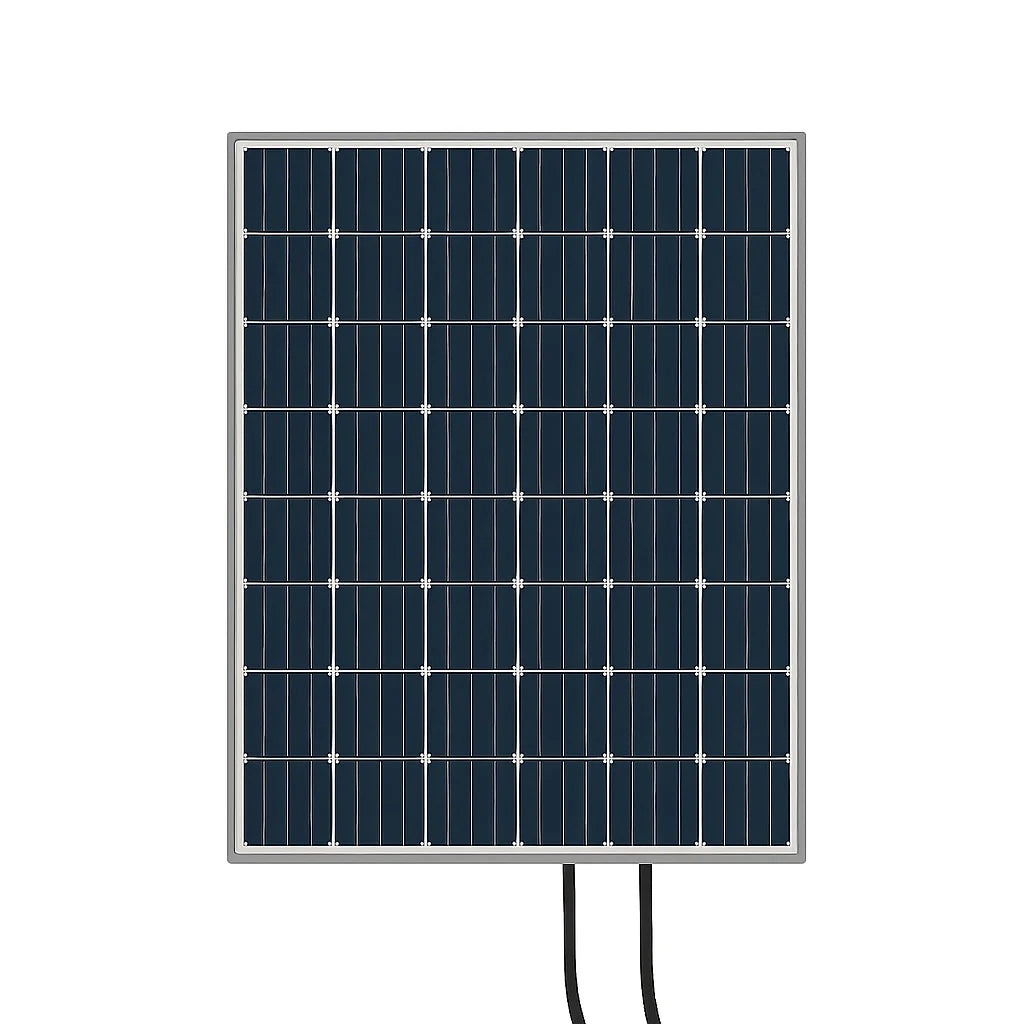
Monocrystalline panels achieve 20-24% efficiency and LiFePO4 batteries deliver 3,000 to 6,000 cycles, making them the default choice for serious off-grid builds in the UK. Polycrystalline panels are cheaper but less efficient, particularly relevant in the UK where diffuse light is common for much of the year.
Battery chemistry matters significantly:
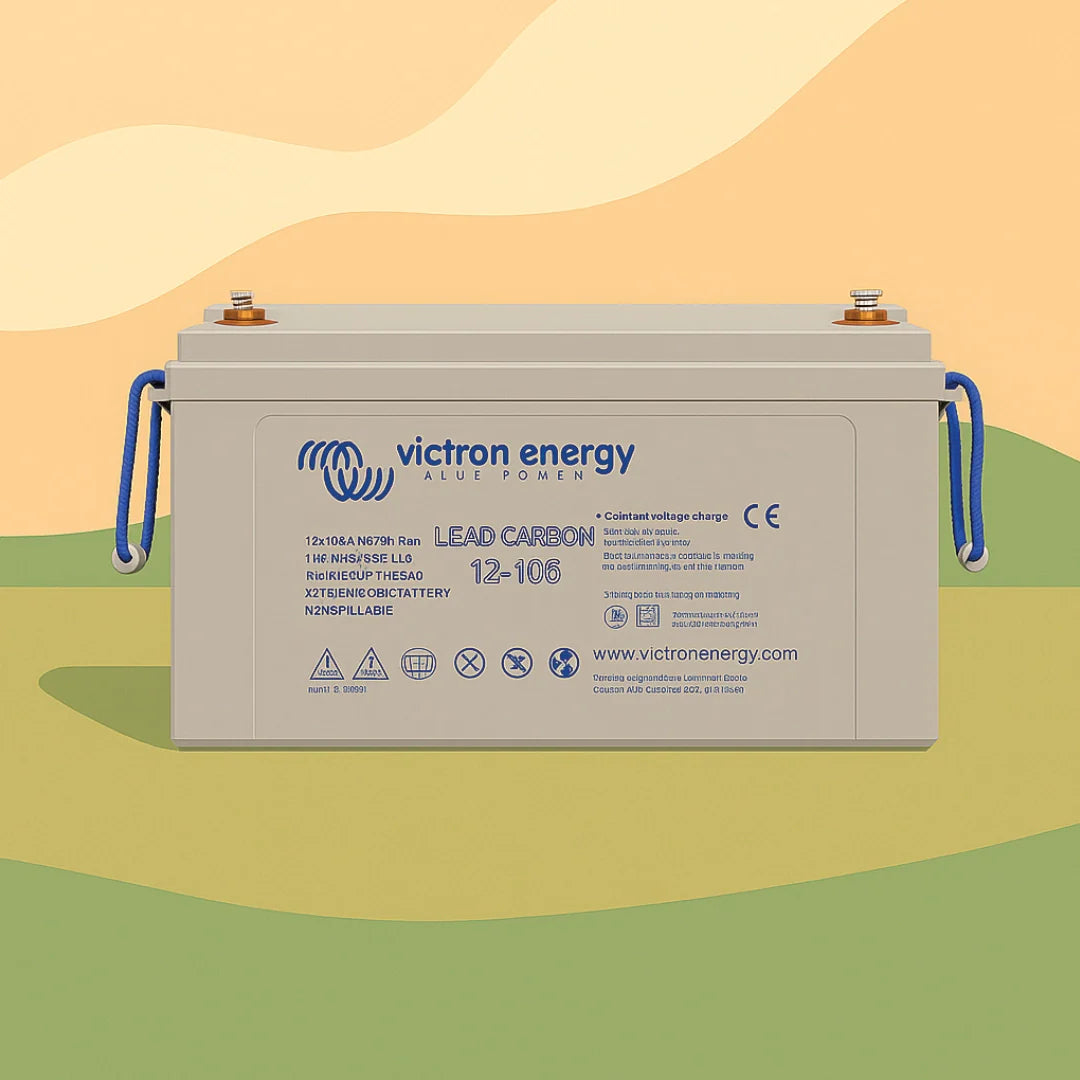
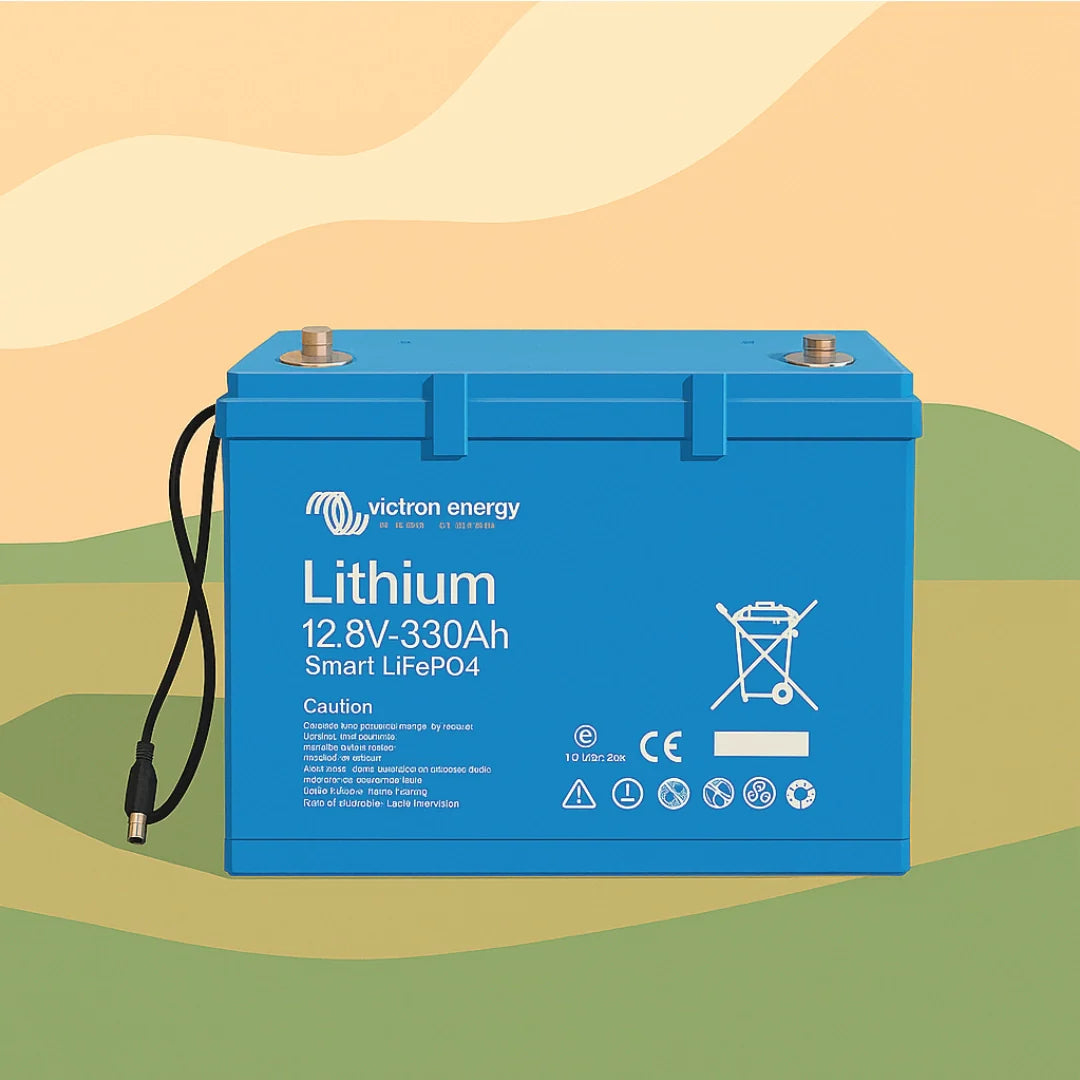
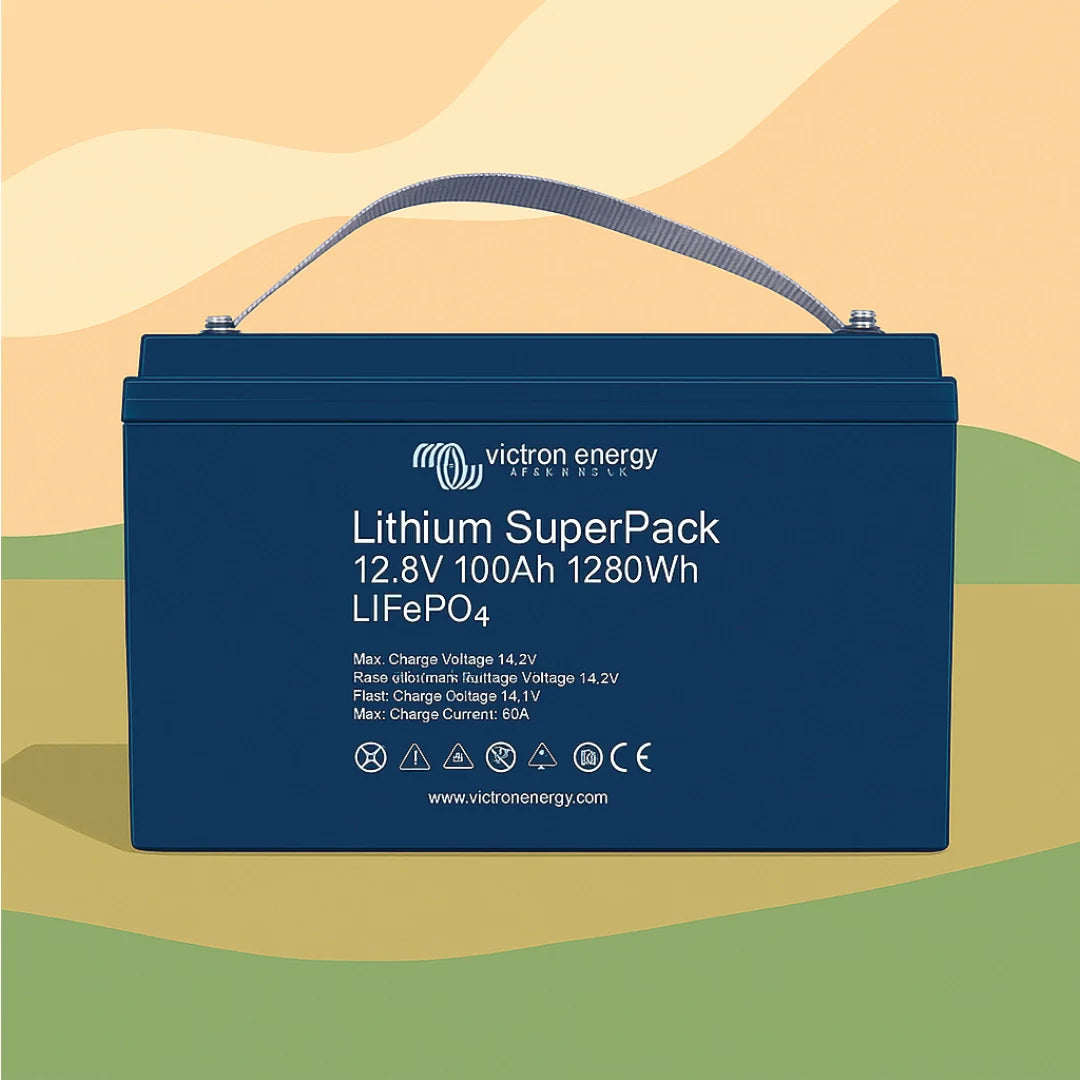
- LiFePO4 (Lithium Iron Phosphate): 3,000 to 6,000 cycles, 80-90% DoD, safest lithium chemistry, best long-term value
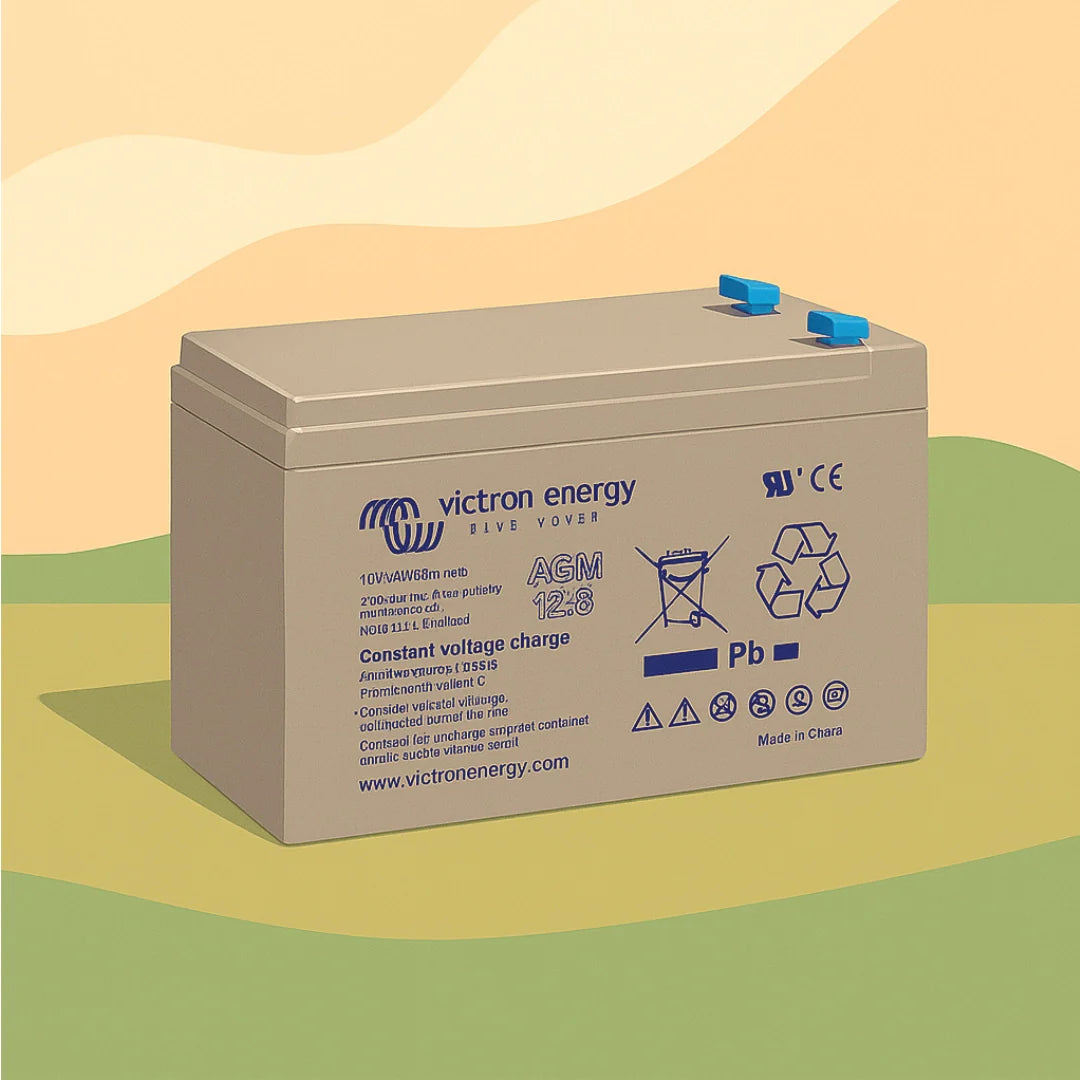
- AGM (Absorbent Glass Mat): 300 to 500 cycles, 50% DoD, lower upfront cost but higher lifetime cost
- NMC (Nickel Manganese Cobalt): Higher energy density but less stable than LiFePO4; less common in leisure applications
“Cycle life and panel efficiency are the two factors most often underestimated by first-time off-grid buyers. A battery that costs less upfront but lasts a third as long is never the cheaper option over five years.”
| Setup type | Typical solar | Battery storage | Daily output |
|---|---|---|---|
| Small campervan | 200-400W | 100-200Ah LiFePO4 | 0.5-1.5kWh |
| Boat (live-aboard) | 400-800W | 200-400Ah LiFePO4 | 1-3kWh |
| Rural home | 4-10kW | 10-30kWh LiFePO4 | 10-30kWh |
Steps to estimate your daily generation and storage needs:
- List every electrical load (watts) and how many hours per day you use it
- Multiply watts by hours to get watt-hours (Wh) per device
- Add all device totals for your daily consumption figure
- Divide by your panel’s expected daily output (UK average: 2-4 peak sun hours)
- Factor in DoD to size your battery bank correctly
- Add 20-30% buffer for losses, inefficiencies, and cloudy days
For a breakdown of battery types and their real-world performance, see off-grid battery system types. Residential buyers should also review home battery storage basics before committing to a system size. The off-grid solar challenges resource provides useful context on UK-specific limitations.
Common pitfalls and expert tips for UK off-grid systems
Now that you know the main components, avoid the common errors that trip up even experienced UK off-gridders.
Winter solar in the UK is often insufficient without a backup source such as a generator, EHU, or DC-DC charger. This is the most frequently ignored reality in off-grid planning. Three mistakes account for the majority of system failures:
- Mismatched batteries: Mixing battery chemistries or capacities in a bank causes uneven charging, reduced performance, and early failure. Never mix AGM with LiFePO4, and never mix different Ah ratings without a proper BMS.
- Under-sized cables: Voltage drop across undersized cables wastes energy and creates heat. Cable sizing must account for both current (amps) and cable run length. Use a cable sizing calculator, not guesswork.
- Misunderstanding EHU charging: EHU provides 230V AC. Without an inverter-charger or mains charger, it cannot charge your 12V or 24V DC battery bank. Many first-timers assume plugging in at a campsite automatically charges their batteries.
Shading is a critical issue that is often underestimated. Even partial shading of a single panel can reduce the output of an entire string by up to ten times its proportional share. A single leaf on one cell can cut output dramatically. MPPT controllers with individual panel optimisers or parallel wiring reduce this risk considerably.
Marine and campervan terminology overlaps substantially, but there are differences. Marine setups use Anderson connectors and marine-grade tinned cable to resist corrosion from salt air. Campervans typically use standard automotive cable. Both use the same core components: inverter, MPPT controller, BMS, and DC distribution.
Pro Tip: Always size your system for winter, not summer. UK winter sun hours can drop to one to two per day. If your system works in January, it will exceed expectations in July.
For a full pre-build review, the off-grid solutions checklist is a practical starting point. Understanding solar panel output data for UK conditions helps set realistic expectations before you buy.
Applying terminology: Choosing and configuring your system
With pitfalls in mind, see how the right knowledge directly impacts building your system.
Homes in the UK need 6-10kW of panels and 24-36kWh of battery storage to cover 8kWh per day in winter. Pure off-grid residential systems are rare because the cost and space requirements are prohibitive. Hybrid or grid-tied setups are the practical solution for most UK homeowners.
Here is how to apply terminology to real system selection:
- Define your scenario: Small van, live-aboard boat, or rural home. Each has different voltage, storage, and generation requirements.
- Calculate your load: Use the six-step method from the previous section. Be honest about winter usage.
- Select your battery chemistry: LiFePO4 for longevity and deep discharge. AGM only where budget is the primary constraint and cycle life is less critical.
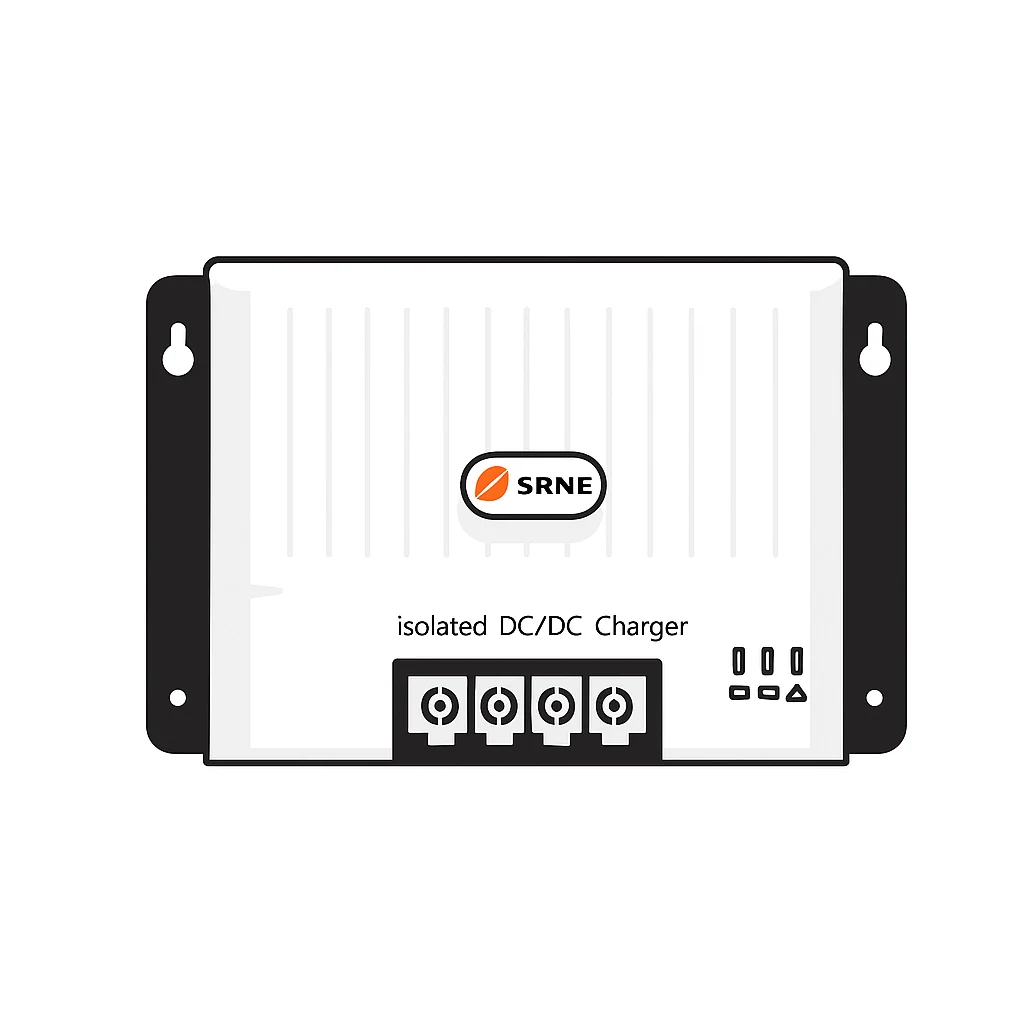
- Choose your charge sources: Solar is primary. Add DC-DC charging from your vehicle alternator for mobile setups. Add EHU or a generator for backup. Residential systems should include grid connection or a generator for winter resilience.
- Match your controller: MPPT for all serious UK installations. Size it to handle your panel array with 20% headroom for future expansion.
- Size your inverter: Match to your peak AC load, not your average load. A kettle and a laptop running simultaneously will spike demand sharply.
Pro Tip: True energy independence rarely comes from a single source. The most reliable UK systems combine solar, alternator or generator input, and EHU or grid backup. Terminology fluency lets you design for all three without overspending on any one.
For step-by-step build guidance, the off-grid installation guide covers wiring, component selection, and commissioning. The off-grid power systems overview provides a useful reference for matching system types to real-world scenarios.
The overlooked realities of mastering off-grid power terminology
Most UK off-grid guides treat terminology as optional background reading. It is not. Term confusion leads directly to over-spend, mismatched components, and systems that fail in winter when you need them most. Vocabulary is not jargon for its own sake; it is the framework that lets you evaluate products, challenge sales pitches, and design for year-round reliability.
The bigger truth is that solar is not the answer on its own in the UK. The climate demands a multi-source approach. DC-DC chargers, EHU integration, and hybrid storage are what separate functional systems from frustrating ones. Buyers who understand these terms can spot when a supplier is overselling a solar-only solution for a UK winter application.
The expert energy independence advice resource covers this multi-source approach in detail, with real system examples. Informed terminology use is what gives you control over your build and your budget.
Find the right system for your off-grid ambitions
Ready to put your knowledge to work? Skyenergi supplies a full range of off-grid components and complete system kits for campervans, boats, and residential setups across the UK.
For mobile applications, the solar and battery system kits include inverter-chargers, DC-DC chargers, and monitoring in a single package. For solar-focused builds, Victron solar bundles combine high-efficiency panels with MPPT controllers and all necessary cabling. Browse the full range at Skyenergi or contact the team for a tailored recommendation based on your specific setup and energy targets.
Frequently asked questions
What does EHU mean in off-grid setups?
EHU stands for Electric Hook-Up, providing access to 230V mains power at campsites or marinas. It requires an inverter-charger or mains charger to convert that AC supply into usable DC battery charging.
Why is LiFePO4 preferred for off-grid batteries in the UK?
LiFePO4 delivers 3,000 to 6,000 cycles with deeper discharge than AGM or NMC, making it the most cost-effective chemistry for frequent, year-round off-grid use in the UK.
How much solar power do I need for a campervan or boat in the UK?
300-400W of solar paired with a 100Ah LiFePO4 battery is sufficient for one to two weeks off-grid in UK summer conditions, assuming moderate daily consumption.
Can I run a typical UK home completely off-grid year-round?
Fully off-grid UK homes require oversized, high-cost systems due to winter sun limitations. Hybrid or grid-tied setups are the practical and financially sensible choice for most households.
What is the main difference between marine and campervan off-grid terminology?
Most core terms (battery, inverter, EHU, DC-DC, MPPT) are shared across both applications. Marine setups use Anderson or marine-grade connectors and tinned cable to handle salt-air corrosion, which is the primary technical distinction.
Recommended
Prev post

Top lithium battery features for reliable off-grid power
Updated on 18 April 2026
Next post

UK battery safety standards 2026: new rules for leisure vehicles
Updated on 16 April 2026


