





Why Use Battery Management Systems for Off-Grid Energy
Discover why battery management systems matter for off-grid living, how they protect lithium batteries, enable performance tracking, and reduce risks.
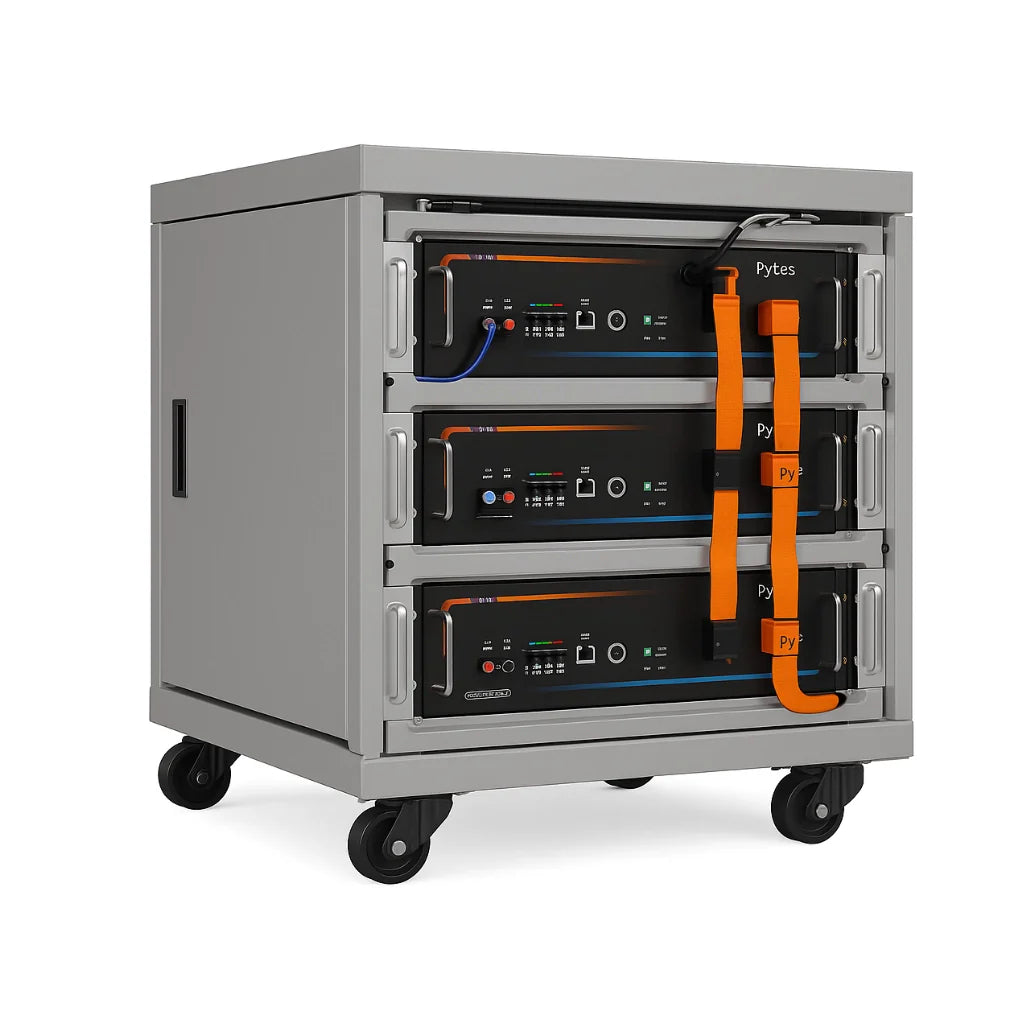
Reliable energy can make or break life on the road, especially when your campervan becomes your home away from home. Powering everything from lighting to fridges demands more than just big batteries—it requires intelligent Battery Management Systems that protect, monitor, and extend battery life. Modern BMS technology keeps lithium power banks safe from overcharging, overheating, and cell imbalance, letting British adventurers explore off-grid with confidence. Here, discover how the right BMS unlocks long-term energy security for your travels.
Table of Contents
- Battery Management Systems Explained Simply
- Types of Battery Management in Lithium Systems
- How BMS Protects Batteries and Users
- Bluetooth Monitoring and Real-Time Data Benefits
- Common Pitfalls Without a Proper BMS
Key Takeaways
| Point | Details |
|---|---|
| Battery Management Systems are essential for safety | A comprehensive BMS protects against risks such as thermal runaway and ensures safe battery operation in off-grid setups. |
| Selecting the right BMS architecture is crucial | Choose between centralised, distributed, or modular systems based on your battery capacity and application needs for optimal performance. |
| Bluetooth monitoring enhances user experience | Implementing a Bluetooth-enabled BMS enables real-time data access and proactive management, simplifying battery health monitoring. |
| Neglecting BMS increases safety risks | Operating without a proper BMS can lead to uncontrolled degradation and increased safety hazards, jeopardising user well-being and system reliability. |
Battery Management Systems Explained Simply
Battery Management Systems (BMS) are sophisticated electronic guardians that protect and optimise battery performance in off-grid energy setups. These intelligent systems continuously monitor critical parameters to ensure safe, efficient battery operation.
A BMS performs multiple crucial functions that directly impact battery health and system reliability. Electronic monitoring technologies work constantly to track essential metrics such as:
- Voltage regulation across individual battery cells
- Temperature monitoring to prevent overheating
- Current flow management
- State of charge estimation
- Cell balancing mechanisms
Without a comprehensive Battery Management System, lithium batteries in campervans and off-grid setups would face significant risks. Uncontrolled charging, extreme temperatures, and uneven cell performance could lead to premature battery failure, reduced energy storage capacity, and potentially dangerous electrical conditions.
The core purpose of a BMS is maintaining battery integrity through proactive electronic management. By constantly analysing battery cell performance, these systems can predict potential issues before they become critical problems. This means preventing scenarios like thermal runaway, over-charging, and unexpected power losses that could compromise your entire off-grid energy system.
A well-designed Battery Management System acts like a dedicated electronic guardian, protecting your battery investment and ensuring consistent, reliable power delivery.
Pro tip: Always select a Battery Management System compatible with your specific battery chemistry and off-grid energy requirements to maximise performance and longevity.
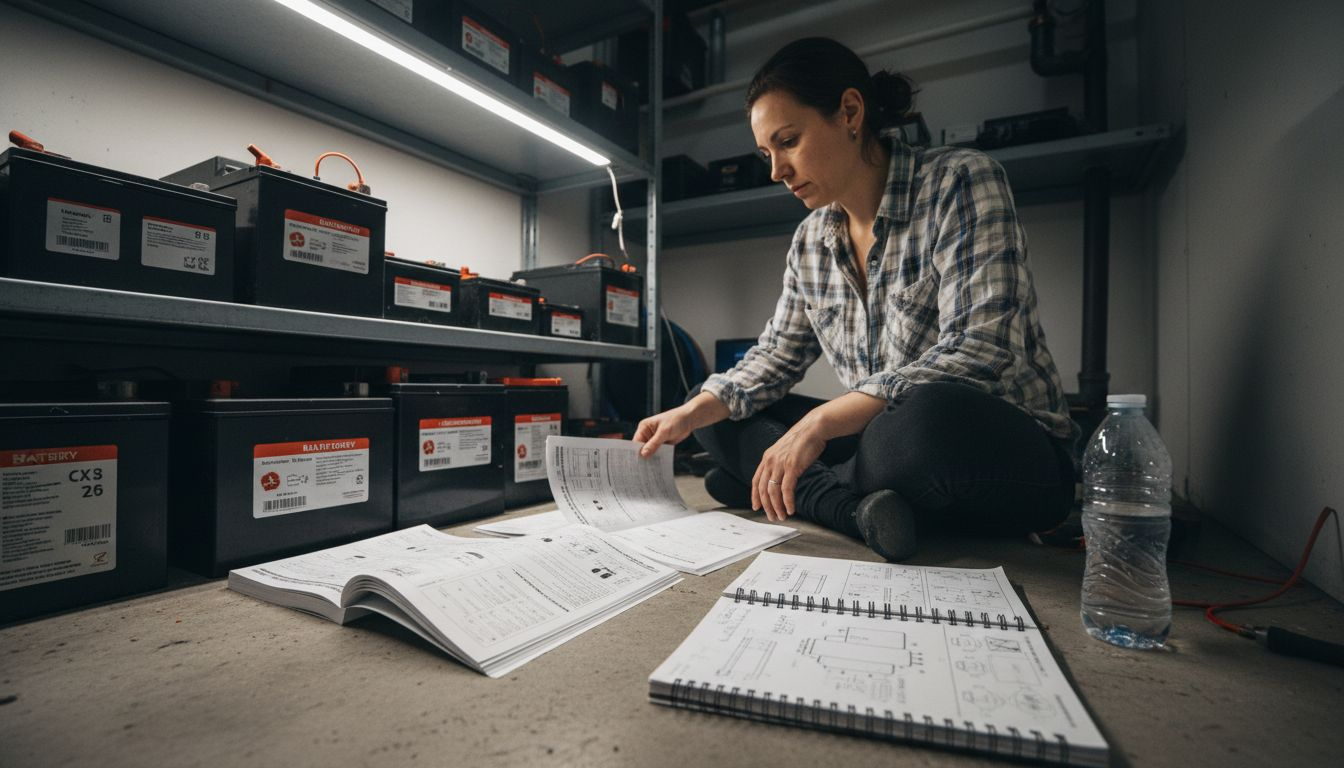
Types of Battery Management in Lithium Systems
Lithium battery systems employ diverse Battery Management System (BMS) architectures, each designed to optimise performance and ensure safe operation in off-grid energy setups. Modern lithium battery management techniques have evolved to incorporate sophisticated monitoring and control strategies that protect battery health and efficiency.
Three primary BMS architectures dominate the lithium battery management landscape:
- Centralised BMS: A single control unit manages entire battery pack
- Distributed BMS: Individual modules with independent monitoring capabilities
- Modular BMS: Combines elements of centralised and distributed approaches
Each architecture offers unique advantages for different off-grid energy applications. Centralised systems work well for smaller battery packs, providing cost-effective monitoring through a single controller. Distributed systems excel in larger, more complex battery configurations, offering granular cell-level monitoring and enhanced reliability.
Here is a quick comparison of the main Battery Management System architectures used in lithium setups:
| Architecture Type | Scalability | Cost Efficiency | Monitoring Detail |
|---|---|---|---|
| Centralised BMS | Best for small packs | Lower total cost | Limited cell-level detail |
| Distributed BMS | Ideal for large banks | Moderate affordability | Advanced cell-level stats |
| Modular BMS | Flexible for growth | Variable by modules | Balanced by configuration |
Intelligent monitoring technologies within these systems track critical parameters including voltage, temperature, and current flow. Battery management circuit solutions incorporate advanced techniques like high-side and low-side switching, fuel gauge monitors, and sophisticated cell balancing mechanisms.
Battery Management Systems represent the critical intelligence protecting your energy storage investment, transforming raw battery potential into reliable, safe power delivery.
Pro tip: When selecting a Battery Management System, carefully match the architecture to your specific battery capacity, application requirements, and performance expectations.
How BMS Protects Batteries and Users
A Battery Management System (BMS) serves as a critical electronic guardian, providing comprehensive protection for both battery hardware and user safety in off-grid energy systems. Battery monitoring technologies work continuously to prevent potentially dangerous operational scenarios before they can escalate.
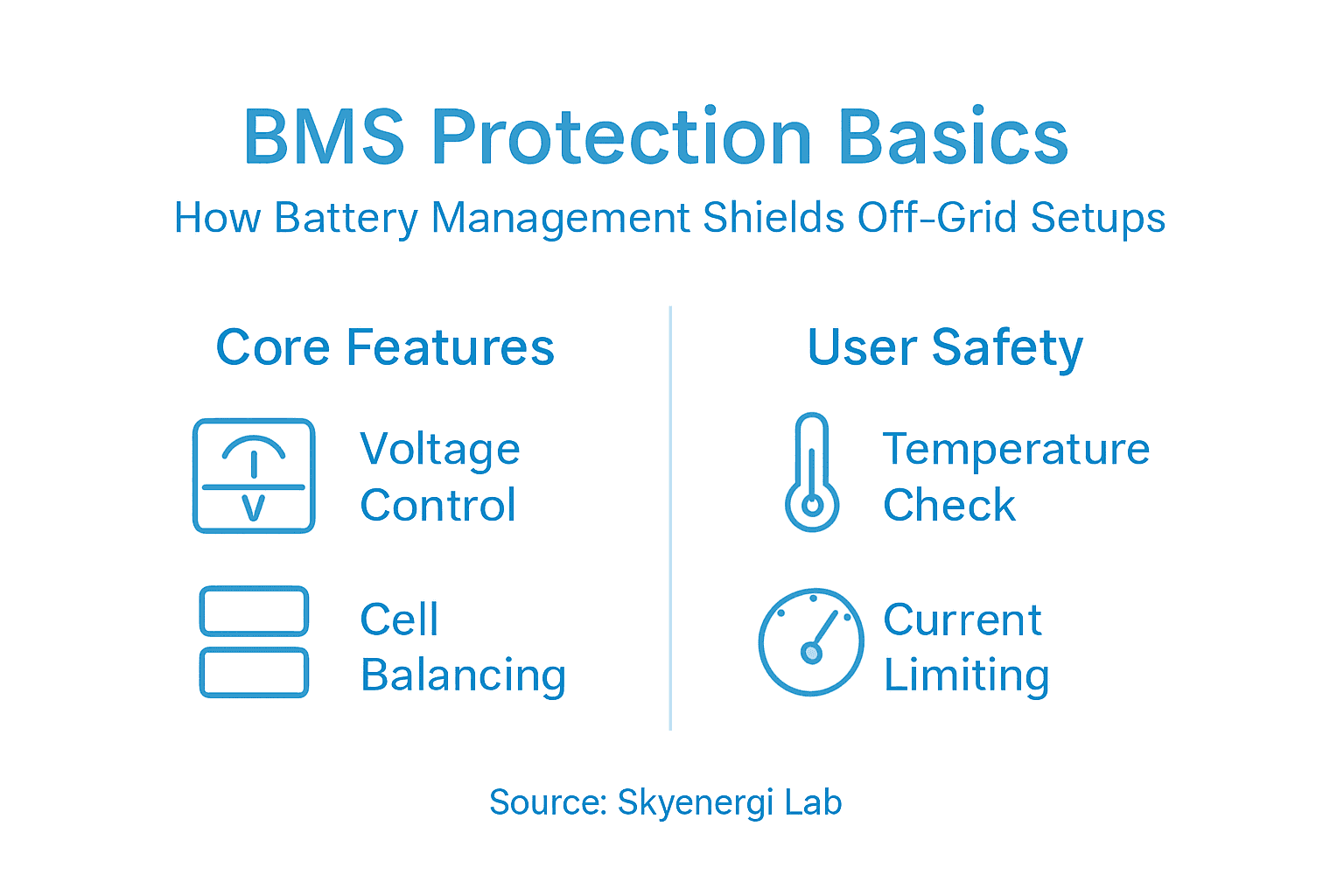
The primary protective mechanisms of a BMS include:
- Voltage regulation to prevent over and under-charging
- Temperature monitoring to avoid overheating risks
- Current flow control to limit excessive discharge
- Cell balancing to ensure uniform battery performance
- Fault detection and automatic system shutdown
For campervan and off-grid energy users, these protective functions translate into tangible safety benefits. Battery health management strategies actively intervene to prevent catastrophic failures like thermal runaway, short circuits, and unexpected power disruptions that could compromise personal safety or expensive electrical equipment.
The BMS continuously analyses multiple parameters, creating a dynamic protective shield around your battery system. By monitoring individual cell performance, tracking temperature variations, and managing charging cycles, it prevents premature battery degradation and maintains optimal system reliability. This intelligent intervention means users can trust their battery system to operate safely and efficiently, even in challenging environmental conditions.
The Battery Management System is more than a technical component – it’s a sophisticated safety mechanism designed to protect both your energy investment and personal well-being.
Pro tip: Regularly review your Battery Management System’s monitoring data to understand your battery’s health and catch potential issues before they become critical problems.
Bluetooth Monitoring and Real-Time Data Benefits
BluetoothBattery Management Systems have revolutionised how users interact with and understand their off-grid energy storage solutions. Bluetooth-enabled monitoring technologies provide unprecedented visibility into battery performance, transforming complex electrical systems into easily comprehensible data streams accessible directly from your smartphone.
The key advantages of Bluetooth monitoring include:
- Instant performance tracking for battery health
- Remote diagnostic capabilities
- Real-time state-of-charge monitoring
- Immediate fault detection
- Comprehensive historical data logging
For campervan owners and off-grid energy enthusiasts, these technological advances mean far more than simple data collection. Battery performance tracking systems enable proactive management, allowing users to anticipate maintenance needs, prevent unexpected failures, and optimise their energy storage investments.
Modern Bluetooth-integrated BMS platforms offer smartphone applications that translate complex technical data into user-friendly interfaces. These intuitive dashboards display critical metrics like voltage, temperature, and charging cycles, empowering users with actionable insights about their battery system’s health and performance. By providing transparent, real-time information, these systems demystify battery management and support more intelligent energy usage strategies.
Below is a summary outlining Bluetooth-enabled BMS benefits versus traditional monitoring systems:
| Feature | Bluetooth BMS | Traditional BMS |
|---|---|---|
| Data Access | Smartphone app control | Direct panel readings |
| Fault Notifications | Instant phone alerts | Manual checks required |
| Historical Performance Logs | Automatic cloud storage | Typically not supported |
| Ease of Use | Highly user-friendly | Basic usability |
Bluetooth monitoring transforms your battery from a mysterious black box into a transparent, intelligible system you can understand and manage.
Pro tip: Configure automatic alerts on your BMS smartphone app to receive notifications about critical battery parameters, ensuring you’re always informed about your system’s performance.
Common Pitfalls Without a Proper BMS
Off-grid energy systems without a comprehensive Battery Management System face significant risks that can compromise both equipment performance and personal safety. Battery system vulnerabilities create a dangerous landscape of potential electrical failures and unexpected breakdowns that could leave campervan owners stranded or facing costly repairs.
The most critical risks of operating without a proper BMS include:
- Uncontrolled battery degradation
- Potential thermal runaway
- Unpredictable power interruptions
- Reduced battery lifespan
- Increased safety hazards
Battery management challenges reveal that unmanaged lithium batteries are particularly susceptible to catastrophic failures. Without intelligent monitoring, batteries can experience uneven cell charging, excessive temperature fluctuations, and sudden capacity loss that renders entire energy systems unreliable.
In off-grid applications, these risks translate into more than technical inconveniences. A battery system without proper management might experience sudden voltage drops, complete power failure, or even dangerous electrical events that could potentially compromise user safety. The lack of real-time monitoring means users remain unaware of developing issues until substantial damage has already occurred.
An unmanaged battery is like an unpredictable time bomb, waiting to disrupt your off-grid energy independence.
Pro tip: Always invest in a robust Battery Management System that offers comprehensive monitoring and protection, treating it as a critical safety component rather than an optional extra.
Secure Your Off-Grid Power with Smart Battery Management Systems
Understanding the critical role of a Battery Management System in protecting lithium batteries from risks such as uncontrolled charging and uneven cell performance is essential for anyone relying on off-grid energy. The article highlights how intelligent monitoring, voltage regulation, and real-time Bluetooth tracking can prevent costly battery failures and keep your energy supply safe and reliable.
At Skyenergi, we share your goal of energy independence through reliable, well-engineered solutions. Our range of lithium battery systems features advanced Battery Management Systems with Bluetooth monitoring for instant insights into battery health and performance. Whether for campervans, motorhomes, or residential setups, we offer products designed to maximise battery longevity and protect your investment under all conditions.
Explore our high-performance energy storage solutions today and experience the peace of mind that comes with proactive battery protection and intelligent system integration.

Discover how Skyenergi’s expertly engineered lithium batteries and comprehensive off-grid solutions can safeguard your power needs. Visit Skyenergi now to unlock smarter energy management and ensure uninterrupted power wherever you go.
Frequently Asked Questions
What is a Battery Management System (BMS) and why is it important?
A Battery Management System (BMS) is an electronic system that monitors and manages the charging and discharging of battery cells, ensuring safe and efficient operation. It is crucial for maintaining battery health, preventing overheating, and prolonging lifespan in off-grid energy setups.
How does a BMS protect my battery system?
A BMS protects battery systems by regulating voltage, monitoring temperature, controlling current flow, and ensuring cell balancing. It can detect faults and automatically shut down the system to prevent issues like thermal runaway or severe power interruptions.
What are the different types of Battery Management Systems?
There are three primary types of Battery Management Systems: Centralised, Distributed, and Modular. Centralised systems are best for smaller battery packs, Distributed systems are ideal for larger configurations, and Modular systems provide flexibility for growing setups.
How does Bluetooth monitoring enhance Battery Management Systems?
Bluetooth monitoring allows users to access real-time data about their battery systems via smartphone apps. It provides instant performance tracking, remote diagnostic capabilities, and automatic fault detection, making battery management more accessible and effective.
Recommended
- Role of BMS in Energy Storage – Why It Matters – Skyenergi
- Home Energy Storage: Powering Off-Grid UK Living – Skyenergi
- Lithium Battery Maintenance Workflow for Off-Grid Systems – Skyenergi
- Why Use Battery Banks in Motorhomes: Powering Off-Grid Independence – Skyenergi
- Solar Vs. Battery Powered Lanterns For Camping: Ultimate Showdown - Tent Explorer
Prev post

Why Choose Lithium Batteries Over Lead Acid?
Updated on 05 February 2026
Next post

How to Install Campervan Lithium Batteries Safely and Easily
Updated on 03 February 2026


