





Off-grid power solutions checklist for UK leisure vehicles
A practical checklist covering solar panels, LiFePO4 batteries, MPPT controllers, and charging options for UK campervan, motorhome, and boat owners seeking reliable off-grid power.
Planning reliable off-grid power for a UK campervan, motorhome, or boat is genuinely complex. The UK climate throws short winter days, unpredictable cloud cover, and cold temperatures at you, all of which affect how much energy you can generate and store. Vehicle type, available roof space, and your daily power demand all shape the right solution. This checklist cuts through the noise, covering every major component and decision point so you can build or buy a system that actually works year-round.
Table of Contents
- How to evaluate off-grid power options
- Off-grid power solutions checklist: The essentials
- Solar vs alternator vs shore charging: Which combination works for you?
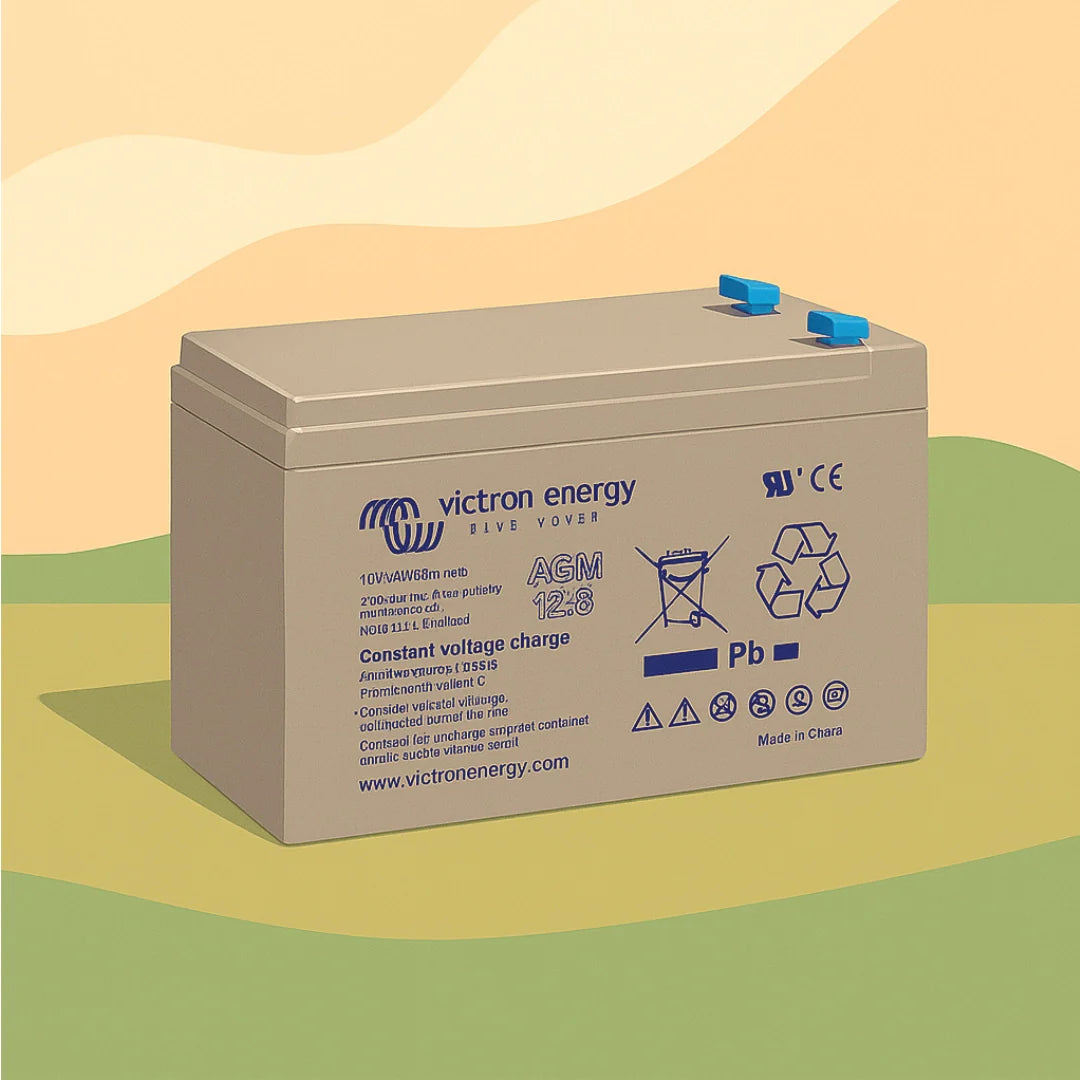
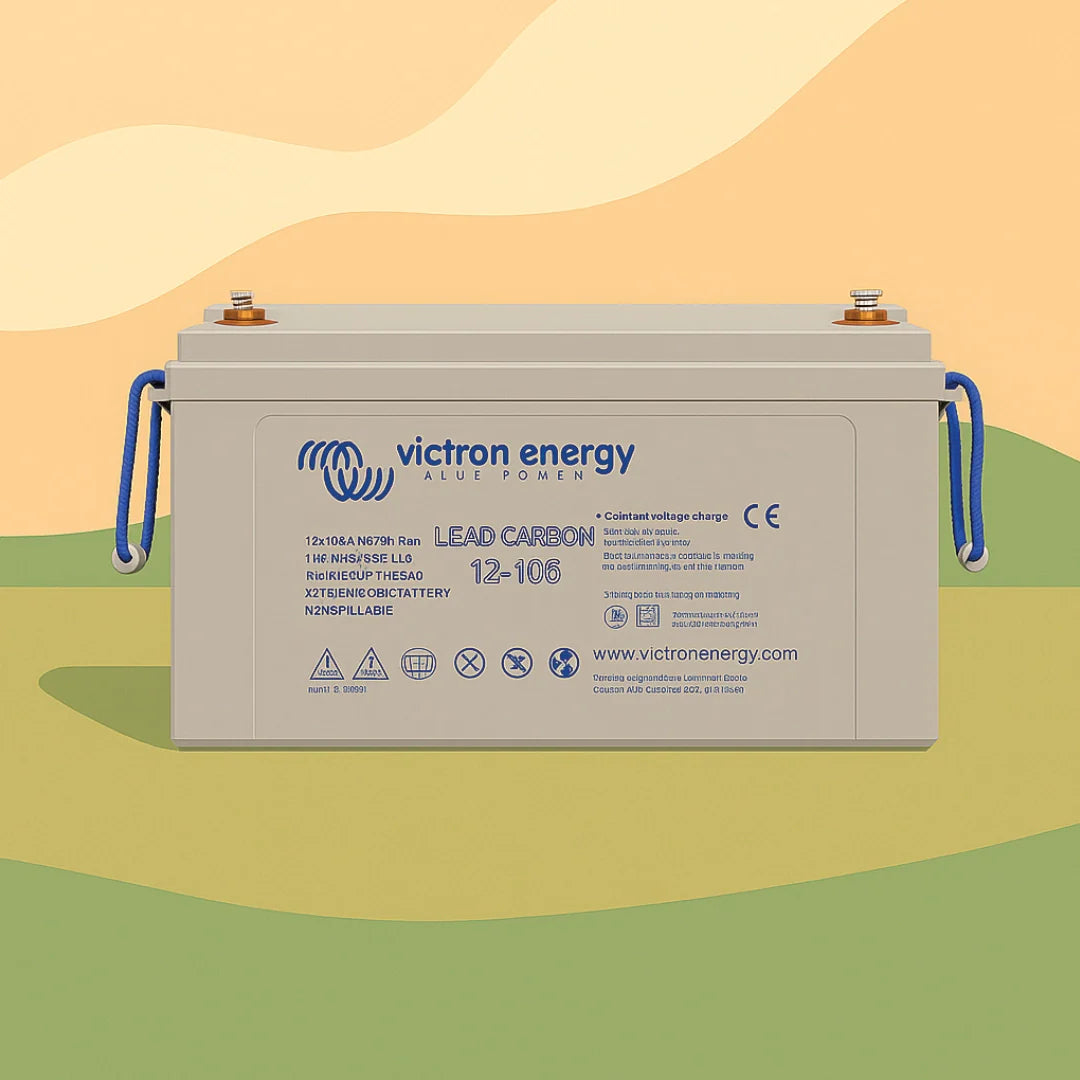
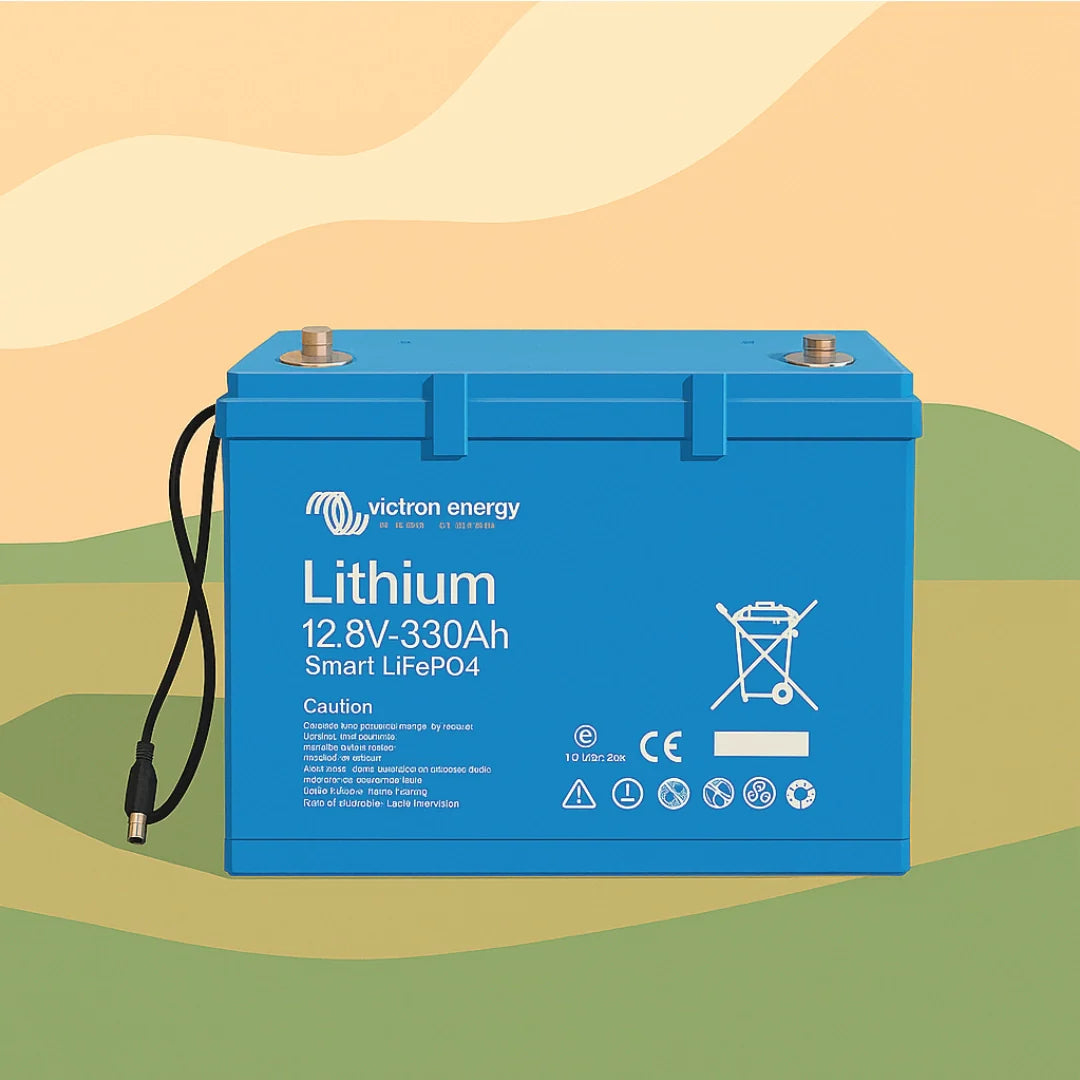
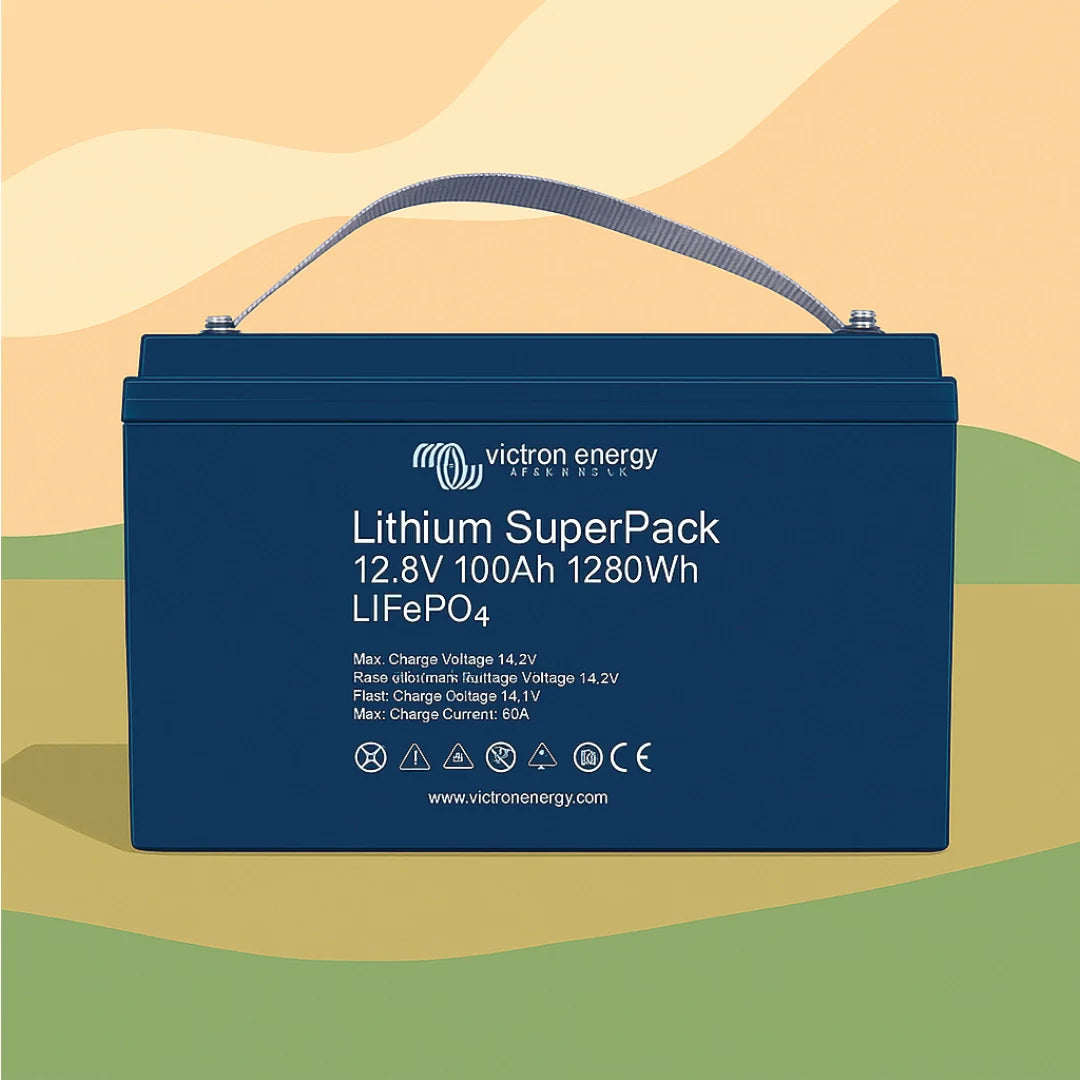
- Battery types: Choosing lithium or AGM for your set-up
- Complete system kits or custom builds?
- Take the next step to dependable off-grid power
- Frequently asked questions
Key Takeaways
| Point | Details |
|---|---|
| Multi-source charging crucial | Solar alone is rarely enough in UK winter—combine with alternator and shore power for year-round reliability. |
| Lithium batteries offer lasting value | Though more expensive upfront, lithium batteries deliver more power cycles and lower costs over time. |
| Demand marine-grade kit for boats | Waterproof, vibration-resistant panels and compliant wiring increase safety and longevity on waterways. |
| Custom vs all-in-one systems | Complete power stations are easy to set up but custom solutions offer better scalability and long-term savings. |
How to evaluate off-grid power options
Before comparing products, it helps to establish what your specific situation demands. A narrowboat on a canal has very different requirements from a campervan parked on a Scottish hillside in January. Getting this context right first saves money and avoids costly mistakes later.
- Vehicle type: Campervans and motorhomes need compact, vibration-resistant components. Boats require marine-grade, waterproof equipment and must meet BSS (Boat Safety Scheme) compliance for fusing and electrical installation.
- UK seasonal solar yield: Summer daylight in the UK can be generous, but winter is a different story. You need to plan your system around worst-case winter output, not peak summer performance.
- Battery chemistry: LiFePO4 (lithium iron phosphate) batteries outperform AGM (absorbent glass mat) in cold weather and high-demand scenarios. AGM remains a lower-cost entry point for occasional users.
- Multi-source charging: Relying on solar alone is a risk in the UK. Multi-source charging combining solar, alternator, and shore power is the recommended approach, particularly for gas-free builds running high-draw inverters.
- Budget and expandability: Plan for growth. A system that cannot be expanded forces a full rebuild later.
- Compliance: Boats must meet BSS electrical standards. Campervans benefit from following IET wiring regulations for safety.
Pro Tip: Size your battery bank for two to three days of autonomy without any charging input. This buffer covers extended cloudy periods without leaving you powerless.
For a broader overview of how these systems fit together, the off-grid power systems guide covers the fundamentals in detail. If you want to go deeper on solar panel selection specifically, this campervan solar panel guide is a solid reference.
Off-grid power solutions checklist: The essentials
With your evaluation criteria set, work through this checklist to confirm you have covered every critical component.
Core components:
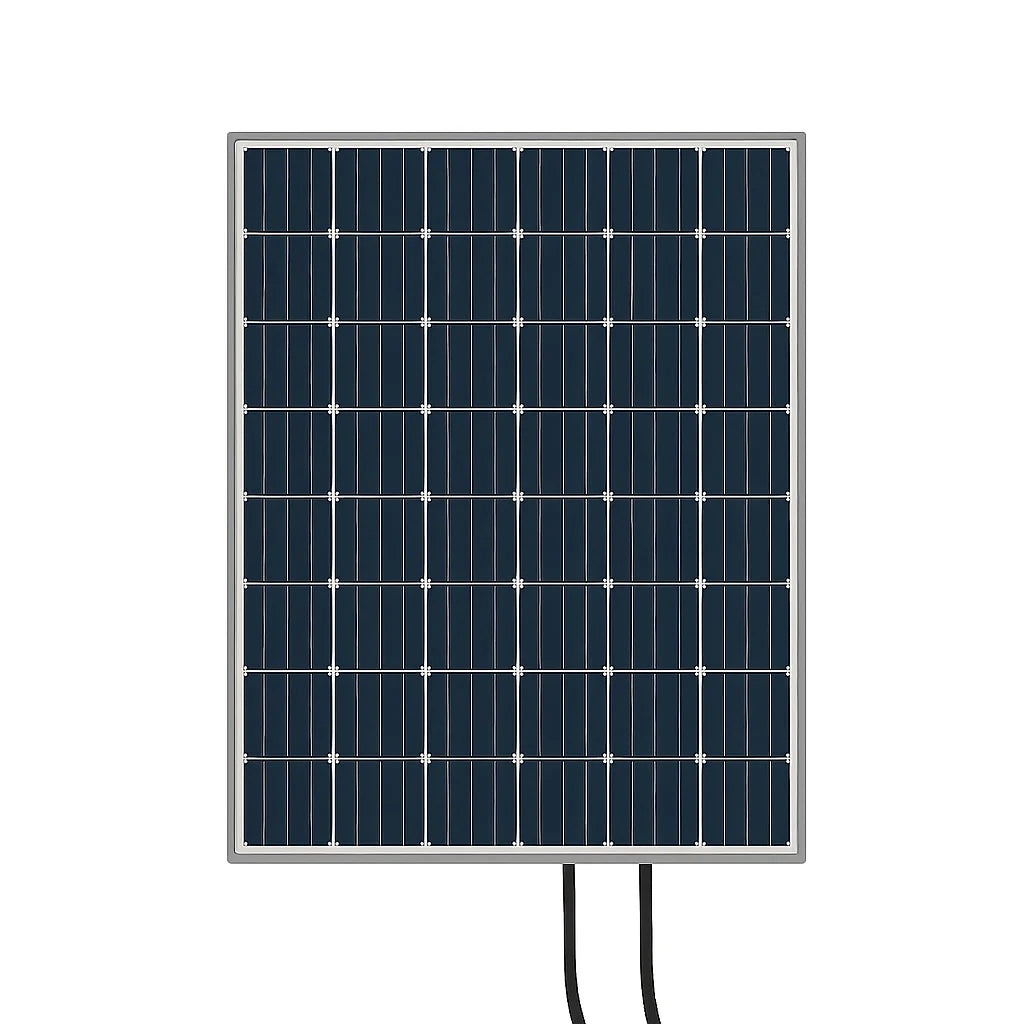
- Solar panels: 200 to 400W rigid monocrystalline panels are the standard for campervans. UK summer yield from a 300W array runs 900 to 1,200Wh per day, dropping to just 150 to 300Wh per day in winter. Plan accordingly.
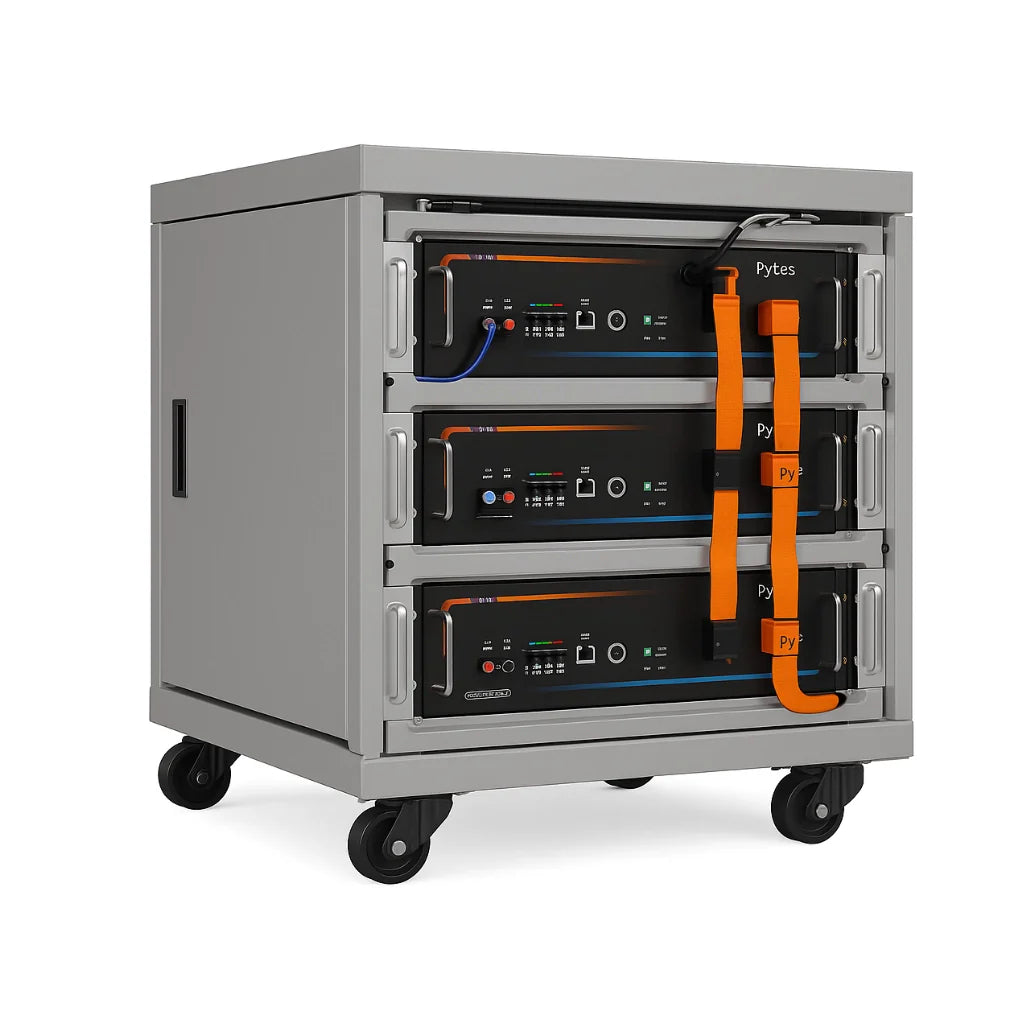
- Battery bank: LiFePO4 or AGM, sized to your daily consumption plus autonomy buffer.
- MPPT charge controller: Always choose MPPT (maximum power point tracking) over PWM (pulse width modulation). MPPT extracts significantly more energy from your panels, especially in low-light UK conditions. Victron SmartSolar controllers are a reliable choice.
- Inverter: Required for AC appliances. Match inverter size to your highest single load.
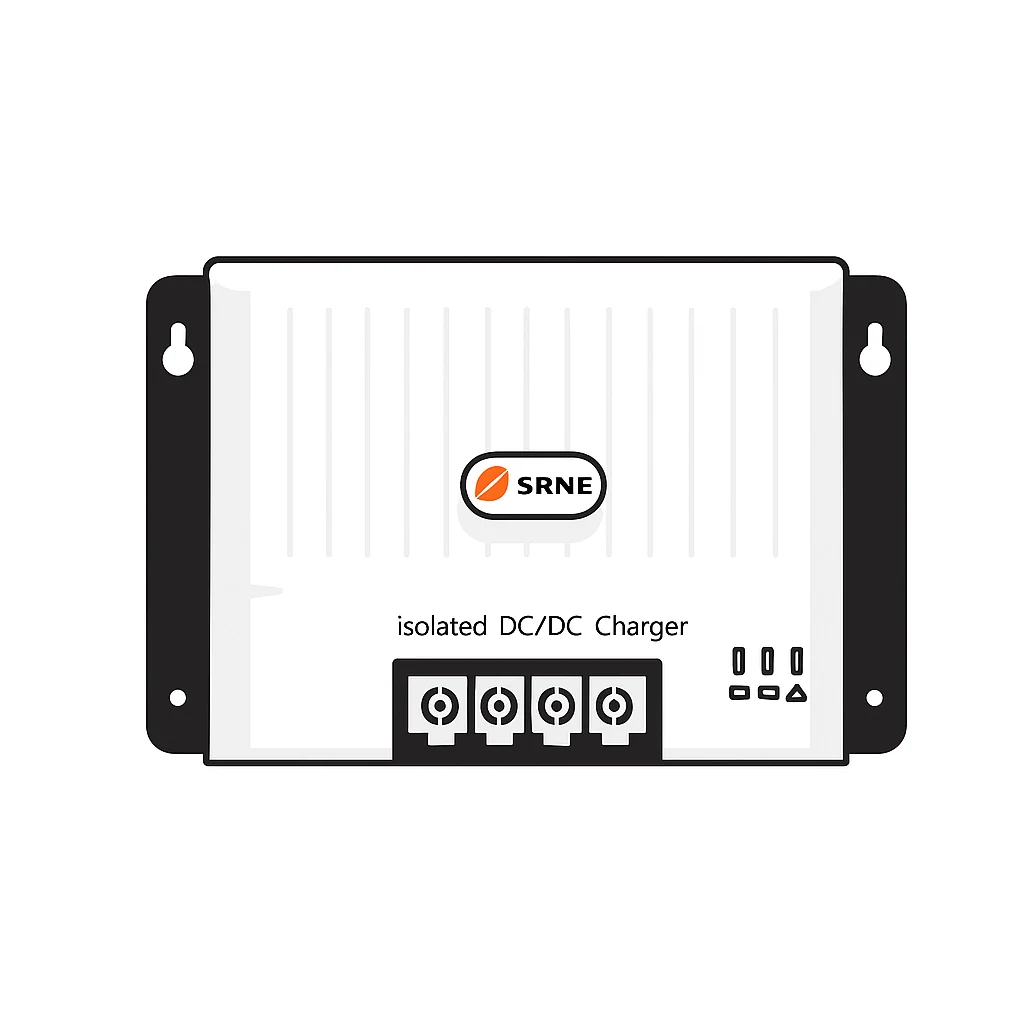
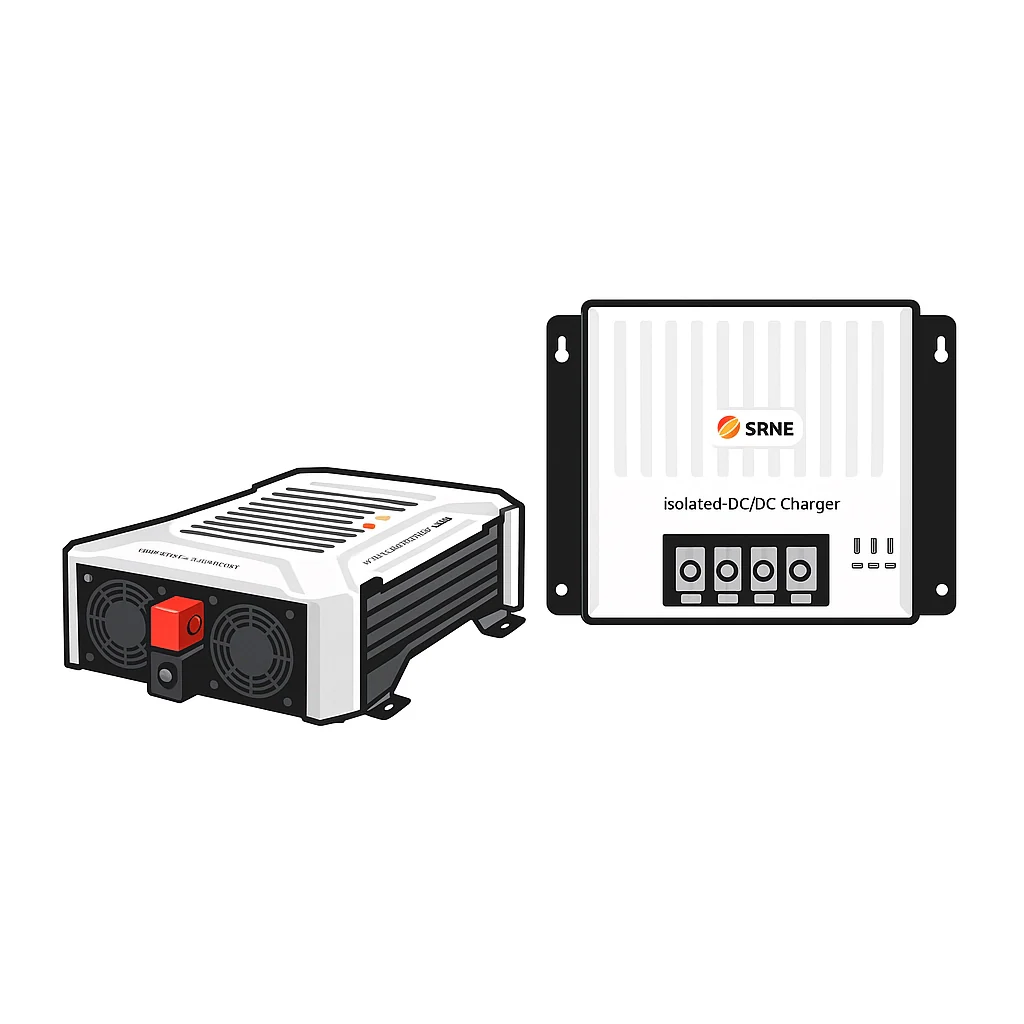
- DC-DC charger (battery-to-battery charger): Charges your leisure battery from the vehicle alternator without damaging either battery. Essential for LiFePO4 systems.
- Shore power (EHU): An AC hook-up connection for campsites or marinas. Critical backup for extended cloudy periods.
- Battery monitoring: Bluetooth-enabled battery monitors allow real-time tracking of state of charge, voltage, and current.
- Fusing and wiring: Correctly rated fuses on every circuit. Undersized wiring is a fire risk.
- Panel mounts: Roof mounts for campervans, deck mounts for boats.
Marine-specific additions:
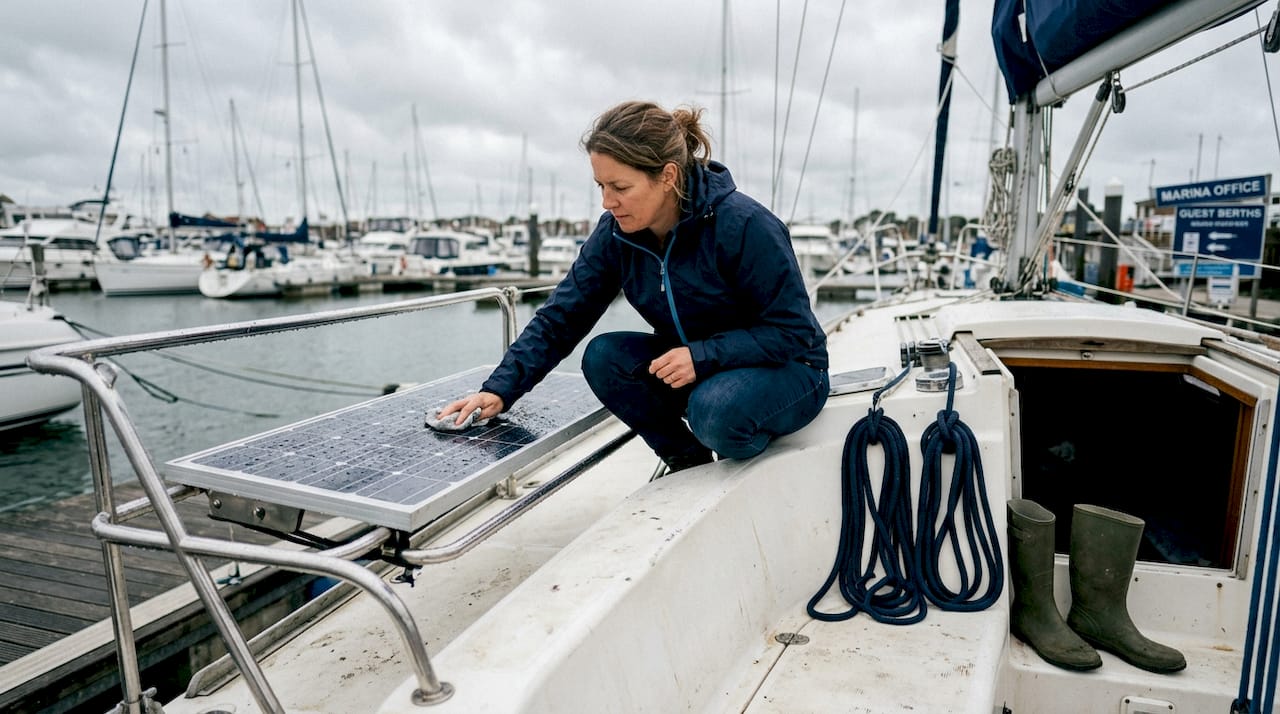
Boats require marine-grade solar panels with ETFE (ethylene tetrafluoroethylene) coatings for UV and saltwater resistance. A general rule is 1W of solar per 1Ah of battery capacity. All fusing must meet BSS compliance standards. Charging should combine alternator, solar, and shore power.
| Component | Campervan/motorhome | Boat/marine |
|---|---|---|
| Solar panels | Rigid monocrystalline | ETFE marine-grade |
| Charge controller | MPPT (e.g. Victron) | MPPT, waterproof rated |
| Battery type | LiFePO4 or AGM | LiFePO4 or AGM |
| Fusing standard | IET wiring regs | BSS compliance |
| Shore power | EHU hook-up | Marina shore power |
Pro Tip: For winter van life, a diesel heater (such as a Webasto or Chinese-market equivalent) keeps the living space warm without draining your battery bank the way an electric heater would.
For practical installation advice, the off-grid power tips resource covers common setup mistakes. If you run into battery issues post-install, the battery troubleshooting guide is a useful reference.
Solar vs alternator vs shore charging: Which combination works for you?
No single charging source is sufficient for UK conditions year-round. Understanding the strengths and limits of each method helps you build a resilient system.
| Charging method | Strength | Weakness | Best use case |
|---|---|---|---|
| Solar | Free, silent, zero running cost | Low winter yield (1 to 2 peak sun hours) | Summer touring, sunny locations |
| Alternator/DC-DC | Reliable, charges while driving | Only works when engine runs | Daily drivers, mixed touring |
| Shore power (EHU) | Full recharge, fast | Requires hook-up point | Campsites, marinas, winter stays |
| Generator | Works anywhere | Noisy, fuel cost, maintenance | Emergency backup |
Key points by method:
- Solar is excellent from April to September in the UK. Output drops sharply from October onwards.
- A DC-DC charger (battery-to-battery) is the correct way to charge LiFePO4 from an alternator. Direct connection can damage both the alternator and the battery.
- Shore power via an EHU (electric hook-up) is the most reliable winter top-up for campervans. Marina connections serve the same purpose for boats.
- Combining all three sources gives you the flexibility to handle any UK weather scenario.
In UK winter conditions, solar alone is insufficient. With only one to two peak sun hours per day, you must supplement with alternator charging, EHU, or a generator. LiFePO4 batteries also need protection or insulation below 0°C to prevent charging damage.
The solar charging advantages article breaks down the seasonal case for solar in more detail if you want to model your expected yields.
Battery types: Choosing lithium or AGM for your set-up
Your battery bank is the core of the system. Getting this decision right affects everything from daily usability to long-term running costs.
| Factor | LiFePO4 lithium | AGM lead-acid |
|---|---|---|
| Upfront cost | Higher (£150 to £230/kWh) | Lower |
| Lifespan | 2,000 to 5,000+ cycles | 300 to 500 cycles |
| Weight | Lighter | Heavier |
| Usable capacity | 80 to 100% DoD | 50% DoD recommended |
| Cold weather | Needs insulation below 0°C | Performs poorly in cold |
| Replacement frequency | Every 10 to 15 years | Every 3 to 5 years |
DoD stands for depth of discharge, meaning how much of the battery’s total capacity you can safely use before recharging.
Lithium vs AGM lifespan data shows LiFePO4 delivers four to ten times the cycle life of lead-acid, resulting in a lower total cost per kWh over the battery’s lifetime despite the higher purchase price.
When to choose LiFePO4:
- Full-time or frequent van life and liveaboard use
- Gas-free, all-electric builds with high-draw inverters
- Weight-sensitive builds where every kilogram matters
- Long-term ownership where lifetime cost matters more than upfront spend
When AGM may still make sense:
- Occasional weekend use with minimal power demand
- Tight initial budget with plans to upgrade later
- Simpler systems without high-draw appliances
Pro Tip: If you choose LiFePO4, ensure your charge controller, DC-DC charger, and any mains charger are all set to lithium charge profiles. Charging with AGM settings will undercharge the battery and reduce its lifespan.
For a detailed side-by-side breakdown, the lithium vs AGM guide covers campervan-specific scenarios. The lithium battery advantages article is also worth reading if you are considering a full off-grid lifestyle.
Complete system kits or custom builds?
Once you know your components, the final decision is whether to buy a ready-made solution or assemble a bespoke system.
All-in-one power stations (e.g. Bluetti, EcoFlow):
- Plug-and-play setup, no wiring knowledge required
- Ideal for occasional users or those new to off-grid power
- Limited expandability and repairability
- Lower peak output compared to custom inverter systems
- Good for weekend trips or as a supplementary power source
Custom builds (e.g. Victron components, dedicated LiFePO4 batteries):
- Fully scalable: add panels, batteries, or charging sources as needs grow
- Higher initial effort and some technical knowledge required
- More repairable: individual components can be replaced without scrapping the whole system
- Better suited to full-time use, high-demand appliances, and marine installations
All-in-one stations suit beginners well, but custom Victron-based systems offer the scalability and reliability that experienced users and full-timers need.
A practical middle ground is combining a quality LiFePO4 battery bank with modular solar and a Victron MPPT controller. This gives you a reliable core system that can be expanded without starting from scratch.
Pro Tip: Before committing to a kit or custom build, list every appliance you plan to run and its wattage. Add up the daily watt-hours, then size your battery and solar to cover that figure plus a 20% safety margin.
The expandable energy storage guide covers how to plan for future growth without over-specifying from day one.
Take the next step to dependable off-grid power
Skyenergi supplies UK-ready off-grid power solutions for campervans, motorhomes, and marine applications. Whether you need a complete turnkey kit or individual components to build a bespoke system, the range covers solar panels, LiFePO4 batteries, MPPT controllers, DC-DC chargers, and Victron-compatible accessories.
For a straightforward starting point, the solar system kits include an inverter charger, battery-to-battery charger, and monitoring in one package. If you prefer a Victron-based setup, the Victron solar kits pair a 610W solar panel with a Victron SmartSolar MPPT controller and mounting hardware. Both options are sourced directly from manufacturers to keep pricing competitive without compromising on quality.
Frequently asked questions
What size solar panel do I need for a UK campervan?
A 200 to 400W system covers most campervan needs. A 300W array produces 900 to 1,200Wh per day in summer but only 150 to 300Wh per day in winter, so plan your battery bank around the lower figure.
How can I ensure battery power in UK winter?
Combine solar with alternator or shore power charging, and insulate LiFePO4 batteries if temperatures drop below 0°C to prevent charging damage and capacity loss.
Is lithium worth the investment for off-grid leisure vehicles?
For frequent users, yes. LiFePO4 delivers four to ten times the cycle life of AGM, making the total cost per kWh lower over the battery’s lifetime despite the higher upfront price.
Should I buy a complete off-grid kit or build my own?
Beginners benefit from all-in-one power stations for simplicity, while custom builds using components like Victron and dedicated LiFePO4 batteries offer better scalability and long-term reliability for regular users.
Recommended
- Essential solar installation checklist for UK leisure vehicles 2026 – Skyenergi
- Off-grid solar installation guide for UK leisure vehicles – Skyenergi
- 7 Off-Grid Power Solutions for UK Campervans with 50% Weight Savings – Skyenergi
- Examples of leisure battery setups for off-grid UK vehicles – Skyenergi
- Off-grid zonnepanelen gids: Zelfstandig energie opwekken
Prev post

Top 5 Off-Grid Battery Solutions for Campervans 2026
Updated on 31 March 2026
Next post

Campervan off-grid power: UK lithium battery guide 2026
Updated on 29 March 2026


