





Why choose off-grid power: Energy independence for UK leisure vehicles
Discover why off-grid power suits UK campervans, boats, and cabins. Compare systems, costs, and battery types to achieve real energy independence.
TL;DR:
- Off-grid power offers UK travelers energy independence, access to remote locations, and lower site fees.
- Hybrid systems combining solar, alternator charging, and backups are most reliable in UK’s variable climate.
- Proper planning for winter conditions and backup options ensures consistent off-grid energy supply.
Off-grid power is no longer a niche interest reserved for hardcore adventurers. For UK campervan owners, motorhome travellers, boat users, and cabin dwellers, it has become a practical solution to rising energy costs, limited site availability, and the growing desire to travel without restriction. Whether you want to park up in a remote Scottish glen or simply avoid paying hook-up fees at a busy campsite, a well-designed off-grid system gives you real control over your power supply. This guide covers the core technology, UK-specific challenges, and the practical trade-offs so you can make an informed decision.
Table of Contents
- What is off-grid power and why does it matter?
- Hybrid off-grid systems: The gold standard for UK conditions
- Overcoming UK challenges: Weather, winter, and backup power
- Off-grid options by setting: Vehicles, boats, and cabins
- The practical pros and real-life trade-offs
- The overlooked truth about off-grid power in 2026
- Power your journey with the right off-grid system
- Frequently asked questions
Key Takeaways
| Point | Details |
|---|---|
| Energy freedom | Off-grid power lets you access more locations and avoid campsite fees while staying self-sufficient. |
| Hybrid systems win | Combining solar, alternator, and backup sources delivers the best reliability for UK weather. |
| Realistic planning | Winter sun is limited in the UK, so always size your battery and charging for the worst season. |
| Investment vs. benefit | Full off-grid living has higher upfront costs, but for leisure vehicles, payback is often quicker with the right system. |
| Tailored solutions | Your ideal off-grid setup depends on whether you use a campervan, boat, or cabin — one size never fits all. |
What is off-grid power and why does it matter?
Off-grid power means generating and storing your own electricity without relying on a campsite electrical hook-up (EHU) or the national mains grid. You produce energy, typically from solar panels, store it in a battery bank, and draw from it as needed. No cables. No site fees. No dependency on infrastructure.
The primary use cases in the UK are campervans, motorhomes, narrowboats, canal boats, off-grid cabins, and increasingly, residential properties seeking energy resilience. Each has different demands, but the core principle is the same: generate, store, and use your own power.
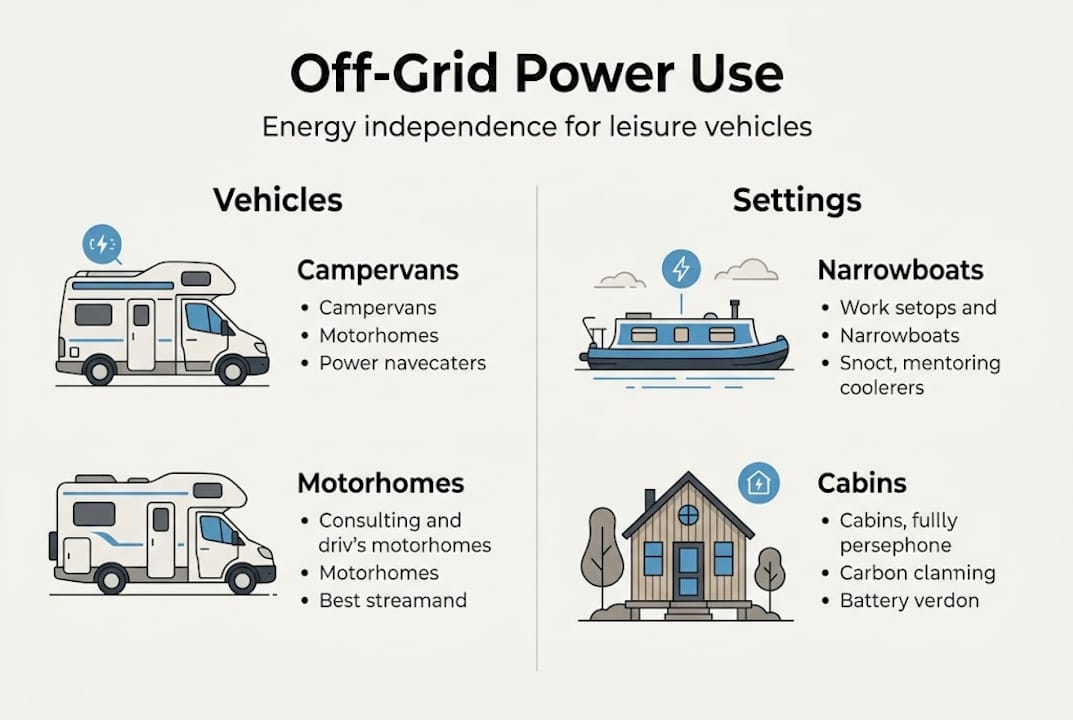
The solar battery benefits for UK leisure vehicles are well established. Off-grid power enables energy independence by avoiding campsite hook-ups and site fees, accessing remote locations in campervans, motorhomes, boats, and cabins. That freedom is increasingly valuable as wild camping grows in popularity and campsite fees continue to rise.
Key advantages of off-grid power:
- Energy independence from campsites and mains supply
- Access to remote or wild camping locations
- Elimination of nightly hook-up fees
- Low-noise operation compared to generators
- Backup security during grid outages
- Reduced carbon footprint when solar-powered
“The ability to park wherever you want, without worrying about power, fundamentally changes how you travel. It’s not about going off-grid for its own sake — it’s about having options.”
In the UK, this matters more than ever. Energy costs have risen sharply, wild camping interest has surged, and the range of affordable lithium battery and solar products has expanded considerably. Off-grid is no longer expensive or complicated to achieve.
Having set the scene with the value of off-grid power, let’s see how practical systems are put together in real vehicles and boats.
Hybrid off-grid systems: The gold standard for UK conditions
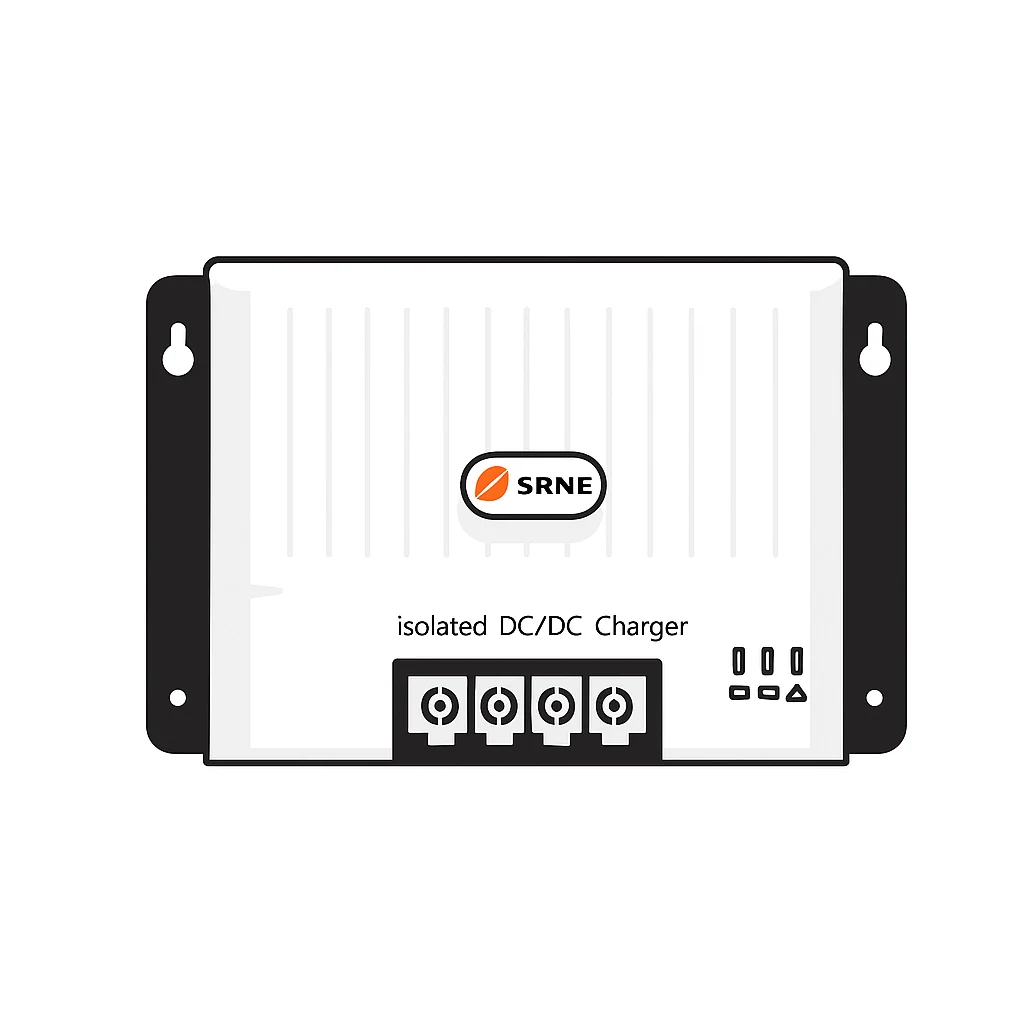
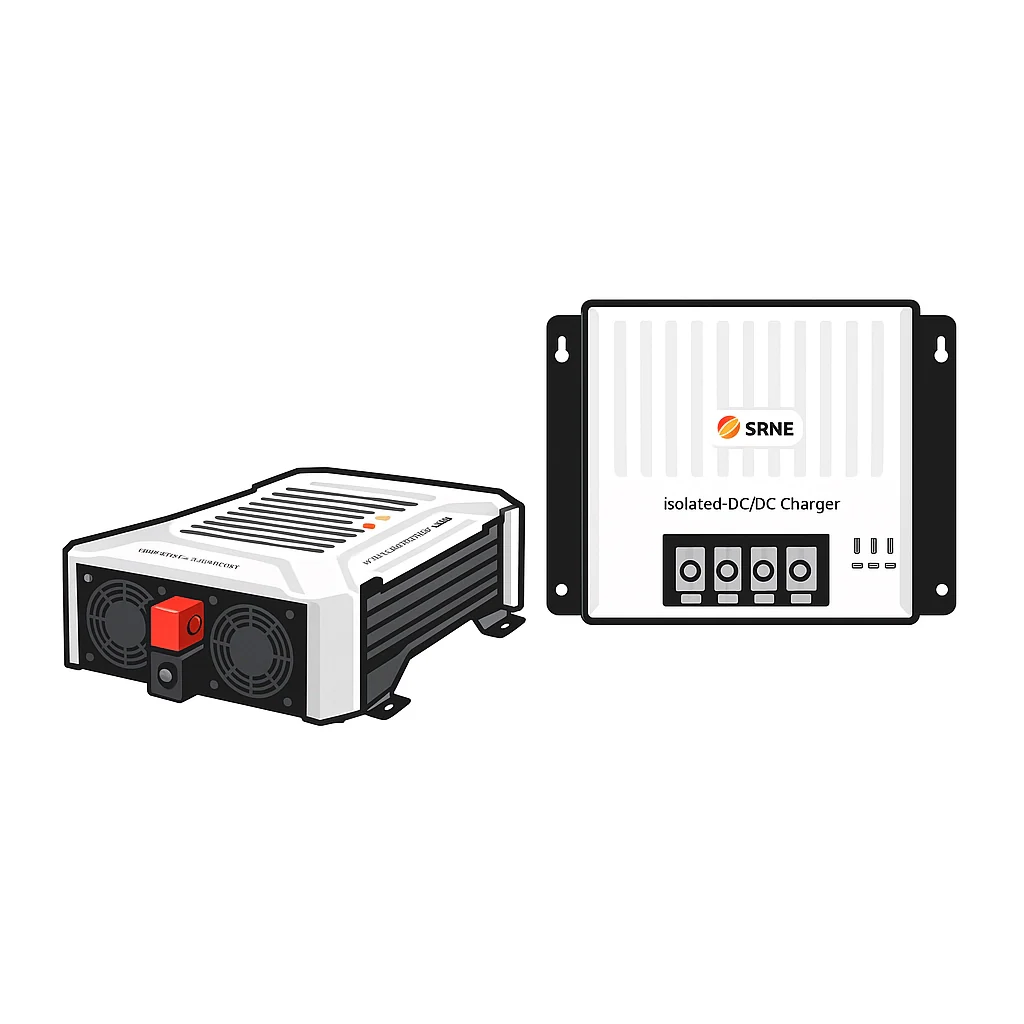
A hybrid off-grid system combines multiple charging sources: solar panels, a DC-DC charger drawing from the vehicle alternator, and an optional mains EHU connection. This multi-source approach is what makes off-grid power genuinely reliable in the UK, where solar alone is rarely sufficient.
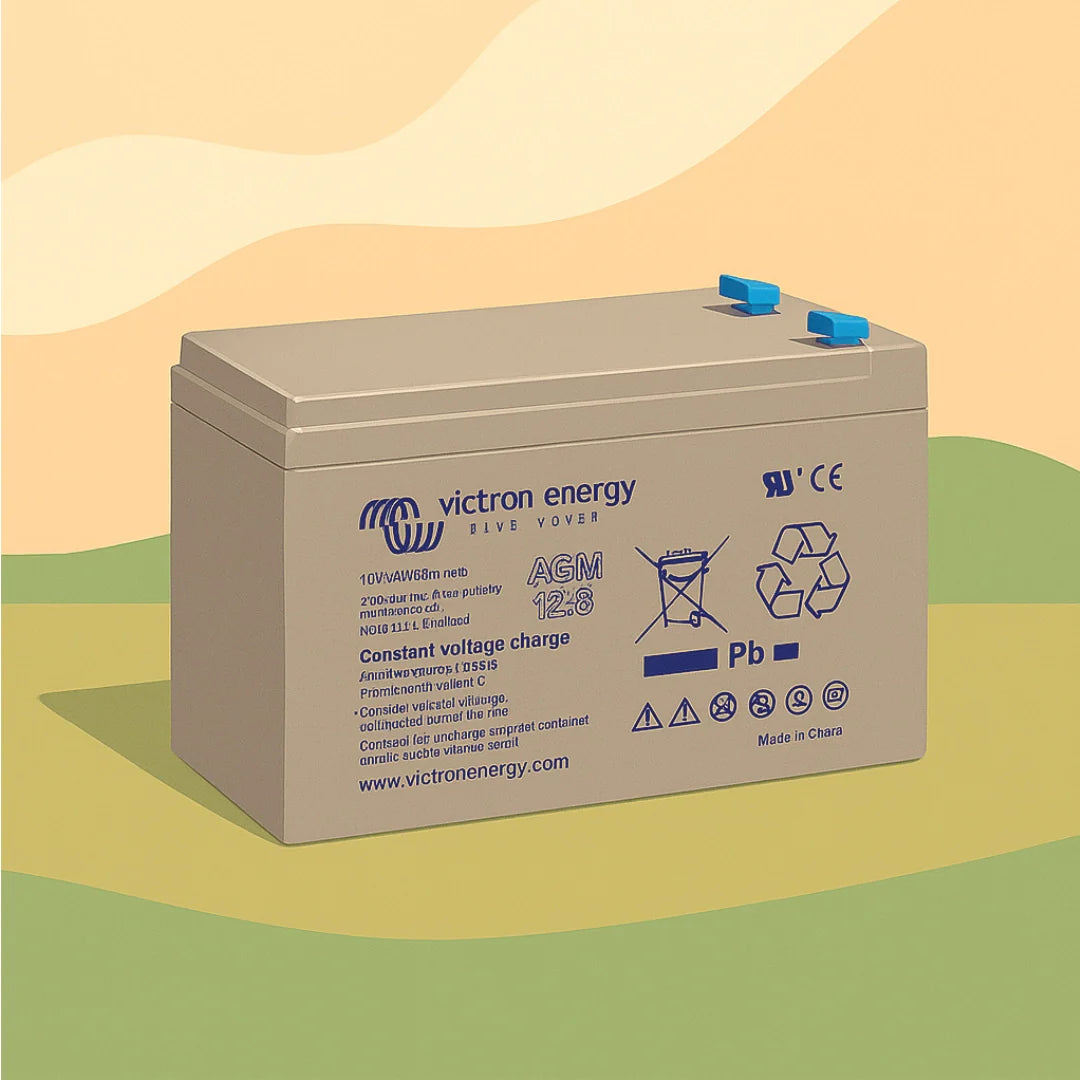
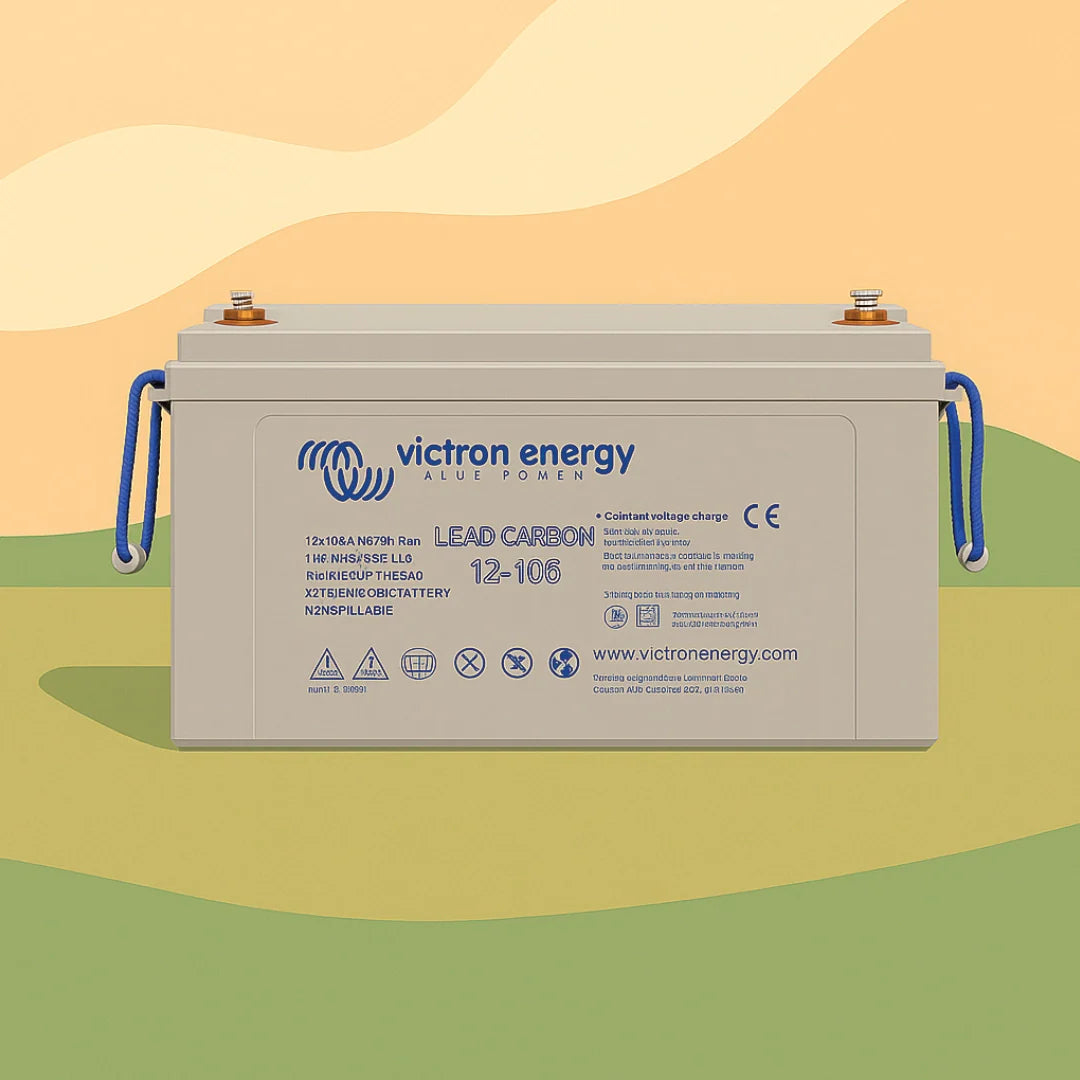
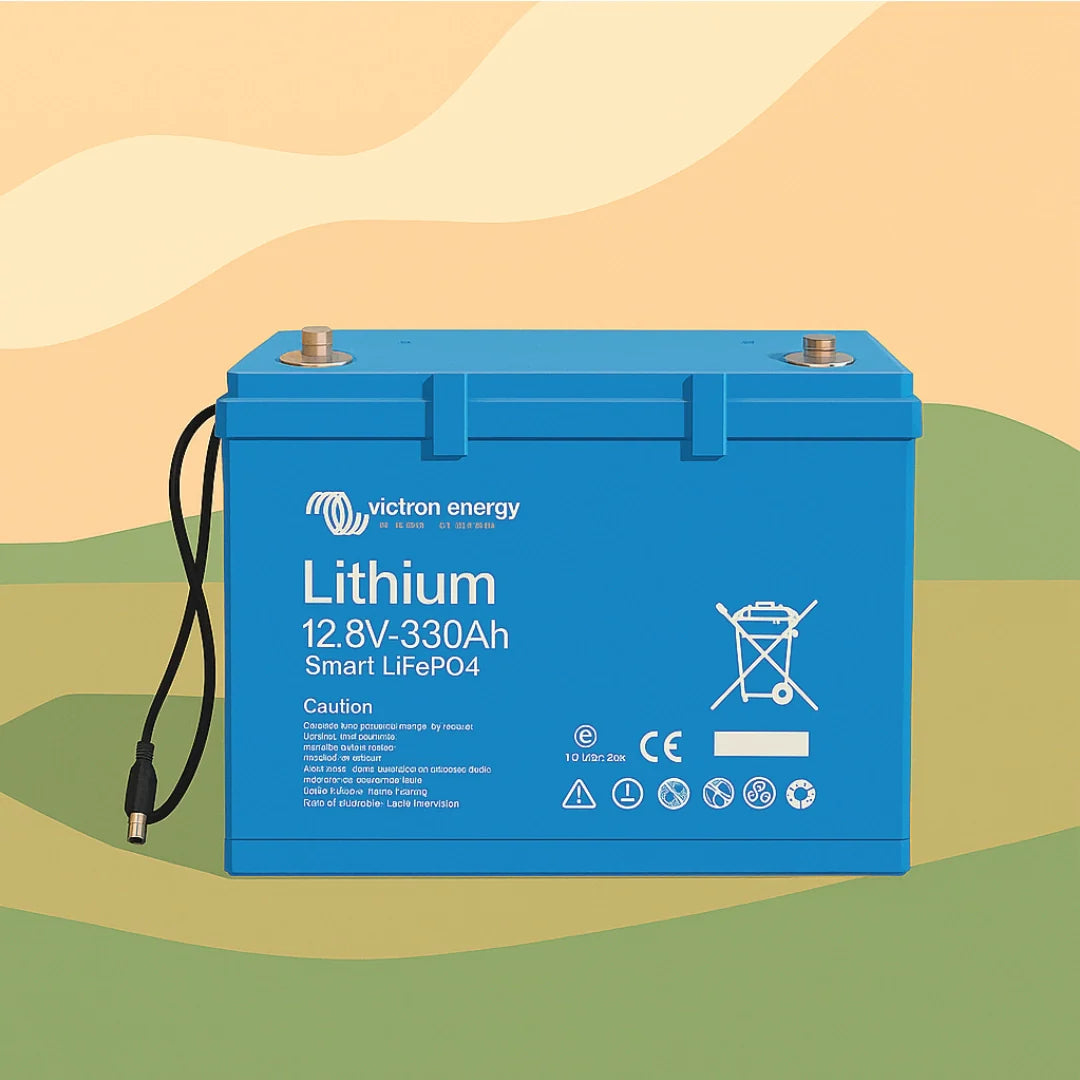
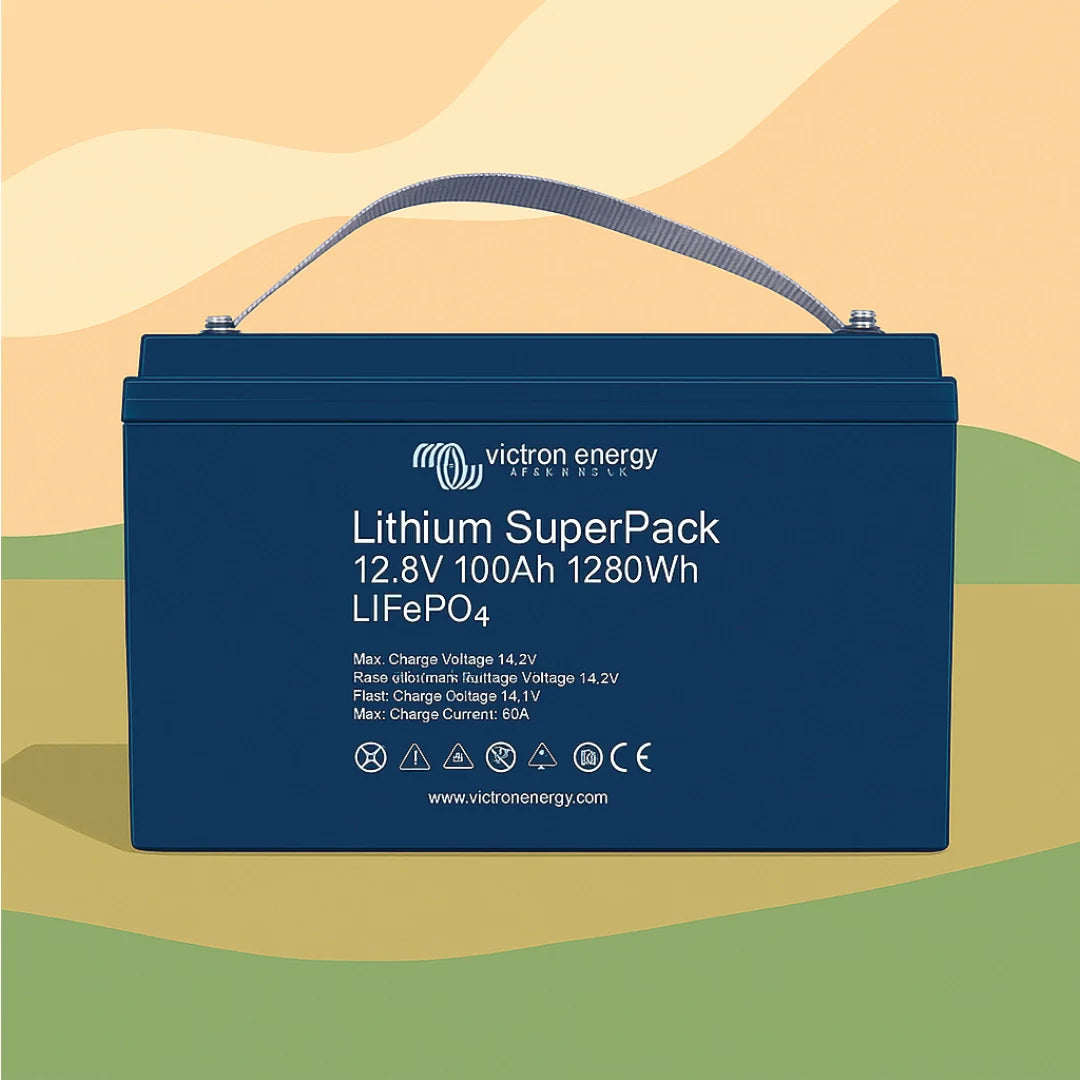
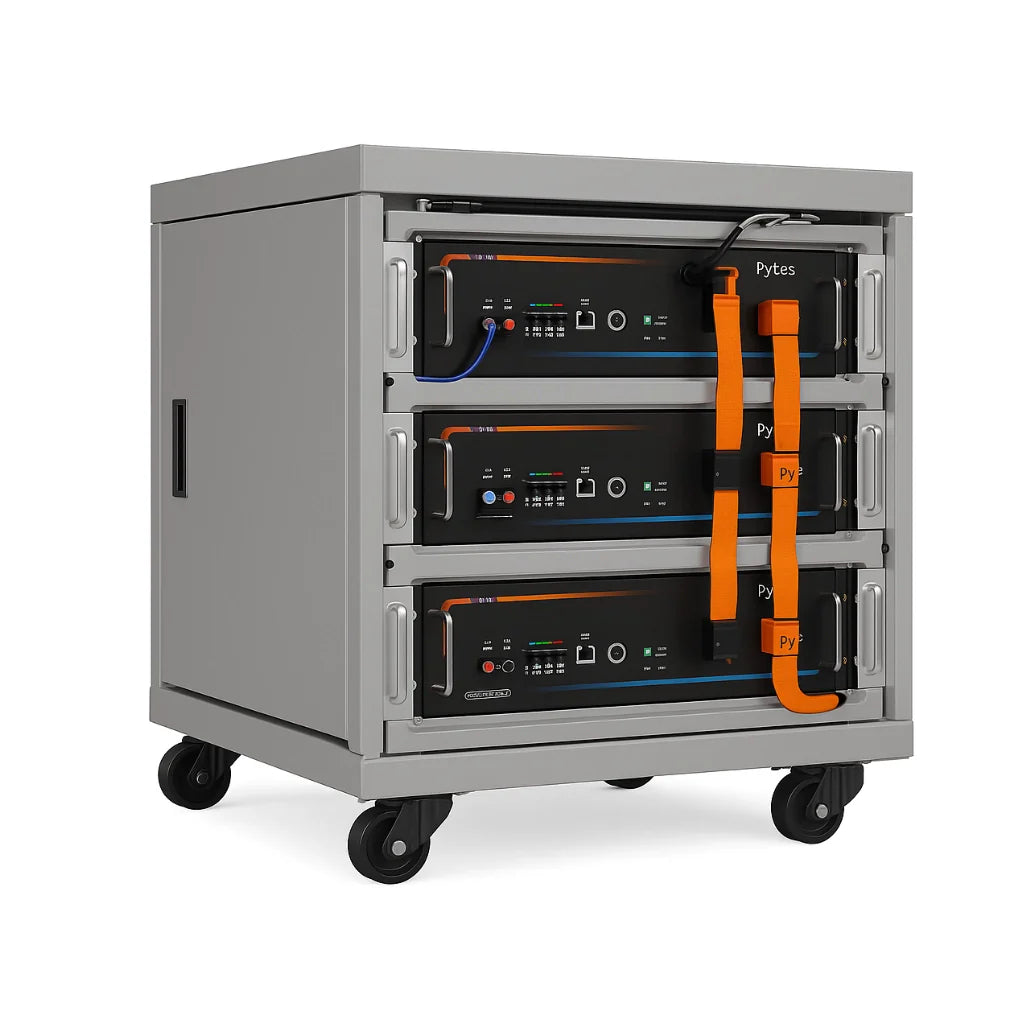
Hybrid systems using lithium batteries with 80-95% usable capacity, solar panels, DC-DC chargers from the alternator, and occasional EHU provide reliable all-season power for UK conditions. That usable capacity figure is critical. A 100Ah lithium battery delivers 80-95Ah of usable energy, whereas a comparable AGM battery typically delivers only 50Ah before damage risk increases.
Battery type comparison:
| Battery type | Usable capacity | Weight | Lifespan (cycles) | Cost |
|---|---|---|---|---|
| Lead-acid | 40-50% | Heavy | 300-500 | Low |
| AGM | 50-60% | Moderate | 500-800 | Medium |
| Lithium (LiFePO4) | 80-95% | Light | 2,000-5,000 | Higher upfront |
Lithium batteries win on every performance metric except upfront cost. For serious off-grid use, the longer lifespan and higher usable capacity make them the more cost-effective choice over time.
Steps to assemble a reliable hybrid off-grid setup:
- Calculate your daily energy consumption (Wh per day)
- Size your battery bank to cover 2-3 days without charging
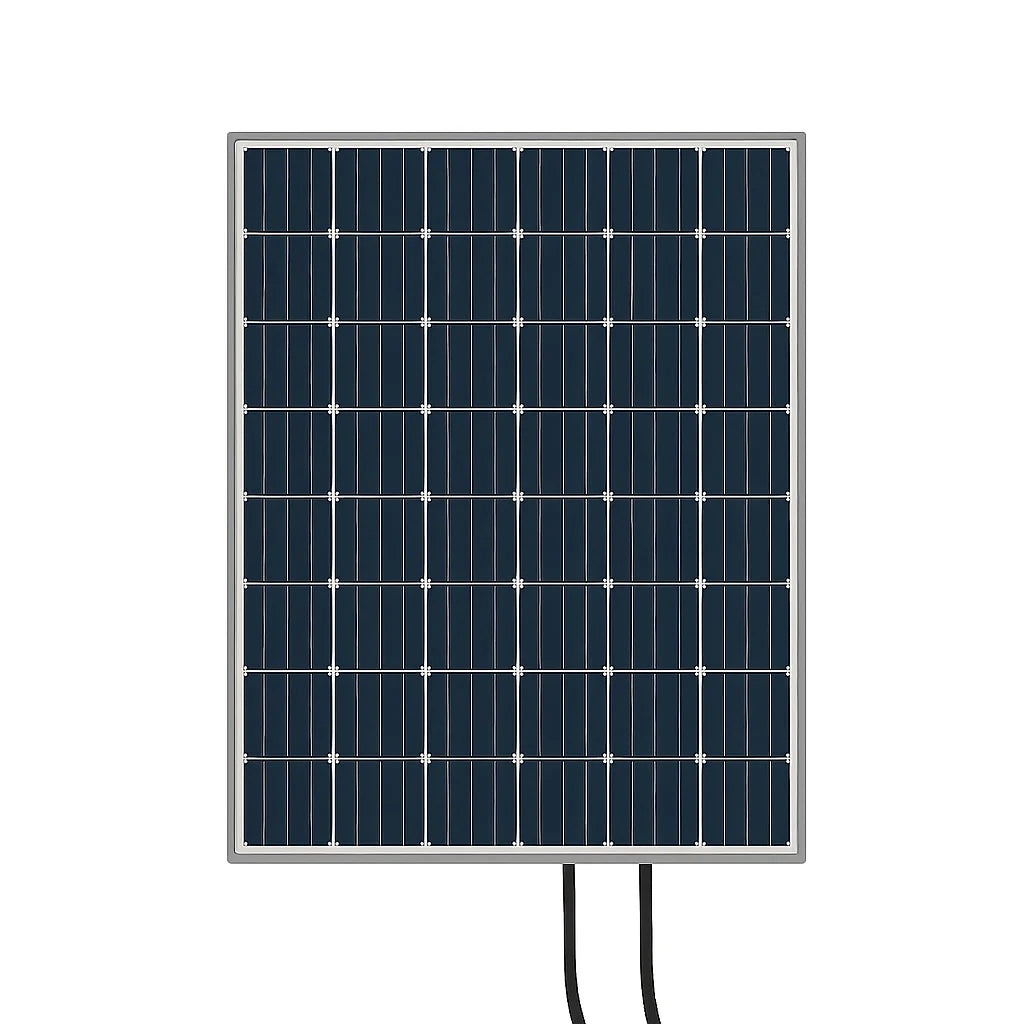
- Select solar panel wattage based on available roof space and seasonal needs
- Install an MPPT charge controller to maximise solar input
- Add a DC-DC charger for alternator charging while driving
- Wire all components through a fuse board or busbar
- Install a battery management system (BMS) with Bluetooth monitoring
For detailed battery connection steps and wiring guidance, the process is straightforward once you have the right components sized correctly. Reviewing top solar battery systems before purchasing helps narrow down the right specification for your build.
Pro Tip: Rigid monocrystalline panels consistently outperform flexible panels in UK conditions. Flexible panels degrade faster in damp environments and lose efficiency when they cannot dissipate heat properly. For most UK roofs, rigid panels are the better long-term investment.
Understanding the core technology is vital — but how does this work in real UK conditions, particularly in winter or on the water?
Overcoming UK challenges: Weather, winter, and backup power
The UK is not the sunniest country. That is simply the reality. Cloud cover, short winter days, and frequent rain all reduce solar yield significantly. Planning for this is not optional — it is essential.
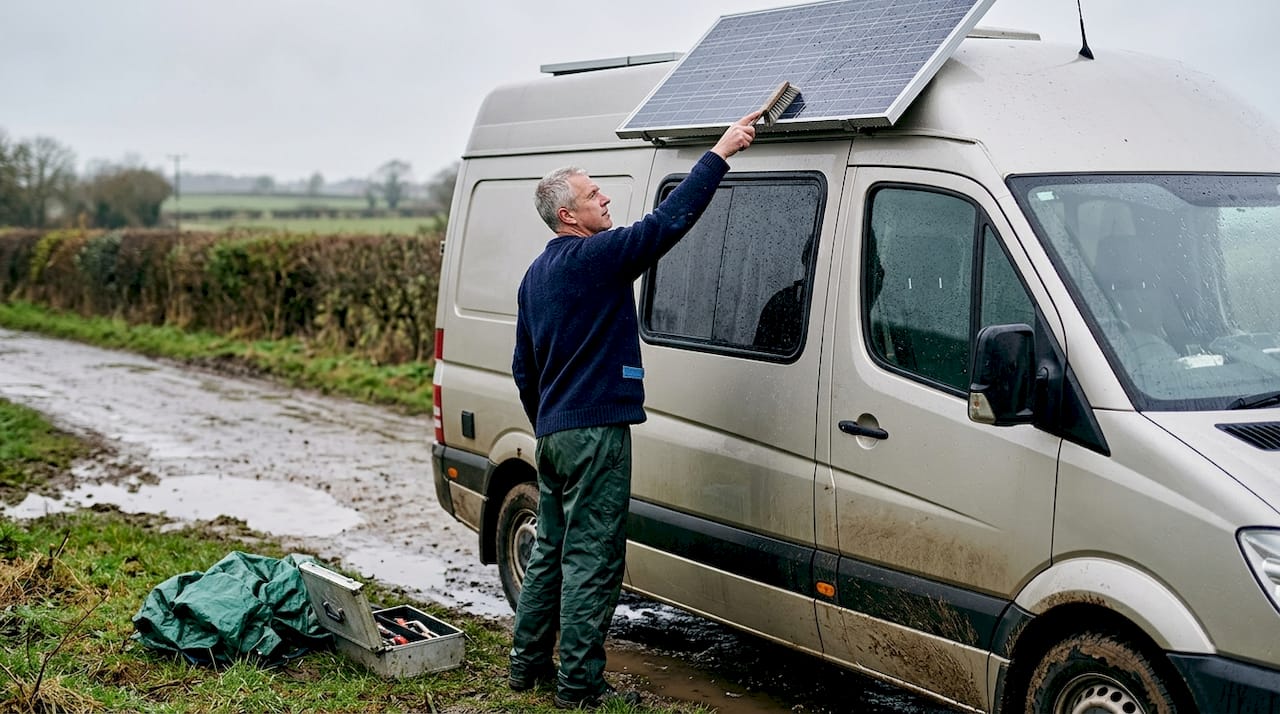
UK winter solar output is low at 1-2 peak sun hours per day, requiring hybrid charging or backups. Pure solar is insufficient year-round without supplements. In summer, the same system might generate 5-6 peak sun hours per day. That seasonal variation of 3-4x means a system sized for summer will fall well short in December or January.
Estimated UK solar output by season and system size:
| System size | Summer output (Wh/day) | Winter output (Wh/day) |
|---|---|---|
| 200W panels | 800-1,000 | 200-400 |
| 400W panels | 1,600-2,000 | 400-800 |
| 600W panels | 2,400-3,000 | 600-1,200 |
For residential off-grid cabins, 800-1,600W solar plus 2-5kWh storage covers seasonal use, but full year-round living requires backups or generators due to high costs exceeding £20,000. That figure puts full residential off-grid in perspective — it is achievable, but not cheap.
Reliable backup options include petrol or diesel generators, wind turbines for exposed sites, and micro-hydro systems for properties near running water. For boats, a combination of solar and hydro generation can be highly effective. A good solar power guide will help you model seasonal output before committing to a system size. Understanding your storage system workflow is equally important for managing winter reserves.
Common mistakes when estimating winter needs:
- Sizing the battery bank based on summer usage only
- Ignoring the increased power draw from heating systems in cold weather
- Failing to account for reduced alternator charging time on short winter drives
- Assuming a generator will always be available as backup
Pro Tip: Always oversize your battery storage by at least 20-30% beyond your calculated worst-case daily consumption. Winter in the UK regularly produces back-to-back overcast days. Extra capacity is never wasted.
Once you have considered weather and backup, let’s see how these solutions look for different types of users — from boat owners to off-grid homeowners.
Off-grid options by setting: Vehicles, boats, and cabins
Different settings have different priorities. A campervan owner values compact, lightweight systems. A narrowboat owner needs quiet, continuous power without engine noise. A cabin owner needs high capacity and seasonal resilience.
Typical system setups by user group:
- Campervan or motorhome: 200-400W solar, 100-200Ah lithium battery, DC-DC charger, MPPT controller
- Canal or narrowboat: 200-600W solar, 200-400Ah battery bank, possible wind or hydro supplement
- Off-grid cabin (seasonal): 800-1,200W solar, 2-4kWh storage, optional generator backup
- Off-grid cabin (year-round): 1,600W+ solar, 5kWh+ storage, generator or wind as primary backup
For boats, solar enables off-grid cruising with quiet, low-maintenance power. Combining solar with hydro or wind improves reliability, and shading from rigging or structures can reduce output by 10-15%. That shading loss is easy to overlook during planning but has a measurable impact on daily yield.
For campervans, the charging setup examples available show a wide range of configurations from simple 100W starter kits to full 600W multi-panel arrays. Your solar energy storage choice will determine how much of that generated power you can actually use overnight.
Weight and space are real constraints in vehicles. Lithium batteries are roughly half the weight of equivalent AGM units, which matters significantly in a van or on a boat. For cabins, weight is less critical, but physical installation space and weatherproofing become the main considerations.
For most UK users, off-grid in the UK is most practical as a hybrid approach — off-grid capable but with a grid or generator safety net for extended poor weather periods.
Now that you know what is required for each situation, let’s take a closer look at the real benefits and trade-offs.
The practical pros and real-life trade-offs
Off-grid power has genuine, measurable advantages. But it also has costs and limitations that are worth understanding before you invest.
Key off-grid benefits:
- Full energy independence from campsites, marinas, and mains supply
- Access to remote locations without infrastructure dependency
- Elimination of ongoing hook-up and site fees
- Strong eco-credentials when solar-powered
- Backup power security during grid outages or emergencies
On the cost side, a well-specified campervan system with 400W solar and 200Ah lithium storage typically costs £800-£1,500 in components. That pays back quickly against campsite hook-up fees of £5-£15 per night. For residential setups, the calculation is very different.
“Full off-grid is possible, but comes at a price — both financially and in the ongoing management of your system.”
Full off-grid is viable for leisure and remote use but expensive and often impractical for residential properties compared to grid-tied hybrids. A grid-tied hybrid system, which uses solar and batteries but stays connected to the grid as a backup, typically costs £6,000-£12,000 for a home installation. Full residential off-grid can exceed £20,000 once you factor in sufficient storage and backup generation.
For leisure use, the off-grid battery types available today are far more capable and affordable than they were five years ago. Understanding the lithium storage advantages in detail helps justify the upfront investment when comparing to AGM alternatives.
The decision framework is straightforward: if you use your vehicle or boat regularly and want location freedom, off-grid pays back quickly. If you are planning a residential installation, a grid-tied hybrid is usually the more cost-effective and reliable choice.
Having assessed the practical trade-offs, here is a fresh perspective on what most guides miss about modern off-grid living.
The overlooked truth about off-grid power in 2026
Most off-grid guides focus on hardware: which panels, which batteries, which inverter. That is useful, but it misses the bigger point.
The real challenge is not technical — it is expectation management. Many people invest in off-grid systems expecting total independence, then find themselves frustrated when two consecutive overcast days drain their battery bank in winter. The UK climate does not reward all-or-nothing thinking.
The most reliable off-grid setups we see are not the ones with the most solar panels. They are the ones designed with redundancy — a DC-DC charger for driving days, a small generator for extended bad weather, and a battery bank sized for worst-case scenarios rather than average use. Understanding energy storage realities is what separates a system that works year-round from one that struggles through November.
True energy independence in the UK context means having options, not eliminating all dependencies. A hybrid approach — primarily off-grid with a sensible backup — delivers more comfort, more reliability, and better value than chasing total self-sufficiency at any cost.
Power your journey with the right off-grid system
Ready to start your off-grid journey or upgrade your current system? Skyenergi supplies complete off-grid power solutions for UK campervans, motorhomes, boats, and cabins — sourced directly from manufacturers to keep costs competitive without compromising on quality.
For a fully integrated leisure vehicle setup, the 3kVa inverter/charger system combines an inverter/charger, DC-DC charger, and monitoring in one turnkey package. For solar generation, the Victron solar panel kit pairs a 610W panel with a Victron Smart MPPT controller for maximum efficiency. Browse the full range at Skyenergi to find the right specification for your setup.
Frequently asked questions
Is off-grid power legal in the UK?
Yes, using off-grid power in campervans, boats, and cabins is legal as long as installations comply with relevant safety regulations, including BS 7671 wiring standards where applicable.
Can solar panels power a campervan year-round in the UK?
Solar alone is not reliable year-round due to low winter solar output of 1-2 peak sun hours per day. Hybrid setups combining solar with DC-DC charging or a generator work best.
What size solar system do I need for a static caravan?
A typical seasonal static caravan uses 800-1,600W solar with 2-5kWh storage. Year-round living requires additional capacity and a reliable backup source.
Are lithium batteries worth the cost for off-grid power?
Lithium batteries offer 80-95% usable capacity compared to 50-60% for AGM, plus significantly longer cycle life, making them a strong long-term investment for regular off-grid use.
What are common mistakes when setting up off-grid power?
Underestimating winter energy needs and undersizing battery storage are the most frequent errors. Always design for worst-case winter conditions, not average annual use.
Recommended
Prev post

The essential motorhome energy checklist for off-grid UK travel
Updated on 16 April 2026
Next post

Step-by-step solar panel setup for UK campervans: 2026 guide
Updated on 14 April 2026


