




Eco-friendly battery materials list: 2026 guide
Discover essential insights in our eco-friendly battery materials list. Learn about sustainable options and recycling breakthroughs for 2026.
Eco-friendly batteries are defined by three criteria: low environmental impact during production, use of abundant or recyclable materials, and end-of-life recovery potential. The industry term for this field is sustainable battery materials, and it covers everything from cathode chemistry to anode recycling processes. The UK’s Vision 2035 strategy targets 20% of critical minerals demand from domestic recycling by 2035, with import dependency capped below 60%. That policy shift is already reshaping which materials manufacturers and buyers prioritise. This eco-friendly battery materials list covers the leading options, the recycling breakthroughs behind them, and what they mean for off-grid and residential energy storage.
1. Lithium iron phosphate (LFP) cathodes
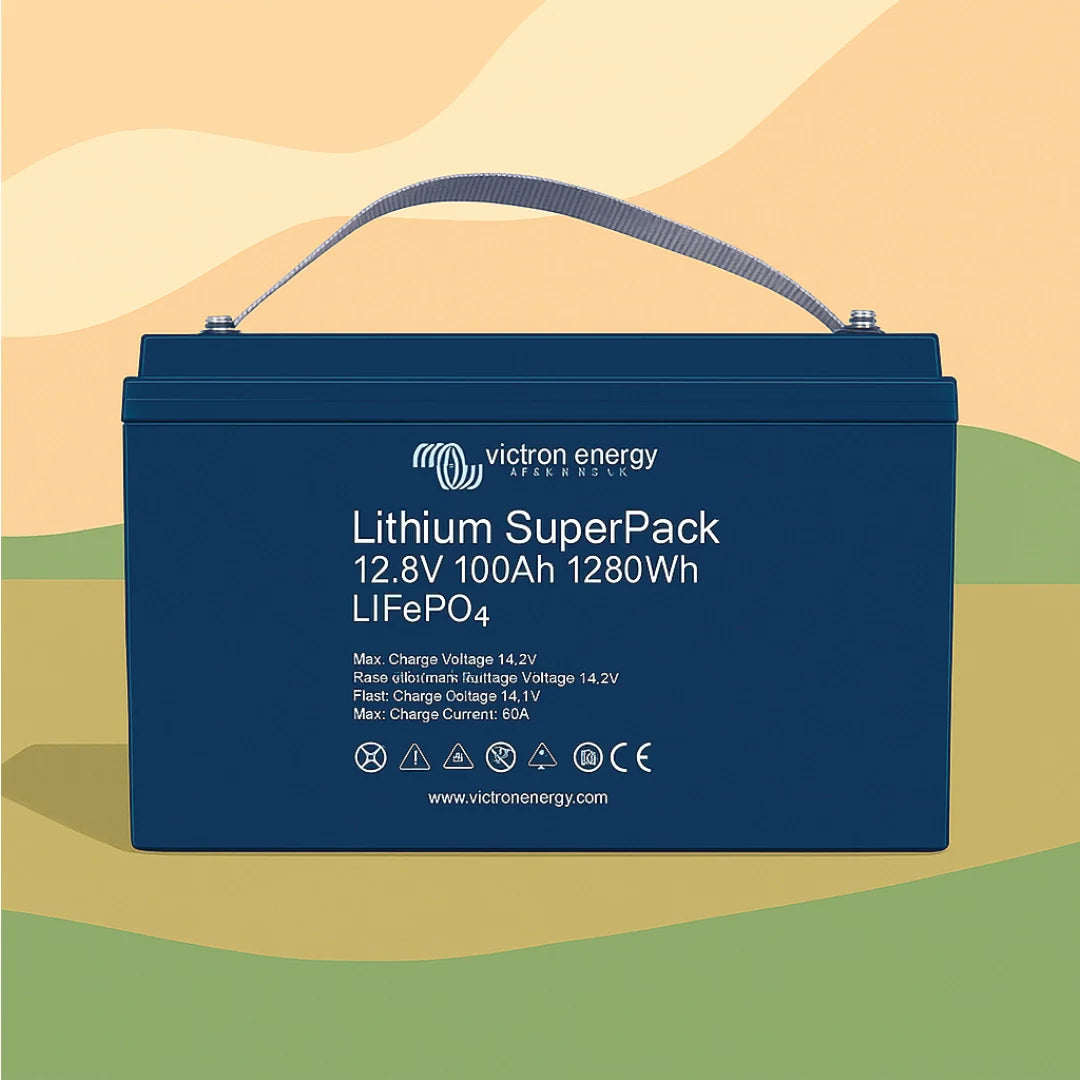
Lithium iron phosphate is the most widely adopted sustainable cathode material for stationary energy storage. It uses iron and phosphate, both abundant and non-toxic, instead of cobalt or nickel. UK-produced LFP cathode materials now achieve specific capacity above 153mAh/g, matching leading global benchmarks. That performance parity removes the main argument against domestic sourcing.
LFP also delivers a longer cycle life than nickel-manganese-cobalt (NMC) chemistries, typically exceeding 3,000 charge cycles before significant degradation. For stationary applications such as home energy storage or off-grid setups, that longevity reduces total lifecycle emissions per kilowatt-hour stored. The chemistry is also thermally stable, which eliminates the fire risk associated with high-nickel cathodes.
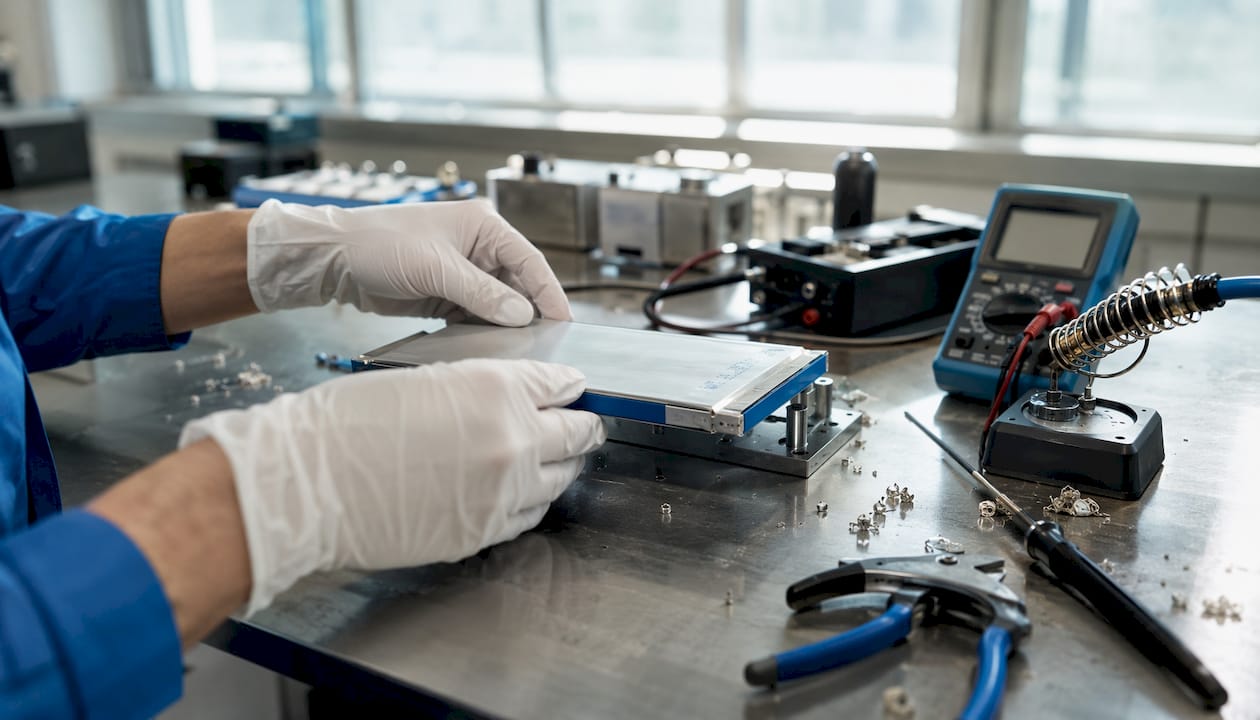
Pro Tip: LFP is the preferred cathode for residential and leisure battery systems where safety and lifespan matter more than peak energy density. If you are specifying a battery for a campervan or home storage, LFP is the correct starting point.
2. Sodium-ion cathodes: Prussian White
Sodium-ion batteries use sodium instead of lithium, and sodium is one of the most abundant elements on Earth. The most commercially advanced sodium-ion cathode material is Prussian White, an iron-based compound with no cobalt or nickel content. Closed-loop recycling of Prussian White cathodes recovers up to 97% of pristine capacity using roughly 0.5 kWh of energy input, compared to 3.98 kWh for new synthesis. That energy saving is significant at scale.
Prussian White’s recyclability makes it one of the strongest candidates for a truly circular battery supply chain. The material can be recovered from end-of-life cells and reprocessed without the energy-intensive smelting required by conventional hydrometallurgical routes. For grid-scale storage, where cost per cycle and supply chain resilience matter most, sodium-ion with Prussian White cathodes is a credible alternative to LFP.
3. Recycled graphite anodes via EcoAnode™
Graphite is the dominant anode material in lithium-ion batteries, and primary graphite mining carries a significant carbon cost. The EcoAnode™ process, developed by Altilium, recovers 99% of graphite from end-of-life battery waste with 77% lower carbon emissions than primary mining. That figure makes recycled graphite one of the most carbon-efficient anode materials available today.
The process recovers graphite from production scrap and retired EV batteries, then reprocesses it to battery-grade specification. This approach reduces dependence on imported natural graphite, much of which currently comes from a small number of geographically concentrated sources. For buyers focused on battery recycling advances, recycled graphite anodes represent a practical near-term option rather than a future aspiration.
4. XNO® niobium-based anodes and direct recycling
XNO® is a niobium tungsten oxide anode material developed by Echion Technologies. It supports fast charging and high power output without the lithium plating risk associated with graphite at high charge rates. Critically, direct recycling methods preserve the crystal structure of XNO® during recovery, enabling near-identical electrochemical performance in reprocessed material.
Direct recycling uses mild chemical and physical methods rather than high-temperature smelting. This preserves the material’s structure and avoids the energy costs of resynthesising active materials from scratch. The result is a closed-loop pathway for a high-performance anode material, which is rare in the industry. Niobium is also more geographically diversified in supply than graphite or cobalt, reducing geopolitical concentration risk.
Pro Tip: Direct recycling is the most material-efficient recovery route available. When evaluating battery systems, ask suppliers whether their anode materials are compatible with direct recycling pathways. It is a reliable indicator of long-term supply chain sustainability.
5. Zinc-bromine (ZincGel®) batteries
Zinc-bromine batteries use zinc and bromine, both abundant and widely available materials. The ZincGel® format, developed for stationary applications, is non-flammable and operates safely at ambient temperatures without active thermal management. Zinc-bromine and sodium-ion chemistries are suited to 6–16 hour cycling, making them appropriate for grid-scale long-duration storage rather than high-power mobility applications.
The safety profile of ZincGel® is a genuine differentiator. Unlike lithium-ion chemistries, there is no risk of thermal runaway. For installations in occupied buildings or remote off-grid sites where fire suppression infrastructure is limited, that characteristic has real practical value. Energy density is lower than LFP, but for long-duration stationary storage, energy density is a secondary concern compared to cost, safety, and cycle life.
6. Sodium-ion batteries: bio-based and organic variants
Beyond Prussian White cathodes, researchers are developing sodium-ion cells with bio-based or organic electrode materials derived from agricultural waste, lignin, and other renewable carbon sources. These materials are biodegradable battery components in the truest sense, with end-of-life pathways that do not require specialist processing. Commercial availability remains limited, but pilot-scale production is underway in several European research programmes.
The appeal of bio-based anodes is their potential to close the carbon loop entirely. If the carbon in an electrode comes from atmospheric CO₂ fixed by plants, and the electrode is composted at end of life, the net carbon impact approaches zero. That is a fundamentally different proposition from even the best recycled synthetic materials. The trade-off is lower electrochemical performance, which currently limits these materials to low-power applications.
7. Lead carbon batteries as a greener lead-acid option
Lead carbon batteries add activated carbon to the negative electrode of a conventional lead-acid cell. This modification improves charge acceptance, extends cycle life, and reduces sulphation, the primary failure mode of standard lead-acid batteries. The result is a battery that uses a well-established, highly recyclable chemistry with meaningfully better performance and longevity.
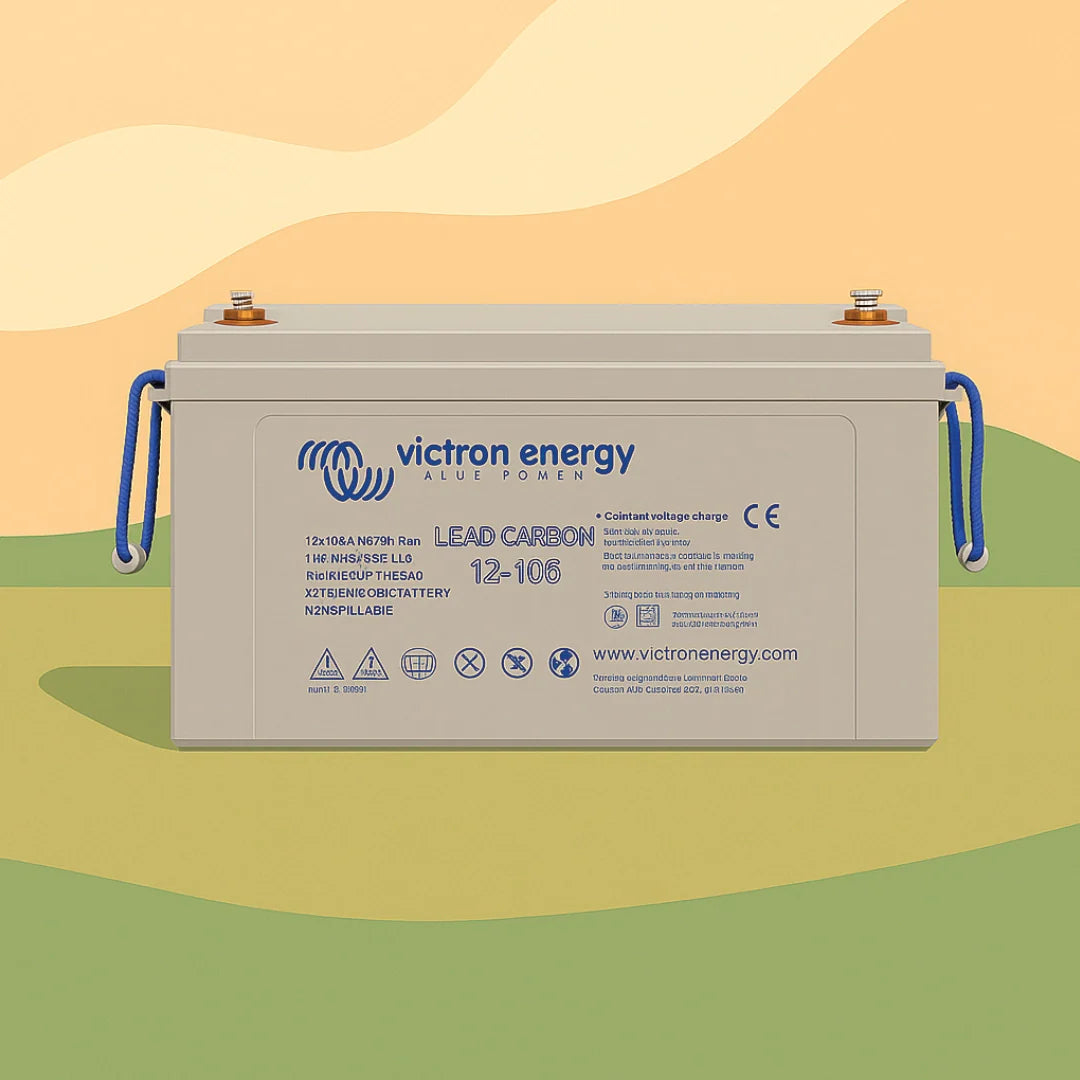
Lead is one of the most recycled materials in the world, with established collection and processing infrastructure in the UK and across Europe. Lead carbon batteries therefore sit within a mature circular economy rather than depending on new recycling infrastructure. For eco-conscious buyers who need a proven, affordable option for off-grid or backup power, the Victron Energy Lead Carbon 12V 106Ah represents a practical green battery option with strong recycling credentials.
8. How recycling and supply chain strategy shape sustainability
The greenest battery material is not always the one with the lowest mining footprint. It is the one embedded in the most efficient closed-loop system. Closed-loop systems recycling production scrap and end-of-life batteries offer the greatest opportunity for sustainable supply chains, because they reduce both extraction demand and waste simultaneously.
Supply chain strategy now includes three measurable priorities:
- Domestic recycling capacity. The UK Vision 2035 target of 20% domestic mineral recovery by 2035 creates a policy framework that rewards investment in local recycling facilities.
- Carbon-intensity metrics. Embedded carbon and rules of origin are becoming commercial priorities for battery procurement, not just regulatory compliance requirements.
- Traceability. Knowing where each material came from and how it was processed is now a procurement requirement in regulated markets, and it is becoming standard practice in the UK renewable energy sector.
Primary mining will remain necessary until the 2040s, when retiring EV batteries begin providing substantial secondary feedstocks at scale. Until then, the most sustainable procurement strategy combines domestically recycled materials with traceable primary sources.
“Energy storage strategy must adopt a portfolio of chemistries beyond lithium-ion, prioritising supply resilience and safety for stationary storage.” Source: India-origin battery tech powers Offgrid’s UK manufacturing facility
For professionals specifying systems today, that means evaluating LFP, sodium-ion, zinc-bromine, and lead carbon options in parallel rather than defaulting to a single chemistry. The UK energy independence picture in 2026 makes that portfolio approach both commercially sensible and strategically sound.
Key takeaways
Sustainable battery materials combine low-toxicity chemistry, high recyclability, and traceable supply chains, with LFP and sodium-ion leading current commercial deployment.
| Point | Details |
|---|---|
| LFP leads stationary storage | UK-produced LFP exceeds 153mAh/g capacity and offers superior cycle life for residential and off-grid use. |
| Sodium-ion offers circular potential | Prussian White cathodes recover up to 97% of capacity in closed-loop recycling with a fraction of the energy input. |
| Recycled graphite cuts carbon | EcoAnode™ recovers 99% of graphite with 77% lower emissions than primary mining, making it the most carbon-efficient anode option. |
| Lead carbon fits mature recycling | Lead carbon batteries sit within established recycling infrastructure, making them a practical green choice today. |
| Supply chain traceability is non-negotiable | Carbon metrics and rules of origin now drive procurement decisions across the UK renewable energy sector. |
Why I think the battery materials conversation is missing the point
Most discussions about green battery options focus almost entirely on cathode chemistry. LFP versus NMC, lithium versus sodium. That framing is too narrow. The material itself is only one variable. What matters equally is whether that material can be recovered, reprocessed, and reused without losing performance.
The EcoAnode™ and XNO® direct recycling results are the most significant developments I have seen in this space in several years. A 99% graphite recovery rate with 77% lower emissions is not a marginal improvement. It changes the entire lifecycle calculation for graphite anodes. Yet most buyers specifying batteries for residential or leisure applications have never heard of it.
The other underappreciated factor is the portfolio approach. Zinc-bromine and sodium-ion chemistries are not trying to replace lithium-ion in every application. They are filling specific gaps, particularly long-duration stationary storage, where lithium-ion’s energy density advantage is irrelevant and its cost and safety trade-offs become liabilities. Professionals who understand this will make better procurement decisions than those who treat lithium-ion as the default answer to every storage problem.
My practical recommendation is straightforward. When evaluating any battery system, ask three questions: What is the recycling pathway for this chemistry? Is the supply chain traceable to origin? And does this chemistry match the actual duty cycle of the application? Those three questions will filter out most poor choices before you get to price.
— John
Skyenergi’s range of sustainable battery options
Skyenergi stocks a selection of batteries built around eco-conscious chemistries, from lead carbon to lithium iron phosphate, suited to residential, off-grid, and leisure applications.
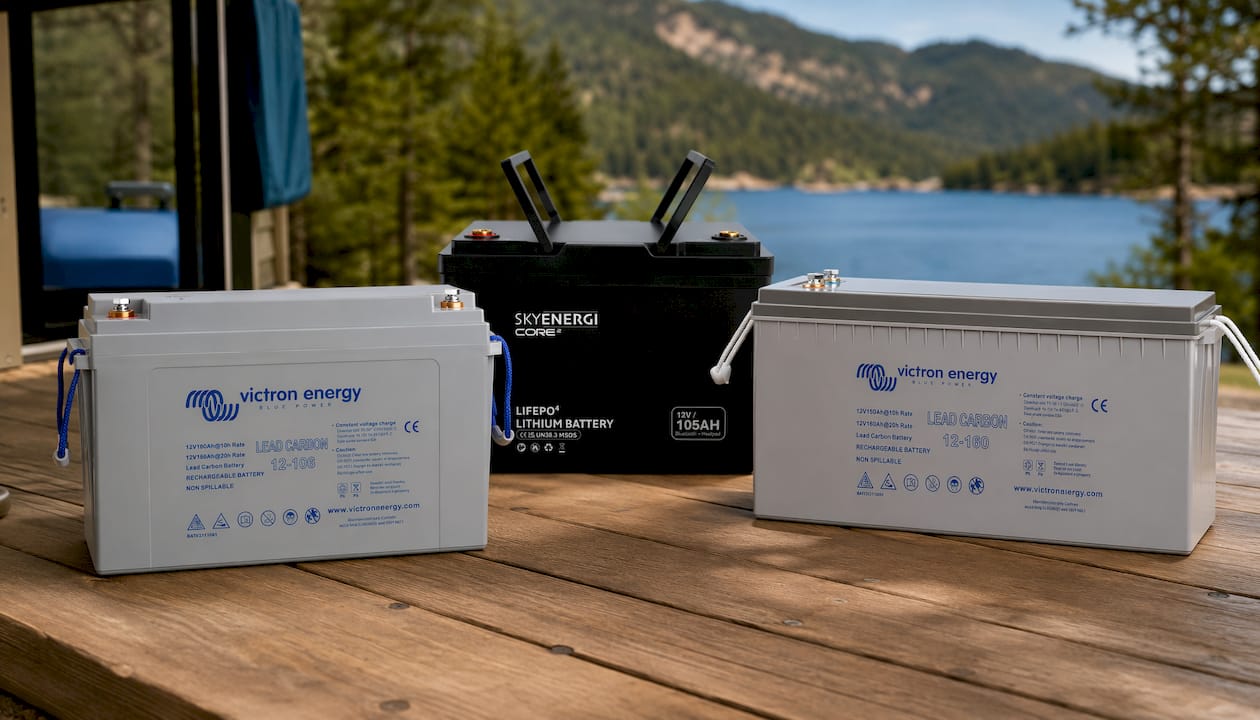
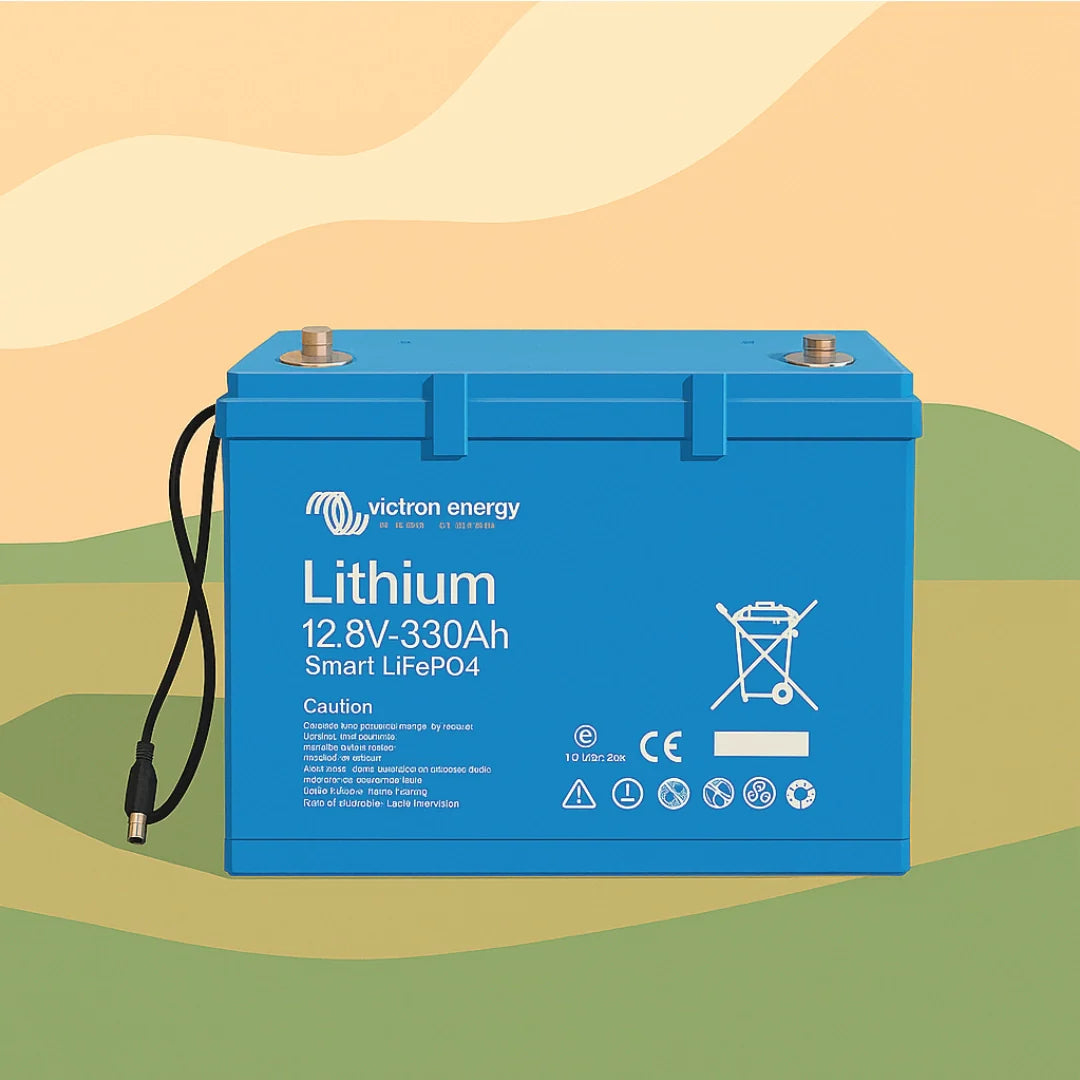
The Victron Energy Lead Carbon 12V 160Ah offers higher capacity for off-grid setups where a proven, recyclable chemistry is the priority. For lithium-based systems, the Skyenergi Core2 105Ah uses LFP chemistry with Bluetooth monitoring and a built-in heat pad, making it a practical choice for campervans and motorhomes. Both options reflect Skyenergi’s focus on sourcing well-engineered products that align with sustainable energy storage principles. Browse the full range at skyenergi.com to find the right fit for your system.
FAQ
What are eco-friendly batteries?
Eco-friendly batteries use materials that are abundant, low-toxicity, and recyclable, with production processes that minimise carbon emissions. Lithium iron phosphate, sodium-ion, and lead carbon chemistries are the leading commercial examples.
Is LFP better than NMC for sustainability?
LFP is more sustainable than NMC because it contains no cobalt or nickel, offers a longer cycle life, and is thermally stable without active cooling. UK-produced LFP now matches global performance benchmarks above 153mAh/g.
Can battery materials be recycled without losing performance?
Direct recycling methods preserve the crystal structure of materials like XNO® niobium-based anodes, enabling near-identical electrochemical performance after recovery. Prussian White sodium-ion cathodes recover up to 97% of pristine capacity through closed-loop recycling.
What is the UK doing to support sustainable battery materials?
The UK Vision 2035 strategy targets 20% of critical mineral demand from domestic recycling by 2035, with import dependency capped below 60%. This policy framework supports investment in domestic recycling facilities and traceable supply chains.
Are biodegradable battery components commercially available?
Bio-based and organic electrode materials derived from lignin and agricultural waste are in pilot-scale development but are not yet widely available commercially. They currently suit low-power applications where energy density is a secondary requirement.
Recommended
Prev post

Why Heated Lithium Batteries are a Game-Changer for UK Winters
Updated on 22 July 2026
Next post

Must-have inverter accessories for safe off-grid setups
Updated on 19 July 2026


