





Solar setup tips 2026: maximise UK leisure vehicle power
Discover expert solar setup tips for UK campervans, motorhomes, and homes in 2026. Compare panels, batteries, and controllers to maximise efficiency, reliability, and off-grid independence.
Choosing the right solar system for your UK campervan, motorhome, or home in 2026 can feel overwhelming with rapid technology advances and variable weather conditions. This guide cuts through the complexity with practical criteria, product comparisons, and actionable installation advice tailored to British climate and leisure vehicle needs. You’ll learn how to match panels, batteries, and controllers for maximum efficiency, reliability, and long-term value.
Table of Contents
- Key Factors To Consider When Choosing Your Solar Setup
- Selecting Solar Panels For UK Leisure Vehicles
- Battery Technology Comparison: Lithium Vs AGM
- System Compatibility And Integration In 2026
- Installation Best Practices For UK Conditions
- Monitoring And Optimisation Of Solar Systems
- Scalability And Expansion Options
- Pricing And Availability In The UK Market
- Solar Setup Options For Residential Applications
- Summary And Situational Recommendations
- Explore Expert Solar Systems For Your Leisure Vehicle
Key takeaways
| Point | Details |
|---|---|
| System compatibility | Choosing matched components like Victron or SRNE improves longevity and reduces failures. |
| Mono-crystalline panels | Deliver 20-22% efficiency with adjustable mounts, ideal for capturing limited UK sunlight. |
| Lithium batteries | Offer five times longer lifespan and 30-40% higher energy density compared to AGM alternatives. |
| Bluetooth monitoring | Real-time system health tracking reduces power failures by up to 40% through proactive maintenance. |
| Scalability | Modular designs let you start with 100-200W setups and expand beyond 1000W as needs grow. |
Key factors to consider when choosing your solar setup
Selecting a solar system for your UK leisure vehicle or residential application requires balancing several technical and practical factors. Component compatibility matters enormously because mismatched parts create inefficiencies, premature failures, and safety risks. Brands like Victron, SRNE, and Skyenergi design products to work seamlessly together, eliminating guesswork during installation.
Battery technology represents your most important decision. Lithium iron phosphate batteries deliver longer lifecycles, higher energy density, and better performance in cold UK winters compared to traditional AGM types. They also support faster charging and deeper discharge without damage, making them ideal for frequent travellers.
UK solar irradiation averages 1000 to 1200 kWh per square metre annually, far lower than Mediterranean regions. This reality demands careful panel selection and positioning to capture every available photon. Mono-crystalline panels with adjustable tilt mounts maximise output across seasons and locations, compensating for Britain’s notorious cloud cover.
Scalability ensures your system grows with evolving energy needs without costly replacements. Starting with a 200W panel and 100Ah lithium battery lets you test your consumption patterns before expanding. Modular charge controllers and battery banks make additions straightforward when you’re ready.
Intelligent monitoring technologies transform system management from reactive troubleshooting to proactive optimisation. Bluetooth-enabled battery management systems alert you to potential issues before they cause failures, extending component lifespan and improving reliability.
Pro tip: Calculate your daily energy consumption in watt-hours before purchasing any components. Multiply appliance wattage by hours used daily, then add 20% buffer for cloudy days and system losses to determine minimum battery and panel capacity.
Key criteria summary:
- Component compatibility prevents costly mismatches
- Battery technology impacts weight, lifespan, and performance
- UK solar irradiation demands efficient panel selection
- Scalable systems adapt to changing power needs
- Smart monitoring enables preventative maintenance
Learn more about solar charging tips for UK campervan owners to understand real-world consumption patterns and system sizing.
Selecting solar panels for UK leisure vehicles
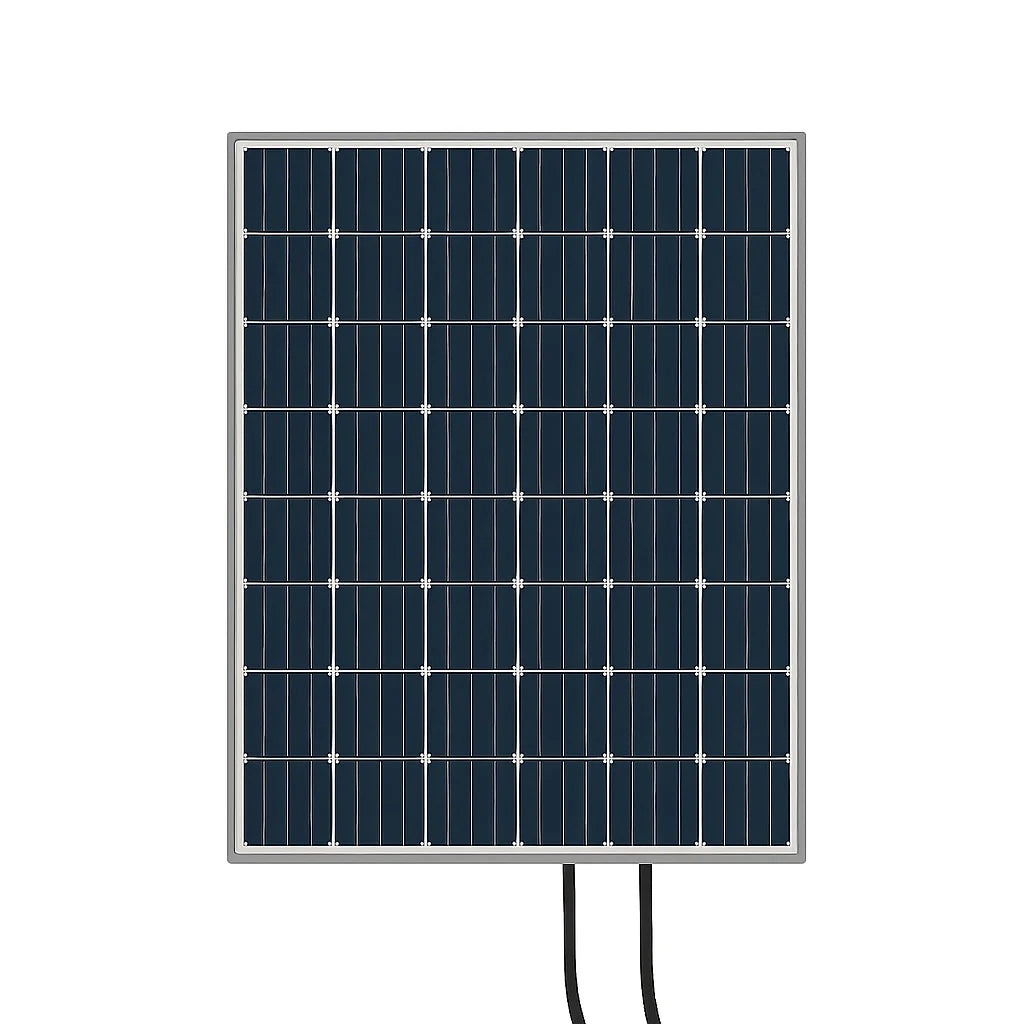
Mono-crystalline panels dominate the UK leisure vehicle market for good reason. Their 20 to 22% efficiency rating captures more energy from limited daylight hours compared to polycrystalline alternatives at 15 to 17%. This efficiency gap matters tremendously when roof space is constrained and British skies are grey.
Polycrystalline panels cost less upfront but require more surface area to generate equivalent power. For campervans with limited roof space, the trade-off rarely makes financial sense over the system’s 25-year lifespan. The weight and mounting complexity of extra panels often outweigh initial savings.
Adjustable tilt mounts provide remarkable performance improvements in variable UK conditions. By optimising panel angle for seasonal sun altitude, you can increase energy capture by up to 25% compared to fixed horizontal mounting. Winter sun sits low on the horizon, whilst summer angles are steeper, making adjustability valuable year-round.
Panel wattage selection should account for typical UK solar irradiation patterns. A 200W panel in full British sunlight might only produce 120 to 140W on average cloudy days. Oversize your array by 30 to 40% beyond calculated needs to maintain adequate charging during extended grey periods.
Installation positioning proves critical given variable weather and seasonal sun angles. South-facing panels with minimal shading from roof vents or aerials capture maximum daylight. Consider potential obstructions at different times of day and year during planning.
| Panel Type | Efficiency | Cost | Best Use Case |
|---|---|---|---|
| Mono-crystalline | 20-22% | Higher | Limited roof space, maximum output |
| Polycrystalline | 15-17% | Lower | Budget builds, ample mounting area |
| Flexible | 15-18% | Highest | Curved surfaces, temporary installations |
Pro tip: Choose panels with robust aluminium frames and tempered glass construction. UK roads are rough, and vibration resistance matters as much as electrical performance for long-term reliability.
Panel selection considerations:
- Mono-crystalline suits most UK leisure vehicles
- Adjustable mounts compensate for seasonal variation
- Oversize arrays by 30-40% for cloudy day performance
- South-facing positioning maximises capture
- Durable construction withstands road vibration
Explore examples of solar charging setups for UK campervans to see practical installations and performance data.
Battery technology comparison: lithium vs AGM
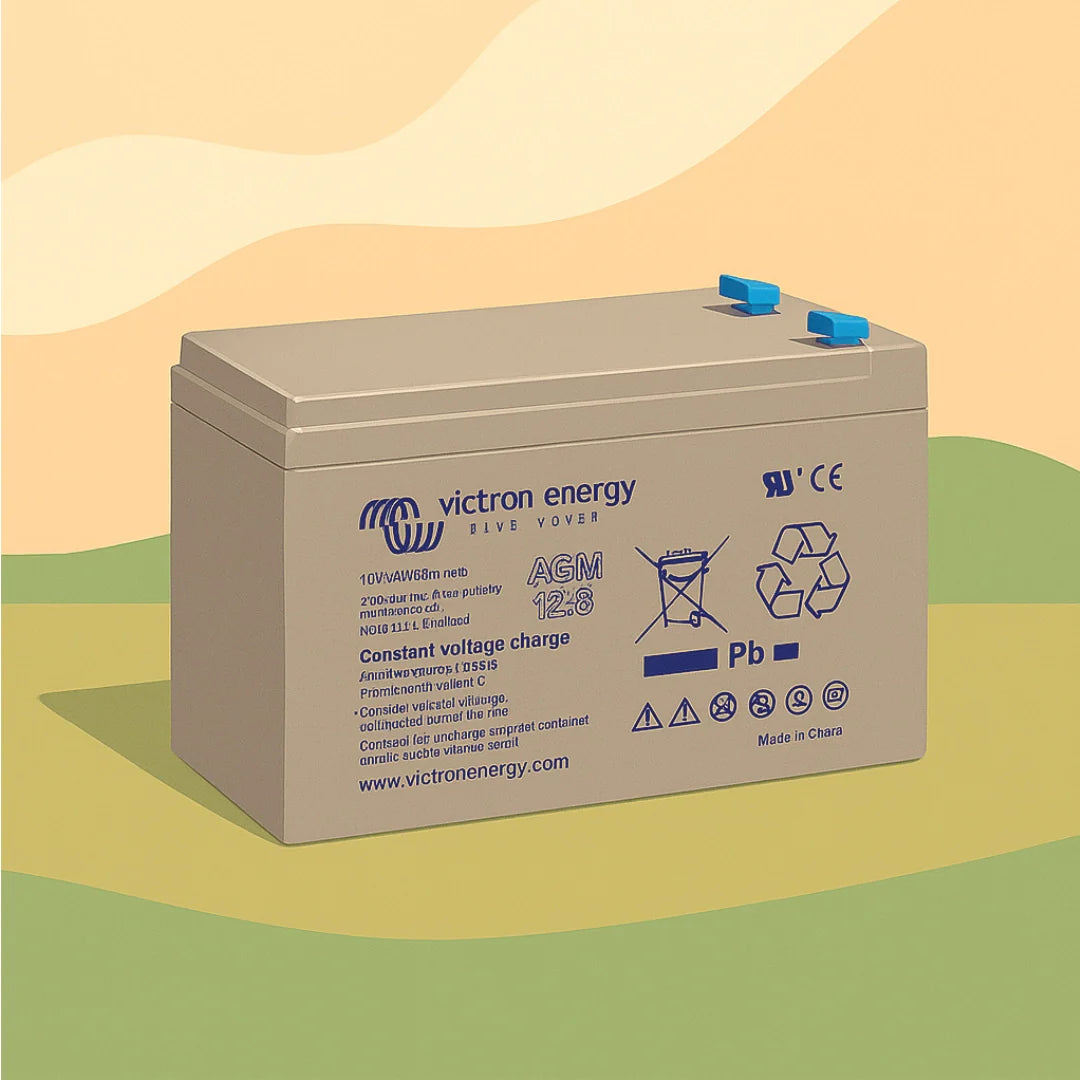
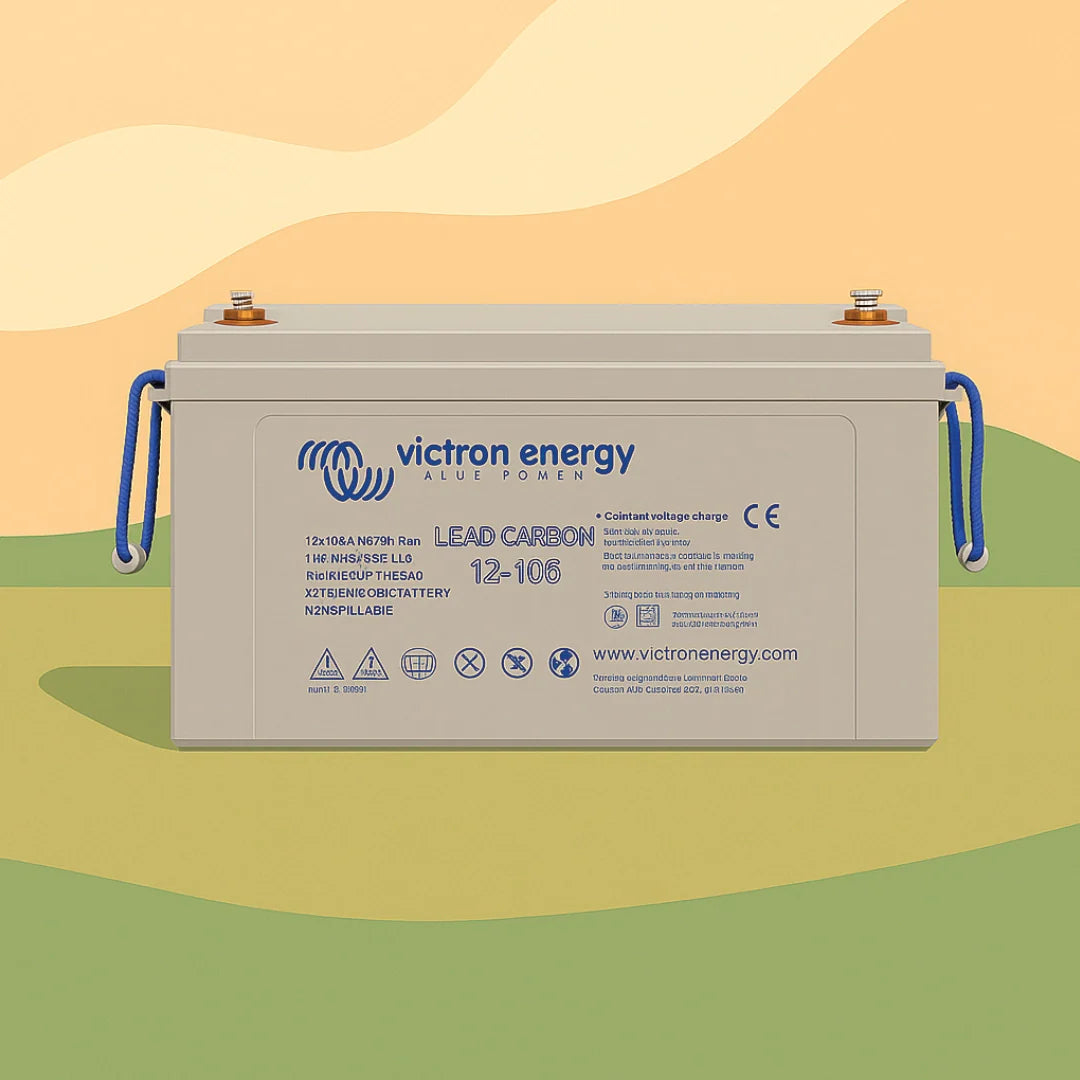
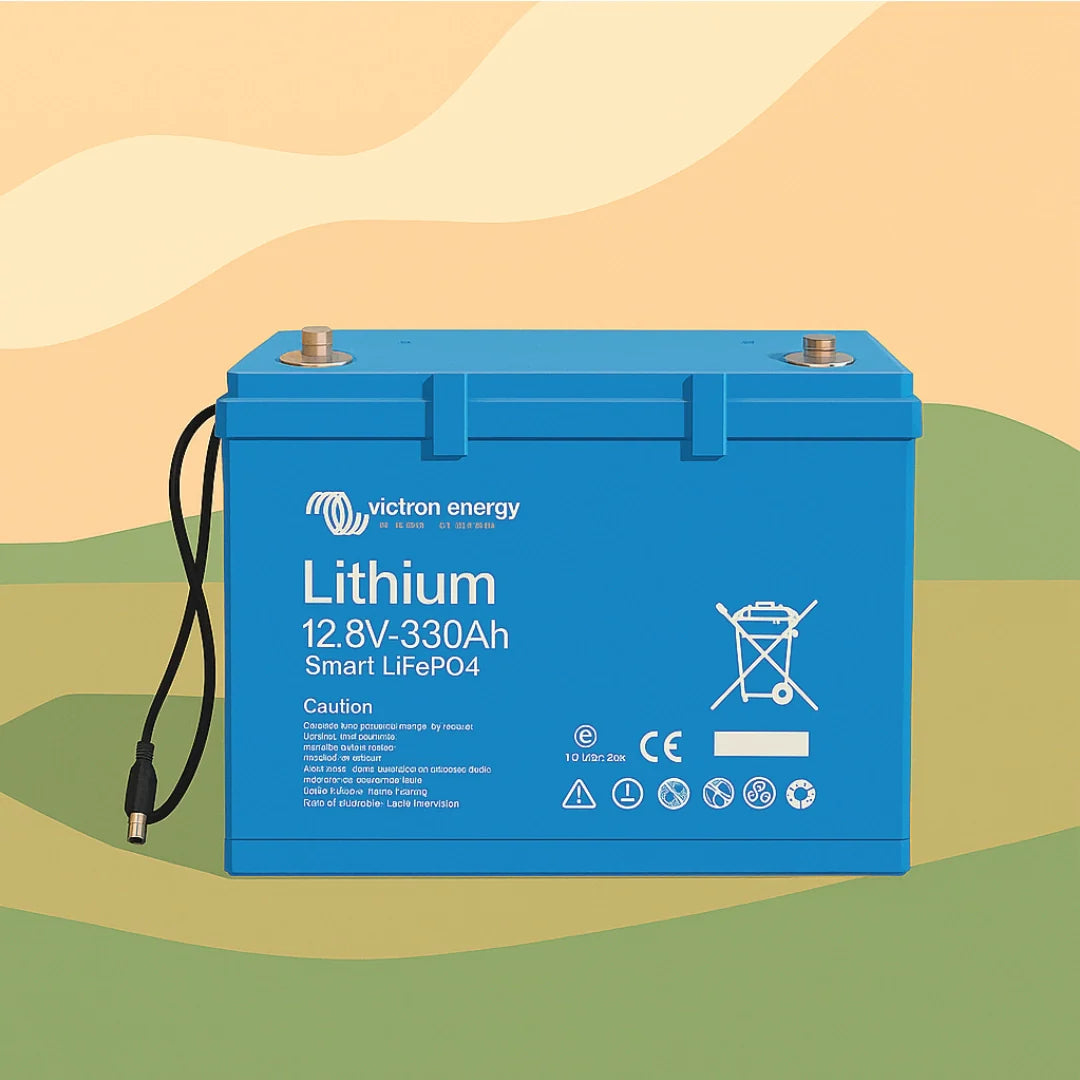
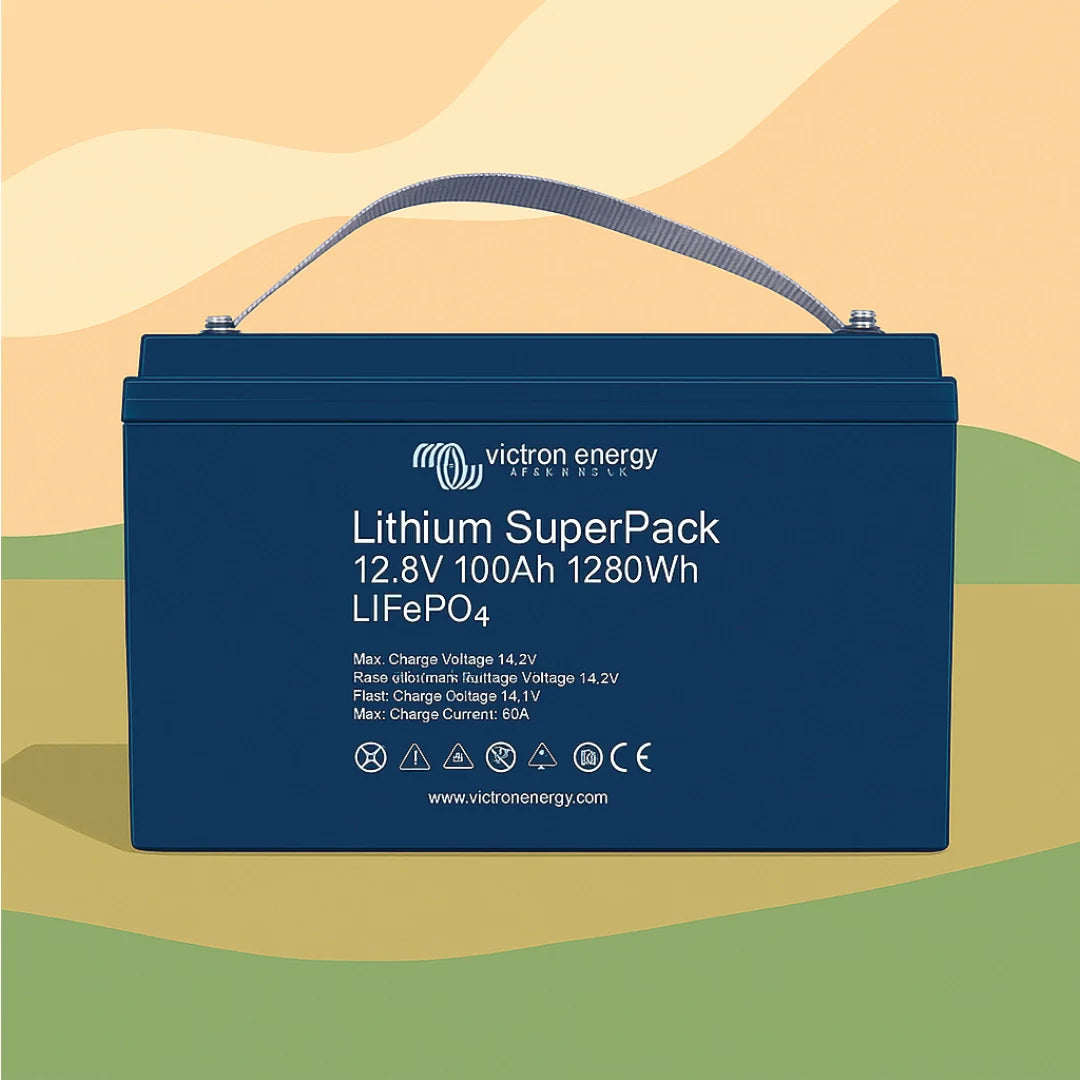
Lithium iron phosphate batteries have revolutionised leisure vehicle power storage with lifecycles reaching 3000 to 5000 charge cycles, compared to just 500 to 800 for AGM equivalents. This five-fold longevity advantage offsets higher purchase prices within three to four years of regular use.
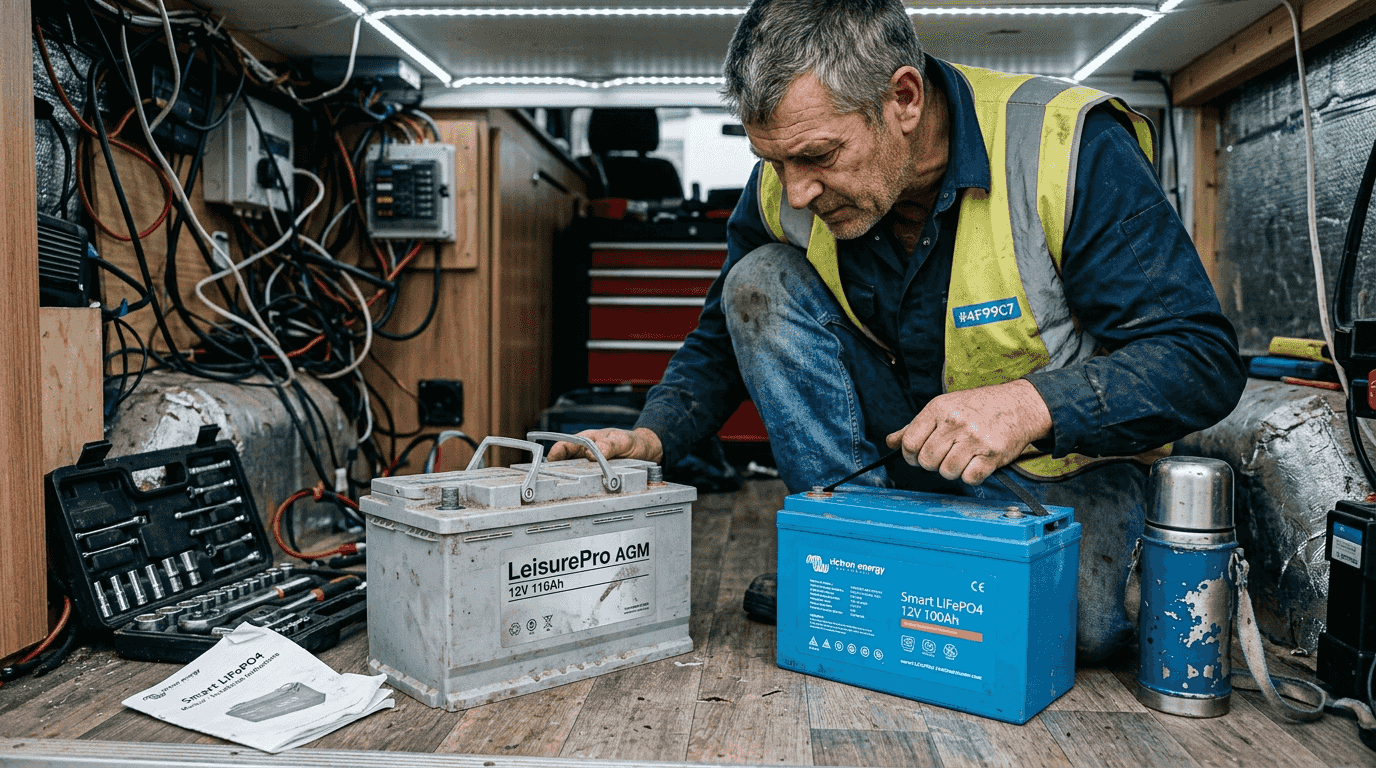
Energy density differences prove equally significant. Lithium batteries store 30 to 40% more energy per kilogram than AGM types, reducing vehicle weight and freeing up valuable storage space. A 100Ah lithium battery weighs roughly 12kg whilst an AGM equivalent tips scales at 28kg.
AGM batteries maintain advantages in specific scenarios. Their lower upfront cost suits occasional users who won’t cycle batteries frequently enough to justify lithium pricing. Cold weather performance below freezing also favours AGM chemistry, though modern lithium systems now include heating elements for winter use.
Smart battery management systems with Bluetooth connectivity transform maintenance from guesswork to precision monitoring. Real-time voltage, current, and temperature data lets you spot problems early, adjust charging profiles, and maximise lifespan. Many lithium batteries include these features as standard.
Consider total lifecycle costs rather than sticker prices when budgeting. A £400 lithium battery lasting 10 years costs £40 annually, whilst a £150 AGM needing replacement every three years costs £50 per year plus installation labour.
| Feature | Lithium Iron Phosphate | AGM |
|---|---|---|
| Lifecycle | 3000-5000 cycles | 500-800 cycles |
| Energy density | 100-120 Wh/kg | 30-50 Wh/kg |
| Weight (100Ah) | 12-15kg | 25-30kg |
| Discharge depth | 80-100% usable | 50% usable |
| Initial cost | £400-600 | £150-250 |
Pro tip: Never mix battery chemistries in the same bank. Charging profiles for lithium and AGM differ significantly, and combining them creates safety risks whilst degrading performance of both types.
Battery selection factors:
- Lithium delivers superior lifecycle value despite higher initial cost
- Weight savings matter for vehicle payload limits
- AGM suits budget builds and infrequent use
- Smart monitoring extends lifespan through better management
- Calculate total cost of ownership over 10 years
Read about lithium leisure batteries in the UK for detailed chemistry comparisons and safety features. Also explore lithium battery trends for 2026 UK energy independence to understand emerging technologies.
System compatibility and integration in 2026
Victron MPPT charge controllers represent the gold standard for UK leisure vehicle solar installations, delivering up to 99% charging efficiency. This performance edge over pulse width modulation alternatives can improve charging by 15%, particularly valuable in low-light British conditions where every watt matters.
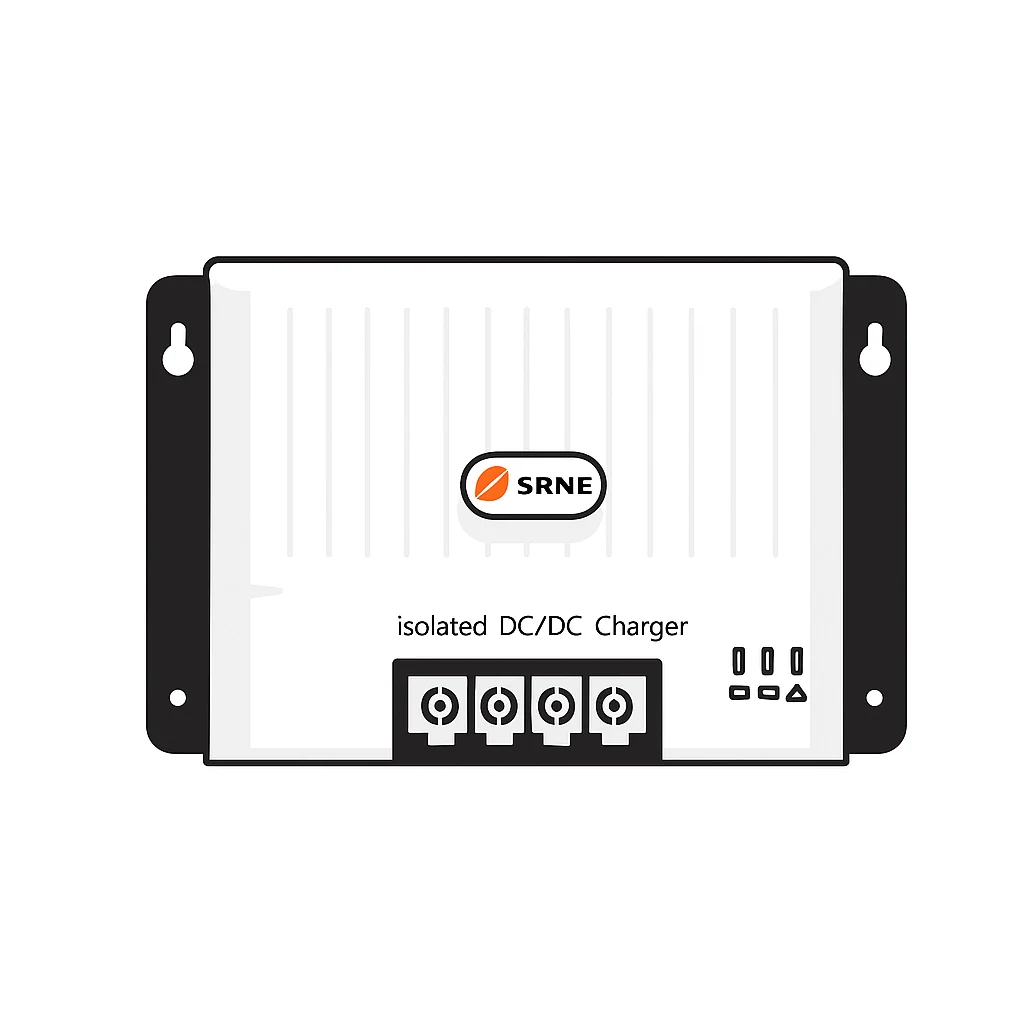
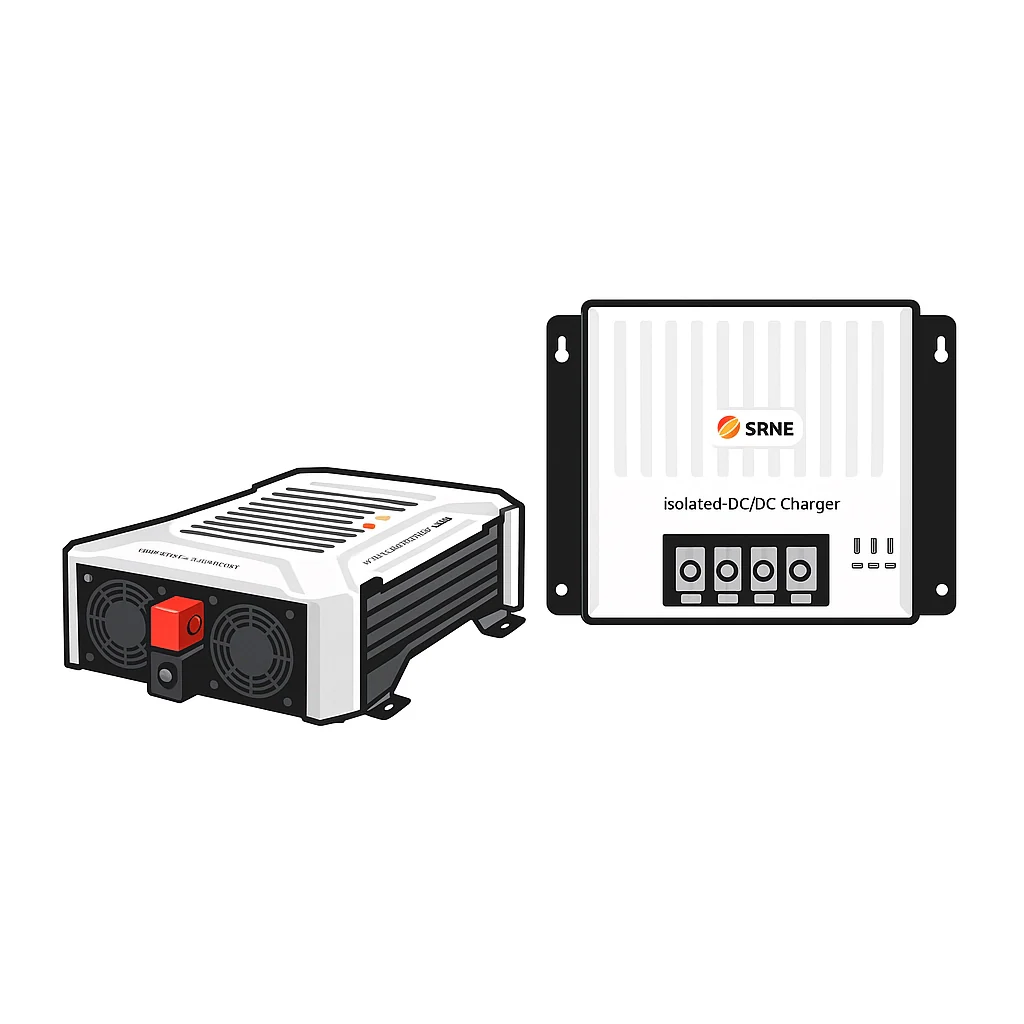
SRNE turnkey systems simplify integration by bundling compatible inverters, chargers, and controllers in tested combinations. This approach eliminates compatibility questions whilst reducing installation time by 40% compared to sourcing individual components. Pre-configured systems also include warranties covering the entire package rather than separate components.
Bluetooth-enabled smart battery monitors provide unprecedented system health awareness. You can track charge cycles, identify failing cells early, and optimise charging schedules from your smartphone. This visibility prevents the catastrophic failures that strand travellers far from civilisation.
Compatibility between panels, controllers, batteries, and monitoring systems determines overall efficiency and longevity. Mismatched voltage ratings create losses, whilst incompatible communication protocols prevent smart features from functioning. Sticking to established ecosystems like Victron or SRNE avoids these pitfalls.
Components tested specifically for UK conditions handle moisture, temperature swings, and vibration better than generic imports. British testing standards ensure products withstand our unique combination of damp, cold, and rough roads that defeats cheaper alternatives.
Integration priorities:
- MPPT controllers maximise output in low-light UK conditions
- Turnkey systems reduce installation complexity and time
- Bluetooth monitoring enables proactive maintenance
- Voltage and protocol compatibility prevents efficiency losses
- UK-tested components withstand local environmental challenges
Discover benefits of solar battery integration for UK campervans to understand system design principles.
Installation best practices for UK conditions
Adjustable mounting systems provide significant advantages across British seasons and diverse travel destinations. Summer camping in Scotland demands different panel angles than winter parking in Cornwall, and quick adjustments capture 15 to 25% more energy than fixed installations over a year.
Optimal panel positioning to capture 1000 to 1200 kWh per square metre annually requires south-facing orientation with minimal shading. Even partial shade from roof vents or aerials can reduce output by 30% through panel bypass diode activation. Map shadow patterns at different times before finalising positions.
Weatherproofing materials must handle relentless rain, strong winds, and temperature swings from minus 10 to plus 30 degrees Celsius. Marine-grade stainless steel fixings resist corrosion, whilst UV-resistant cable glands prevent water ingress that corrodes connections. Sikaflex 252 adhesive provides waterproof bonding that flexes with vehicle movement.
Secure wiring and component mounting prevent damage from constant road vibration. Cable ties every 30cm along runs stop chafing, whilst strain relief at connection points prevents work-hardening fractures. Mount controllers and inverters to solid bulkheads rather than thin wall panels.
Regular inspection and cleaning dramatically improve efficiency and longevity. British roads coat panels with grime that blocks sunlight, whilst autumn leaves and bird droppings create hot spots causing permanent damage. Monthly cleaning with water and soft cloth maintains output, and annual electrical checks catch developing problems early.
Pro tip: Install panels with 10mm gaps around edges for airflow. Panels run 10 to 15 degrees hotter when flush-mounted, reducing efficiency by 5% and accelerating degradation. Simple spacers solve this problem.
Installation best practices:
- Adjustable mounts adapt to seasonal sun angles
- South-facing positioning maximises UK solar capture
- Marine-grade materials withstand British weather
- Proper cable management prevents vibration damage
- Monthly cleaning maintains peak performance
Learn about energy storage installation workflow for UK campervans for step-by-step guidance.
Monitoring and optimisation of solar systems
Real-time battery health monitoring cuts power failures by up to 40% through early problem detection. Voltage drops indicating failing cells, charging irregularities suggesting controller issues, and temperature anomalies warning of connection problems all become visible before catastrophic failures occur.
Access to comprehensive system metrics informs timely maintenance and optimisation decisions. Tracking daily generation patterns reveals shading issues or dirty panels needing attention. Consumption data highlights power-hungry appliances worth replacing with efficient alternatives. Historical trends show degradation requiring component replacement.
Smart monitoring supports extending overall system lifespan by preventing the abuse that destroys batteries prematurely. Deep discharge warnings stop you draining batteries beyond safe limits. High temperature alerts during charging prevent thermal runaway. Cell imbalance notifications trigger equalisation cycles before problems compound.
User-friendly smartphone apps provide accessible data anywhere with mobile signal. VictronConnect and similar platforms display charging status, battery state of charge, and historical performance in intuitive dashboards. No electrical expertise needed to understand system health at a glance.
Integration with Victron and SRNE systems enables seamless management across all components. Unified interfaces control charge settings, adjust inverter parameters, and monitor multiple batteries from one screen. This holistic view reveals interactions between components impossible to spot monitoring pieces individually.
“Bluetooth monitoring transformed our off-grid experience. We used to guess battery state and frequently ran out of power unexpectedly. Now we see exactly what’s happening and adjust usage accordingly. Haven’t had a single failure in two years since installation.”
Monitoring benefits:
- Early failure detection prevents breakdowns
- Performance tracking optimises efficiency
- Usage data informs upgrade decisions
- Temperature alerts prevent damage
- Unified interfaces simplify management
Explore Bluetooth battery monitoring insights for detailed feature comparisons.
Scalability and expansion options
Common starter setups using 100 to 200W panels with single 100Ah lithium batteries provide excellent learning platforms. These configurations cost £800 to £1200 installed and power lighting, phone charging, and laptop use comfortably. You’ll quickly discover whether your consumption matches expectations or requires expansion.
Expandable lithium battery storage options support growing energy autonomy without replacing existing components. Most systems accommodate parallel connections of identical batteries, doubling or tripling capacity as needed. Quality management systems balance charging across banks automatically, maintaining longevity.
Balancing cost, weight, and power needs proves crucial when planning system growth. A 400Ah battery bank weighing 50kg and costing £2000 might provide week-long autonomy, but is it worth the expense and payload sacrifice compared to occasional generator use? Calculate break-even points based on actual travel patterns.
Modular controllers and panel mounts facilitate easy system additions without rewiring. Victron SmartSolar controllers accept multiple panel inputs with independent MPPT tracking, letting you add panels incrementally. Roof rails with sliding mounts accommodate extra panels without drilling new holes.
Plan cabling and space efficiently to accommodate future upgrades from day one. Oversized cables to the battery bank handle higher currents when you add panels later. Extra conduit capacity simplifies running new wires. Reserving roof space for additional panels avoids costly repositioning.
Expansion pathway:
- Start with 100-200W panels and 100Ah battery
- Add panels before batteries if consumption is low
- Double battery capacity for longer autonomy
- Upgrade to 3000W inverter for high-power appliances
- Final systems can exceed 1000W solar, 400Ah storage
Read about off-grid power solutions for UK campervans with lithium to understand expansion strategies.
Pricing and availability in the UK market
Basic off-grid campervan solar setups start around £1500 for quality components including a 200W panel, 100Ah lithium battery, MPPT controller, and essential cabling. Budget kits using AGM batteries and PWM controllers drop to £800, but lifecycle costs favour the lithium option within four years.
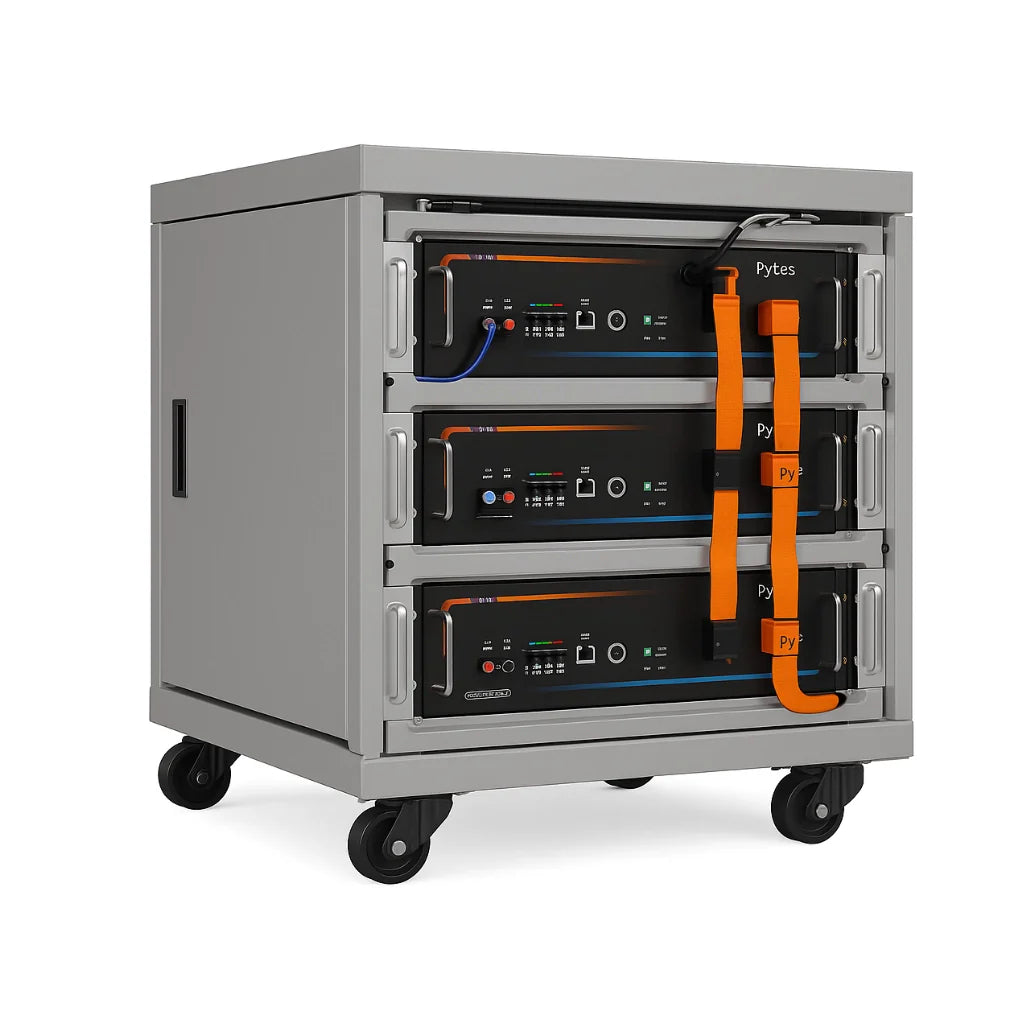
Victron-compatible systems dominate UK leisure vehicle installations due to proven reliability and excellent support network. Prices reflect this quality premium, with Victron SmartSolar controllers costing £200 to £400 depending on capacity. Pytes battery systems for residential applications range from £2000 for 5kWh to £6000 for 15kWh configurations.
Modular and integrated product bundles are gaining popularity as manufacturers recognise installation complexity deters potential buyers. SRNE all-in-one systems bundling inverter, charger, and controller in single enclosures cost £1200 to £2500 but save 30 hours installation time worth £600 to £900 in labour.
Prices reflect rapid improvements in lithium battery and MPPT technology over recent years. Lithium batteries cost 60% less per kilowatt-hour in 2026 compared to 2020, whilst MPPT efficiency gains of 5% reduce required panel capacity proportionally. These trends continue making solar more accessible.
Budgeting should consider long-term lifecycle costs beyond upfront prices. A £2000 lithium system lasting 12 years with minimal maintenance costs £167 annually. A £1000 AGM equivalent needing battery replacements every four years plus more frequent failures costs £400 annually over the same period.
| System Type | Initial Cost | Annual Cost | Lifespan |
|---|---|---|---|
| Basic AGM | £800-1000 | £250-300 | 4-6 years |
| Quality Lithium | £1500-2000 | £150-180 | 10-12 years |
| Premium Integrated | £2500-3500 | £200-250 | 12-15 years |
| Residential (5kWh) | £3000-4000 | £250-300 | 12-15 years |
Solar setup options for residential applications
Pytes home energy storage systems support up to 10kWh capacity for households seeking partial or complete grid independence. These modular batteries stack vertically in garage or utility room installations, scaling from 5kWh starter systems to 30kWh configurations supporting entire homes.
Integration with high-efficiency solar panels enables significant energy independence for UK households. A typical 4kW rooftop array generates 3500 to 4000 kWh annually in southern England, covering 70 to 80% of average household consumption. Combined with 10kWh battery storage, this reduces grid dependence to occasional top-ups during winter.
Systems designed for home use focus on larger scale and longer autonomy than vehicle applications. Residential inverters handle 5 to 10kW continuous loads for electric cookers, heat pumps, and vehicle chargers. Battery banks provide two to three days autonomy during grid outages, compared to 12 to 24 hours typical in leisure vehicles.
Consider different mounting and installation practices than vehicles face. Rooftop solar arrays use pitched-roof mounting systems optimised for permanent installations. Ground-mounted options suit properties with ample land. Both approaches deliver better performance than vehicle-constrained flat panels.
Residential systems suit partial-grid or fully off-grid setups across the UK. Grid-tied installations with feed-in tariffs monetise excess generation whilst maintaining backup power. Off-grid rural properties combine solar with wind and generator backup for year-round reliability.
Residential considerations:
- Larger battery capacity supports whole-home loads
- Rooftop arrays optimise panel positioning
- Grid-tied systems balance independence and reliability
- Higher power inverters handle major appliances
- Modular design allows incremental expansion
Summary and situational recommendations
Mono-crystalline panels paired with lithium iron phosphate batteries deliver optimal performance for campervans and motorhomes prioritising efficiency, longevity, and weight savings. This combination costs 40% more initially but lasts twice as long whilst providing superior daily performance in challenging UK conditions.
Adjustable mounting systems suit variable UK weather and travel patterns better than fixed installations. The ability to optimise panel angle for location and season increases annual energy capture by 15 to 25%, making the £100 to £200 extra investment worthwhile for frequent travellers.
Turnkey systems from SRNE or Victron EasySolar packages offer beginners easier installation paths with pre-tested compatibility. These reduce decision fatigue and installation time whilst providing comprehensive warranties. Advanced users benefit from custom builds allowing precise component selection for specific needs.
Scalability balances upfront costs with evolving energy demands better than oversized initial installations. Starting with 200W solar and 100Ah lithium lets you assess real consumption patterns before committing to larger systems. Most users expand within 12 to 18 months based on experience.
Residential users benefit from larger capacity Pytes integrated solutions offering whole-home power with 10 to 30kWh storage. These systems support heat pumps, electric vehicle charging, and full appliance loads impossible in vehicle contexts. Grid-tied configurations with feed-in tariffs provide optimal economics.
Scenario-specific recommendations:
- Weekend campervans: 100W panel, 100Ah lithium, basic MPPT
- Full-time motorhomes: 400W panels, 200-300Ah lithium, smart monitoring
- Budget builds: 200W panel, AGM battery, PWM controller
- Residential partial-grid: 4kW panels, 10kWh Pytes, grid-tied inverter
- Off-grid rural: 6kW panels, 20kWh storage, backup generator
Explore expert solar systems for your leisure vehicle
Skyenergi offers modular, UK-compatible solar power solutions designed specifically for British leisure vehicle owners and renewable energy enthusiasts. Our product range eliminates compatibility guesswork whilst delivering professional-grade performance at competitive prices through direct manufacturer relationships.
The solar power and electrics system with 3kVA inverter charger provides comprehensive turnkey power for campervans and motorhomes. This integrated package includes battery-to-battery charging, system monitoring, and everything needed for reliable off-grid living.

For whole-home applications, the Victron Energy EasySolar II MPPT system delivers 5kW continuous power with integrated MPPT solar charging and monitoring. This professional-grade solution handles substantial loads whilst maximising solar harvest efficiency.
Our Victron 610 watt solar panel with Smart MPPT charge controller bundle simplifies panel selection with pre-matched components and comprehensive installation hardware. This package suits both leisure vehicles and residential applications requiring proven reliability.
Frequently asked questions
What is the best solar panel type for UK campervans and motorhomes?
Mono-crystalline panels are generally best due to their 20 to 22% efficiency rating and superior performance in limited UK sunlight conditions. Adjustable mounting systems further enhance energy capture by optimising angles for seasonal sun altitude variations, increasing output by 15 to 25% compared to fixed installations.
How do lithium batteries compare to AGM for leisure vehicle solar systems?
Lithium iron phosphate batteries last three to five times longer with 3000 to 5000 charge cycles versus 500 to 800 for AGM equivalents. They also store 30 to 40% more energy per kilogram, providing significant weight savings crucial for vehicle payload limits and storage space.
Can I expand my solar system later if my energy needs grow?
Yes, modular components allow gradual expansion from starter 100 to 200W setups to systems exceeding 1000W solar capacity with 400Ah battery storage. Planning for scalability from the start by oversizing cables and reserving mounting space avoids costly rewiring or component replacements during upgrades.
How much does a quality campervan solar system cost in the UK?
Basic quality systems with 200W mono-crystalline panels, 100Ah lithium batteries, and MPPT controllers start around £1500 installed. Premium integrated systems with smart monitoring and expandable capacity range from £2500 to £3500, whilst budget AGM-based setups begin at £800 but require more frequent component replacement.
What maintenance do solar systems require for UK leisure vehicles?
Monthly panel cleaning removes road grime and debris that reduces output by 10 to 20%. Annual electrical inspections check connection tightness and cable condition to prevent failures. Smart monitoring systems alert you to developing problems like cell imbalance or charging irregularities before they cause breakdowns.
Recommended
Prev post

Role of inverters in campervans for off-grid power 2026
Updated on 11 March 2026
Next post

Solar power terminology explained for UK leisure vehicle owners
Updated on 09 March 2026


