





Battery Capacity vs Energy Needs for Campervans
Battery capacity vs energy needs explained for UK campervan owners, covering leisure battery types, calculations, lithium upgrades, and common mistakes.
Running out of power halfway through a countryside adventure in England can leave your campervan trip on pause. For British campervan and motorhome owners, understanding battery capacity is vital to keeping lights, heating, and entertainment running smoothly while camping off-grid. This guide explains the connection between battery capacity, daily appliance usage, and smart solutions for energy storage, helping you choose the best options for reliable, independent travel no matter where you park.
Table of Contents
- Defining Battery Capacity And Energy Needs
- Leisure Battery Types And Key Features
- Calculating Daily Appliance Consumption
- Choosing The Right Battery Size For Your Trips
- Benefits Of Lithium And Smart Battery Systems
- Common Pitfalls And How To Avoid Them
Key Takeaways
| Point | Details |
|---|---|
| Understanding Battery Capacity | Assess your campervan’s energy needs by evaluating the power consumption of all electrical appliances, accounting for both daily use and off-grid situations. |
| Choosing the Right Battery Type | Select a leisure battery that matches your energy requirements, considering options like Lead-acid, AGM, Gel, and Lithium for their unique features and performance. |
| Daily Appliance Consumption Tracking | Maintain a detailed log of each appliance’s wattage and daily usage to accurately calculate your total energy needs and ensure efficient power management. |
| Avoiding Common Pitfalls | Be aware of risks such as underestimating energy use and selecting incompatible batteries to prevent potential issues during travels. |
Defining Battery Capacity and Energy Needs
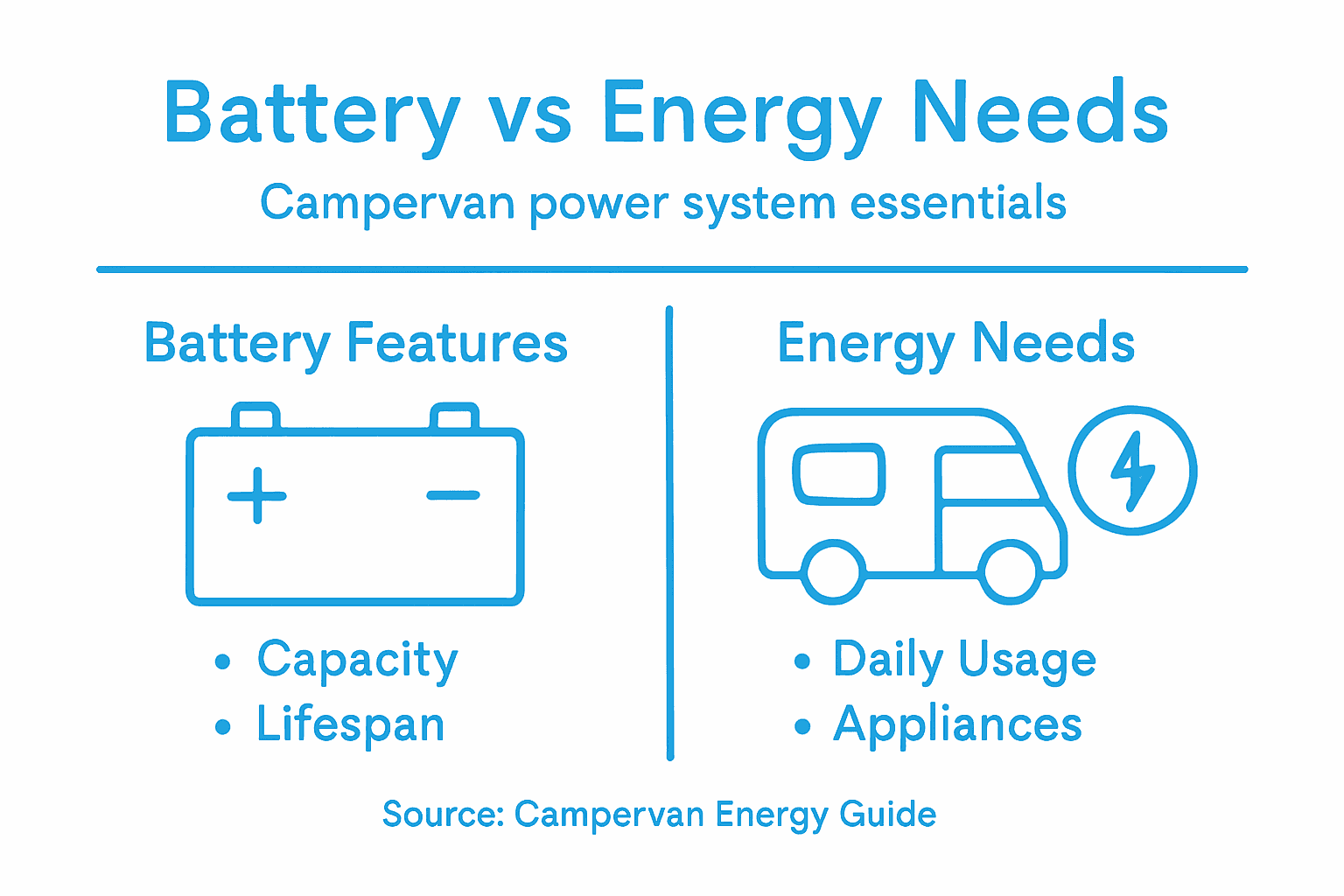
Understanding battery capacity and energy needs is crucial for creating an effective power management system in campervans. Battery capacity represents the total amount of electrical energy a battery can store, typically measured in ampere-hours (Ah) or watt-hours (Wh). For campervan enthusiasts, this measurement directly translates into how long your electrical systems can operate without recharging.
When assessing battery capacity, several key factors come into play. The electrical demands of your campervan depend on multiple variables, including:
- Lighting systems
- Refrigeration units
- Heating and cooling equipment
- Entertainment devices
- Communication electronics
- Cooking appliances
Calculating your energy requirements involves carefully evaluating appliance consumption rates and understanding your typical usage patterns. Most campervan owners need to consider both daily consumption and potential extended off-grid periods.
The relationship between battery capacity and energy needs is dynamic. A well-designed campervan electrical system must balance storage capacity with anticipated power consumption, ensuring reliable performance during travels. National camping guidelines recommend comprehensive energy planning that accounts for both battery storage and potential recharging opportunities.
Pro tip: Create a detailed spreadsheet tracking each electrical device’s power consumption to accurately calculate your campervan’s total energy requirements.
Leisure Battery Types and Key Features
Leisure batteries are specialised power sources designed specifically for campervan electrical systems, offering unique characteristics that distinguish them from standard automotive batteries. Deep cycle battery technologies provide sustained electrical supply essential for powering various campervan appliances and electronics over extended periods.
The primary leisure battery types include:
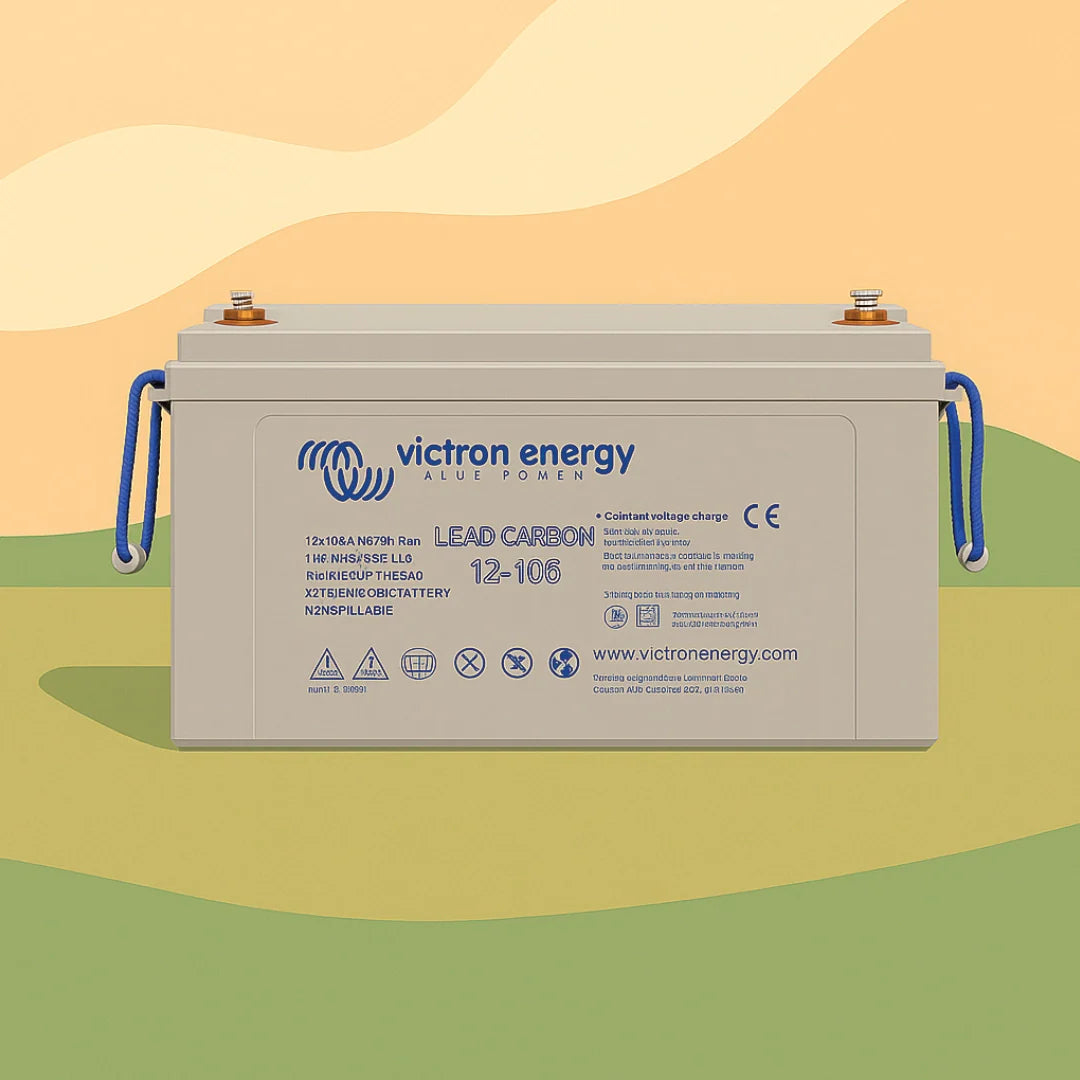
- Lead-acid batteries: Traditional and cost-effective option
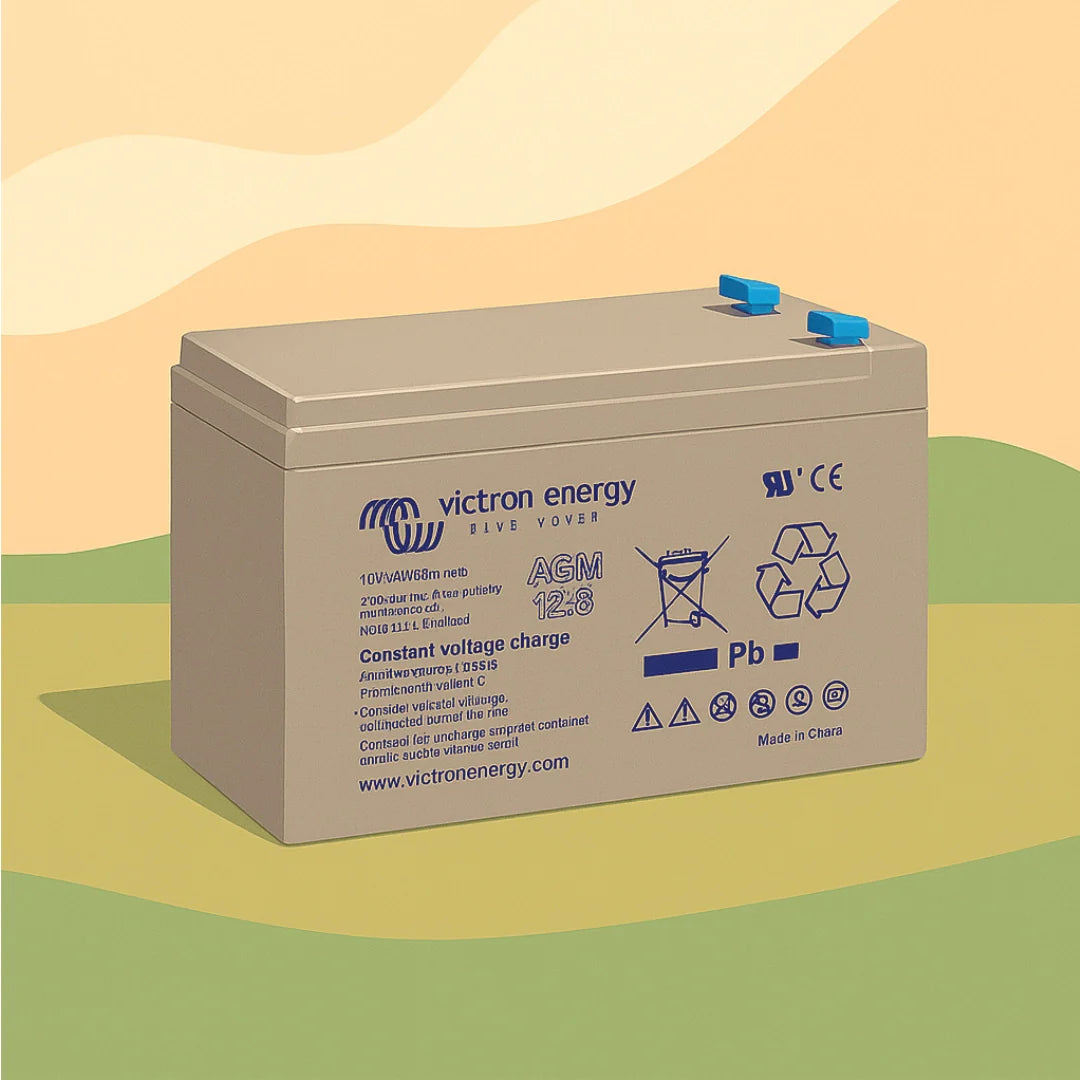
- AGM (Absorbent Glass Mat) batteries: Maintenance-free with improved performance
- Gel batteries: Enhanced durability and vibration resistance
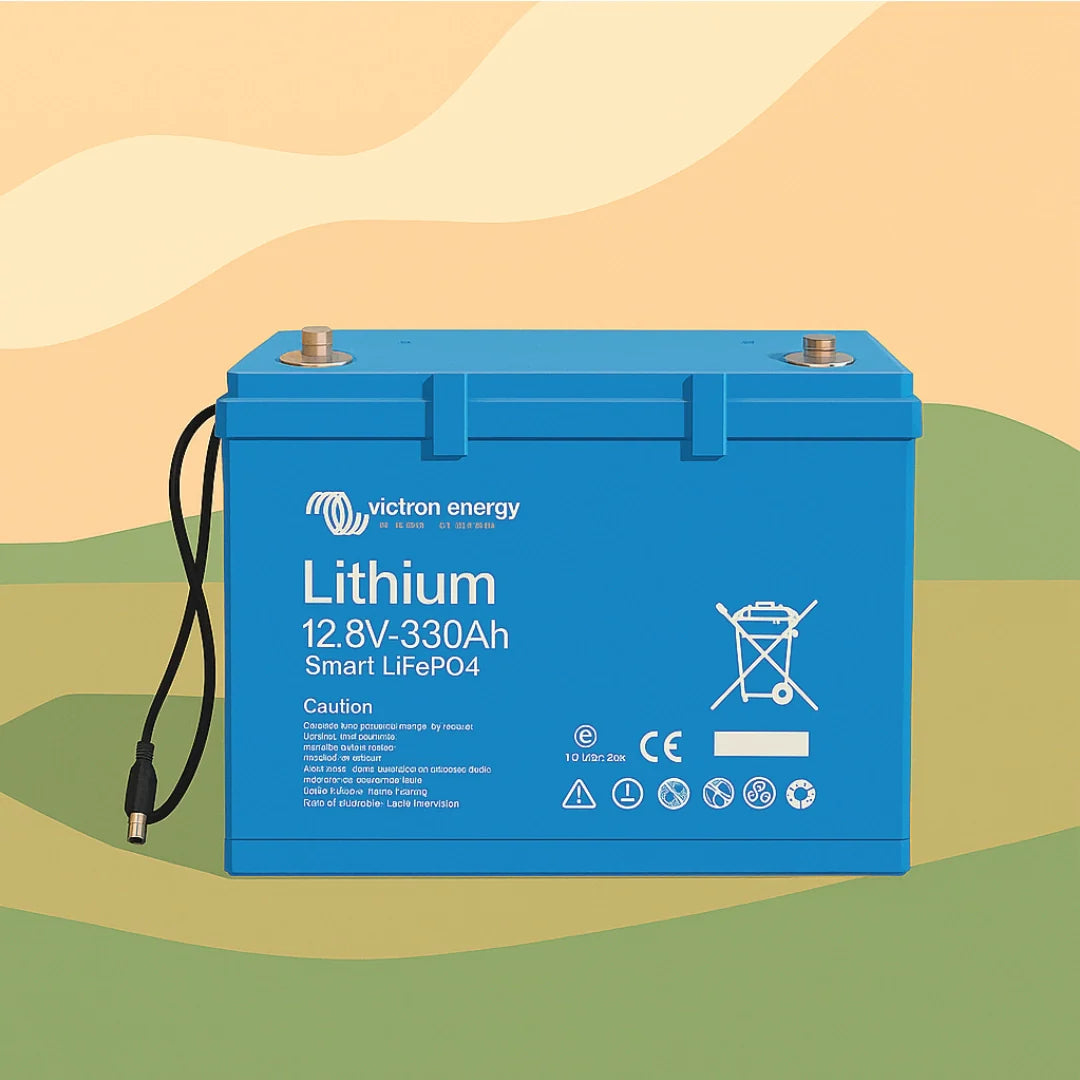
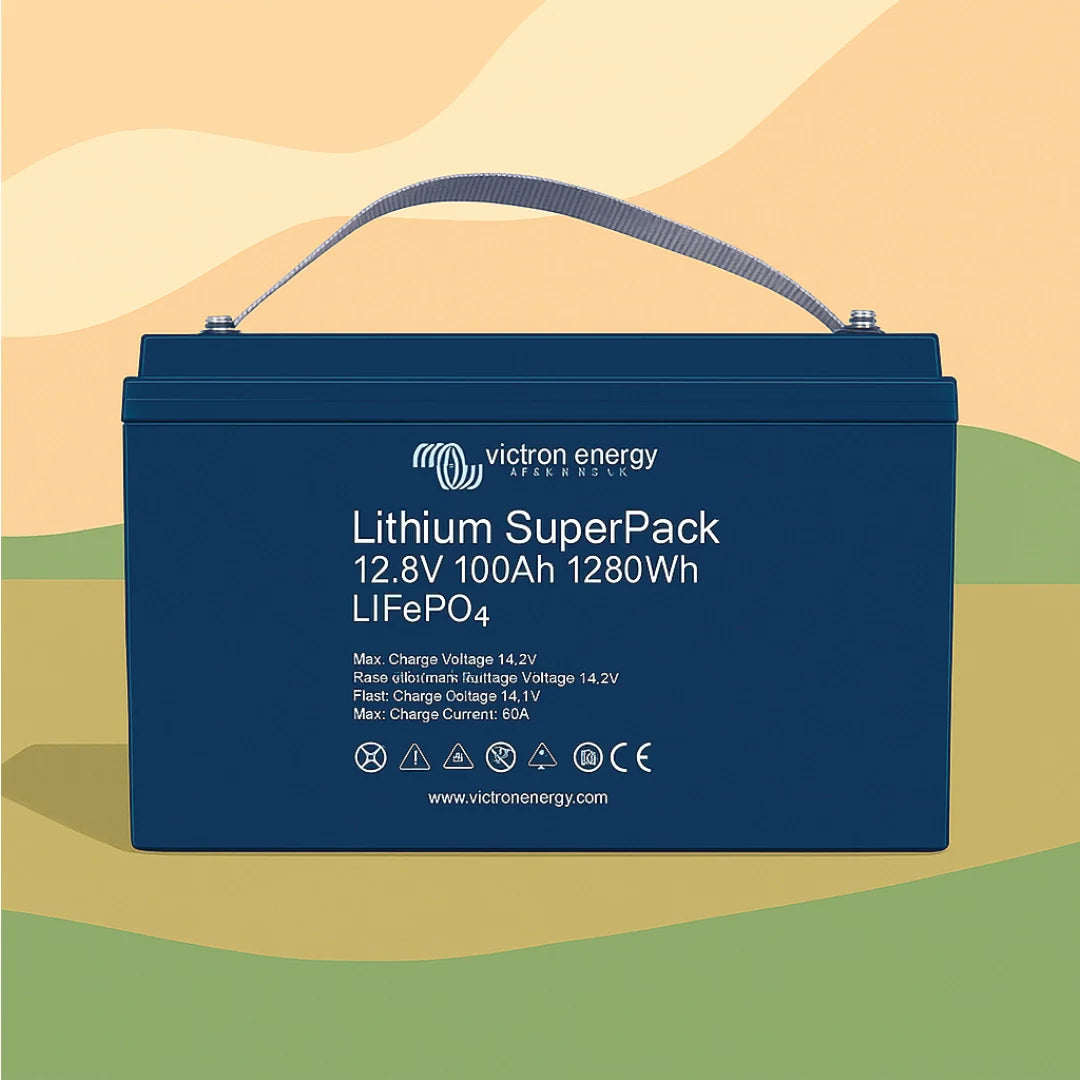
- Lithium batteries: Modern solution with superior energy density
Each battery type presents distinct advantages and considerations for campervan owners. Motor caravan battery systems must comply with specific standards, ensuring safe and reliable electrical performance during travels.
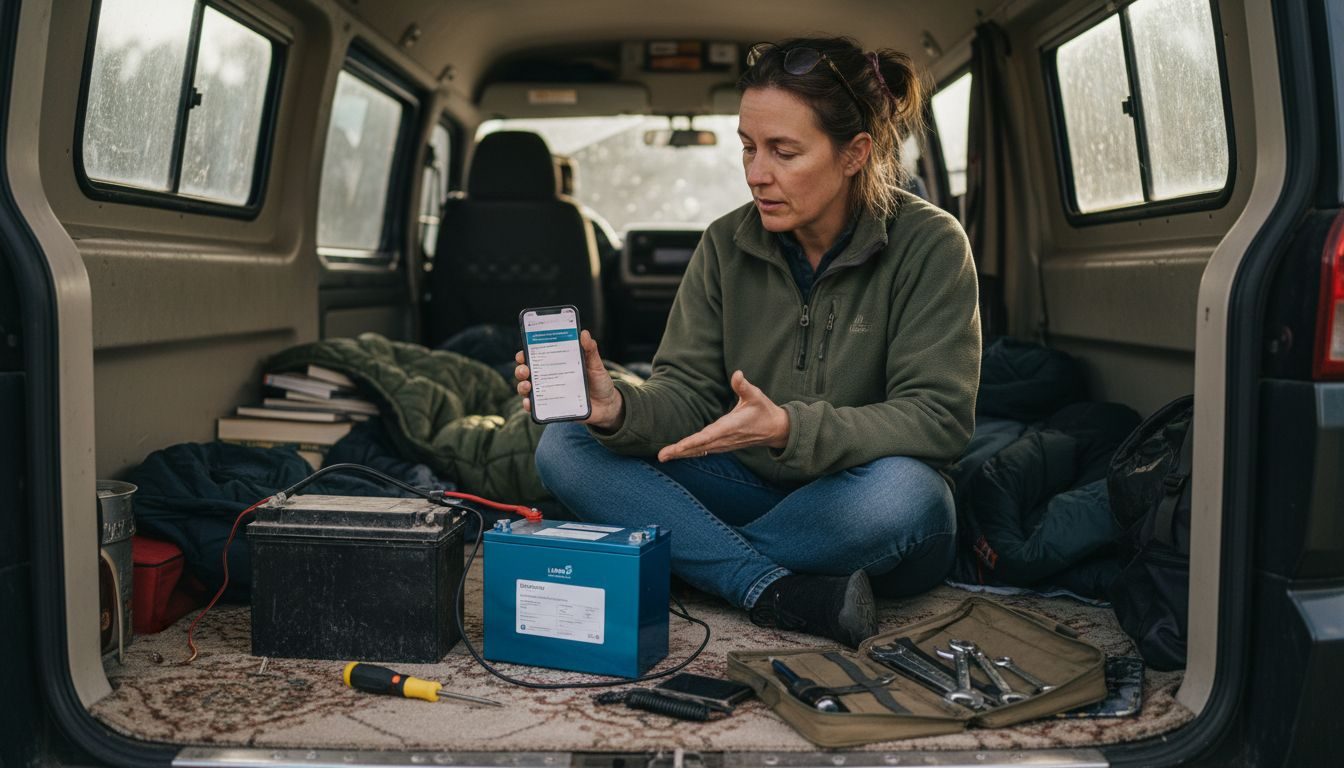
Key features to evaluate when selecting a leisure battery include discharge depth, recharge efficiency, weight, lifespan, and overall performance characteristics. Campervan enthusiasts should carefully assess their specific energy requirements, considering factors such as anticipated usage duration, power consumption of onboard appliances, and potential off-grid scenarios.
Pro tip: Consider consulting a professional campervan electrical specialist to precisely match your battery type with your specific energy consumption needs and travel patterns.
The following table summarises key characteristics of common leisure battery types for campervans:
| Battery Type | Expected Lifespan | Weight Consideration | Maintenance Needs |
|---|---|---|---|
| Lead-acid | 2-4 years | Heaviest | Occasional electrolyte checks |
| AGM | 4-7 years | Moderate | Maintenance-free |
| Gel | 5-8 years | Moderate | Minimal maintenance |
| Lithium | 8-15 years | Lightest | Maintenance-free |
Calculating Daily Appliance Consumption
Daily appliance consumption is a critical calculation for campervan owners seeking to understand their electrical energy requirements. Electricity consumption calculations involve systematically evaluating the power usage of each electrical device in your campervan, providing a comprehensive overview of your energy needs.
To calculate your daily energy consumption, follow these key steps:
- List all electrical appliances
- Identify each device’s wattage rating
- Estimate daily usage duration for each appliance
- Calculate individual appliance energy consumption
- Sum total daily energy requirements
Common campervan appliances and their typical energy consumption include:
- Refrigerator: 40-100 watts (continuous)
- LED lighting: 3-10 watts per fixture
- Smartphone charger: 5-10 watts
- Laptop: 20-60 watts
- Portable heater: 750-1500 watts
- Water pump: 50-80 watts
National Energy Action provides guidance on understanding appliance energy consumption patterns. The fundamental calculation remains consistent: multiply each device’s wattage by its daily usage hours to determine watt-hours consumed.
Pro tip: Create a digital spreadsheet to track each appliance’s energy consumption, allowing for easy updates and precise energy management tracking.
Below is a quick reference outlining how to estimate daily energy use for common campervan appliances:
| Appliance | Typical Wattage | Example Daily Hours | Estimated Daily Wh |
|---|---|---|---|
| Refrigerator | 60 | 24 | 1,440 |
| LED light (per unit) | 6 | 4 | 24 |
| Smartphone charger | 8 | 2 | 16 |
| Laptop | 45 | 3 | 135 |
| Water pump | 60 | 0.25 | 15 |
Choosing the Right Battery Size for Your Trips
Selecting the optimal battery size for your campervan requires careful consideration of multiple factors affecting your specific travel requirements. Battery capacity recommendations suggest understanding your unique electrical consumption patterns before making a final selection.
Key considerations for choosing the right battery size include:
- Trip duration and frequency
- Number and power consumption of electrical appliances
- Availability of electric hook-up facilities
- Physical space constraints in your campervan
- Budget limitations
- Frequency of off-grid camping
Typical leisure battery capacities for campervans range from 85Ah to 110Ah, with variations depending on individual energy demands. Campervan energy usage statistics indicate that modern travellers increasingly require more robust power solutions to support multiple electronic devices and comfort features.
To determine your ideal battery size, conduct a comprehensive energy audit by calculating the total wattage of all devices you’ll use simultaneously and estimating daily consumption. This approach ensures you select a battery that provides reliable power without unnecessary overcapacity or potential shortfalls during your travels.
Pro tip: Always add a 20% buffer to your calculated energy requirements to account for unexpected power needs and potential battery performance variations.
Benefits of Lithium and Smart Battery Systems
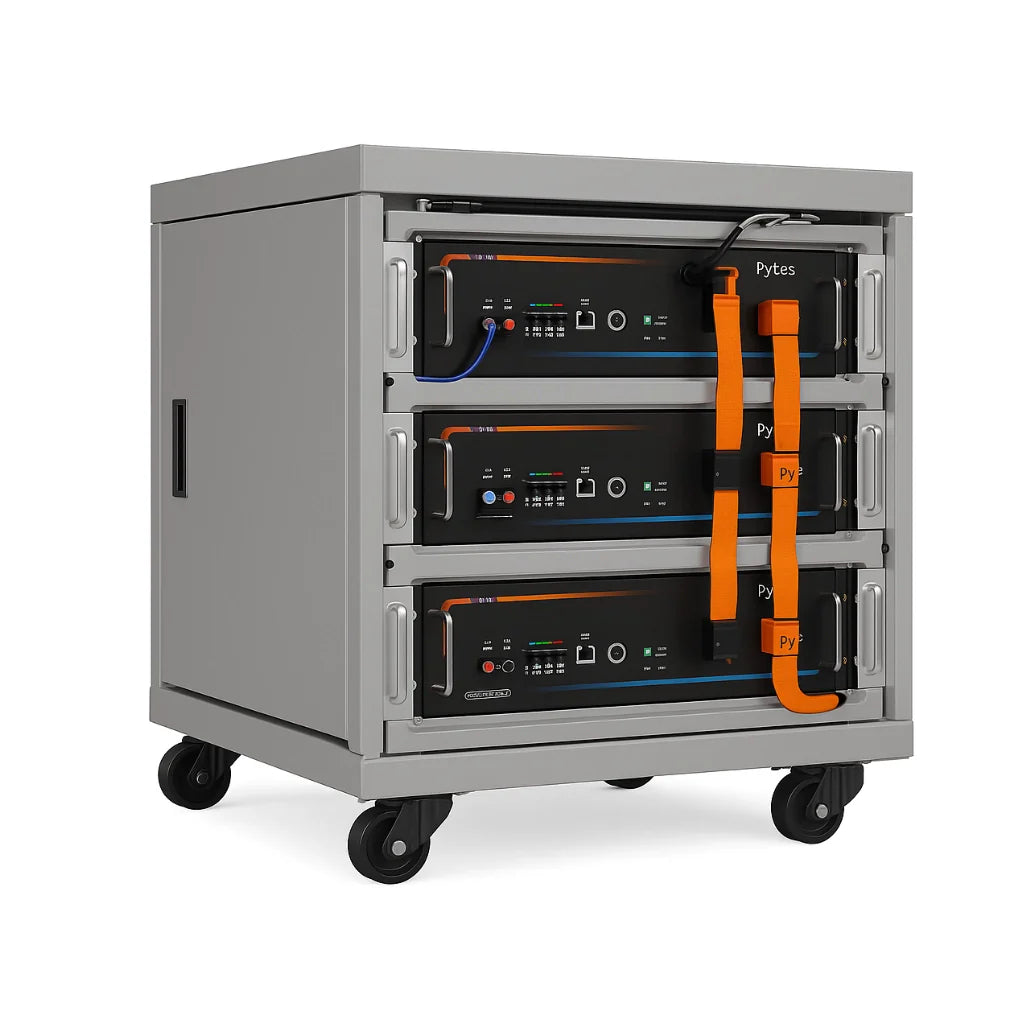
Lithium batteries represent a significant technological advancement for campervan energy solutions, offering substantial improvements over traditional power storage technologies. Advanced battery management systems provide campervan owners with unprecedented control and efficiency in their electrical systems.
Key advantages of lithium and smart battery systems include:
- Substantially higher energy density
- Dramatically reduced weight compared to lead-acid batteries
- Faster charging capabilities
- Extended cycle life
- Enhanced safety features
- Real-time performance monitoring
- Ability to integrate with renewable energy sources
The technological innovations enable more intelligent energy management, with smart battery management systems (BMS) continuously monitoring and optimising battery performance. Sustainable energy research demonstrates how these advanced systems contribute to more flexible and efficient power solutions for mobile applications.
These intelligent battery systems provide campervan owners with comprehensive insights into their energy consumption, allowing for more precise planning and management of electrical resources during travels. The ability to track real-time battery performance, predict energy requirements, and protect against potential issues makes lithium and smart battery technologies a game-changing solution for modern campervan enthusiasts.
Pro tip: Consider investing in a lithium battery system with integrated Bluetooth monitoring to gain comprehensive insights into your campervan’s energy performance.
Common Pitfalls and How to Avoid Them
Navigating battery capacity and energy management for campervans requires careful planning and awareness of potential challenges. Battery system performance risks can significantly impact your travel experience if not properly addressed.
Common pitfalls campervan owners should be mindful of include:
- Underestimating daily electrical consumption
- Selecting batteries incompatible with electrical system
- Neglecting regular battery maintenance
- Improper charging techniques
- Inadequate temperature management
- Overlooking battery protection mechanisms
- Failing to monitor battery health regularly
Lithium battery safety demands particular attention. Battery safety protocols highlight critical considerations for preventing potential hazards such as overcharging, physical damage, and thermal instability.
Effective battery management requires a proactive approach, involving regular system checks, understanding manufacturer recommendations, and investing in smart monitoring technologies. By anticipating potential issues and implementing preventative strategies, campervan owners can ensure reliable and safe electrical performance throughout their travels.
Pro tip: Invest in a comprehensive battery monitoring system with real-time alerts to track performance and detect potential issues before they escalate.
Achieve Ultimate Energy Freedom on Your Campervan Adventures
Balancing battery capacity with your campervan’s energy needs can feel overwhelming when planning your off-grid journeys. You want reliable power without the worry of running out, all while managing limited space and weight. The article highlights key challenges such as accurately calculating daily appliance consumption and choosing the right battery type and size, with special attention to lithium and smart battery systems for enhanced performance and monitoring.
At Skyenergi, we understand these critical pain points. Our UK-based renewable energy solutions specialise in high-performance lithium leisure batteries designed for longer lifespan, lighter weight, and rapid charging that perfectly match the power demands of modern campervan lifestyles. With intelligent battery management and Bluetooth monitoring, you gain real-time insight into your energy use. This means no surprises, just confidence during your travels. Discover our complete range including turnkey systems and compatible accessories to create a tailored power setup that grows with your needs.
Ready to say goodbye to energy guesswork and embrace dependable, expandable power for every trip? Visit Skyenergi today to explore our lithium battery systems and bespoke off-grid solutions. Empower your campervan with the right capacity and smart management to keep you moving forward on every adventure.
Frequently Asked Questions
What is battery capacity in campervans?
Battery capacity in campervans refers to the total amount of electrical energy a battery can store, usually measured in ampere-hours (Ah) or watt-hours (Wh), determining how long the electrical systems can operate without recharging.
How do I calculate my campervan’s daily energy consumption?
To calculate daily energy consumption, list all appliances, identify their wattage, estimate usage duration, calculate individual appliance consumption, and sum the total daily energy requirements.
What are the different types of leisure batteries available for campervans?
The main types of leisure batteries include lead-acid, AGM (Absorbent Glass Mat), gel batteries, and lithium batteries, each offering distinct advantages regarding weight, lifespan, and maintenance needs.
Why should I consider lithium batteries for my campervan?
Lithium batteries offer higher energy density, reduced weight, faster charging capabilities, and longer cycle life compared to traditional batteries, making them a superior choice for modern campervan electrical systems.
Recommended
Prev post

How to Install Campervan Lithium Batteries Safely and Easily
Updated on 03 February 2026
Next post

7 Expert Solar Charging Tips for UK Campervan Owners
Updated on 01 February 2026


