


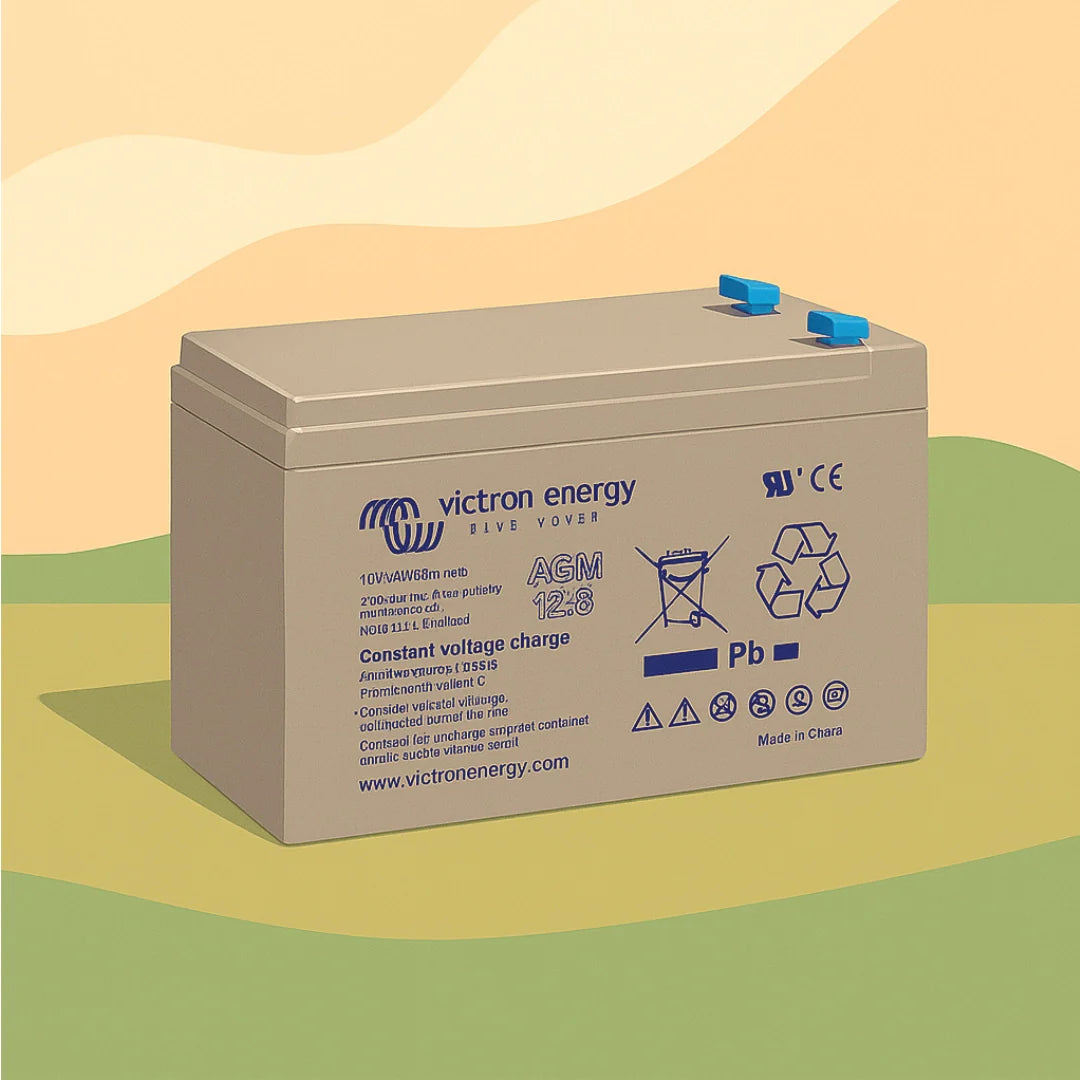
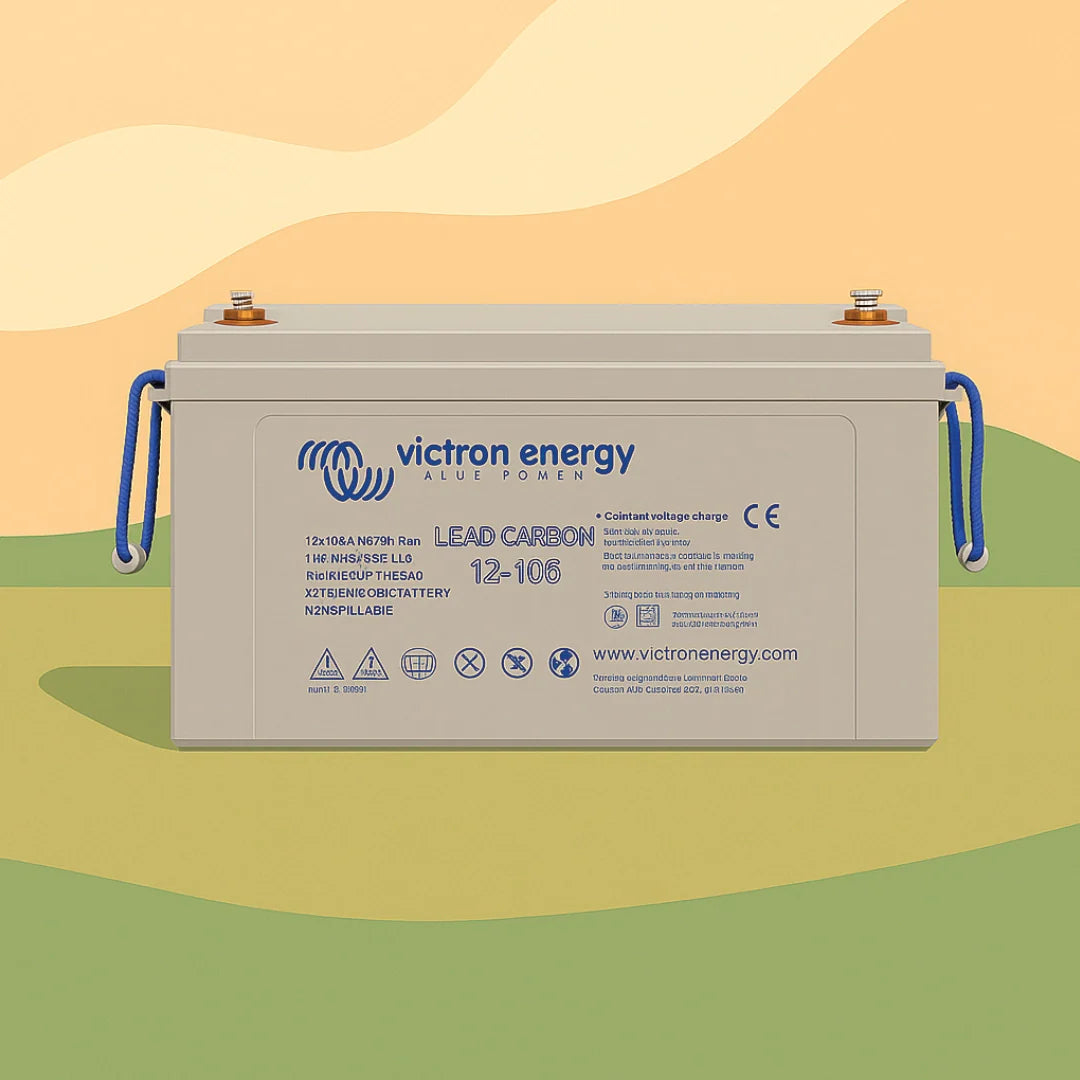
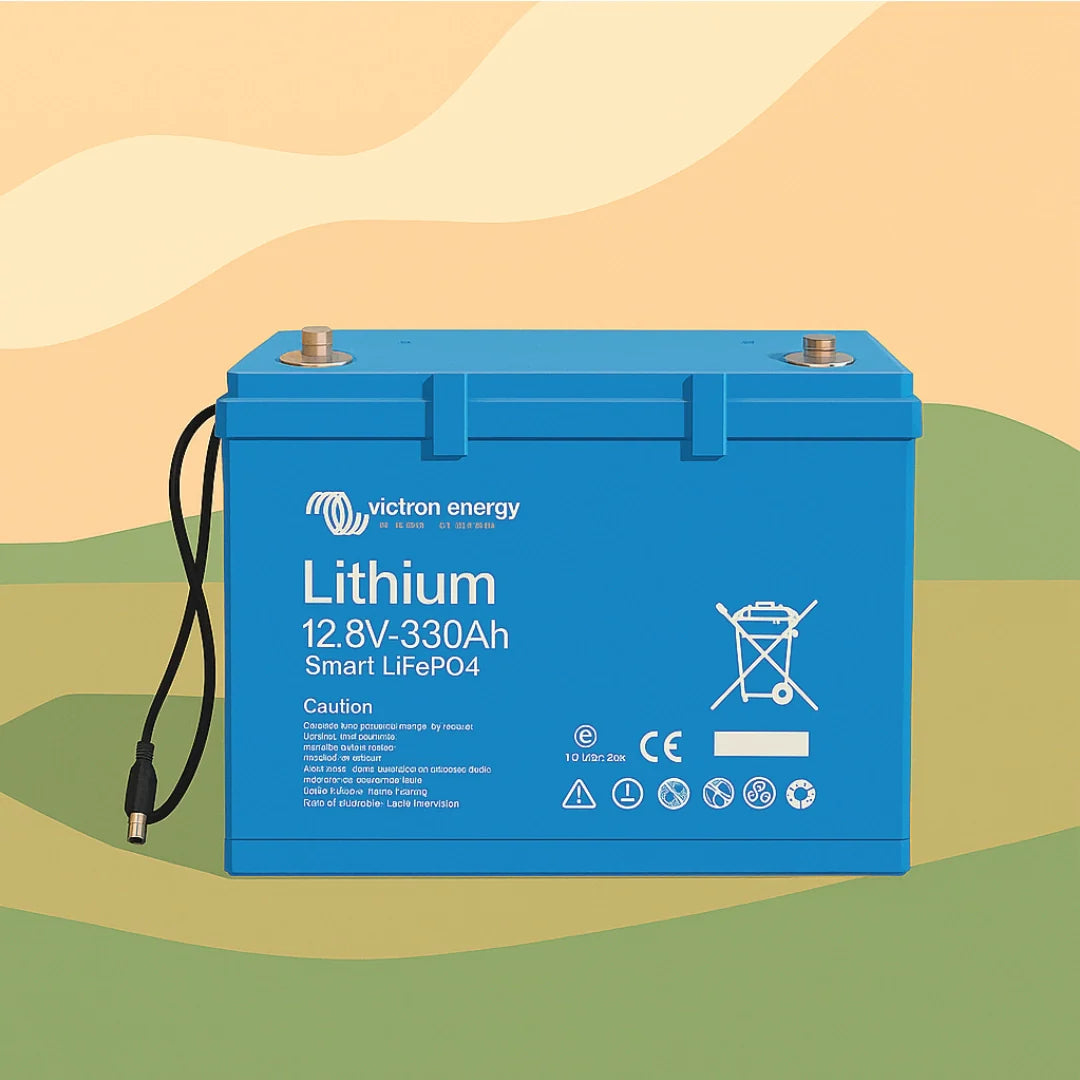
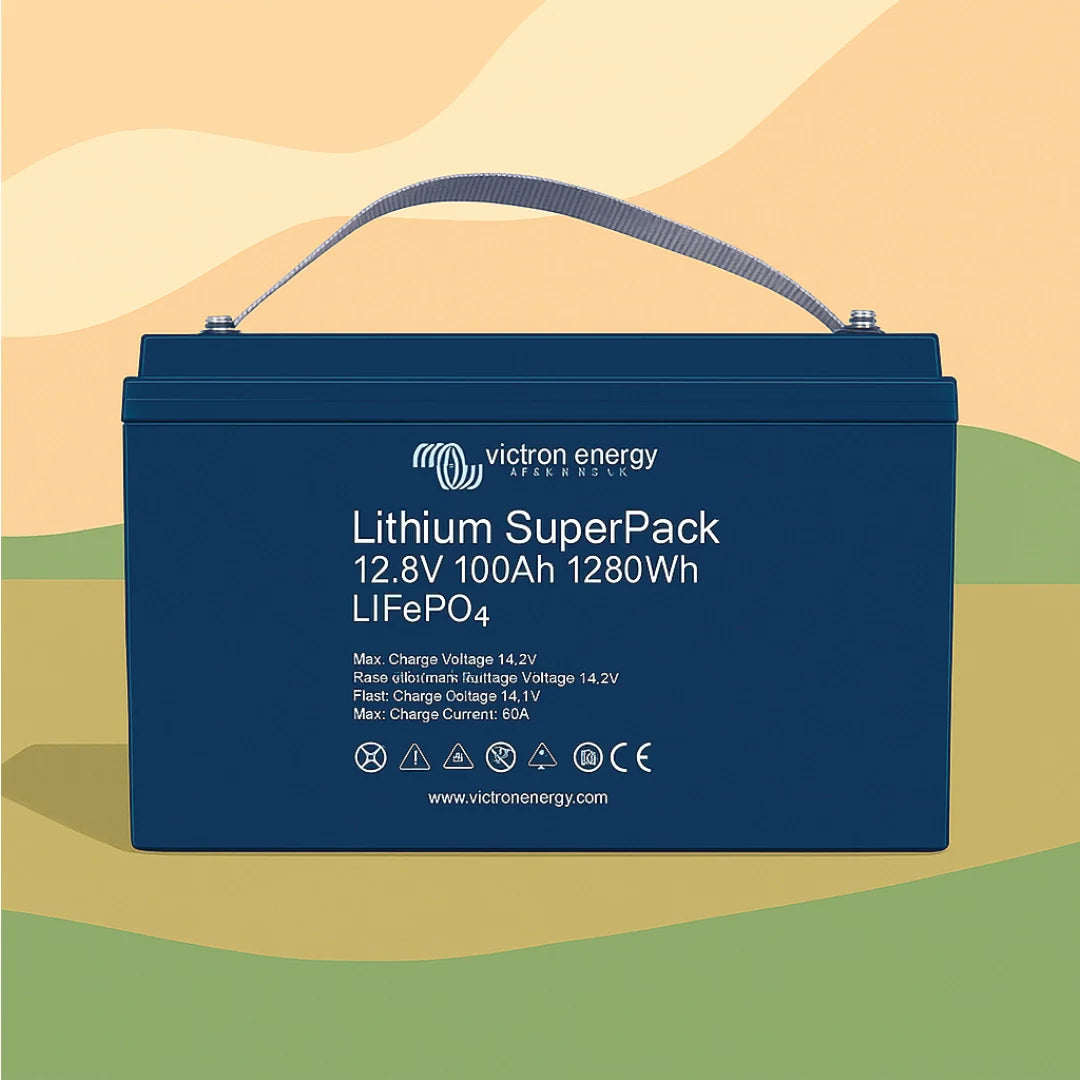



7 Off-Grid Power Solutions for UK Campervans with 50% Weight Savings
Compare 7 lithium off-grid power solutions for UK leisure vehicles. Learn selection criteria, monitoring tech, and pricing to choose reliable campervan batteries.
Selecting the best off-grid power system for your campervan, motorhome, or boat can feel overwhelming. Lithium battery technology now delivers game-changing performance improvements, but choosing wisely requires understanding capacity, monitoring, integration, and pricing. This guide walks you through essential selection criteria and compares seven proven lithium power solutions tailored to UK leisure vehicles, helping you achieve reliable energy independence on every adventure.
Table of Contents
- How To Choose Off-Grid Power Solutions For Leisure Vehicles
- Lithium Battery Technology Comparison
- Battery Monitoring And Management Systems
- Turnkey Off-Grid Power Systems For Leisure Vehicles
- Solar And Charging Accessories Integration
- Pricing And Availability Considerations In The UK Market
- Summary Comparison And Situational Recommendations
- Discover Skyenergi’s Lithium Off-Grid Power Solutions
Key Takeaways
| Point | Details |
|---|---|
| Weight and Lifespan | Lithium batteries offer 50-60% weight savings and last 4-10x longer than lead-acid alternatives. |
| Smart Monitoring | Bluetooth BMS enables real-time battery tracking via smartphone, boosting reliability and efficiency. |
| Modular Systems | Turnkey packages and expandable solutions simplify installation and support future capacity upgrades. |
| Solar Integration | MPPT controllers and compatible accessories extend off-grid autonomy by days in UK conditions. |
| Long-Term Value | Higher upfront lithium costs deliver better lifecycle value through reduced replacements and maintenance. |
How to Choose Off-Grid Power Solutions for Leisure Vehicles
Picking the right off-grid power system starts with understanding what matters most for your campervan, motorhome, or boat. Selection depends on battery lifespan, capacity, integration, monitoring, weight, and UK cost, so evaluating each factor ensures you make a choice that fits your adventures.
Cycle life and durability determine how often you replace batteries. Lithium iron phosphate batteries typically deliver 2000 to 5000 charge cycles compared to 200 to 500 for traditional lead-acid, meaning fewer replacements over a decade. Calculate your daily energy consumption in amp-hours to size capacity correctly. For weekend trips, 150-200Ah suffices, but extended off-grid living demands 300-400Ah or more.
Integration options matter for hassle-free installation. Modular systems allow you to start small and expand capacity as needs grow. Look for lithium leisure batteries in the UK with Bluetooth monitoring so you track charge status without opening panels. Weight and size affect vehicle handling and interior space, with lithium options cutting 50-60% compared to lead-acid equivalents.
Finally, factor in cost and availability from UK suppliers. While lithium batteries carry higher upfront prices, lifecycle savings from longevity and minimal maintenance make them the smarter long-term investment. Competitive UK market pricing and direct manufacturer sourcing improve value.
Key selection criteria include:
- Cycle life and warranty periods
- Usable capacity for your autonomy needs
- Bluetooth or app-based monitoring features
- Weight and dimensional fit in your vehicle
- Total cost of ownership over 5-10 years
- Compatibility with solar and charging systems
Lithium Battery Technology Comparison
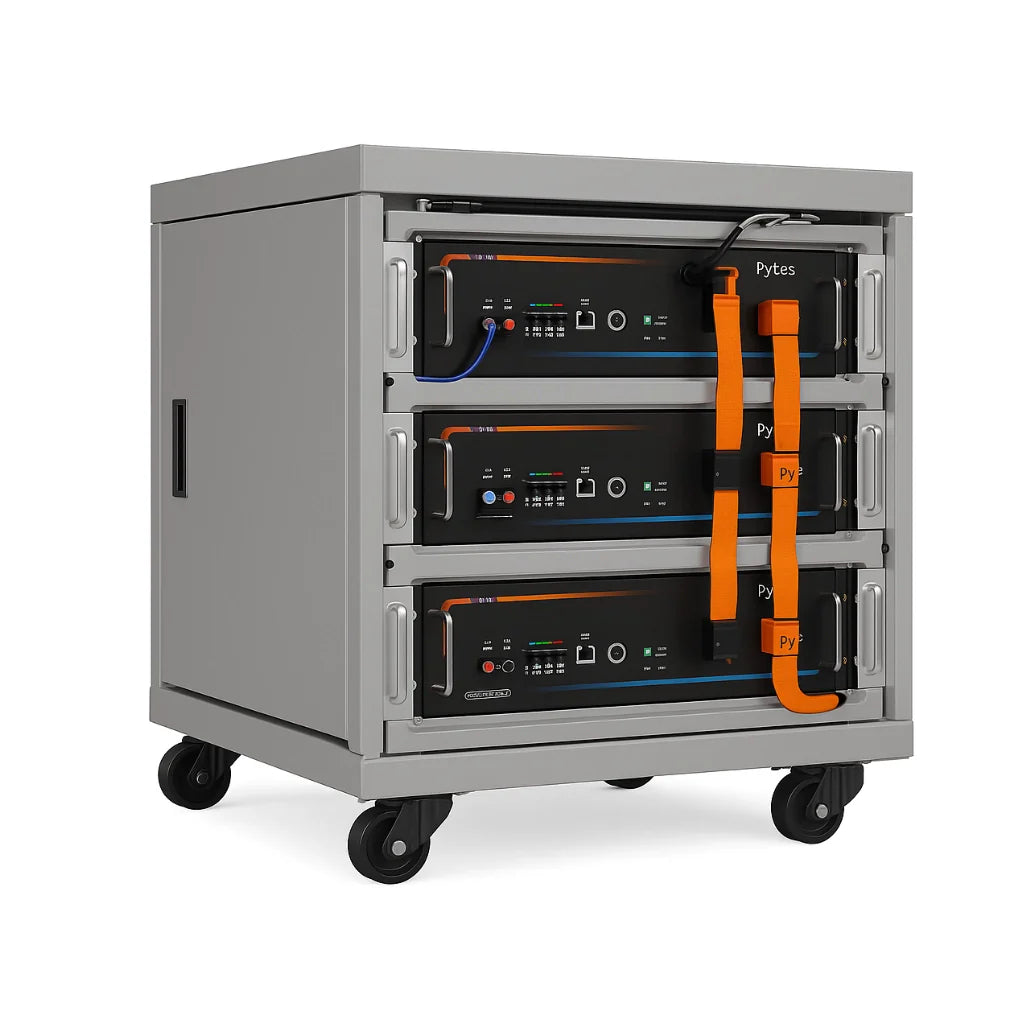
Understanding the differences between lithium and lead-acid technologies clarifies why so many UK leisure vehicle owners are switching. Lithium iron phosphate batteries provide 2000-5000 cycles vs 200-500 for lead-acid and 50-60% weight reduction, delivering clear performance advantages that transform off-grid experiences.
LiFePO4 chemistry offers deeper discharge without damage. You can safely use 80-100% of rated capacity, whereas lead-acid batteries degrade quickly if discharged below 50%. This effectively doubles usable energy from the same amp-hour rating. Weight savings improve fuel economy and vehicle handling, a significant benefit for campervans with limited payload capacity.

Marine applications demand extra durability. Marine-grade lithium batteries have ISO 16750 vibration resistance and IP67 waterproof rating, protecting against the harsh conditions on boats. These ruggedized designs withstand constant motion, saltwater spray, and temperature swings better than standard leisure batteries.
Bluetooth BMS integration has become standard on quality lithium batteries. Real-time monitoring via smartphone app displays voltage, current, state of charge, and cell balance. Alerts notify you immediately if faults occur, preventing unexpected power loss during trips. Maintenance needs drop dramatically since lithium batteries require no water top-ups or equalization charging.
Pro Tip: When comparing batteries, calculate cost per usable kilowatt-hour rather than just upfront price. A 200Ah lithium battery at 12V delivers roughly 2.4 kWh usable, while a 200Ah lead-acid only provides 1.2 kWh safely, making the lithium option better value despite higher sticker price.
Key technology differences:
- LiFePO4 chemistry vs lead-acid plates
- 80-100% depth of discharge vs 50% maximum
- 2000-5000 cycles vs 200-500 cycles
- Integrated Bluetooth BMS for monitoring
- Marine-grade waterproof and vibration-resistant options
- Zero maintenance vs regular water checks
| Feature | LiFePO4 Lithium | Lead-Acid |
|---|---|---|
| Cycle Life | 2000-5000 | 200-500 |
| Usable Capacity | 80-100% | 50% |
| Weight (200Ah) | 25-30 kg | 60-70 kg |
| Monitoring | Bluetooth BMS | Basic voltage |
| Maintenance | None | Regular water checks |
Battery Monitoring and Management Systems
Smart monitoring transforms how you interact with your off-grid power system. Bluetooth-enabled BMS allow remote battery monitoring and usage optimization, giving you confidence that power will last through your trip without constantly checking physical gauges.
Real-time data access through smartphone apps shows voltage, current draw, state of charge percentage, and individual cell voltages. This visibility helps you spot issues early, like unbalanced cells or excessive loads draining the battery faster than expected. You can adjust usage patterns immediately rather than discovering problems when lights dim unexpectedly.
Alerts provide peace of mind during extended off-grid stays. The BMS notifies you if battery temperature exceeds safe ranges, charging voltage is incorrect, or cells drift out of balance. Early warnings let you take corrective action before minor issues become system failures. Historical data logging tracks usage patterns over time, helping you size solar panels or plan charging stops more effectively.
Improved efficiency comes from understanding exactly how much energy appliances consume. Watching real-time current draw while running different devices teaches you which loads matter most. You learn that a 12V fridge might only pull 3-5 amps most of the time, while a kettle spikes to 80+ amps briefly. This knowledge supports smarter decisions about what to run when battery charge is lower.
Pro Tip: Set your monitoring app to alert at 30% state of charge rather than waiting until 20%. This buffer prevents over-discharge damage and gives you time to start charging before power runs critically low, especially helpful during cloudy UK weather when solar input drops.
Monitoring benefits include:
- Smartphone app access from anywhere in the vehicle
- Real-time voltage, current, and state of charge display
- Cell balance monitoring for optimal performance
- Temperature and fault alerts for early problem detection
- Historical usage data for planning future trips
- Battery health tracking over time
Explore detailed guidance on lithium battery setup and monitoring to maximize your system’s potential.
Turnkey Off-Grid Power Systems for Leisure Vehicles
Pre-integrated systems eliminate the guesswork of component compatibility. Turnkey SRNE systems offer pre-integrated solar, battery, and charger solutions with capacities from 200-400Ah, providing everything needed for reliable off-grid power in a single package.
These kits bundle lithium batteries, solar panels, MPPT charge controllers, DC-DC chargers, and necessary wiring. Installation complexity drops dramatically since components are designed to work together without voltage mismatches or communication issues. Plug-and-play connectors mean you spend less time troubleshooting and more time enjoying your adventures.
Battery capacity ranges suit different usage patterns. A 200Ah system handles weekend camping with basic loads like lighting, phone charging, and a small fridge. Step up to 300Ah for longer trips with more appliances. Extended off-grid living or liveaboard boats benefit from 400Ah configurations that power everything from microwaves to laptops for days without shore power.
Integrated monitoring simplifies system management. All components communicate through a central display or app, showing solar input, battery status, and load consumption in one place. You see the complete energy picture without juggling multiple monitoring devices. This unified view makes it easier to optimize usage and identify inefficiencies.
Good availability and competitive pricing in the UK market make these systems accessible. Direct sourcing from manufacturers keeps costs reasonable while maintaining quality. Warranty support and UK-based customer service provide confidence that help is available if issues arise.
Check out comprehensive turnkey off-grid power systems UK options to find the right fit for your vehicle.
Turnkey system advantages:
- Pre-matched components eliminate compatibility issues
- Simplified installation with plug-and-play connections
- Capacity options from 200-400Ah suit various needs
- Unified monitoring across all system components
- Expandable designs support future upgrades
- Complete package pricing improves value
| System Size | Battery Capacity | Solar Panels | Typical Use Case | Approximate Price Range |
|---|---|---|---|---|
| Compact | 200Ah LiFePO4 | 200W | Weekend trips | £800-£1200 |
| Standard | 300Ah LiFePO4 | 300W | Week-long adventures | £1400-£1900 |
| Extended | 400Ah LiFePO4 | 400W | Full-time living | £2000-£2800 |
Solar and Charging Accessories Integration
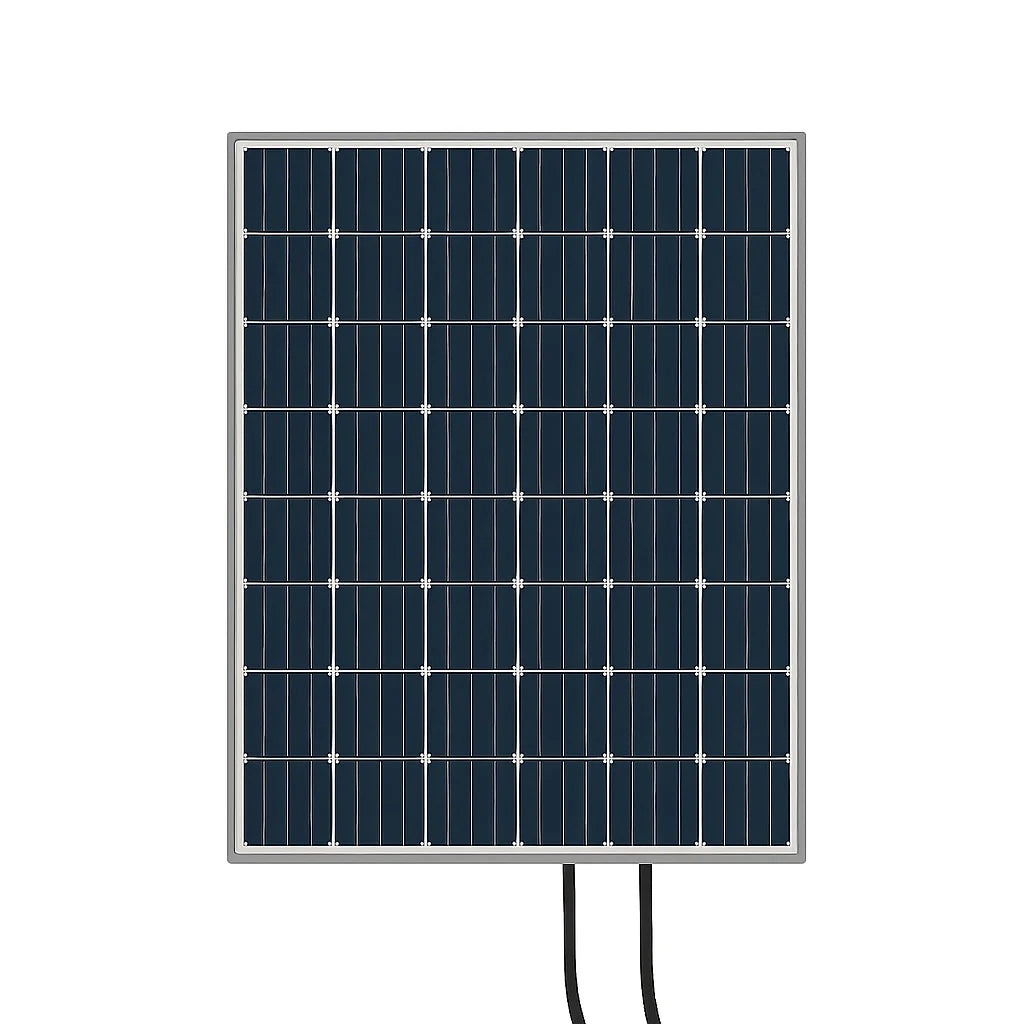
Solar panels extend your off-grid autonomy by replenishing battery capacity daily. MPPT charge controllers improve solar charging efficiency compared to PWM, important for UK solar conditions where variable weather affects panel output.
Sizing solar panels to match daily consumption ensures you stay off-grid longer. Calculate your average daily amp-hour usage by listing all appliances and their run times. A 150W panel produces roughly 6-8 amps in good UK sunlight, delivering 40-60Ah per day during summer. Winter output drops to 20-30Ah daily, so oversize slightly if you camp year-round.
MPPT controllers extract up to 30% more energy from panels compared to older PWM technology. They adjust input voltage dynamically to capture maximum power even when clouds pass overhead. This efficiency gain matters significantly in the UK’s unpredictable climate, turning marginal solar days into useful charging opportunities.
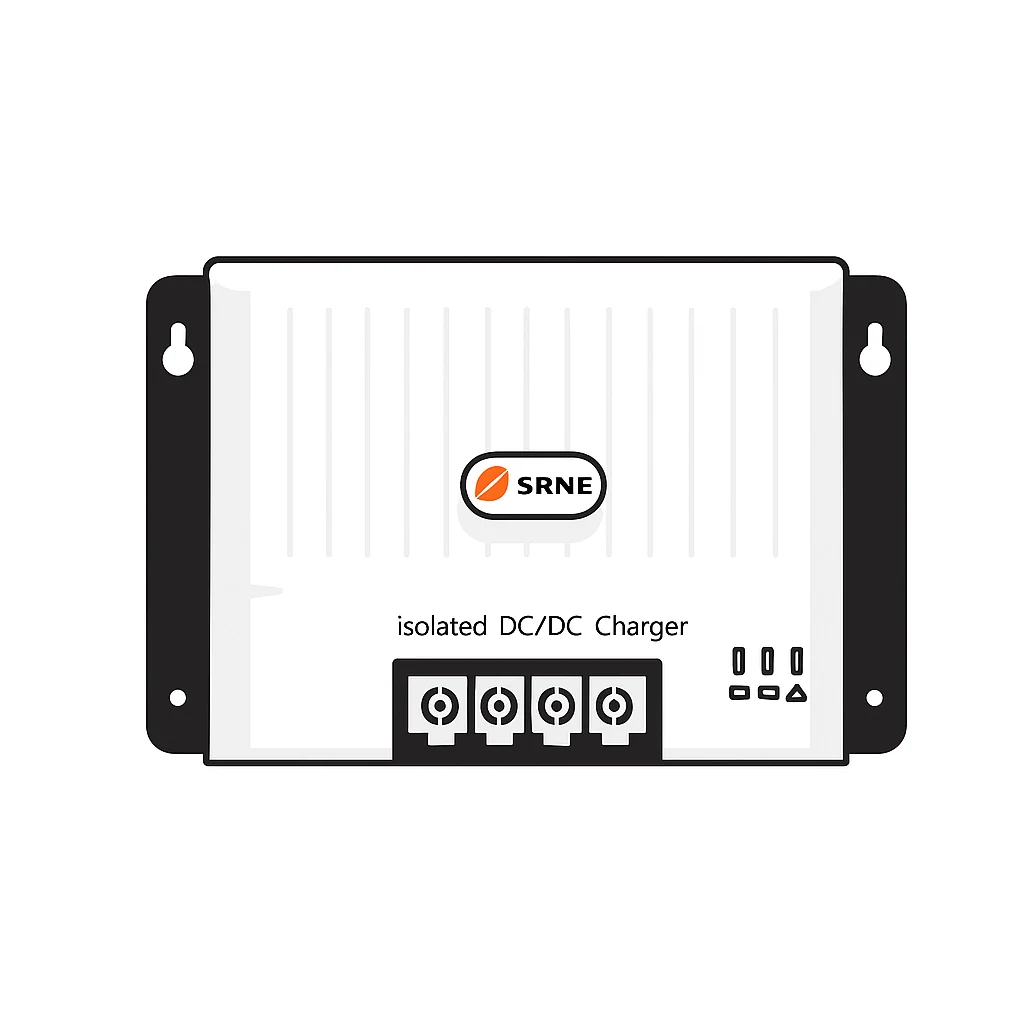
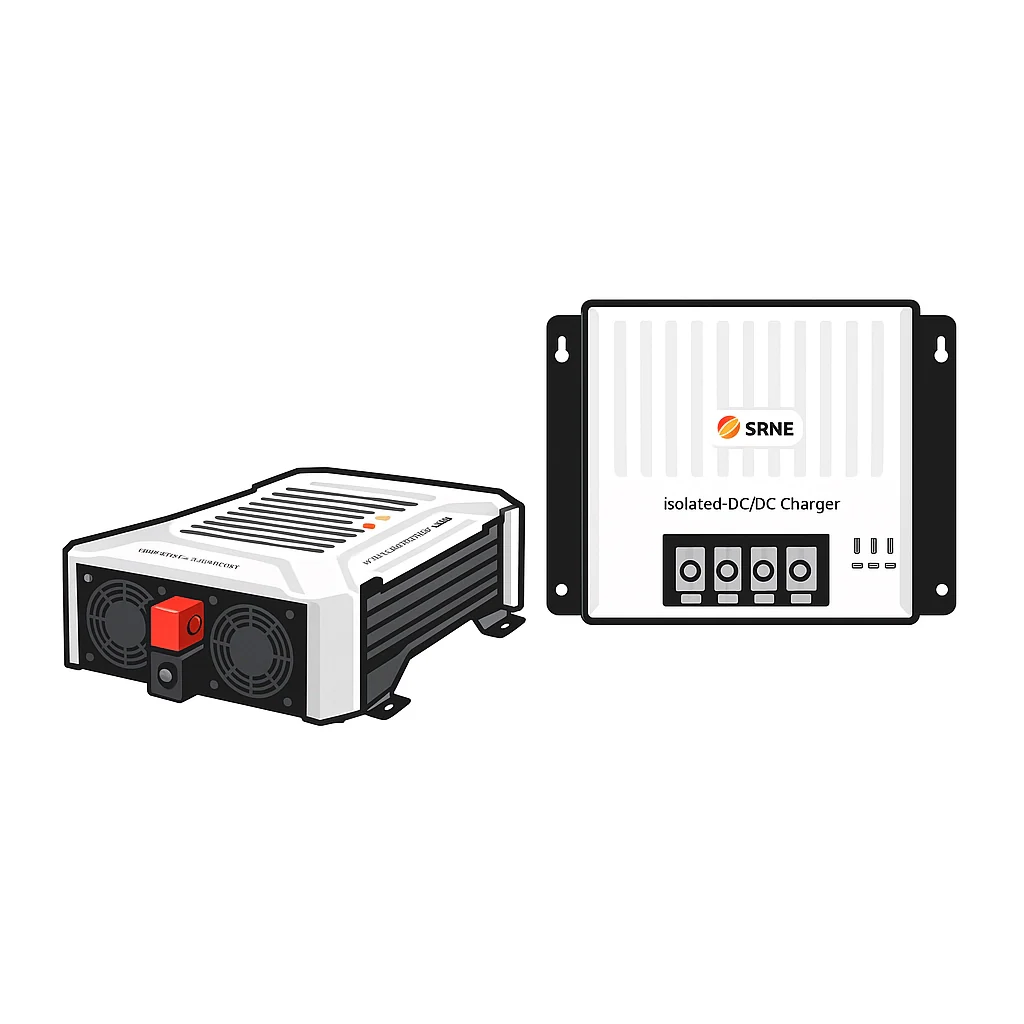
Compatible charging accessories complete the system. DC-DC chargers connect to your vehicle’s alternator, topping up batteries while driving. Shore power chargers handle mains hookups at campsites. Quality cables rated for high current prevent voltage drop and heating. Fused connections protect against shorts.
Solar integration installation steps:
- Mount panels securely to roof with appropriate brackets
- Route cables through roof gland with waterproof seal
- Connect panel output to MPPT controller input terminals
- Wire controller output to battery with correct polarity
- Configure controller settings for lithium battery type
- Test system operation and verify charging begins
- Install monitoring display or connect to smartphone app
Learn practical installation techniques through our solar charging workflow UK campervans guide. Review real-world solar charging examples UK campervans to see how others have configured their systems.
Solar and charging essentials:
- Match panel wattage to daily amp-hour consumption
- Choose MPPT controllers for maximum efficiency
- Add DC-DC charging for alternator input
- Use appropriately rated cables and fuses
- Oversize slightly for UK winter conditions
- Consider portable panels for flexible positioning
Pricing and Availability Considerations in the UK Market
Understanding cost trends helps you budget effectively. Lithium battery prices have declined since 2021, improving cost-effectiveness despite higher upfront costs as manufacturing scales up and technology matures.
Price per kilowatt-hour for lithium batteries dropped roughly 30-40% from 2021 to 2026. A 200Ah 12V lithium battery that cost £900 in 2021 now retails for £600-£700 from competitive UK suppliers. Lead-acid batteries remain cheaper upfront at £150-£250 for equivalent amp-hour ratings, but total cost over their lifespan tells a different story.
Lifecycle cost analysis reveals lithium’s advantage. A lead-acid battery lasting 500 cycles needs replacement every 2-3 years with regular use. A lithium battery providing 3000 cycles runs 12-15 years before capacity drops significantly. Over a decade, you might buy four lead-acid batteries totaling £800-£1000 plus maintenance time, while one lithium battery costs £600-£700 and requires no upkeep.
Wide supplier availability in the UK supports competitive pricing and service. Multiple distributors stock lithium leisure batteries, solar equipment, and turnkey systems. This competition keeps prices reasonable and ensures parts remain available for repairs or expansions. UK-based warranty support means you get help quickly if issues arise.
Value for money comes from considering features beyond just price. Mid-range lithium batteries with Bluetooth monitoring cost only £50-£100 more than basic models but deliver significantly better user experience. Budget options exist for those upgrading from lead-acid gradually, starting with a smaller lithium bank and expanding later.
Explore current UK lithium battery pricing trends to find the best deals for your budget.
| Battery Type | Upfront Cost (200Ah) | Typical Lifespan | Replacement Cycles (10 years) | Total 10-Year Cost |
|---|---|---|---|---|
| Lead-Acid AGM | £200 | 2-3 years | 3-4 times | £600-£800 |
| LiFePO4 Basic | £600 | 10-12 years | Once | £600-£700 |
| LiFePO4 with BMS | £700 | 10-15 years | Once | £700-£750 |
Summary Comparison and Situational Recommendations
Choosing the right system depends on your specific vehicle, usage patterns, and budget. This comparison helps you match solutions to real-world scenarios.
| Solution Type | Capacity | Weight | Cycle Life | Monitoring | Best For | Price Range |
|---|---|---|---|---|---|---|
| Basic LiFePO4 | 150Ah | 18kg | 2000+ | Basic voltage | Weekend campers | £450-£550 |
| Bluetooth LiFePO4 | 200Ah | 24kg | 3000+ | Smartphone app | Regular users | £600-£700 |
| Marine LiFePO4 | 200Ah | 26kg | 3000+ | App + waterproof | Boat installations | £750-£900 |
| Compact Turnkey | 200Ah + 200W solar | 35kg total | 3000+ | Integrated display | Weekend trips | £900-£1200 |
| Standard Turnkey | 300Ah + 300W solar | 50kg total | 3000+ | Integrated display | Week-long adventures | £1500-£1900 |
| Extended Turnkey | 400Ah + 400W solar | 65kg total | 3000+ | Integrated display | Full-time living | £2100-£2800 |
| Modular Expandable | 200-400Ah scalable | Varies | 3000+ | App + cloud | Growing needs | £1200-£2500 |
Short UK campervan trips work well with 150-200Ah LiFePO4 batteries paired with a 150-200W solar panel and basic MPPT controller. This setup handles lighting, phone charging, and a 12V fridge for weekend adventures without breaking the budget. Bluetooth monitoring adds convenience for slightly higher cost.
Extended off-grid motorhome stays demand 300-400Ah capacity with 300-400W solar arrays. Turnkey modular systems shine here, providing everything needed in one package with room to add more batteries later. MPPT charging and DC-DC alternator input ensure batteries stay topped up even during cloudy UK weather.
Liveaboard boats benefit most from marine-grade 300-400Ah systems rated for vibration and water exposure. The ruggedized construction handles constant motion and occasional splashes. Invest in quality waterproof connections and mount batteries securely to prevent movement in rough conditions.
Budget-conscious upgraders should start with a mid-sized 200Ah LiFePO4 battery featuring Bluetooth monitoring. This delivers immediate improvements in weight, capacity, and convenience without overwhelming upfront cost. Add solar panels and controllers gradually as budget allows, building toward a complete system over time.
Scalability and future-proofing matter for evolving needs. Choose batteries and controllers that support parallel connections so you can double capacity later. Modular turnkey systems let you start with one battery bank and add another when adventures grow longer or appliance loads increase.
Find detailed guidance on lithium battery setup recommendations matched to your specific situation.
Recommended configurations:
- Weekend campers: 150-200Ah LiFePO4 + 150W solar + basic MPPT
- Regular travelers: 200-300Ah with Bluetooth + 200-300W solar + DC-DC charging
- Extended off-grid: 300-400Ah turnkey system + 400W solar + integrated monitoring
- Marine installations: 200-300Ah marine-grade + waterproof solar + sealed connections
- Budget upgrades: 200Ah Bluetooth LiFePO4, add solar later
- Future expansion: Modular systems supporting parallel battery connections
Discover Skyenergi’s Lithium Off-Grid Power Solutions
Ready to upgrade your campervan, motorhome, or boat with reliable off-grid power? Skyenergi offers comprehensive lithium battery systems engineered for UK leisure vehicles, combining performance with practical value.
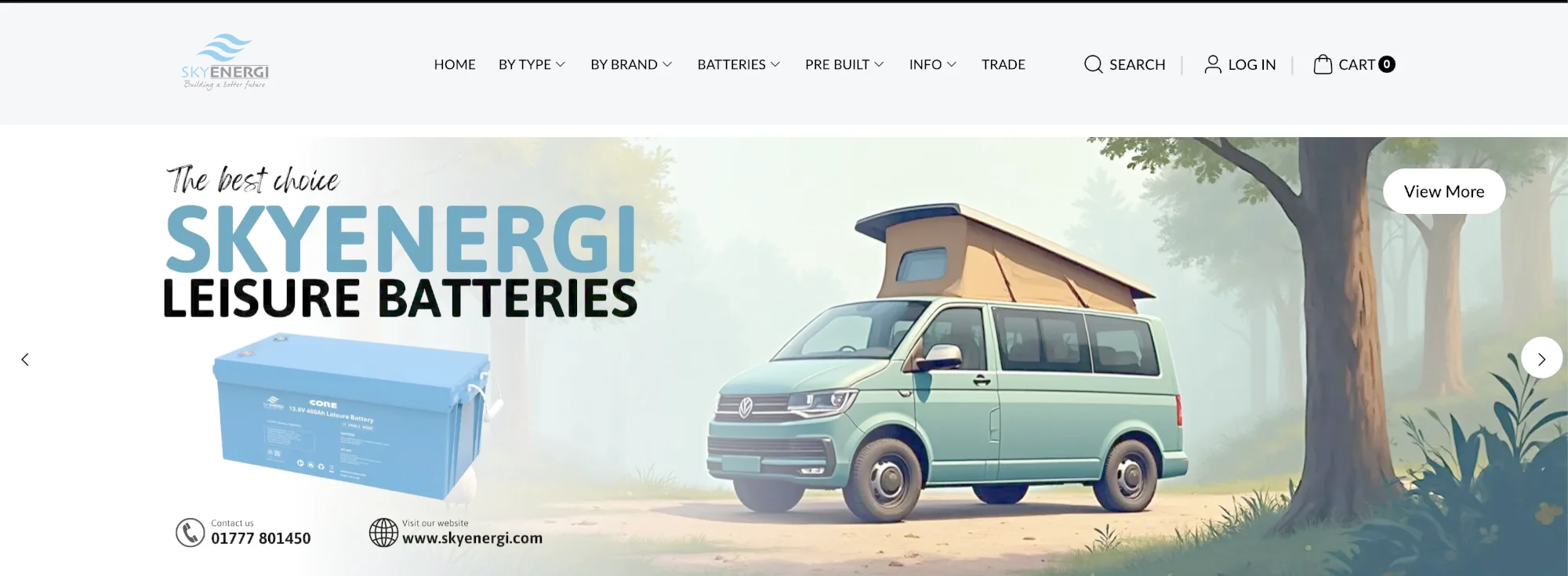
Our range includes individual LiFePO4 batteries from 150-400Ah, complete turnkey SRNE systems with integrated solar and charging, and all the accessories needed for professional installation. Every product features quality construction, competitive pricing from direct manufacturer sourcing, and UK-based support when you need guidance.
Explore our detailed lithium battery setup guide for step-by-step installation instructions. Browse proven off-grid power systems matched to different vehicle types and usage patterns. Learn practical techniques through our solar charging tutorial designed specifically for UK conditions. Whether you’re building a new system or upgrading existing power, Skyenergi provides the products and expertise to power your adventures reliably for years to come.
FAQ
What types of lithium batteries are best for UK campervans?
LiFePO4 batteries are preferred for their longevity, safety, and high usable capacity in UK campervans. They deliver 2000-5000 charge cycles and allow 80-100% depth of discharge without damage. Marine-grade variants add waterproof and vibration-resistant construction for boats facing harsher conditions.
How does Bluetooth BMS improve off-grid power reliability?
Bluetooth BMS enables real-time monitoring via smartphone apps, displaying voltage, current, and state of charge instantly. This visibility helps you spot issues early, optimize battery usage, and receive alerts before problems become failures. The result is longer battery life and confidence that power will last through your trip.
What solar panel size do I need for a weekend campervan trip in the UK?
A 150W to 200W solar panel combined with a 150-200Ah lithium battery typically supports weekend off-grid adventures in the UK. This configuration generates 40-60Ah daily during summer, enough for lighting, phone charging, and a small fridge. MPPT controllers improve efficiency when weather varies, capturing maximum power even on cloudy days.
Are lithium batteries more cost-effective than lead-acid over time?
Yes, lithium batteries deliver better long-term value despite higher upfront costs. Their 2000-5000 cycle lifespan means one lithium battery lasts 10-15 years, while lead-acid batteries need replacement every 2-3 years. Over a decade, you save money on replacements and avoid maintenance hassles like water top-ups, making lithium the smarter investment when you consider total cost of ownership.
Recommended
Prev post

What is battery management system: 70% longer lithium battery life
Updated on 05 March 2026
Next post

Solar Charge Control: Boost Campervan Battery Life 30%
Updated on 03 March 2026


