





Achieve true energy independence for van life in the UK
Achieve true energy independence for van life in the UK! Learn how to maximize your off-grid living with the right systems and technology.
TL;DR:
- Most UK van owners underestimate the complexity of achieving true energy independence, which requires careful system design and appropriate battery chemistry. Solar panels alone cannot sustain year-round off-grid living without sufficient storage, diversified charging, and realistic usage assessments. Proper planning, monitoring, and choosing lithium batteries ensure reliable power, even during UK winters with low sunlight.
Most UK van dwellers assume a couple of solar panels and a leisure battery will handle everything. Then a grey week in November arrives, the fridge stops cycling properly, and the laptop dies before noon. True energy independence is more demanding than most people expect. It requires careful system design, the right battery chemistry, and an honest assessment of real-world usage patterns. The good news is that modern lithium battery technology, MPPT charge controllers, and DC/DC converters now make genuine year-round off-grid living achievable for UK van owners who plan properly.
Table of Contents
- Understanding energy independence for van life
- Key renewable energy solutions for vans
- How to design and size your van’s energy system
- Maximising real-world performance and avoiding pitfalls
- Why true energy independence means planning beyond the gear
- Ready to build your own energy independent van?
- Frequently asked questions
Key Takeaways
| Point | Details |
|---|---|
| True independence defined | Running all essentials off-grid requires careful planning, not just solar panels. |
| Battery choice matters | Lithium offers more charge cycles and a lower long-term cost than AGM. |
| System design is critical | Sizing your system accurately is the best way to prevent power loss in winter. |
| Practical habits increase reserves | Lifestyle tweaks and constant monitoring make any system more reliable. |
Understanding energy independence for van life
Energy independence means running all your essential appliances and devices without relying on campsite hookups, generators, or external power sources. That covers your fridge, lighting, laptop, phone charging, water pump, and any heating controls. For full-time van lifers in the UK, this is a 365-day challenge. For seasonal users, it is still more complex than it first appears.
The most common misconception is that solar panels alone solve everything. They do not. Solar is one input into a wider system. Without adequate battery storage to hold that energy overnight or through overcast periods, even a well-specified panel array leaves you short. Another misconception is that any leisure battery will do the job. Battery chemistry, cycle life, and usable capacity differ enormously between technologies.
Key factors that define genuine energy independence:
- System sizing: Undersized panels or batteries fail in high-demand or low-sun periods
- Usage patterns: Daily amp-hour (Ah) consumption drives every sizing decision
- Weather variability: UK winters can reduce solar yield by 70% or more compared to summer
- Charging diversity: Relying on a single charging source is always a weak point
- Battery chemistry: Determines usable capacity, cycle life, and long-term cost
“True independence is not about having the most expensive kit. It is about matching your system precisely to your real usage and being honest about UK conditions.”
Understanding solar energy storage for campervans helps clarify how battery capacity, panel output, and daily usage interact in practical terms. For a broader view of what off-grid energy freedom actually involves for van dwellers, it is worth reviewing the full picture before committing to any purchase.
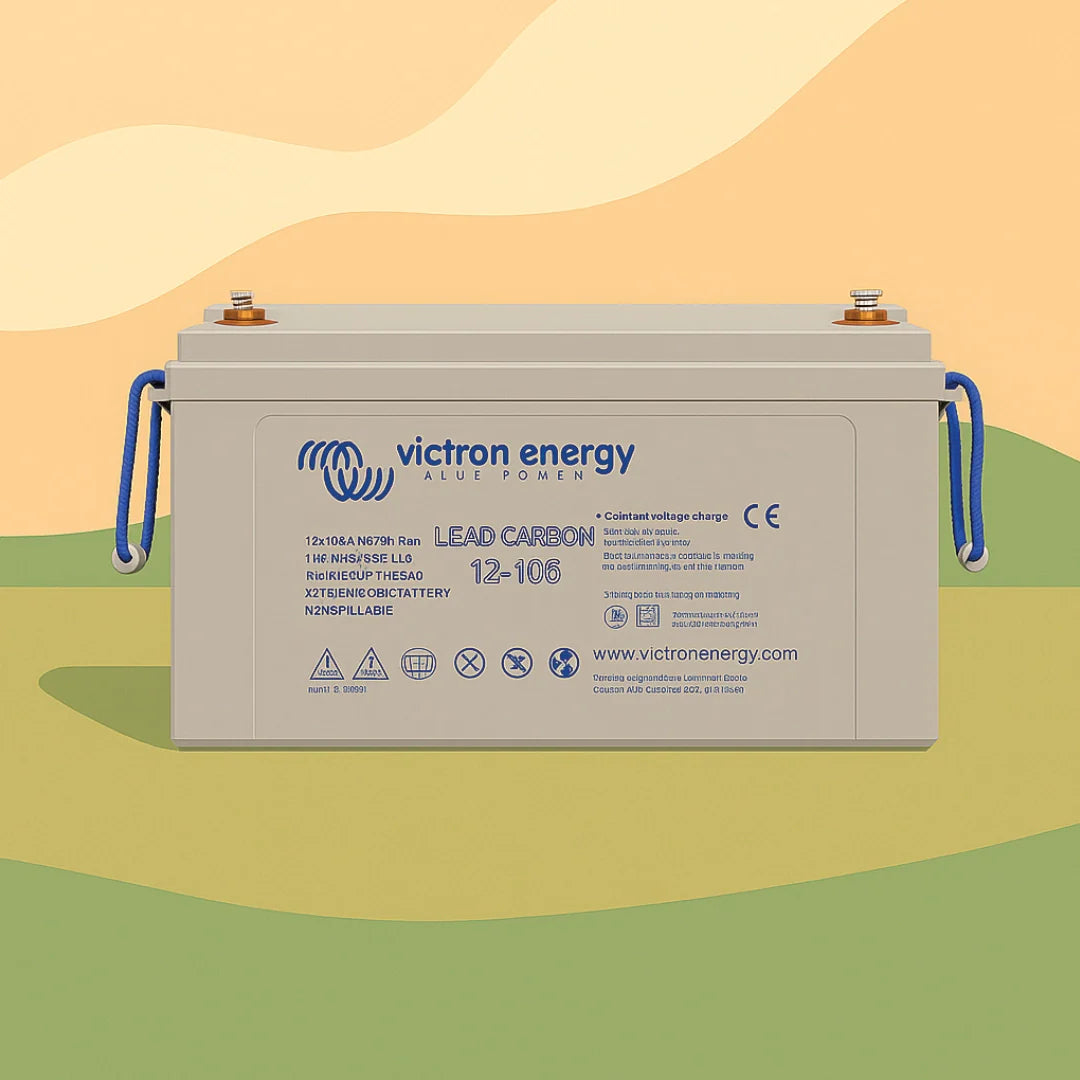
Battery chemistry is where long-term planning decisions get concrete. The cost-per-cycle comparison shows lithium at roughly 6p per cycle versus 19p for AGM, meaning lithium’s higher upfront cost yields a significantly lower lifetime cost. This data point changes the economics of every build decision. Many sustainable tiny home solutions apply the same logic when specifying storage for off-grid setups.
Key renewable energy solutions for vans
With a clear definition of independence, the next step is understanding your main technical options and how they work together. No single technology handles everything. The strongest systems combine multiple charging sources with high-quality storage.
| Solution | Upfront cost | Install complexity | Typical lifetime | Best for |
|---|---|---|---|---|
| Rigid solar panels (200W+) | £150 to £400 | Moderate | 20 to 25 years | Primary generation, low maintenance |
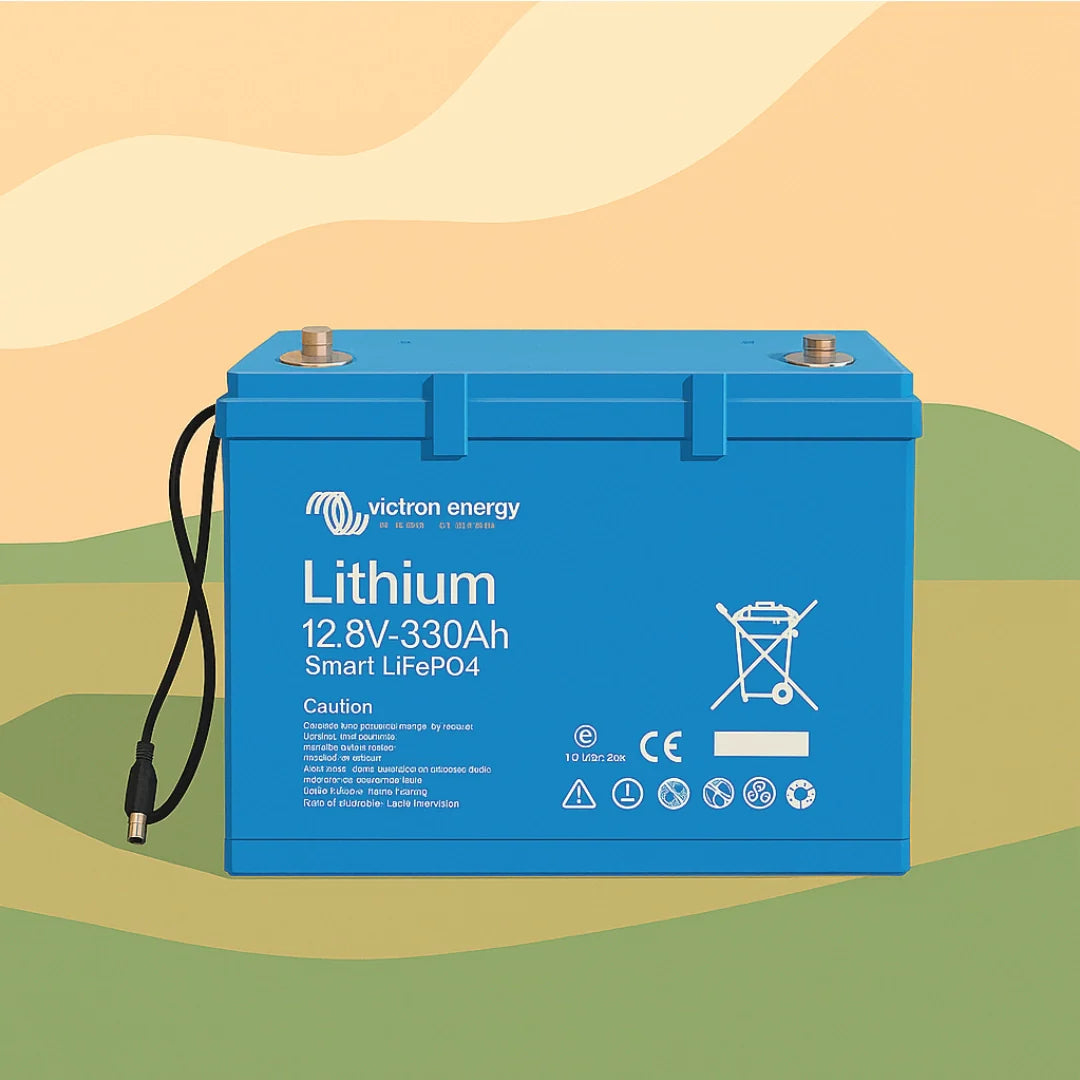
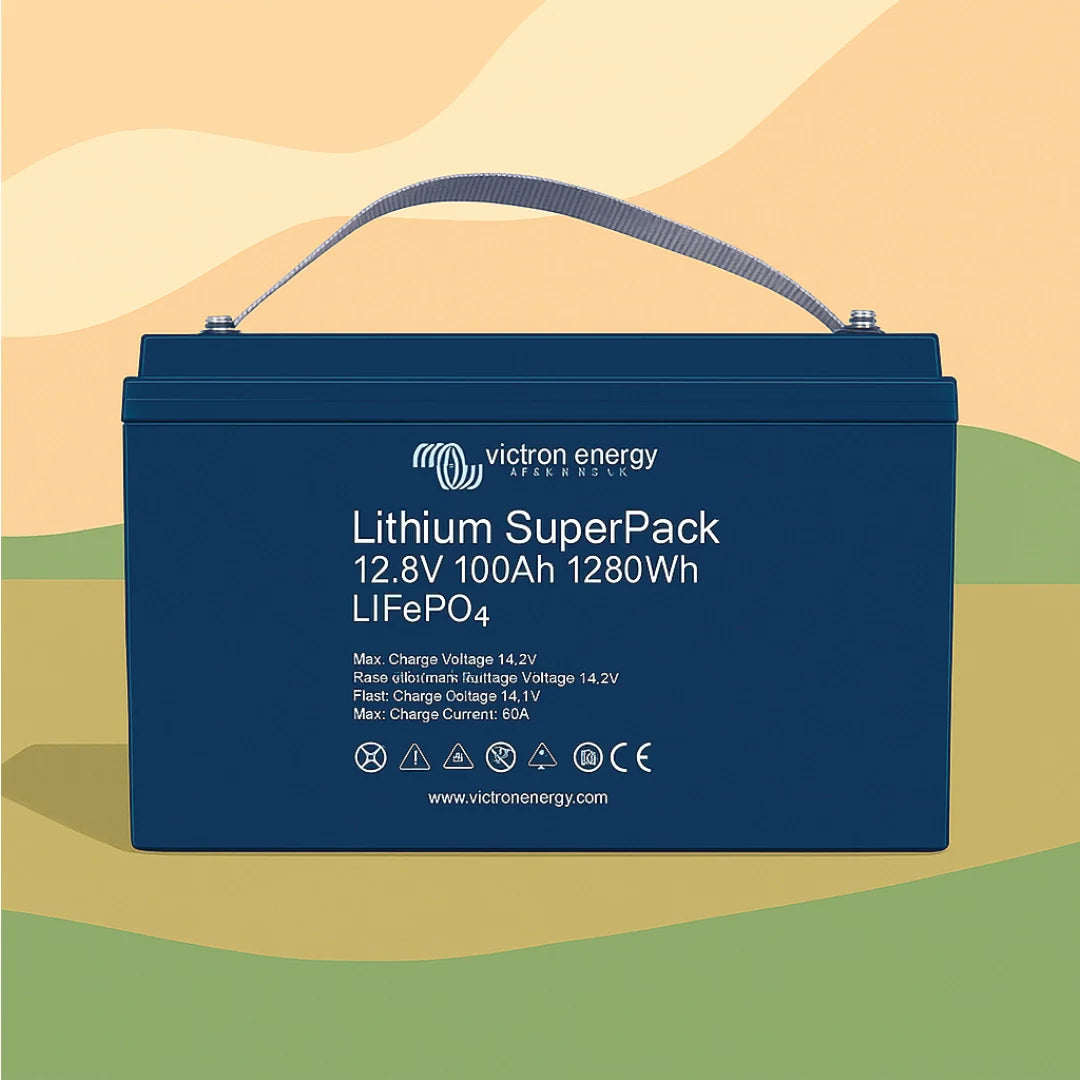
| Lithium leisure batteries | £300 to £900+ | Moderate | 10 to 15 years | High-cycle, deep discharge use |
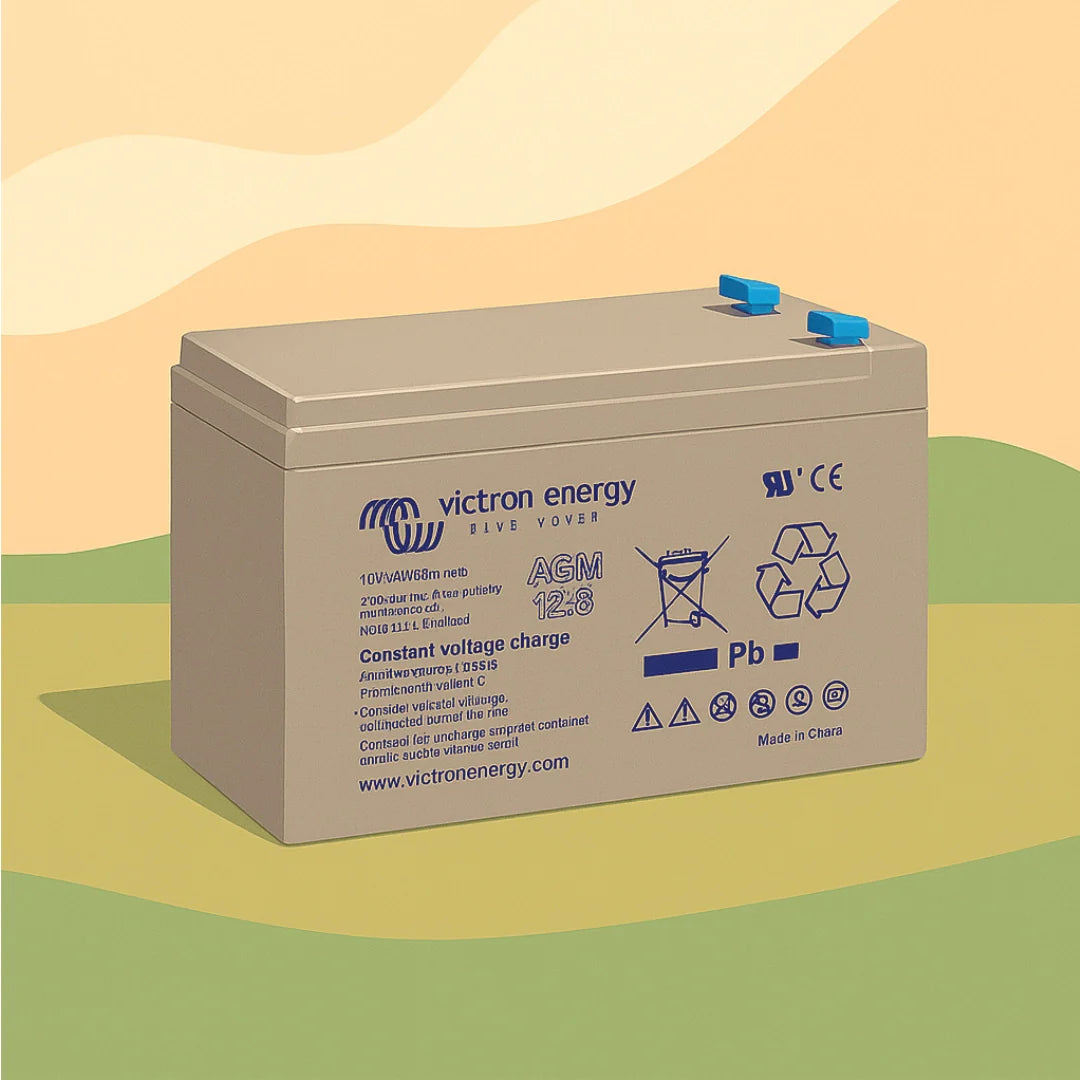
| AGM leisure batteries | £100 to £250 | Low | 3 to 5 years | Lower-budget builds, light use |
| MPPT charge controller | £50 to £200 | Low to moderate | 10 to 15 years | Maximising panel output |
| DC/DC charger (B2B) | £80 to £300 | Moderate | 8 to 12 years | Alternator charging, split charging |
| Portable power station | £200 to £800 | None | 3 to 7 years | Supplementary, travel-light setups |
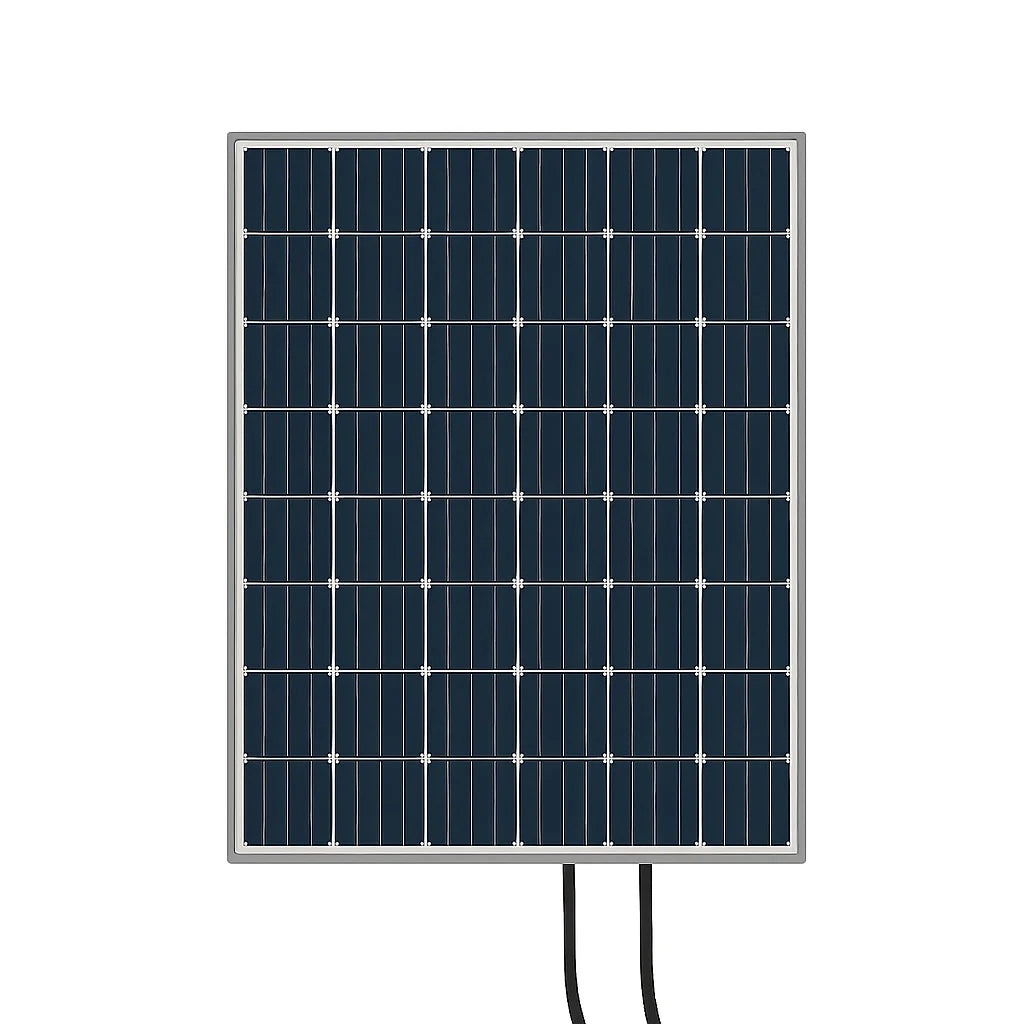
Solar panels are the backbone of most van systems. Rigid monocrystalline panels offer the best efficiency per square metre, important when roof space is limited. A 200W to 400W array is a practical starting point for most UK van builds. For detailed guidance on specifying the right panels for UK conditions, the UK solar panel setup guide covers orientation, shading, and wiring in practical detail.
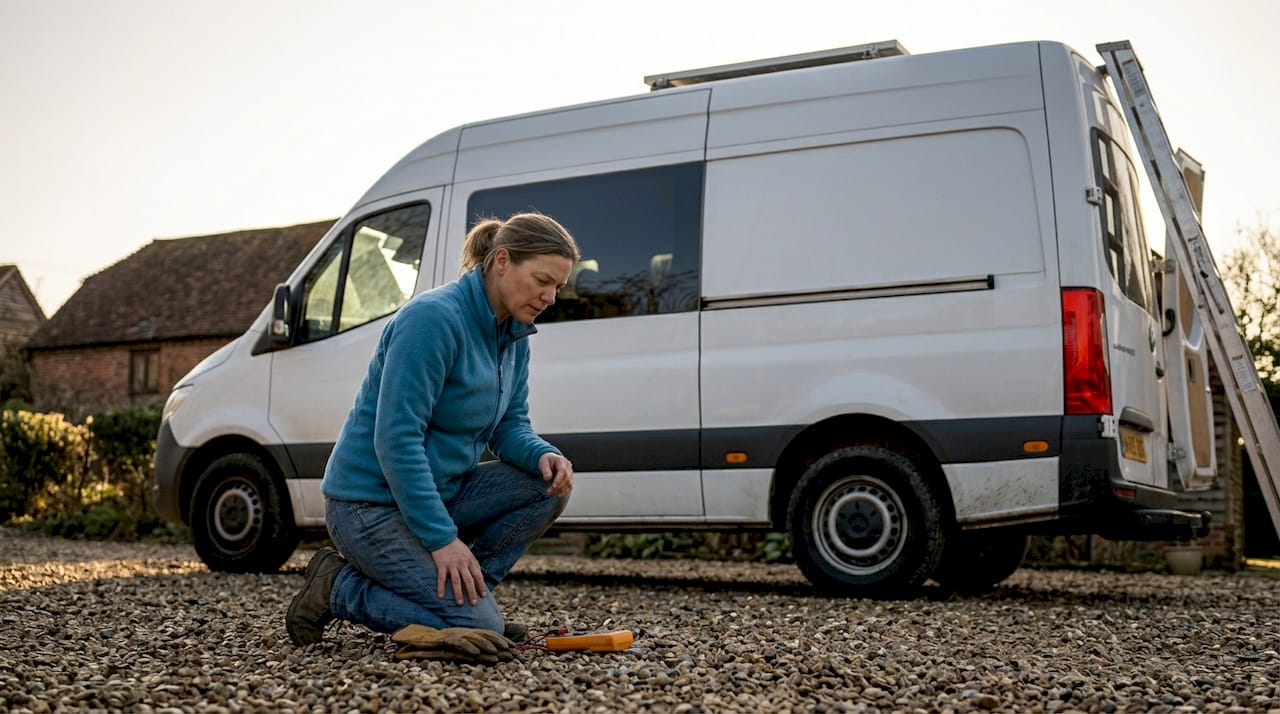
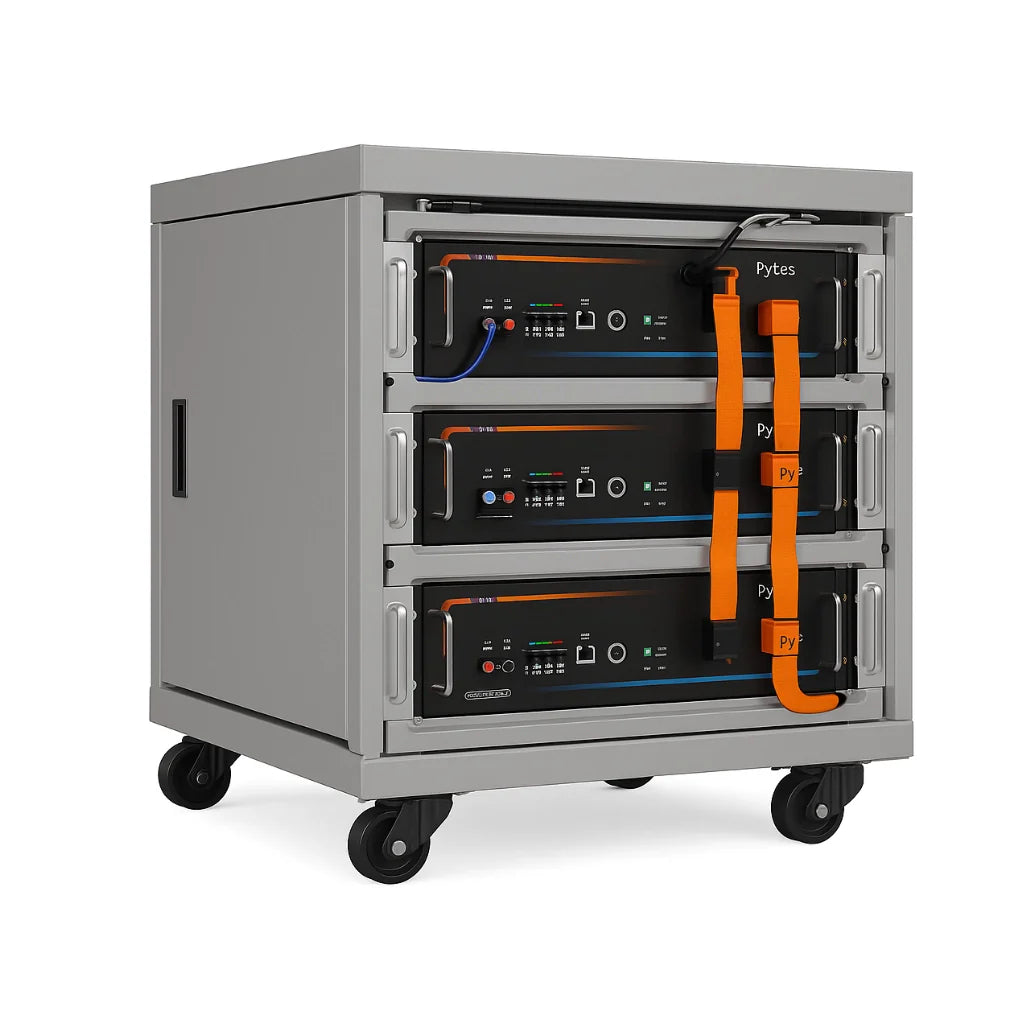
Lithium batteries are increasingly the default choice for serious van builds. They tolerate deep discharge to 80 to 90% of rated capacity, compared to just 50% for AGM, meaning a 100Ah lithium battery genuinely delivers more usable energy than a 100Ah AGM. Reviewing the full lithium vs AGM comparison helps clarify which technology fits your usage and budget. The lifetime cost data consistently favours lithium for builds where the van will be used regularly over several years.
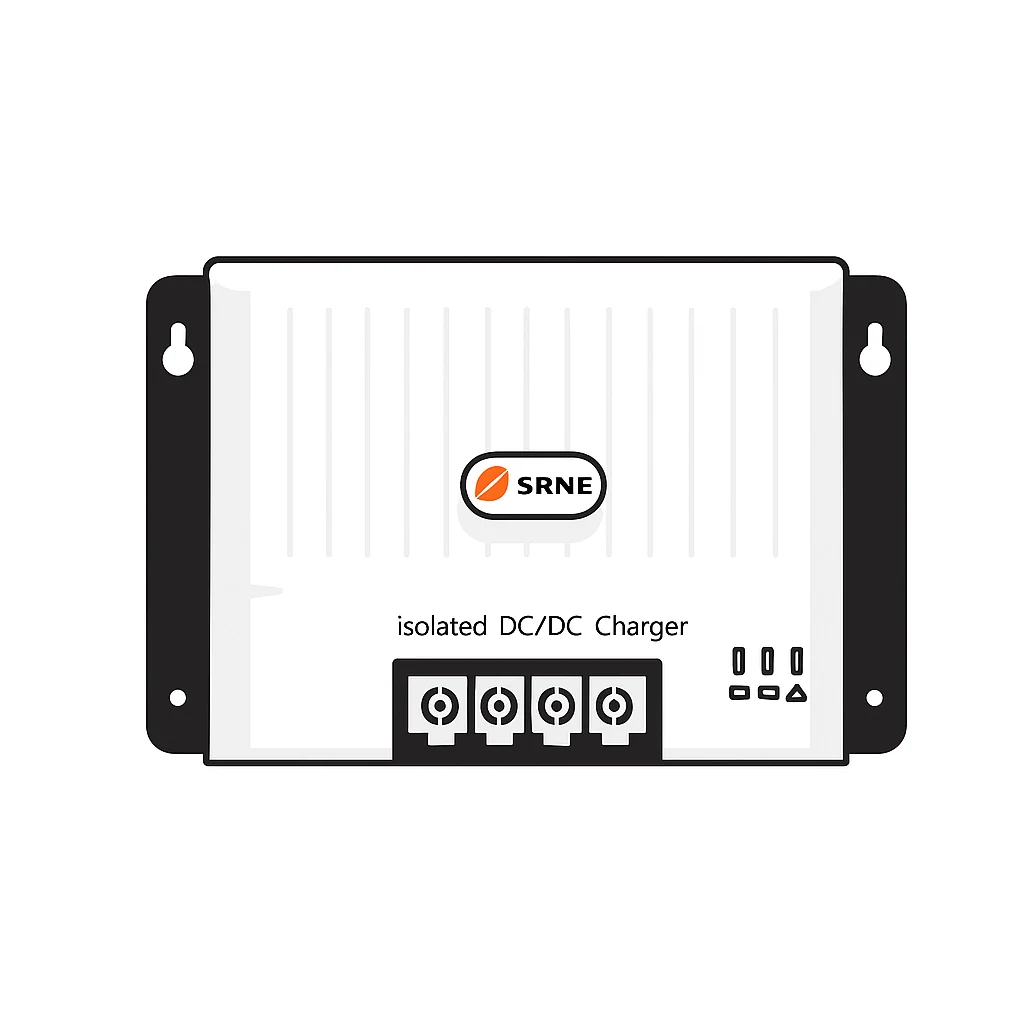
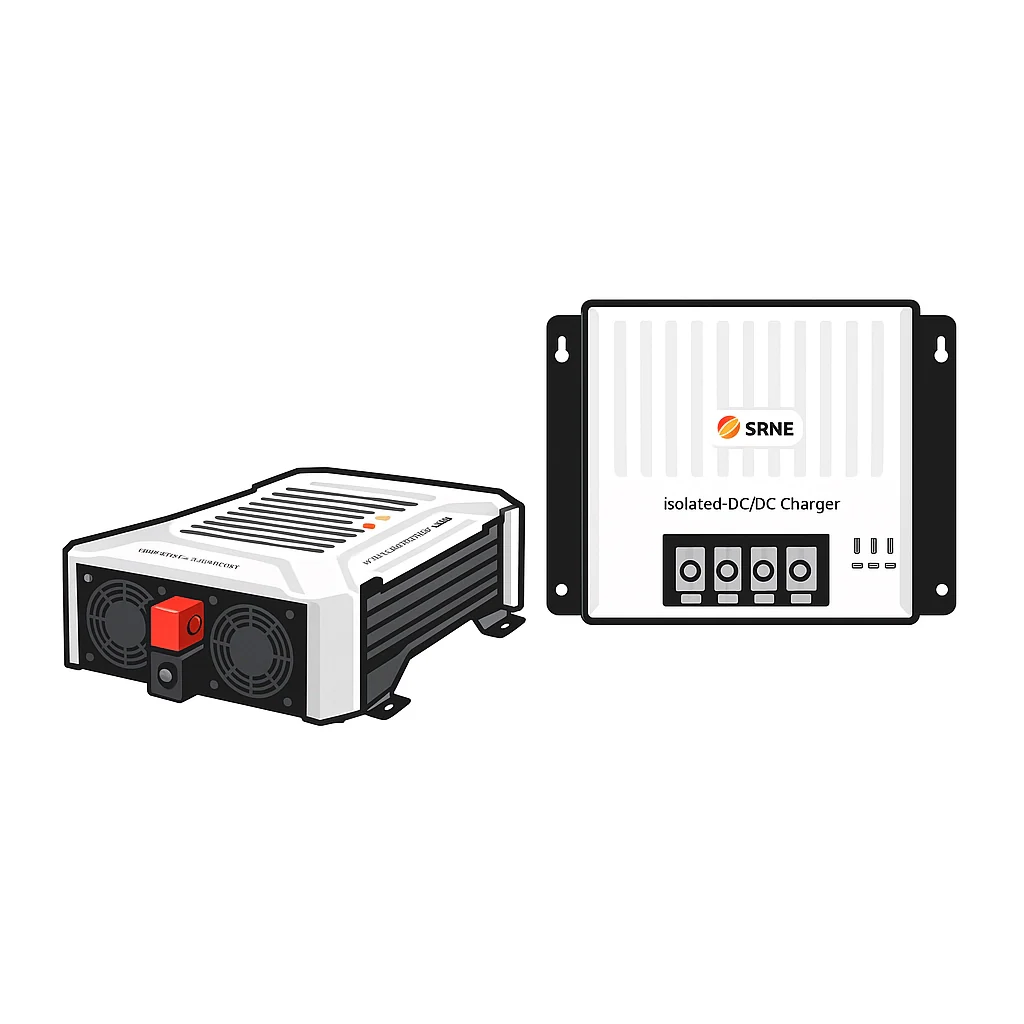
DC/DC chargers (also called B2B chargers or battery-to-battery chargers) are often underestimated. They allow your alternator to charge your leisure battery properly while driving, even with lithium chemistry, which standard split-charge relays cannot do efficiently. On driving days, a 30A DC/DC charger can add 20 to 30Ah per hour of driving, a meaningful contribution to the daily energy budget.
Pro Tip: Do not over-specify a single component at the expense of others. A 400W solar array paired with a 50Ah AGM battery is a poorly balanced system. Match your storage capacity to your panel output and daily usage simultaneously. Balanced systems that combine energy-efficient features across generation, storage, and consumption consistently outperform single-source solutions.
How to design and size your van’s energy system
Understanding the components is only part of the task. Putting them together correctly for your specific situation is where most builds either succeed or fall short. A systematic approach prevents both oversizing (wasted budget) and undersizing (unreliable system).
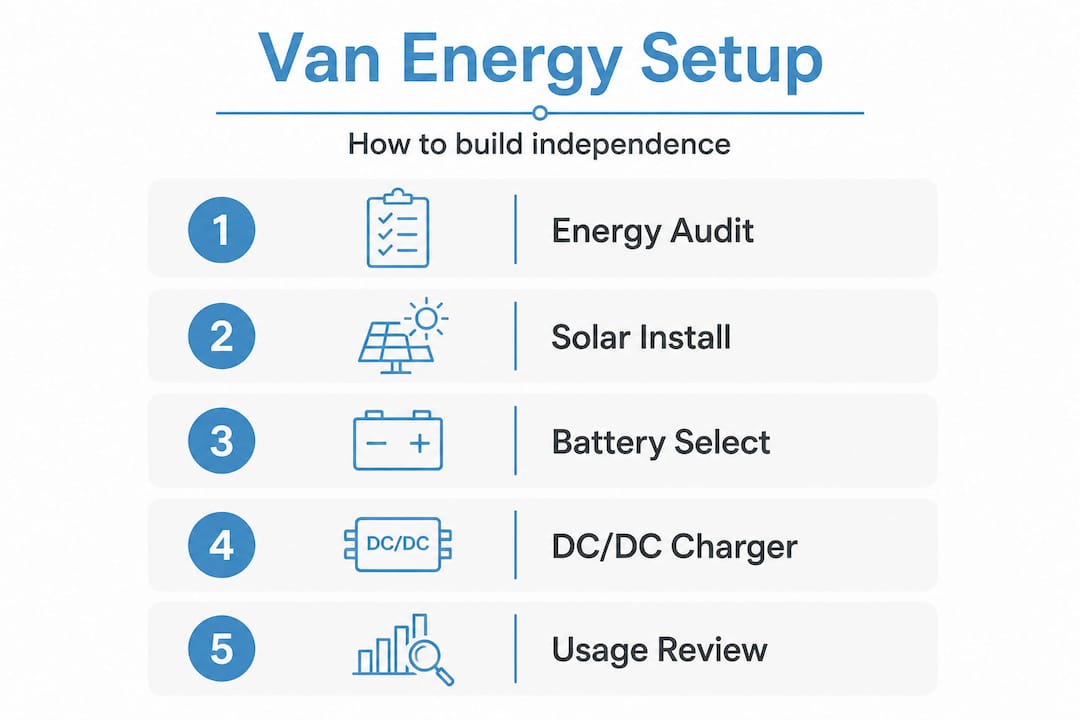
Step-by-step sizing workflow:
- List every electrical device you plan to use: fridge, lighting, laptop, phone, water pump, diesel heater fan, inverter loads, and anything else.
- Estimate daily runtime for each device in hours.
- Multiply watts by hours to get watt-hours (Wh) per device per day. Sum these for your total daily demand.
- Convert to amp-hours at your battery voltage (divide Wh by 12 for a 12V system).
- Apply a safety factor of 1.3 to 1.5 to account for inefficiencies, bad weather, and unexpected usage.
- Size your battery bank to hold at least two to three days of usage without recharging, accounting for usable capacity limits.
- Size your solar array to fully recharge the battery bank within one to two average solar days for your expected season.
- Specify your MPPT controller to handle the maximum panel output with room for expansion.
The energy system workflow guide provides a structured process for working through each of these steps for UK van setups specifically. The off-grid solar guide expands on panel sizing for different UK seasons and latitudes.
Sample daily energy budgets and recommended system sizes for UK van use:
| Daily usage profile | Est. daily demand | Recommended solar | Recommended battery |
|---|---|---|---|
| Light (lighting, phones, laptop) | 30 to 50Ah | 100 to 150W | 100Ah lithium |
| Moderate (+ 12V fridge, heating fan) | 60 to 90Ah | 200 to 300W | 150 to 200Ah lithium |
| Heavy (+ inverter appliances, multiple devices) | 100 to 150Ah | 300 to 400W | 200 to 300Ah lithium |
| Full-time winter UK use | 120 to 180Ah | 400W + DC/DC charger | 300Ah+ lithium |
UK weather is the critical variable. Peak solar hours in southern England average 4 to 5 hours per day in summer, falling to 1 to 2 hours in December. This means any system sized for summer performance will be chronically underpowered in winter without a DC/DC charger or shore power as backup. Over-specifying by 30 to 50% for summer-only planning is a practical rule.
Understanding solar power basics helps frame why panel efficiency ratings measured under Standard Test Conditions (STC) consistently deliver less than their rated output in UK real-world conditions. A 200W panel rarely produces 200W in the UK. Budget for 70 to 80% of rated output as a realistic working figure. The lifetime cost advantage of lithium chemistry becomes even clearer once you factor in the need to regularly discharge your bank deeply during winter periods.
Maximising real-world performance and avoiding pitfalls
A well-designed system still needs smart day-to-day management. Small habits and adjustments make a measurable difference to your available energy, especially across a UK winter.
Practical habits that improve energy reserves:
- Park your van facing south when stationary for extended periods to maximise panel exposure
- Charge power-hungry devices during peak solar hours (typically 10am to 2pm)
- Use a 12V fridge rather than a 3-way or compressor fridge running on an inverter
- Switch to LED lighting throughout if you have not already
- Set fridge temperature to 4 to 6°C rather than over-cooling
- Monitor battery state of charge (SoC) in real time using Bluetooth BMS (Battery Management System) tools where available
- Limit high-drain inverter use (kettles, hair dryers) to periods when the battery is above 70% SoC
Seasonal adjustments are essential for year-round reliability. In winter, plan for reduced solar input and compensate with more driving days (using your DC/DC charger), strategic campsite hookup use for top-ups, and reduced high-draw appliance use. Cold temperatures also affect battery performance. Lithium iron phosphate (LiFePO4) batteries handle cold better than many lithium variants but still suffer capacity reduction below 0°C. Store your van in sheltered spots when temperatures drop significantly.
Common pitfalls that catch van owners out:
- Underrating fridge consumption: A quality 12V compressor fridge draws 30 to 50Ah per day in a warm van, often more than owners expect
- Overestimating solar yield: UK cloud cover and low sun angles regularly cut output well below panel ratings
- Ignoring parasitic loads: Charge controllers, inverter standby, and alarm systems draw constant low-level power that accumulates overnight
- Forgetting battery BMS limits: Some cheaper lithium batteries restrict charge current in cold weather, slowing recovery significantly
- Not accounting for cable losses: Undersized wiring between panels, controller, and battery causes efficiency losses of 5 to 15%
For a broader look at portable solar panels as a supplementary option in tight-space situations, some van owners add a foldable panel for deployment at camp to boost low-sun day totals. This is a practical and cost-effective addition to a fixed-roof system.
Pro Tip: Invest in lithium from the start. The cost-per-cycle data makes the case clearly: lithium’s lower lifetime cost per cycle means that over a van’s working life, you spend less in total even accounting for the higher purchase price. Replacing AGM batteries every three to four years is expensive and disruptive. For energy storage essentials and how to specify the right capacity, reviewing practical solar setups from real UK builds gives a useful reference point.
Why true energy independence means planning beyond the gear
Most of the online discussion around van energy focuses on products. Which battery brand. Which panel wattage. Which inverter model. This is understandable because gear is concrete and buyable. But in practice, the van owners who achieve reliable year-round independence are not always the ones with the most expensive kit. They are the ones who planned honestly and kept adapting.
The pattern is consistent. A common outcome is a high-spec system that still runs low on power regularly, not because the components are wrong, but because nobody did a realistic energy audit before purchasing. Overconfidence in solar yield and underestimation of fridge draw account for a significant share of system failures in the first year of van life.
Solar battery systems for van conversions are engineered to perform well within their specifications. The gap between specification and real-world performance is almost always a planning and monitoring gap, not a technology gap.
Genuine independence requires a routine of check-ins. Review your SoC data weekly. Notice which days drain more than expected. Adjust habits when weather patterns change. This is not a “set and forget” setup. It is an actively managed system that rewards attentive owners with reliable power and punishes passive ones with flat batteries.
The best approach is to build the most realistic energy audit you can before specifying anything, add a meaningful buffer to every figure, choose lithium chemistry for the storage layer, and commit to monitoring your system consistently once it is running.
Ready to build your own energy independent van?
Whether you are starting a fresh build or upgrading an existing system, having the right components matched to your actual usage makes the difference between reliable off-grid living and frustrating shortfalls.
At Skyenergi, we supply high-performance lithium leisure batteries, SRNE turnkey energy solutions, MPPT controllers, DC/DC chargers, and Victron-compatible components, all sourced directly from manufacturers to keep costs competitive. Our range covers every budget and build type, from lightweight seasonal setups to demanding full-time winter systems. Products with integrated Bluetooth BMS monitoring let you track performance in real time, supporting the active management approach that makes off-grid systems genuinely reliable. Explore the full range at skyenergi.com and build your system with confidence.
Frequently asked questions
How much solar do I need for energy independence in a UK van?
Most campers need 200W to 300W solar panels and 100 to 200Ah of battery storage as a minimum for year-round off-grid use, with winter conditions requiring the upper end of both ranges. Pairing solar with a DC/DC charger significantly improves winter reliability.
Are lithium batteries worth the investment for campervan energy storage?
Yes. Lithium batteries cost more upfront but deliver a lower cost per cycle over their lifespan compared to AGM, making them the more economical choice for regular van use over three or more years.
What is the biggest mistake van owners make when going off-grid?
Underestimating energy demand combined with overestimating UK solar yield. Following a structured sizing workflow before purchasing any components prevents the most common and costly errors in system design.
Do I need more than solar panels to be energy independent?
Yes. For genuine reliability, solar energy storage must be combined with battery storage, alternator-based DC/DC charging, and efficient daily usage habits. Solar alone cannot cover extended low-light periods without adequate battery capacity behind it.
Can I upgrade to lithium batteries in an older van?
Yes, but compatibility with your existing charging system and wiring needs to be verified first. Older split-charge relay systems are not well-suited to lithium chemistry and may need replacing with a proper DC/DC charger and updated cable sizing before the upgrade delivers reliable results.
Recommended
Prev post

Top battery setup tips for reliable motorhome power
Updated on 23 September 2026
Next post

Campervan Lithium Battery Size Guide: 2026 UK Sizing
Updated on 22 September 2026


