





Solar Energy Storage: Independence for Campervans
Solar energy storage offers UK campervan owners off-grid independence. Discover battery types, system integration, real-time monitoring, and common pitfalls.
Finding reliable solar energy storage is vital for British campervan owners facing unpredictable weather and limited campground facilities. With over 60 percent of UK van travellers reporting off-grid power failures each summer, understanding efficient battery systems is more important than ever. This guide breaks down the fundamentals of solar energy storage, explaining how modern solutions help British van enthusiasts gain true energy independence while confidently monitoring battery performance throughout their adventures.
Table of Contents
- Solar Energy Storage Fundamentals Explained
- Types of Storage Used in Campervans
- How Solar Battery Systems Work
- Benefits and Challenges Off-Grid
- Monitoring, Costs, and Common Pitfalls
Key Takeaways
| Point | Details |
|---|---|
| Energy Independence | Solar energy storage enables campervan owners to generate and manage their own power, reducing reliance on external sources. |
| Battery Selection | Choosing between lead-acid and lithium batteries is crucial, as lithium offers better longevity and performance despite a higher initial cost. |
| System Monitoring | Implementing advanced monitoring systems can help optimise energy usage and prolong equipment lifespan. |
| Planning and Design | A thorough energy audit is essential for designing an effective solar system that meets your campervan’s specific power needs. |
Solar Energy Storage Fundamentals Explained
Solar energy storage represents a critical technology enabling campervan owners to achieve true power independence and reliability while travelling. Electrical energy storage systems provide essential capabilities for transforming intermittent solar generation into consistent, manageable power sources for off-grid adventures.
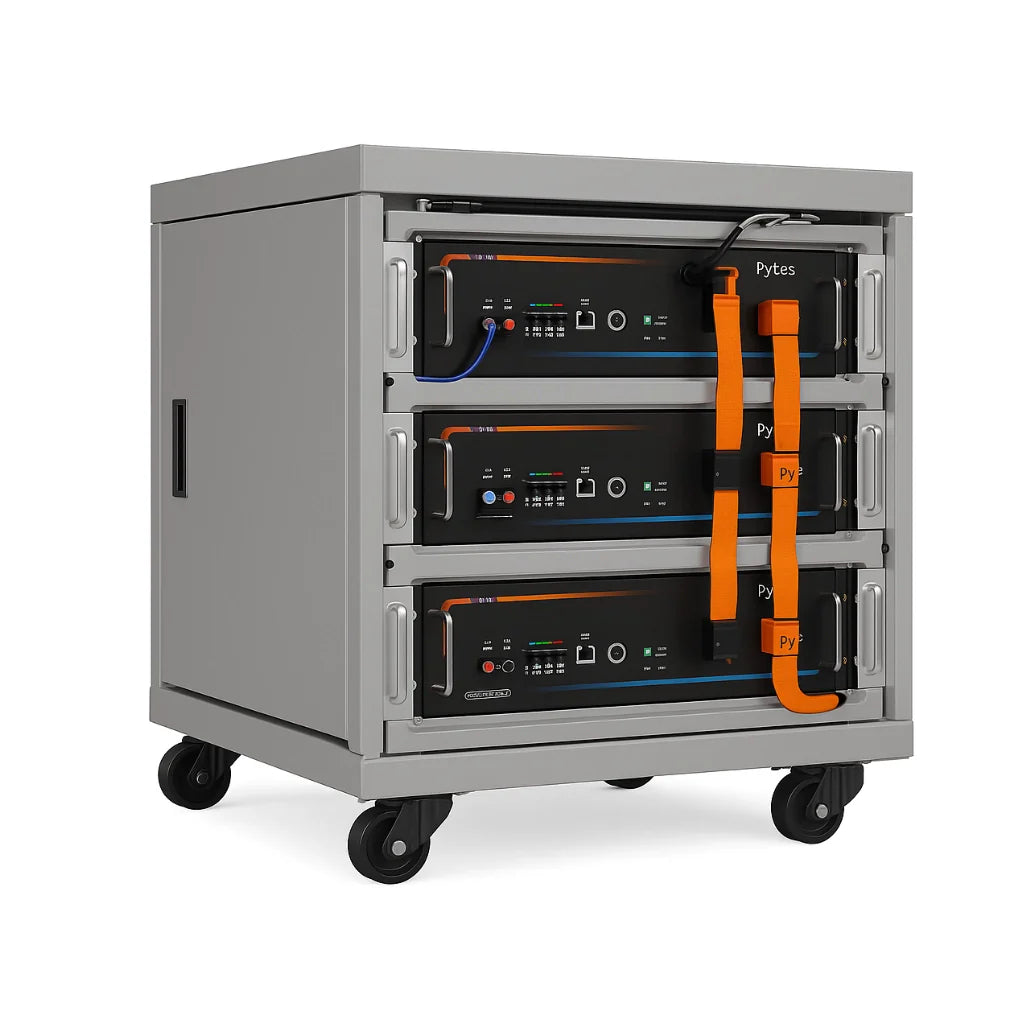
The fundamental principle behind solar energy storage involves capturing electrical energy produced by photovoltaic panels and storing it within specialised battery systems. These batteries - typically lithium-based for campervans - convert and retain solar-generated electricity, allowing users to power essential equipment like refrigerators, lighting, communication devices, and entertainment systems during periods without direct sunlight. Modern storage solutions incorporate sophisticated battery management systems that monitor charge levels, prevent overcharging, and optimise energy distribution.
Key components in an effective campervan solar storage setup include high-capacity lithium batteries, charge controllers, inverters, and monitoring systems. Technical requirements for solar storage emphasise the importance of matching battery capacity with expected energy consumption, considering factors like total wattage requirements, charging frequency, and anticipated usage patterns. Advanced systems now integrate Bluetooth monitoring capabilities, enabling real-time performance tracking and system diagnostics.
Pro tip: Invest in a battery management system with remote monitoring capabilities to track your campervan’s energy performance and prevent unexpected power failures during your travels.
Types of Storage Used in Campervans
Campervan energy storage systems primarily utilise two critical battery technologies: lead-acid and lithium batteries. Creative campervan storage solutions extend beyond physical compartments to include sophisticated electrical storage configurations that maximise power efficiency and reliability.
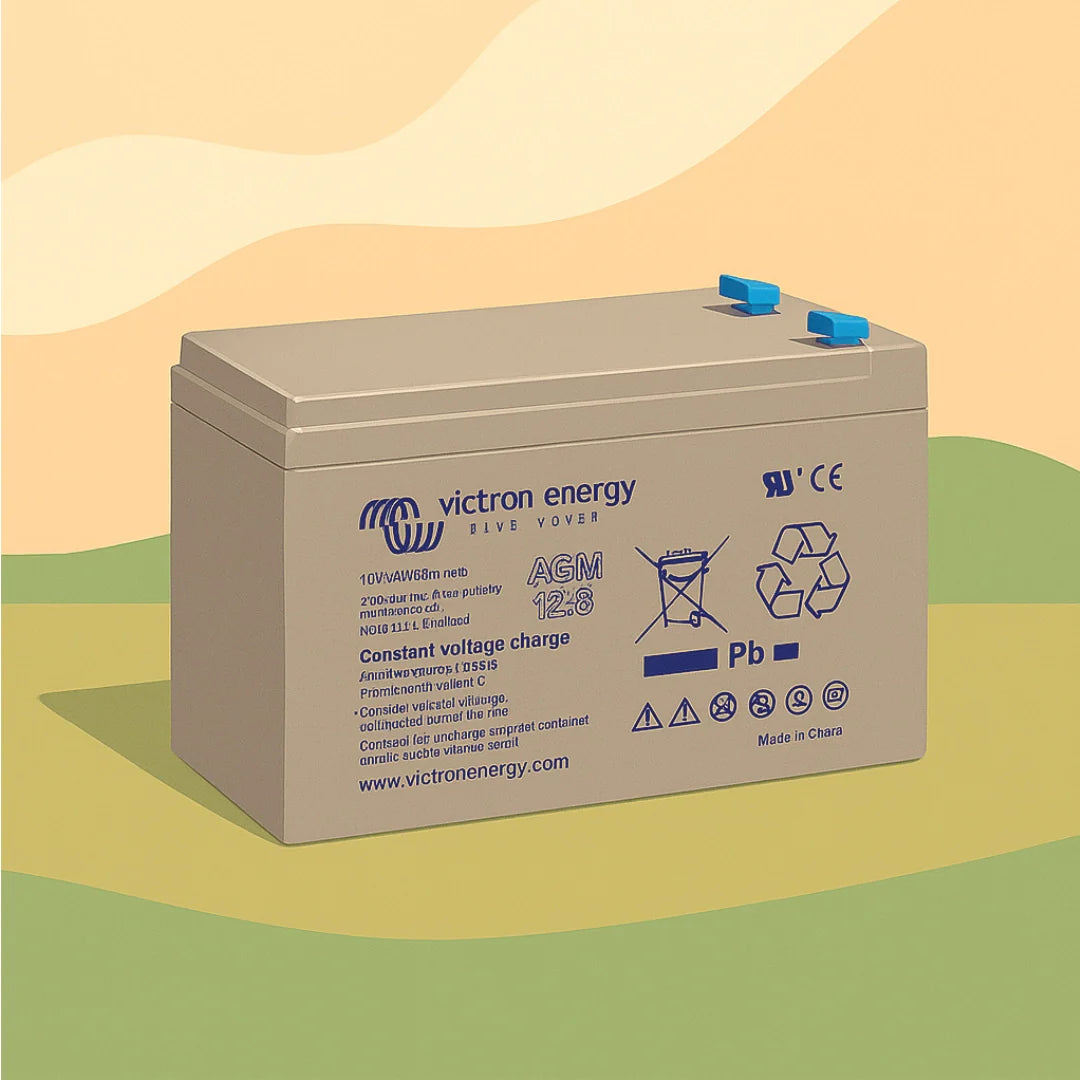
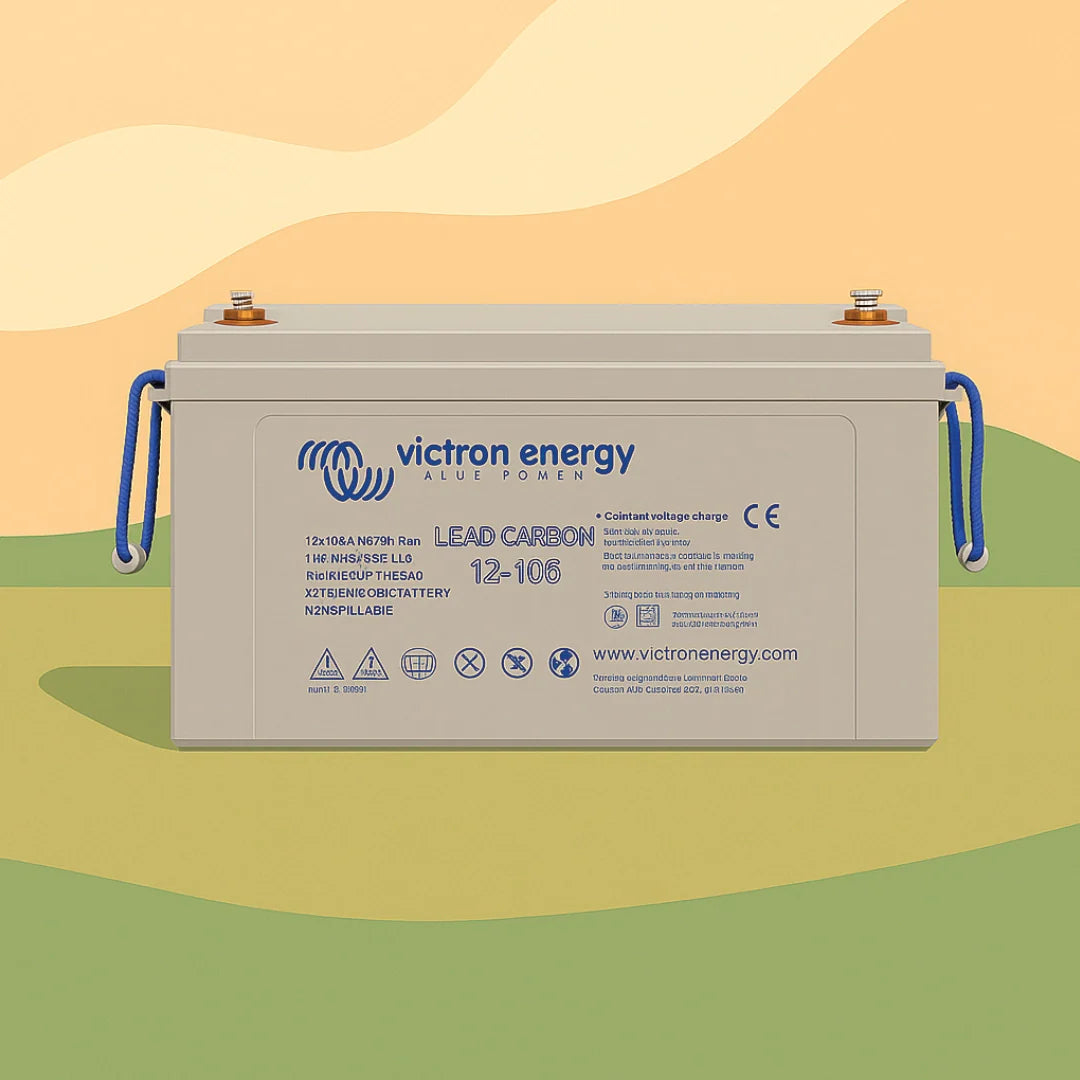
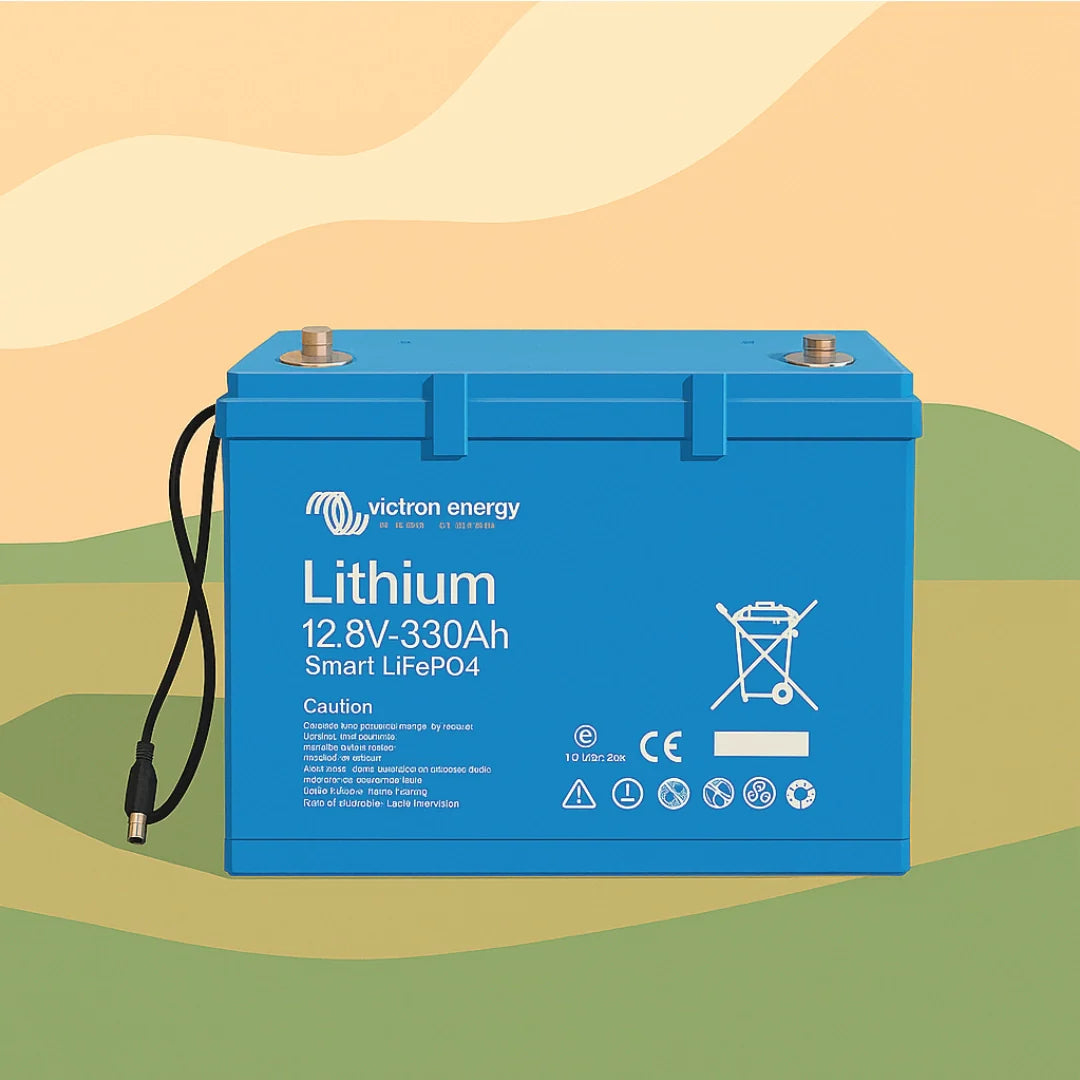
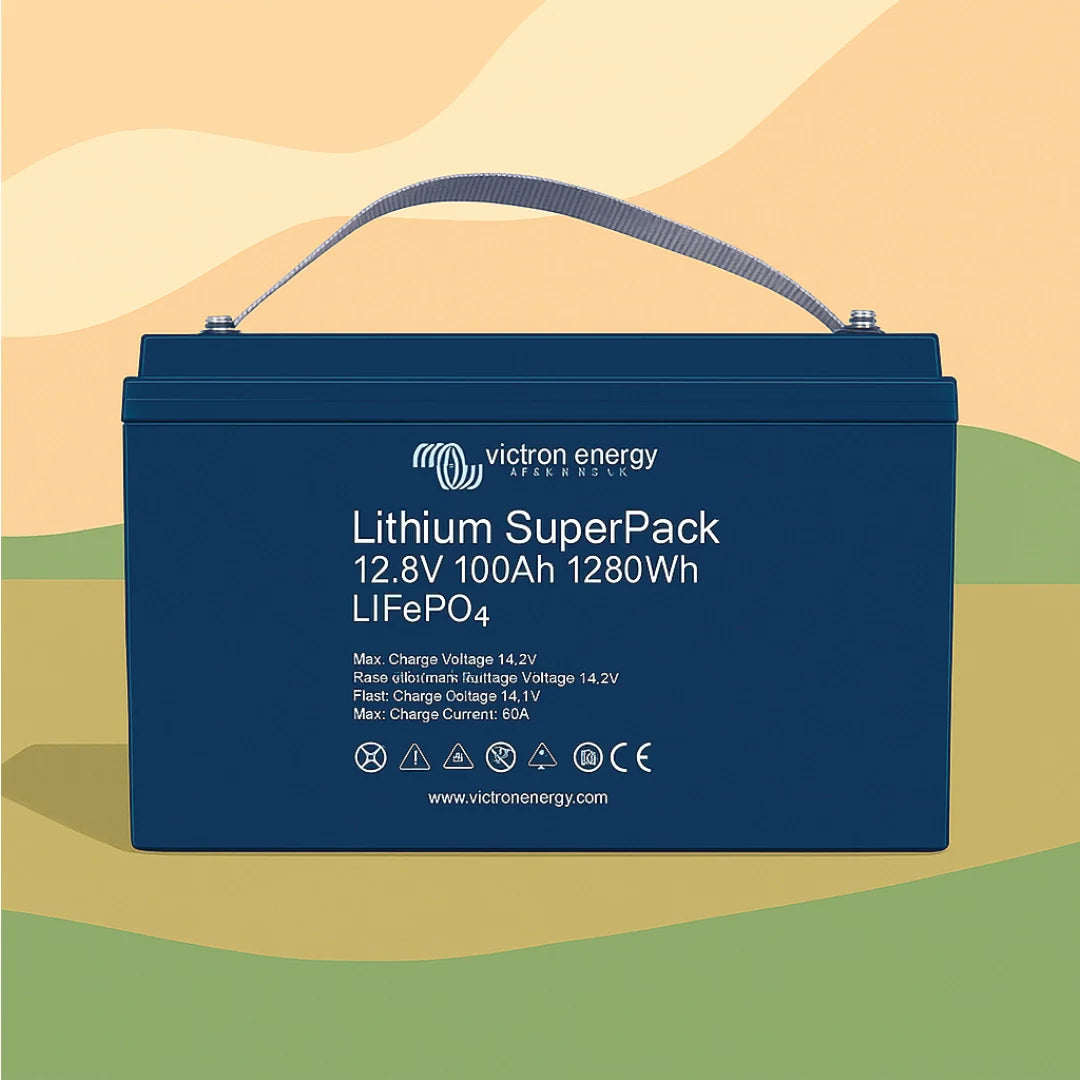
Lead-acid batteries, traditionally used in campervans, are more affordable but heavier and have shorter lifespans. In contrast, lithium batteries offer superior performance characteristics, including significantly lighter weight, faster charging times, deeper discharge capabilities, and substantially longer operational lifecycles. Lithium vs AGM battery technologies represent a critical consideration for campervan owners seeking optimal energy storage solutions.
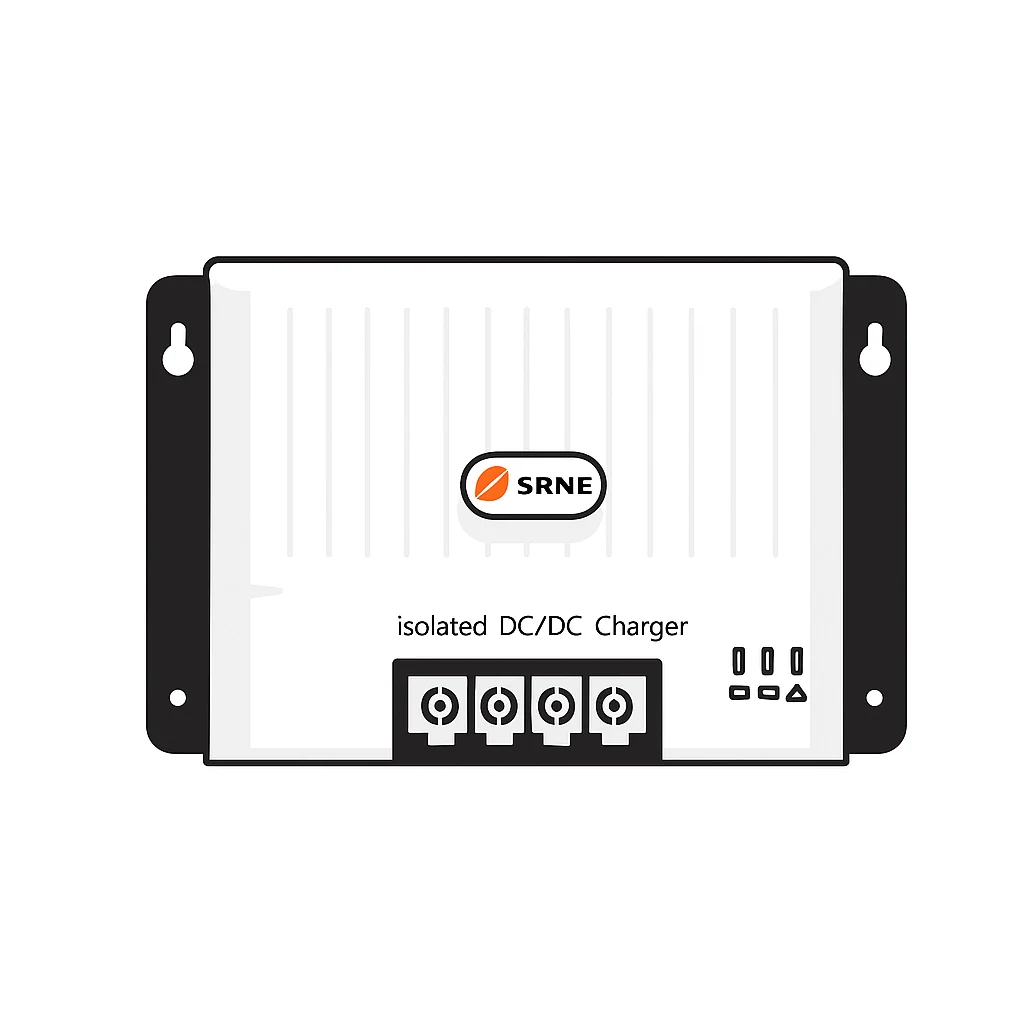
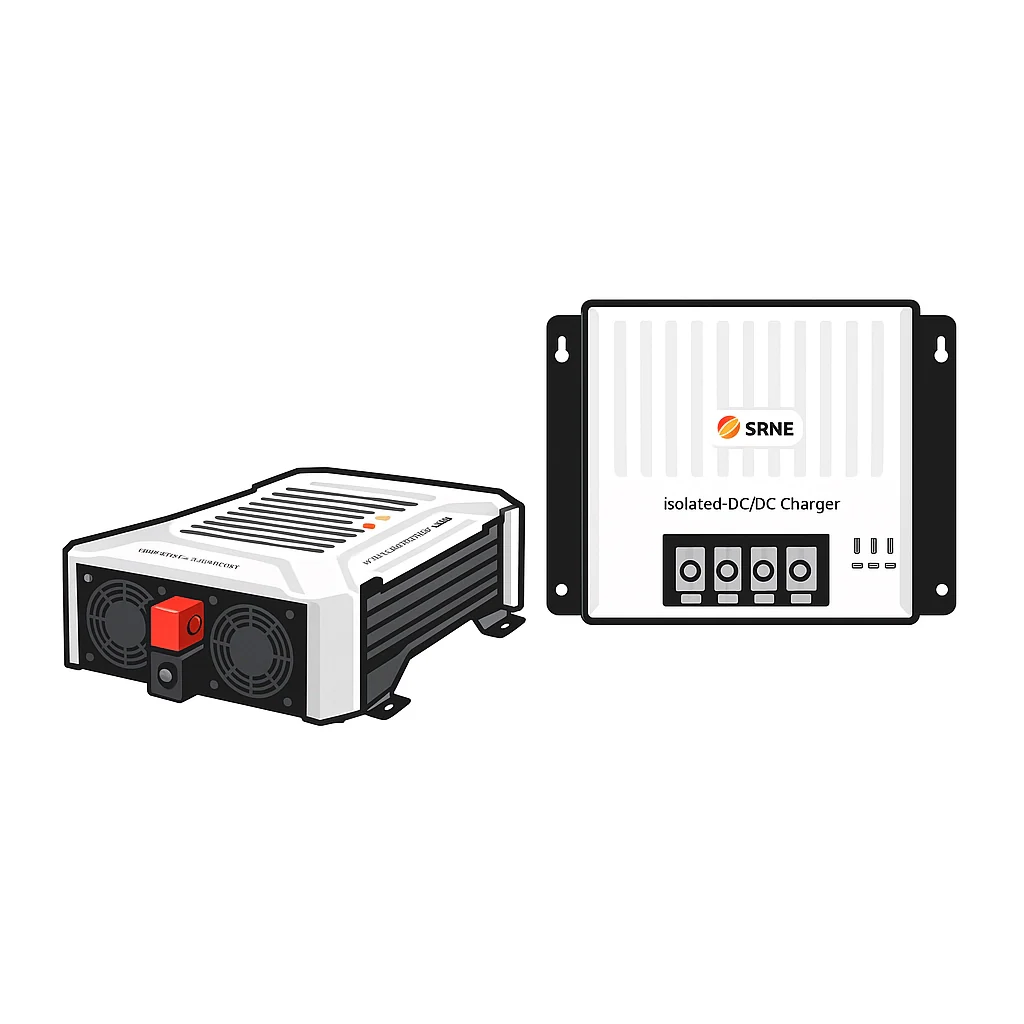
Modern campervan energy storage systems integrate multiple components to create comprehensive power management setups. These typically include deep-cycle batteries, maximum power point tracking (MPPT) charge controllers, battery management systems, and inverters. Each component plays a crucial role in converting, storing, and distributing solar-generated electricity, ensuring reliable power supply for essential van life equipment like refrigeration, lighting, communication devices, and entertainment systems.
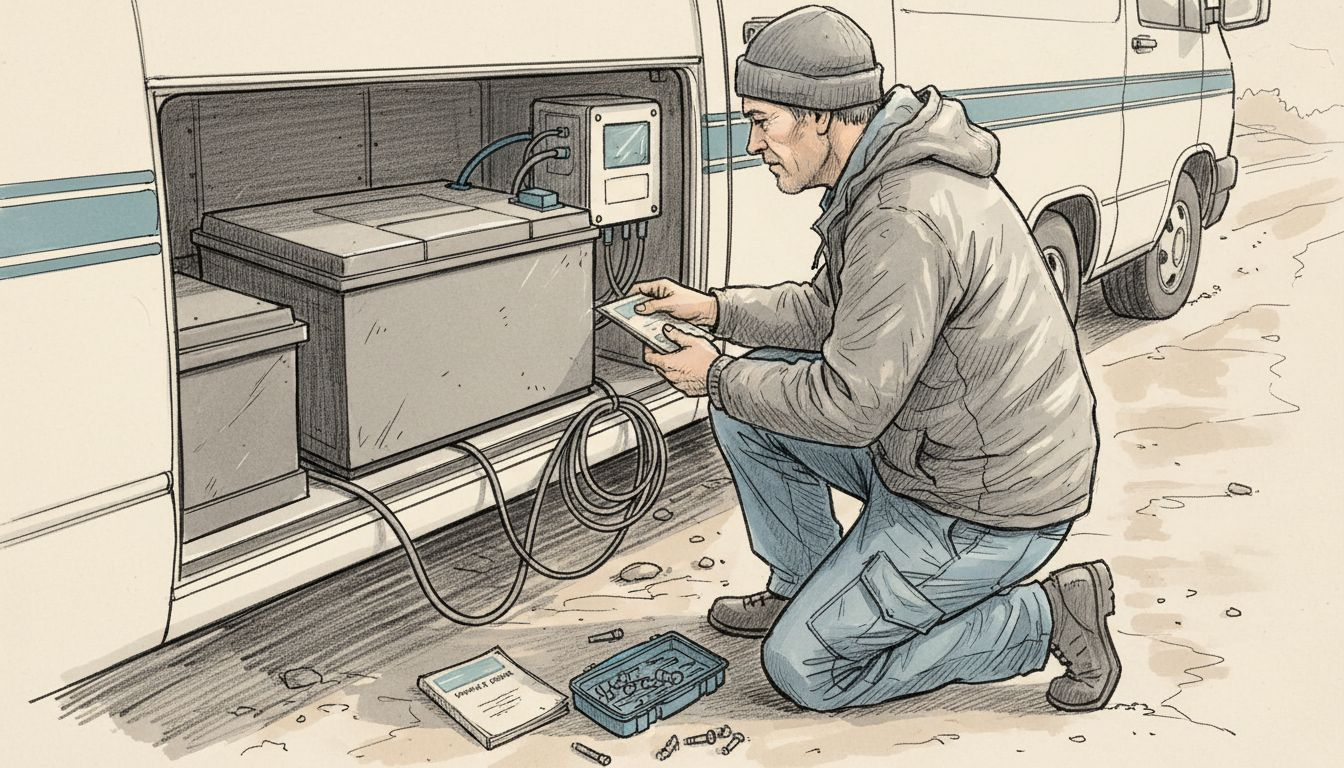
The following table summarises core components and their roles in a campervan solar power system:
| Component | Primary Function | Impact on System |
|---|---|---|
| MPPT Charge Controller | Regulates solar input | Increases charging efficiency |
| Deep-cycle Battery | Stores solar energy | Enables night-time usage |
| Inverter | Converts DC to AC | Powers household devices |
| Battery Management System | Oversees battery health | Prevents damage, boosts lifespan |
| Monitoring System | Tracks power use | Improves reliability and planning |
Here is a comparison of lead-acid and lithium batteries commonly used in campervans:
| Attribute | Lead-acid Battery | Lithium Battery |
|---|---|---|
| Weight | Heavy, reduces payload | Lightweight, maximises storage |
| Lifespan | 2-4 years typical use | 8-10 years typical use |
| Charging Speed | Slow, hours required | Rapid, charges in half the time |
| Discharge Depth | Limited, around 50% | Deep, up to 90% safely |
| Initial Cost | Low, budget-friendly | High, long-term savings |
| Maintenance | Requires regular checks | Minimal maintenance needed |
| Performance in Cold | Declines significantly | Remains stable |
| Environmental Impact | Recyclable but less efficient | Lower emissions over lifecycle |
Pro tip: Select a battery system that matches your specific energy consumption requirements, considering factors like total power needs, charging frequency, and anticipated usage patterns during your campervan adventures.
How Solar Battery Systems Work
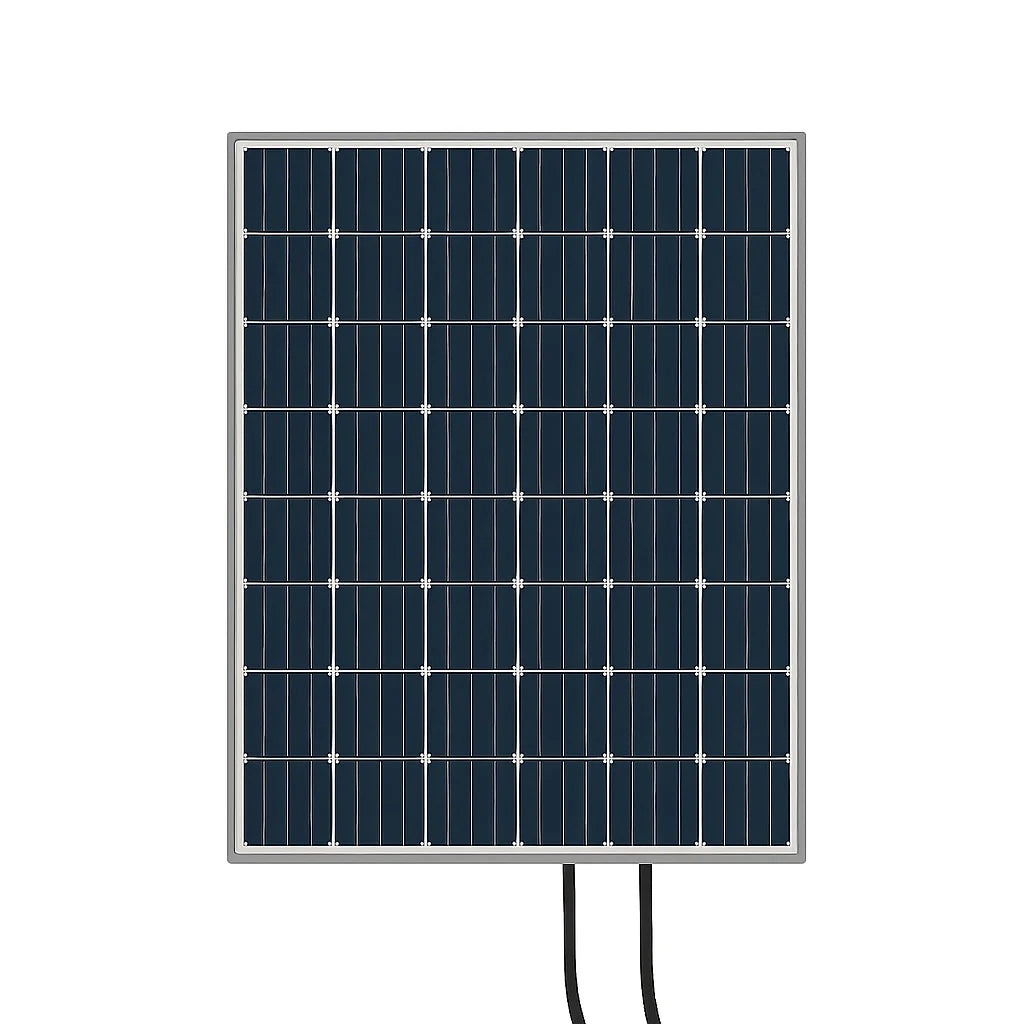
Solar battery systems in campervans function through a sophisticated process of energy capture, conversion, and storage. The system begins with solar panels generating direct current (DC) electricity during daylight hours, which is then routed through a charge controller to manage the incoming electrical flow and protect the battery from overcharging.
The core mechanism involves converting DC electricity into alternating current (AC) using an inverter, allowing the stored energy to power standard electrical appliances in the campervan. Battery management systems play a crucial role in this process, intelligently monitoring charge levels, regulating discharge rates, and ensuring optimal battery performance and longevity. Intelligent battery storage technologies enable campervan owners to maximise energy efficiency by storing excess power generated during peak sunlight hours for use during periods of low solar generation.
Modern solar battery systems incorporate advanced features like real-time performance monitoring, temperature compensation, and adaptive charging algorithms. These technologies help prevent common issues such as battery degradation, overheating, and inefficient power usage. Lithium batteries, in particular, offer superior performance with their ability to handle deeper discharge cycles, faster charging times, and more consistent power output compared to traditional lead-acid batteries.
Pro tip: Invest in a solar battery system with integrated Bluetooth monitoring to track your energy consumption and battery health in real-time, helping you optimise your campervan’s power management during extended trips.
Benefits and Challenges Off-Grid
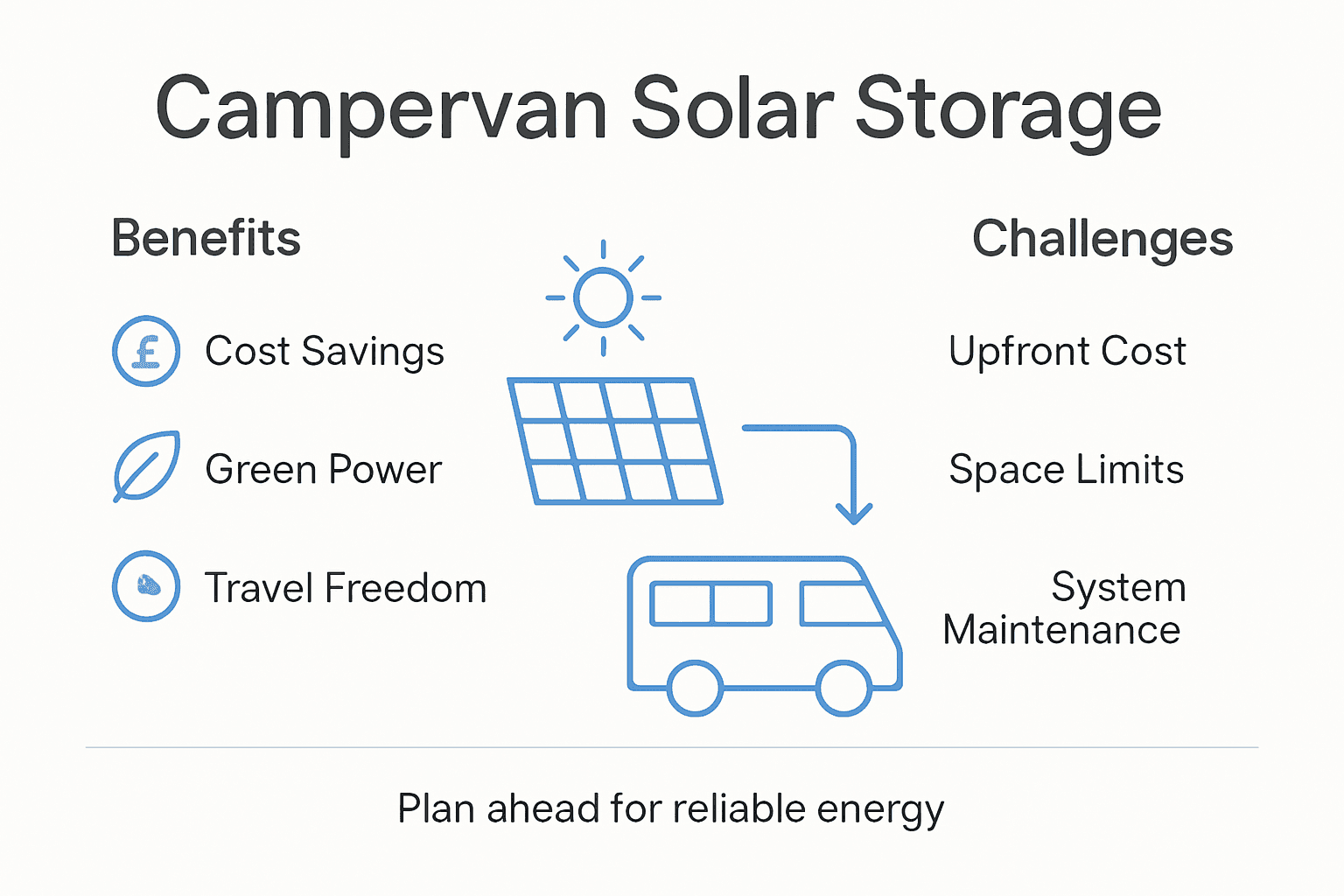
Off-grid solar energy systems for campervans represent a transformative approach to power independence, offering remarkable freedom for adventure enthusiasts. These systems enable campervan owners to generate and store their own electricity, completely detaching from traditional power infrastructure and reducing reliance on external charging points or electrical hookups.
The primary benefits of off-grid solar energy include significant cost savings, environmental sustainability, and unprecedented travel flexibility. Campervan owners gain the ability to operate electrical systems in remote locations, from mountain landscapes to coastal regions, without worrying about access to conventional power sources. Energy independence means being able to run refrigeration, lighting, communication devices, and entertainment systems entirely from solar-generated electricity, dramatically expanding potential travel destinations.
However, decarbonising off-grid power systems is not without challenges. High initial installation costs, the need for sophisticated battery management, and managing variable solar generation during inconsistent weather conditions represent significant considerations. Campervan owners must carefully design their solar energy systems, accounting for factors like battery capacity, charging efficiency, and backup power strategies to ensure reliable performance across diverse environmental conditions.
Pro tip: Conduct a comprehensive energy audit of your campervan’s electrical requirements before investing in an off-grid solar system, calculating precise power consumption to select the most appropriate battery storage and solar panel configuration.
Monitoring, Costs, and Common Pitfalls
Solar panel installations for campervans require meticulous planning and financial consideration. The initial investment typically ranges from £500 to £3,000, depending on system complexity, battery capacity, and panel efficiency. Campervan owners must carefully balance upfront costs against long-term energy savings and performance expectations.
Effective energy monitoring represents a critical aspect of successful solar setups. Modern systems incorporate sophisticated Bluetooth-enabled battery management technologies that provide real-time insights into power generation, consumption, and storage levels. These intelligent monitoring platforms help users track battery health, identify potential inefficiencies, and optimise charging strategies, ultimately extending the lifespan of expensive solar equipment.
Common pitfalls in campervan solar energy systems include underestimating power requirements, selecting inappropriate battery technologies, and failing to account for seasonal variations in solar generation. British weather presents unique challenges, with reduced sunlight during autumn and winter months potentially compromising energy production. Campervan owners must design robust systems that incorporate backup charging methods, sufficient battery storage capacity, and adaptive charging algorithms to maintain consistent power reliability across diverse environmental conditions.
Pro tip: Invest in a solar system with comprehensive monitoring capabilities and consider purchasing additional portable charging options to mitigate potential energy generation shortfalls during extended trips.
Unlock True Power Independence for Your Campervan with Skyenergi
The article highlights common challenges faced by campervan owners seeking reliable solar energy storage solutions such as managing battery capacity, optimising charge control, and ensuring consistent power during off-grid adventures. If you want to overcome issues like short battery lifespans, slow charging speeds, or lack of real-time system monitoring, Skyenergi offers expertly engineered lithium battery systems with intelligent battery management featuring Bluetooth tracking. These systems provide lightweight, rapid charging, and deep discharge benefits tailored to your exact energy needs.
Discover how our comprehensive off-grid power solutions can transform your campervan experience by delivering dependable, expandable energy storage designed specifically for travel freedom. Visit Skyenergi today to explore high-performance products and integrate cutting-edge solar battery technology that ensures you never worry about power failures on the road. Take control of your energy future now by choosing reliable systems backed by careful design and UK expertise.
Explore our lithium battery options and solar accessories by visiting Skyenergi’s main site to start your journey towards energy independence.
Frequently Asked Questions
What types of batteries are best for solar energy storage in campervans?
Lithium batteries are generally preferred for solar energy storage in campervans due to their lightweight, faster charging times, deeper discharge capabilities, and longer lifespan compared to traditional lead-acid batteries.
How do solar battery systems work in campervans?
Solar battery systems work by capturing energy from solar panels, converting it from direct current (DC) to alternating current (AC) using an inverter, and storing it in batteries for later use. Battery management systems help monitor charge levels and optimise performance.
What are the benefits of using off-grid solar energy systems in campervans?
Off-grid solar energy systems provide significant cost savings, environmental sustainability, and flexibility for travelling to remote locations without relying on conventional power sources. They allow complete power independence for essential appliances like refrigeration and lighting.
What are common pitfalls when setting up solar energy systems in campervans?
Common pitfalls include underestimating power requirements, selecting inappropriate battery types, and not accounting for seasonal variations in solar generation. It’s important to ensure robust system design, sufficient storage capacity, and backup power strategies.
Recommended
- The Advantages and Disadvantages of Van Life – Skyenergi
- The UK Campervan and Motorhome Industry: Trends, Statistics from the Last Three Years – Skyenergi
- Two Electric Solutions for Campervan Converters. – Skyenergi
- Camper Van Kit - Solar Power & Electrics System - 1600VA Inverter/Char – Skyenergi
- 7 anschauliche Beispiele für Autobatterien erklärt - accu.blog
Prev post

Marine Battery Systems Explained: Powering Off-Grid Adventures
Updated on 02 January 2026
Next post

Lithium Battery Storage – Powering Off-Grid Adventures
Updated on 31 December 2025


