





What Is Energy Storage for Campervans?
What is energy storage? Learn the essentials, main technologies, and how lithium batteries enable energy independence for UK campervans and motorhomes.
Owning a campervan in the United Kingdom means chasing the freedom of off-grid travel, but unreliable power can turn any adventure into a challenge. Dependable energy storage is the backbone of comfortable, independent van life—letting you keep your devices charged, run appliances, and even power heating while miles from the nearest hookup. Advancements in lithium battery systems now deliver energy independence and real-time performance monitoring, so you can confidently explore without worrying about losing power.
Table of Contents
- Defining Energy Storage For Off-Grid Living
- Key Types Of Energy Storage Technologies
- How Lithium Batteries Store And Deliver Power
- Real-World Benefits For Campervan Owners
- Risks, Costs, And Common Mistakes To Avoid
Key Takeaways
| Point | Details |
|---|---|
| Energy Independence | Campervan energy storage systems enable reliable power generation, facilitating off-grid living without external hookups. |
| Lithium vs Lead-Acid | Lithium batteries are now the preferred option due to their higher energy density, longer lifespan, and faster charging capabilities compared to traditional lead-acid batteries. |
| Battery Management Systems | Advanced BMS are essential for monitoring and protecting batteries, ensuring optimal performance and safety during travel. |
| Cost Considerations | Assess the total cost of ownership, including maintenance and longevity, to make informed decisions about energy storage investments. |
Defining Energy Storage for Off-Grid Living
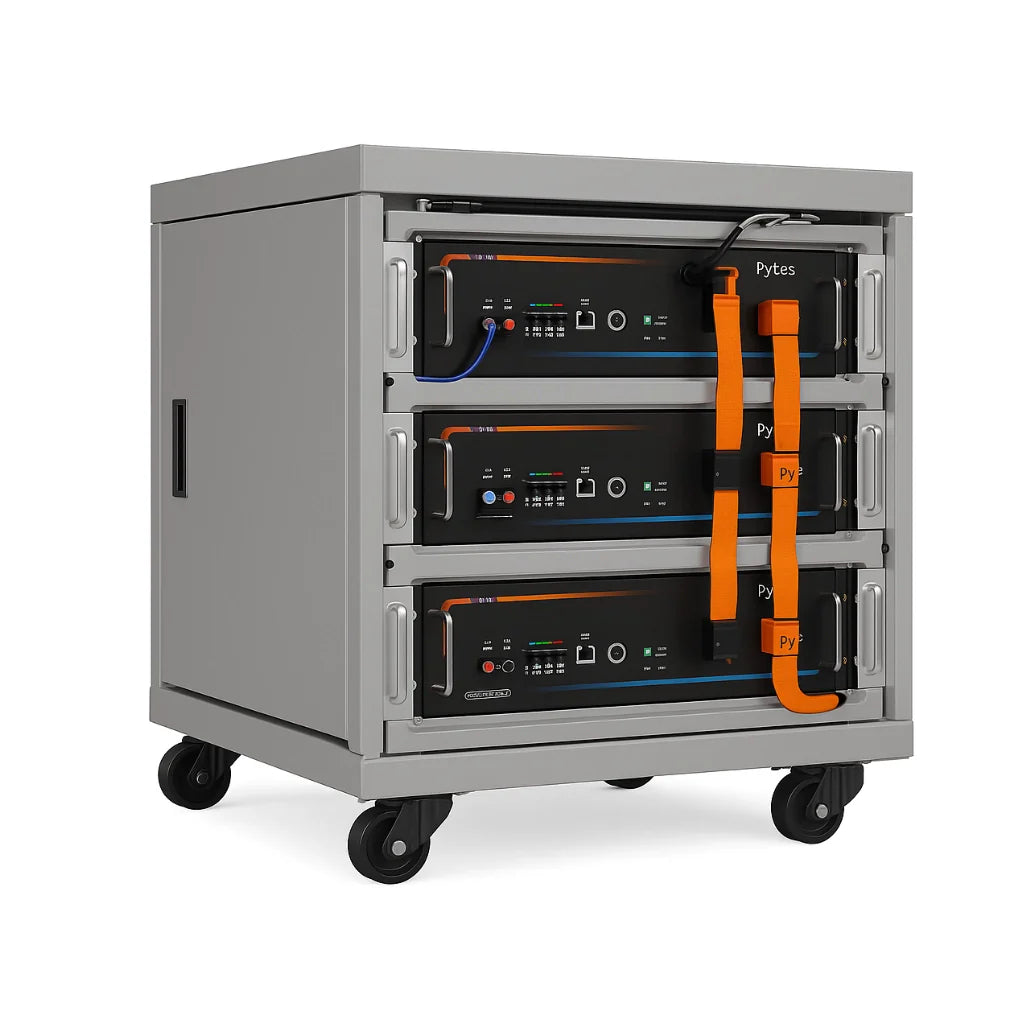
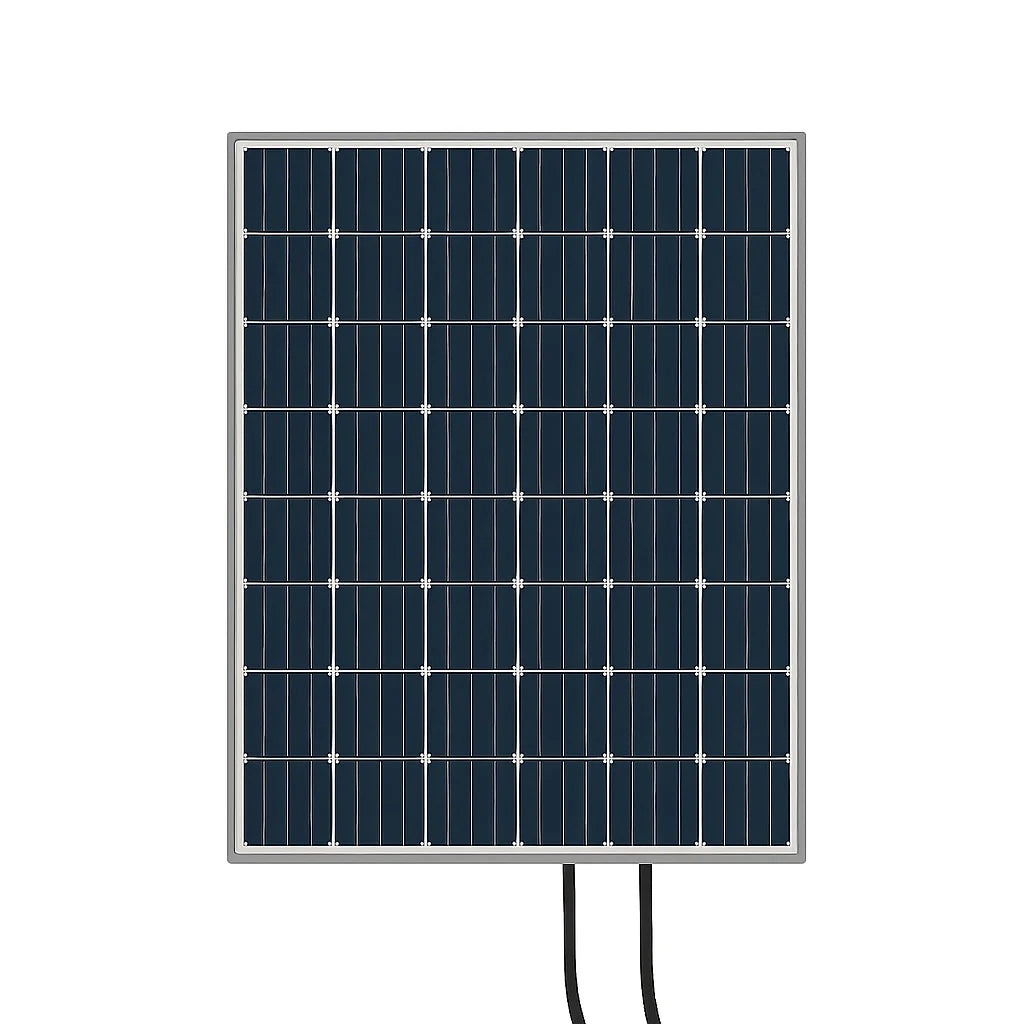
Energy storage for campervans represents a sophisticated power management system enabling independent electrical generation and consumption while travelling. At its core, this technology allows campervan owners to store electrical energy generated from sources like solar panels or alternator charging, providing consistent power for appliances, lighting, and electronic devices without relying on external electrical hookups.
The fundamental concept involves transforming electrical energy into a storable format, primarily through battery systems designed specifically for mobile environments. Modern campervan energy storage solutions utilise advanced lithium-based technologies that offer superior performance compared to traditional lead-acid batteries. These systems enable long duration energy storage capabilities which are crucial for maintaining electrical independence during extended off-grid adventures.
Campervan energy storage systems typically include several key components working together to manage power effectively:
- Battery bank (primary energy storage)
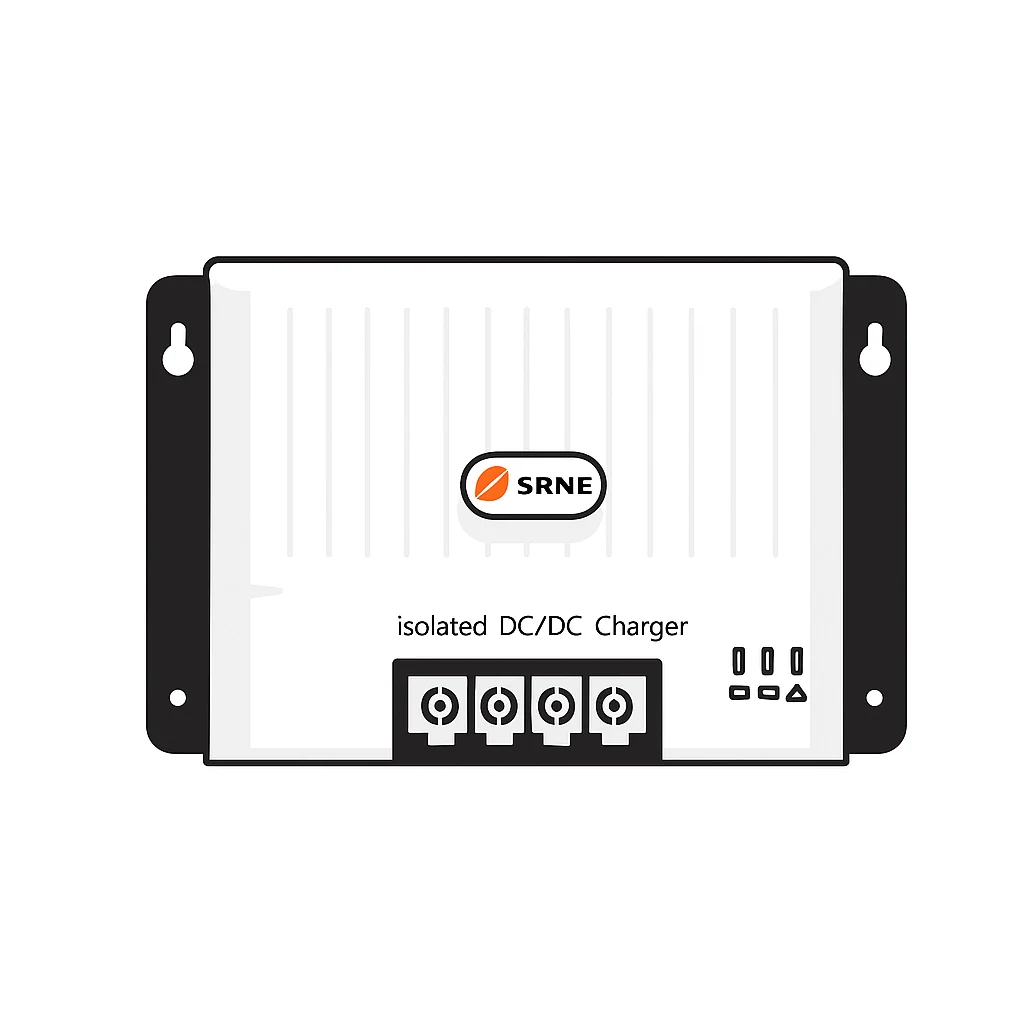
- Charge controllers
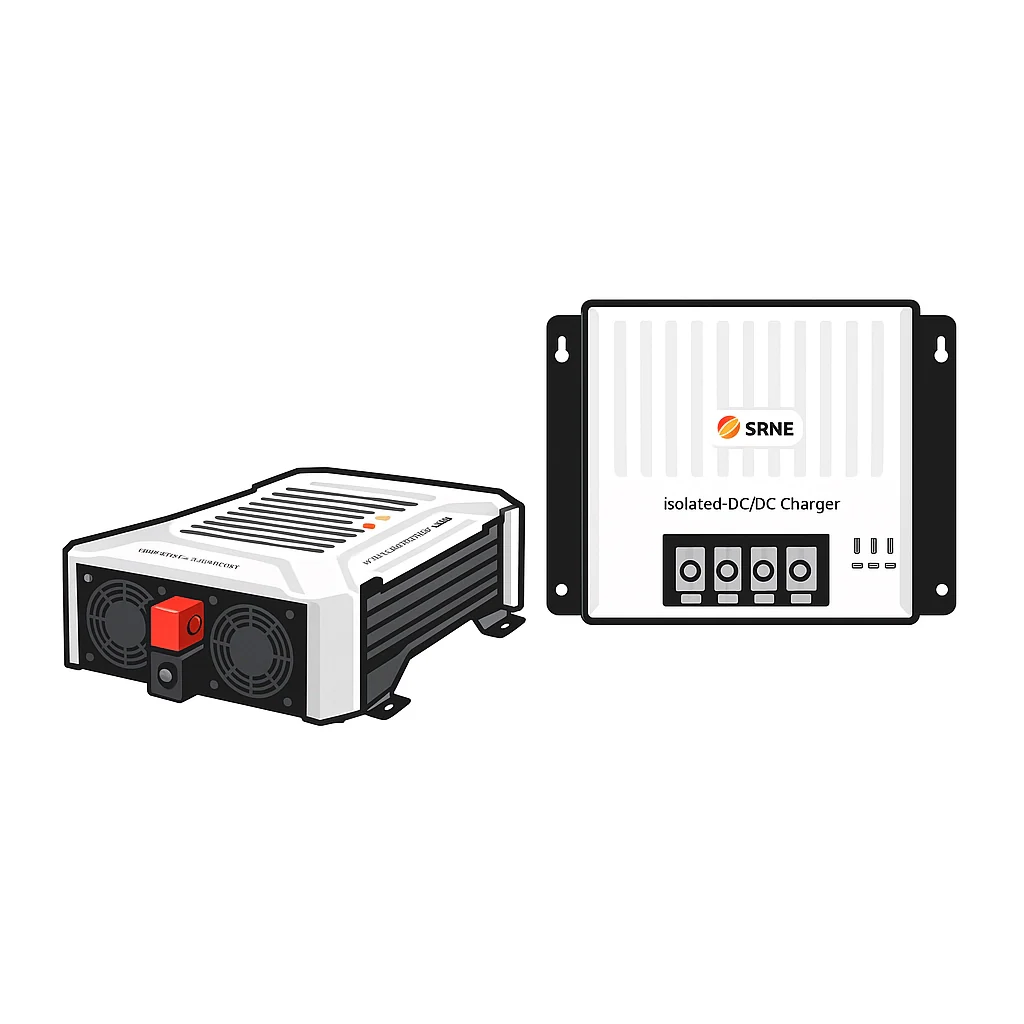
- Inverters for converting DC to AC power
- Battery management systems
- Monitoring interfaces for tracking energy consumption
The primary goal of these integrated systems is to provide reliable, efficient power that supports comfortable living while maintaining maximum energy independence. Modern lithium battery technologies enable campervan owners to run sophisticated electrical setups including refrigeration, cooking equipment, lighting, and personal electronics without being tethered to traditional power infrastructure.
Expert Tip: When selecting an energy storage system for your campervan, prioritise lithium batteries with built-in battery management systems that provide real-time performance monitoring and protection against overcharging or temperature fluctuations.
Key Types of Energy Storage Technologies
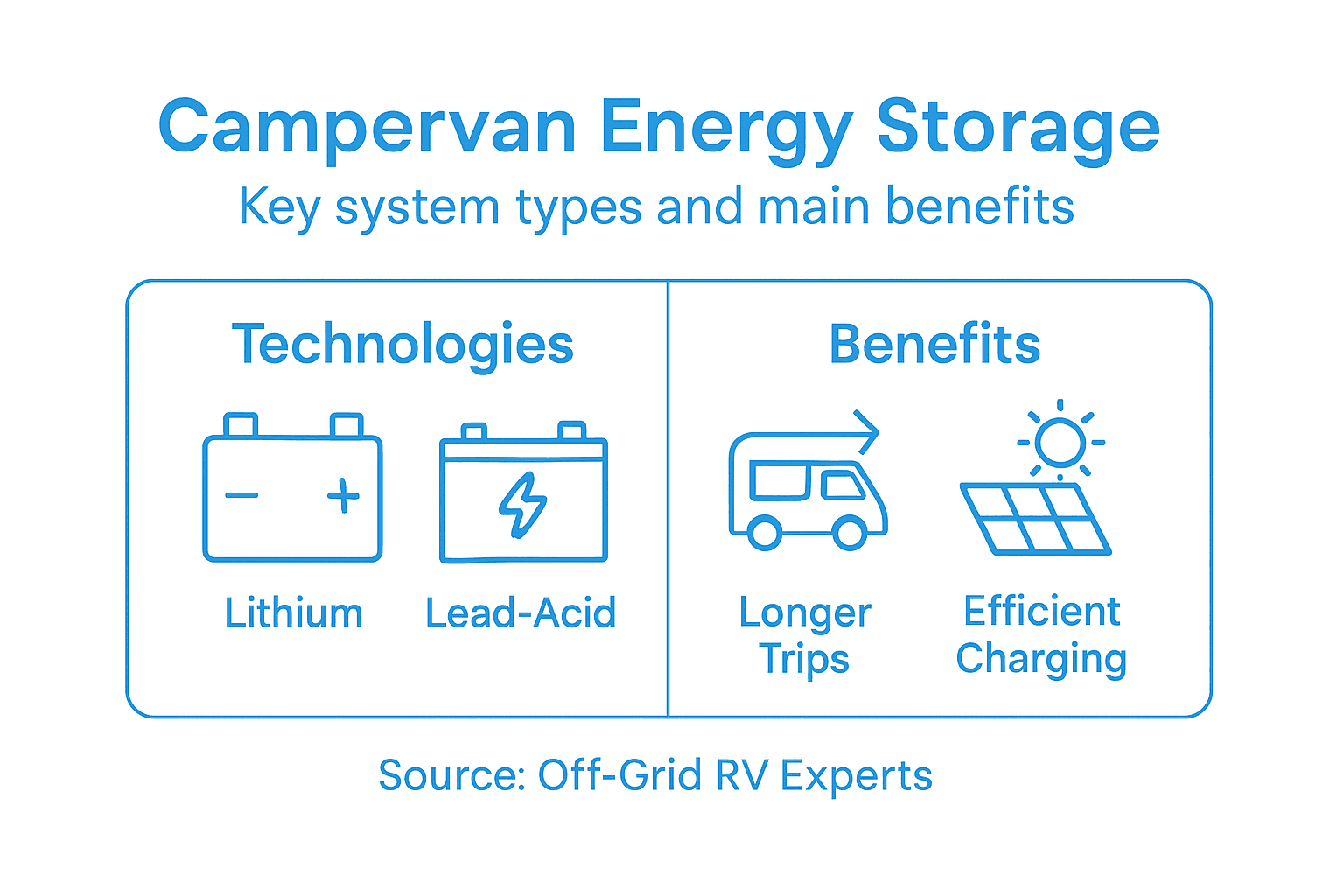
Campervan energy storage technologies have evolved significantly, offering multiple options for powering off-grid adventures. Lithium and lead-acid batteries represent the primary storage technologies used by modern campervan enthusiasts, each with distinct characteristics and performance profiles.
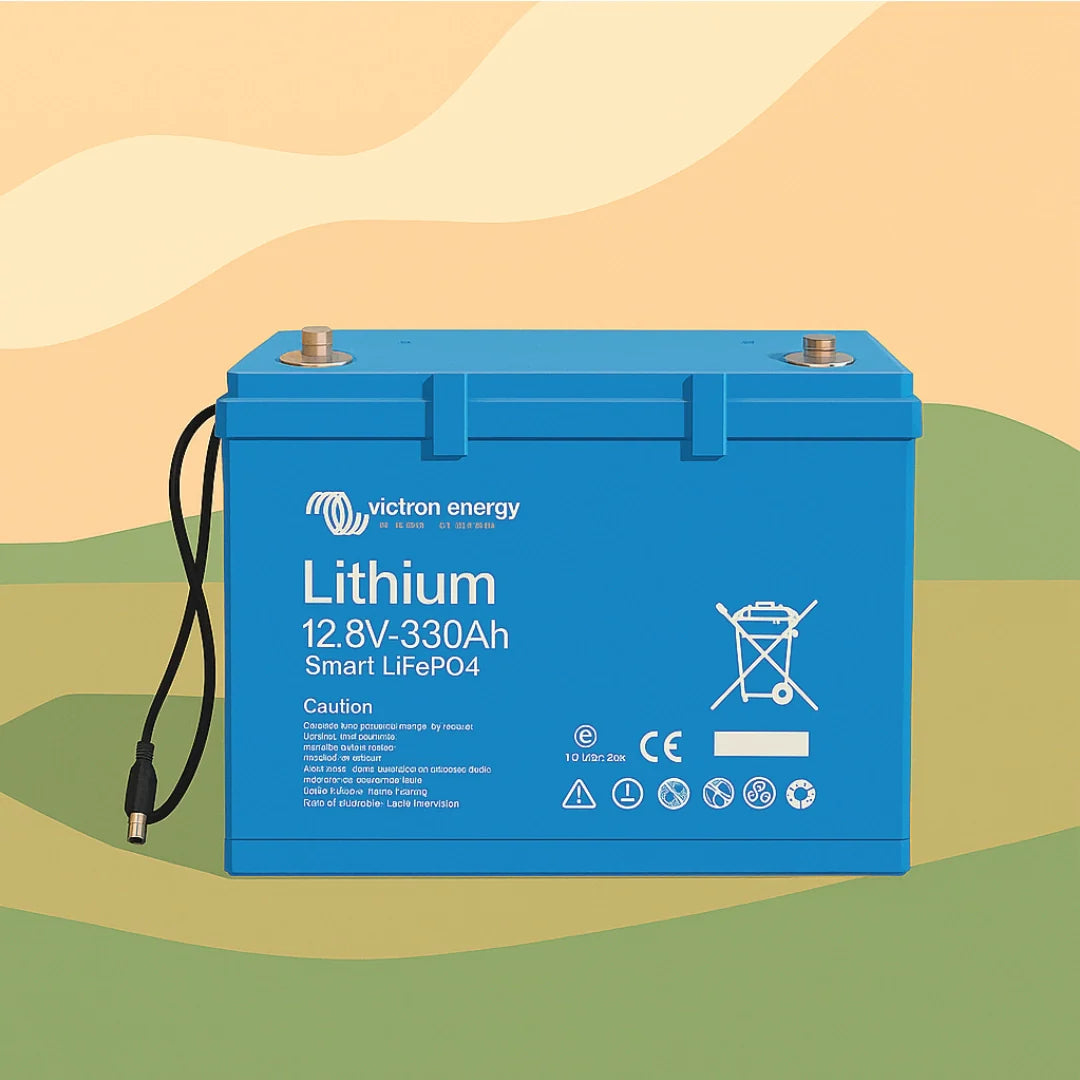
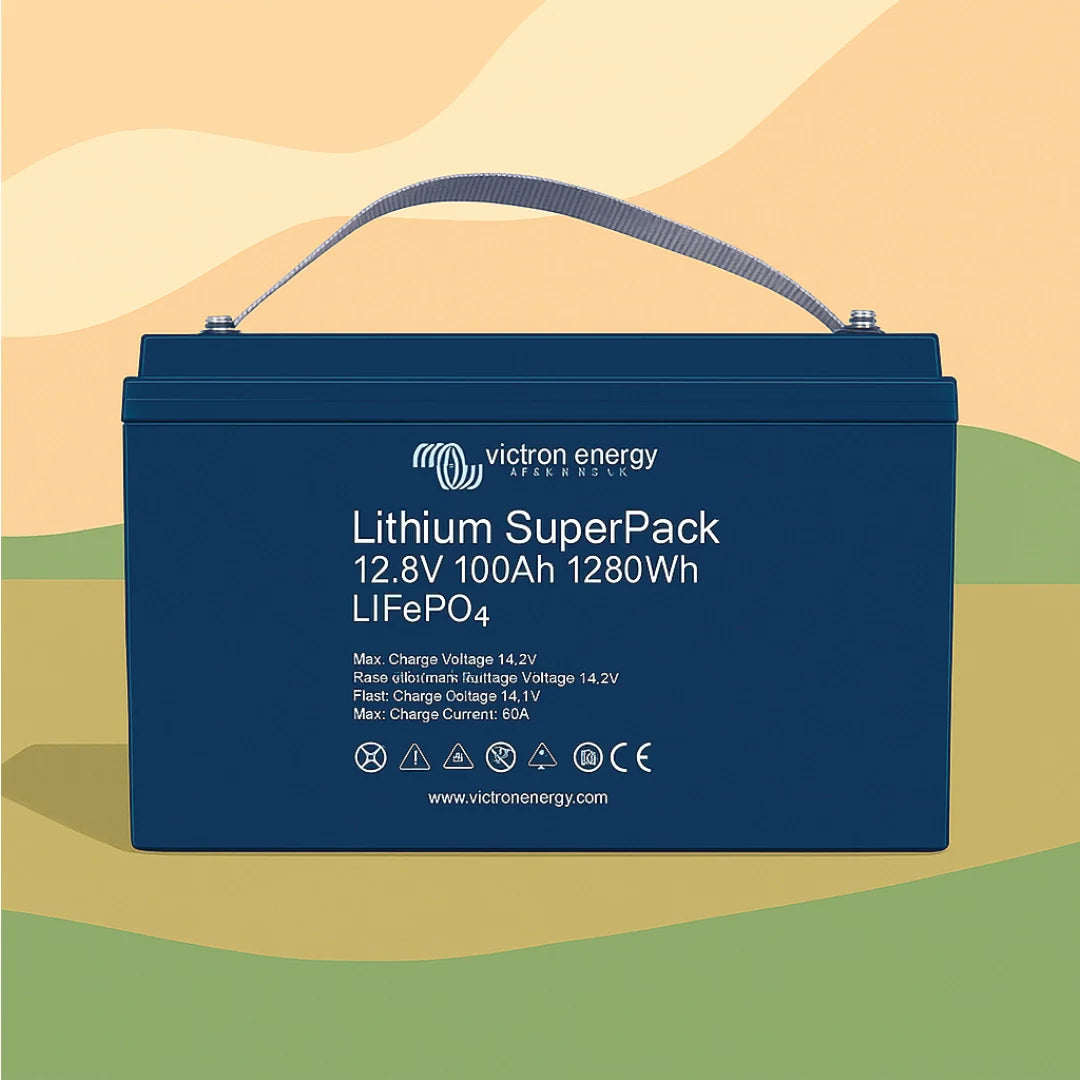
Lithium batteries, specifically Lithium Iron Phosphate (LiFePO4), have emerged as the premium choice for campervan energy storage. These advanced battery systems offer remarkable advantages including:
- Higher energy density
- Faster charging capabilities
- Significantly longer operational lifespan
- Reduced weight compared to traditional battery technologies
- Enhanced depth of discharge without performance degradation
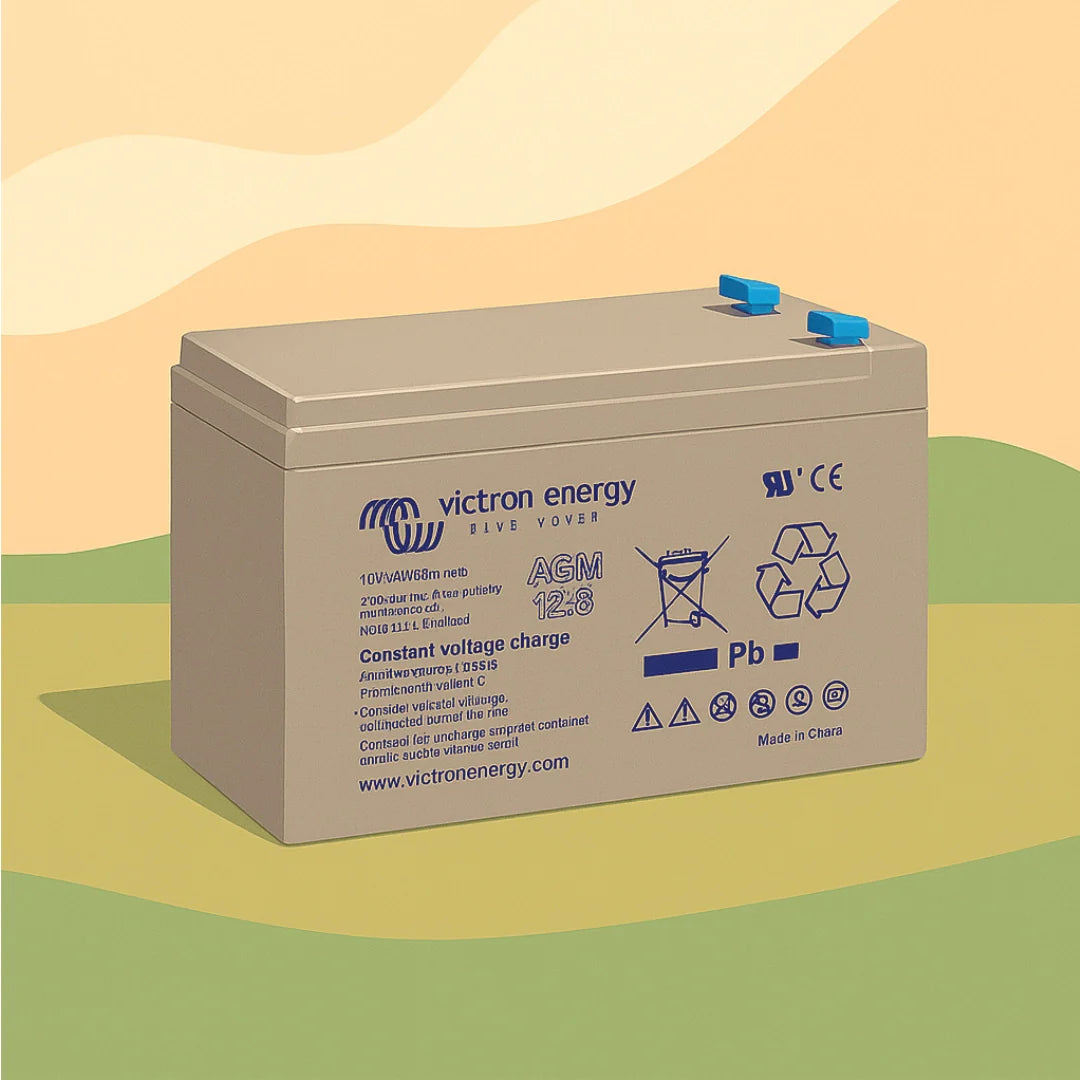
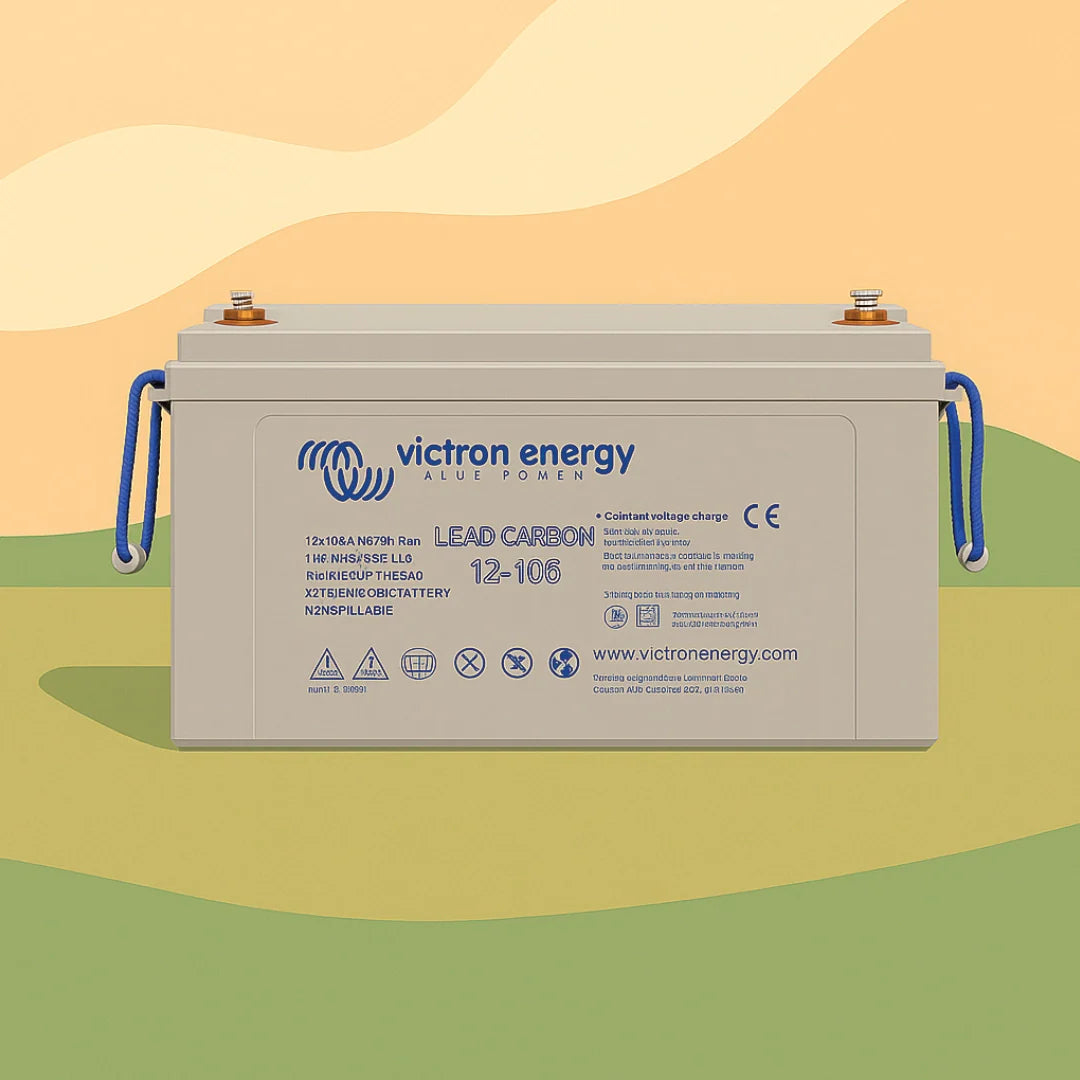
Traditional lead-acid battery technologies, including Absorbent Glass Mat (AGM) and gel types, remain a cost-effective alternative for budget-conscious campervan owners. While these batteries are less expensive initially, they require more frequent maintenance and replacement. They typically feature lower energy density, reduced charging efficiency, and shorter overall lifespans compared to modern lithium solutions.
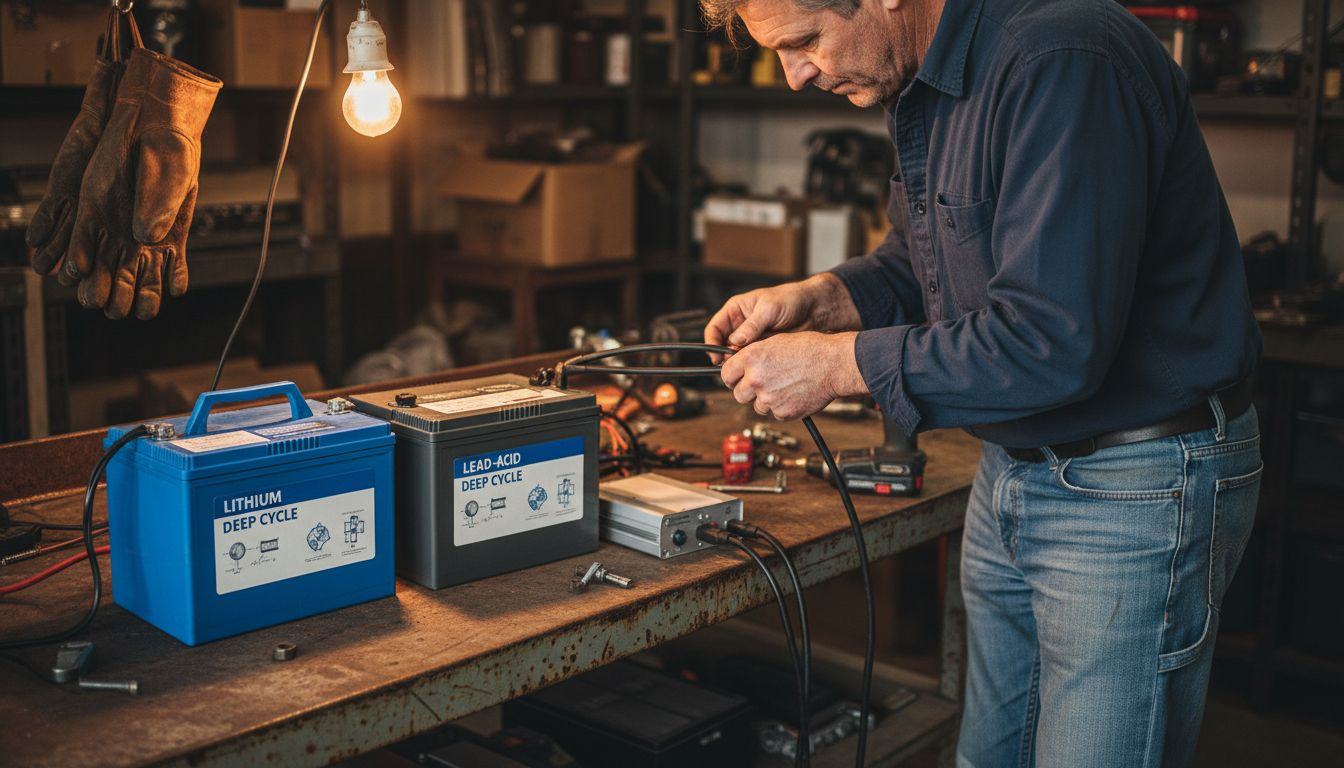
Advanced energy storage systems now incorporate sophisticated battery management technologies that provide real-time monitoring, temperature regulation, and protection against electrical anomalies. These intelligent systems enable campervan owners to track energy consumption, optimise charging cycles, and ensure maximum battery performance throughout their off-grid journeys.
Here is a comparison of lithium and lead-acid battery systems for campervans:
| Aspect | Lithium Battery Systems | Lead-Acid Battery Systems |
|---|---|---|
| Weight | Lightweight, more compact | Heavier, bulkier units |
| Operational Lifespan | Up to 10 years or more | Typically 3-5 years |
| Maintenance Needs | Minimal, self-regulating | Requires regular checks |
| Charging Rate | Fast charging, efficient | Slower charging times |
| Cost Over Time | Higher up-front, better value | Lower initial, frequent replacement |
| Depth of Discharge | 80-90% without damage | 50% recommended to avoid damage |
| Performance in Cold | Excellent, with management system | Performance drops significantly |
Pro Tip: When selecting a campervan battery system, calculate your total power requirements and compare the long-term cost-effectiveness of lithium versus lead-acid technologies, considering factors like lifespan, maintenance needs, and overall performance.
How Lithium Batteries Store and Deliver Power
Lithium batteries operate through a sophisticated electrochemical process that enables efficient energy storage and power delivery for campervan applications. Lithium-ion batteries store energy by moving ions between electrodes during charging and discharging cycles, creating a reliable power source for off-grid living.
The internal structure of a lithium battery involves three primary components that work in concert:
- Anode: Typically made of graphite, which receives and releases lithium ions
- Cathode: Comprised of lithium metal oxides that facilitate ion movement
- Electrolyte: A conductive medium that allows lithium ions to travel between electrodes
During the charging process, lithium ions migrate from the cathode to the anode, storing electrical energy. When power is required, these ions move back through the electrolyte, generating an electron flow that powers electrical devices. This dynamic movement creates a continuous cycle of energy storage and delivery, making lithium batteries particularly effective for campervan power systems.
Modern lithium battery technologies incorporate advanced battery management systems that provide critical protections. These intelligent systems monitor temperature, regulate charging rates, prevent overcharging, and optimise overall battery performance. Such sophisticated monitoring ensures consistent power output, extends battery lifespan, and maintains safety throughout various environmental conditions encountered during campervan adventures.
Below is a summary of key battery management system (BMS) features and their benefits:
| Feature | What It Does | Impact on Campervan Use |
|---|---|---|
| Real-Time Monitoring | Tracks voltage, temperature, usage | Prevents failure and breakdowns |
| Automatic Balancing | Keeps cell voltages equalised | Enhances battery health and lifespan |
| Overcharge Protection | Stops charging when full | Prevents overheating, fire risk |
| Temperature Control | Regulates charging/discharging | Maintains performance in all climates |
Pro Tip: Invest in a lithium battery system with integrated Bluetooth monitoring capabilities to track real-time battery performance and receive early warnings about potential electrical issues.
Real-World Benefits for Campervan Owners
Sustainable energy solutions transform modern campervan experiences by providing unprecedented power independence and environmental consciousness. These advanced energy storage technologies enable adventurers to break free from traditional power constraints, offering reliable electrical support during extended off-grid journeys.
The practical benefits of modern energy storage systems extend across multiple dimensions of campervan living:
- Extended off-grid capabilities
- Reduced reliance on fossil fuel generators
- Lower environmental impact
- Consistent power for essential and recreational electronics
- Enhanced travel flexibility and range of exploration
Lithium battery technologies specifically provide campervan owners with significant performance advantages. Their lightweight design, superior energy density, and rapid charging capabilities mean travellers can power sophisticated electrical systems including refrigeration, heating, lighting, and communication devices without compromising vehicle efficiency or payload capacity. Unlike traditional power solutions, these batteries maintain consistent performance across varying temperature ranges and terrain conditions.
Intelligent battery management systems further enhance the campervan experience by providing real-time performance monitoring, predictive maintenance insights, and comprehensive electrical system protection. These advanced technologies give owners unprecedented visibility into their power consumption, enabling more strategic energy use and preventing unexpected power disruptions during critical moments of travel.
Pro Tip: Before purchasing an energy storage system, calculate your specific power requirements and choose a solution that offers at least 20% additional capacity beyond your estimated needs.
Risks, Costs, and Common Mistakes to Avoid
Navigating the landscape of campervan energy storage requires understanding potential risks associated with battery systems.pdf). Owners must approach energy storage investments with careful consideration of safety, performance, and long-term reliability.
Key risks and potential pitfalls in campervan energy storage include:
- Inadequate thermal management
- Incorrect battery sizing
- Poor quality battery management systems
- Inappropriate charging practices
- Insufficient electrical system integration
Thermal management represents a critical safety concern for lithium battery systems. Potential hazards like thermal runaway can emerge from improper installation, inadequate ventilation, or systematic design failures. Professional installation and high-quality battery management systems are essential to mitigate these risks, ensuring safe and consistent performance throughout the battery’s operational lifecycle.
Financial considerations extend beyond initial purchase price. Campervan owners should evaluate total cost of ownership, including maintenance requirements, potential replacement cycles, and long-term performance degradation. Investing in reputable, well-engineered battery systems from established manufacturers can prevent costly future replacements and unexpected electrical failures during crucial travel moments.
Pro Tip: Always budget for professional installation and invest in comprehensive battery management systems that provide real-time monitoring and diagnostic capabilities.
Power Your Campervan Adventures with Skyenergi’s Advanced Energy Storage Solutions
The journey to true off-grid independence starts with reliable energy storage. If you are seeking a durable lithium battery system that offers high energy density, fast charging, and intelligent battery management as detailed in “What Is Energy Storage for Campervans?”, Skyenergi delivers exactly that. Our UK-based renewable energy brand specialises in well-engineered lithium leisure batteries designed for campervans, ensuring you stay powered during every adventure with safety and performance at the forefront.
Explore our full range of off-grid power solutions, including Bluetooth-enabled battery monitoring systems that keep you informed in real time. Say goodbye to electrical uncertainty and embrace the freedom to roam with confidence. Discover how our products can transform your campervan energy setup today at Skyenergi. Take the first step towards effortless energy independence by browsing our high-performance lithium batteries and complete energy solutions that blend seamlessly with your lifestyle.
Frequently Asked Questions
What is energy storage for campervans?
Energy storage for campervans refers to systems that allow owners to generate and store electrical energy from sources like solar panels or alternator charging. This enables consistent power for appliances and devices while living off-grid.
How do lithium batteries compare to lead-acid batteries for campervans?
Lithium batteries offer higher energy density, faster charging, and longer lifespans compared to lead-acid batteries. However, lead-acid batteries are initially cheaper but require more maintenance and have shorter operating periods.
What are the key components of a campervan energy storage system?
A typical energy storage system includes a battery bank, charge controllers, inverters, battery management systems, and monitoring interfaces, all working together to manage power efficiently.
What should I consider when selecting an energy storage system for my campervan?
When choosing an energy storage system, consider factors such as battery type (lithium vs lead-acid), total power requirements, battery management features, and ensure to have at least 20% additional capacity beyond your estimated needs.
Recommended
- Solar Energy Storage: Independence for Campervans – Skyenergi
- Understanding Campervan Electrical Systems: A Guide – Skyenergi
- 7 Benefits of Solar Battery Integration for UK Campervans – Skyenergi
- 7 Types of Off-Grid Battery Systems for UK Campervans – Skyenergi
- Freeze-Drying Technology: Energy Use Breakdown
Prev post

Top 10 SRNE md1250 Alternatives in 2026 for Reliable Energy Solutions
Updated on 18 January 2026
Next post

7 Benefits of Solar Battery Integration for UK Campervans
Updated on 16 January 2026


