





6 Practical Solar Setup Examples for Your Campervan
Discover 6 practical solar setup examples for UK campervans. Learn how to boost energy independence and make the most of lithium battery systems with easy tips.
Powering your campervan reliably during UK travels can feel overwhelming with so many options and technical details to consider. From short weekend trips to long-term off-grid living, finding the right power setup is essential for comfort and independence. This list reveals practical solutions you can use—from simple portable kits to advanced lithium batteries and Bluetooth monitoring—so you can stop worrying about dead devices or unpredictable weather. Discover smart upgrades, proven tips and easy-to-understand guidance that will help you build a campervan power system perfectly matched to your adventures. Whether you want lightweight flexibility or a fully off-grid home, these insights will guide your next move for stress-free travel.
Table of Contents
- 1. Basic Portable Solar Kit for Weekend Getaways
- 2. Upgrading to Roof-Mounted Solar Panels for Daily Use
- 3. Integrating Lithium Batteries with Bluetooth Monitoring
- 4. Using MPPT Controllers for Maximum Efficiency
- 5. Combining Solar with Alternator Charging for Flexibility
- 6. Building a Fully Off-Grid Campervan Power System
Quick Summary
| Takeaway | Explanation |
|---|---|
| 1. Choose a portable solar kit for convenience | A portable solar kit allows easy charging for short trips without complicated setup or high costs, making it perfect for weekend adventures. |
| 2. Upgrade to roof-mounted panels for reliable power | Roof-mounted solar panels provide constant energy generation, allowing for multiple appliances to be powered simultaneously without daily setup tasks. |
| 3. Invest in Bluetooth monitoring for efficiency | Using lithium batteries with Bluetooth monitoring gives real-time insights into your energy usage and battery status, enhancing off-grid power management. |
| 4. Use MPPT controllers for enhanced energy capture | MPPT controllers optimise solar panel output, significantly increasing energy production, especially in variable weather conditions or partially shaded situations. |
| 5. Combine solar with alternator charging for flexibility | A hybrid system with both solar and alternator charging ensures your battery remains charged regardless of weather, facilitating extended off-grid trips. |
1. Basic Portable Solar Kit for Weekend Getaways
A basic portable solar kit gives you independence for short trips without complex installation. These lightweight systems charge your devices and power small loads during weekend adventures away from mains electricity.
Portable solar kits work by converting sunlight into electricity through photovoltaic cells embedded in the panels. The panels typically range from 10 to 100 watts, depending on their size and quality. Weekend getaways rarely demand heavy power draws, so smaller capacity panels suit most travellers perfectly.
What makes these systems practical for short trips:
- Lightweight and compact – fits easily in your campervan without taking permanent space
- Quick setup – unfold, position towards the sun, and connect your devices
- Affordable entry point – much cheaper than installing fixed solar arrays
- Flexible – take it with you or leave it at home depending on your plans
- Low maintenance – no complex wiring or ongoing monitoring required
A typical basic kit includes a solar panel, a charge controller, and sometimes a small battery pack. The charge controller regulates power flow and protects your devices from overcharging. For weekend trips, you’re looking at charging phones, tablets, LED lights, and perhaps a small power bank.
The real advantage comes down to simplicity. You don’t need an electrician or technical knowledge to set up a portable kit. Unpack it, lean it against your campervan window or dashboard, connect your devices via USB ports, and let the sun do the work.
Portable solar kits deliver genuine convenience for weekend getaways without the cost or complexity of permanent installations.
Consider where you’ll position the panel for maximum sunlight exposure. South-facing placement captures the most solar energy throughout the day. Even partly cloudy conditions provide some charging capability, though direct sunlight delivers optimal performance.
These kits work best for:
- Charging personal devices (phones, tablets, smartwatches)
- Running low-power LED lighting systems
- Topping up portable power banks
- Maintaining camera batteries during trips
Pro tip: Invest in a portable solar kit with built-in USB ports rather than one requiring additional adapters, as this simplifies connectivity and reduces the number of components to manage during weekend getaways.
2. Upgrading to Roof-Mounted Solar Panels for Daily Use
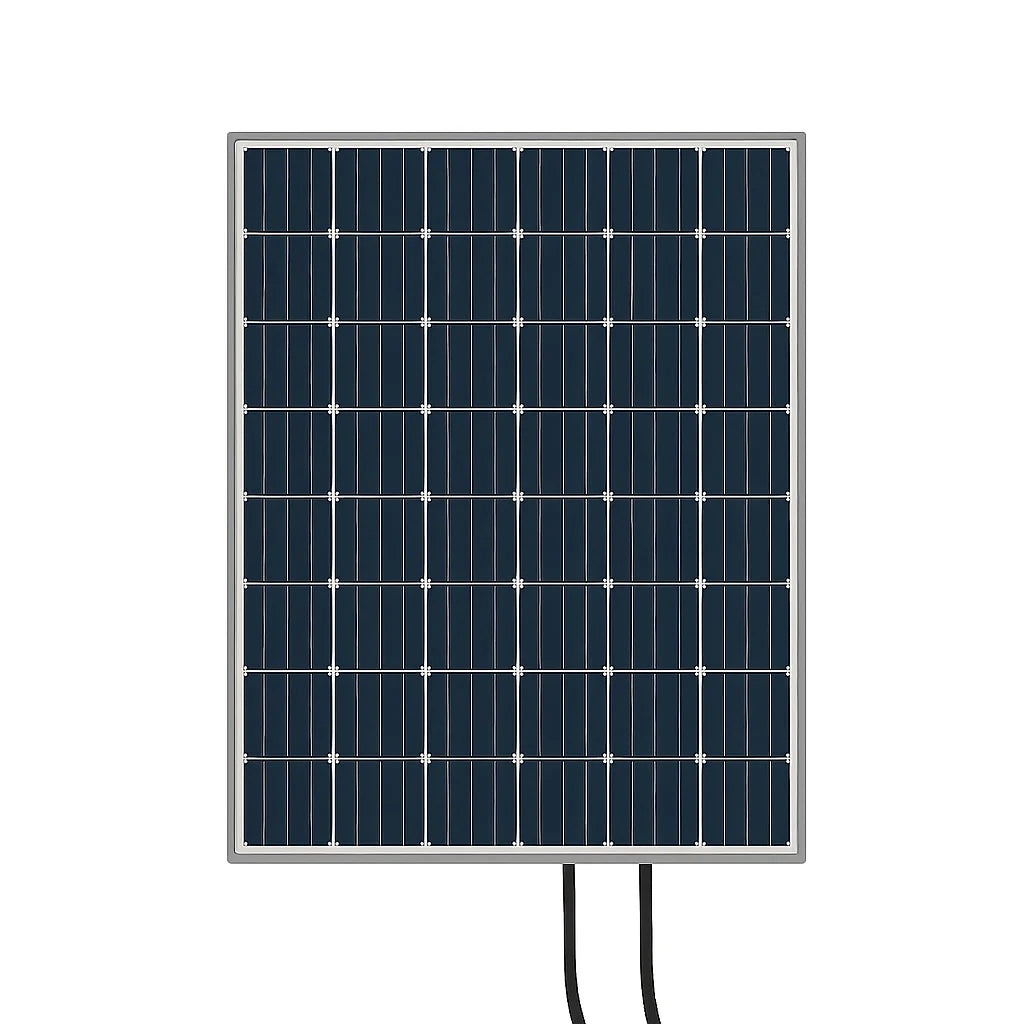
Roof-mounted solar panels represent a significant step up from portable kits, offering permanent power generation for your campervan. Unlike temporary solutions, these fixed installations deliver consistent daily charging without setup effort.
When you mount panels permanently on your roof, you gain several advantages for regular travel. The panels remain positioned to capture sunlight throughout your journey, charging your batteries continuously. This setup supports powering multiple appliances simultaneously—fridges, heating systems, water pumps, and entertainment equipment.
Fixed solar arrays optimise sun exposure through strategic tilting angles, though roof-mounted systems on campervans typically feature flatter installations for aerodynamic reasons. The trade-off between angle and wind resistance still delivers reliable daily performance across the UK.
Key benefits of roof-mounted systems:
- Hands-free operation – panels work automatically without repositioning
- Weatherproofed – professionally installed systems resist rain and wind damage
- Maximised space – uses otherwise unused roof real estate
- Reliable power flow – consistent charging throughout daylight hours
- Supports larger loads – multiple appliances can draw power simultaneously
Proper installation requires careful attention to weatherproofing and secure fastening. Your roof’s structure must handle the panel weight, mounting hardware needs corrosion-resistant materials, and all electrical connections must follow relevant British building codes. Poor installation leads to water leaks, vibration damage, and electrical hazards.
A complete roof-mounted system typically includes the solar panels themselves, a charge controller to regulate power flow, a battery bank for storage, and often an inverter to convert DC electricity into AC power for household appliances.
Roof-mounted solar panels deliver genuine energy independence, transforming your campervan into a self-sufficient power station for months of off-grid living.
Consider your daily power consumption before sizing your system. A campervan running basic appliances might need 400 to 800 watts of panel capacity, whilst those with larger fridges, heating, and entertainment systems may require 1,200 to 2,000 watts or more.
Installation typically requires professional expertise unless you have electrical and roofing experience. Professional installers ensure weatherproofing, secure fastening, and compliance with safety standards, protecting your investment long-term.
Pro tip: Have your roof structure professionally assessed before installation to ensure it can support panel weight, preventing damage and ensuring the system remains secure during motorway driving.
3. Integrating Lithium Batteries with Bluetooth Monitoring
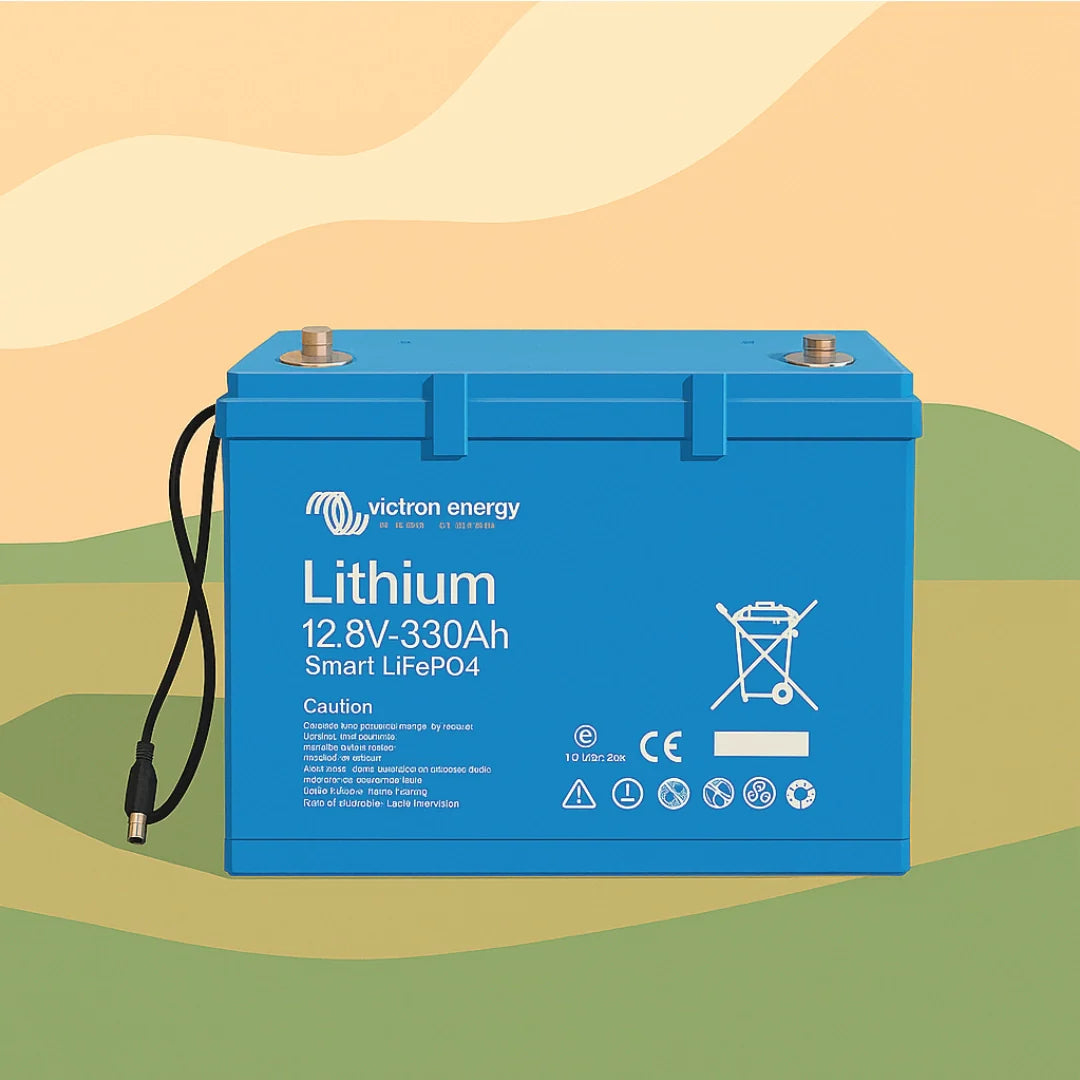
Lithium batteries with Bluetooth monitoring transform how you manage campervan power systems. This combination gives you real-time visibility into your energy storage whilst optimising performance remotely from your smartphone.
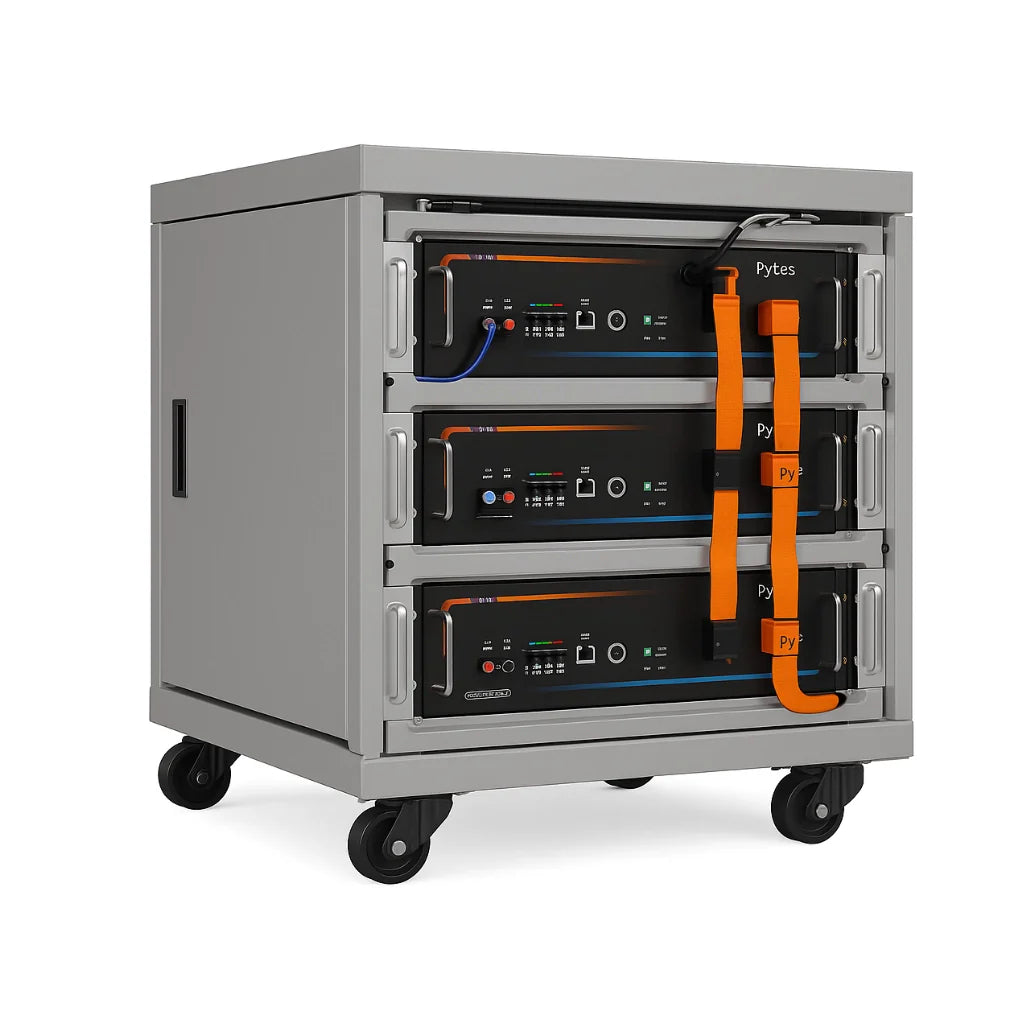
Lithium batteries outperform traditional lead-acid alternatives in every way that matters for camping. They’re lighter, deliver more usable energy per kilogramme, tolerate deeper discharge cycles, and last significantly longer. When paired with Bluetooth-enabled monitoring, you gain unprecedented control over your off-grid power supply.
The Bluetooth component works through an integrated battery management system that constantly monitors your battery’s status. Real-time power insights allow you to check charge levels, voltage, temperature, and health from anywhere in your campervan using a dedicated mobile app. Warnings alert you to potential issues before they become problems.
What makes this setup genuinely valuable:
- Instant charge visibility – know exactly how much energy remains without guessing
- Temperature monitoring – alerts warn if batteries overheat or freeze
- Fault detection – identifies connection problems or system failures immediately
- Usage tracking – see which appliances consume the most power
- Remote diagnostics – troubleshoot issues without opening battery compartments
- Battery longevity – optimise charging patterns to extend lifespan
Lithium batteries require intelligent charging management to perform safely and efficiently. The Bluetooth system coordinates this automatically, adjusting charge rates based on temperature, state of charge, and load demands. This coordination ensures your solar panels, chargers, and appliances work together seamlessly.
The practical benefit becomes obvious during extended off-grid trips. You can monitor battery status throughout the day, adjust your power consumption accordingly, and avoid unexpected discharge situations that would strand you without heating or refrigeration.
Bluetooth-integrated lithium systems deliver the confidence of knowing your power status at any moment, enabling genuinely worry-free off-grid living.
Installation typically requires professional expertise unless you have electrical qualifications. Battery management systems must be correctly configured for your specific setup, solar input capacity, and load requirements. Skyenergi supplies lithium batteries with intelligent management systems already integrated, simplifying the entire process.
Consider what capacity you need based on daily consumption. A modest setup running lights, fridge, and heating might use 100 to 200 amp-hours daily, whilst larger systems supporting hot water and multiple appliances might require 300 to 500 amp-hours or more.
Pro tip: Check your battery’s Bluetooth app settings regularly during the first month to understand your actual power consumption patterns, then adjust your solar panel size or battery capacity if needed before committing to long-term off-grid trips.
4. Using MPPT Controllers for Maximum Efficiency
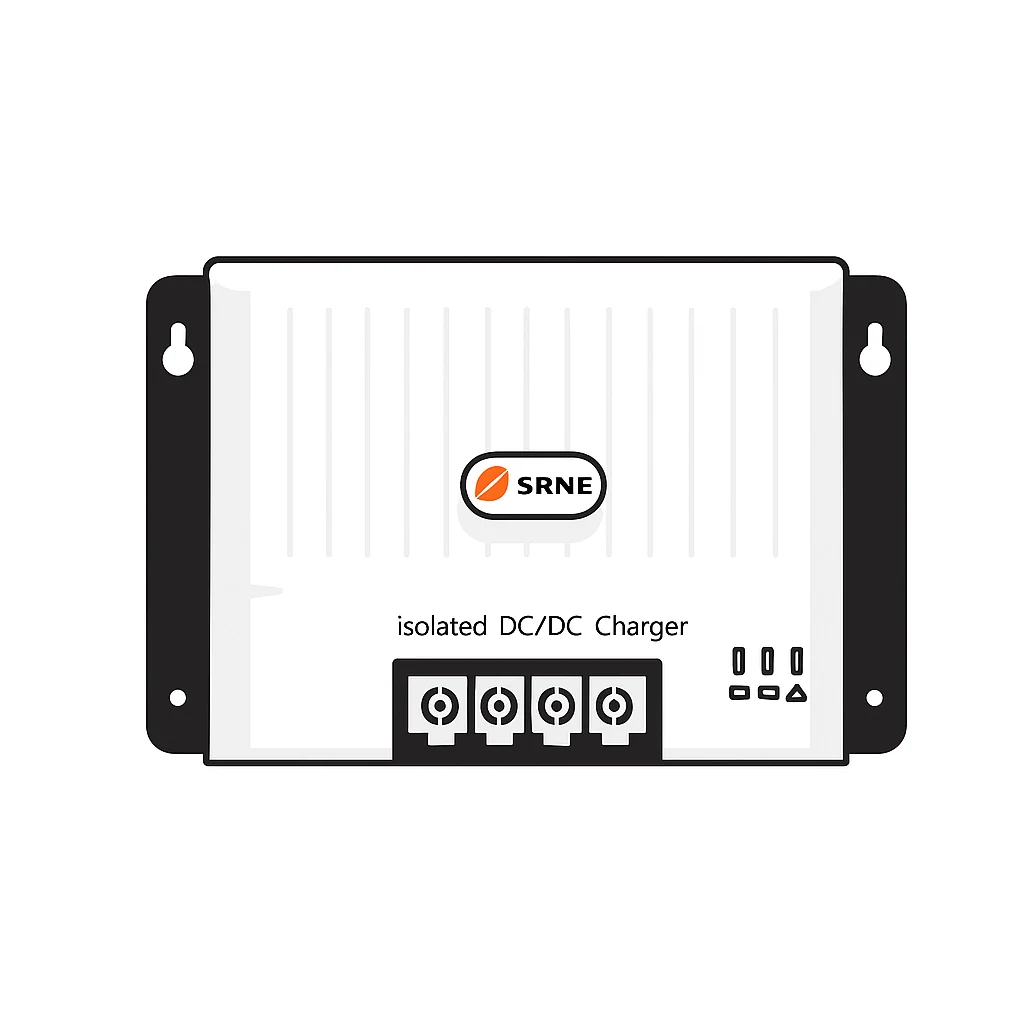
MPPT controllers unlock your solar panels’ full potential, extracting significantly more power than basic alternatives. These intelligent devices constantly optimise how your panels operate, transforming sunlight into usable electricity with remarkable efficiency.
MPPT stands for Maximum Power Point Tracking. Your solar panels produce electricity, but their optimal voltage and current change continuously as sunlight intensity and temperature fluctuate. A basic controller accepts whatever power the panels deliver at fixed settings, missing opportunities to extract maximum energy.
MPPT controllers work differently. They constantly monitor your panels’ voltage and current output, adjusting their internal circuitry to find the exact operating point that delivers maximum power. When clouds pass overhead or morning sun angles change, the controller adapts instantly to maintain peak efficiency.
The efficiency gain matters enormously for campervan users. MPPT technology improves energy harvest by up to 30% compared to standard PWM controllers. For a campervan running twelve months per year, this translates to significantly more charging days and extended off-grid capability.
Key advantages of MPPT controllers:
- Higher efficiency – extracts maximum power from available sunlight
- Better low-light performance – works effectively in cloudy conditions
- Voltage flexibility – handles mismatched panel and battery voltages
- Shade tolerance – optimises performance when panels are partially shaded
- Larger array support – enables bigger solar installations without compromise
- Temperature adaptation – adjusts automatically for seasonal changes
MPPT controllers are particularly valuable when your solar panels operate at different voltage than your battery bank. They convert excess voltage into usable current, meaning your 48-volt panels can efficiently charge a 24-volt battery system without energy loss.
Partly shaded panels create the ideal scenario for MPPT advantages. If traditional controllers fail when clouds block sections of your array, MPPT systems adapt dynamically, maintaining efficient operation despite imperfect conditions.
MPPT controllers transform your solar system from good to genuinely excellent, delivering 30% more energy from identical panels.
Installation requires matching your controller to both your solar panel capacity and battery system voltage. Victron MPPT controllers are widely compatible with Skyenergi’s lithium battery systems, offering seamless integration with proven reliability.
Consider your total panel wattage when selecting a controller size. A 4kW panel array needs an MPPT controller rated for 4000 watts or higher. Undersized controllers become bottlenecks limiting your system’s potential.
Pro tip: Install your MPPT controller with a battery disconnect switch nearby, allowing you to safely maintain the system and troubleshoot issues without risking electrical hazards during campervan repairs.
5. Combining Solar with Alternator Charging for Flexibility
Combining solar panels with alternator charging creates a hybrid power system that keeps your battery topped up regardless of weather or driving patterns. This dual-source approach eliminates the anxiety of depleting batteries during extended cloudy periods or stationary camps.
Solar and alternator charging work brilliantly together because they operate in complementary situations. Your solar panels generate power when stationary and sunny. Your alternator charges whenever you drive, converting engine energy into battery electricity. Between these two sources, your battery stays charged through diverse conditions.
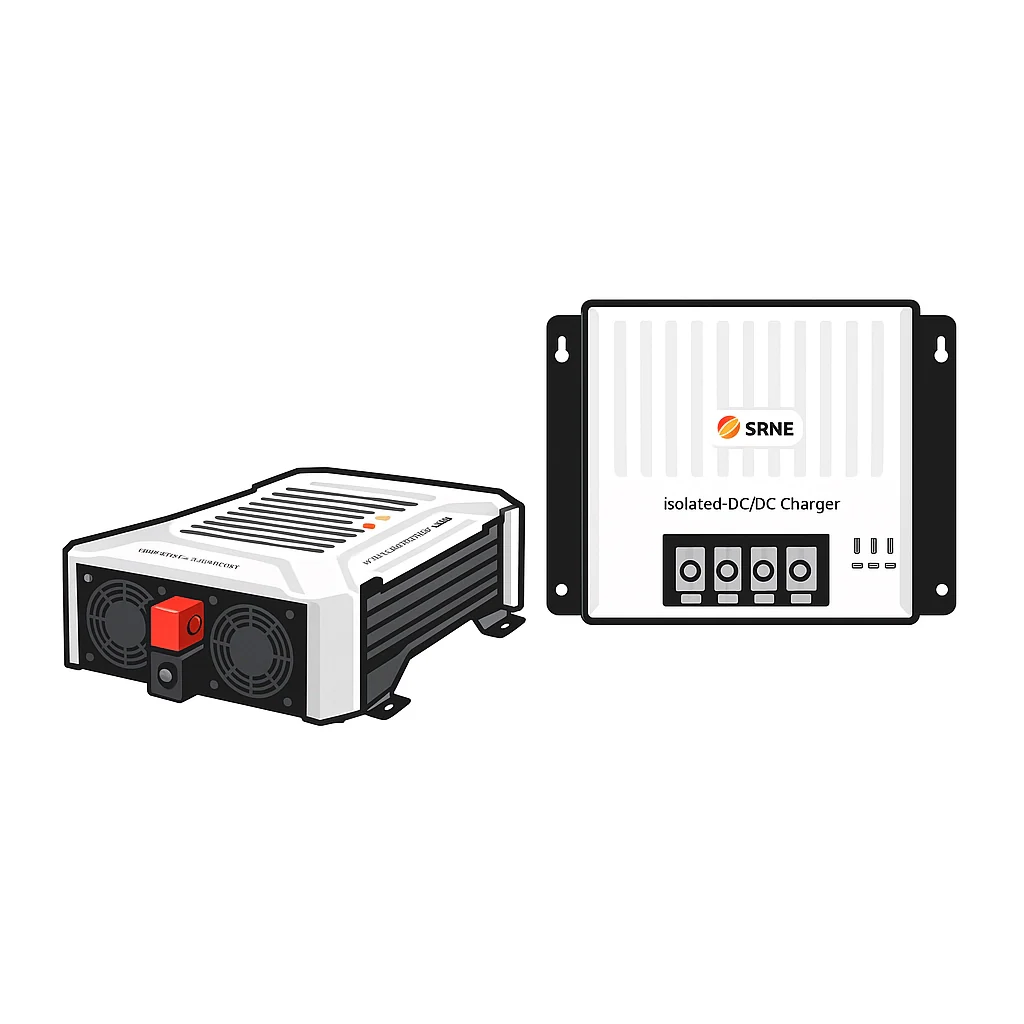
The alternator charging system taps into your vehicle’s existing charging infrastructure without compromising engine electronics. A properly installed alternator charger safely charges auxiliary batteries from the alternator whilst preventing electrical faults or error codes on modern vehicles. Installation connects to specific points like the battery positive terminal or fuse box with proper protection and earthing.
Why this combination matters for campervan owners:
- Constant charging opportunity – battery charges whilst driving and whilst parked in sun
- Weather independence – alternator compensates during cloudy spells when solar underperforms
- Extended travel capability – longer trips become possible with continuous charging
- Battery longevity – maintaining charge through multiple sources reduces deep discharge stress
- System redundancy – failure of one charging source doesn’t leave you stranded
- Flexible lifestyle – travel through rainy regions without solar compromise
The practical benefit becomes obvious on extended UK road trips. Driving between campsites charges your battery substantially. Arriving at a shady location doesn’t leave you helpless because your alternator continuously tops up charge during transit.
Proper installation requires understanding your vehicle’s electrical system and working with appropriate gauge wiring and protection devices. Modern campervans benefit from smart alternator chargers that communicate with your leisure battery management system, preventing overcharging and optimising charging rates based on battery condition.
Combining solar and alternator charging transforms your campervan from a seasonal vehicle to a genuinely year-round mobile home capable of extended off-grid living.
Consider your typical driving patterns when sizing an alternator charger. Short weekend trips with frequent engine use suit smaller chargers rated at 100 to 150 amps. Full-time travellers or those making long motorway journeys benefit from higher capacity units rated at 200 to 300 amps for faster charging.
This approach also supports larger lithium battery installations that would take weeks to charge via solar alone.
Pro tip: Install your alternator charger with a battery monitor displaying real-time charge rates, allowing you to see exactly how much energy your engine is contributing during drives and confirming the system operates efficiently.
6. Building a Fully Off-Grid Campervan Power System
Building a complete off-grid power system transforms your campervan into genuine home, capable of months of independent travel without mains electricity. This ambitious setup combines multiple technologies working seamlessly together to deliver reliable power throughout your adventures.
A fully off-grid system integrates solar panels, charge controllers, lithium battery storage, inverters, and sometimes backup generators. Each component plays a critical role in capturing, storing, and delivering the energy your campervan needs. The system works 24 hours daily, providing power whether parked in sunshine or sitting in cloudy camps.
Solar panels capture daytime energy. Your charge controller optimises this energy into your battery bank. The battery stores power for nighttime and cloudy periods. An inverter converts stored DC power into AC electricity for household appliances. Everything works together automatically, requiring minimal input from you.
Building a fully off-grid power system demands careful component selection and sizing. Most systems aim for at least two days of energy autonomy, ensuring you maintain power during extended cloudy periods. This buffer prevents the anxiety of depleting batteries during unpredictable British weather.
Essential components for complete off-grid systems:
- Solar panels – typically 400 to 1,500 watts depending on your usage
- Charge controller – MPPT controllers optimise energy capture
- Lithium battery bank – provides reliable energy storage with long lifespan
- Inverter – converts DC battery power into AC household electricity
- Wiring and protection – properly sized cables and fuses for safety
- Monitoring system – tracks performance and battery health via Bluetooth
- Backup generator – optional but valuable for cloudy regions
Lithium batteries make modern off-grid living genuinely practical. They accept rapid charging from solar panels, discharge deeply without damage, and last 10 to 15 years with minimal maintenance. Paired with intelligent management systems, lithium batteries communicate their status via Bluetooth, eliminating guesswork about available power.
AC-coupled system design proves efficient and flexible. Your solar array powers appliances directly when available, reducing battery cycling and extending battery lifespan. During evening hours, stored battery power keeps everything running. This approach maximises efficiency across diverse usage scenarios.
A well-designed off-grid system delivers complete energy independence, transforming your campervan into a self-sufficient power station capable of year-round exploration.
System sizing requires understanding your daily power consumption patterns. LED lighting, a small fridge, water pump, heating, and entertainment might consume 50 to 150 amp-hours daily. Larger systems with multiple appliances running simultaneously need 300 to 600 amp-hours or more.
Professional design and installation ensures reliability. Engineers calculate your panel wattage, battery capacity, and component ratings based on your specific usage patterns and regional sunlight availability.
Pro tip: Start with system monitoring from day one, tracking solar generation, battery charge and discharge rates, and actual power consumption across different seasons, allowing you to optimise future upgrades based on real data rather than estimates.
Below is a comprehensive table summarising the primary types of campervan solar power setups discussed in the article, outlining their features, benefits, and general recommendations for usage.
| System Type | Key Features | Benefits | Recommendations |
|---|---|---|---|
| Portable Solar Kits | Lightweight, compact, easy to set up, cost-effective entry point | Ideal for weekend trips; charges small devices like phones and power banks | Recommended for occasional users; position towards sunlight for best performance |
| Roof-Mounted Solar Panels | Fixed installation, professionally weatherproofed, high continuous power generation | Supports multiple appliances, ideal for long-term off-grid use | Requires professional installation; assess daily energy demands to determine required panel wattage |
| Lithium Batteries with Monitoring | Long lifespan, greater energy capacity, Bluetooth-enabled insights into charge levels and performance | Enhances energy independence; optimises charging patterns | Consider a monitoring app to better understand and plan power expenditure when long-term travelling |
| MPPT Charge Controllers | Maximises power output from solar panels even in varied light conditions | Improves charging efficiency by up to 30%, suitable for diverse weather scenarios | Install appropriate sized controller matching your solar panel and battery capacities |
| Hybrid Solar and Alternator Setup | Combines power from solar panels and vehicle alternators for versatile electricity generation | Provides redundancy; ensures battery charging in both stationary and mobile conditions | Benefits full-time travellers; select an alternator charger with sufficient amp rating for the battery bank |
| Full Off-Grid Power Systems | Integrates solar panels, batteries, inverters, and monitoring tools in one cohesive system | Achieves complete energy autonomy, enabling self-sufficient off-grid living | Design specifically for daily energy needs; professional installation is advised for optimal performance |
Discover Your Ideal Campervan Solar Power Solution with Skyenergi
If you are aiming for energy independence on the road but find the range of solar setups confusing, Skyenergi has you covered. Whether you are starting out with a portable solar kit for weekend getaways or ready to build a fully off-grid campervan power system, our UK-based renewable energy solutions are designed to simplify your journey. We specialise in high-performance lithium battery systems featuring intelligent Bluetooth monitoring that keep you in control of your power, wherever you travel.
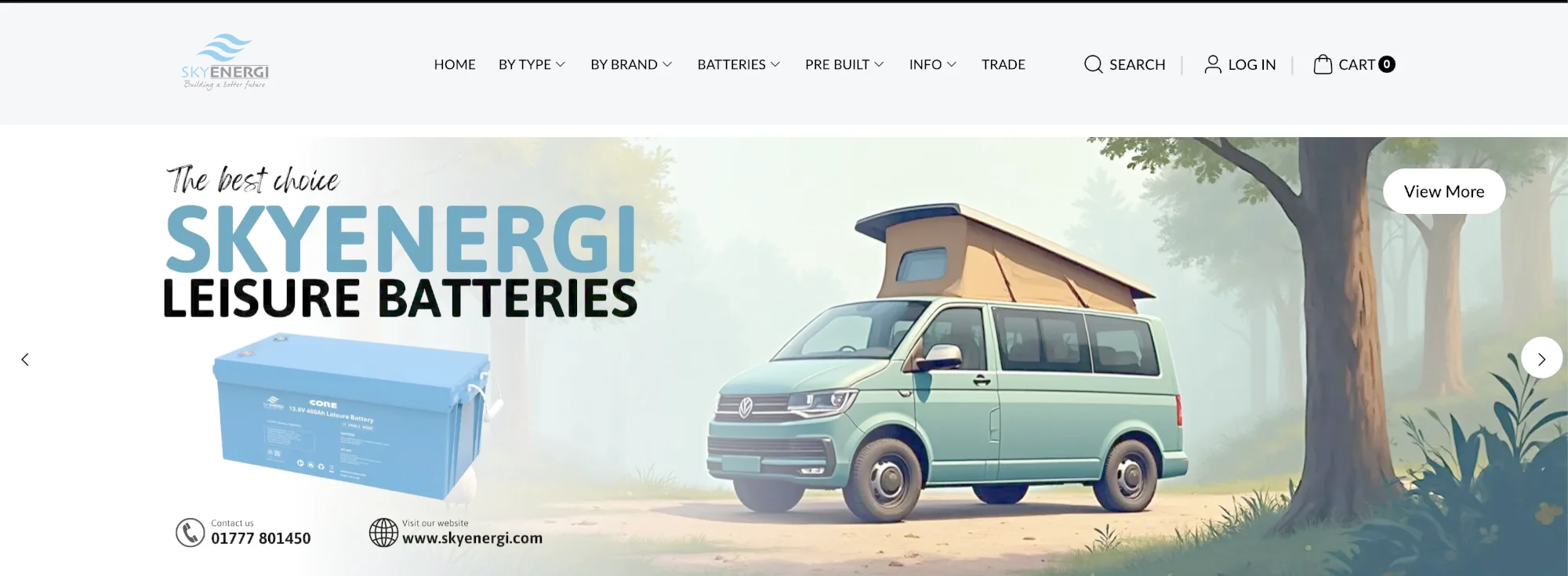
Explore our range of products and discover how you can enhance your campervan’s power capabilities today. From reliable lithium leisure batteries to efficient MPPT charge controllers and plug-and-play solar accessories, everything is engineered to deliver practical, long-lasting performance. Visit Skyenergi now and start transforming your campervan into a truly self-sufficient home on wheels. Take the next step towards worry-free off-grid living with expert support and competitive pricing at your fingertips.
Frequently Asked Questions
What is a basic portable solar kit for a campervan?
A basic portable solar kit is a lightweight system designed for short trips, allowing you to charge devices and power small loads without complex installation. To utilise it, simply unpack, set it towards the sun, connect your devices, and enjoy the convenience of solar energy on your weekend getaways.
How do I upgrade from a portable solar kit to roof-mounted solar panels?
Upgrading to roof-mounted solar panels involves permanently installing them on your campervan for consistent power generation. To start, assess your daily power consumption and consult with a professional installer to ensure your roof can support the panel weight and meet all safety standards.
How can Bluetooth monitoring enhance my campervan solar setup?
Bluetooth monitoring provides real-time visibility into your lithium battery’s status, allowing you to track charge levels, voltage, and health from your smartphone. To implement this, choose a lithium battery system that includes Bluetooth capability to optimise your power management and extend battery lifespan.
What are the benefits of using MPPT controllers in my campervan solar system?
MPPT controllers dramatically increase the energy efficiency of your solar panels, extracting up to 30% more power than basic controllers. To maximise your setup, install an MPPT controller that matches your solar panel capacity to enhance performance during varying sunlight conditions.
How does combining solar and alternator charging work for campervans?
Combining solar panels with alternator charging creates a hybrid system that allows your battery to remain topped up regardless of weather conditions. To set this up, ensure a professionally installed alternator charger connects to your campervan’s electrical system, allowing for continuous power replenishment during drives and while parked.
What components are essential for building a fully off-grid campervan power system?
A fully off-grid power system should include solar panels, a charge controller, a lithium battery bank, an inverter, and possibly a backup generator. To create this setup, start by calculating your energy needs and select components that collectively provide at least two days of power autonomy for peace of mind during extended trips.
Recommended
Prev post

Energy Storage System Workflow for Campervans: Complete Guide
Updated on 27 February 2026
Next post

Reliable Energy for Campervans – Maximising Off-Grid Freedom
Updated on 25 February 2026


