


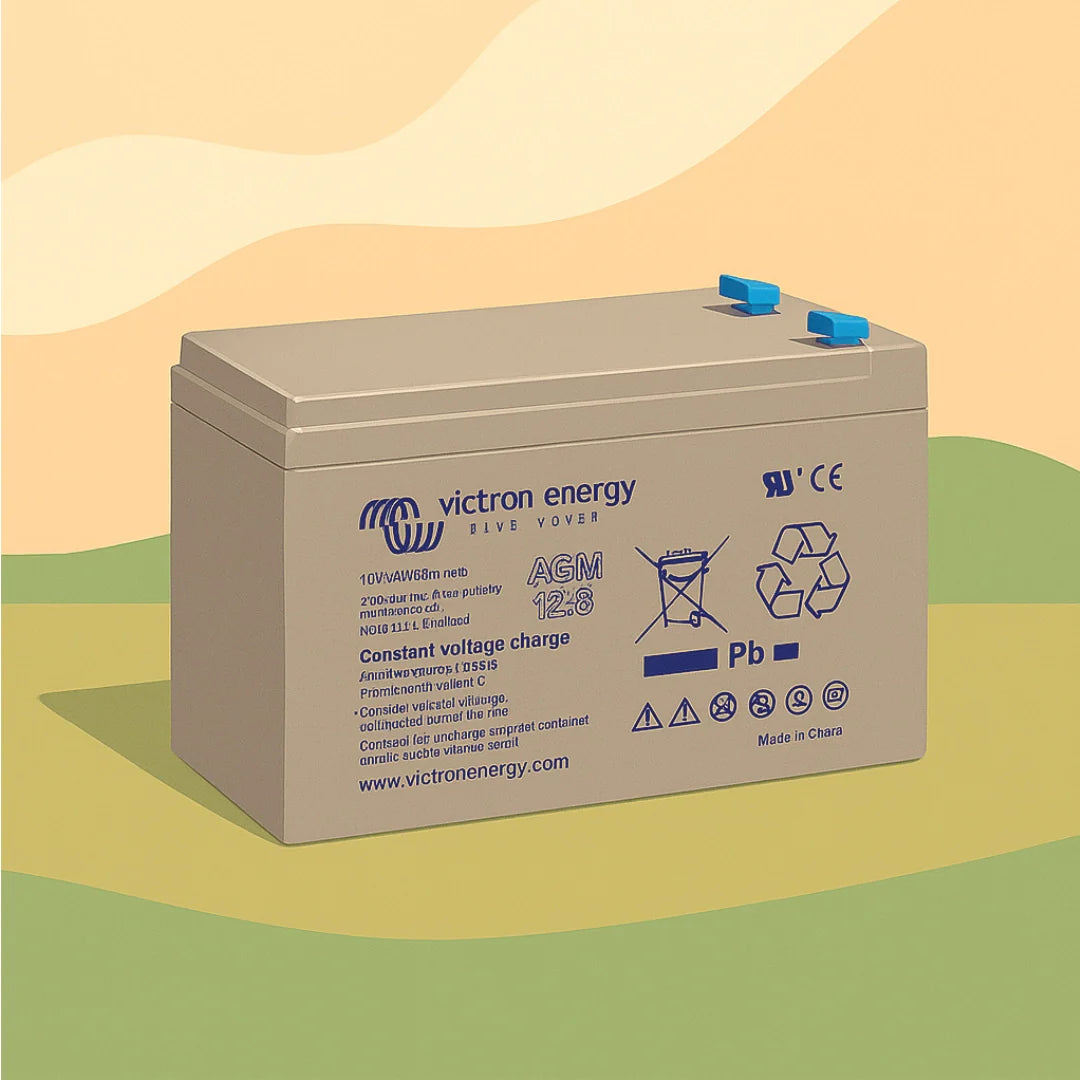
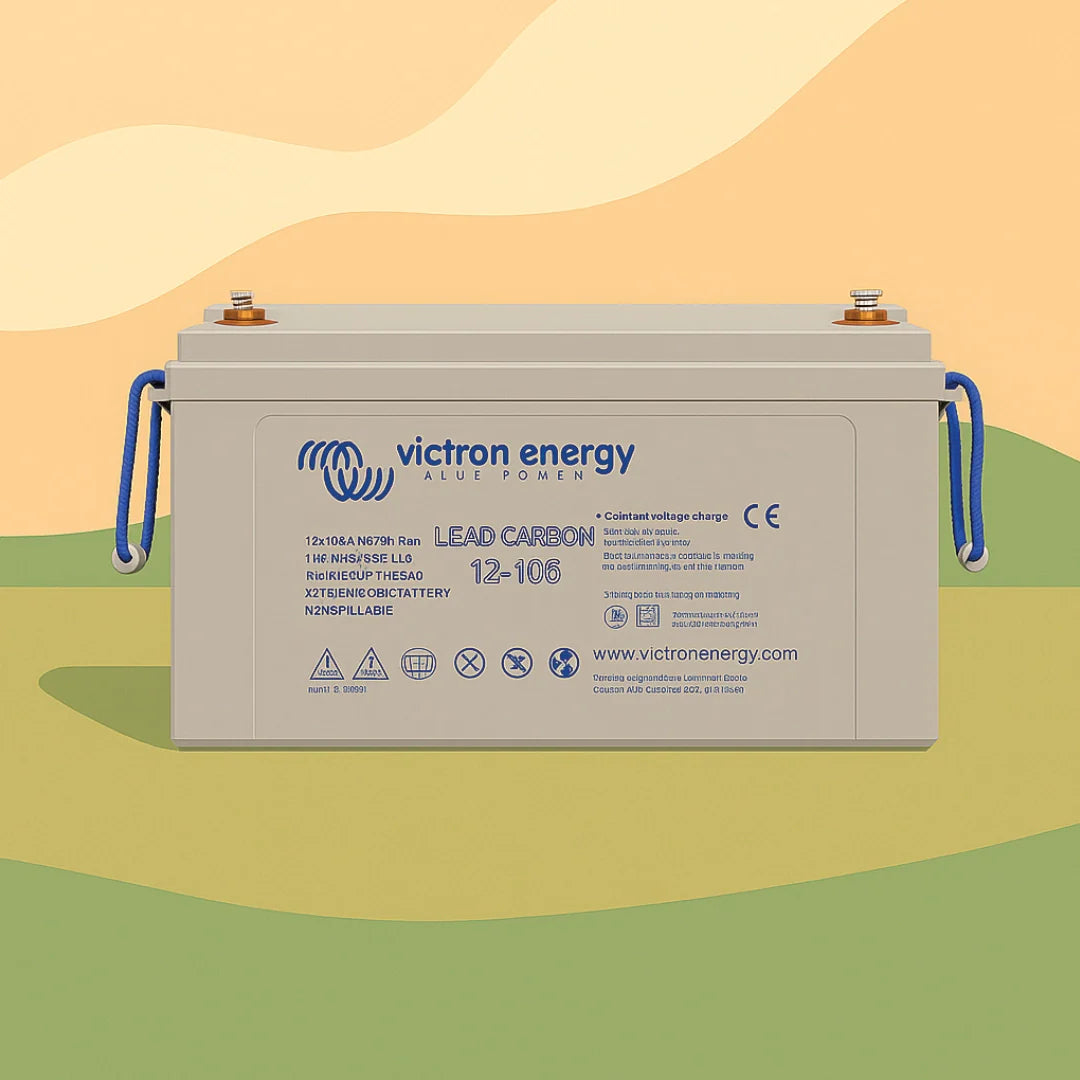
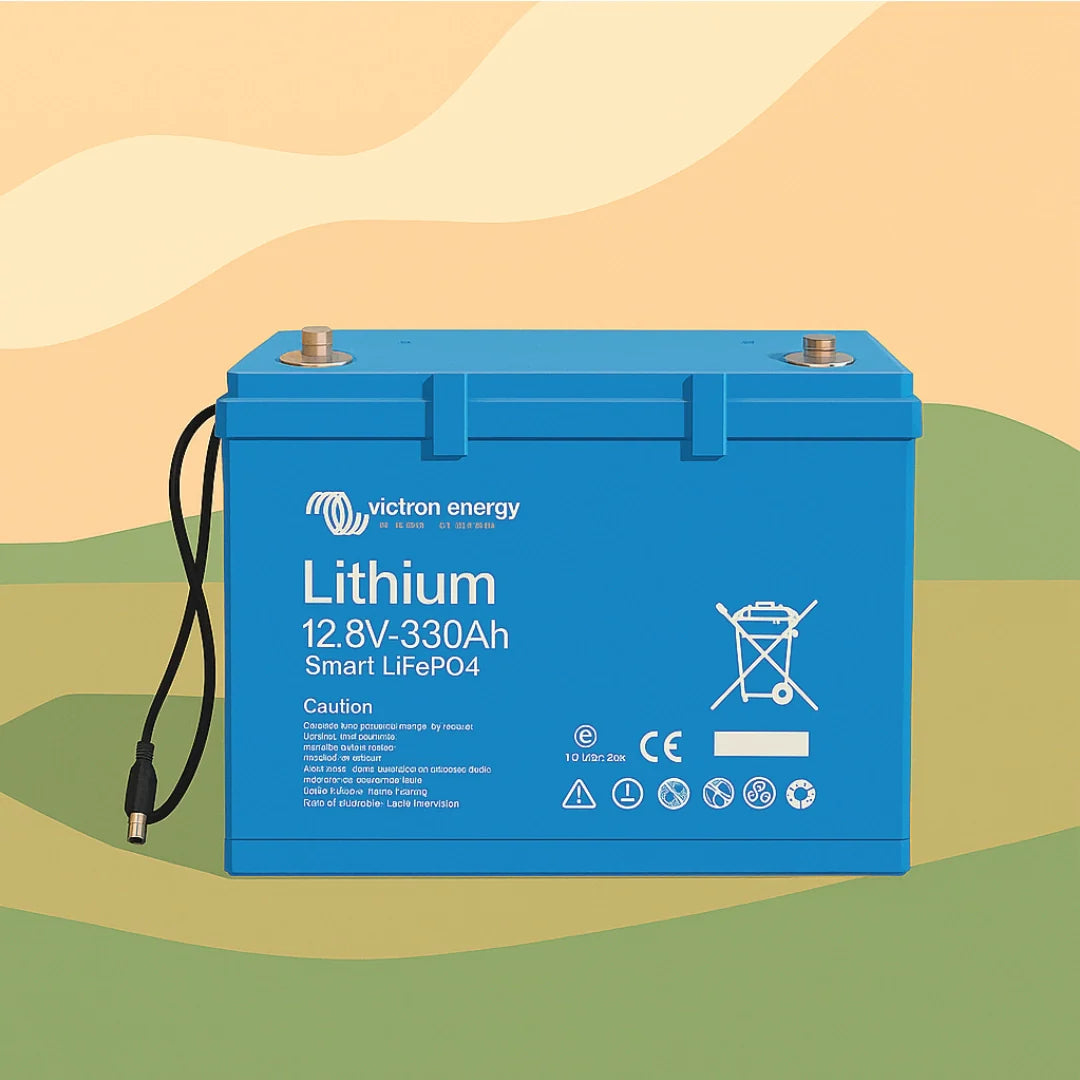
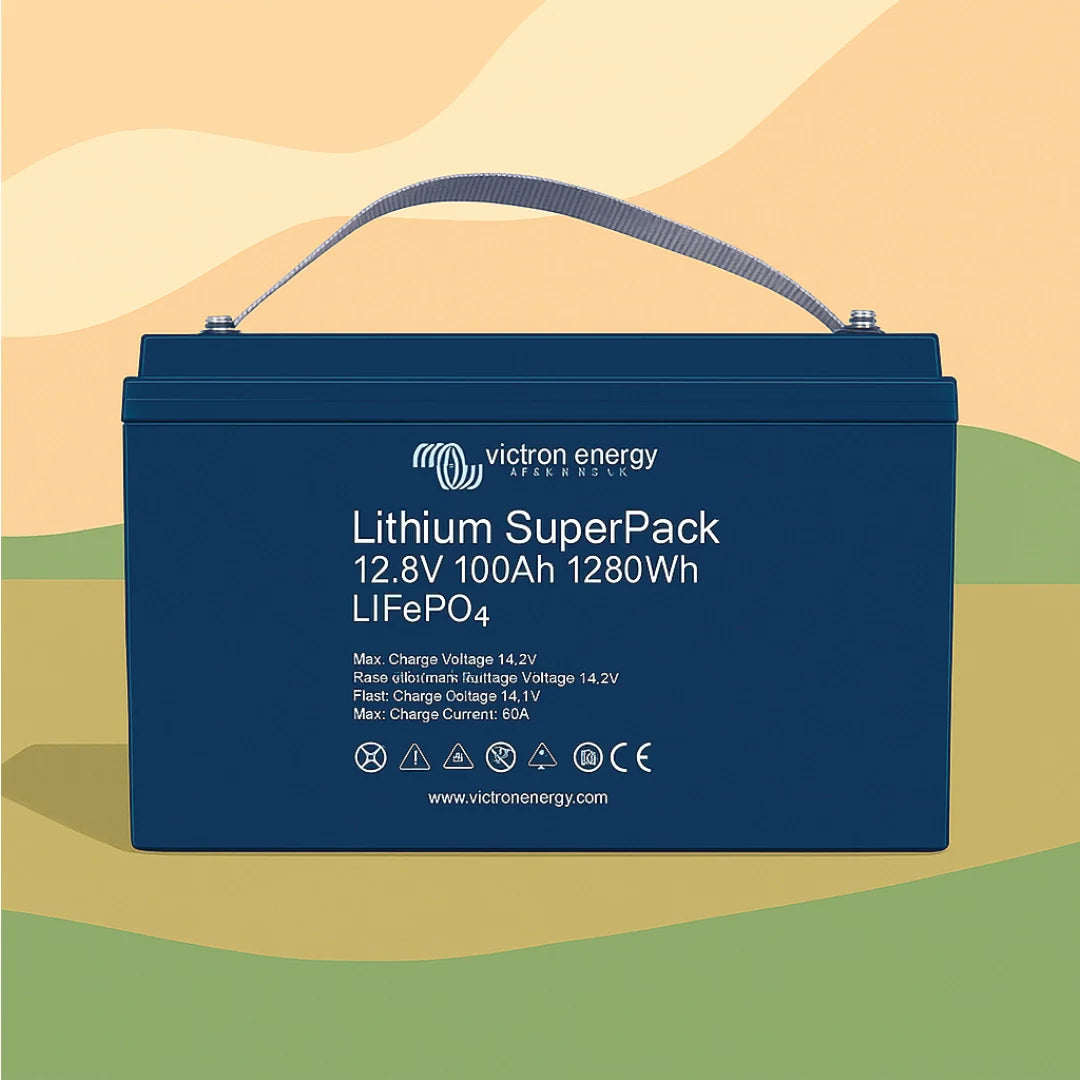



The role of lithium in mobile power for off-grid adventures
Discover the crucial role of lithium in mobile power for off-grid adventures. Learn how to build reliable systems for your next journey!
TL;DR:
- Lithium batteries require system-wide integration, especially compatible chargers and BMS, for reliable off-grid use. Proper setup significantly enhances energy density, cycle life, safety, and overall performance in mobile applications. Treating lithium as a system upgrade, rather than a simple replacement, ensures long-term efficiency and safety.
Lithium batteries are widely assumed to be simple drop-in replacements for lead-acid. Swap the battery, carry on. That assumption is the single biggest cause of failed systems, unexpected cutouts, and frustration on the road or water. Understanding the role of lithium in mobile power means understanding electrochemistry, battery management, and system-wide integration. For UK campervan, motorhome, and marine users building reliable off-grid setups, that understanding is not optional. It is the difference between a system that works every time and one that fails when you need it most.
Table of Contents
- How lithium-ion batteries power mobile devices
- Why lithium’s energy and power density matter for leisure vehicles and boats
- Common lithium chemistries and why LiFePO4 leads for marine and leisure vehicles
- The battery management system: the brain ensuring lithium reliability and safety
- Integrating lithium batteries into your off-grid leisure vehicle or boat system
- Our perspective: lithium is not just a battery upgrade, it is a system commitment
- Upgrade your off-grid power with Skyenergi lithium systems
- Frequently asked questions
Key Takeaways
| Point | Details |
|---|---|
| Lithium batteries store energy via ion movement | Lithium-ion batteries operate by lithium ions moving between electrodes, creating electrical flow. |
| Energy and power density are key selection factors | Energy density controls runtime and power density controls how quickly power can be delivered to your loads. |
| LiFePO4 chemistry offers superior longevity | LiFePO4 batteries provide higher usable capacity, longer cycle life, and enhanced safety for RV and marine use. |
| The battery management system is critical | BMS ensures safe operation by balancing cells and protecting against voltage, current, and temperature extremes. |
| System integration is essential for reliability | Proper charger profiles, wiring, and fuse protection must be verified to prevent mid-use battery shutdowns and equipment damage. |
How lithium-ion batteries power mobile devices
Lithium-ion batteries are not simply improved versions of older chemistry. They operate on a fundamentally different electrochemical process, and that process shapes every decision you make when building a mobile power system.
A lithium-ion cell contains five core components:
- Anode: typically graphite, stores lithium ions during charging
- Cathode: the positive electrode, releases lithium ions during discharge
- Separator: a porous membrane preventing short-circuits while allowing ion movement
- Electrolyte: a lithium salt solution or gel that carries ions between electrodes
- Current collectors: copper (anode side) and aluminium (cathode side) that carry electrons through the external circuit
Lithium-ion batteries store energy by moving lithium ions between the anode and cathode, producing electron flow that powers connected loads. Charging reverses this action, pushing ions back to the anode. That ion movement is what makes charger compatibility so critical. Chargers designed for lead-acid use voltage profiles that do not align with how lithium cells absorb charge. Forcing incompatible charging profiles causes the battery management system (BMS) to intervene, often cutting the circuit entirely.
For off-grid mobile power specifically, this means your solar MPPT controller, DC/DC converter, and mains charger all need to actively support lithium charging profiles. Understanding the top lithium battery features required for reliable off-grid use helps you specify your system correctly from the start.
Why lithium’s energy and power density matter for leisure vehicles and boats
Space and weight are fixed constraints on any campervan, motorhome, or boat. A battery bank that halves the weight and doubles the usable capacity is not a marginal upgrade. It is a system redesign.
Two metrics define how useful any battery is in mobile applications:
- Energy density (Wh/kg): how much energy is stored per kilogram. Higher energy density means longer runtime for the same weight.
- Power density (W/kg): how quickly that energy can be delivered. Higher power density supports large instantaneous loads like inverters, bow thrusters, or compressor fridges.
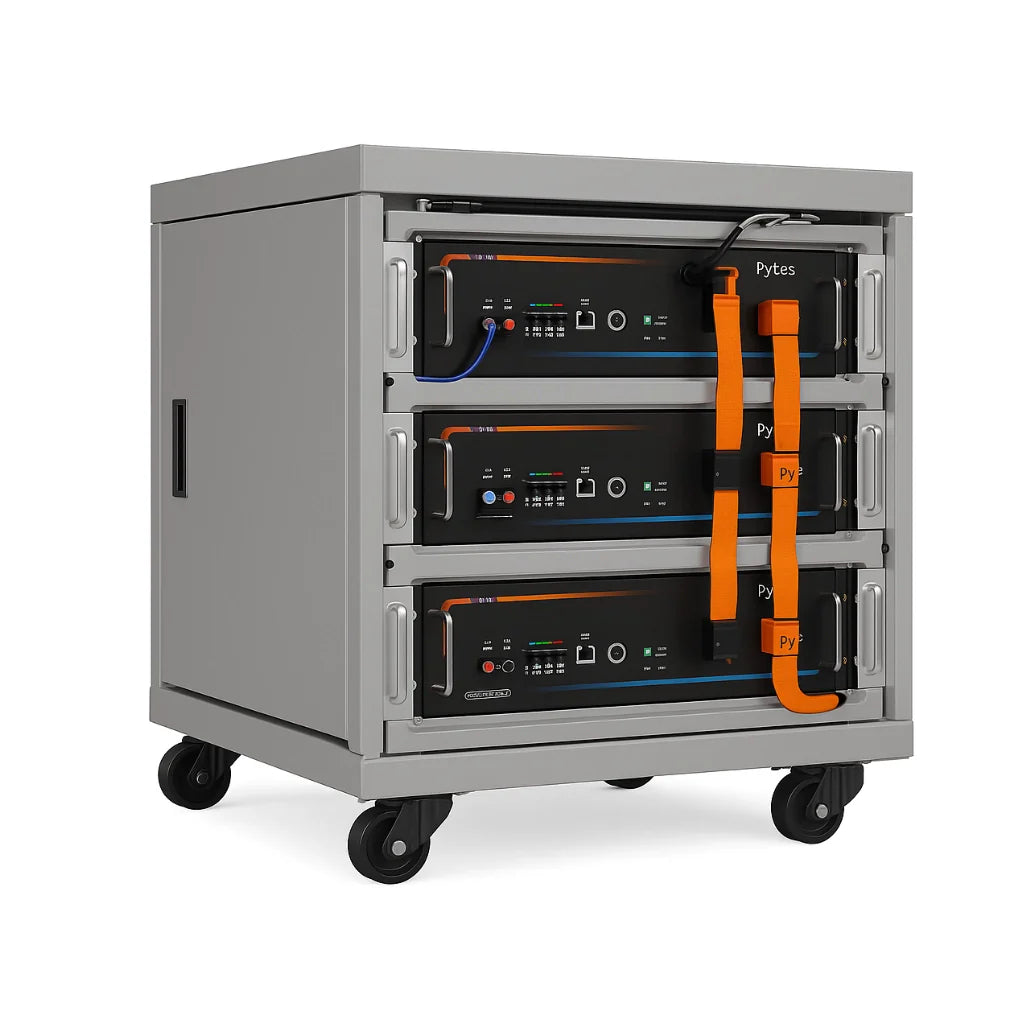
Energy density and power density define how long and how quickly power can be supplied, both of which are critical when sizing a battery bank for a leisure vehicle or boat. Lead-acid batteries typically offer around 30 to 50 Wh/kg of actual usable energy. Lithium iron phosphate (LiFePO4) delivers 90 to 160 Wh/kg at comparable or higher usable percentages. The practical outcome is significant.
| Metric | AGM lead-acid | LiFePO4 lithium |
|---|---|---|
| Usable capacity | ~50% of rated Ah | ~90 to 100% of rated Ah |
| Weight (100Ah bank) | ~28 to 32 kg | ~12 to 15 kg |
| Cycle life | ~400 cycles | 3,000 to 5,000 cycles |
| Charge acceptance | Slow, tapers early | Fast, accepts bulk longer |
| Self-discharge rate | ~5% per month | ~2 to 3% per month |
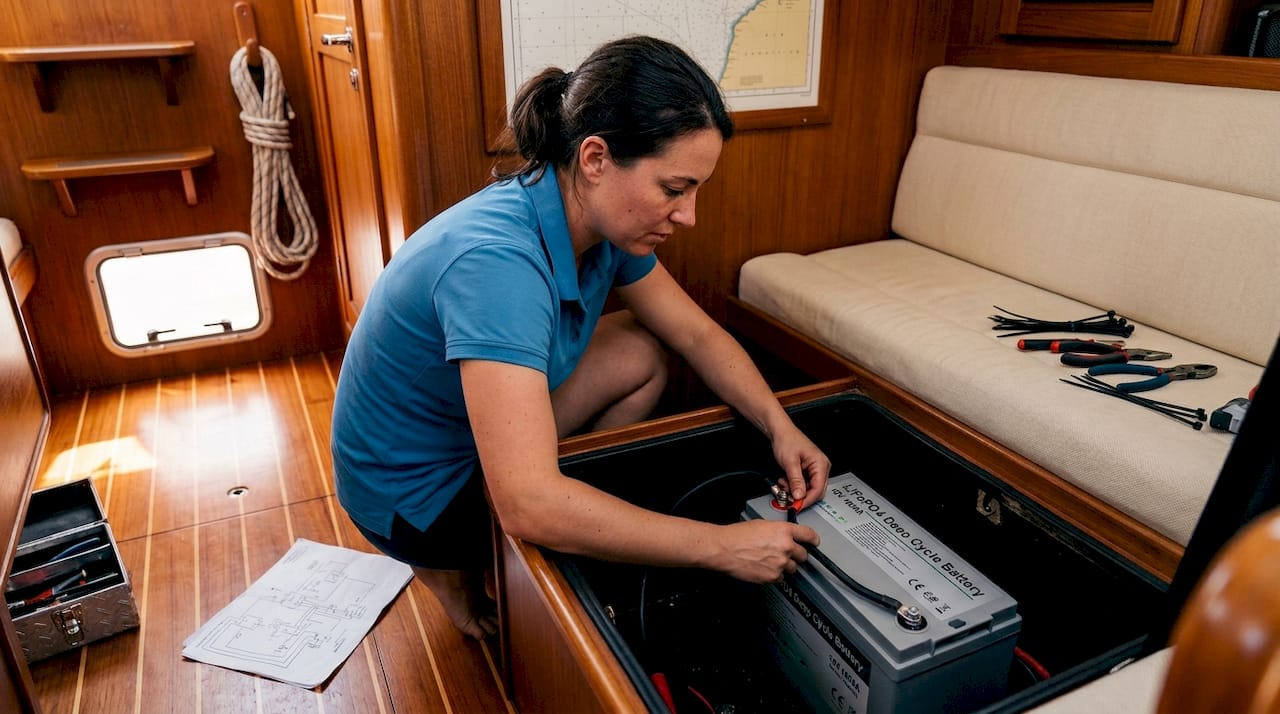
Understanding battery storage comparisons across different chemistries helps clarify why lithium has become the standard for serious off-grid mobile power builds.
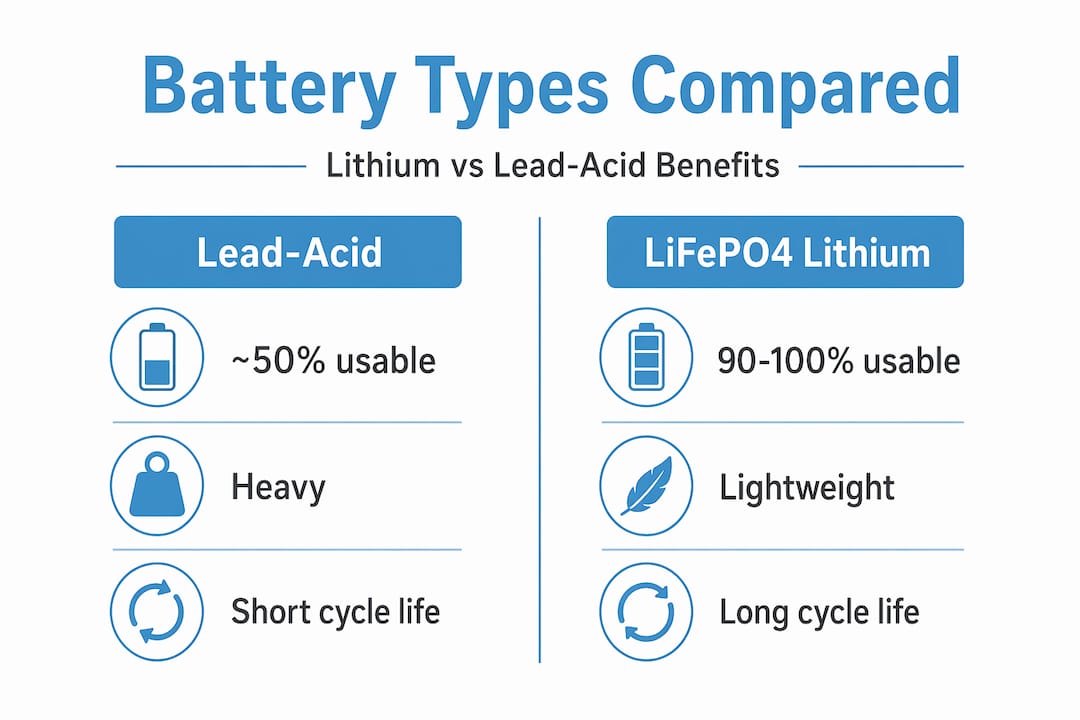
Pro Tip: Do not size your lithium bank to the same rated Ah as your old lead-acid bank. A 100Ah LiFePO4 delivers roughly the same usable energy as a 200Ah AGM. You may be able to use a physically smaller bank and still increase your effective capacity.
The benefits of lithium batteries extend beyond runtime. Faster charge acceptance means solar panels and alternators reach full state of charge earlier in the day, reducing generator run time and engine hours.
Common lithium chemistries and why LiFePO4 leads for marine and leisure vehicles
Not all lithium chemistries behave the same way. NMC (nickel manganese cobalt), NCA (nickel cobalt aluminium), and LFP (lithium iron phosphate, or LiFePO4) each have distinct characteristics. For marine and leisure vehicle use, LiFePO4 is the correct choice. Here is why.
Key characteristics of LiFePO4 for off-grid mobile power:
- Nominal cell voltage: ~3.2V per cell, producing a nominal 12.8V in a 4-cell configuration
- Flat discharge curve: voltage stays stable across 20% to 90% state of charge, meaning consistent appliance performance throughout the discharge cycle
- Usable capacity: 90 to 100% of rated Ah, versus around 50% for lead-acid
- Cycle life: 3,000 to 5,000 cycles at 80% depth of discharge, compared to roughly 400 cycles for AGM
- Thermal stability: LiFePO4 has the most stable cathode chemistry of any lithium type, significantly reducing thermal runaway risk
- Weight savings: a 300Ah LiFePO4 house bank typically weighs 40 to 50 kg less than the equivalent lead-acid setup
LiFePO4 offers higher usable capacity, longer cycle life, safety advantages, and better temperature resilience compared to lead-acid. However, integration challenges require careful charging profile verification across every charge source in your system.
Pro Tip: Every charge source in your system, including your alternator, shore power charger, solar MPPT controller, and any DC/DC converter, must be individually set to a lithium-compatible profile. A single non-compatible source can cause repeated BMS cutouts, which are often misdiagnosed as battery faults.
For a full walkthrough of upgrading an existing system, the guide to lithium battery upgrade for UK campervans covers the process in detail.
The battery management system: the brain ensuring lithium reliability and safety
The BMS is not an optional extra. It is the component that makes lithium batteries safe and functional in real-world mobile power environments. Without it, a lithium bank can fail dangerously.
Core BMS functions:
- Cell voltage balancing: equalises charge across individual cells to prevent one cell from ageing faster than others
- Overvoltage protection: disconnects charging sources if any cell exceeds its maximum voltage (~3.65V for LiFePO4)
- Undervoltage protection: disconnects loads if any cell drops below its minimum safe voltage (~2.5V)
- Overcurrent protection: cuts the circuit if current draw exceeds safe limits, protecting against short-circuits and inverter faults
- Temperature cutoffs: disables charging below 0°C and disables both charge and discharge above approximately 60°C
The BMS is the safety-critical control layer between your lithium cells and everything else in your electrical system. Bypassing or ignoring BMS communication requirements is the most common cause of mid-use battery shutdowns in leisure vehicle and marine installations.
BMS manages cell balancing, overcharge, overdischarge, overcurrent, and temperature protection. Improper integration with chargers and alternators leads directly to mid-use battery cutouts, which are disruptive and potentially damaging.
If your lithium bank cuts out during use, follow this diagnostic sequence:
- Check all charge source voltage settings against lithium profiles
- Verify BMS wiring integrity and confirm no communication faults
- Inspect fusing and contactors for correct ratings
- Check ambient and battery temperature logs if your BMS supports Bluetooth monitoring
- Confirm no single charge source is delivering voltage above the BMS overvoltage threshold
Understanding battery management systems for off-grid use in detail prevents the vast majority of integration problems before they occur.
Integrating lithium batteries into your off-grid leisure vehicle or boat system
Fitting a lithium battery into an existing lead-acid system without modifying charge sources is where most problems begin. Lithium upgrades require verifying or replacing charge sources to lithium-compatible profiles. Charging mistakes cause regulator instability and BMS shutdowns.
Charge source requirements: lead-acid vs lithium
| Charge source | Lead-acid setting | LiFePO4 requirement |
|---|---|---|
| Mains charger | 14.7V absorption, 13.6V float | 14.2 to 14.4V absorption, no float |
| Solar MPPT controller | Lead-acid or AGM profile | Lithium or LiFePO4 profile |
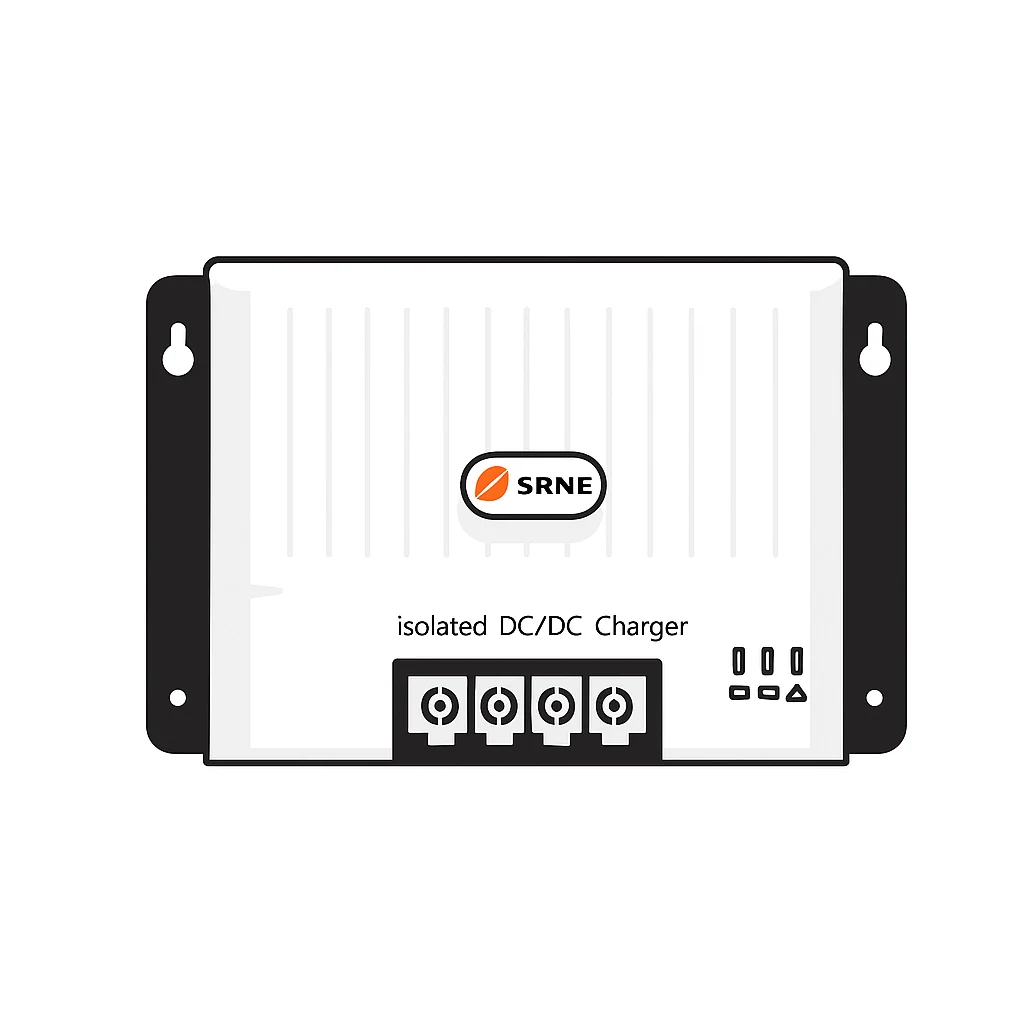
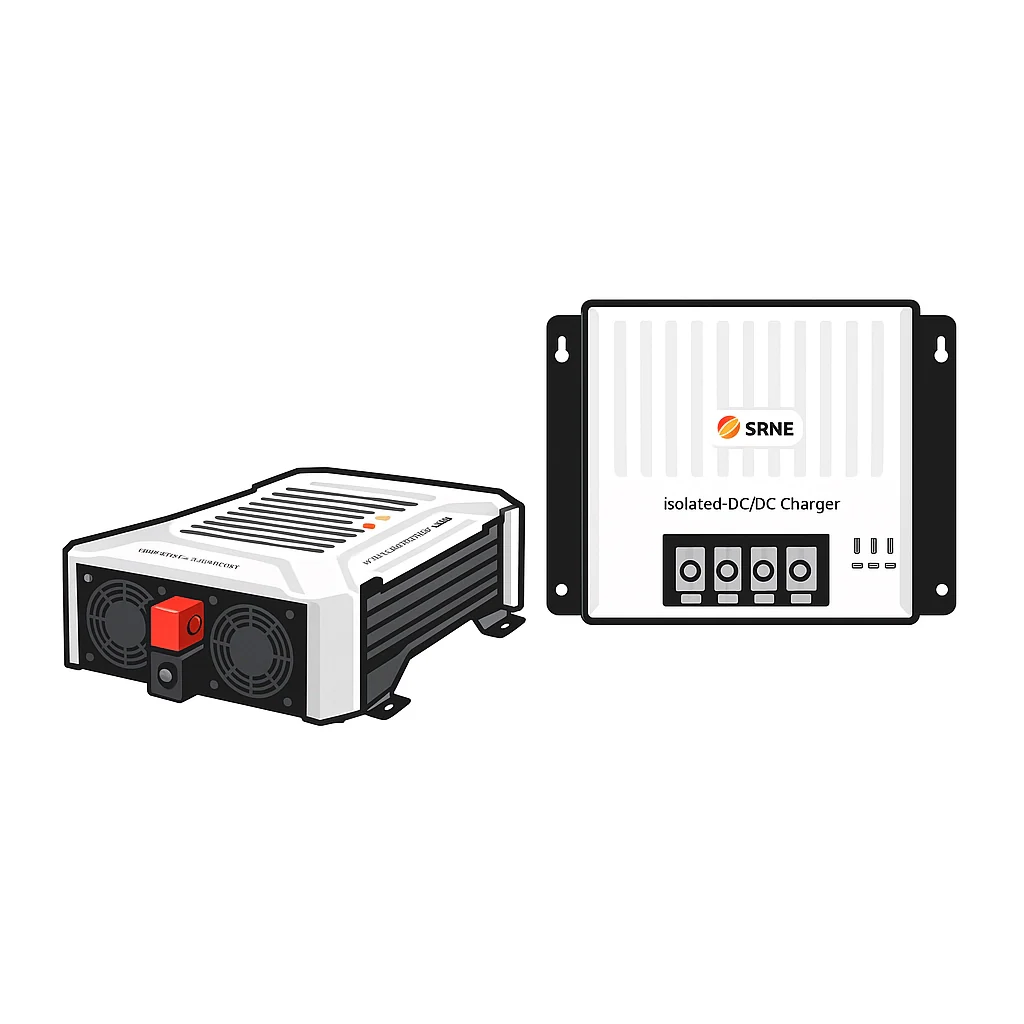
| DC/DC converter | Standard 13.6 to 14.4V | Lithium-specific profile only |
| Vehicle alternator | May require a DC/DC isolator | DC/DC converter with lithium output strongly recommended |
Steps for commissioning a new lithium system:
- Set mains charger to lithium or LiFePO4 profile with bulk/absorption at 14.2 to 14.4V and float disabled
- Configure solar MPPT controller to LiFePO4 chemistry with correct voltage limits
- Install a DC/DC converter between the vehicle alternator and leisure battery to protect both the alternator and BMS
- Fit Class-T fuses rated for lithium short-circuit current levels on all positive battery connections
- Install a shunt-based battery monitor for accurate state of charge readings
- Power up charge sources one at a time and monitor BMS response before connecting all simultaneously
- Verify system under load using inverter or high-draw appliances before final sign-off
For a step-by-step installation guide, see lithium battery installation for campervans. If issues arise after installation, the resource for troubleshooting lithium leisure battery systems provides practical fault-finding guidance.
Pro Tip: Use a shunt-based monitor such as the Victron BMV-712 for accurate lithium state of charge readings. Voltage-based SOC estimation is unreliable with LiFePO4 due to its flat discharge curve. A shunt measures actual current in and out, giving you a precise percentage reading regardless of voltage.
Guidance on optimising energy storage consumption provides useful context for maximising what your battery bank can deliver across a full day of off-grid use.
Our perspective: lithium is not just a battery upgrade, it is a system commitment
Most buyers focus on the battery. The successful ones focus on the system. That distinction matters more than any specification sheet.
Lithium power technology is genuinely transformative for off-grid leisure use. The importance of lithium in energy independence for UK campervan and marine users is real and well-supported by years of practical application. But the failures we see consistently trace back to one thing: treating lithium as a component swap rather than a system change.
The future of lithium in mobile power is not just higher capacity cells. It is tighter integration between battery, charger, BMS, and monitoring. Products that communicate via Bluetooth or CAN bus, chargers that receive state of charge data directly from the BMS, and monitoring systems that flag issues before they become failures. That integration layer is where genuine reliability lives.
If you are planning a lithium build, invest as much attention in verifying your charge sources as you do in selecting your battery. The chemistry is proven. The management is what determines whether it works for ten years or ten weeks.
Upgrade your off-grid power with Skyenergi lithium systems
Skyenergi supplies high-performance LiFePO4 leisure batteries, SRNE turnkey energy solutions for leisure vehicles, Victron-compatible components, and solar charging accessories. All products are sourced directly from manufacturers and specified for UK campervan, motorhome, and marine applications.
Whether you are building a new system or upgrading from lead-acid, Skyenergi’s range covers every charge source requirement, from MPPT controllers and DC/DC converters to BMS-compatible mains chargers. Many batteries include Bluetooth monitoring for real-time state of charge and system health data. Browse the full range at Skyenergi and get the components needed to build a reliable, expandable off-grid power system that performs every time.
Frequently asked questions
What makes lithium batteries better than traditional lead-acid for mobile power?
LiFePO4 offers higher usable capacity, longer cycle life, faster charge acceptance, and substantially lower weight, all of which directly improve off-grid energy independence for leisure vehicle and marine users.
Can I just swap my lead-acid battery for lithium without modifying my charging system?
No. A lithium upgrade requires verifying or replacing every charge source for a lithium-compatible profile. Incompatible chargers cause regulator instability and repeated BMS shutdowns mid-use.
Why is a battery management system (BMS) essential for lithium batteries?
The BMS manages multiple protections including cell balancing, overcharge and overdischarge prevention, overcurrent cutoffs, and temperature limits, ensuring both battery longevity and safe operation.
How do temperature changes affect lithium battery performance in leisure vehicles and boats?
LiFePO4 BMS units disable charging below approximately 0°C to prevent permanent cell damage, though the battery continues to discharge normally down to around minus 20°C in most configurations.
Recommended
Prev post

Smart battery system features for off-grid power
Updated on 17 May 2026
Next post

Campervan energy storage: your 2026 upgrade guide
Updated on 15 May 2026


