





7 Types of Off-Grid Battery Systems for UK Campervans
Explore seven types of off-grid battery systems for UK campervans. Discover practical tips to boost reliability, energy efficiency, and independence on your travels.
Nearly 60 percent of British campervan owners now demand battery systems that deliver real freedom on the road. When every mile takes you farther from the crowd, having a reliable and expandable off-grid power source means more comfort, flexibility, and peace of mind during your adventures. This guide unpacks the battery choices and crucial upgrades that put dependable, efficient energy within reach for every British explorer who values true independence.
Table of Contents
- 1. Understanding Lead-Acid Batteries for Campervans
- 2. Benefits of AGM Battery Systems for Off-Grid Use
- 3. Why Lithium Batteries Lead in Performance and Longevity
- 4. Exploring Gel Batteries for Reliable Power Storage
- 5. Hybrid Battery Systems for Flexible Energy Solutions
- 6. Battery Management Systems: Maximising System Health
- 7. Expandable Solutions for Growing Off-Grid Needs
Quick Summary
| Key Insight | Explanation |
|---|---|
| 1. Choose the Right Battery Type | Understand the differences between starter, deep-cycle, AGM, gel, and lithium batteries for optimal campervan performance. |
| 2. Monitor Battery Health | Invest in a Battery Management System to track performance, state of charge, and battery longevity across different systems. |
| 3. Manage Power Consumption Carefully | Lead-acid batteries should not be discharged below 50% capacity to prevent damage and extend lifespan. |
| 4. Consider Expandable Systems | Opt for modular battery installations to adapt your power system as your energy needs grow or change during travels. |
| 5. Professional Installation Recommended | Ensure compatible charging infrastructure and optimal performance by hiring professionals for lithium battery installs and complex systems. |
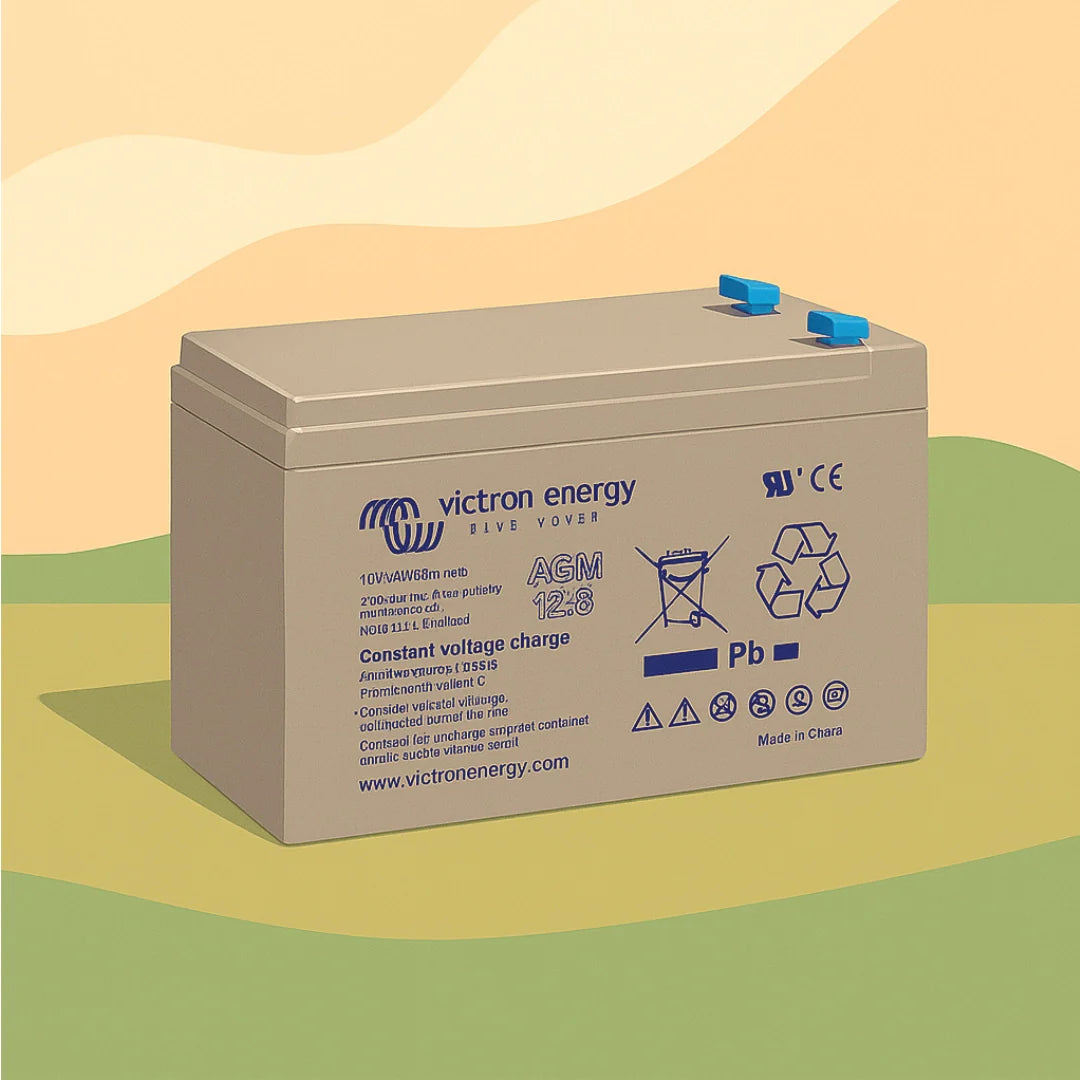
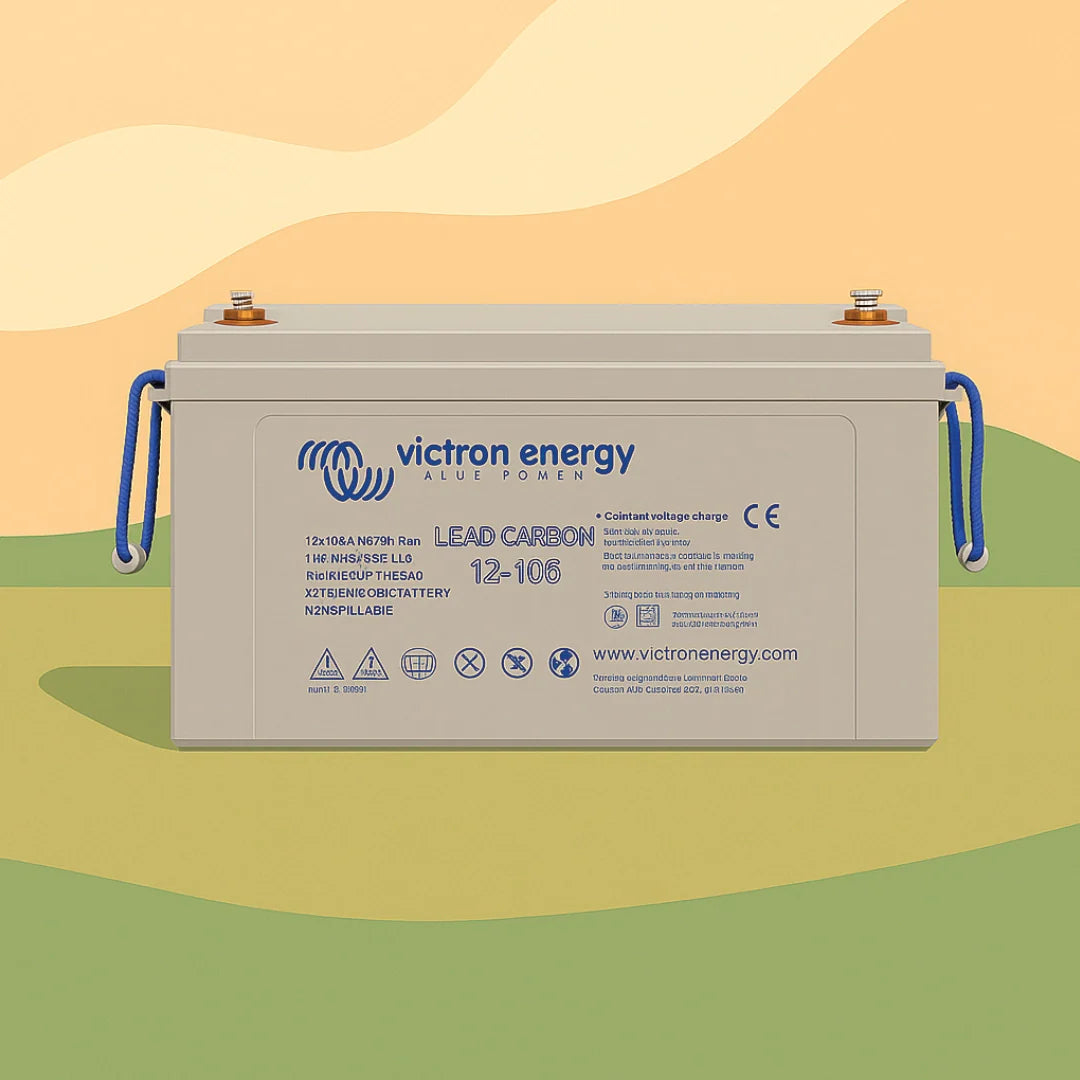
1. Understanding Lead-Acid Batteries for Campervans
Lead-acid batteries have been the traditional power source for campervans across the United Kingdom for decades, providing reliable electrical storage for leisure and auxiliary power needs. These batteries operate on a well-established electrochemical principle that converts chemical energy into electrical energy through a reversible process.
Understanding the fundamental chemistry is crucial for campervan owners. A lead-acid battery consists of lead plates immersed in a sulphuric acid electrolyte solution, with positive and negative plates that interact to generate electrical current. When discharging, the lead plates undergo a chemical transformation that releases electrons, powering your campervan’s electrical systems.
Two primary types of lead-acid batteries dominate the campervan market: starter batteries and deep-cycle batteries. Starter batteries deliver high current for short bursts to start engines, while deep-cycle batteries provide sustained power for appliances, lighting, and auxiliary equipment. Leisure battery selection requires understanding these distinct characteristics.
Campervan owners should be aware of key performance metrics like depth of discharge and cycle life. Most lead-acid batteries can only safely discharge to 50% of their capacity to prevent permanent damage, which significantly impacts their overall performance and longevity. This limitation means you’ll need to carefully manage your power consumption and recharging strategies.
Regulatory standards in the United Kingdom also play a critical role in lead-acid battery installation. Proper ventilation, secure mounting, and compliance with British electrical regulations are essential for safe operation. Incorrect installation can lead to potential safety risks and electrical system failures.
Expert Advice: Always use a dedicated leisure battery with thick lead plates designed for repeated deep discharges, and invest in a quality battery monitoring system to track your power usage and battery health.
2. Benefits of AGM Battery Systems for Off-Grid Use
Absorbent Glass Mat (AGM) battery systems represent a significant advancement in off-grid power technology for campervans, offering reliable and efficient electrical storage solutions. These specialised batteries have gained substantial popularity among UK campervan enthusiasts for their unique performance characteristics.
Unlike traditional flooded lead-acid batteries, AGM batteries feature a sophisticated design where glass fibres absorb the electrolyte, creating a spill-proof and vibration-resistant power storage system. Leisure battery technologies have evolved to address the demanding requirements of off-grid adventures.
Key Benefits of AGM Battery Systems:
Durability: AGM batteries excel in rough terrains and challenging environments. Their sealed construction prevents electrolyte spillage and reduces the risk of acid leakage, making them ideal for campervans navigating uneven landscapes.
Low Maintenance: These batteries require minimal upkeep compared to traditional lead-acid alternatives. The absorbed glass mat design eliminates the need for regular water topping and reduces corrosion risks.
Deep Cycle Performance: AGM batteries offer superior deep discharge capabilities, allowing campervan owners to reliably power electrical appliances, lighting systems, and auxiliary equipment without compromising battery integrity.
Temperature Resilience: These batteries perform consistently across various temperature ranges, ensuring reliable power supply during British summers and chilly winters. Their design allows for more stable electrical output in diverse environmental conditions.
Faster Charging: AGM batteries can accept higher charging currents compared to standard lead-acid batteries, reducing downtime and enabling quicker recharging during your off-grid adventures.
Expert Advice: When selecting an AGM battery for your campervan, always match the battery capacity with your expected power consumption and invest in a quality battery management system to maximise performance and longevity.
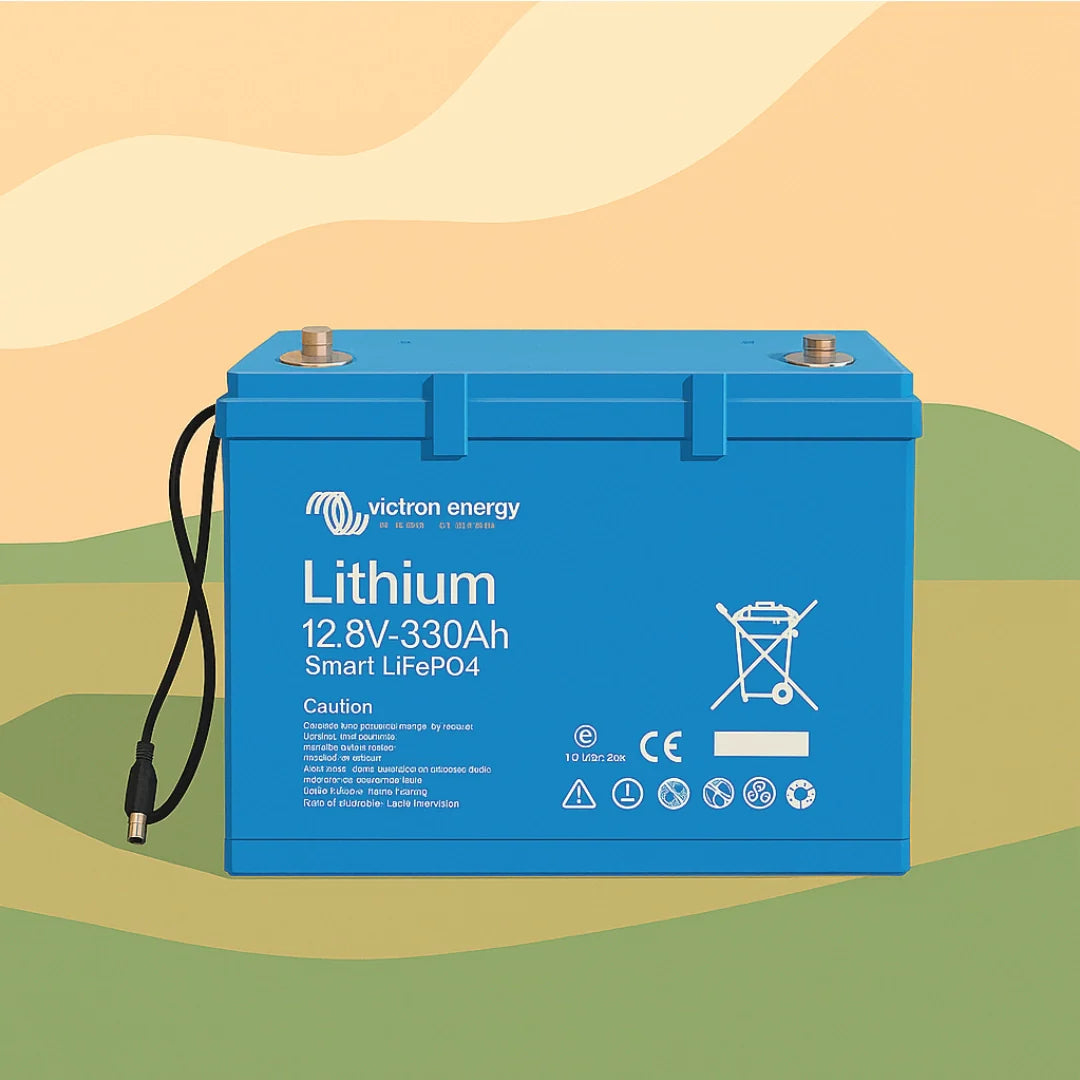
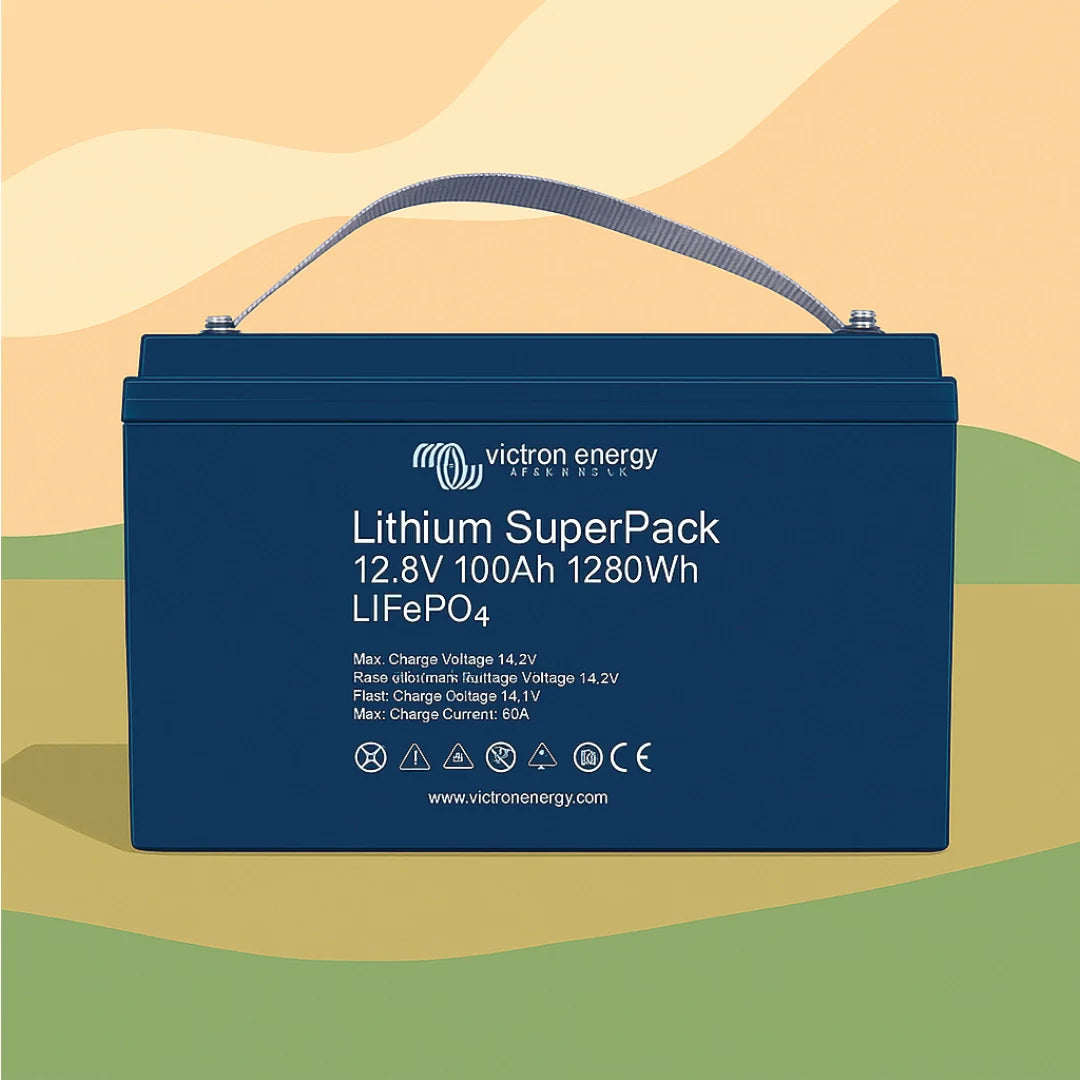
3. Why Lithium Batteries Lead in Performance and Longevity
Lithium battery technology represents a quantum leap forward in off-grid power solutions for UK campervans, offering unprecedented performance and reliability. These advanced power storage systems are transforming how campervan owners approach electrical energy management.
At the heart of lithium battery superiority is the innovative Lithium Iron Phosphate (LiFePO4) chemistry, which delivers remarkable advantages over traditional battery technologies. Campervan electrical systems have been revolutionised by these intelligent power storage solutions.
Key Performance Advantages:
Usable Capacity: Lithium batteries provide up to 90% usable capacity compared to lead-acid batteries’ mere 50%, effectively doubling your available power without increasing physical battery size.
Weight Efficiency: These batteries are significantly lighter than traditional alternatives, with some models weighing up to 70% less than equivalent lead-acid batteries. This weight reduction can dramatically improve campervan fuel efficiency and handling.
Charging Speed: Lithium batteries accept charging currents much faster than conventional batteries, reducing downtime and enabling quicker power replenishment during your travels.
Cycle Life: Where lead-acid batteries might survive 500 charge cycles, lithium batteries can endure thousands of cycles with minimal performance degradation, representing a substantial long-term investment.
Built-in Safety: Advanced Battery Management Systems continuously monitor cell temperature, voltage, and performance, preventing overcharging, deep discharge, and managing thermal conditions automatically.
Voltage Stability: Unlike lead-acid batteries that experience significant voltage drop during discharge, lithium batteries maintain a consistent voltage output throughout their discharge cycle, ensuring reliable power for sensitive electronic equipment.
Temperature Performance: These batteries perform consistently across a broader temperature range, making them ideal for the unpredictable British climate and diverse campervan environments.
Expert Advice: When transitioning to lithium batteries, ensure your charging infrastructure is compatible and consider professional installation to maximise system performance and safety.
4. Exploring Gel Batteries for Reliable Power Storage
Gel batteries represent a sophisticated power storage solution for UK campervan owners seeking dependable and low maintenance electrical systems. These advanced batteries utilise a specialised silica based gel electrolyte that sets them apart from traditional lead acid battery technologies.
Leisure battery technologies have evolved significantly, with gel batteries emerging as a robust option for off-grid power management.
Key Performance Characteristics:
Maintenance Free Operation: Gel batteries eliminate the need for regular electrolyte checks or water topping, providing a hassle free power solution for campervan enthusiasts.
Temperature Resilience: These batteries perform consistently across a wide temperature range, making them ideal for the unpredictable British climate and diverse outdoor environments.
Vibration Resistance: The unique gel electrolyte construction provides superior protection against mechanical shock and vibration, ensuring reliable performance during rough terrain travel.
Deep Cycle Capability: Gel batteries excel in providing sustained power output, making them perfect for extended off-grid adventures where consistent electrical supply is crucial.
Sealed Design: The completely sealed construction prevents acid leakage and reduces the risk of corrosion, enhancing both safety and longevity of the battery system.
Slower Charging Benefit: While gel batteries charge more slowly compared to AGM alternatives, this characteristic actually contributes to their longer overall lifespan and more stable performance.
Longevity: Gel batteries typically offer a longer service life compared to standard flooded lead acid batteries, representing a more durable investment for campervan electrical systems.
Expert Advice: When installing gel batteries, ensure your charging system is compatible with gel battery specifications and avoid opportunity charging to maximise battery performance and longevity.
5. Hybrid Battery Systems for Flexible Energy Solutions
Hybrid battery systems represent a cutting-edge approach to power management for modern campervans, offering unprecedented flexibility and efficiency in energy storage and utilisation. These intelligent systems combine multiple battery technologies to create a robust and adaptable electrical infrastructure.
Core Hybrid Battery System Configurations:
Multiple Chemistry Integration: Hybrid systems typically combine different battery types such as lithium, gel, and AGM batteries, allowing campervan owners to leverage the unique strengths of each technology.
Smart Energy Routing: Advanced hybrid systems can dynamically switch between battery sources, prioritising the most efficient power storage and discharge based on real-time electrical demands and environmental conditions.
Solar and Alternator Charging Integration: These systems can seamlessly incorporate multiple charging sources including solar panels, vehicle alternators, and shore power, providing comprehensive charging flexibility.
Intelligent Battery Management: Built-in microprocessors continuously monitor battery health, state of charge, and performance across different battery chemistries, optimising overall system efficiency.
Redundancy and Backup: By incorporating multiple battery technologies, hybrid systems provide built-in redundancy, ensuring continuous power supply even if one battery type experiences performance degradation.
Scalable Design: Hybrid battery systems allow modular expansion, enabling campervan owners to incrementally upgrade their electrical storage capacity as their power requirements evolve.
Performance Optimisation: The system can balance load across different battery types, extending overall battery life and maintaining optimal performance under varying electrical demands.
Hybrid inverter technologies play a crucial role in managing these complex energy interactions, providing sophisticated power conversion and management capabilities.
Expert Advice: When designing a hybrid battery system, consult with a professional who can assess your specific campervan energy requirements and recommend a tailored solution that balances performance, cost, and future expandability.
6. Battery Management Systems: Maximising System Health
Battery Management Systems (BMS) represent a critical technological innovation for modern campervan electrical systems, providing intelligent monitoring and protection for complex battery configurations. These sophisticated electronic systems serve as the central nervous system of your power storage infrastructure.
Core Functions of Battery Management Systems:
Cell Balancing: BMS continuously monitors individual battery cell voltages, ensuring each cell charges and discharges uniformly to prevent premature battery degradation. This process maximises overall battery pack performance and longevity.
Temperature Regulation: Advanced systems track battery temperature across different zones, preventing overheating and protecting against thermal runaway scenarios that could compromise battery integrity.
State of Charge Monitoring: Battery monitoring technologies provide real-time insights into remaining electrical capacity, helping campervan owners make informed power consumption decisions.
Overcharge Protection: The BMS prevents individual cells from receiving excessive voltage during charging, which can cause permanent damage and reduce battery lifespan.
Deep Discharge Prevention: Intelligent systems automatically disconnect batteries when voltage drops below safe thresholds, protecting against irreversible chemical degradation.
Performance Diagnostics: Modern BMS units offer detailed analytics about battery health, tracking metrics like cycle count, total energy throughput, and potential degradation indicators.
Wireless Connectivity: Many contemporary BMS solutions provide Bluetooth or WiFi connectivity, enabling smartphone app monitoring and remote system diagnostics.
Expert Advice: Invest in a BMS with comprehensive monitoring capabilities and ensure regular firmware updates to maintain optimal battery system performance and security.
7. Expandable Solutions for Growing Off-Grid Needs
Campervan electrical systems have evolved dramatically, with modern battery solutions offering unprecedented flexibility for adventurers seeking scalable and adaptable power infrastructure. The ability to expand and modify your off-grid power system ensures your electrical setup can grow alongside your travel ambitions.
Modular Battery System Design:
Parallel Connections: Many contemporary battery technologies allow seamless parallel connections, enabling campervan owners to incrementally increase total battery capacity without replacing entire systems.
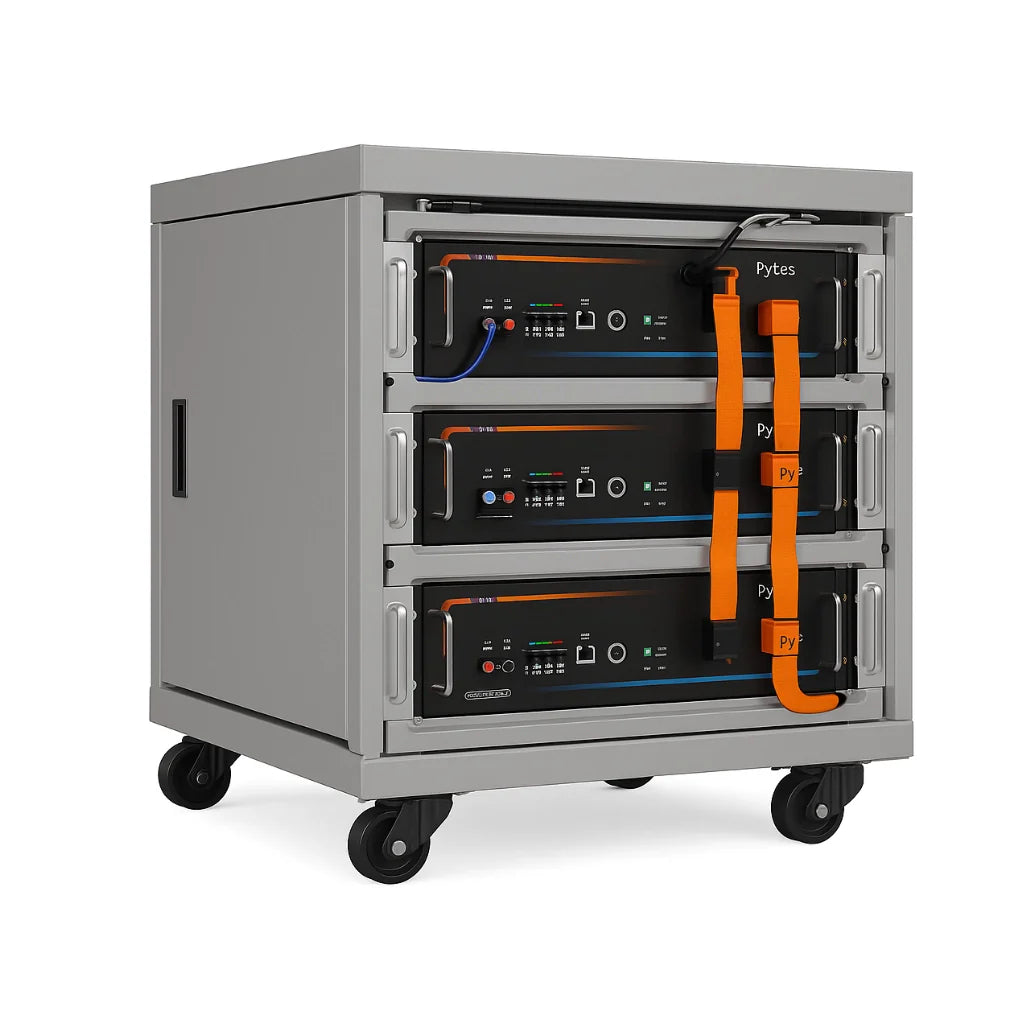
Stackable Battery Modules: Advanced lithium battery systems feature modular designs where additional battery units can be easily integrated, providing a plug and play expansion approach.
Integrated Monitoring Compatibility: Solar energy storage solutions now incorporate intelligent monitoring systems that can automatically recognise and integrate new battery modules.
Charging Infrastructure Adaptability: Modern battery management systems can automatically adjust charging parameters when new battery modules are added, ensuring optimal performance and longevity.
Voltage and Capacity Scaling: Expandable systems allow gradual increases in both total voltage and amp hour capacity, supporting evolving electrical requirements without complete system replacement.
Wireless Configuration: Some advanced battery systems offer smartphone app connectivity, allowing users to configure and monitor expanded battery configurations remotely.
Future Proofing: Selecting battery systems with inherent expandability provides long term flexibility, accommodating emerging technologies and changing power consumption needs.
Expert Advice: When planning your campervan electrical system, invest in battery technologies that offer clear upgrade paths and compatibility with future energy storage innovations.
Below is a concise table summarising the main points and key takeaways discussed in the article about campervan battery technologies and management systems.
| Battery Type/System | Key Features | Advantages | Considerations |
|---|---|---|---|
| Lead-Acid Batteries | Reliable and cost-effective, requiring careful depth of discharge management | Widely available and affordable | Limited to 50% discharge; proper ventilation and safe mounting needed |
| AGM Batteries | Spill-proof, vibration-resistant, fast charging | Low maintenance, tolerates temperature variations | Higher upfront cost, lower cycle life compared to lithium batteries |
| Lithium Batteries (LiFePO4) | High usable capacity, long cycle life, lightweight | Quick charging, consistent voltage, durable | Higher upfront cost, requires appropriate charging setup |
| Gel Batteries | Gel-based electrolyte, sealed design | Maintenance-free, vibration-resistant, long-lasting | Slower charging rates, requires compatible charging systems |
| Hybrid Battery Systems | Combines multiple technologies, integrates multiple charging sources | Enhances flexibility, redundancy, and performance optimisation | May require professional design and installation |
| Battery Management Systems | Intelligent battery monitoring and protection | Extends battery life, provides detailed usage insights | Initial setup cost; regular firmware updates recommended |
| Expandable Systems | Modular design for capacity scaling | Allows incremental upgrades, future-proofing | Typically requires compatible components and monitoring systems |
Discover Reliable Off-Grid Battery Solutions for Your UK Campervan
Choosing the right off-grid battery system can be challenging with so many types available, from lead-acid and AGM to cutting-edge lithium and hybrid options. The article highlights common pain points such as managing battery life, ensuring safety, and finding flexible, expandable systems that meet your power demands on the road. At Skyenergi, we understand these challenges and specialise in providing high-performance lithium battery systems that deliver longer cycle life, faster charging, and intelligent management — all designed to keep your campervan powered no matter where you travel.
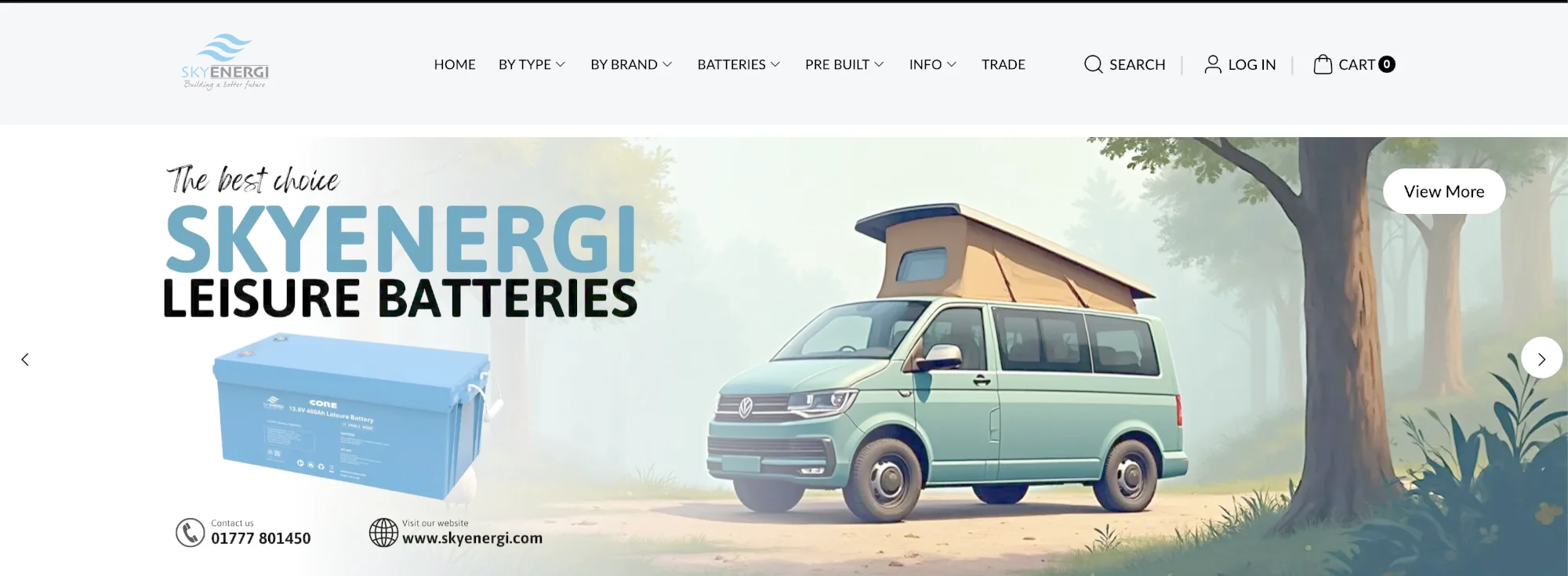
Explore our expertly engineered lithium leisure batteries and complete energy solutions tailored for campervans and motorhomes. With integrated Bluetooth monitoring and compatibility with advanced battery management systems, Skyenergi offers the perfect way to maximise your off-grid power reliability and freedom. Don’t compromise your adventures with outdated or insufficient batteries. Visit Skyenergi today and take the first step towards powering your journey with confidence and efficiency. Check our range of lithium battery systems and start upgrading your campervan energy setup now.
Frequently Asked Questions
What are the main types of off-grid battery systems for campervans?
Lead-acid, AGM, lithium, and gel batteries are the primary types of off-grid battery systems for campervans. Each type has its strengths, with lithium batteries offering the highest performance and longevity. Assess your power requirements to determine which battery type best suits your needs.
How do I choose the right off-grid battery system for my campervan?
Consider factors such as usable capacity, weight, charging speed, and cycle life when selecting an off-grid battery system. Calculate your expected power consumption, including appliances and lighting, to better understand which battery technology will provide the best performance. Create a detailed list of your power needs to guide your choice.
Can I combine different battery types in my campervan’s electrical system?
Yes, many campervans utilise hybrid battery systems that combine different types of batteries, such as lithium, AGM, and gel. This approach maximises the benefits of each battery type and provides flexibility in power management. Start planning your hybrid system by identifying the unique strengths of each battery type you wish to combine.
How do battery management systems enhance the performance of campervan batteries?
Battery Management Systems (BMS) monitor and protect your battery packs by managing temperature, voltage, and charge cycles. A BMS ensures optimal health and longevity of your batteries, preventing both overcharging and deep discharge. Install a reliable BMS to maintain your battery’s performance over time.
What maintenance is required for off-grid battery systems in campervans?
Maintenance varies by battery type: lead-acid and AGM batteries require periodic checks for water levels, while lithium and gel batteries are typically maintenance-free. Regularly inspect and clean battery terminals, and ensure your charging infrastructure is compatible with the battery technology in use. Schedule monthly maintenance to keep your system running smoothly.
How can I expand my campervan’s off-grid battery capacity in the future?
Many off-grid battery systems are designed for scalability, allowing for easy expansion. You can incrementally add more batteries to increase capacity, and choose modular systems that integrate seamlessly with existing infrastructure. Plan for potential future power needs by selecting a system with clear upgrade paths.
Recommended
Prev post

Role of BMS in Energy Storage – Why It Matters
Updated on 08 January 2026
Next post

Benefits of SRNE Eco System for UK Campervans
Updated on 06 January 2026


