





Off-grid energy trends for UK leisure vehicles: 2026 guide
Explore the top off-grid energy trends for UK leisure vehicles in 2026. Learn how lithium batteries, smart systems, and modular setups improve energy independence.
TL;DR:
- Advances in lithium batteries, solar efficiency, and smart management are transforming off-grid vehicle power in 2025.
- Modular, expandable systems with Bluetooth monitoring offer long-term resilience and future-proofing.
- Emerging AI and remote diagnostics are making energy management proactive and more reliable.
Off-grid energy technology for leisure vehicles is not standing still. Many owners assume their existing setup is adequate, but 2025 has brought a wave of advances in lithium storage, solar efficiency, and integrated energy management that are reshaping what is possible on the road. From smarter battery management systems to AI-assisted load balancing, UK campervan and motorhome owners now have access to tools that were reserved for industrial applications just a few years ago. This guide breaks down the key trends, compares old and new technologies, and gives you a practical framework for upgrading and future-proofing your off-grid energy setup.
Table of Contents
- Why off-grid energy matters for leisure vehicles in 2025
- Top technology trends shaping off-grid energy in 2025
- How to future-proof your off-grid energy setup for 2025 and beyond
- Emerging innovations set to change off-grid energy
- What most leisure vehicle owners miss about off-grid energy trends
- Power up your leisure vehicle with proven off-grid solutions
- Frequently asked questions
Key Takeaways
| Point | Details |
|---|---|
| Lithium leads the way | Lithium batteries and modular systems are redefining off-grid energy for leisure vehicles in the UK. |
| Plan for upgradability | Prioritise system expandability and regular health checks to maximise long-term value. |
| Smart features boost ease | Remote monitoring and AI energy management are enhancing real-world reliability and comfort. |
| Invest strategically | Future-proofed choices outweigh fleeting tech trends for reliable off-grid adventure. |
Why off-grid energy matters for leisure vehicles in 2025
The expectations placed on leisure vehicle energy systems have changed significantly. Owners are no longer satisfied with powering a few lights and a small fridge. Modern trips involve laptops, induction hobs, electric bikes, satellite systems, and CPAP machines. The demand for reliable, high-capacity off-grid power has never been greater.
UK leisure vehicle registrations have grown steadily, and longer, more remote trips are now common. Rising off-grid travel is driving demand for more efficient leisure vehicle energy solutions across the board. Owners who previously relied on hook-up pitches are increasingly choosing wild camping, remote coastal spots, and extended touring routes where mains power simply is not available.
Key reasons more UK owners are going off-grid in 2025:
- Increased appliance loads: High-draw devices like induction hobs and air conditioning units require larger, more capable battery banks.
- Remote working on the road: Laptops, monitors, and routers demand consistent, stable power throughout the day.
- Longer trips: Extended touring means fewer opportunities to recharge from mains sources.
- Environmental awareness: Solar and lithium systems reduce reliance on noisy, polluting generators.
- Cost savings: A well-designed off-grid system reduces site fees and fuel costs over time.
“The UK leisure vehicle market is experiencing a sustained shift towards full energy independence, with owners investing in systems capable of supporting modern digital lifestyles away from the grid.” — Skyenergi, 2025 market analysis
For owners exploring energy independence for motorhomes, the starting point is understanding which technologies are now available and how they compare to legacy setups. The gap between a 2019 AGM-based system and a 2025 lithium setup with smart management is substantial, both in performance and long-term value.
Top technology trends shaping off-grid energy in 2025
Three areas are driving the biggest changes: battery chemistry, solar panel efficiency, and integrated system management. Each has seen meaningful progress, and together they make a compelling case for upgrading.
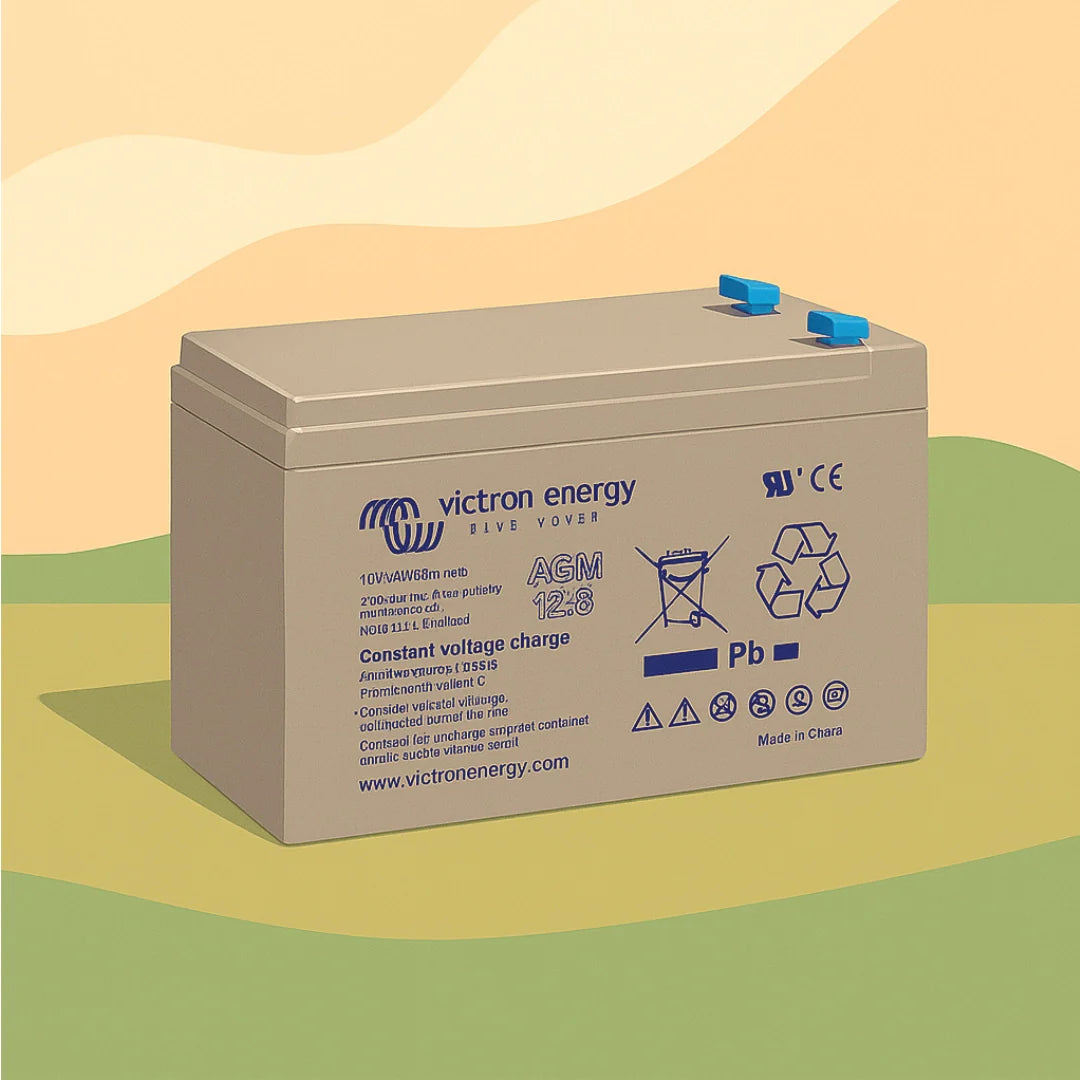
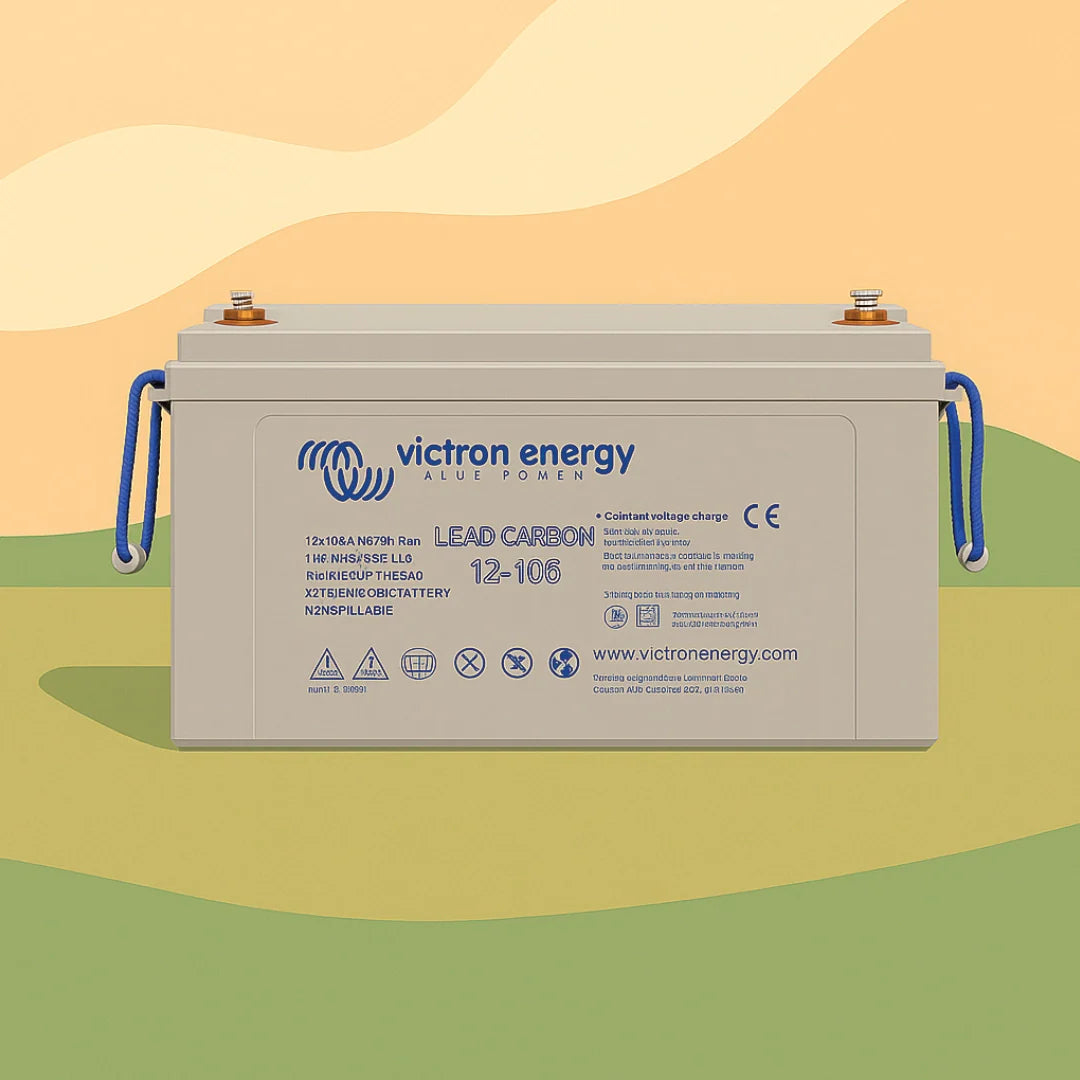
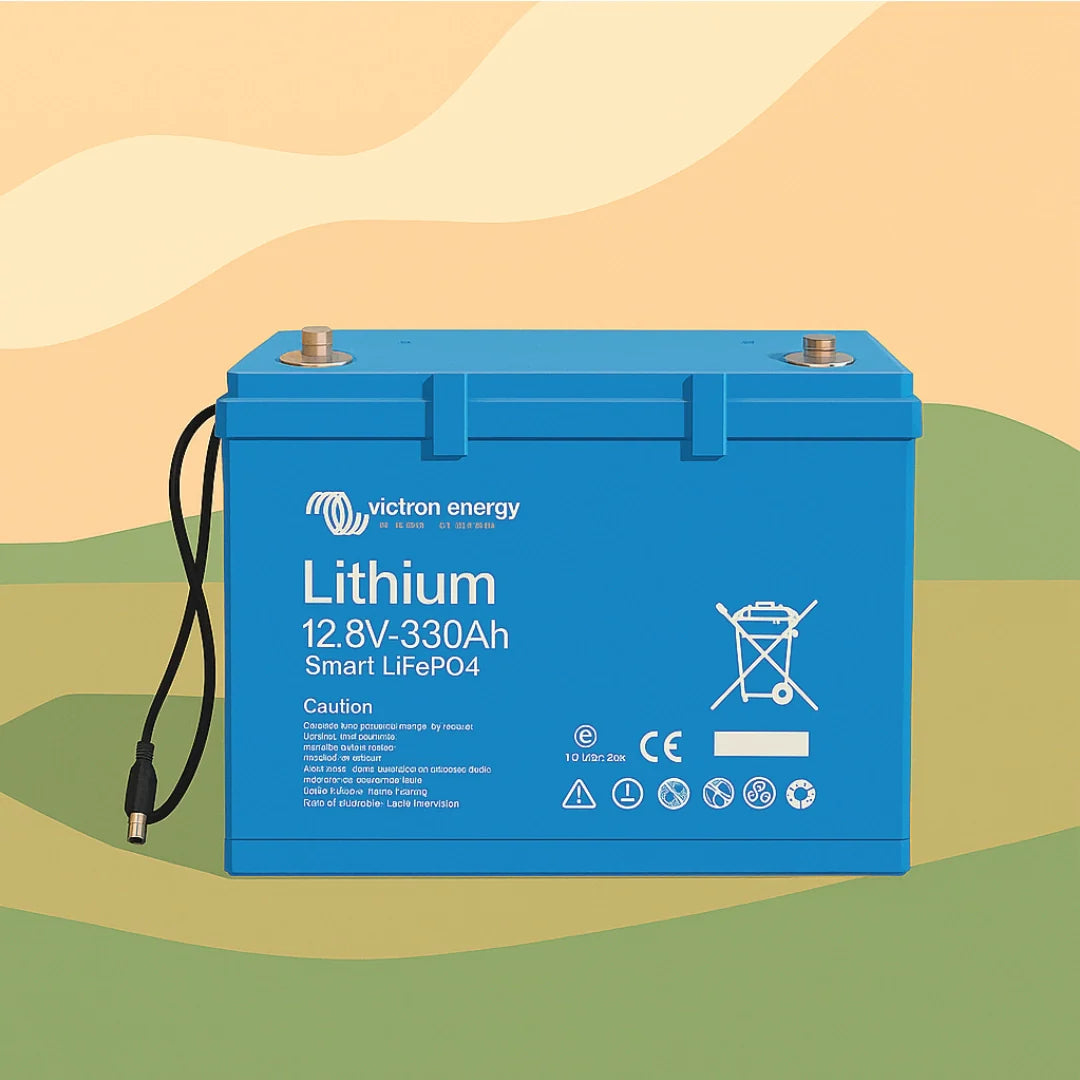
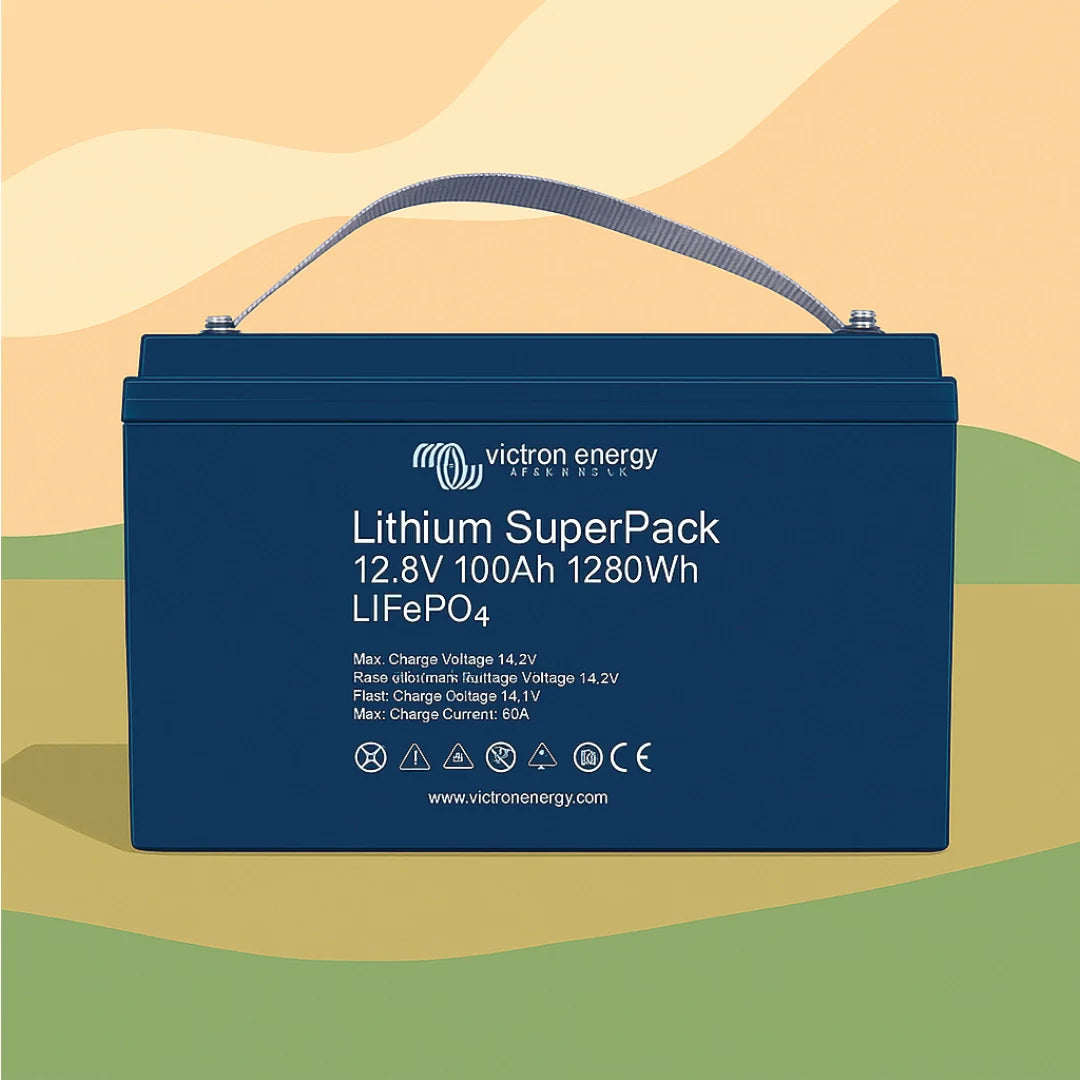
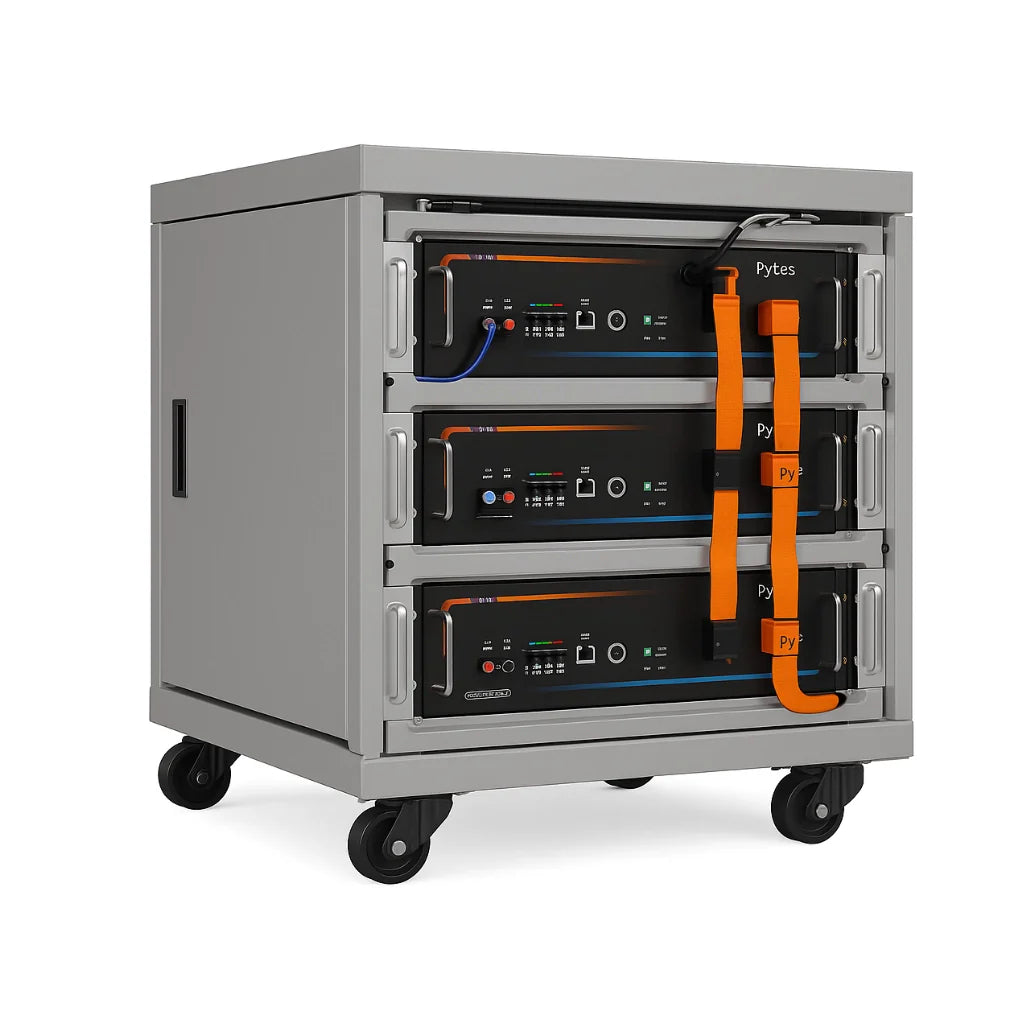
Lithium batteries are revolutionising energy storage for leisure vehicles, improving both range and reliability. Compared to AGM batteries, lithium iron phosphate (LiFePO4) cells offer higher usable capacity, faster charge acceptance, and a significantly longer cycle life. Expandable modular energy systems are also simplifying future upgrades, allowing owners to add capacity without replacing the entire installation.
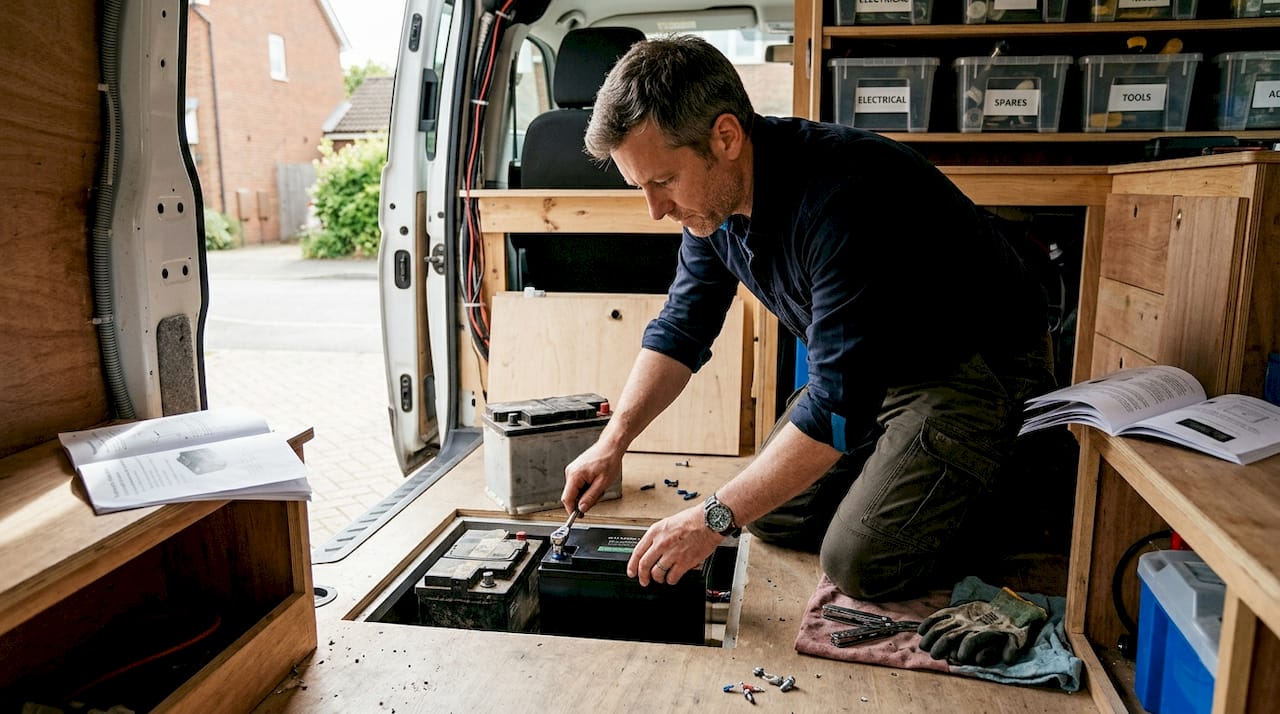
Technology comparison: traditional vs. 2025 systems
| Feature | Traditional (AGM) | 2025 (Lithium + Smart) |
|---|---|---|
| Usable capacity | 50% of rated | 95% of rated |
| Cycle life | 300 to 500 cycles | 3,000 to 6,000 cycles |
| Charge speed | Slow, multi-stage | Fast, high-acceptance |
| Weight | Heavy | 40 to 60% lighter |
| Monitoring | Manual checks | Bluetooth, app-based |
| Expandability | Limited | Modular, scalable |
| Solar compatibility | Basic PWM | Advanced MPPT |
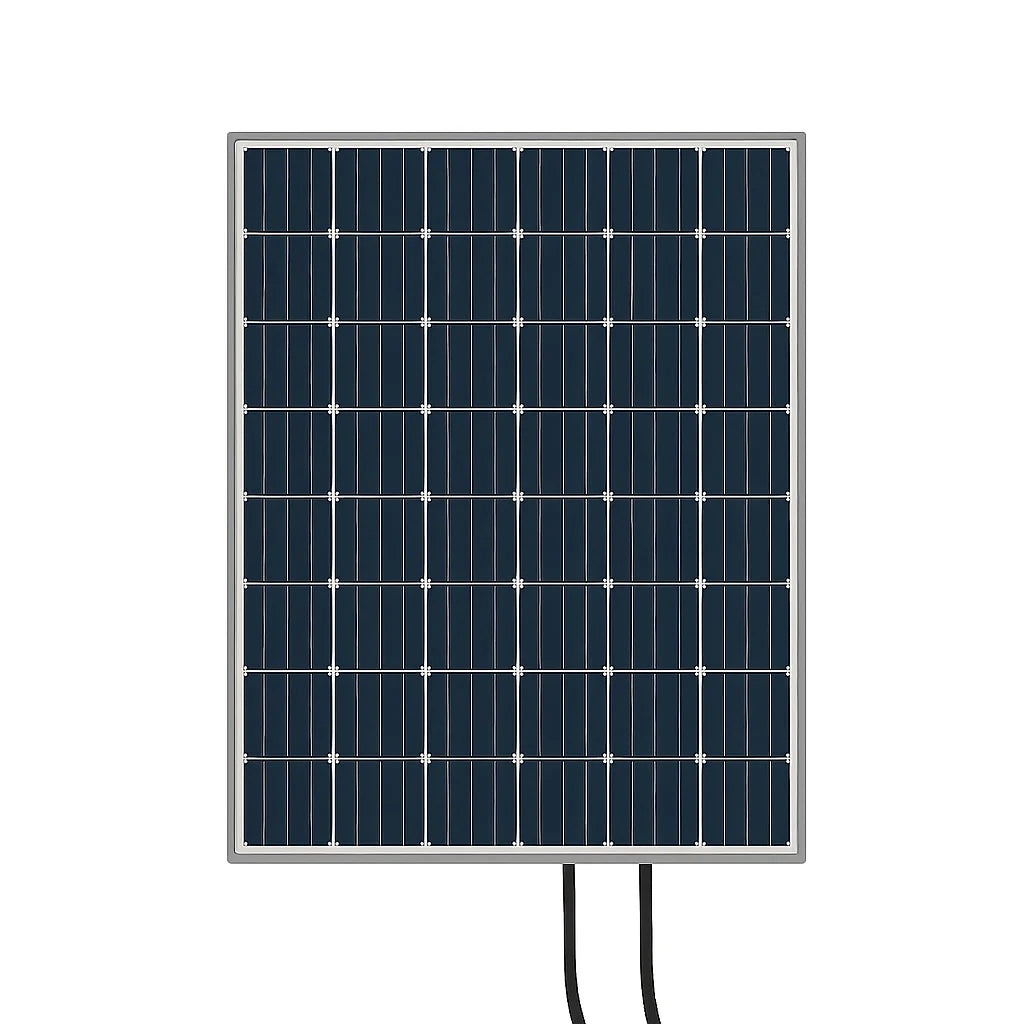
Beyond batteries, solar panel efficiency has improved. Monocrystalline panels now routinely exceed 22% efficiency, and flexible formats make roof mounting easier on curved motorhome roofs. MPPT charge controllers extract more power from panels in low-light conditions, which matters greatly in the UK climate.
How to identify if your current system is out of date:
- Your battery bank is AGM or gel chemistry.
- You have no app-based or Bluetooth monitoring.
- Your charge controller is PWM rather than MPPT.
- You cannot add capacity without replacing core components.
- Your inverter and charger are separate, unintegrated units.
Pro Tip: When selecting a new system, look for energy storage systems with modular expansion capability. This means you can add battery capacity or solar input as your needs grow, without starting from scratch.
How to future-proof your off-grid energy setup for 2025 and beyond
Future-proofing is not about buying the most expensive system available. It is about selecting components that remain compatible as technology evolves and that can be upgraded incrementally.
Key considerations for a future-proof off-grid setup:
- Battery chemistry: LiFePO4 is the current standard for leisure vehicles. It offers the best balance of safety, longevity, and performance.
- Modular architecture: Systems that accept additional battery modules or solar inputs without full replacement are far more cost-effective long term.
- Smart battery management systems (BMS): A BMS with Bluetooth or CAN bus communication allows real-time monitoring and protects cells from over-charge and deep discharge.
- Victron-compatible components: Victron Energy products integrate seamlessly across inverters, MPPT controllers, and monitoring systems, making future additions straightforward.
- Warranty and support: Longer warranties signal manufacturer confidence and reduce long-term risk.
Proper energy storage choices and regular health checks dramatically increase system longevity. A battery bank that is never over-discharged and is kept within its thermal operating range will last significantly longer than one that is poorly managed.
Typical upgrade costs and system attributes
| Upgrade type | Approximate cost | Warranty | Expandable |
|---|---|---|---|
| AGM to LiFePO4 battery | £400 to £1,200 | 2 to 5 years | Limited |
| MPPT charge controller | £80 to £300 | 3 to 5 years | Yes |
| Integrated inverter/charger | £300 to £1,500 | 2 to 5 years | Yes |
| Full modular system | £1,500 to £4,000 | 3 to 7 years | Yes |
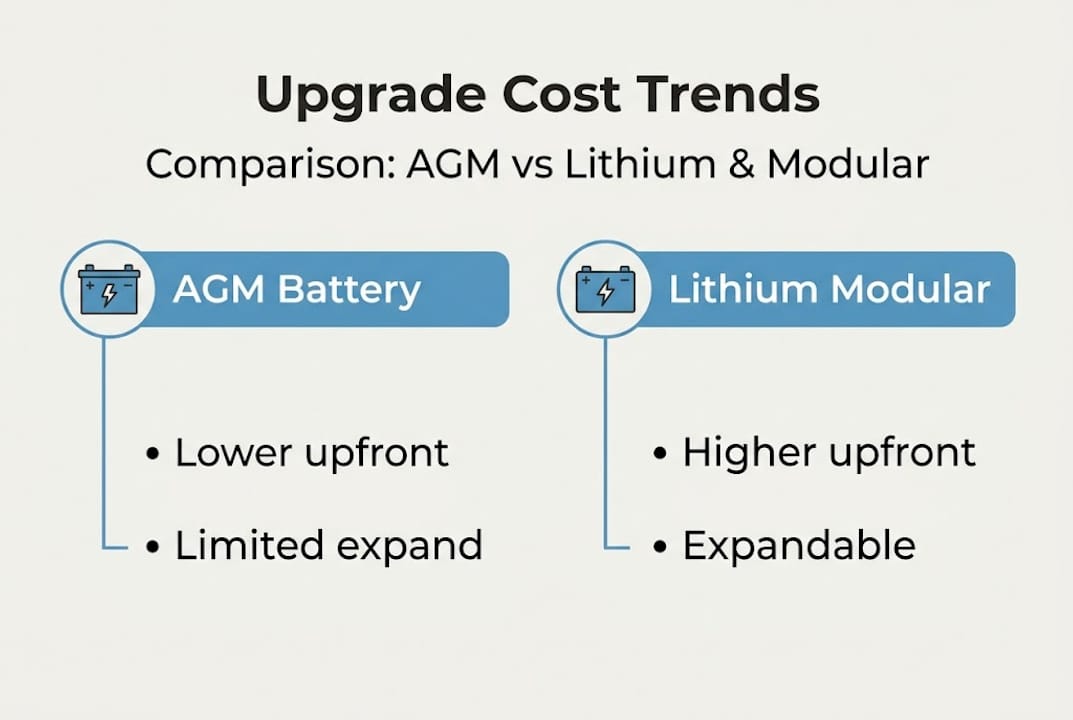
For guidance on upgrading energy storage in a phased and cost-effective way, reviewing a structured checklist before purchasing is strongly recommended. Comparing the best lithium batteries for 2025 by capacity, BMS quality, and compatibility will also save time and money.
Pro Tip: Schedule a system health check before the spring touring season and again before winter storage. Catching a degraded cell or a loose connection early prevents failures during peak use.
Emerging innovations set to change off-grid energy
Beyond what is already available, several emerging technologies are set to further transform the off-grid experience for UK leisure vehicle owners over the next two to three years.
Remote energy monitoring and AI-powered systems are transforming user experience, moving from reactive problem-solving to proactive energy management. Advanced battery solutions are also expanding range and reducing charge times, making longer trips more practical without generator backup.
The four most significant emerging innovations:
- AI-assisted load balancing: Smart systems that learn your usage patterns and automatically prioritise loads, reducing waste and extending battery life without manual input.
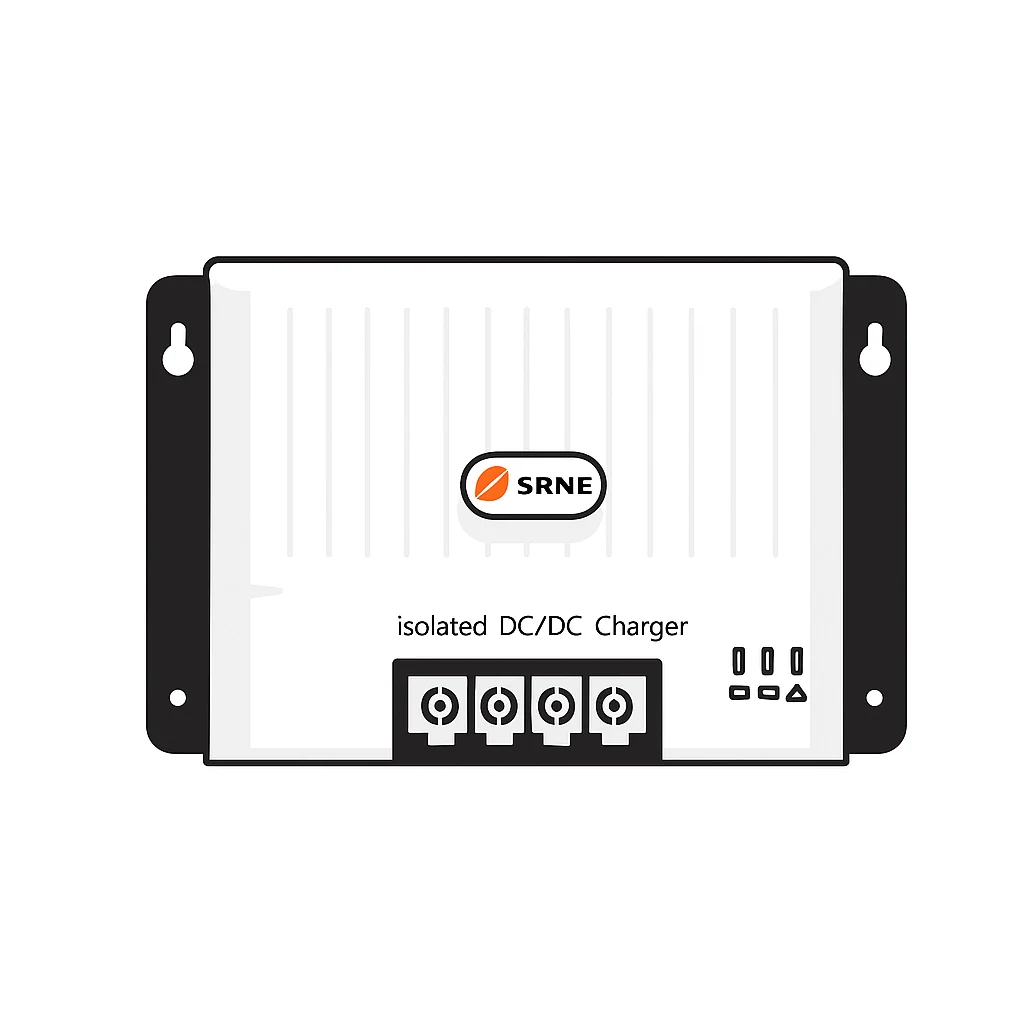
- Integrated app control platforms: Single-app dashboards that manage solar input, battery state, inverter output, and DC/DC converter charging from one interface, often with remote access via 4G or Wi-Fi.
- Remote diagnostics and predictive maintenance: Systems that flag potential failures before they occur, sending alerts to your phone when a cell voltage drops outside normal range or a connection shows resistance.
- Rapid DC charging integration: As DC fast-charging infrastructure grows, some leisure vehicle systems are being designed to accept high-rate DC input from public charge points, dramatically reducing charge times.
“Within two years, the majority of new leisure vehicle energy systems sold in the UK will include some form of remote monitoring and AI-assisted management as standard features.” — Skyenergi, 2025 product development review
For owners exploring energy storage for campervans, these innovations mean that a system installed today with the right architecture will be ready to integrate these features as they become mainstream. The key is choosing platforms that support firmware updates and third-party integration from the outset.
What most leisure vehicle owners miss about off-grid energy trends
Most owners focus on the headline specification: battery capacity in kilowatt-hours, solar panel wattage, or inverter output. These numbers matter, but they are not the whole picture. The real differentiator in 2025 is system integration and resilience.
A 200Ah lithium battery paired with a poorly matched MPPT controller and an unmonitored BMS will underperform a 100Ah system that is properly integrated and actively managed. We see this regularly. Owners invest in high-capacity batteries but neglect the management layer, and then wonder why performance is inconsistent.
Long-term planning consistently outperforms chasing the latest product release. An owner who bought a modular expandable energy system three years ago and has maintained it properly will likely outperform someone who bought a higher-spec but rigid system last year. Flexibility and health matter more than raw specification.
The mindset shift worth making: prioritise forward compatibility, schedule regular maintenance, and treat your energy system as infrastructure rather than a one-time purchase. That approach delivers better reliability, lower total cost, and fewer surprises on the road.
Power up your leisure vehicle with proven off-grid solutions
The trends covered in this guide point clearly towards modular, lithium-based, and intelligently managed systems. Skyenergi supplies exactly these solutions, sourced directly from manufacturers to keep prices competitive without compromising quality.
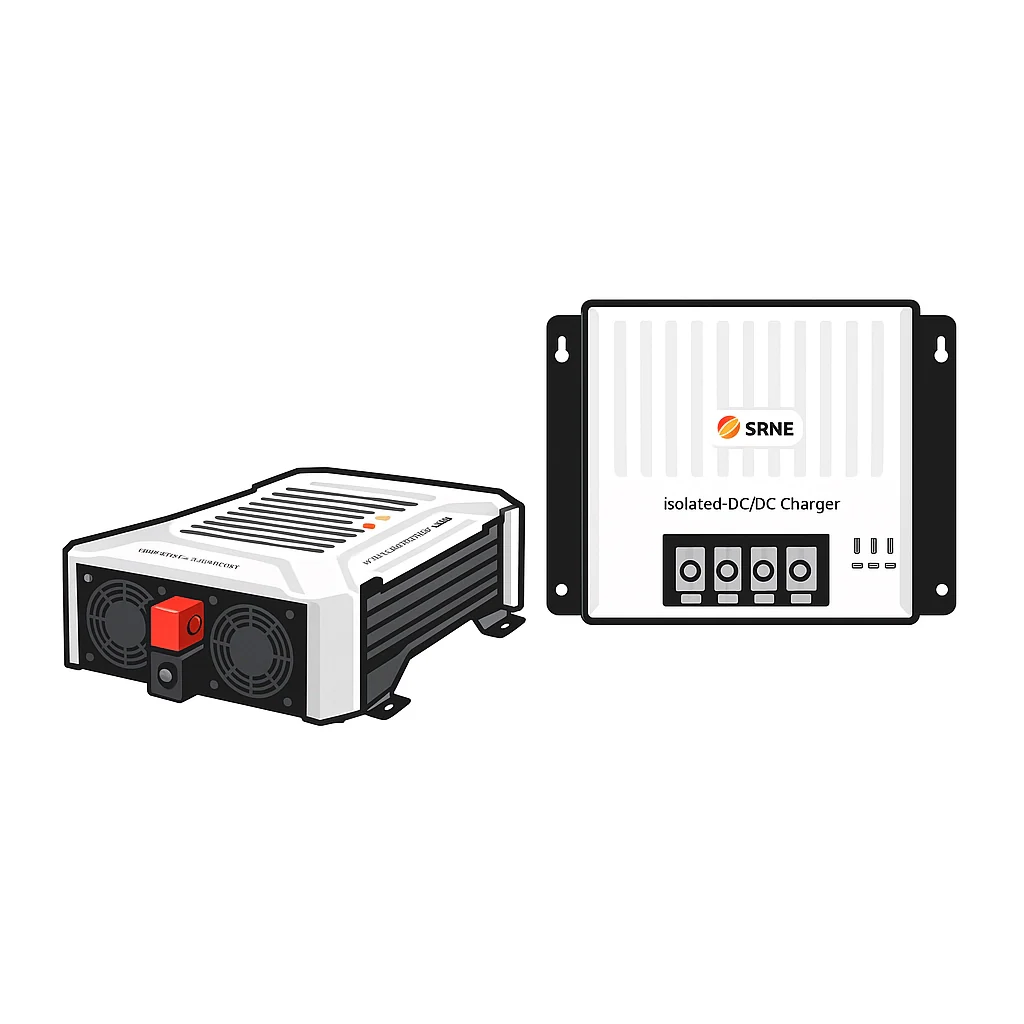
For a complete turnkey approach, the advanced solar and electrics system from SRNE integrates inverter charging, DC/DC conversion, and monitoring in one package. The Victron EasySolar system offers a premium all-in-one solution for owners who want Victron reliability. For solar input, the Victron solar and charge controller bundle provides high-efficiency panels with a matched MPPT controller. Browse the full range or contact us for system advice.
Frequently asked questions
What is the most important trend in off-grid energy for leisure vehicles in 2025?
Smart lithium batteries combined with modular, expandable systems are the most important trend for UK leisure vehicles in 2025, offering longer cycle life, faster charging, and real-time monitoring.
How can I ensure my off-grid energy setup is future-proof?
Choose modular systems, prioritise LiFePO4 lithium batteries, and select components with Bluetooth or app-based management. Regular health checks and keeping firmware updated also ensure long-term compatibility.
Are there cost-effective ways to upgrade off-grid systems?
Yes. Phased upgrades work well: start with an MPPT charge controller, then switch to lithium storage. Modular energy systems allow you to add capacity over time without replacing the full installation.
Do new energy trends really make a difference for short trips?
Even on short journeys, advanced storage and remote monitoring increase reliability and reduce the risk of running out of power, particularly when using high-draw appliances like induction hobs or air conditioning.
Recommended
Prev post

Step-by-step solar panel setup for UK campervans: 2026 guide
Updated on 14 April 2026
Next post

Why battery monitoring matters for reliable off-grid power
Updated on 12 April 2026


