





Upgrade energy storage in leisure vehicles: a practical guide
A step-by-step guide for UK leisure vehicle owners on upgrading energy storage systems, covering assessment, component selection, safe installation, and maintenance.
TL;DR:
- Proper assessment of daily energy needs is essential for selecting the right battery capacity.
- Lithium iron phosphate batteries are preferred for their longevity and lighter weight.
- Safe installation, systematic testing, and regular maintenance ensure reliable and efficient energy storage systems.
Running out of power mid-trip is more than an inconvenience. It means no lighting, no refrigeration, no device charging, and in some cases, no heating. For UK leisure vehicle owners travelling off-grid, unreliable energy storage is a genuine problem that cuts trips short and forces compromises. This guide walks through every stage of a successful energy storage upgrade, from auditing what you currently have to testing the finished system. Whether you own a campervan, motorhome, or converted van, the process is the same: assess, plan, select, install, and verify.
Table of Contents
- Assessing your current leisure vehicle energy storage needs
- Selecting the right components for your upgraded system
- Installing your new energy storage system safely
- Testing, troubleshooting, and maintaining upgraded storage
- Why most energy storage upgrades stumble and what really works
- Upgrade your energy storage with trusted solutions
- Frequently asked questions
Key Takeaways
| Point | Details |
|---|---|
| Start with an audit | Assess your current energy needs and storage before planning an upgrade. |
| Choose compatible components | Select batteries and inverters that suit your exact requirements and usage patterns. |
| Prioritise safe installation | Follow stepwise instructions and manufacturer guidance for every upgrade. |
| Maintain and monitor | Regular checks, logs, and timely troubleshooting keep your system reliable off-grid. |
Assessing your current leisure vehicle energy storage needs
Before buying a single component, you need to understand what your current system is actually doing. An energy audit is the starting point. List every appliance you use on a typical day, note how many hours you run each one, and record its wattage. Multiply watts by hours to get watt-hours (Wh) per appliance, then total everything up. That figure is your daily consumption baseline.
Here is a typical example for a motorhome setup:
| Appliance | Wattage | Daily hours | Daily Wh |
|---|---|---|---|
| LED lighting | 20 W | 4 hrs | 80 Wh |
| 12 V compressor fridge | 45 W | 8 hrs | 360 Wh |
| Laptop | 65 W | 3 hrs | 195 Wh |
| Phone charging x2 | 20 W | 2 hrs | 40 Wh |
| Water pump | 60 W | 0.5 hrs | 30 Wh |
| Total | 705 Wh |
Once you have your daily Wh figure, you can calculate the minimum battery capacity you need. A good rule of thumb is to never discharge a lithium battery below 20% state of charge, so size your bank to hold at least 1.25 times your daily consumption. For the example above, that is roughly 880 Wh, or around 73 Ah at 12 V.
Common signs that your current setup is underperforming:
- Batteries depleting before the day ends
- Appliances cutting out or dimming under load
- Slow or incomplete charging from solar or shore power
- Battery voltage dropping sharply under modest loads
- Swollen, leaking, or unusually warm battery casings
Understanding solar battery terms such as amp-hours (Ah), watt-hours (Wh), and cycle life is essential before sizing your system, because accurate assessment of storage needs prevents overspending and enhances system longevity. For a broader grounding in how storage systems function in leisure vehicles, the guide to energy storage basics is a useful reference.
Pro Tip: Fit a basic battery monitor or shunt-based meter for two weeks before upgrading. Real consumption data is far more reliable than estimates and will prevent you from buying more or less capacity than you actually need.
Selecting the right components for your upgraded system
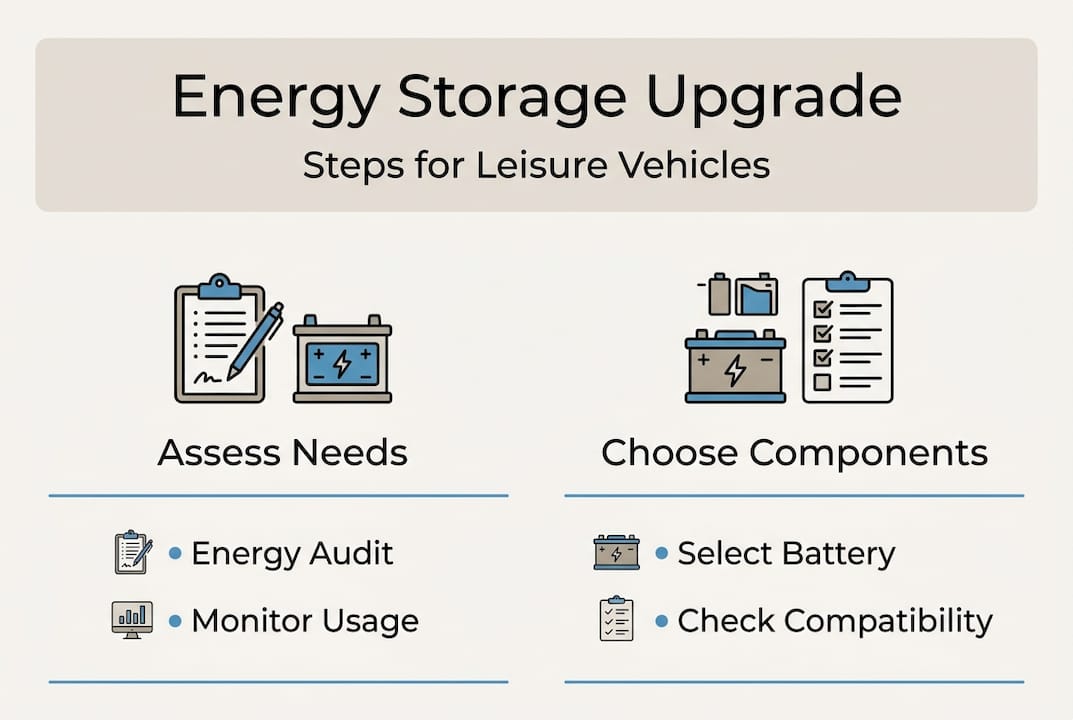
With a clear picture of your required storage, the next step is choosing components that match your needs and work together reliably. The battery type is the most consequential decision.
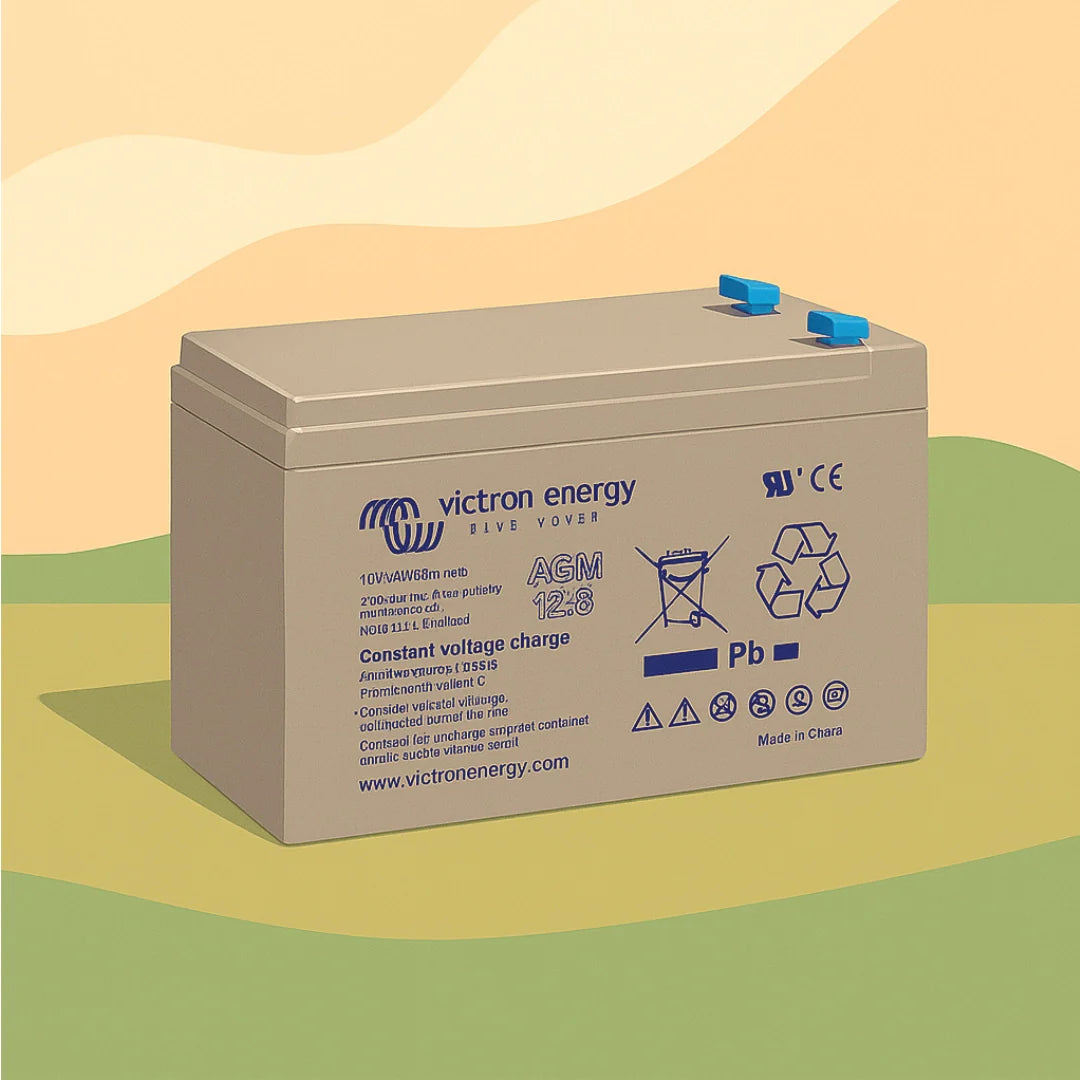
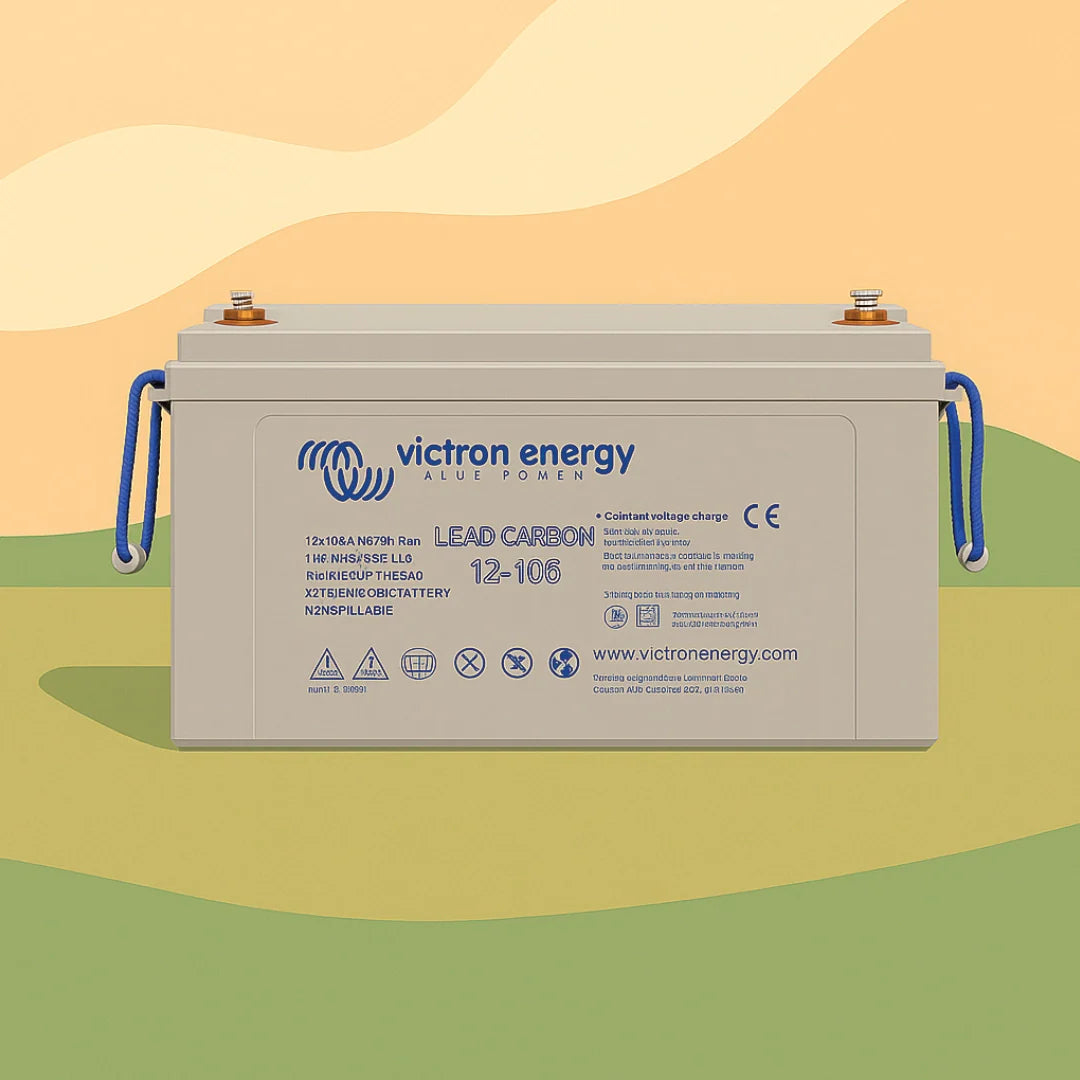
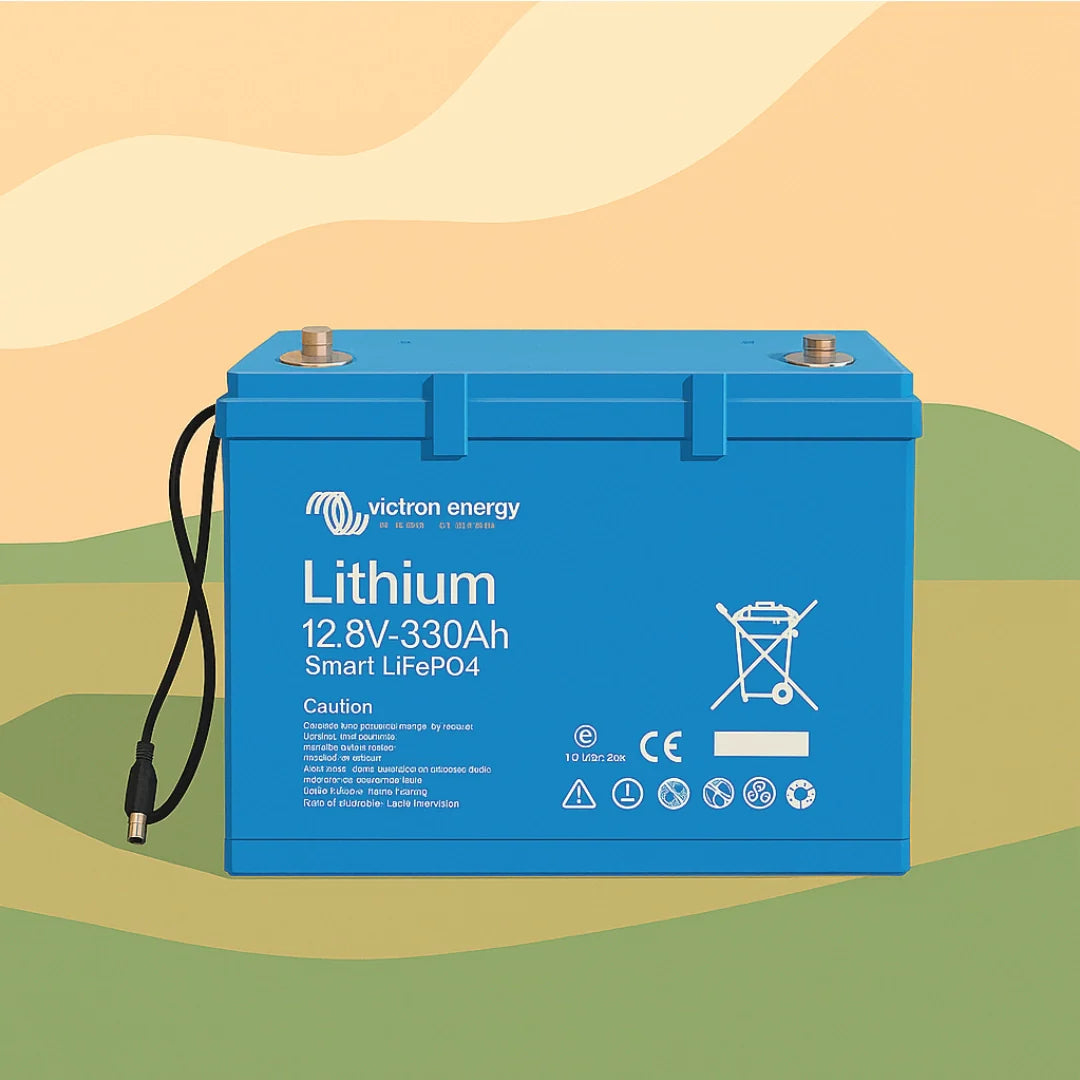
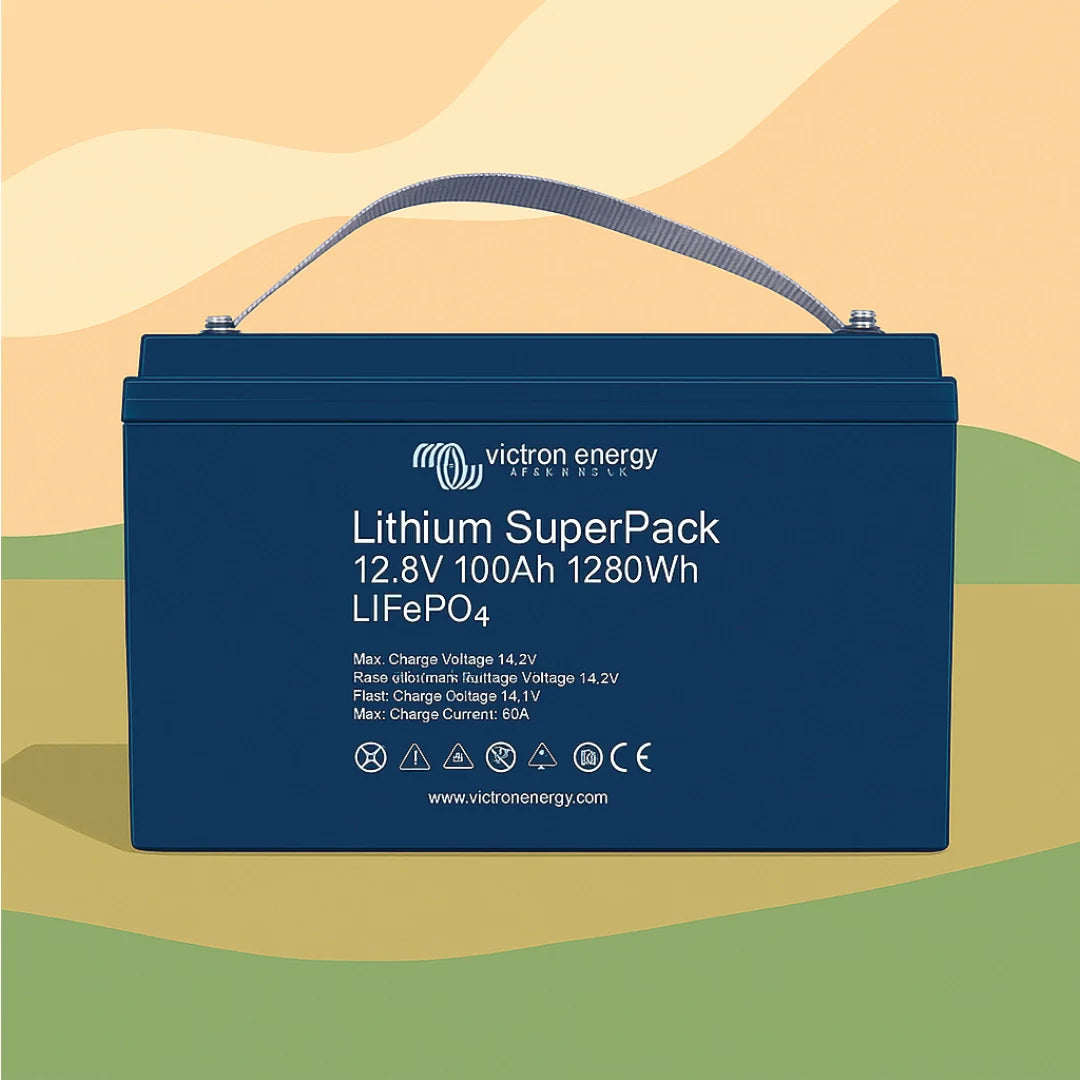
| Battery type | Typical cost | Cycle life | Weight (100 Ah) | Energy density |
|---|---|---|---|---|
| AGM | Low | 400 to 600 cycles | ~28 kg | Moderate |
| Lithium iron phosphate (LiFePO4) | Medium to high | 2,000 to 5,000 cycles | ~12 kg | High |
| Hybrid (AGM + lithium) | Variable | Mixed | Variable | Variable |
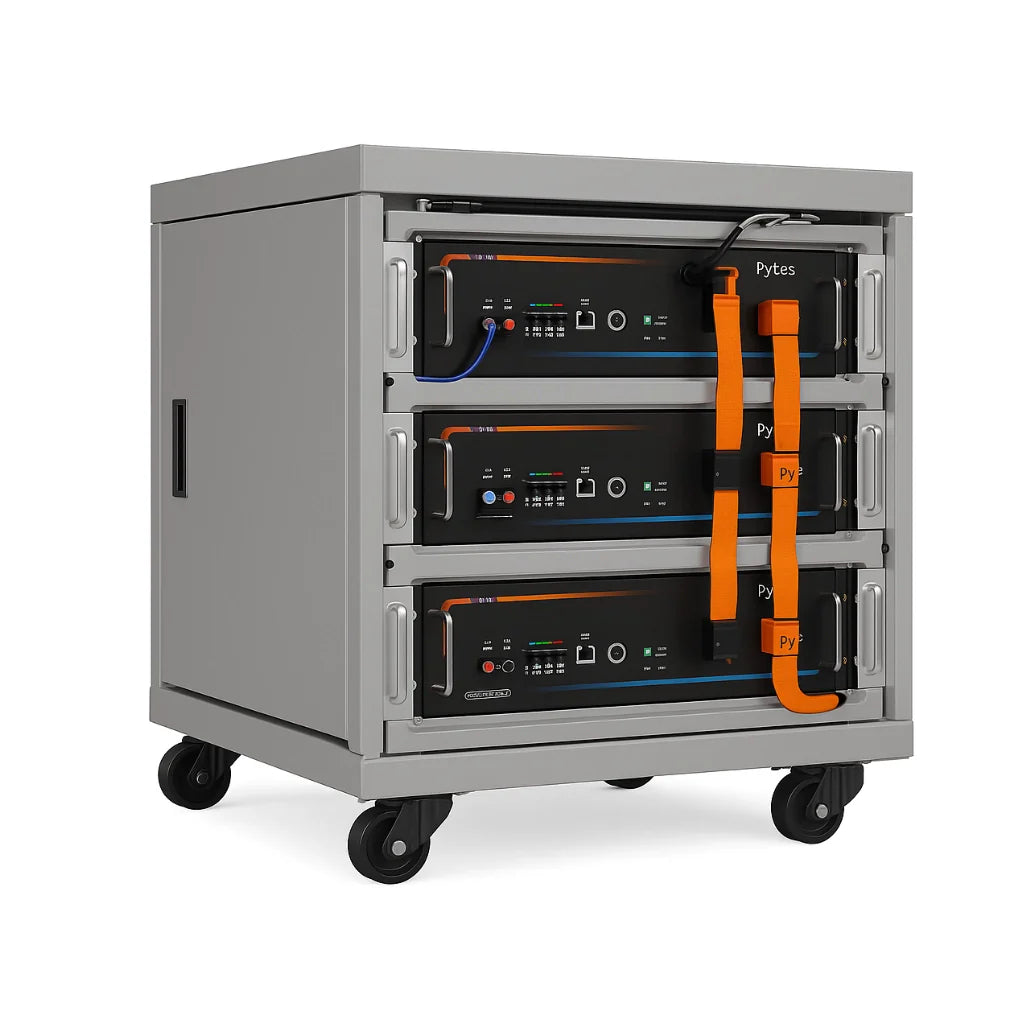
LiFePO4 is the preferred choice for most leisure vehicle upgrades in 2026. It is lighter, lasts significantly longer, and can be discharged to a lower state of charge without damage. AGM remains a lower-cost option for occasional users. Hybrid setups are rarely recommended because mixing battery types introduces compatibility risks.
Essential components for a complete upgrade:
- Battery bank sized to your audited daily Wh requirement
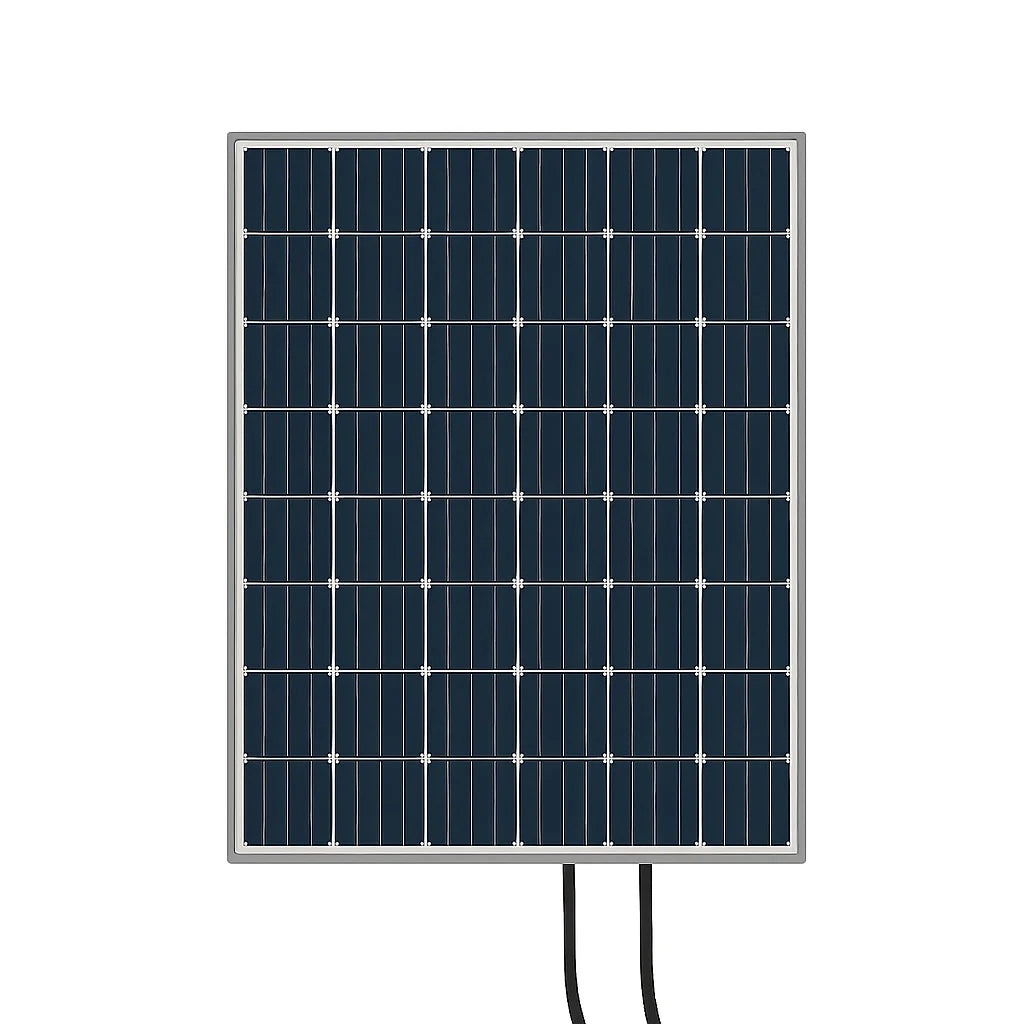
- MPPT charge controller matched to your solar panel array voltage and current
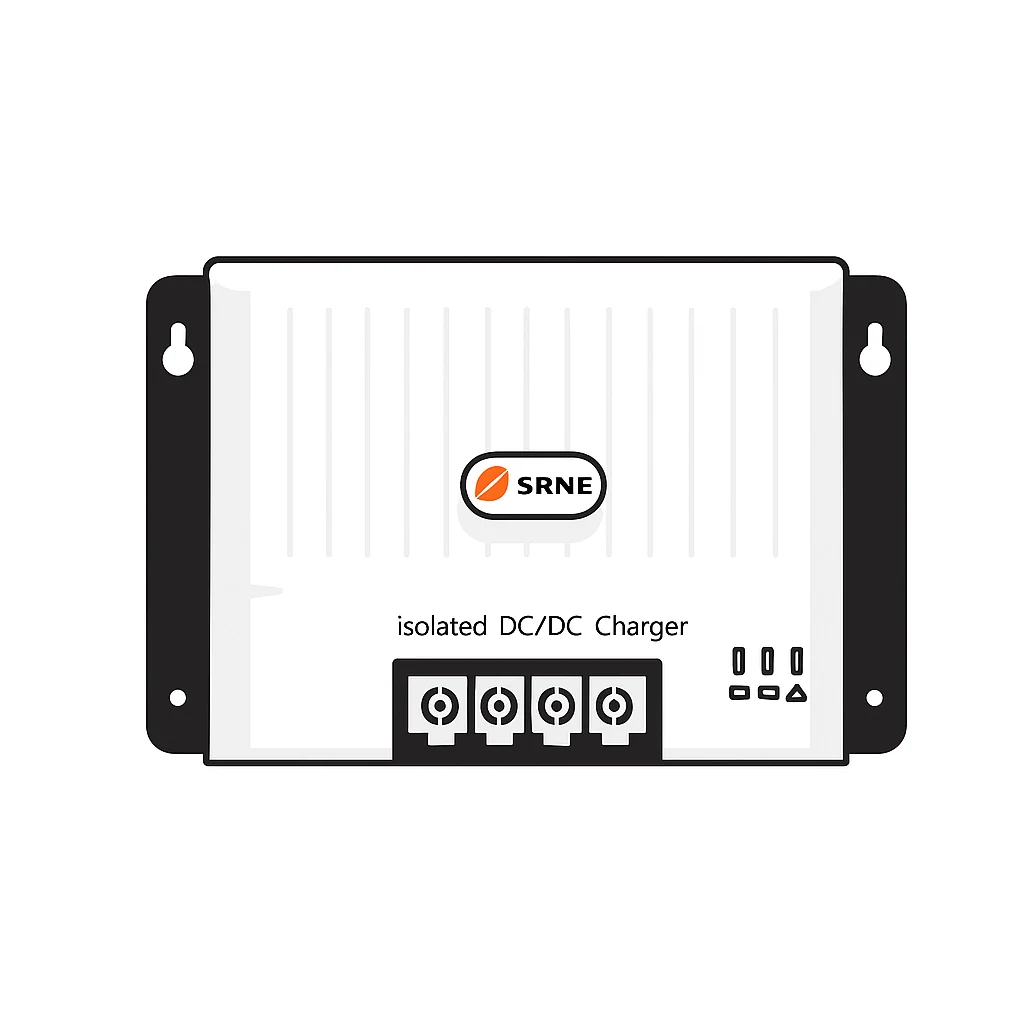
- DC/DC converter (battery-to-battery charger) to charge from your vehicle’s alternator
- Inverter or inverter/charger rated for your peak AC load
- Battery management system (BMS) integrated or standalone
- Appropriately rated cabling, fuses, and busbars
- Battery isolation switch for safety and compliance
Selecting components with compatible voltages and capacities avoids operational inefficiency and protects individual components from premature failure. Use the energy storage checklist to verify compatibility before purchasing. When reviewing battery sizing terms such as C-rate and peak discharge current, cross-reference them against your inverter’s startup demands.
Safety warning: Never mix old and new batteries in the same bank, and never mix different battery chemistries. Mismatched batteries charge unevenly, reduce overall capacity, and can create dangerous overcharge conditions. Always follow manufacturer guidance on series and parallel configurations.
Installing your new energy storage system safely
A well-planned installation is straightforward. Rushing it is where problems begin. Follow this sequence carefully and the system will perform reliably from day one.
Always disconnect all power sources before starting any installation. This includes solar panels, shore power connections, and the vehicle’s starter battery.
Step-by-step installation sequence:
- Disconnect all power sources. Solar, shore power, and the vehicle alternator circuit must all be isolated before touching any wiring.
- Remove old batteries. Label existing cables before disconnecting. Photograph the existing setup for reference.
- Prepare the battery compartment. Clean the space, check for corrosion, and ensure adequate ventilation. LiFePO4 batteries require less ventilation than AGM but still benefit from airflow.
- Fit the battery isolation switch. Install this before the new batteries go in.
- Mount and connect the new battery bank. Follow the manufacturer’s wiring diagram exactly. Positive to positive, negative to negative. Torque all terminals to specification.
- Connect the inverter or inverter/charger. Use cable rated for the inverter’s maximum continuous current. Keep cable runs as short as practically possible.
- Wire the MPPT charge controller. Connect solar panels to the controller, then controller to the battery bank. Programme charge parameters to match your battery chemistry.
- Connect the DC/DC converter. Wire to the starter battery circuit via an appropriate fuse.
- Power up and verify. Check voltage at the battery terminals, confirm the BMS is active, and verify the charge controller is reading solar input correctly.
- Secure all cabling. Use cable ties, conduit, and edge protectors to prevent chafing and movement.
Pro Tip: Label every cable at both ends using heat-shrink labels or cable tags before the installation is complete. When troubleshooting months later, clear labelling saves significant time and prevents costly mistakes.
Correct installation and adherence to safety standards drastically reduce fault risk and extend system lifespan considerably. Review the full installation workflow for detailed guidance, and understand the battery management system role before powering up for the first time.
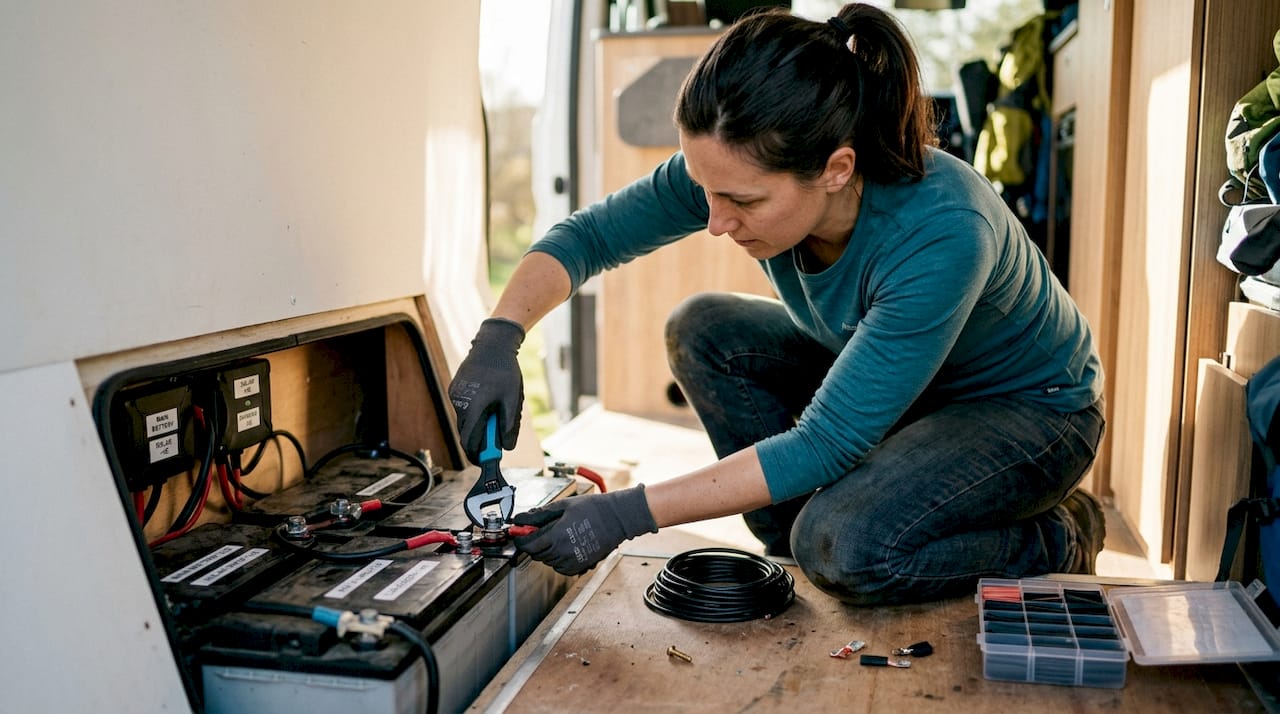
Common installation pitfalls to avoid: reversed polarity on battery terminals, undersized fusing, insufficient cable cross-section for the current load, and poor earthing connections that cause voltage drop and interference.
Testing, troubleshooting, and maintaining upgraded storage
Once installed, do not assume everything is working correctly. Systematic testing confirms the system is performing as designed.
Start by checking resting voltage at the battery terminals with a multimeter. A fully charged 12 V LiFePO4 bank should read between 13.3 V and 13.4 V at rest. Under a moderate load, voltage should remain stable. A sharp drop under load suggests a wiring issue, a poor connection, or undersized cabling.
Top five issues after an upgrade and how to resolve them:
- Battery not reaching full charge: Check MPPT controller settings. Absorption and float voltages must match the battery manufacturer’s specification.
- Inverter shutting down under load: Check cable cross-section and connection torque. Voltage drop under high current is the most common cause.
- BMS disconnecting unexpectedly: Review cell balance data via the Bluetooth app. An imbalanced cell pack requires a full balance charge cycle.
- DC/DC converter not charging: Confirm the vehicle ignition signal wire is connected correctly. Many converters require an ignition trigger to activate.
- Unusual heat from wiring or components: Immediately disconnect and inspect. Heat indicates resistance, which means undersized cable or a loose terminal.
Maintenance schedule:
- Monthly: Check terminal torque, inspect for corrosion, verify battery voltage and state of charge, review BMS data via Bluetooth app.
- Every six months: Inspect all cable runs for chafing or damage, clean solar panel surfaces, test isolation switch operation.
- Annually: Full system review, check cycle count via BMS, assess whether capacity has degraded below acceptable levels.
Regular maintenance and testing ensure longevity and peak performance of energy storage systems over years of off-grid use. The maintenance guide covers LiFePO4-specific care in detail, and the maintenance checklist provides a printable reference for routine inspections.
Useful tools and apps for ongoing monitoring:
- Bluetooth BMS apps (manufacturer-specific, e.g., Skyenergi app)
- Victron Energy VRM portal and Venus OS
- Handheld multimeter with temperature probe
- Clamp meter for measuring current draw
- Battery monitor with shunt (e.g., Victron BMV series)
Pro Tip: Keep a simple log of charging cycles, resting voltages, and any anomalies. Even a basic spreadsheet gives you early warning of capacity degradation before it becomes a problem on the road.
Why most energy storage upgrades stumble and what really works
The most common reason upgrades underperform is not poor components. It is skipping the assessment phase. Owners buy a large battery bank, wire it in, and discover the charge controller is too small, the cabling is undersized, or the daily consumption was underestimated. The system then runs in a permanent state of partial charge, which shortens battery life and delivers exactly the unreliability the upgrade was meant to solve.
Minor wiring issues compound over time. A single loose terminal or undersized fuse causes voltage drop, heat, and eventually a fault that is difficult to trace. These are the hidden costs of rushing.
The temptation to choose the biggest battery available is understandable, but calibrating capacity to your actual habits saves money and reduces unnecessary weight on the vehicle. A 200 Ah LiFePO4 bank that is well-matched to a 600 Wh daily load will outperform a 300 Ah bank with a mismatched charge controller every time. As rushing to install without bespoke planning often leads to poor reliability, the audit stage is where the real work happens. For those considering future expansion, understanding the long-term storage benefits of a well-engineered system makes the upfront diligence clearly worthwhile.
Upgrade your energy storage with trusted solutions
Ready to take your leisure vehicle energy storage to the next level? Skyenergi supplies a full range of high-performance components designed specifically for campervan and motorhome applications, sourced directly from manufacturers to keep costs competitive.

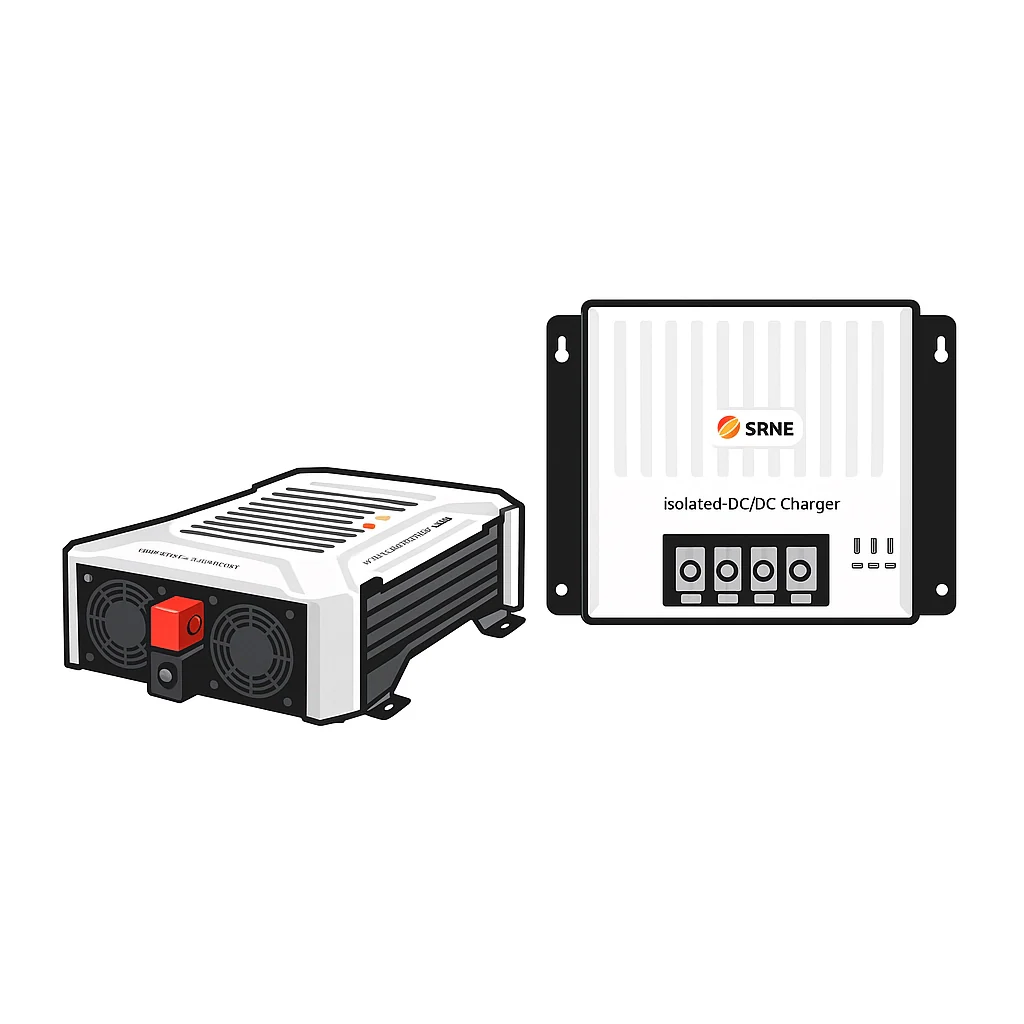
For a complete, integrated solution, the Victron EasySolar-II combines an MPPT controller, inverter/charger, and GX monitoring in a single unit, simplifying installation considerably. If you need a turnkey system with battery-to-battery charging and monitoring built in, the 3kVa inverter and charger system from our SRNE range covers all the essentials. Contact us for tailored advice on sizing and compatibility before you order.
Frequently asked questions
How do I know if my leisure vehicle battery needs upgrading?
If you notice frequent power depletion or appliances cutting out under normal loads, your current storage capacity is likely insufficient for your usage patterns. Slow charging from solar or a shore power connection is another clear indicator.
Can I install a new storage system myself or do I need a professional?
Many upgrades are well within DIY capability, particularly with LiFePO4 systems that include integrated BMS protection. However, safety standards during installation are critical, so consult a qualified auto-electrician if you are uncertain about any wiring stage.
Is lithium always the best choice for off-grid storage?
Lithium batteries provide high efficiency and a long cycle life, but the right choice depends on your budget, weight constraints, and how frequently you use the vehicle. Occasional users may find AGM sufficient.
How often should I check my upgraded energy storage system?
Monthly checks covering terminal condition, voltage, and BMS data are recommended as a minimum. Regular maintenance prevents unexpected failures and catches early signs of degradation before they affect performance on the road.
What are the main risks to avoid during energy storage upgrades?
Always disconnect all power sources before starting work, avoid mixing battery chemistries or ages in the same bank, and ensure all cabling is rated for the installation safety standards required for your system’s maximum current output.
Recommended
- Energy storage installation workflow UK campervans 2026 – Skyenergi
- Energy storage checklist for UK leisure vehicles 2026 – Skyenergi
- What is energy storage for campervans: a 2026 UK guide – Skyenergi
- Energy Storage for Campervans: 80% More Usable Lithium Power – Skyenergi
- Rulotë në Shitje Shqipëri: Udhëzues & Këshilla Blerjeje | CarPulse Albania
Prev post

Battery cycle life: campervan power that lasts longer
Updated on 07 April 2026
Next post

System integration guide for UK off-grid leisure vehicles
Updated on 05 April 2026


