


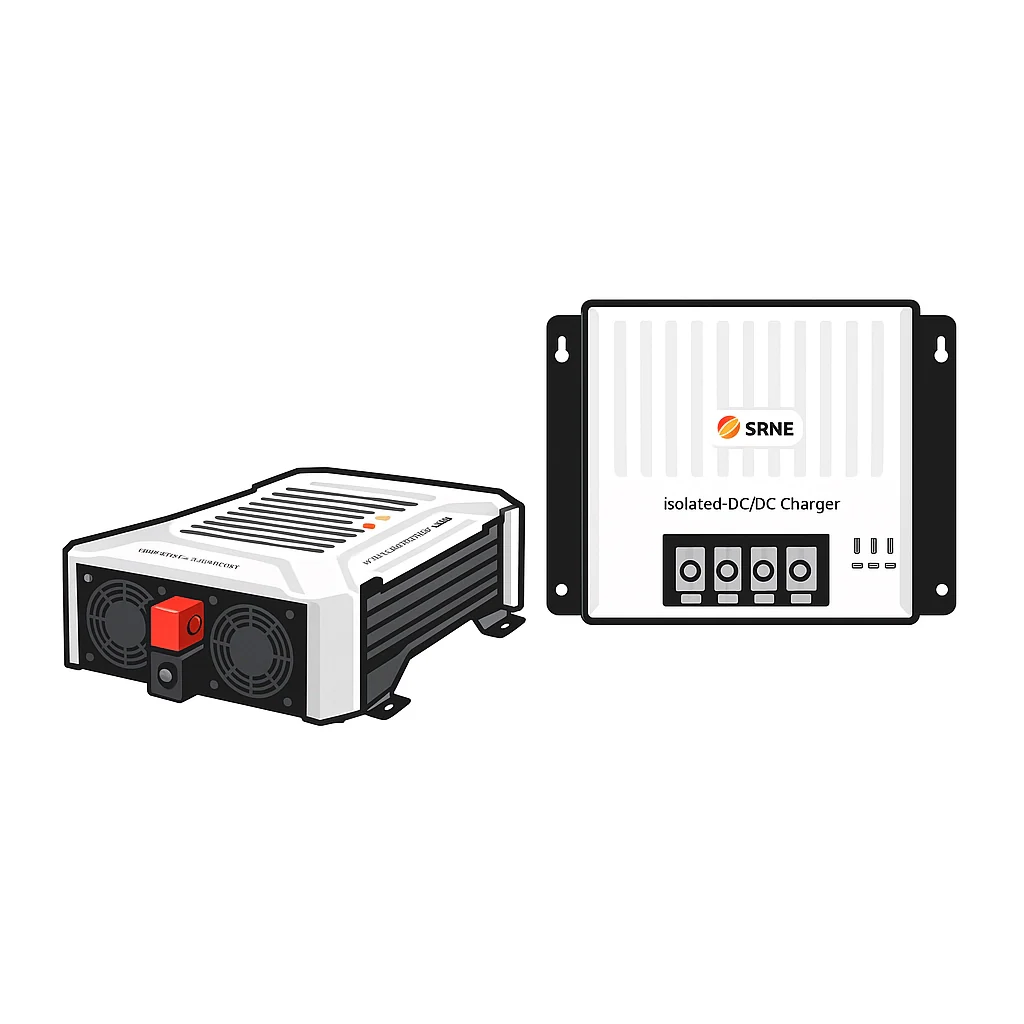


Benefits of Home Energy Storage – Powering UK Homes
Benefits of home energy storage for UK homes. Learn about system types, smart lithium battery features, savings, sustainability, and practical integration.
Power bills rising and unpredictable weather can make daily energy management feel uncertain for many British homeowners. Reliable access to clean energy is no longer just an option—it is a growing necessity. Home energy storage technology unlocks a practical way to capture renewable electricity and use it whenever your household needs, making independence from the grid more achievable than ever. Discover solutions that support sustainability, stability, and lower your reliance on traditional power networks.
Table of Contents
- What Is Home Energy Storage Technology?
- Major Types of Home Energy Storage Systems
- How Smart Lithium Batteries Enhance Efficiency
- Savings, Sustainability, and Energy Independence
- Key Challenges and What Homeowners Should Know
Key Takeaways
| Point | Details |
|---|---|
| Home Energy Storage Importance | Home energy storage systems enhance energy efficiency, reduce costs, and increase sustainability for households. |
| Main Types of Systems | The predominant home energy storage technologies include lithium-ion batteries, thermal storage, and heat batteries, each tailored for specific applications. |
| Smart Battery Enhancements | Smart lithium batteries utilise advanced management systems to maximise performance, safety, and longevity, responding adeptly to energy demands. |
| Challenges and Considerations | Homeowners should evaluate financial viability, technical compatibility, and maintenance requirements before investing in energy storage solutions. |
What Is Home Energy Storage Technology?
Home energy storage technology represents an innovative approach to managing electricity at the residential level, enabling homeowners to capture, store, and utilise energy more efficiently. Home energy storage systems act like large batteries that store renewable energy, providing flexibility and independence from traditional power networks.
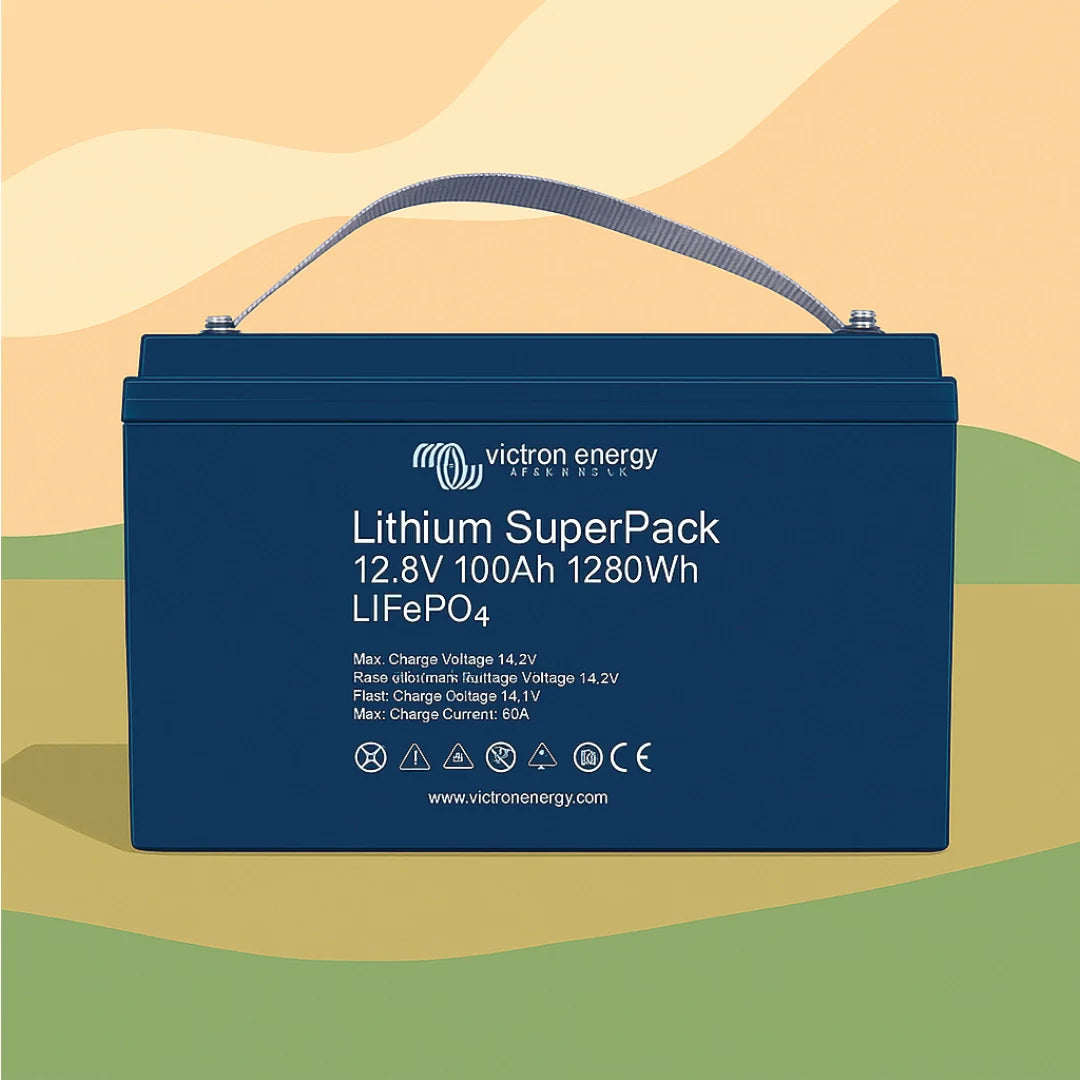
At its core, this technology involves storing electrical energy generated from renewable sources like solar panels or wind turbines in advanced battery systems. These storage solutions typically use lithium-ion batteries, which can efficiently capture excess electricity during peak generation times and release it when demand is high or generation is low. The UK’s energy storage strategy highlights these technologies as critical for achieving national decarbonisation goals by 2050.
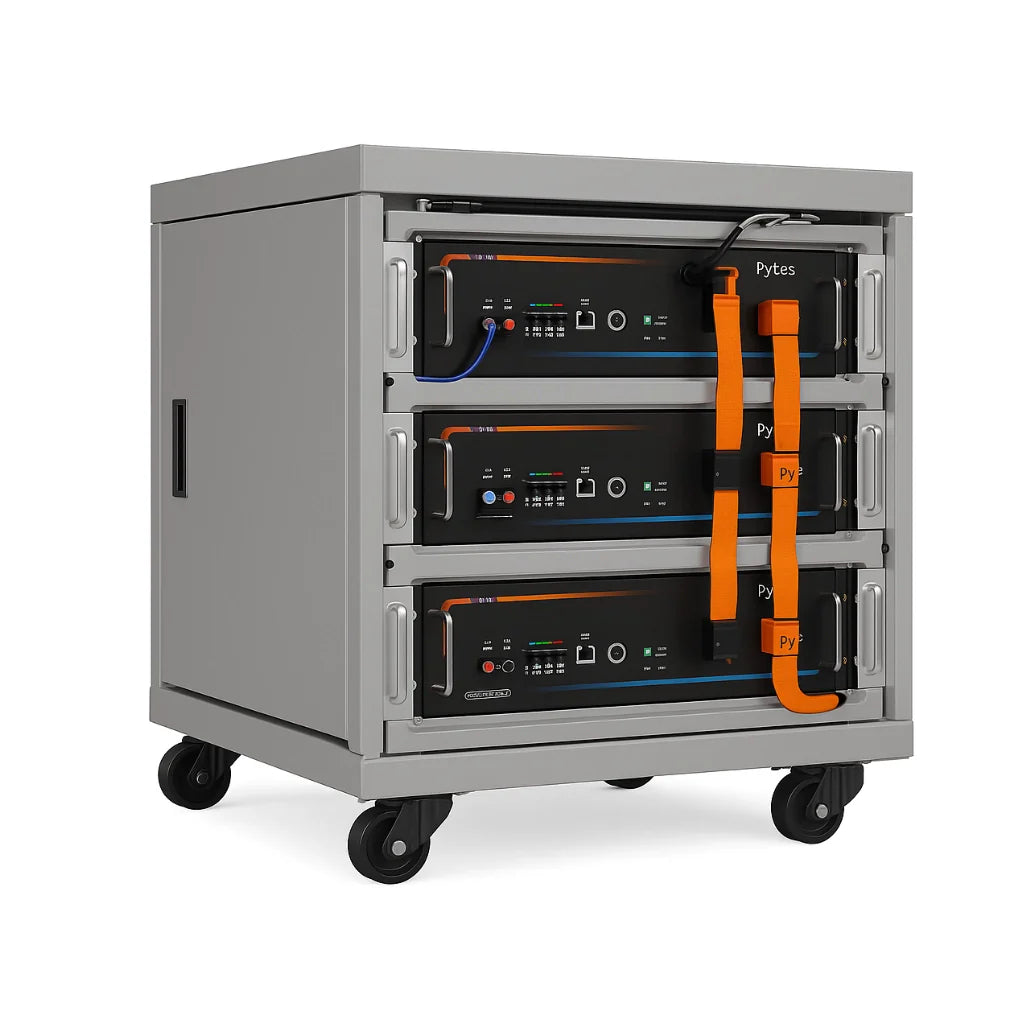
The primary components of home energy storage systems include battery units, inverters, and smart management systems. These technologies work together to convert and store direct current (DC) electricity, manage power flow, and ensure optimal energy utilisation. Key benefits include reduced electricity costs, increased energy self-sufficiency, and decreased reliance on the national grid during peak demand periods.
Pro tip: Consider consulting a professional energy assessment service to determine the most suitable home energy storage solution for your specific household energy consumption patterns and renewable generation capabilities.
Major Types of Home Energy Storage Systems
Home energy storage systems encompass several distinct technologies designed to capture, store, and distribute electrical and thermal energy for residential use. Home energy storage technologies primarily fall into three fundamental categories: battery energy storage systems, thermal stores, and heat batteries, each offering unique advantages for UK homeowners seeking sustainable energy solutions.
Electrochemical storage systems, particularly lithium-ion batteries, represent the most prevalent form of home energy storage. These advanced systems efficiently capture electricity from renewable sources like solar panels, storing excess energy generated during peak production times for use during low generation periods. Energy storage classifications in the UK broadly include mechanical, electrical, electrochemical, thermal, and chemical technologies, with electrochemical solutions being the most popular for residential applications.
Thermal energy storage systems offer an alternative approach to home energy management. These technologies include hot water tanks and phase-change material heat batteries, which store thermal energy for heating and domestic hot water purposes. By capturing and retaining heat generated from renewable sources or during off-peak electricity periods, these systems help homeowners reduce energy costs and increase overall energy efficiency. Mechanical storage solutions like compressed air and pumped hydro systems also exist, though they are less common in residential settings.
Pro tip: Consult with a local renewable energy specialist to assess your specific home energy needs and determine the most suitable storage technology for your property’s unique energy consumption profile.
Here is a comparison of the main types of home energy storage systems available to UK homeowners:
| Storage Type | Main Benefit | Typical Application |
|---|---|---|
| Lithium-ion Battery | High energy efficiency, fast response | Powering household devices |
| Thermal Storage | Cost-effective for heating | Hot water and central heating |
| Heat Battery | Compact heat storage, flexible usage | Domestic hot water supply |
How Smart Lithium Batteries Enhance Efficiency
Advanced battery management technologies are revolutionising home energy storage by dramatically improving the performance and reliability of lithium-ion battery systems. These intelligent batteries go beyond simple energy storage, incorporating sophisticated monitoring and optimization techniques that enhance overall system efficiency, safety, and longevity for UK homeowners seeking sustainable energy solutions.

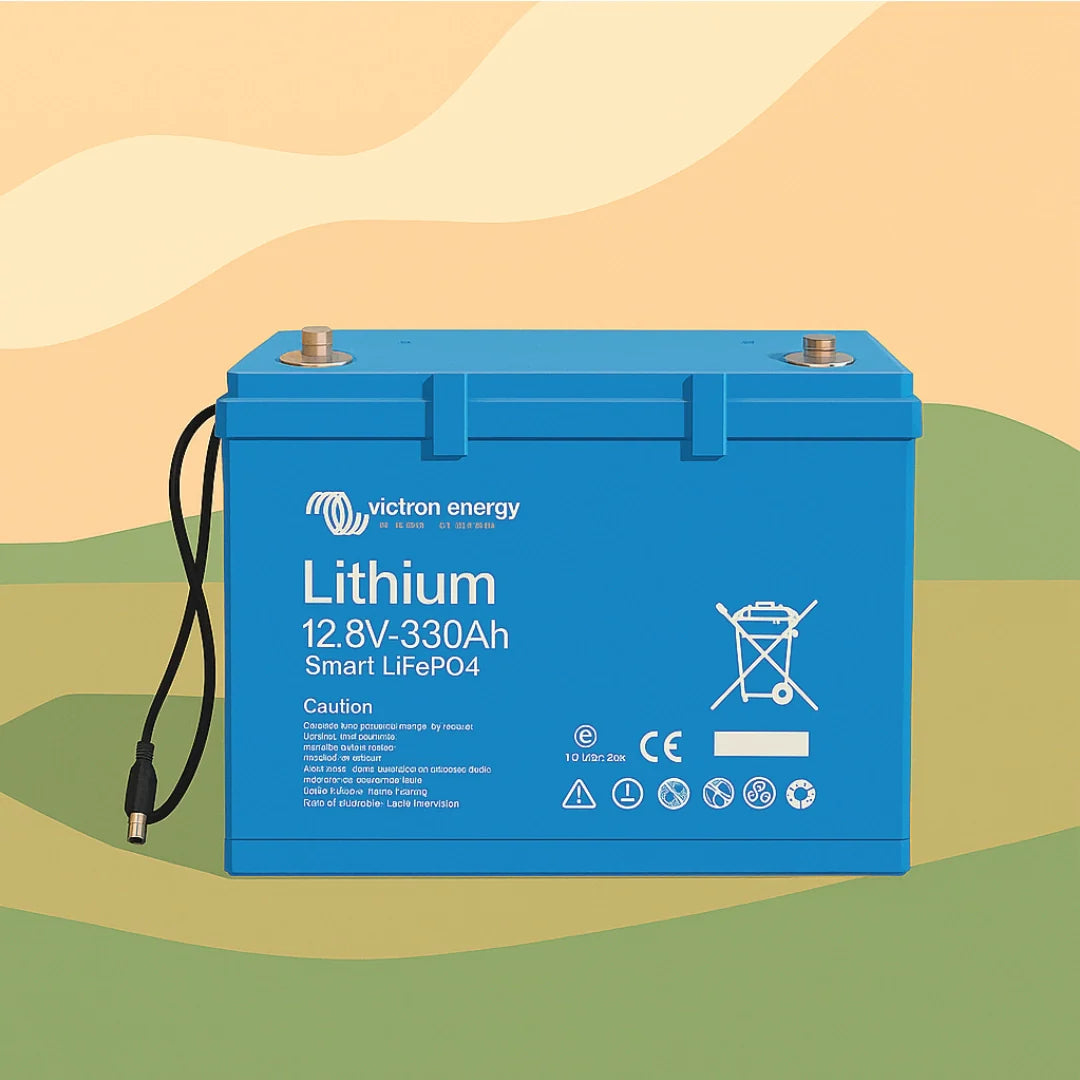
The core of smart lithium battery efficiency lies in its advanced battery management system (BMS), which continuously monitors critical parameters such as temperature, voltage, and state of charge. By using real-time sensors and intelligent algorithms, these systems can prevent potential issues like overheating, optimize charging cycles, and extend the battery’s operational lifespan. Sensor innovations enable precise tracking of battery performance, allowing for predictive maintenance and maximising energy storage potential.
Key efficiency improvements include rapid charging capabilities, enhanced depth of discharge, and intelligent energy management. Modern smart lithium batteries can adapt to varying energy demands, seamlessly switching between charging and discharging modes while maintaining optimal performance. The integration of advanced materials and design optimisation allows these batteries to achieve higher energy density, faster response times, and more consistent power output compared to traditional storage technologies.
Pro tip: Regularly update your battery management system’s firmware and conduct annual performance checks to ensure your smart lithium battery continues to operate at peak efficiency.
Savings, Sustainability, and Energy Independence
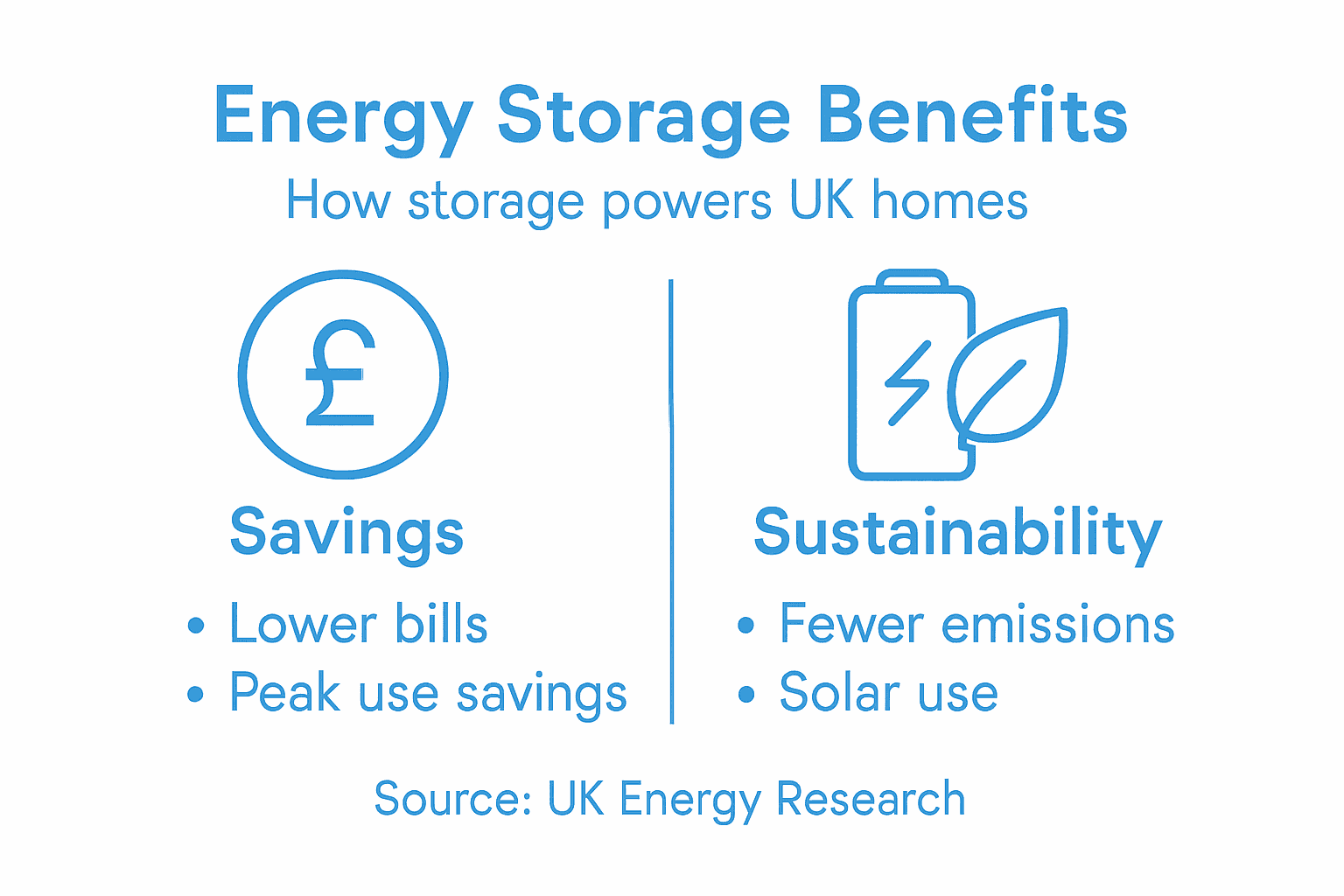
Renewable energy storage technologies are transforming the UK’s approach to domestic energy management, offering homeowners unprecedented opportunities to reduce costs, enhance sustainability, and achieve greater energy independence. By investing in home energy storage systems, households can strategically capture and utilise renewable energy, effectively reducing reliance on traditional power networks and mitigating the impact of fluctuating energy prices.
The financial benefits of home energy storage are substantial. Homeowners can significantly reduce electricity bills by storing excess energy generated during peak production times and consuming it during high-cost periods. This approach not only provides economic advantages but also contributes to a more stable and resilient energy infrastructure. UK energy independence strategies highlight the critical role of domestic energy storage in buffering against volatile fossil fuel markets and supporting national carbon reduction objectives.
Sustainability represents another crucial dimension of home energy storage. By maximising the utilisation of renewable energy sources like solar and wind, households can dramatically reduce their carbon footprint. These systems enable a more flexible and responsive energy ecosystem, allowing individuals to actively participate in the transition towards a low-carbon economy. The integration of intelligent storage solutions supports the UK’s ambitious net-zero targets while providing tangible environmental and economic benefits to homeowners.
Pro tip: Conduct a comprehensive energy audit of your home to identify the most suitable renewable energy storage solution that matches your specific consumption patterns and sustainability goals.
Key Challenges and What Homeowners Should Know
Battery energy storage systems present several critical challenges that UK homeowners must carefully consider before investing. While the potential benefits are significant, understanding the complex landscape of energy storage requires a nuanced approach that balances technological potential with practical financial considerations.
Financial viability remains a primary concern for homeowners exploring energy storage solutions. Initial investment costs can be substantial, and the long-term return on investment depends on multiple factors including electricity pricing, system efficiency, and evolving government policies. UK energy storage strategies highlight the importance of understanding regulatory frameworks and potential government incentives that can offset initial expenses and support sustainable energy transitions.
Technical challenges also require careful consideration. Homeowners must evaluate system compatibility with existing renewable energy infrastructure, battery longevity, performance degradation over time, and maintenance requirements. Factors such as temperature sensitivity, charging efficiency, and storage capacity can significantly impact the overall effectiveness of home energy storage systems. Additionally, the rapid pace of technological innovation means that today’s cutting-edge solution might become obsolete more quickly than anticipated.
The following table summarises the key homeowner considerations before investing in home energy storage:
| Consideration | Why It Matters | Example Insight |
|---|---|---|
| Financial Investment | High upfront costs impact payback period | Assess long-term bill savings |
| Technical Compatibility | Must work with existing home systems | Check inverter and solar setup |
| Maintenance Requirements | Longevity and reliability depend on regular care | Plan for annual system checks |
Pro tip: Request comprehensive performance guarantees and detailed lifecycle cost projections from multiple providers before committing to a home energy storage installation.
Unlock the Full Potential of Home Energy Storage Today
If you are looking to harness the benefits of advanced home energy storage technology discussed in this article you need a reliable partner that understands the challenges of upfront investment system compatibility and smart energy management. Skyenergi specialises in high-performance lithium battery systems designed to deliver exceptional efficiency and energy independence for UK homes whether you want to reduce electricity bills or store renewable energy more effectively our range of products features intelligent battery management with real-time Bluetooth monitoring so you can track your system’s health and maximise savings.
Discover how our lithium leisure batteries and complete turnkey energy solutions from leading brands like SRNE can seamlessly integrate with your home setup to enhance sustainability and cut costs. Don’t let technical uncertainty or maintenance worries hold you back take control of your energy future now by exploring our value-driven solutions at Skyenergi. Start your journey towards greater energy independence today and benefit from well-engineered energy storage designed specifically for UK conditions.
Frequently Asked Questions
What are the main benefits of home energy storage systems?
Home energy storage systems provide several benefits, including reduced electricity costs, increased energy self-sufficiency, and a decreased reliance on the national grid during peak demand periods.
How do lithium-ion batteries enhance energy efficiency in homes?
Lithium-ion batteries use advanced battery management systems to monitor critical parameters like temperature and voltage, optimising charging cycles, and prolonging their lifespan, ultimately improving overall energy efficiency.
What types of home energy storage systems are available?
The primary types include electrochemical storage systems like lithium-ion batteries, thermal energy storage systems for heating, and heat batteries for hot water. Each type has unique advantages and applications for residential energy management.
What challenges should homeowners consider before investing in home energy storage?
Homeowners should evaluate the financial investment, technical compatibility with existing systems, and ongoing maintenance requirements as crucial factors influencing the overall effectiveness and return on investment of home energy storage systems.
Recommended
Prev post

Top 8 SRNE Ric Inverter Options in 2026 for Energy Independence
Updated on 22 January 2026
Next post

Guide to Lithium Battery Maintenance for Campervans
Updated on 20 January 2026


