





Solar Battery Terms Explained: Power for Off-Grid Life
Solar battery terms explained for UK campervans: explore cell types, battery management, key ratings, safety, expansion and cost issues.
Living the british campervan dream often means chasing sunsets far from the nearest plug socket. With over 60 percent of campervan owners now considering lithium battery upgrades, reliable energy management is more important than ever for those off-grid adventures. Knowing the basics about solar battery systems empowers you to make smart choices, avoid costly mistakes, and travel further with confidence. Discover the critical terms, technologies, and practical strategies every british campervan owner should know.
Table of Contents
- Core Solar Battery Terms Defined
- Cell Types And Chemistry Explained
- Battery Management And Monitoring Features
- Battery Ratings, Lifespan And Performance
- Safety, Compatibility And System Expansion
- Common Pitfalls And Cost Implications
Key Takeaways
| Point | Details |
|---|---|
| Understand Key Terminology | Familiarise yourself with battery capacity, depth of discharge, state of charge, and charge cycles to make informed decisions on energy storage systems. |
| Choose Lithium-Ion Batteries | Opt for lithium iron phosphate (LiFePO4) batteries for their superior energy density, longevity, and faster charging capabilities compared to lead-acid alternatives. |
| Invest in Battery Management Systems | Select systems with real-time monitoring and fault detection features to enhance battery performance and lifespan during off-grid adventures. |
| Consider Total Cost of Ownership | Evaluate long-term costs, including lifespan and performance degradation, to ensure your energy storage investment is economically sound. |
Core Solar Battery Terms Defined
Navigating the world of solar batteries requires understanding some fundamental terminology. Whether you’re a campervan enthusiast or exploring off-grid power solutions, grasping these core concepts will help you make informed decisions about your energy storage system. Battery capacity definitions provide the foundation for comprehending how these systems operate.
Key solar battery terms include capacity, which measures the total amount of electrical energy a battery can store, typically expressed in ampere-hours (Ah). Depth of discharge (DoD) indicates the percentage of battery capacity that can be safely utilised before recharging. Most lithium batteries support up to 80-90% DoD, significantly higher than traditional lead-acid batteries. State of charge (SoC) represents the current battery energy level, similar to a fuel gauge in your vehicle, showing how much available power remains.
Additional critical terms include charge cycles, which describe the number of complete charge and discharge sequences a battery can undergo before performance degrades. Round-trip efficiency measures the percentage of stored energy that can be retrieved and used effectively, accounting for energy losses during storage and conversion processes. Understanding these terms helps campervan owners select reliable batteries that match their specific energy requirements and usage patterns.
Pro tip: When comparing solar batteries, always look beyond raw capacity and consider depth of discharge, charge cycle ratings, and round-trip efficiency to ensure long-term performance and value.
Cell Types and Chemistry Explained
Understanding solar battery cell types and chemistry is crucial for campervan owners seeking reliable off-grid power solutions. Battery chemistry variations play a significant role in determining performance, longevity, and overall energy storage capabilities.
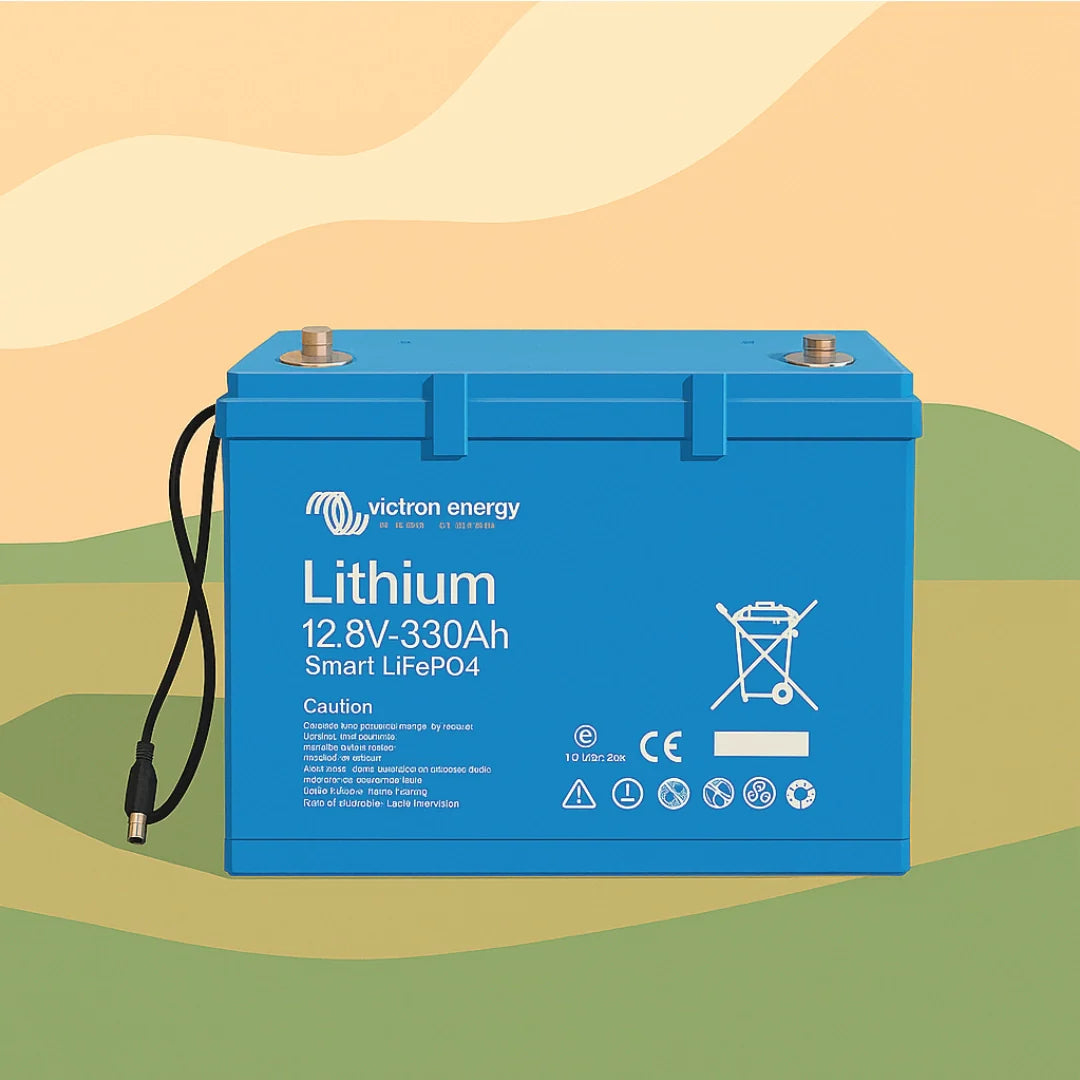
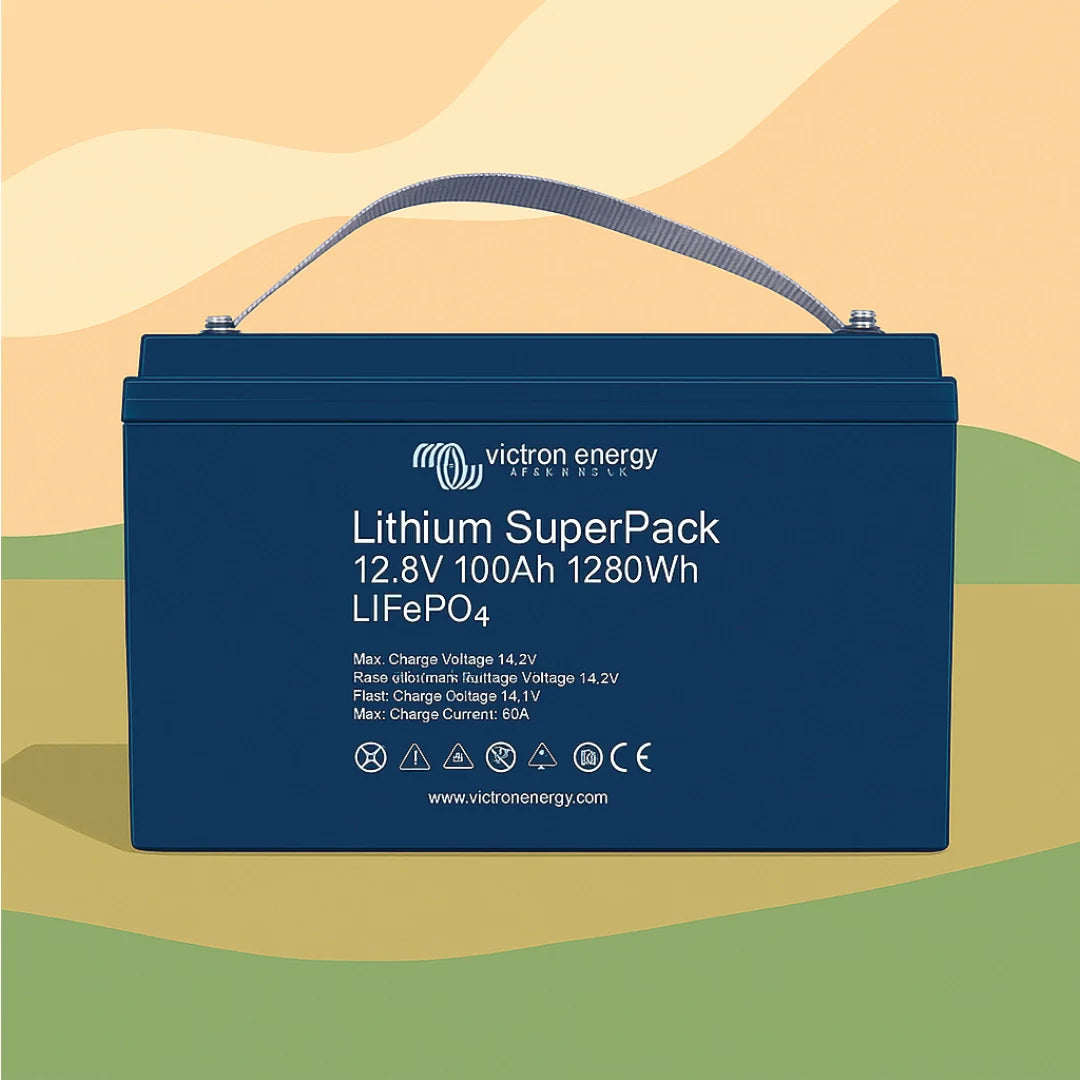
The most common cell types for solar batteries include lithium-ion and lead-acid, each with distinct characteristics. Lithium-ion batteries dominate the market due to their superior energy density, longer lifespan, and faster charging capabilities. They typically use chemistries like lithium iron phosphate (LiFePO4), lithium nickel manganese cobalt oxide (NMC), and lithium titanate (LTO). These chemistries offer different trade-offs between energy density, safety, cycle life, and cost, making them suitable for various campervan applications.
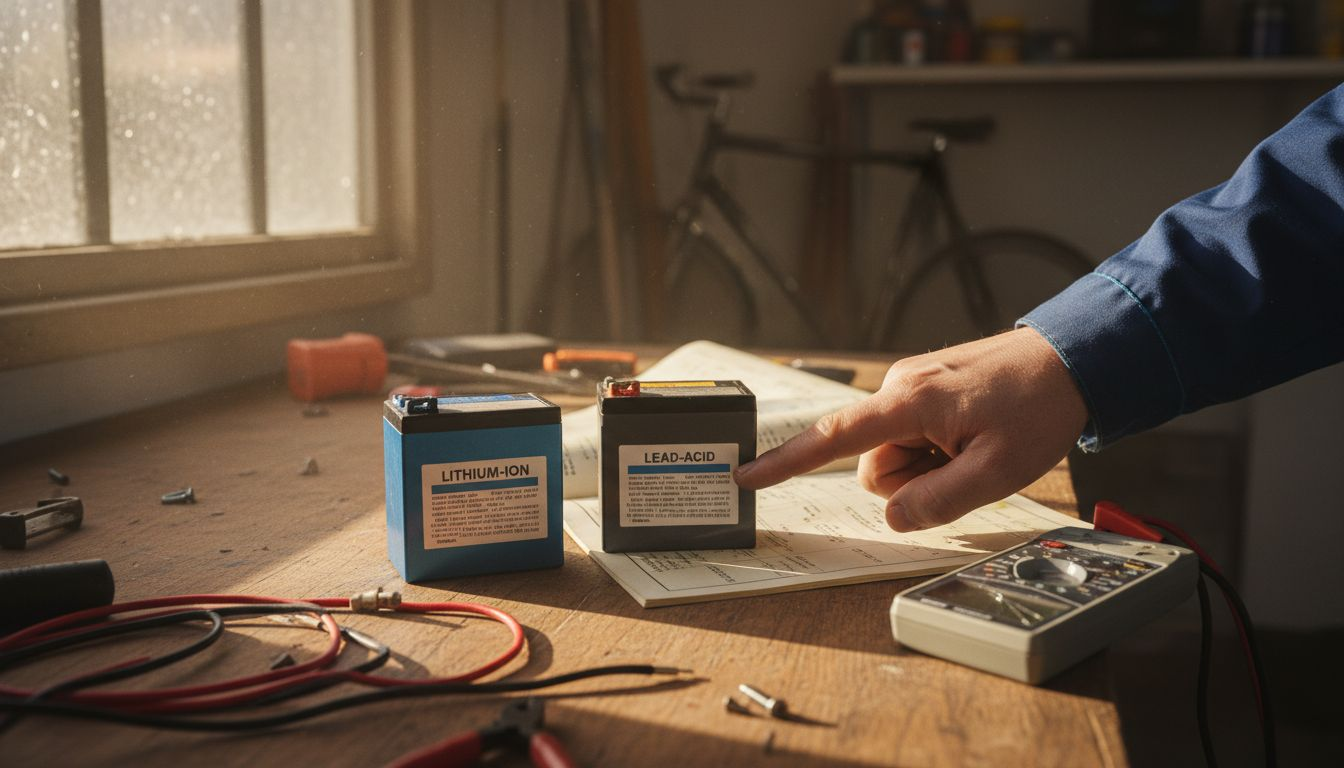
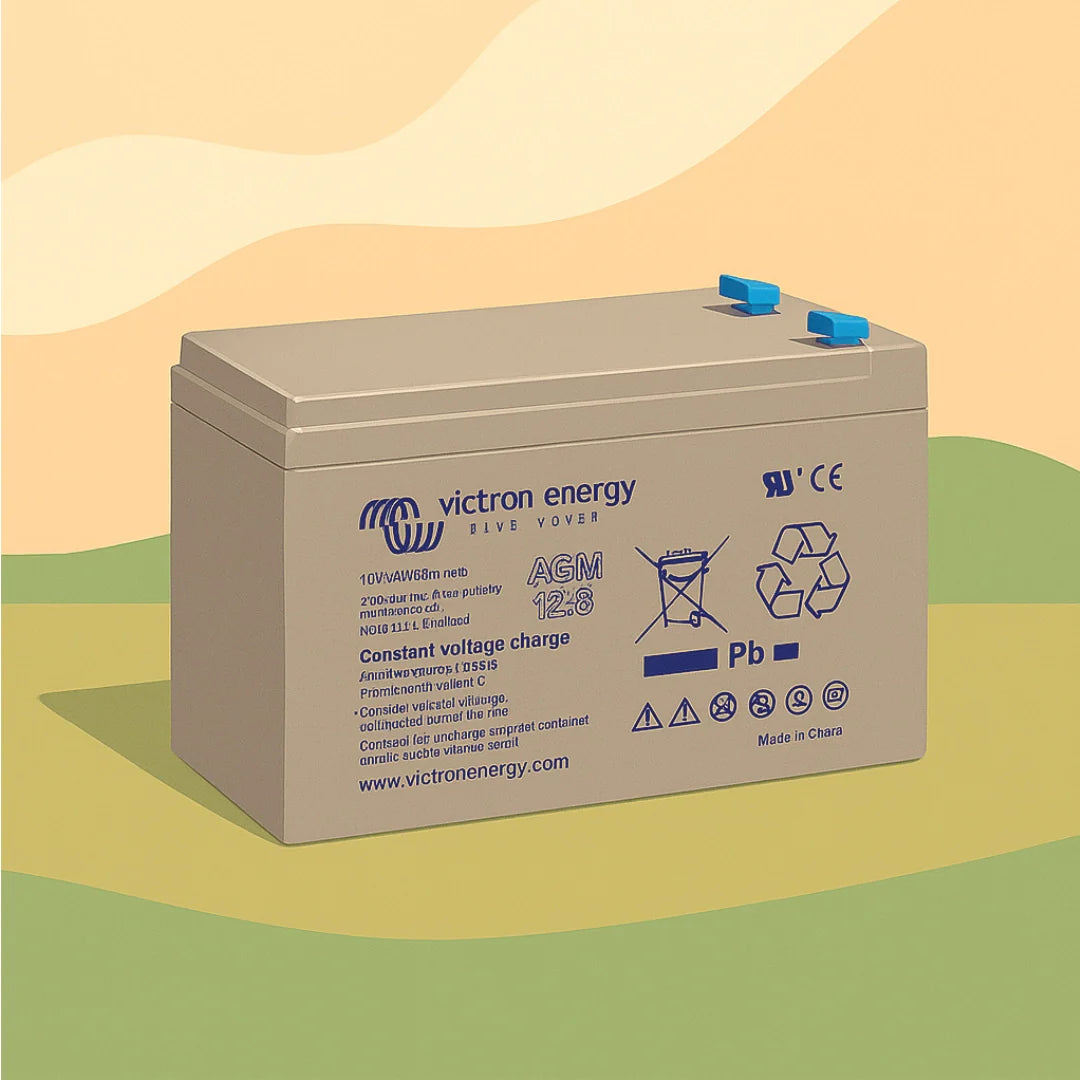
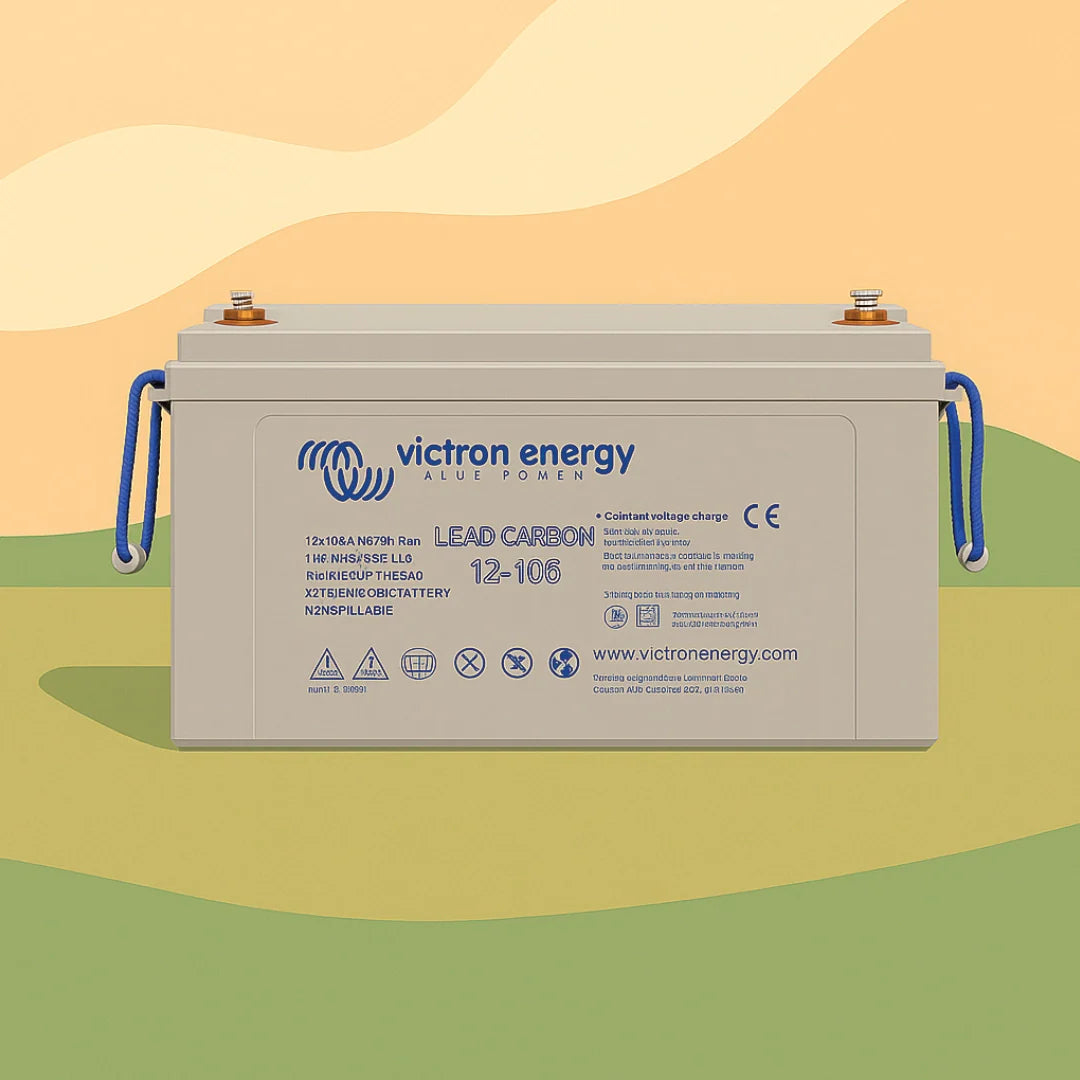
Lead-acid batteries, while cheaper upfront, have significant limitations compared to modern lithium technologies. They provide lower depth of discharge, shorter lifespans, and slower charging rates. Advanced lithium chemistries can support up to 3,000 charge cycles, compared to just 500-800 cycles for traditional lead-acid batteries. Integrated solar battery technologies continue to evolve, offering more efficient and compact energy storage solutions for off-grid enthusiasts.
Pro tip: When selecting a battery for your campervan, prioritise lithium iron phosphate (LiFePO4) cells for their excellent balance of safety, longevity, and performance in challenging off-grid environments.
Here’s a comparison of common solar battery chemistries relevant to campervan owners:
| Chemistry Type | Energy Density | Cycle Life | Safety Profile |
|---|---|---|---|
| LiFePO4 | Good | 3,000+ cycles | Excellent thermal stability |
| NMC | Very high | 1,500–2,000 cycles | Moderate, needs robust management |
| LTO | Moderate | 7,000+ cycles | Outstanding, handles rapid charging |
| Lead-acid | Low | 500–800 cycles | Susceptible to damage and leaks |
Battery Management and Monitoring Features
Effective battery management is crucial for maximising the performance and longevity of solar power systems in campervans. Battery management systems provide comprehensive monitoring and protection for your energy storage setup, ensuring safe and efficient operation.
A Battery Management System (BMS) serves as the brain of your solar battery, continuously monitoring critical parameters like cell temperature, voltage, and state of charge. These systems protect against potential issues such as overcharging, deep discharge, and thermal runaway. Modern BMS technologies offer sophisticated features including real-time battery monitoring through smartphone apps and Bluetooth connectivity, allowing campervan owners to track their energy usage and battery health with unprecedented ease.
Key monitoring features include state of charge (SoC) estimation, temperature control, and fault detection mechanisms. The BMS ensures individual cell voltages remain balanced, preventing potential damage and maximising battery lifespan. Advanced systems can provide predictive maintenance alerts, helping owners identify potential issues before they become critical problems. These intelligent monitoring capabilities are particularly valuable for off-grid enthusiasts who rely on consistent and reliable power sources in remote locations.
Pro tip: Invest in a battery management system with Bluetooth connectivity to enable real-time monitoring and early detection of potential battery performance issues during your off-grid adventures.
Summary of battery management system features and their benefits for solar setups:
| BMS Feature | Description | Benefit |
|---|---|---|
| Temperature monitoring | Checks cell heat levels | Prevents thermal damage |
| Cell balancing | Equalises voltages | Extends battery lifespan |
| Fault detection | Finds operational issues | Enables early intervention |
| Bluetooth connectivity | Smartphone app access | Real-time status tracking |
Battery Ratings, Lifespan and Performance
Understanding battery ratings is crucial for campervan owners seeking reliable off-grid power solutions. Battery performance metrics provide essential insights into how solar batteries will perform under real-world conditions, helping you make informed decisions about your energy storage system.
Key performance indicators include capacity rating, cycle life, and depth of discharge. Capacity rating measures the total amount of energy a battery can store, typically expressed in ampere-hours (Ah). Cycle life represents the number of complete charge and discharge cycles a battery can withstand before significant performance degradation occurs. Lithium battery advantages have made them increasingly popular, with most high-quality lithium batteries offering 2,000-3,000 cycles compared to just 500-800 cycles for traditional lead-acid batteries.
Performance degradation is an inevitable process for all batteries, but modern lithium technologies show remarkable longevity. Factors affecting battery performance include temperature exposure, charging practices, depth of discharge, and overall usage patterns. Most manufacturers provide performance warranties guaranteeing a certain percentage of original capacity after a specified number of years or cycles. For campervan owners, this means selecting a battery with robust performance ratings that can withstand the challenging conditions of off-grid travel.
Pro tip: Always check the battery’s cycle life and warranty details, aiming for batteries that maintain at least 80% of their original capacity after 1,000 complete charge cycles.
Safety, Compatibility and System Expansion
Battery safety standards are critical considerations for campervan owners looking to deploy reliable solar power systems. Ensuring chemical stability, thermal management, and resistance to potential misuse becomes paramount when designing off-grid energy solutions that can withstand challenging environmental conditions.
Compatibility involves understanding how different battery components and electrical systems interact. Modular battery designs offer significant advantages, allowing campervan owners to expand their energy storage incrementally. When considering system expansion, key factors include voltage matching, communication protocols, and mechanical integration. Lithium batteries with standardised connection interfaces enable easier upgrades, letting users add capacity without completely replacing existing infrastructure.
Safety features are increasingly sophisticated in modern solar battery systems. Advanced battery management systems include built-in protections against overcharging, thermal runaway, short-circuiting, and voltage imbalances. Battery system regulations now mandate comprehensive safety testing and transparent reporting on performance characteristics. This means campervan owners can select batteries with confidence, knowing they meet stringent European safety standards designed to protect users and ensure reliable long-term performance.
Pro tip: Always verify battery compatibility with your existing solar setup and invest in systems that offer clear expansion pathways and comprehensive safety certifications.
Common Pitfalls and Cost Implications
Battery system cost challenges represent a critical consideration for campervan owners exploring off-grid solar power solutions. The upfront investment in solar battery technology can be substantial, with potential hidden expenses that extend far beyond the initial purchase price.
Total cost of ownership involves more than just the battery’s sticker price. Factors such as performance degradation, maintenance requirements, and potential replacement costs can significantly impact long-term financial planning. Lithium batteries, while more expensive initially, often prove more economical over time due to their longer lifespan and superior performance characteristics. Campervan owners should consider cycle life, depth of discharge, and efficiency ratings when evaluating the true economic value of their energy storage system.
Common pitfalls include underestimating energy requirements, choosing incompatible components, and neglecting proper maintenance. Solar battery technology developments continue to drive down costs, but users must still carefully assess their specific energy needs. Unexpected expenses can arise from improper installation, inadequate system design, or failure to account for environmental factors that impact battery performance. Monitoring system health, investing in quality components, and understanding your specific energy consumption patterns are crucial to avoiding costly mistakes.
Pro tip: Calculate your total cost of ownership by considering battery lifespan, efficiency, replacement costs, and potential energy savings, not just the initial purchase price.
Empower Your Off-Grid Life with Skyenergi’s Advanced Lithium Battery Solutions
Understanding complex solar battery terms like capacity, depth of discharge, and battery management systems can be overwhelming. You want a reliable energy storage system that matches your unique campervan or off-grid power needs without the usual confusion or hidden costs. Skyenergi specialises in high-performance lithium leisure batteries and complete turnkey energy solutions designed for real-world durability and long-lasting performance. Our products feature intelligent battery management with Bluetooth monitoring so you can easily track your battery’s health and efficiency anywhere.
Take the next step towards energy independence with Skyenergi’s expertly engineered off-grid power solutions. Explore our range of lithium battery systems and accessories to find the perfect match for your campervan, motorhome, or marine setup. Visit Skyenergi today and make informed choices with confidence supported by industry-leading technology and competitive pricing. Don’t just power your journey; transform it with solutions that keep you reliably connected to your energy wherever adventure takes you.
Frequently Asked Questions
What is battery capacity, and why is it important for solar batteries?
Battery capacity refers to the total amount of electrical energy a battery can store, typically expressed in ampere-hours (Ah). It is crucial because it determines how much energy you can draw from the battery, affecting your off-grid power availability.
What does depth of discharge (DoD) mean in the context of solar batteries?
Depth of discharge (DoD) indicates the percentage of a battery’s capacity that can be safely used before it needs to be recharged. Most lithium batteries support a DoD of 80-90%, making them more efficient than traditional lead-acid batteries.
How do lithium-ion batteries compare to lead-acid batteries for solar applications?
Lithium-ion batteries offer superior energy density, longer lifespan, and faster charging capabilities compared to lead-acid batteries. While lead-acid batteries are cheaper upfront, they have a shorter cycle life and lower depth of discharge, making lithium batteries a better long-term investment for solar applications.
What are the key features to look for in a battery management system (BMS) for solar power systems?
Look for features such as temperature monitoring, cell balancing, fault detection, and Bluetooth connectivity. These features help ensure safe operation, extend battery lifespan, and allow for real-time monitoring of your energy system.
Recommended
- Solar Energy Storage: Independence for Campervans – Skyenergi
- What Is Solar Charging? Achieving Off-Grid Freedom – Skyenergi
- Marine Battery Systems Explained: Powering Off-Grid Adventures – Skyenergi
- Lithium Battery Storage – Powering Off-Grid Adventures – Skyenergi
- Freeze-Drying Technology: Energy Use Breakdown
Prev post

Why Lithium Batteries Matter for UK Boats
Updated on 10 January 2026
Next post

Role of BMS in Energy Storage – Why It Matters
Updated on 08 January 2026


