





Expandable Energy Storage Systems: Off-Grid Power Made Simple
Expandable energy storage systems for campervans: types, integration, real-world uses, costs, and key safety steps for dependable off-grid living in the UK.
Running out of power midway through a scenic drive in the Scottish Highlands can limit even the most well-planned campervan adventures. For many UK-based owners, the search for reliable off-grid energy is about more than comfort—it is about true independence and flexibility. Expandable energy storage systems, built with modular architecture, now allow you to adjust your power capacity as your needs change, making it possible to travel further and stay connected anywhere without a complete system overhaul.
Table of Contents
- What Makes An Energy Storage System Expandable?
- Key Types For Campervans And Mobile Setups
- How Modular Battery Systems Work In Practice
- Real-World Installation And Integration Challenges
- Costs, Safety Rules, And Common Pitfalls
Key Takeaways
| Point | Details |
|---|---|
| Modular Energy Storage Systems | These systems enable incremental expansion of power capacity without replacing existing infrastructure. |
| Battery Types for Campervans | Options like Lithium-ion and Gel Batteries cater to different off-grid power needs and characteristics. |
| Installation Challenges | Successful integration requires attention to electrical compatibility, thermal management, and mechanical stability. |
| Cost and Safety Considerations | Initial investment and safety compliance are critical; planning for future needs can prevent unexpected expenses. |
What Makes an Energy Storage System Expandable?
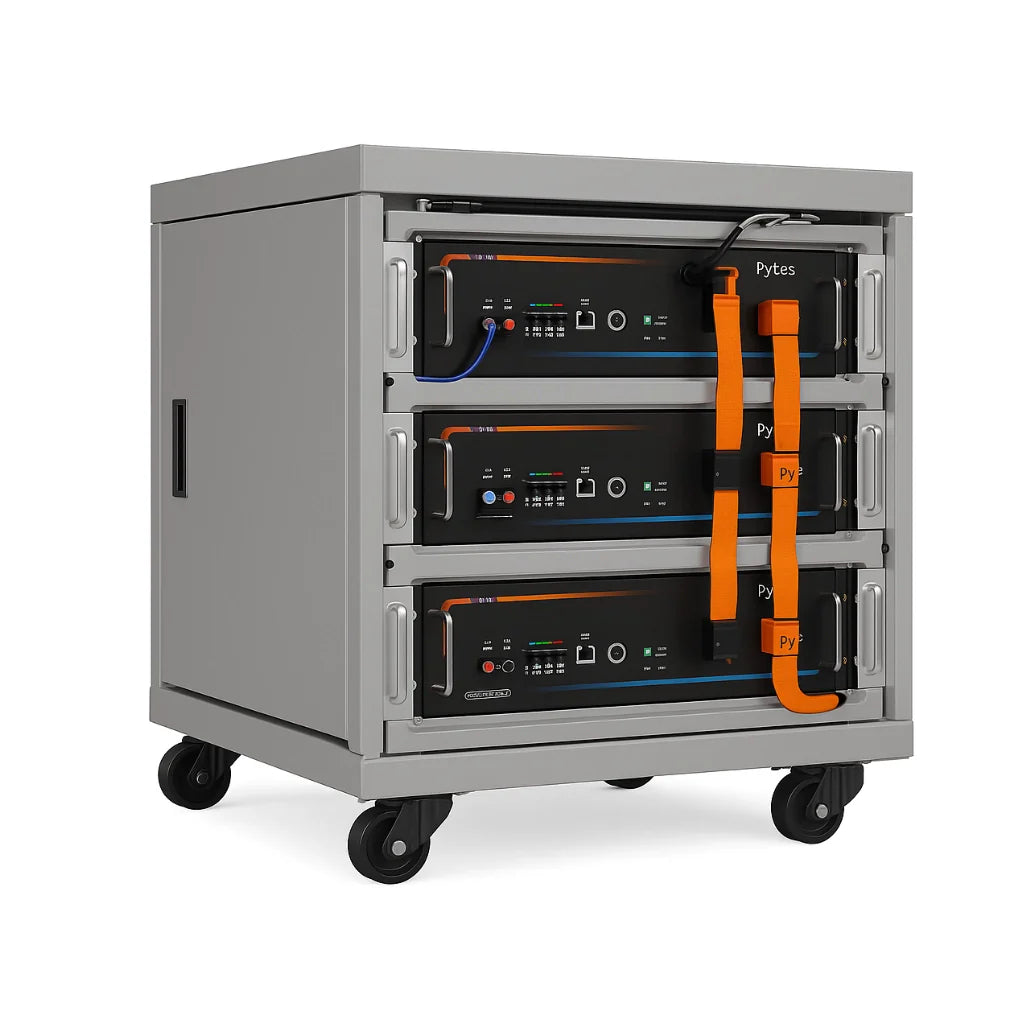
An expandable energy storage system allows users to incrementally increase power storage capacity without completely replacing their existing infrastructure. These systems are designed with modular architecture, enabling gradual capacity enhancement to match evolving energy requirements.
Key characteristics of expandable energy storage systems include:
- Modular battery configurations that permit additional units
- Standardised connection interfaces between battery modules
- Scalable battery management systems (BMS) supporting incremental expansion
- Compatibility with existing electrical infrastructure
- Flexible design allowing future capacity upgrades
The UK Government’s modular design framework emphasises that expandable systems address critical challenges in renewable energy integration. By enabling incremental capacity increases, these solutions provide significant economic and technical advantages compared to traditional fixed-capacity storage.
Universities like University College London highlight that Battery Energy Storage Systems (BESS) represent a prime example of expandable technology. Their research demonstrates how modular batteries can be strategically added to existing setups, allowing homeowners and businesses to adapt their energy storage capabilities without substantial reinvestment.
Pro tip: Always verify the maximum expandability and compatibility of your chosen energy storage system before initial installation to ensure seamless future upgrades.
Key Types for Campervans and Mobile Setups
Campervan energy storage systems have evolved dramatically, offering multiple battery technology options tailored to off-grid power requirements. UK government-backed energy storage technologies now provide compact, scalable solutions specifically designed for mobile applications.
The primary types of energy storage systems for campervans include:
-
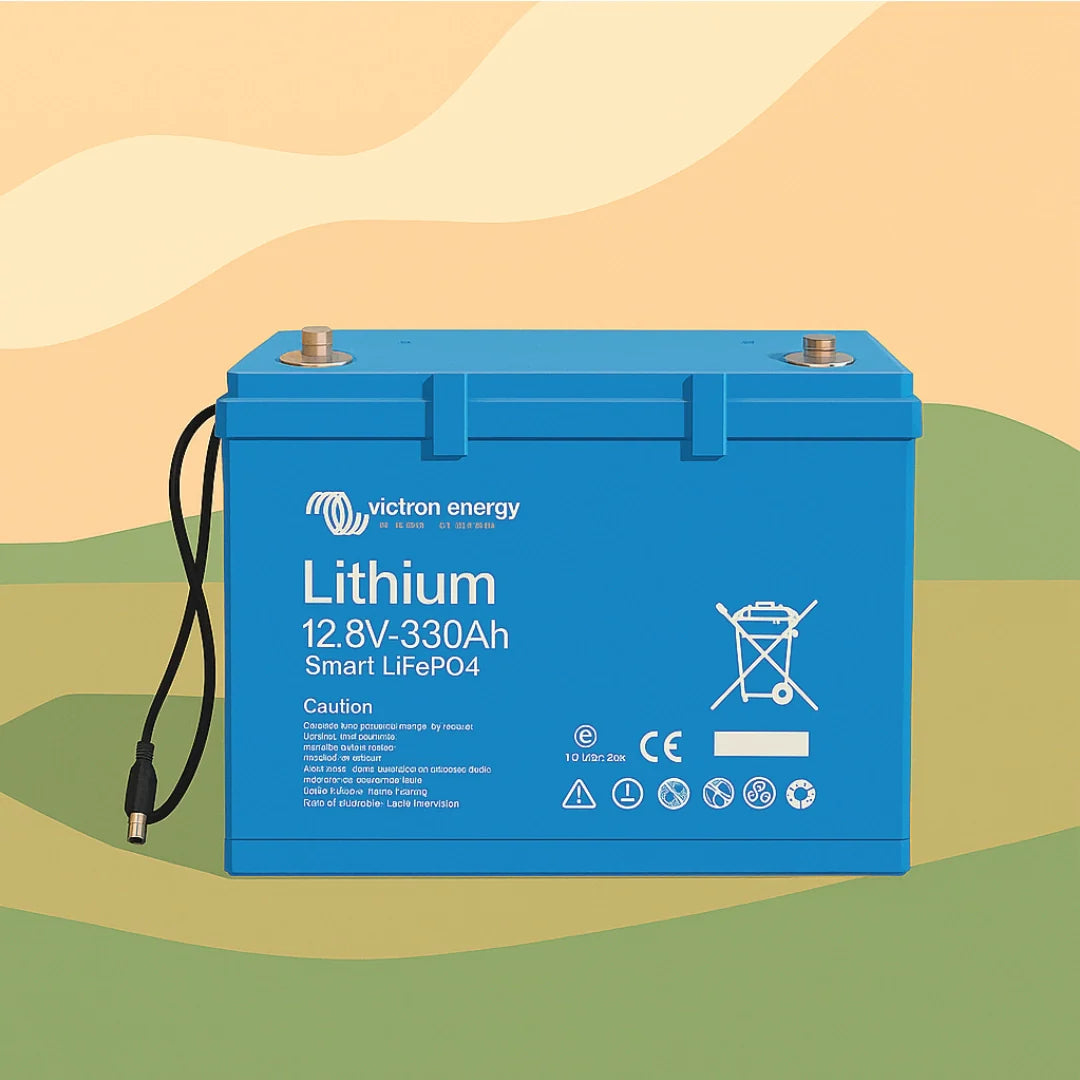
Lithium-ion Batteries
- Lightweight and compact design
- High energy density
- Faster charging capabilities
- Longer operational lifespan
-
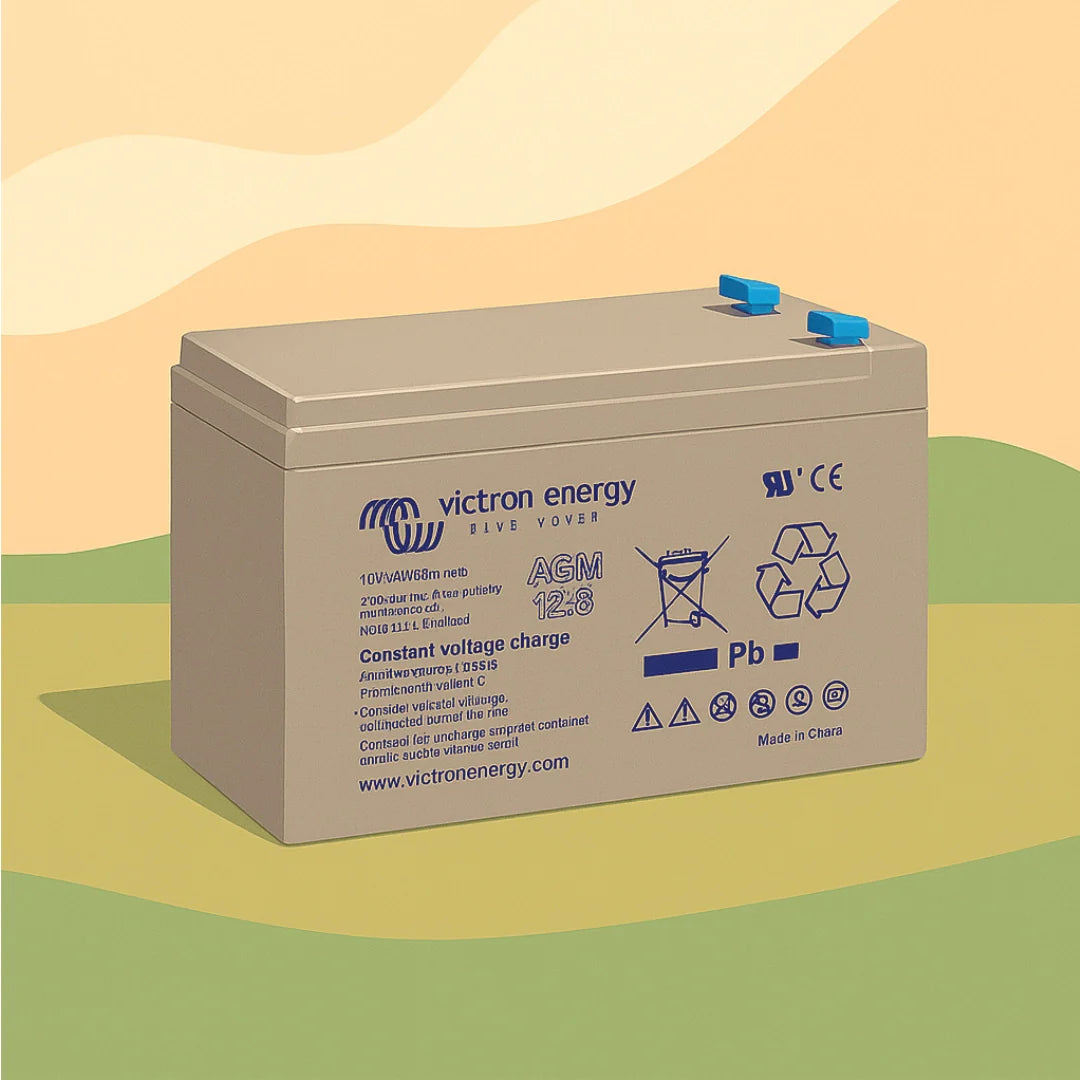
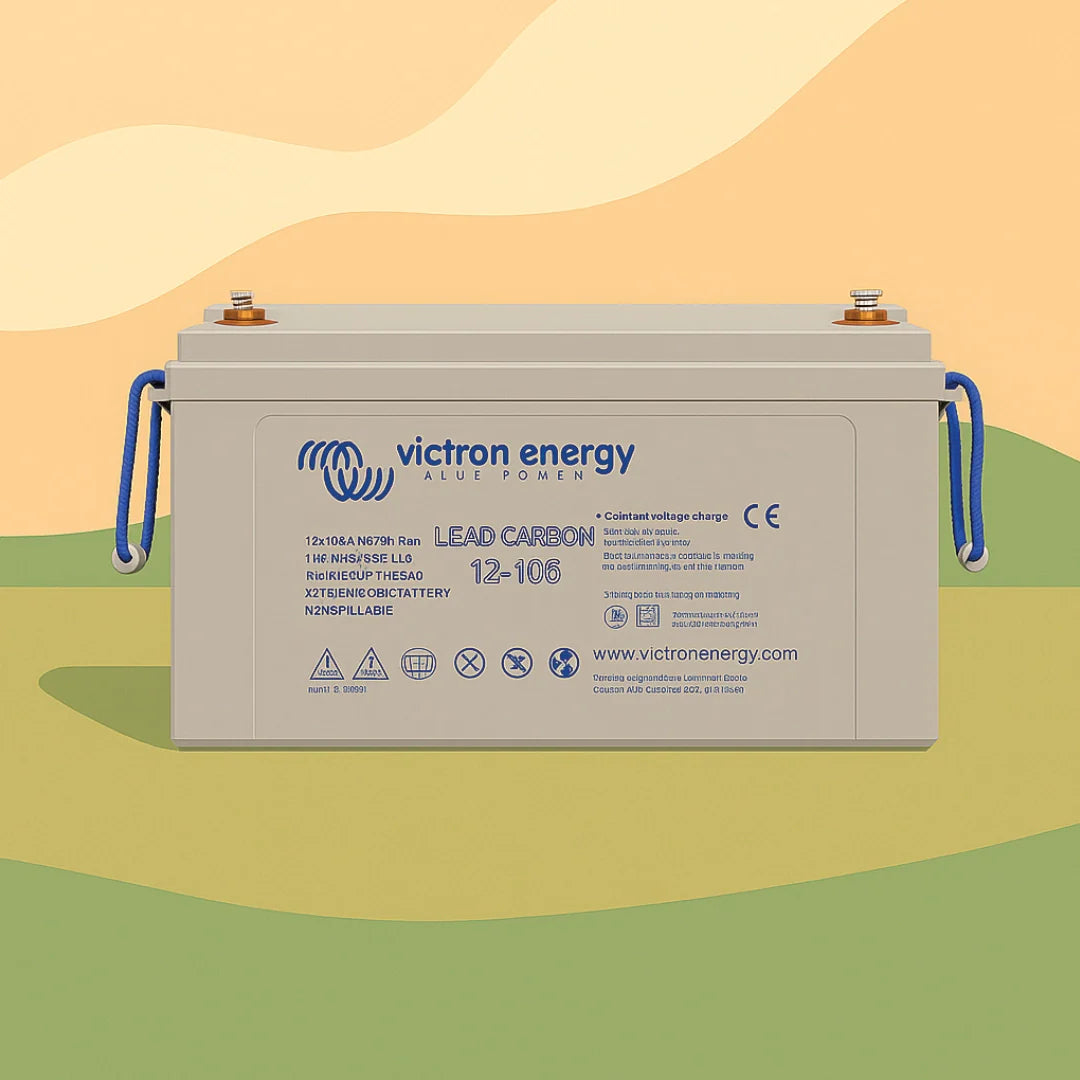
Lead-acid Batteries
- Lower upfront cost
- Proven technology
- Suitable for basic power needs
-
Gel Batteries
- Maintenance-free operation
- Spill-proof design
- Good performance in variable temperatures
-
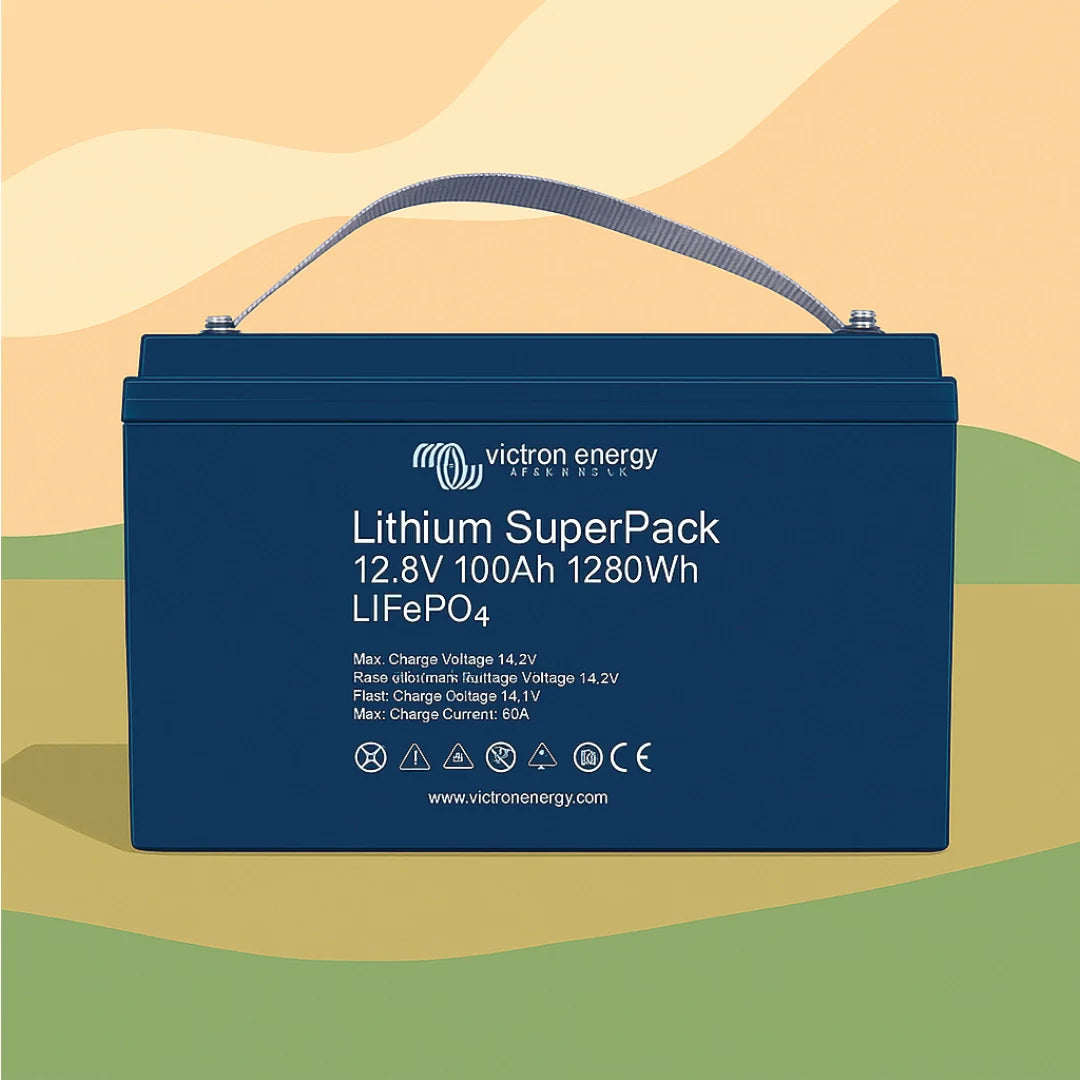
Lithium Iron Phosphate (LiFePO4) Batteries
- Enhanced safety profile
- Excellent thermal stability
- Longer cycle life
- Ideal for extreme environmental conditions
The regulatory guidance from Ofgem emphasises that these battery systems must meet stringent safety and performance standards for mobile applications. Each type offers unique advantages, allowing campervan owners to select a solution matching their specific energy consumption patterns and budget constraints.
The following table compares leading battery types for campervans by their core strengths, making selection easier:
| Battery Type | Best For | Main Advantage | Longevity |
|---|---|---|---|
| Lithium-ion | Frequent travellers | Lightweight and compact | Up to 10 years |
| Lead-acid | Occasional use | Lowest upfront cost | 3–5 years |
| Gel | All climates | Spill-proof and maintenance-free | 5–7 years |
| Lithium Iron Phosphate | Demanding conditions | Superior safety and cycle lifespan | Over 10 years |
Modular battery configurations represent the future of campervan energy storage, enabling users to expand their power capacity incrementally. These systems allow gradual upgrades without complete system replacement, providing flexibility for evolving energy requirements.
Pro tip: Consider your typical power consumption, charging infrastructure, and weight constraints when selecting a battery system for your campervan.
How Modular Battery Systems Work in Practice
Modular battery systems represent a revolutionary approach to energy storage, allowing campervan owners to customise and expand their power capabilities with unprecedented flexibility. Battery management systems play a critical role in enabling these intelligent, scalable configurations.
The core principles of modular battery systems include:
-
Plug-and-Play Design
- Standard connection interfaces
- Easy addition of new battery units
- Minimal technical expertise required
-
Scalable Architecture
- Start with minimal configuration
- Incrementally add capacity as needed
- Adaptable to changing power requirements
-
Intelligent Integration
- Seamless communication between modules
- Balanced charging across battery units
- Automatic power management
Practically, this means a campervan owner can begin with a basic two-battery setup and gradually expand to four or six batteries as their energy demands increase. Each additional battery module connects effortlessly, with the battery management system automatically recalibrating to maintain optimal performance and safety.
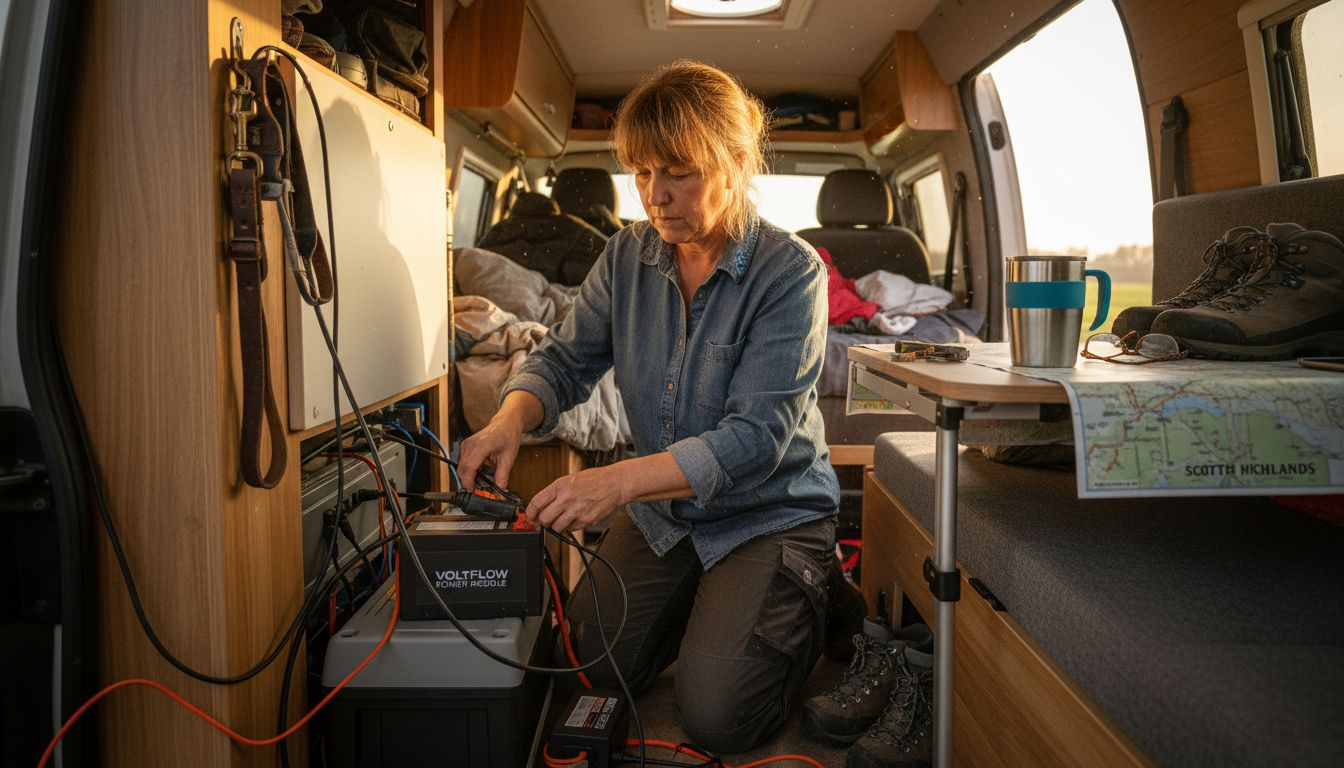
The real-world application of modular systems transforms how campervan enthusiasts approach power management. Instead of committing to a complete, expensive system upfront, users can invest incrementally, spreading costs and adapting their energy storage to evolving travel needs.
Pro tip: Always verify the compatibility and maximum expandability of your chosen modular battery system before initial investment.
Real-World Installation and Integration Challenges
Expandable energy storage systems present complex installation challenges that require careful planning and technical expertise. Long Duration Electricity Storage technical guidelines highlight critical considerations for successful implementation.
Key installation challenges include:
-
Electrical Compatibility
- Ensuring consistent voltage specifications
- Managing different battery module interfaces
- Preventing potential electrical mismatches
-
Thermal Management
- Designing effective cooling systems
- Preventing heat buildup between modules
- Maintaining optimal operating temperatures
-
Mechanical Integration
- Securing battery modules securely
- Accounting for vehicle vibration and movement
- Creating robust mounting solutions
-
System Communication
- Establishing reliable inter-module communication
- Implementing standardised control protocols
- Ensuring seamless data exchange
Campervan owners must navigate these technical complexities while maintaining safety and performance standards. The installation process demands precise electrical knowledge, understanding of battery management systems, and meticulous attention to mechanical details.
Successful integration requires professional assessment, with experts carefully evaluating the specific requirements of each unique campervan setup. This involves comprehensive system design, precise component selection, and strategic planning to ensure optimal energy storage performance.
Pro tip: Always consult a professional installer specialising in campervan electrical systems to ensure safe and effective battery system integration.
Costs, Safety Rules, and Common Pitfalls
Modular energy storage systems for campervans represent a significant financial investment with intricate safety considerations. Health and Safety Executive electrical standards provide critical guidelines for navigating these complex requirements.
Primary cost and safety considerations include:
-
Initial Investment
- Equipment procurement costs
- Professional installation fees
- Battery module pricing
- Potential system upgrade expenses
-
Safety Compliance
- Electrical system certification
- Thermal management protocols
- Emergency disconnection mechanisms
- Protective equipment requirements
-
Operational Expenses
- Regular maintenance checks
- Battery performance monitoring
- Potential replacement components
- Insurance and regulatory compliance costs
Common pitfalls in energy storage system implementation often stem from inadequate planning and incomplete understanding of technical requirements. Campervan owners frequently underestimate the complexity of electrical integration, leading to potential safety risks and unexpected additional expenses.
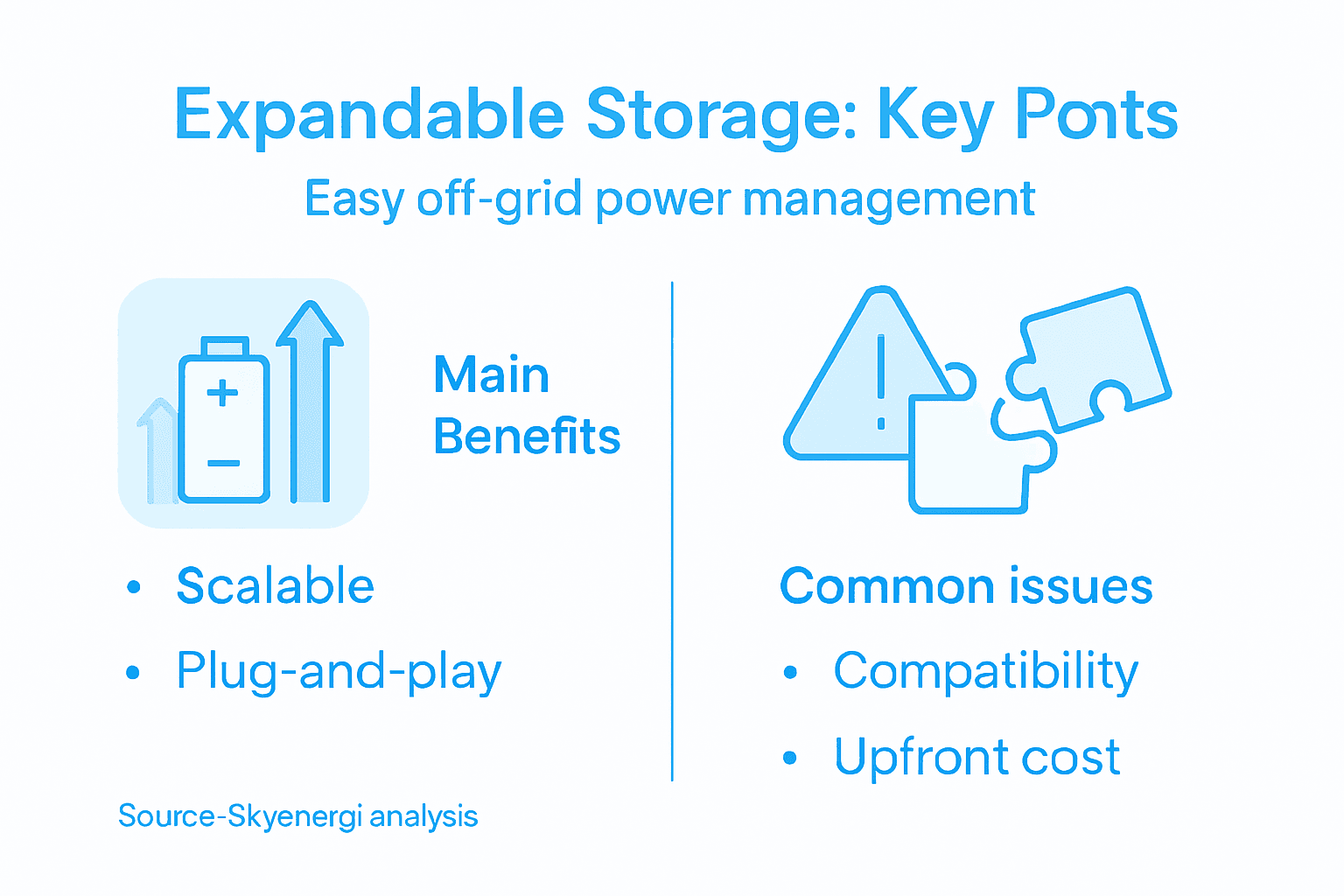
The financial landscape of expandable energy storage involves careful budgeting and long-term strategic planning. While initial costs might seem substantial, the flexibility and enhanced energy independence provided by modular systems can offer significant value over time.
Below is a summary table of common hidden costs and mistakes in modular campervan system installations:
| Aspect | Typical Issue | Prevention Tip |
|---|---|---|
| Electrical integration | Overlooked compatibility | Engage a qualified installer |
| System upgrades | Unexpected expansion expenses | Plan for future needs at outset |
| Safety compliance | Inadequate thermal protection | Insist on certified components |
| Maintenance | Irregular system checks | Schedule routine inspections annually |
Pro tip: Budget for professional installation and maintain a contingency fund for unexpected technical requirements during your energy storage system implementation.
Take Control of Your Off-Grid Power with Expandable Energy Solutions
Managing evolving energy needs in your campervan or off-grid setup can feel overwhelming, especially when considering expandability and compatibility. This article highlights key challenges such as modular design, battery management systems, and safe integration. At Skyenergi, we understand these pain points and are committed to providing expertly engineered lithium battery systems designed for easy expansion and reliable performance.
Whether you need lightweight lithium leisure batteries or a complete turnkey energy solution, our products come equipped with intelligent battery management and Bluetooth monitoring to keep you informed in real time. Experience the freedom of scalable energy that grows with your travel and lifestyle demands by exploring our range of high-performance energy storage products.
Discover how to simplify your expandable off-grid power journey today. Visit Skyenergi for reliable solutions, including intelligent battery systems and expert guidance tailored to your unique energy requirements. Don’t wait to take charge of your energy independence. Start upgrading your setup now.
Frequently Asked Questions
What are expandable energy storage systems?
Expandable energy storage systems are designed with modular architecture, allowing users to incrementally increase power storage capacity without needing to replace their existing infrastructure completely.
What types of batteries are suitable for campervans?
Common battery types for campervans include lithium-ion, lead-acid, gel, and lithium iron phosphate (LiFePO4) batteries. Each type offers unique advantages such as energy density, cost, and operational lifespan, allowing users to choose based on their specific needs.
How do modular battery systems function in campervans?
Modular battery systems operate through a plug-and-play design that enables easy addition of battery units. They support scalable architecture and intelligent integration, allowing users to expand their power capabilities as their energy demands change.
What are the key considerations for installing an expandable energy storage system?
Key installation considerations include ensuring electrical compatibility, effective thermal management, mechanical integration, and establishing reliable communication between battery modules. Professional assessment is recommended for optimal performance and safety.
Recommended
- Home Energy Storage: Powering Off-Grid UK Living – Skyenergi
- What Is Energy Storage for Campervans? – Skyenergi
- Solar Energy Storage: Independence for Campervans – Skyenergi
- 7 Key Advantages of Home Solar Systems for UK Homeowners – Skyenergi
- Excellence in Distance and Design: Expedition Yachts To Satisfy Your Explorer Spirit
Prev post

7 Expert Solar Charging Tips for UK Campervan Owners
Updated on 01 February 2026
Next post

Troubleshooting Battery Systems for Off-Grid Performance
Updated on 30 January 2026


